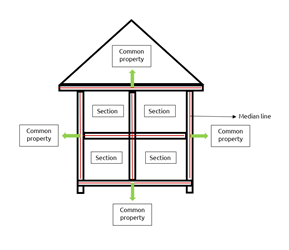
The Sectional Properties Act 2020 and Regulations 2021 are laws in Kenya that allow the division of buildings into units owned by individual proprietors and common property owned by unit proprietors as tenants in common. The Act simplifies sale transactions, reduces costs, eliminates administrative challenges, and enhances revenue collection. The Regulations outline the registration of sectional plans and conversion of long-term leases to sectional titles. The Act applies to freehold land and leasehold land with a minimum residual term of 21 years.
Compliance requirements include proper geo-referenced and approved parcels of land, and the conversion of long-term leases to sectional titles is ongoing. The Act and Regulations aim to optimize the use of limited land resources in Kenya, particularly in high population density areas.A sectional development is a building plan that consists of two or more units, prepared by a surveyor from a building plan approved by the county government. The plan requires a land search, construction permit, floor plans, and physical structures. The registration of the plan is lodged at the land registry, and a management corporation is incorporated. The land registrar must submit the registered plan to the county government for apportionment of rates within 21 days.
The consequences of registration include closing the mother title register and opening a separate register for each sectional unit. Certificates of title or lease are issued for each unit, and interests registered against the mother title are endorsed on the sectional title documents. Each sectional unit owner is responsible for payment of land rent and rates for their individual unit. The management corporation manages the common areas on behalf of the unit owners.
Once a management corporation is registered, the existing management company must transfer all assets and liabilities to the management corporation within one year, and the company will be wound up in accordance with the Insolvency Act. Long-term leases registered under the Land Reform Act (LRA) must be converted into sectional units.
Imagine owning a slice of a giant skyscraper, a bustling shopping mall, or a cozy apartment complex – all without the hassle of leaky faucets and mountains of paperwork. That’s the magic of Real Estate Investment Trusts or REIT. They’re like tiny treasure chests holding income-producing properties, offering you a piece of the action without the burden of becoming a full-fledged landlord.
What is a REIT?
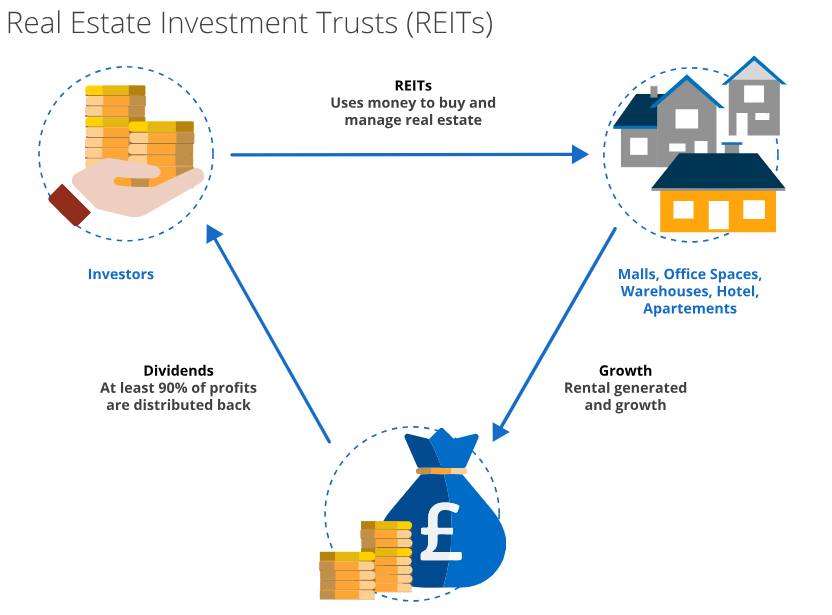
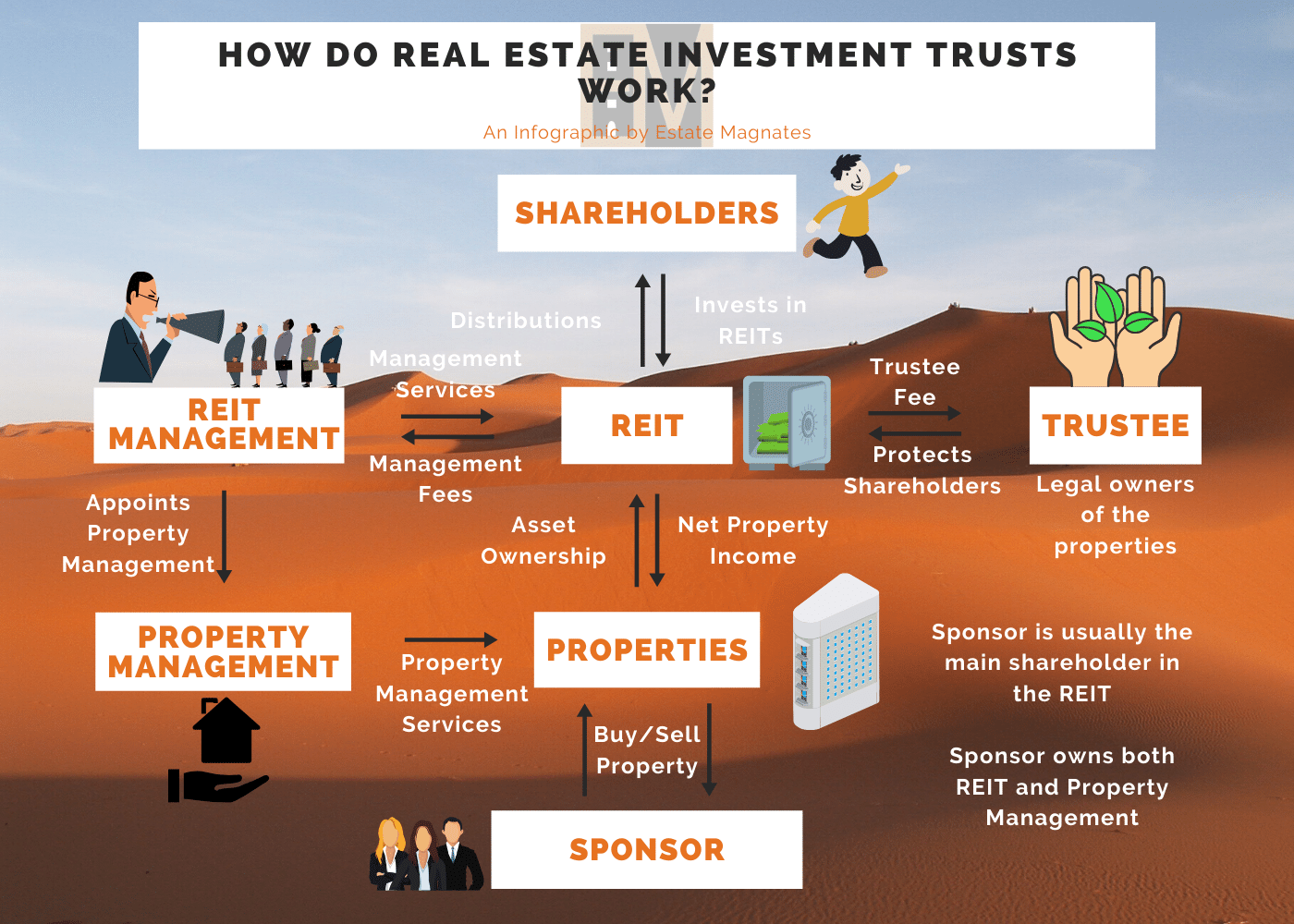
A REIT is a company that owns, operates, or finances income-generating real estate ventures. Like a mutual fund, a REIT pools capital from multiple investors and uses it to acquire and manage a diverse portfolio of properties. Investors gain exposure to the real estate market by purchasing shares in the REIT, much like buying stocks.
Types of REITs
Equity REITs (E-REITs): These are the most common type, and they own and operate income-producing real estate. They generate income from rents and potentially benefit from property value appreciation.
Mortgage REITs (M-REITs): M-REITs don’t own physical properties. Instead, they invest in mortgages and other real estate-related debt instruments. Their income comes from the interest earned on these loans.
Hybrid REITs: As the name suggests, these REITs combine elements of both E-REITs and M-REITs. They may generate income from a mix of property ownership and mortgage financing.
Development REITs (D-REITs): D-REITs focus on acquiring land, developing properties, and selling them for a profit. They offer the potential for higher capital appreciation but may
How to Invest in a RIET
1. Define your Investment Goals
Before diving in, clearly define your investment goals. This can either be;
High Current Income: Prioritize REITs with a strong history of high dividend payouts. Equity REITs (E-REITs) typically offer stronger dividends than Mortgage REITs (M-REITs).
Long-Term Growth: Focus on REITs with a track record of capital appreciation in their underlying properties. Consider factors like the current market value and potential for future growth.
2. Choose Your Investment Vehicle
There are three main ways to invest in REITs:
Individual REIT Shares: This allows for the most control, letting you pick specific REITs based on your research. You can buy shares of publicly traded REITs on major stock exchanges like any other stock.
REIT Mutual Funds: These pool your money with other investors and invest in various REITs. This offers instant diversification and reduces portfolio risk compared to individual REITs.
REIT Exchange-Traded Funds (ETFs): Similar to mutual funds, REIT ETFs hold a basket of REITs. However, ETFs trade throughout the day like stocks, offering greater flexibility and potentially lower fees.
3. Research and Analyze
For Individual REITs: Look at factors like the REIT’s type (E-REIT, M-REIT, etc.), their portfolio composition (property types, geographic location), dividend history, payout ratio (percentage of income paid as dividends), and management team experience.
For Mutual Funds and ETFs: Analyze the fund’s investment objective, expense ratio (fees), historical performance, and holdings diversification. Utilize financial websites and resources to compare and evaluate different options.
4. Open a Brokerage Account (if needed)
If you plan to buy individual REIT shares or ETFs, you’ll need a brokerage account. Online brokers offer a convenient way to buy and sell investments. Research different brokers to find one that aligns with your needs and fees.
5. Invest and Monitor
Once you’ve chosen your REIT investment, make your purchase through your chosen platform. Remember, investing is a long-term game. Regularly monitor your REIT holdings and the overall market, and be prepared to adjust your strategy as needed.
What Qualifies As a REIT?
To qualify as a Real Estate Investment Trust (REIT), a company must meet specific requirements set by the Internal Revenue Code (IRC). These requirements ensure that REITs operate in a way that benefits both investors and the real estate market. Here’s a breakdown of the key qualifications:
Investment Focus
Real Estate Centric: At least 75% of the REIT’s total assets must be invested in real estate ventures. This could be direct ownership of properties (equity REITs) or financing real estate projects through mortgages (mortgage REITs).
Income Source: At least 75% of the REIT’s gross income must come from real estate-related sources. This includes income streams like:
Rents collected from tenants in properties they own (equity REITs)
Interest earned on mortgages they hold on real estate projects (mortgage REITs)
Gains from selling real estate assets
Distribution Mandate
Sharing the Profits: REITs are obligated to distribute at least 90% of their taxable income to shareholders as dividends each year. This rule encourages them to generate income and pass it on to investors, making them attractive to those seeking regular income.
Structure and Management
Taxable as a Corporation: REITs are generally structured as corporations and taxed as such. However, the 90% dividend distribution rule allows them to potentially avoid paying corporate income tax on that distributed income.
Board Oversight: REITs must be managed by a board of directors or trustees who oversee the company’s operations and investment decisions.
Shareholder Base
Minimum Shareholders: A REIT must have at least 100 shareholders to qualify for the tax benefits. This ensures the company is publicly traded and accessible to a broad range of investors.
Public Ownership: No more than 50% of the REIT’s shares can be held by five or fewer individuals. This prevents the REIT from becoming a closely held company and ensures wider investor participation.
Advantages of REITs
Accessibility: REITs provide a low barrier to entry compared to directly buying properties. You can invest in smaller amounts and avoid the complexities of property management.
Diversification: REITs allow you to spread your investment across various property types, mitigating risk associated with a downturn in a specific sector. They offer exposure to residential, commercial, healthcare, industrial, and more.
Passive Income: REITs are known for their regular dividend payouts, providing a steady stream of income that can be particularly attractive for retirees or income-seeking investors.
Potential for Growth: Along with dividends, REITs offer the potential for capital appreciation as the value of their underlying properties increases over time. This allows for long-term wealth creation.
Liquidity: Unlike directly owning real estate, REITs are generally highly liquid. You can easily buy and sell shares on major stock exchanges.
Professional Management: REITs are managed by experienced professionals who handle property selection, acquisition, and management. This frees you from the burden of those tasks.
Disadvantages of REITs
Market Volatility: Like any stock, REIT share prices can fluctuate based on market conditions. This can lead to potential losses if you sell during a downturn.
Interest Rate Sensitivity: REITs, especially those reliant on mortgage revenue (M-REITs), can be sensitive to changes in interest rates. Rising interest rates can make it more expensive for them to borrow money, potentially impacting their profitability.
Limited Control: As an investor in a REIT, you have little control over the underlying properties or management decisions. You rely on the REIT’s management team to make sound investment choices.
Tax Implications: While REITs themselves are generally exempt from corporate income tax on distributed dividends, these dividends are taxed as ordinary income for investors. This can be less tax-favorable compared to qualified dividends from stocks.
Fees: REITs typically charge management fees and other expenses, which can eat into your returns. Be sure to factor these fees into your investment analysis.
Conclusion
REITs are a gateway to the exciting world of real estate investing, minus the complexities of direct property ownership. They offer the potential for steady income, long-term growth, and diversification, making them a valuable tool for building wealth. So, if you’re looking to add a touch of real estate magic to your investment strategy, consider exploring the world of REITs. With careful research and a well-defined plan, you can unlock the potential for a prosperous future, brick by brick.
In compact Airbnbs, it’s important to use smart design solutions that combine functionality and aesthetics to maximize small spaces. With urban rentals and tiny homes becoming more popular, hosts must be innovative in creating comfortable and appealing environments within limited square footage. Here are some key strategies and solutions for effectively optimizing small spaces.
Multipurpose Furniture: Utilize furniture that serves multiple functions, such as sofa beds, extendable dining tables, and ottomans with storage. These pieces allow for flexible use of space, ensuring that areas can serve different purposes throughout the day. The use of Vertical storage is a game-changer in small spaces. Installing shelving units, wall-mounted cabinets, and hooks to keep items off the floor. This frees up floor space and adds an element of design to the walls. Consider incorporating lofted beds with underneath storage or workspace areas.
Mirrors and Lighting: Use mirrors to make a room appear larger by reflecting light and creating a sense of openness. Place mirrors across from windows to maximize natural light. In addition, a combination of ambient, task, and accent lighting can help enhance the spacious feeling. Recessed lighting and wall-mounted fixtures will save floor space and add to a clean, uncluttered appearance.
Sliding Doors and Room Dividers: Opt for sliding doors or curtains as space-saving alternatives while maintaining privacy. Room dividers, such as folding screens or bookcases, can effectively separate areas without creating a permanent barrier, unlike traditional swinging doors which take up valuable space.
Minimalist Design Approach: Embrace a minimalist design philosophy to make small spaces feel more open and airy. Opt for a neutral color palette with pops of color through accessories. Keep decor simple and purposeful, avoiding clutter. Built-in furniture and storage can streamline the design, making the space appear larger.
Custom-built Solutions: Maximize every inch of space with tailored furniture and storage solutions. Custom-built cabinetry, shelving, and seating can be designed to fit the specific dimensions and needs of the space, providing a seamless and efficient use of available areas.
By incorporating these assertive design solutions, Airbnb hosts can transform compact spaces into stylish, functional, and comfortable retreats for their guests.
In the current travel environment, which places a growing emphasis on wellness and a connection with nature, Airbnb with appealing outdoor living spaces can catch the eye. Here are some tips on how to turn your outdoor area into an extension of your Airbnb, improving the guest experience.
Creating Cozy Seating Areas:
Bistro sets: Classic bistro sets with comfortable chairs and a small table offer a casual spot for enjoying coffee in the morning or evening drinks.
Hammocks or swinging chairs: These provide a relaxing haven for guests to unwind with a book or simply soak up the sun.
Fire pits or fireplaces: Gatherings around a crackling fire pit or a toasty fireplace create a warm and inviting atmosphere, perfect for socializing or stargazing. Consider portable fire pit options for balconies or patios with limited space.
Maximizing Functionality:
Multifunctional furniture: Opt for ottomans with storage compartments for outdoor cushions or blankets. Choose folding tables and chairs that can be easily stored away when not in use.
Outdoor rugs: Define the space and add a touch of comfort underfoot with weatherproof rugs.
String lights: Fairy lights or string lights draped overhead create a magical ambiance in the evenings.
Catering to Different Needs:
Provide a dedicated dining area with a table and chairs suitable for outdoor meals. Consider a grill or a portable pizza oven for guests who enjoy cooking outdoors.
Relaxation stations: Create a designated relaxation area with comfortable loungers or sunbeds for guests to soak up the sun. Include umbrellas for shade and side tables for drinks.
Herb gardens: Fresh herbs add a touch of nature and can be used by guests for cooking. Vertical herb gardens are a space-saving option for balconies or patios.
Privacy and Protection:
Privacy screens: For urban balconies or patios overlooking neighboring buildings, consider installing privacy screens to create a more secluded feel.
Weather protection: Retractable awnings or patio umbrellas provide shade and shelter from unexpected rain showers.
By incorporating these design elements, Airbnb’s outdoor space becomes an inviting haven for guests to connect with nature, relax, and create lasting memories.
Crafting the perfect furniture selection for Airbnb goes beyond focusing solely on appearance. It’s about creating a space that not only looks good but also meets the needs of guests. Here are some aspects of Airbnb interior furniture optimization.
Prioritize Functionality:
Space Optimization: In smaller Airbnbs, choose multi-functional furniture like Murphy beds, sleeper sofas, or ottomans with storage to make the most of the space.
Durability is Key: Invest in furniture that can withstand frequent use, such as stain-resistant fabrics, scratch-resistant surfaces, and sturdy frames. Removable cushions can make cleaning easier.
Guest Needs: Customize your furniture choices based on your target audience. For example, families might need a dining table with ample seating, while solo travelers might prefer a comfortable reading chair.
Embrace Budget-Friendly Options:
Vintage Finds: Seek unique and affordable furniture pieces from thrift stores or flea markets to add character to your space.
Repurposed Treasures: Turn old furniture into functional pieces, like using an old trunk as a coffee table or a vintage ladder as a towel rack.
DIY Projects: Consider customizing and saving costs by building simple furniture pieces yourself, such as a coffee table or headboard.
Incorporate Local Flair:
Material Harmony: Choose furniture materials that complement the surroundings. For example, consider natural fibers like rattan for a beachside Airbnb, or rustic wooden furniture for a mountain cabin.
Style for Comfort and Appeal:
Neutral Color Palette: Use neutral colors for furniture to create a sense of spaciousness and flexibility with accent pieces.
Pops of Color: Add personality with colorful throw pillows, rugs, or artwork to easily update the space without replacing furniture.
Lighting Matters: Provide various lighting options like floor lamps, table lamps, and overhead lighting to set different moods and cater to guest needs.
In conclusion, by implementing the tips for creating an Airbnb interior with guest-focused furniture, you can ensure a comfortable and memorable stay for your guests.
A hotel is not just a place to sleep, eat and relax, but can be a Launchpad for exhilarating adventures and unforgettable memories. Picture guests zip-lining through lush greenery, families splashing in sparkling pools, and nature enthusiasts reveling in vibrant bird-watching gardens. This isn’t a pipe dream; it’s the potential waiting to be unlocked in your hotel’s exterior design.
1.Maximizing Space by Creating Zones for Every Adventure
The key lies in strategic zoning:
Thrill Seekers’ Paradise: Dedicate a section for zip lines that weave through the treetops, offering stunning aerial views. This caters to adrenaline junkies and creates a unique selling point for your hotel.
Runner’s Retreat: Designate a well-maintained running path around your property. Integrate fitness stations along the route for a complete workout experience. This attracts health-conscious guests and fosters a sense of well-being.
Nature’s Symphony: Create a haven for birdwatchers with a thoughtfully designed bird-watching garden. Include native plants that attract specific bird species, comfortable seating areas for observation, and strategically placed bird feeders. This attracts nature enthusiasts and photographers alike.
A Splash of Fun: Design a multi-tiered pool complex catering to all ages. Include a shallow wading pool for young children, a larger pool for families, and a dedicated lap pool for those seeking exercise. This caters to families and creates a relaxing atmosphere.
Kids’ Kingdom: Create a dedicated play area with swings, slides, and climbing structures. Surround it with soft, impact-absorbing surfaces for safety. This keeps kids entertained and provides peace of mind for parents, maximizing family enjoyment.
A Photographic Oasis: Designate a garden specifically for capturing stunning photos. This could include a butterfly garden bursting with vibrant colors, a Japanese-inspired zen garden with picturesque water features, or a rooftop terrace with breathtaking city views. This caters to creative guests and social media enthusiasts, boosting online promotion.
2.Creating Cohesion
Weaving the Web: Connect these zones seamlessly with well-maintained pathways. This encourages exploration and allows guests to transition from one activity to another easily.
Borrowed Beauty: Utilize existing natural features like hills, slopes, or water bodies to create a more natural and engaging environment. This reduces construction costs and enhances the aesthetic.
Lighting the Way: Implement a thoughtful lighting design that provides illumination for pathways while minimizing light pollution, allowing guests to enjoy stargazing at night.
3.Engaging All Senses
Water Features: Integrate soothing water features like fountains or small creeks into your design. This adds a calming ambiance and creates opportunities for interactive displays. Think water jets kids can splash through or a decorative koi pond that attracts photographers.
Sensory Gardens: Create dedicated gardens that stimulate different senses. A fragrant herb garden delights the smell, while a texture garden with plants of varying surfaces engages the touch. This caters to guests of all ages and abilities.
4.Amplify Your Outdoor Appeal
Hammock Haven: String hammocks between trees or under pergolas, creating serene spots for guests to relax and soak in the sights and sounds of nature.
Yoga Deck: Designate a platform for outdoor yoga sessions. Guests can find inner peace surrounded by nature’s beauty.
Art in the Open: Showcase local artwork with sculptures or murals throughout the grounds, adding a touch of cultural flair and encouraging exploration.
With careful planning and strategic design, your hotel exterior can become a playground for adventure, relaxation, and unforgettable memories. You’ll not only transform your space but also elevate your guest experience and ensure your hotel thrives in the ever-evolving hotel industry.
The Sectional Properties Act, 2020 (SPA) transformed how ownership of units within a building is structured in Kenya. This article unpacks everything you need to understand about sectional titles under this new Act.
What is a Sectional Title?
A sectional title refers to ownership of a specific unit within a building, along with a proportionate share of the common areas like hallways, elevators, and amenities. Each unit owner receives a separate title deed, similar to owning a freestanding house.
Can one hold a Sectional Title in Kenya?
Yes, absolutely. The SPA facilitates ownership of sectional titles in Kenya. This applies to buildings with apartments, flats, maisonettes, townhouses, or offices, provided the land is held on a freehold title or a leasehold title with at least 21 years remaining.
How does the Sectional Properties Act, 2020 Differ from Past Unit Ownership Regimes in Kenya
Before the SPA, unit ownership was governed by the Sectional Properties Act, of 1987. Here’s how the new Act differs:
Problems with the Past Regime
Limited applicability: The 1987 Act only applied to freehold or leasehold land with a minimum unexpired term of 45 years, significantly limiting its reach.
Title deed for the entire building: Owners received a single title deed for the entire building, making individual ownership less clear.
How the New Act Cures Previous Issues
Wider applicability: The SPA applies to leasehold titles with a minimum unexpired term of 21 years, opening up sectional ownership to more developments.
Individual unit titles: Each unit owner receives a separate title deed for their specific unit, providing greater ownership clarity.
Sectional titles on leasehold land
A significant improvement of the SPA is the inclusion of leasehold land with a minimum of 21 years remaining. This allows for ownership of units in developments built on leased land, which was previously not possible.
Impact of the Sectional Properties Act
The SPA has a positive impact on both property owners and developers:
Increased property value: Individual ownership with clear titles can potentially increase the value of units within a sectional development.
Easier financing: With clear titles, securing loans for property purchases within a sectional development might become easier.
Enhanced property management: The Act establishes a framework for a Sectional Properties Corporation, responsible for managing the common areas and ensuring a smooth running of the development.
FAQs
What does this Act seek to implement?
The SPA ushers in a new era of property ownership by establishing Sectional Titles. These titles grant individual ownership of units within a complex or development, encompassing apartments, flats, maisonettes, townhouses, or office spaces.
Beyond unit ownership, a Sectional Title grants each owner a proportional share of the common property – hallways, walkways, gardens, etc. – co-owned with other unit owners. This creates a structure similar to a tenancy in common, where ownership of the common areas is shared.
The Act establishes a mandatory Sectional Properties Corporation (SPC) comprised of all unit owners. This corporation manages the common areas, eliminating the need for a separate company under the Companies Act, reducing costs, and simplifying administration.
Key Differences between the SPA 2020 and the Repealed Act
Previously, unit ownership relied on sub-leases issued by developers who held the “mother title” to the land. These sub-leases were dependent on the mother title, limiting individual ownership rights.
The SPA introduces significant changes:
Applicability: The SPA now applies to leasehold properties with a minimum of 21 years remaining, expanding its reach compared to the 45-year threshold under the repealed Act.
Autonomy for Unit Owners: Unlike the previous requirement to disclose rental income and contribute maintenance deposits, the SPA empowers owners with greater autonomy in managing their units.
Dispute Resolution: The repealed Act directed disputes to a tribunal. The SPA establishes an internal dispute resolution mechanism within the SPC, offering a potentially faster and more convenient approach.
Foreign Ownership: The SPA allows foreigners to hold leasehold sectional titles for up to 99 years, while Kenyan citizens can hold both freehold and leasehold titles exceeding 99 years, aligning with the Kenyan Constitution.
Benefits of the Sectional Properties Act 2020
The SPA offers numerous advantages for property owners and investors:
Simplified Registration: The Act streamlines the registration process for sectional properties, facilitating faster transactions and eliminating the need for complex lease documents.
Enhanced Financing: With individual titles, owners can more easily secure loans using their units as collateral, attracting lenders due to the clarity of ownership.
Reduced Costs: Buyers may benefit from lower purchase costs as the SPA removes the need for “reversionary interest” transfers, which previously incurred additional fees.
Increased Transparency: The Act mandates disclosure requirements, ensuring buyers receive comprehensive information about a unit’s status and any existing encumbrances before purchase.
Can I Convert my lease registered under LRA to a sectional unit under the new Act?
The SPA allows conversion of existing leases registered under the Land Registration Act (LRA) to sectional units, provided the lease has a minimum unexpired term of 21 years. Developers, owners, or the management company can initiate the process by following the guidelines.
What effect will registering a sectional plan have?
Upon registration, the mother title is surrendered, and individual registers are opened for each sectional unit. This results in the issuance of separate certificates of title (freehold) or certificates of lease (leasehold) for each unit, incurring a registration fee.
Who pays land rent and land rates in a sectional development?
The responsibility for land rent and rates shifts from the management entity to individual unit owners. Each owner becomes liable for their unit’s portion.
Can the sectional status be terminated and if so, how?
Sectional status termination can occur under specific circumstances:
Unanimous Vote by the SPC: All unit owners must agree to dissolve the sectional ownership structure.
Substantial Damage: If the building suffers significant or irreparable damage, termination might be necessary.
Compulsory Acquisition: If the government acquires the land for public use, the sectional ownership structure may be terminated.
Conclusion
The Sectional Properties Act, 2020 represents a significant step forward for property ownership in Kenya. By establishing clear ownership structures, and empowering unit owners, the SPA creates a secure and transparent environment for property investment.
Airbnb offers a unique travel experience, allowing you to stay in someone’s home instead of a traditional hotel room. But what exactly does that entail? As a guest, it’s important to understand what the host provides, the basic ground rules for a smooth stay, and what’s expected of you in return for enjoying their hospitality.
What Your Host Offers: A Home Away From Home
Airbnb hosts provide a range of amenities, depending on the listing. Here are some common offerings:
Essentials: Most hosts provide the basics like Wi-Fi, towels, linens, soap, and toilet paper to get you settled in.
Kitchen Comfort: If there’s a kitchen, expect essentials like dishes, utensils, cookware, a stove, and a refrigerator. Some listings boast microwaves, dishwashers, or coffee makers for an extra touch of convenience.
Bathroom Amenities: Some hosts go the extra mile with toiletries like shampoo, conditioner, and body wash.
Laundry Convenience: Washers and dryers in the unit can be a lifesaver, especially on extended stays.
Entertainment Options: Many listings feature a television with cable or satellite service, perfect for unwinding after a day of exploration.
Climate Control: Air conditioning or heating, depending on the location, ensures a comfortable stay.
Parking Perks: Free or paid parking on-site or nearby can be a welcome amenity, especially in bustling cities.
Beyond the Basics: Some hosts offer amazing extras like pools, hot tubs, gyms, fireplaces, or game rooms to elevate your experience.
Ground Rules for a Respectful Stay
While Airbnb offers a homey feel, it’s still someone else’s property. Here are some ground rules to ensure a respectful and enjoyable stay for everyone:
Treat the Space Like Your Own: Maintain cleanliness, avoid causing damage, and be mindful of noise levels, especially during designated quiet hours.
Communicate Clearly: Keep the host informed of your arrival time and any questions you may have.
Respect the House Rules: Each listing outlines specific house rules – parking instructions, pet policies, guest limitations – be sure to familiarize yourself with them.
Cleanliness Matters: Leave the space in a tidy state, similar to how you found it. Excessive cleaning beyond normal wear and tear is typically not the guest’s responsibility.
Be Mindful of Neighbors: Adhere to noise restrictions and be respectful of those living around the property.
Guest Expectations: A Smooth and Enjoyable Airbnb Experience
As a guest, you can expect a comfortable and well-maintained space that reflects the listing description. Here’s what you can look forward to:
Accurate Listing: The listing should accurately represent the amenities, size, and overall condition of the space.
Clear Communication: The host should be responsive to your messages and provide clear instructions for check-in, check-out, and house rules.
A Safe and Secure Environment: The property should be free of safety hazards and well-maintained.
A Welcoming Atmosphere: While it’s not a hotel experience, some hosts may provide a few essentials or a welcome note to add a personal touch.
Conclusion
By understanding what your host offers, following the ground rules, and knowing your expectations, you can ensure a smooth and enjoyable Airbnb stay. Remember, clear communication and mutual respect are key to a successful Airbnb experience for both guests and hosts.
Since its humble beginnings in 2008, Airbnb has become a household name, fundamentally altering the hospitality landscape. Airbnb’s arrival wasn’t just about offering a new place to stay; it was a complete shakeup of the hospitality landscape, forcing hotels to adapt and travelers to reconsider their options. Here’s how Airbnb and hotels changed the game:
For Guests
Variety and Uniqueness: Airbnb opened the door to a world beyond standardized hotel rooms. Apartments, houses, treehouses, and even boats became accommodation options, catering to diverse budgets and a desire for unique experiences.
Control and Flexibility: Airbnb allows personalization. Travelers can choose properties with specific amenities like kitchens, laundry, or even a pool, giving them more control over their stay.
For the Hospitality Industry
Innovation and Tech Focus: Airbnb’s user-friendly platform with online booking, reviews, and secure payments set a new standard. Hotels responded by investing in technology to enhance guest convenience, like mobile apps and online booking systems.
Shifting Customer Expectations: Travelers now expect more than just a bed. Hotels are upping their game by offering personalized experiences, curated activities, and local partnerships to compete with Airbnb’s immersive approach.
Competition and Collaboration: The rise of Airbnb forced hotels to adapt and re-strategize. The future might see a blend of approaches, with hotels offering unique experiences and vacation rentals adopting hotel-like amenities and professional management.
How Airbnb Challenged Traditional Hotel Structures With Its Peer-To-Peer Platform.
Airbnb’s peer-to-peer platform fundamentally challenged traditional hotel structures in several key ways:
1. Democratization of Accommodation
Hotels operate on a limited inventory of standardized rooms. Airbnb, however, leverages existing housing, creating a vast marketplace with diverse options. This caters to a wider range of budgets and preferences, empowering travelers to find unique spaces that suit their needs.
2. Shift in Power Dynamics
Traditionally, hotels held all the power, dictating prices, amenities, and guest experiences. Airbnb disrupts this by empowering both hosts and guests. Hosts can monetize unused spaces, while guests gain control over their stay, choosing features and interacting directly with locals.
3. Focus on Experience over Service
Hotels prioritize standardized service. Airbnb, on the other hand, fosters a more experiential approach. Guests can connect with hosts, gain local insights, and feel more immersed in the destination. This shift pushes hotels to offer curated activities and local partnerships to compete.
4. Technology as a Disruptor
Airbnb’s user-friendly online platform, with detailed listings, reviews, and secure payments, raised the bar for online hospitality. This forced hotels to embrace technology, investing in online booking systems and mobile apps for a seamless guest experience.
5. Impact on Regulations
The rise of Airbnb highlighted a gap in regulations for short-term rentals. Cities grappled with concerns about housing availability and fair competition with hotels. This led to the creation of new regulations to ensure responsible hosting practices and a level playing field.
Conclusion
Airbnb and hotels have pushed each other to improve, creating a more diverse and dynamic hospitality landscape. Travelers now have a wider range of options, while the industry focuses on innovation and exceeding guest expectations. This shift towards unique experiences and a deeper connection to destinations is likely the future of travel.
The hospitality industry is constantly evolving, and hotel architecture is no exception. Modern design trends are transforming the traditional hotel experience, creating spaces that are not only stylish but also cater to the needs and desires of today’s travelers. This abstract explores the key influences of contemporary design on hotel architecture.
Embracing Multi-functionality: Modern hotels embrace multi-functional areas. Lobbies transform from check-in zones to co-working spaces in the day and social hubs in the evening. This flexibility maximizes space utilization and caters to the diverse needs of today’s travelers, who might be working remotely or seeking social interaction.
Indoor & Outdoor Connection: Modern architecture seeks to create a seamless connection between the interior and exterior. Large windows, open floor plans, and rooftop terraces become commonplace, fostering a sense of connection with nature and promoting a more relaxed and exciting experience. Technology integration is no longer a novelty; it’s an expectation. Mobile check-in/out, digital room controls, and intuitive lighting systems empower guests with personalized control over their stay. Additionally, hotels might incorporate features like self-service kiosks or voice assistants to further enhance convenience.
Modern hotels move beyond mere aesthetics. They become storytellers, weaving narratives that reflect the local culture or the hotel’s brand identity. This can manifest in the use of locally-sourced materials, incorporation of artwork from regional artists, or design elements that pay homage to the history of the location.
Experiential Design: Today’s travelers seek unique experiences. Modern hotels cater to this by incorporating elements that go beyond traditional accommodation. This might include rooftop bars with stunning city views, co-working spaces with collaborative features, or wellness facilities offering unique treatments.
Minimalism continues to hold sway, but with a twist. Modern design embraces clean lines and uncluttered spaces, yet it incorporates elements of warmth and texture. Natural materials like wood, stone, and exposed brick are popular choices, creating a sense of authenticity and connection to the environment.
Sustainability is no longer a niche concern; it’s a core principle of modern design. Hotels prioritize eco-friendly materials, energy-efficient systems, and renewable energy sources. This commitment to environmental responsibility resonates with a growing segment of travelers, making sustainability a key differentiator.
In conclusion, modern design trends are reshaping hotel architecture. Functionality, technology, and a focus on guest experience are paramount. Hotels are becoming not just places to stay, but vibrant hubs that offer unique experiences and a deep connection with the surrounding environment.