Month: July 2024

  • Ruai’s Newest Development – Your Dream Home Awaits

    Are you ready to embrace a lifestyle of comfort, convenience, and community in the heart of Ruai? Look no further than our brand-new development, where spacious and thoughtfully designed plots await, offering you the perfect canvas to build your dream home.

    Nestled in a serene and rapidly developing area, our sectional units offer a unique blend of contemporary design, functional spaces, and a thriving community. We are redefining the concept of homeownership in Ruai, providing you with a haven of comfort, security, and convenience. Discover a lifestyle that embraces both tranquility and accessibility, where you can enjoy the best of both worlds.

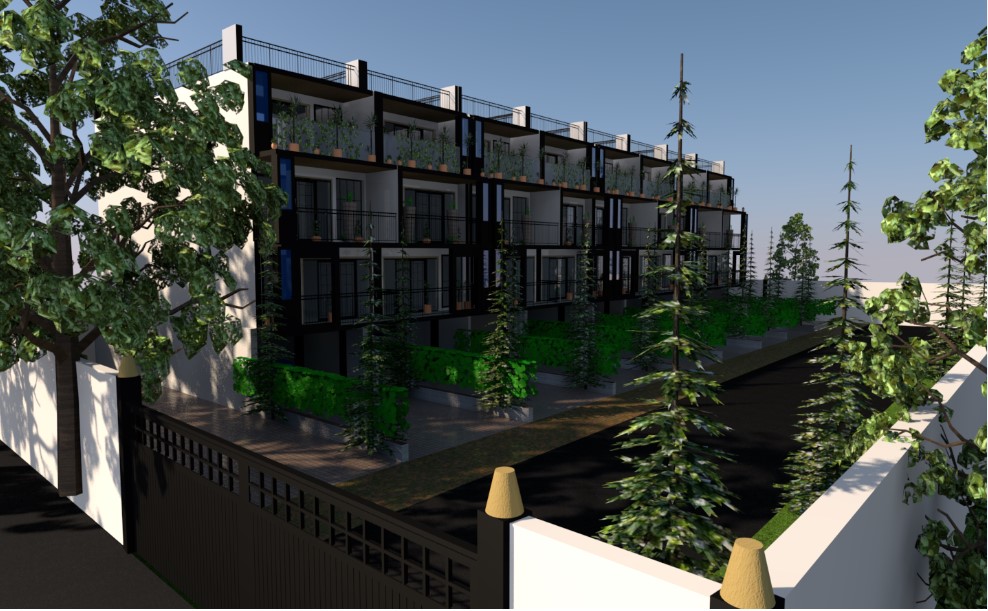
    There are 8 units situated on a single plot, creating a sense of community. This is perfect for those who want to enjoy the benefits of homeownership while also feeling connected to their neighbors.
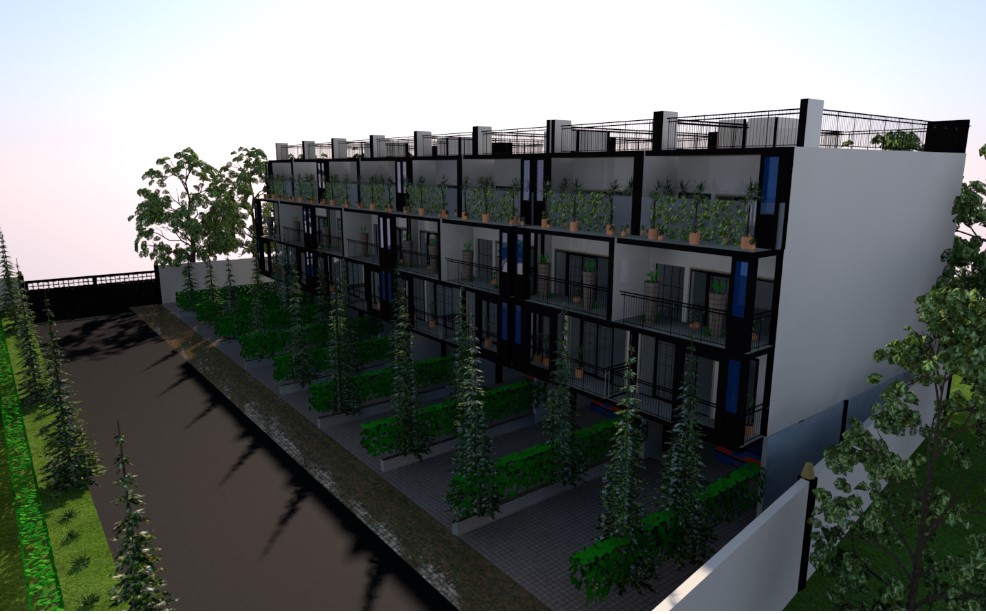
    You can purchase a unit for Ksh 1,900,000 and design your dream home from the ground up based on the provided plans. Alternatively, you can take advantage of our complete package and purchase a beautiful 4-bedroom house already built on the plot for Ksh 19,000,000.

    A Detailed Look at the 4-Bedroom Unit

    Each house has four bedrooms, a well-equipped kitchen, a comfortable living room, and three bathrooms. The ground floor features a parking space, making it easy to come and go as you please.  

    Ruai's Newest Development

     Our homes feature open-plan living spaces, and a corridor seamlessly connecting the kitchen, dining area, stairs, and living room. This flow creates a sense of spaciousness, facilitating interaction and togetherness.

    We’ve incorporated clever storage solutions throughout, from built-in wardrobes in bedrooms to custom cabinetry in the kitchen. This allows you to keep your belongings organized while maximizing usable space. Each bedroom is designed for optimal comfort and privacy.

    Furthermore, the thoughtful layout of the units maximizes natural light, creating a bright and welcoming atmosphere. Large windows and strategic placement of light fixtures ensure every corner is sunny.

    Imagine waking up to sunlight streaming through large windows, illuminating a living space designed for both relaxation and entertaining. Each room is thoughtfully crafted to maximize functionality, providing ample space for your family to thrive.
    Ruai's Newest Development

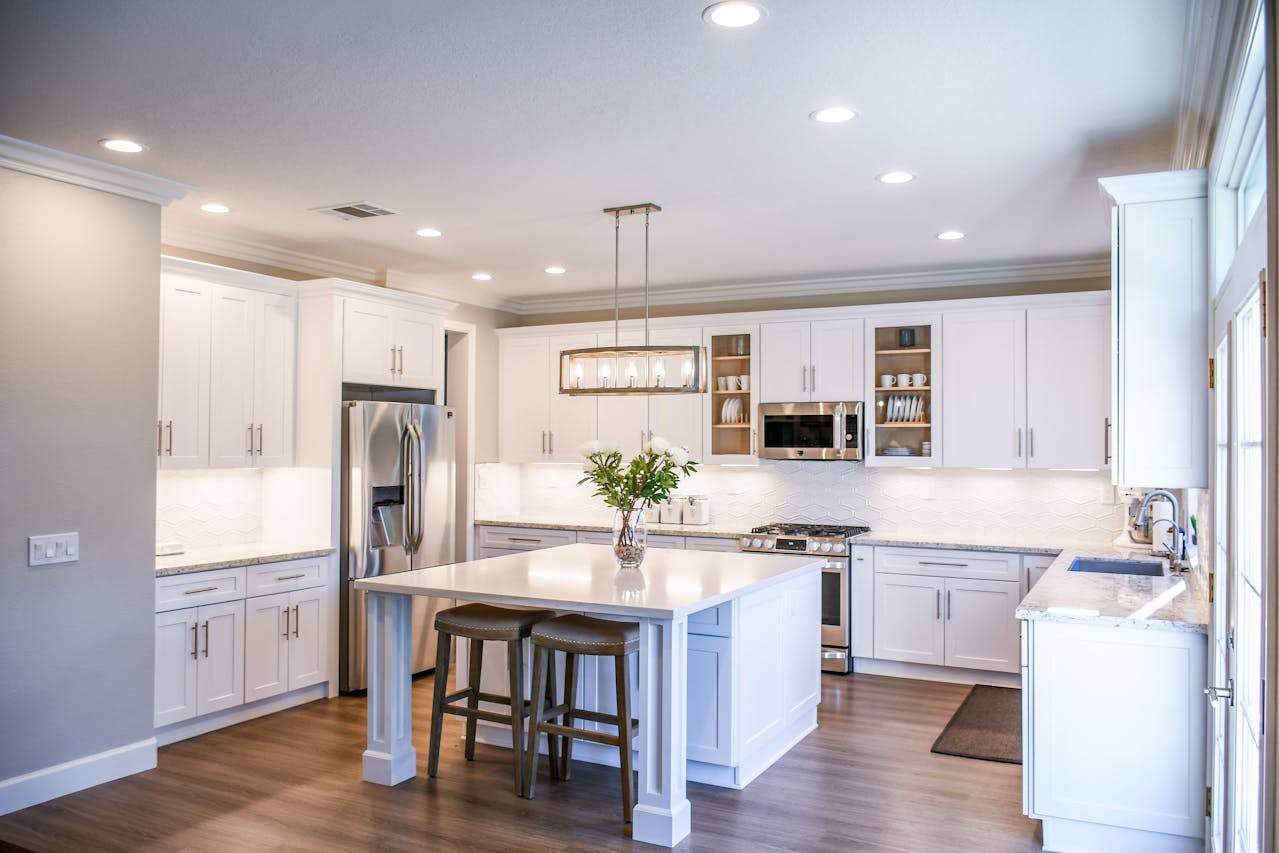
    The kitchen is not just beautiful, but also incredibly functional. The space is designed for culinary creativity, with ample counter space, modern appliances, and thoughtful storage solutions. Whether you’re a seasoned chef or just starting out, our kitchens are built to inspire.

    And when it comes to personal spaces, our washrooms design has your comfort in mind. Relax and rejuvenate in a bathroom that’s both stylish and practical, with luxurious fixtures and a layout that prioritizes ease of use.

    At Ruai, your well-being is our priority. We’ve thoughtfully designed our community to offer a secure and connected lifestyle, providing peace of mind for you and your family. Our gated community features 24/7 security, providing a safe and comfortable environment for residents.

    Conclusion
    Sectional living strikes a perfect balance between personal space and community engagement. It offers the best of both worlds, allowing you to enjoy the benefits of a private residence while connecting with a vibrant community.

    A4ARCHITECT OFFICE,

    ALONG SOUTHERN BYPASS.

    SOUTH HOUSE HOTEL AIRBNB – 0721410684
  • What Is A Timeshare And How Does It Work?

    For those yearning for guaranteed getaways without the hefty price tag of full-fledged vacation home ownership, timeshares offer an intriguing proposition. But what exactly are timeshares, and how do they work? This article delves into timeshares, exploring their core concept, operational mechanisms, and the various ownership structures available.

    Timeshares is an intriguing blend of vacation luxury and shared ownership that epitomizes a modern approach to holiday accommodations. It doesn’t grant you traditional property ownership. Instead, you purchase the right to use a specific unit, typically within a resort or vacation complex, for a predetermined period each year. This period is usually a week, although variations exist. The allure of timeshares lies in securing a guaranteed vacation spot, eliminating the annual scramble for bookings and accommodations, particularly during peak seasons.

    TIMESHARE

    How Timeshares Operate

    Timeshare properties essentially subdivide ownership (or usage rights) amongst multiple individuals. This allows for a more affordable way to access desirable vacation destinations. Three main ownership structures dictate how you access your allotted vacation time:

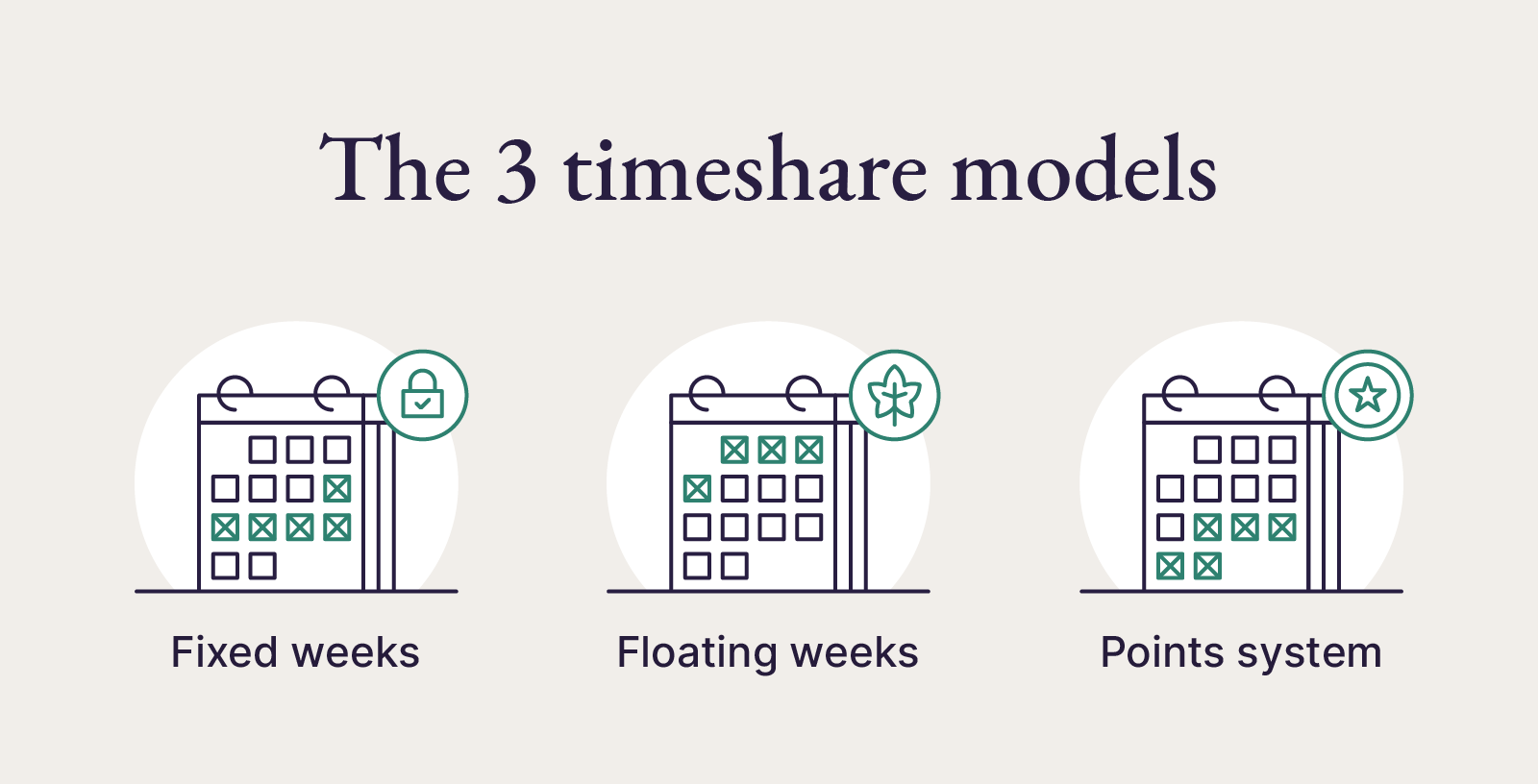
    • Fixed Week: This system grants you access to the same unit during the same week each year. Perfect for those who crave routine and predictability in their getaways.
    • Floating Week: This option offers more flexibility. You can choose a different week within a designated season (e.g., summer) to use your timeshare each year. Reservations are typically made on a first-come, first-served basis.
    • Points-Based System: This provides the most adaptable ownership structure. You purchase a pool of points that can be redeemed for varying lengths of stay at different locations within the timeshare network. It is ideal for those who crave variety and spontaneity in their vacations.

    How to Get Rid of a Timeshare

    Getting rid of a timeshare can be tricky, but there are a few options you can explore.

    1. Selling Your Timeshare

    • Resale Market: You can try selling your timeshare on the resale market. However, timeshares can be difficult to sell, and you might not get back what you paid for it.
    • Selling to the Developer: Some developers offer buy-back programs, but these are often limited and might not be available for all timeshares.

    2. Deed-Back (Surrender)

    Negotiate with the Resort: In some cases, you might be able to negotiate a deed-back or surrender with the resort. This means you return the timeshare to the developer, potentially in exchange for a fee.

    3. Renting Your Timeshare

    Offset Some Costs: You can try renting out your timeshare to generate some income to help offset the annual maintenance fees.

    Advantages of Timeshares

    • Guaranteed Getaways: Timeshares provides a guaranteed vacation spot each year, eliminating the stress of last-minute bookings and potentially inflated hotel rates during peak seasons.
    • Familiar Comfort: Especially with fixed-week timeshares, you can return to the same unit and resort year after year, fostering a sense of familiarity and comfort, making it a true “home away from home.”
    • Cost-Effectiveness (Potentially): Over multiple years, timeshares can be a more affordable way to vacation in desirable locations compared to booking hotels every year. This is particularly true if you frequent the same destination and travel during peak seasons.
    • Spacious Accommodations: Timeshare units are often larger than hotel rooms, offering more space to spread out and amenities like kitchens or laundry facilities, which can be ideal for families or longer stays.
    • Access to Amenities: Timeshare resorts typically offer a variety of amenities like pools, fitness centers, and on-site restaurants, often included in your ownership fees.

    Disadvantages of Timeshares

    • Limited Flexibility: Fixed-week timeshares lock you into the same week each year. Floating weeks offer more flexibility, but securing your preferred dates can still be challenging. Points-based systems offer the most adaptability, but navigating them requires research and planning.
    • Upfront Cost and Ongoing Fees: The initial purchase price of a timeshare can be substantial. Additionally, annual maintenance fees are mandatory and can add up over time.
    • Difficulty Reselling: The timeshare resale market can be saturated, and you might receive significantly less than what you paid for it when trying to sell.
    • Limited Exchange Options: While some timeshare programs offer exchange opportunities to use your ownership at different resorts, these programs can come with additional fees and limitations.
    • Potential for Overcrowding: Popular resorts and peak seasons can lead to overcrowding, diminishing the enjoyment of your guaranteed vacation.

    FAQs

    How do timeshare points work?

    Timeshare points act like a flexible vacation currency. You purchase a pool of points instead of a specific week at a resort. The number of points you own determines the type of vacation you can redeem them for. More points allow for longer stays, larger units, or stays at more luxurious resorts within the network. You typically book vacations through an online reservation system, with point requirements varying based on location, unit size, and length of stay.

    How can I get timeshare financing?

    Timeshare purchases can be financed, but proceed with caution. Interest rates on timeshare loans can be high. Here are some options:

    • Developer Financing: Some developers offer financing options, but be sure to compare rates and terms carefully before committing.
    • Personal Loan: You can explore a personal loan from a bank or credit union. This might offer a more competitive interest rate than developer financing.
    • Home Equity Loan/Line of Credit: If you own a home, consider a home equity loan or line of credit. However, this option puts your home at risk if you default on the loan.

    How long do timeshares last?

    Timeshares are typically deeded ownership for a set period, often ranging from 30 to 50 years. After that time, the ownership rights may revert to the developer according to the specific terms of the contract.

    What happens if you walk away from a timeshare?

    Walking away from a timeshare (defaulting on your ownership fees) can have severe consequences. Here’s what could happen:

    • Debt Collection: The timeshare company will likely send you to collections, damaging your credit score.
    • Foreclosure: Sometimes, the timeshare company might foreclose on your ownership, resulting in a legal judgment.
    • Difficulty Selling: It can be very difficult to sell an unwanted timeshare, especially with outstanding fees.

    5. Can you give a timeshare back to the resort?

    Deed-back (or surrender) is an option in some cases. You negotiate with the resort to return your timeshare, potentially in exchange for a fee. However, resorts are not obligated to accept deed-backs, and there might be associated costs.

    A4ARCHITECT OFFICE,

    ALONG SOUTHERN BYPASS.

    SOUTH HOUSE HOTEL AIRBNB – 0721410684

    .

  • Adaptive Reuse in Airbnb Architecture

    The appeal of an Airbnb often lies in its unique character. A notable trend is the use of adaptive reuse in architecture. This involves transforming existing structures – from factories to churches – into stunning and functional vacation rentals. Let’s explore how adaptive reuse shapes Airbnb architecture and its exciting possibilities.

    Discovering Hidden Treasures: Adaptive reuse breathes new life into forgotten buildings, preserving their historical and architectural value. Imagine staying in a converted firehouse with soaring ceilings and exposed brick walls, or a renovated schoolhouse with playful details like a restored gymnasium transformed into a communal space. These Airbnbs offer a glimpse into the past while providing modern amenities, creating a truly special experience for guests.

    Sustainable Benefits: Adaptive reuse champions sustainability by reducing the need for new construction. This translates to less waste generated from demolition and a smaller environmental footprint. Additionally, these projects often involve the restoration of existing materials like wood beams or stained glass windows, further minimizing environmental impact.

    Enhanced Neighborhood Appeal: By revitalizing underutilized structures, adaptive reuse Airbnbs contribute to the vibrancy of their neighborhoods. They can act as catalysts for further development, attracting restaurants, shops, and cultural attractions. This creates a more dynamic and interesting experience for both guests and residents.

    Challenges and Considerations: Adaptive reuse projects have their own challenges. Architects must carefully consider the existing structure’s limitations and integrate new elements seamlessly. Building codes and regulations might also need to be navigated for safe and legal conversions. However, the rewards of creating a unique and sustainable space often outweigh the initial hurdles.

    The Future of Hospitality: Adaptive reuse is not just a trend; it’s a sign of a more thoughtful approach to hospitality architecture. It allows for the creation of one-of-a-kind Airbnbs that tell a story, fostering a deeper connection between guests and the places they visit. As travelers become increasingly environmentally conscious, adaptive reuse Airbnbs are poised to play a major role in shaping the future of unique and sustainable travel experiences.

  • The Shifting Landscape of Hospitality Architecture

    The rise of Airbnb has disrupted the hospitality industry, compelling hotels to rethink their guest experience. This competition also extends to architecture, with both sectors embracing design trends and innovations to distinguish themselves.

    One significant difference lies in the concept of place: hotels often prioritize brand identity with standardized designs, while Airbnbs capitalizes on local architecture and culture, offering unique experiences rooted in the destination’s character.

    Additionally, fostering a sense of community has become a growing design focus. Hotels can feel isolating by nature, whereas Airbnbs in residential neighborhoods can connect guests to the local atmosphere through thoughtfully designed communal spaces or recommendations for nearby shops and restaurants.

    Space optimization is another area of innovation. Urban Airbnbs, often smaller than hotel rooms, maximize space by using space-saving furniture and clever layouts such as Murphy beds, convertible sofas, and hidden storage solutions. Hotels are starting to explore similar ideas, particularly in densely populated cities, with micro-room concepts gaining traction.

    Technology is also transforming hospitality architecture. Smart-home integration in Airbnbs allows for self-check-in and control of lighting, temperature, and entertainment systems. While some hotels offer similar features, Airbnb’s flexibility may make them quicker to adopt such innovations.

    Sustainability is also a growing concern where Airbnbs may have an edge. Many involve the adaptive reuse of historic buildings or underutilized spaces, reducing the need for new construction and its environmental impact. Additionally, some Airbnbs prioritize local, sustainable materials and support local artisans, creating a more unique and environmentally conscious experience.

    In conclusion, the boundaries between Airbnb and hotel architecture are becoming less defined. Both sectors are concentrating on guest experience, emphasizing a strong sense of place, community connection, and space optimization. Technology integration and sustainable practices are also gaining traction. As the hospitality landscape continues to evolve, innovative architecture will play a pivotal role for both Airbnbs and hotels in shaping the future of travel experiences.

  • Fractional Ownership: Revolutionizing Asset Accessibility

    Ever dreamt of owning a beachfront villa in Bali or a ski chalet in the Alps, but the price tag sent shivers down your spine? Fractional ownership might be your golden ticket to luxury living without breaking the bank.

    In today’s dynamic economy, the concept of ownership is evolving rapidly. One innovative model gaining traction is “Fractional Ownership,” a system that democratizes access to high-value assets by allowing multiple individuals to own a share of an asset, rather than requiring one person to bear the full financial burden. This model is reshaping industries ranging from real estate to luxury goods and even fine art.

    What is Fractional Ownership?

    Fractional Ownership: Revolutionizing Asset Accessibility

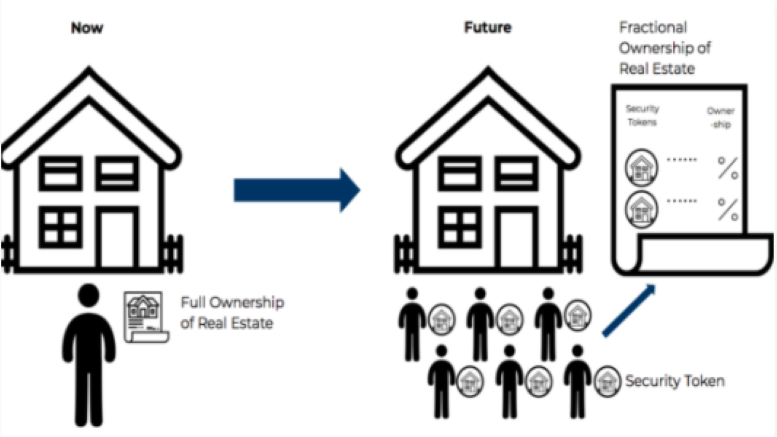
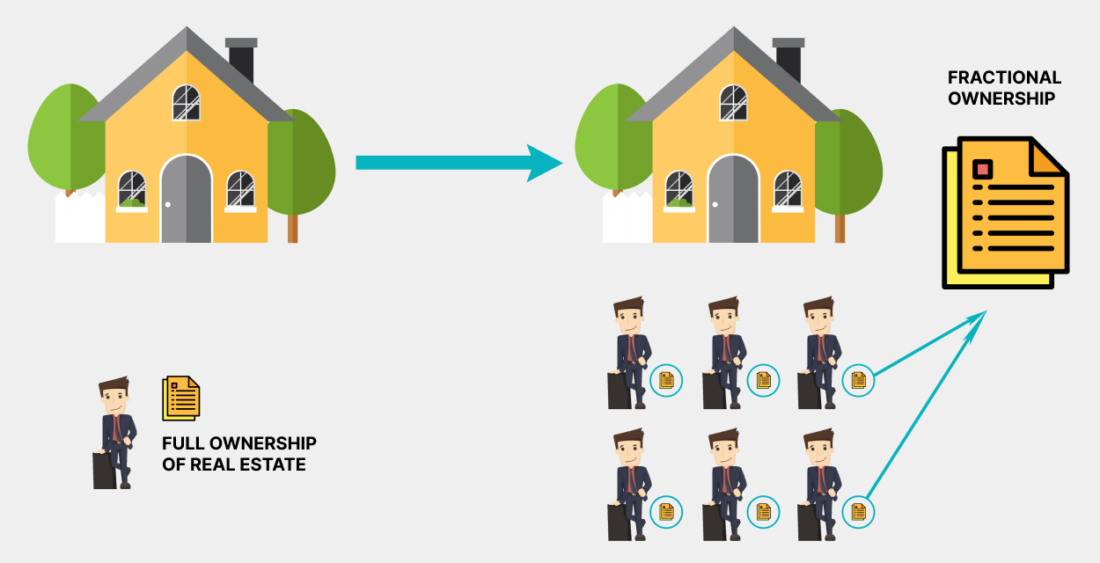
    Fractional ownership is a method where multiple unrelated parties can share in the ownership of a tangible or intangible asset. Each owner holds a fraction, or percentage, of the asset, proportionate to their investment. This allows individuals to enjoy the benefits and privileges of ownership without the need to purchase the asset outright fully.

    How Does It Work?

    Fractional Ownership

    The mechanics of fractional ownership are relatively straightforward. An asset—say, a vacation home—is divided into several shares. Interested buyers can purchase one or more of these shares, entitling them to a portion of the asset’s use, profits, and responsibilities. This division of ownership is typically managed through a legal structure, such as a limited liability company (LLC) or a trust, which ensures that all parties’ rights and obligations are clearly defined and protected.

    Advantages

    1. Cost Efficiency: The most compelling advantage is the reduction in individual financial outlay. High-value assets like yachts, private jets, or luxury properties become accessible to a broader audience. This reduces risk and billions for greater individual flexibility.
    2. Diversification: Investors can diversify their portfolios by owning fractions of multiple assets rather than investing heavily in a single asset.
    3. Flexibility: Fractional ownership provides more flexibility than traditional ownership. Owners can enjoy the use of the asset for a predetermined amount of time each year. In addition, some programs allow usage points that can be exchanged for different assets within the fractional ownership company’s portfolio.
    4. Reduced Management Hassles: In most fractional ownership structures, a management company handles the upkeep, maintenance, and scheduling of the asset. Therefore, alleviating these burdens from individual owners.
    5. Potential for Appreciation: As with any ownership, there’s the potential for the asset to appreciate over time. Therefore, fractional owners would benefit proportionately to their share ownership.

    Disadvantages

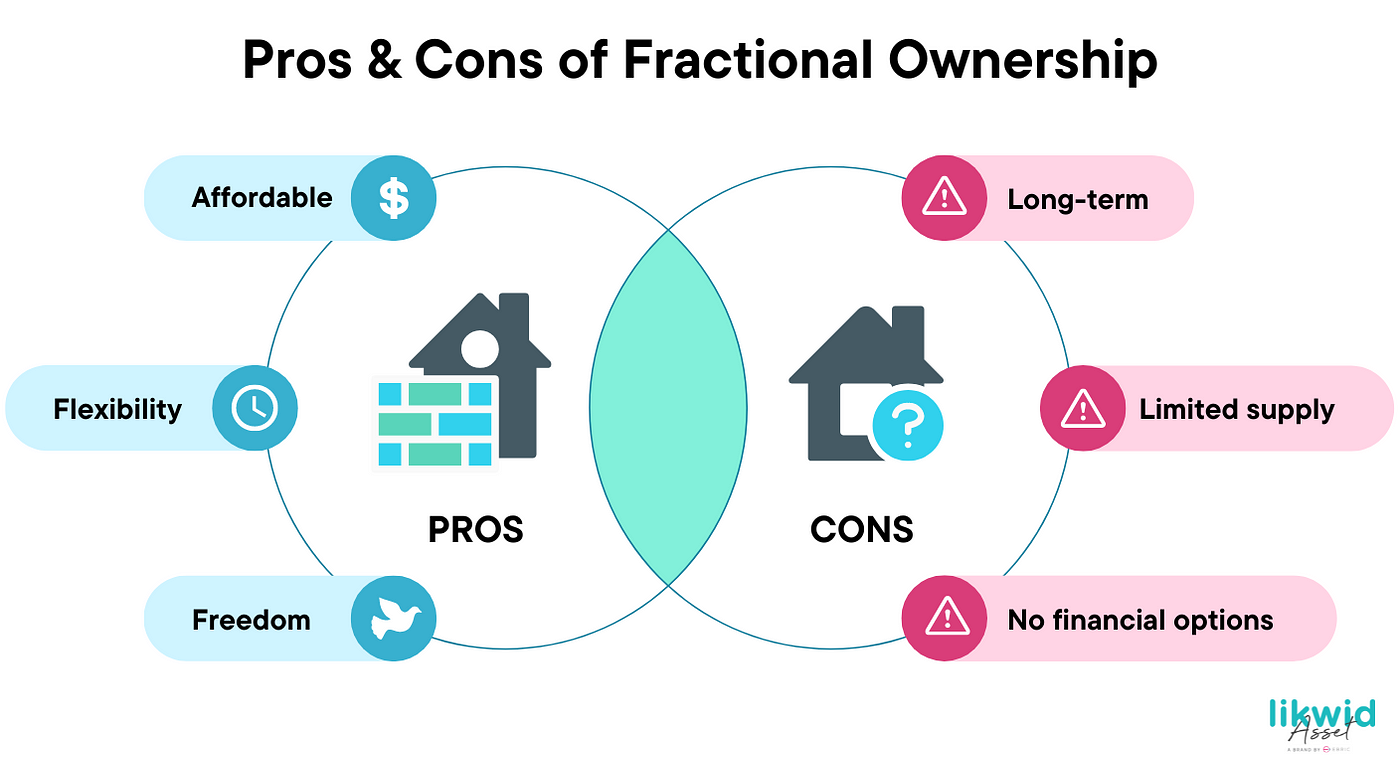
    1. Less Control: Fractional owners share decision-making authority and usage schedules with other owners. This can be a challenge if there are disagreements about how the asset is used.
    2. Potential for Illiquidity: Fractional shares may not be as easy to sell as whole assets, especially if there’s a limited market for that particular type of fractional ownership.
    3. Management Fees: Management companies typically charge fees for their services, which can reduce the overall return on investment for fractional owners.

    Is Fractional Ownership Right for You?

    Fractional Ownership

    Fractional ownership can be a compelling option for individuals who want to access high-value assets, diversify their portfolios, and benefit from shared ownership. However, it’s important to carefully consider the potential drawbacks, such as reduced control and potential illiquidity, before making an investment.

    Industries Embracing Fractional Ownership

    • Real Estate: Vacation homes and investment properties are prime candidates for fractional ownership.
    • Aviation: Companies like Net Jets offer fractional ownership of private jets, providing the convenience of private air travel at a fraction of the cost.
    • Marine: Yacht-sharing services enable enthusiasts to co-own luxury boats, making sailing more accessible and financially viable.

    Challenges and Considerations

    While fractional ownership presents numerous benefits, it is not without challenges. Legal complexities, management disputes, and liquidity issues can arise. Prospective investors should conduct thorough due diligence and consider working with reputable platforms that offer transparent terms and robust governance structures.

    Conclusion

    Fractional ownership is transforming how we think about asset acquisition and investment. By breaking down financial barriers and offering flexible, diversified options, it is making luxury and high-value assets accessible to a wider audience. As this model continues to mature, it promises to further democratize ownership and reshape various industries. This enables more people to partake in the benefits of owning premium assets.

    A4ARCHITECT OFFICE,

    ALONG SOUTHERN BYPASS.

    SOUTH HOUSE HOTEL AIRBNB – 0721410684
  • BUILDING CODE

    The Local Government (Adoptive By-Laws) (Building) Order 1968 outlines the comprehensive building code regulations for municipal and county councils in the region. The key points to note are:

    Building Permits and Approvals
    The code requires that all new buildings, alterations, and additions must obtain approval from the local council before construction can begin. This involves submitting detailed plans and paying the necessary fees. The council can disapprove plans if they do not meet the code’s requirements.

    Siting and Space Requirements
    The code specifies minimum space requirements around buildings, including front, side, and rear setbacks, as well as access paths and service areas [17-27]. It also regulates the height and placement of boundary walls and fences [28-31].

    Building Materials and Construction
    The code mandates the use of approved, high-quality building materials [32-36] and outlines requirements for foundations, load-bearing structures, walls, chimneys, and other structural elements [43-132]. It also covers provisions for water supply, ventilation, drainage, and sanitation [143-210].

    Fire Safety
    The code includes measures to ensure adequate means of escape and fire-fighting access for different building types, such as warehouses, domestic dwellings, and public buildings [211-214].

    Specialized Buildings
    The code has specific requirements for scheduled residential accommodation, employee housing, and other specialized building types [215-227].

    Advertisements and General Provisions
    The final sections of the code regulate the placement and design of outdoor advertisements [228-235] and cover various general provisions, such as the demolition of buildings, the use of hoardings and scaffolding, and penalties for non-compliance [236-259].

    Overall, the Building Code aims to ensure the safety, functionality, and aesthetic quality of the built environment within the local government area. It provides a clear and detailed framework for the planning, construction, and maintenance of all types of buildings, with the goal of promoting sustainable and responsible development.

  • SECTIONAL PROPERTY ACT

    The Sectional Properties Act 2020 and Regulations 2021 are laws in Kenya that allow the division of buildings into units owned by individual proprietors and common property owned by unit proprietors as tenants in common. The Act simplifies sale transactions, reduces costs, eliminates administrative challenges, and enhances revenue collection. The Regulations outline the registration of sectional plans and conversion of long-term leases to sectional titles. The Act applies to freehold land and leasehold land with a minimum residual term of 21 years.

    Compliance requirements include proper geo-referenced and approved parcels of land, and the conversion of long-term leases to sectional titles is ongoing. The Act and Regulations aim to optimize the use of limited land resources in Kenya, particularly in high population density areas.A sectional development is a building plan that consists of two or more units, prepared by a surveyor from a building plan approved by the county government. The plan requires a land search, construction permit, floor plans, and physical structures. The registration of the plan is lodged at the land registry, and a management corporation is incorporated. The land registrar must submit the registered plan to the county government for apportionment of rates within 21 days.

    The consequences of registration include closing the mother title register and opening a separate register for each sectional unit. Certificates of title or lease are issued for each unit, and interests registered against the mother title are endorsed on the sectional title documents. Each sectional unit owner is responsible for payment of land rent and rates for their individual unit. The management corporation manages the common areas on behalf of the unit owners.

    Once a management corporation is registered, the existing management company must transfer all assets and liabilities to the management corporation within one year, and the company will be wound up in accordance with the Insolvency Act. Long-term leases registered under the Land Reform Act (LRA) must be converted into sectional units.

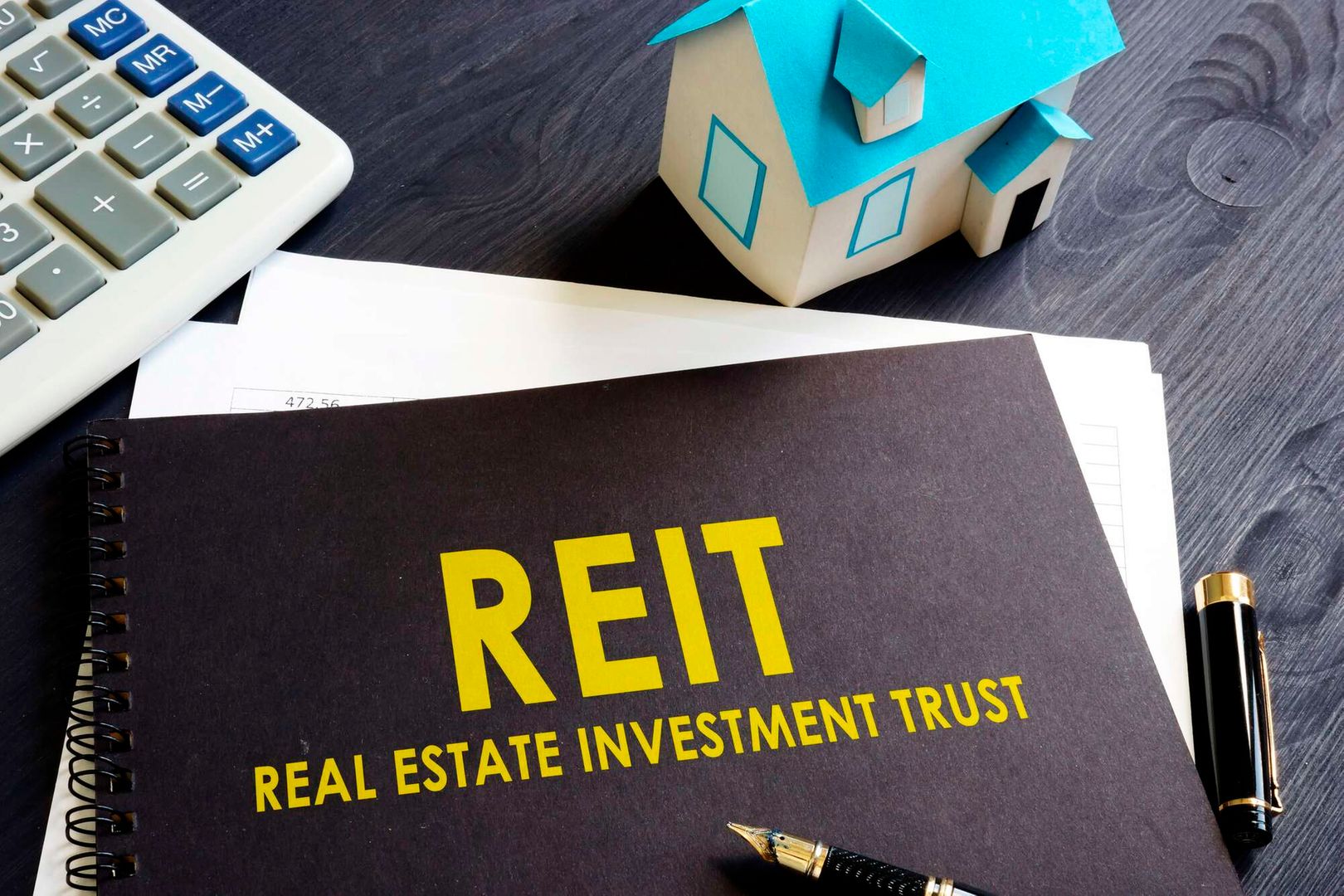
  • What’s a REIT (Real Estate Investment Trust)?

    Imagine owning a slice of a giant skyscraper, a bustling shopping mall, or a cozy apartment complex – all without the hassle of leaky faucets and mountains of paperwork. That’s the magic of Real Estate Investment Trusts or REIT. They’re like tiny treasure chests holding income-producing properties, offering you a piece of the action without the burden of becoming a full-fledged landlord.

    What is a REIT?

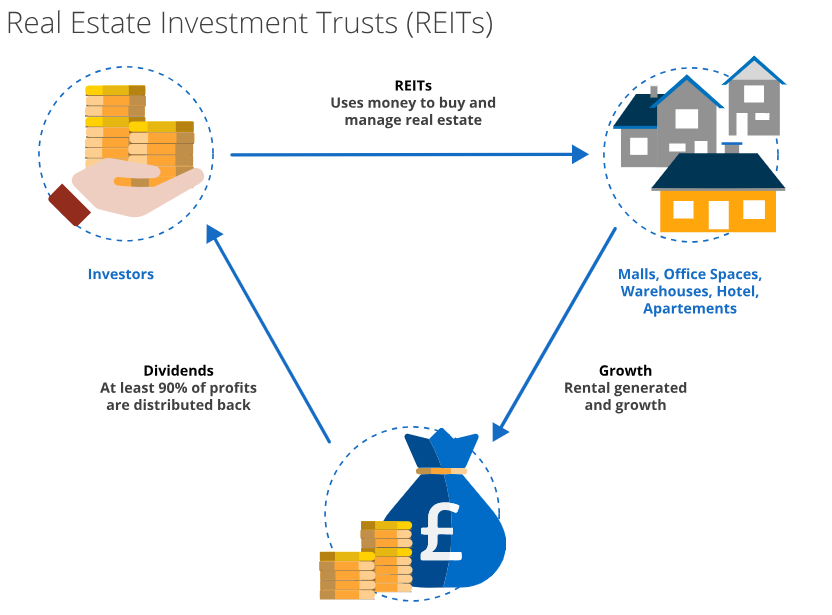
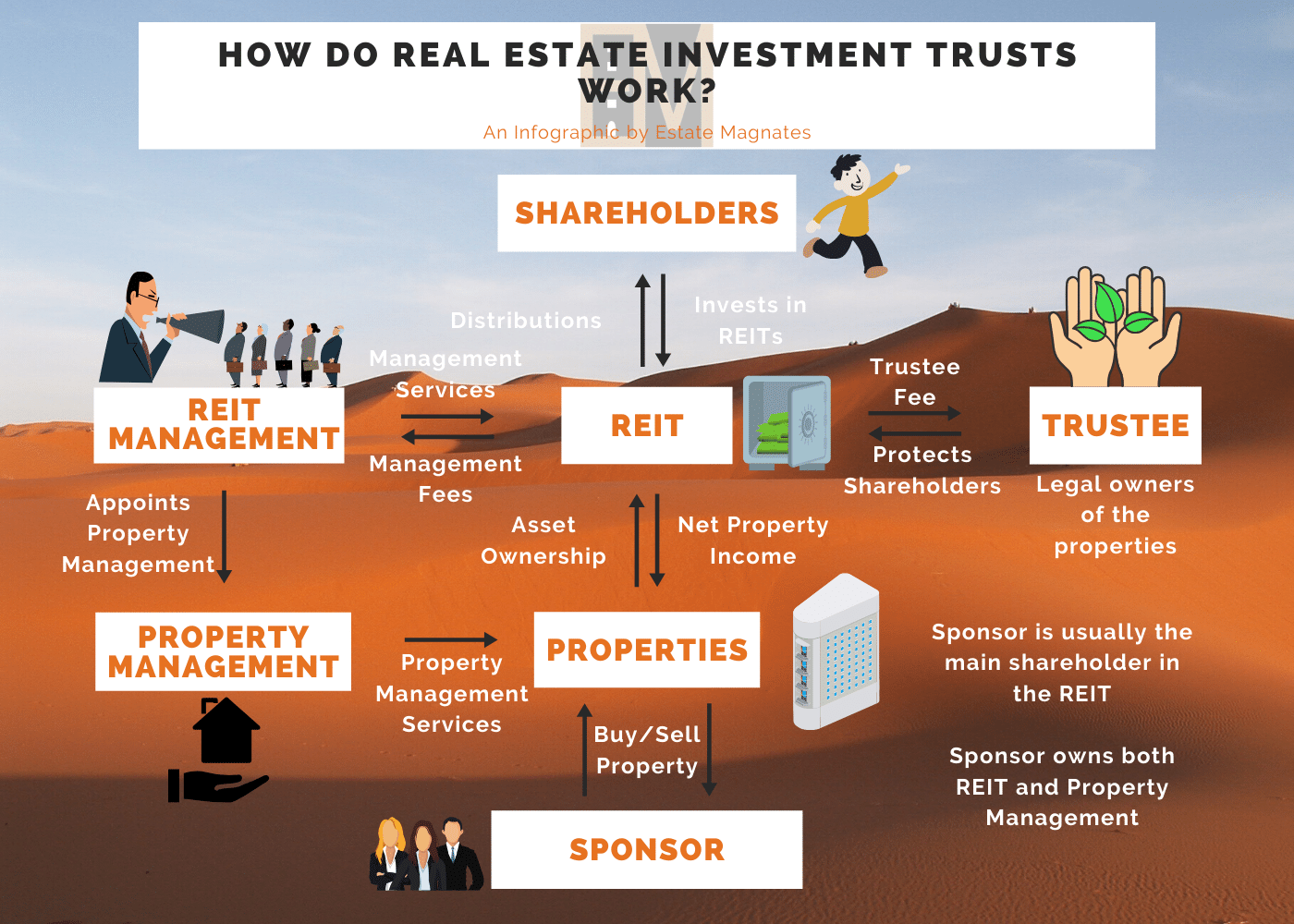
    A REIT is a company that owns, operates, or finances income-generating real estate ventures. Like a mutual fund, a REIT pools capital from multiple investors and uses it to acquire and manage a diverse portfolio of properties. Investors gain exposure to the real estate market by purchasing shares in the REIT, much like buying stocks.

    Types of REITs

    • Equity REITs (E-REITs): These are the most common type, and they own and operate income-producing real estate. They generate income from rents and potentially benefit from property value appreciation.
    • Mortgage REITs (M-REITs): M-REITs don’t own physical properties. Instead, they invest in mortgages and other real estate-related debt instruments. Their income comes from the interest earned on these loans.
    • Hybrid REITs: As the name suggests, these REITs combine elements of both E-REITs and M-REITs. They may generate income from a mix of property ownership and mortgage financing.
    • Development REITs (D-REITs): D-REITs focus on acquiring land, developing properties, and selling them for a profit. They offer the potential for higher capital appreciation but may
     REIT

    How to Invest in a RIET

    1. Define your Investment Goals

    Before diving in, clearly define your investment goals. This can either be;

    • High Current Income: Prioritize REITs with a strong history of high dividend payouts. Equity REITs (E-REITs) typically offer stronger dividends than Mortgage REITs (M-REITs).
    • Long-Term Growth: Focus on REITs with a track record of capital appreciation in their underlying properties. Consider factors like the current market value and potential for future growth.

    2. Choose Your Investment Vehicle

    There are three main ways to invest in REITs:

    • Individual REIT Shares: This allows for the most control, letting you pick specific REITs based on your research. You can buy shares of publicly traded REITs on major stock exchanges like any other stock.
    • REIT Mutual Funds: These pool your money with other investors and invest in various REITs. This offers instant diversification and reduces portfolio risk compared to individual REITs.
    • REIT Exchange-Traded Funds (ETFs): Similar to mutual funds, REIT ETFs hold a basket of REITs. However, ETFs trade throughout the day like stocks, offering greater flexibility and potentially lower fees.

    3. Research and Analyze

    For Individual REITs: Look at factors like the REIT’s type (E-REIT, M-REIT, etc.), their portfolio composition (property types, geographic location), dividend history, payout ratio (percentage of income paid as dividends), and management team experience.

    For Mutual Funds and ETFs: Analyze the fund’s investment objective, expense ratio (fees), historical performance, and holdings diversification. Utilize financial websites and resources to compare and evaluate different options.

    4. Open a Brokerage Account (if needed)

    If you plan to buy individual REIT shares or ETFs, you’ll need a brokerage account. Online brokers offer a convenient way to buy and sell investments. Research different brokers to find one that aligns with your needs and fees.

    5. Invest and Monitor

    Once you’ve chosen your REIT investment, make your purchase through your chosen platform. Remember, investing is a long-term game. Regularly monitor your REIT holdings and the overall market, and be prepared to adjust your strategy as needed.

    What Qualifies As a REIT?

     REIT

    To qualify as a Real Estate Investment Trust (REIT), a company must meet specific requirements set by the Internal Revenue Code (IRC). These requirements ensure that REITs operate in a way that benefits both investors and the real estate market. Here’s a breakdown of the key qualifications:

    Investment Focus

    1. Real Estate Centric: At least 75% of the REIT’s total assets must be invested in real estate ventures. This could be direct ownership of properties (equity REITs) or financing real estate projects through mortgages (mortgage REITs).
    2. Income Source: At least 75% of the REIT’s gross income must come from real estate-related sources. This includes income streams like:
      1. Rents collected from tenants in properties they own (equity REITs)
      1. Interest earned on mortgages they hold on real estate projects (mortgage REITs)
      1. Gains from selling real estate assets

    Distribution Mandate

    Sharing the Profits: REITs are obligated to distribute at least 90% of their taxable income to shareholders as dividends each year. This rule encourages them to generate income and pass it on to investors, making them attractive to those seeking regular income.

    Structure and Management

    1. Taxable as a Corporation: REITs are generally structured as corporations and taxed as such. However, the 90% dividend distribution rule allows them to potentially avoid paying corporate income tax on that distributed income.
    2. Board Oversight: REITs must be managed by a board of directors or trustees who oversee the company’s operations and investment decisions.

    Shareholder Base

    • Minimum Shareholders: A REIT must have at least 100 shareholders to qualify for the tax benefits. This ensures the company is publicly traded and accessible to a broad range of investors.
    • Public Ownership: No more than 50% of the REIT’s shares can be held by five or fewer individuals. This prevents the REIT from becoming a closely held company and ensures wider investor participation.

    Advantages of REITs

    • Accessibility: REITs provide a low barrier to entry compared to directly buying properties. You can invest in smaller amounts and avoid the complexities of property management.
    • Diversification: REITs allow you to spread your investment across various property types, mitigating risk associated with a downturn in a specific sector. They offer exposure to residential, commercial, healthcare, industrial, and more.
    • Passive Income: REITs are known for their regular dividend payouts, providing a steady stream of income that can be particularly attractive for retirees or income-seeking investors.
    • Potential for Growth: Along with dividends, REITs offer the potential for capital appreciation as the value of their underlying properties increases over time. This allows for long-term wealth creation.
    • Liquidity: Unlike directly owning real estate, REITs are generally highly liquid. You can easily buy and sell shares on major stock exchanges.
    • Professional Management: REITs are managed by experienced professionals who handle property selection, acquisition, and management. This frees you from the burden of those tasks.

    Disadvantages of REITs

    • Market Volatility: Like any stock, REIT share prices can fluctuate based on market conditions. This can lead to potential losses if you sell during a downturn.
    • Interest Rate Sensitivity: REITs, especially those reliant on mortgage revenue (M-REITs), can be sensitive to changes in interest rates. Rising interest rates can make it more expensive for them to borrow money, potentially impacting their profitability.
    • Limited Control: As an investor in a REIT, you have little control over the underlying properties or management decisions. You rely on the REIT’s management team to make sound investment choices.
    • Tax Implications: While REITs themselves are generally exempt from corporate income tax on distributed dividends, these dividends are taxed as ordinary income for investors. This can be less tax-favorable compared to qualified dividends from stocks.
    • Fees: REITs typically charge management fees and other expenses, which can eat into your returns. Be sure to factor these fees into your investment analysis.

    Conclusion

    REITs are a gateway to the exciting world of real estate investing, minus the complexities of direct property ownership. They offer the potential for steady income, long-term growth, and diversification, making them a valuable tool for building wealth. So, if you’re looking to add a touch of real estate magic to your investment strategy, consider exploring the world of REITs. With careful research and a well-defined plan, you can unlock the potential for a prosperous future, brick by brick.

    A4ARCHITECT OFFICE,

    ALONG SOUTHERN BYPASS.

    SOUTH HOUSE HOTEL AIRBNB – 0721410684
  • MAXIMIZING SMALL SPACES FOR COMPACT AIRBNBS

    In compact Airbnbs, it’s important to use smart design solutions that combine functionality and aesthetics to maximize small spaces. With urban rentals and tiny homes becoming more popular, hosts must be innovative in creating comfortable and appealing environments within limited square footage. Here are some key strategies and solutions for effectively optimizing small spaces.

    Multipurpose Furniture: Utilize furniture that serves multiple functions, such as sofa beds, extendable dining tables, and ottomans with storage. These pieces allow for flexible use of space, ensuring that areas can serve different purposes throughout the day. The use of Vertical storage is a game-changer in small spaces. Installing shelving units, wall-mounted cabinets, and hooks to keep items off the floor. This frees up floor space and adds an element of design to the walls. Consider incorporating lofted beds with underneath storage or workspace areas.

    Mirrors and Lighting: Use mirrors to make a room appear larger by reflecting light and creating a sense of openness. Place mirrors across from windows to maximize natural light. In addition, a combination of ambient, task, and accent lighting can help enhance the spacious feeling. Recessed lighting and wall-mounted fixtures will save floor space and add to a clean, uncluttered appearance.

    Sliding Doors and Room Dividers: Opt for sliding doors or curtains as space-saving alternatives while maintaining privacy. Room dividers, such as folding screens or bookcases, can effectively separate areas without creating a permanent barrier, unlike traditional swinging doors which take up valuable space.

    Minimalist Design Approach: Embrace a minimalist design philosophy to make small spaces feel more open and airy. Opt for a neutral color palette with pops of color through accessories. Keep decor simple and purposeful, avoiding clutter. Built-in furniture and storage can streamline the design, making the space appear larger.

    Custom-built Solutions: Maximize every inch of space with tailored furniture and storage solutions. Custom-built cabinetry, shelving, and seating can be designed to fit the specific dimensions and needs of the space, providing a seamless and efficient use of available areas.

    By incorporating these assertive design solutions, Airbnb hosts can transform compact spaces into stylish, functional, and comfortable retreats for their guests.

  • EMBRACING THE OUTDOORS: CREATING DYNAMIC OUTDOOR LIVING SPACES IN AIRBNBS

    In the current travel environment, which places a growing emphasis on wellness and a connection with nature, Airbnb with appealing outdoor living spaces can catch the eye. Here are some tips on how to turn your outdoor area into an extension of your Airbnb, improving the guest experience.

    Creating Cozy Seating Areas:

     Bistro sets: Classic bistro sets with comfortable chairs and a small table offer a casual spot for enjoying coffee in the morning or evening drinks.

    Hammocks or swinging chairs: These provide a relaxing haven for guests to unwind with a book or simply soak up the sun.

    Fire pits or fireplaces: Gatherings around a crackling fire pit or a toasty fireplace create a warm and inviting atmosphere, perfect for socializing or stargazing. Consider portable fire pit options for balconies or patios with limited space.

    Maximizing Functionality:

     Multifunctional furniture: Opt for ottomans with storage compartments for outdoor cushions or blankets. Choose folding tables and chairs that can be easily stored away when not in use.

     Outdoor rugs: Define the space and add a touch of comfort underfoot with weatherproof rugs.

    String lights: Fairy lights or string lights draped overhead create a magical ambiance in the evenings.

    Catering to Different Needs:

    Provide a dedicated dining area with a table and chairs suitable for outdoor meals. Consider a grill or a portable pizza oven for guests who enjoy cooking outdoors.

    Relaxation stations: Create a designated relaxation area with comfortable loungers or sunbeds for guests to soak up the sun. Include umbrellas for shade and side tables for drinks.

    Herb gardens: Fresh herbs add a touch of nature and can be used by guests for cooking. Vertical herb gardens are a space-saving option for balconies or patios.

    Privacy and Protection:

     Privacy screens: For urban balconies or patios overlooking neighboring buildings, consider installing privacy screens to create a more secluded feel.

    Weather protection: Retractable awnings or patio umbrellas provide shade and shelter from unexpected rain showers.

    By incorporating these design elements, Airbnb’s outdoor space becomes an inviting haven for guests to connect with nature, relax, and create lasting memories.