Category: A4architect

a4architect posts

  • Construction Chemicals

    In Kenya, construction chemicals are beginning to be widely used in areas such as concreting, tile fixing, water proofing, concrete curing and enhancing concrete strength.
    As the years progress, these are becoming more and more commonly used as construction becomes specialised eg use of basements, swimming pools, water storage facilities, septic tanks, repair of existing concrete structures, flat roofs and roof gardens.

    Non Shrink Grout.
    This is used to seal off the spaces in between tiles in a water proof manner. This is good for tiles especially i wet areas such as bathrooms or swimming pools since it’s water proof.

    Concrete repair systems.

    These are used to seal cracks in concrete or masonry walls, floors and other structures.

    Surface treatments.

    These are treatments that enable the concrete surfaces to receive plaster. In the suspended floor, the lower bottom part requires to be hacked to be rough enough to receive plaster for the ceiling in the floor beneath. This chemical is applied before concrete is poured on the formwork. After the formwork is removed, the surface will come out rough enough and ready to receive plaster. This is much cheaper than hiring labour to physically hack out the surface since it costs around kes 100 per square meter.

    Bonding agents.

    These are chemicals added to the concrete to enable new concrete to bond strongly with old existing concrete.

    Floorings and Coatings.

    These are epoxy floorings. They are mostly used in hospitals, laboratories, and factories where there is need for a smooth water proof surface that is easy to clean.

    They are also used in indoor sports places such as basketball courts.
    The cost is around between kes 8000 to kes 10000 per m2 for supply and fix around Nairobi.

    Sealants.

    These are used in the joints in between expansion joints for large buildings eg schools, airports, hospitals etc.

    Waterproofing.

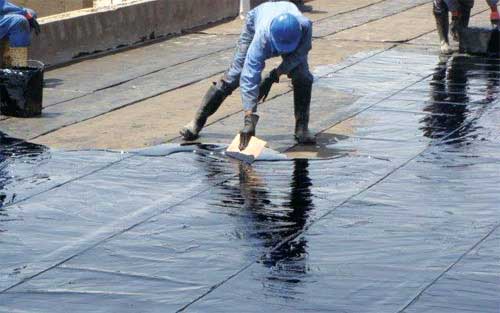
    These are chemicals applied to water proof structures in wet areas such as septic tanks, swimming pools, flat roof gardens, balconies and basements.

    Crystallisation slurry cementous waterproofing systems are ideal for basements. These cost around kes 7500 per 12m2 of surface.

    Polymer modified semi flexible cementous water proofing systems are perfect for swimming pools, roof top gardens, flat roofs etc. These offer 100% guarantee against water ingress. The cementous membrane is applied on top of the concrete surface then its plastered or tiled in the case of swimming pools to provide 100% water proofing capacities. This costs around kes 6000 for a 6m2 surface coverage, slightly expensive than the crystallization option but offering much more water proofing capacity.
    waterproof
    Tile adhesives and Grout.
    These are used to stick ceramic tiles on the floor surfaces. They are much cheaper than the normal conventional cement use since they cost at least kes 100 per m2 compared to cement at kes 200 per m2.
    Cement is usually 32.5 grade while the adhesives are in the 52.5 grade, hence more powerful than cement hence less shrinkage and less quantities used than cement, resulting to much savings.

    Tile grout is waterproof, ensuring that the tile surface is completely sealed from water entering especially in wet areas.

    Concrete admixtures.

    These are chemicals used to speed up the curing time for concrete or to make the concrete more plastic hence easier to work on .

    All these are available at www.a4architect.com.
    For enquiries and quotations, email info@a4architect.com
  • Swimming Pool Design

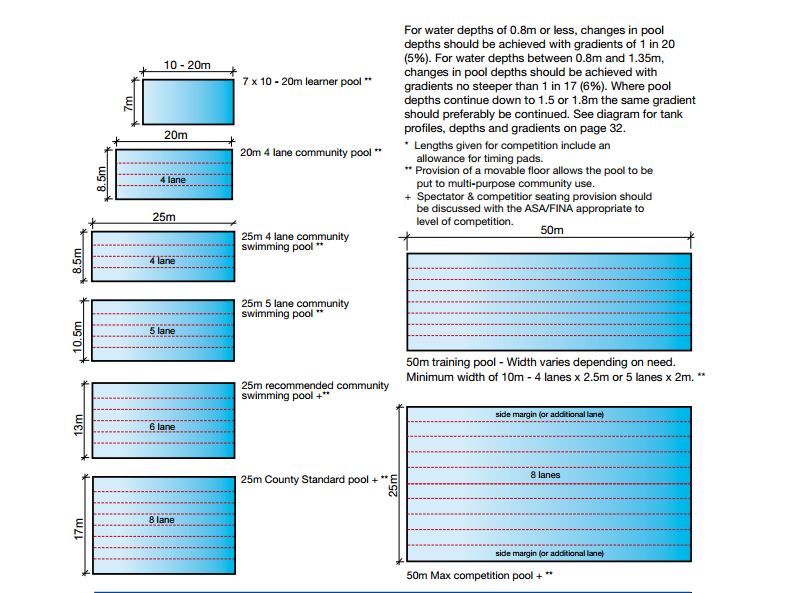
    Swimming pools that are standard to be sued for competitions are constructed with a length of 25m and a width that varies depending on the number of lanes.A 4 lane pool is 8.5m wide and an 8 lane pool is 17m wide.

    Olympic size pools are 50m in length and 25m wide, with 8 lanes maximum.

    pool-sizes

    Spectator seating capacity.

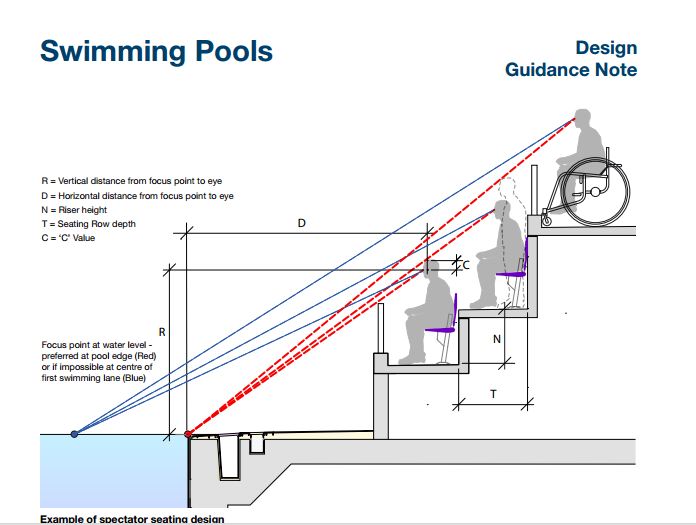
    Spectator seating arrangement is raised such that the seats behind in the row are at least 1 m higher than the front row to enable all spectators have an uninterrupted line of vision to the pool activity.
    Ample space should be created for wheel chair access , preferably at the lower levels of the spectator stands.

    swimming-pool

    Spectator seats can be constructed using concrete and wood laminate surface finishing.
    Others can have individual plastic seats with back rest fuffted on a steel or concrete support structure.

    The area below the seats that has been raised to achieve the line of vision can be used as storage space or changing rooms.

    Large Olympic size pools that are 50m long and have 8 lanes should ideally have a seating capacity of 400 people and a further 300 people from the competitor side.
    Swimming pools that are 25 m long with 6 lane capacity should ideally fit in 150 people and a further 150 more on the competitor side.

    Architect Francis Gichuhi Kamau.
    info@a4architect.com

  • Apartment for Sale, South C

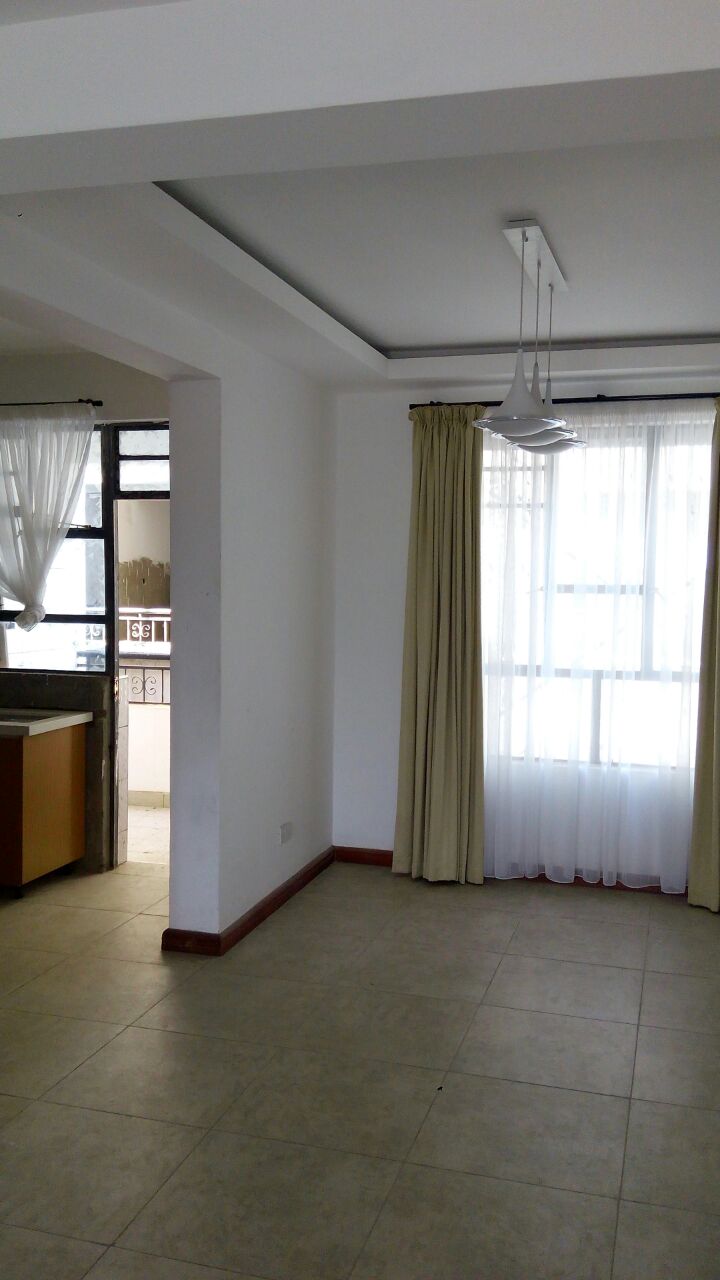
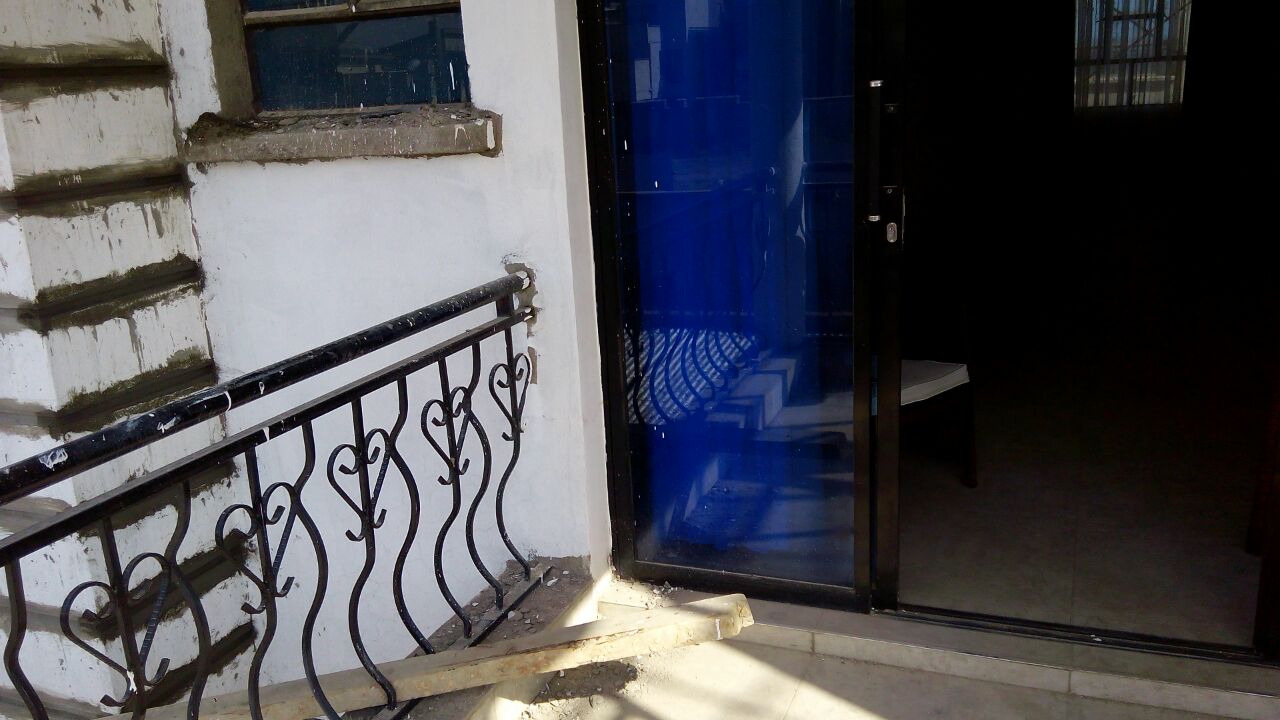
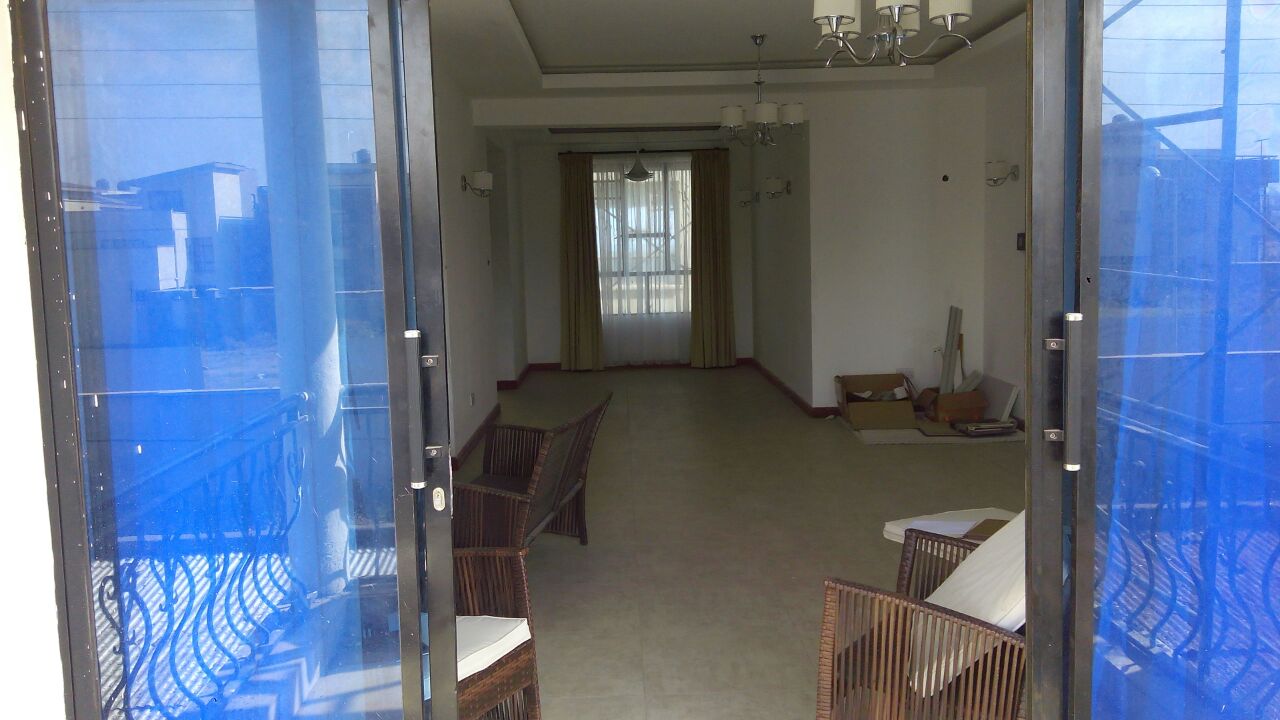
    Apartment for sale. South C. Between Carvivore restaurant and Wilson Airport.
    Overlooking the Nairobi National park. Fronting Southern Bypass.

    Kes 17m.
    img-20160913-wa0014

    img-20160913-wa0015

    img-20160913-wa0016

    img-20160913-wa0017

    img-20160913-wa0018

    img-20160913-wa0019

    Contact info@a4architct.com for details.

  • Cement

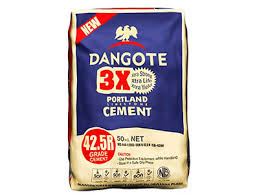
    Cement in Kenya is available in strengths varying from 32.5, 42.5, 52.5 and 60. This describes the strength that the cement should provide after 28 days after casting.

    Structural engineering design of the concrete mix further ensures that the concrete strength that is needed is eventually achieved through the mix ratios of cement, sand and gravel.

    Cement is also classified as N for Normal curing time and R for Rapid curing time. The classification is clearly labeled on the cement bag.
    cement-dangote

    On the Dangote cement bag above, you can see the 42.5 R marking classification meaning the strength is 42.5 and its rapid curing.

    savanah

    The Savannah cement bag above shows its a strength of 32.5 and Rapid curing.

    Supply.

    A4architect.com can supply Savannah cement in bulk to developers all over Kenya at wholesale prices.

    Architect Francis Gichuhi kamau.
    info@a4architect.com

  • Concrete Paving Blocks-Cabro

    Concrete paving blocks, commonly known as Cabro in Kenya are used on road carriage way surfaces, car parks, within landscaped compounds and in tented shelters.

    The Strength of the block is determined by its thickness, with most common thicknesses ranging from 50mm, 50mm, 80mm and 100mm.
    For heavy duty roads, 80mm and 100mm thick blocks are used. For light duty roads such as driveways to private residences, tented shelters and car parks, 50mm thick is appropriate.

    The soil underneath, especially if its black cotton soil, needs to be removed until stable ground is reached. Murram is then backfilled and a roller compactor used to compact the soil. The last 300mm depth is filled with hand packed hardcore which is also roller compacted. Fine aggregate is laid on top then finally the paving blocks arranged and held together on the edges by the concrete kerbs.

    paving-blocks
    The construction of the blocks should involve pressure compression and vibrating to ensure no air space and honey combs develop because these make the paving block weaker.
    Quick drying cement such as Savannah and chemical additives are added to make the curing process faster.

    Supply.
    Currently, we can supply 50mm at a cost of kes 900 Per square meter . We an supply 80mm at a cost of kes 1200 per square meter for the Nairobi anre and its environs.

    Architect Francis Gichuhi Kamau.
    info@a4architect.com

  • Trampoline Park Designs in Kenya

    The ever increasing number of shopping malls in the country shows the growing demand for new forms of entertainment. Trampoline parks are a good source of entertainment since they are part of a healthy lifestyle.

    Floor area.

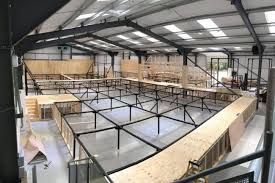
    The room size should ideally be in the range of a minimum of 200m2 of floor area. This ensures space enough for circulation.
    Each bouncing space should be at least 2m square.
    bouncing

    Structure.

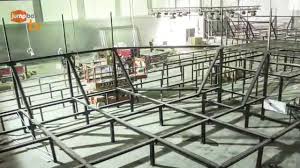
    The supporting structure is made up of steel frames arranged within the 2m square .
    frames

    After the framing, padding is installed. Trampoline materials and springs are also installed to complete the project.
    padding

    Slam dunking and other key features.

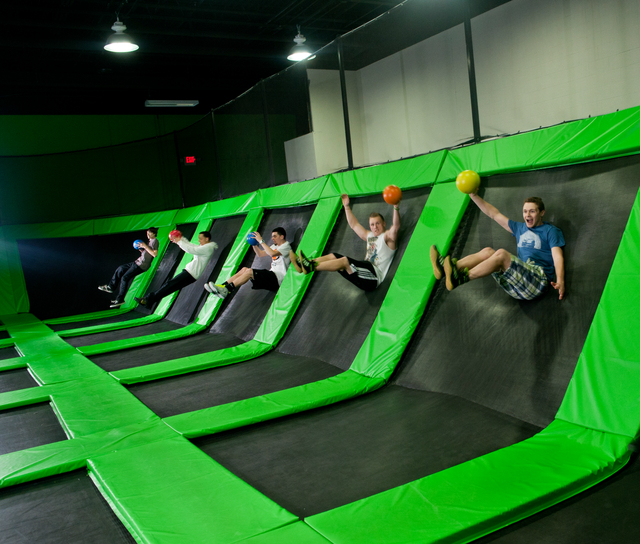
    The basketball slam dunking space is one of the key attractions to a trampoline park.

    There is also the walling area where people can try running on the walls.

    The free jump area is also a useful and attractive feature within the trampoline park.

    www.a4architect.com can design trampoline parks in Kenya to suit the particular space available.

    Architect Francis Gichuhi Kamau.
    info@a4architect.com

  • Rotary Parking Systems in Kenya.

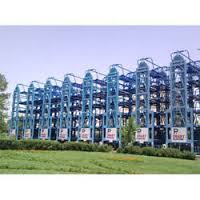
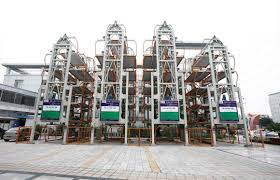
    The current scarcity of land for parking has necessitated out of the box solutions for parking.
    Apartment blocks, offices, hotels, malls that require to increase their parking space can easily do this now.
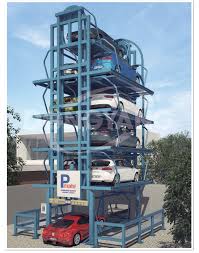
    Using the rotary parking system, the space used up by 2 car parks can be used to park between 8 to 10 more , stacked vertically on top.
    This saves alot of land.
    It requires a simple 3 phase electricity connection to power it.

    There is no need for an attendant since users can easily press the buttons to park and retrieve their cars with ease.
    It can rotate clockwise and anticlockwise depending on where the car is positioned, thereby using less energy to operate.

    Comparison to constructing using concrete.

    Assuming cost of land is equal in both scenarios, the cost of importing and erecting the rotary parking system for 8 cars is a maximum of kes 9 million.

    The cost of parking 8 cars using a concrete structure is kes 23m. Car parking using concrete structure takes a lot of space due to the drive ways, ramps and turning radius for vehicles hence more costlier and takes more space.

    Rotary car park systems thus help lower the cost of parking by more than half the cost of construction.

    a4architect.com can work with developers who require to import and install this within Kenya.
    Email info@a4architect.com for quotations.
    parking 2

    parking

    parkingn3

    Architect Francis Gichuhi Kamau.
    info@a4architect.com
  • Real Estate Telegram group

    Click on the below link to discus real estate issues in Kenya.

    https://telegram.me/joinchat/CC6pdD-nZonD_PPEn59rjA

    telegram

  • Container Housing in Kenya

    container ruiru 3

    container ruiru1

    container ruiru2

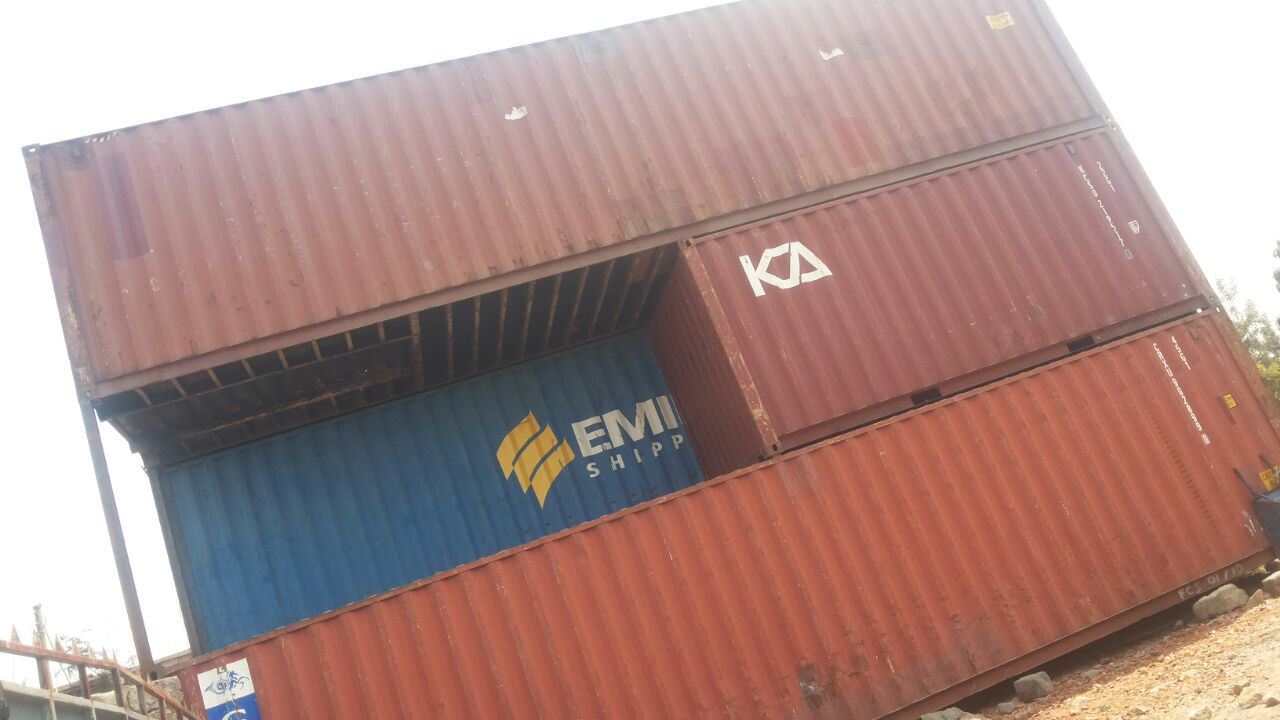
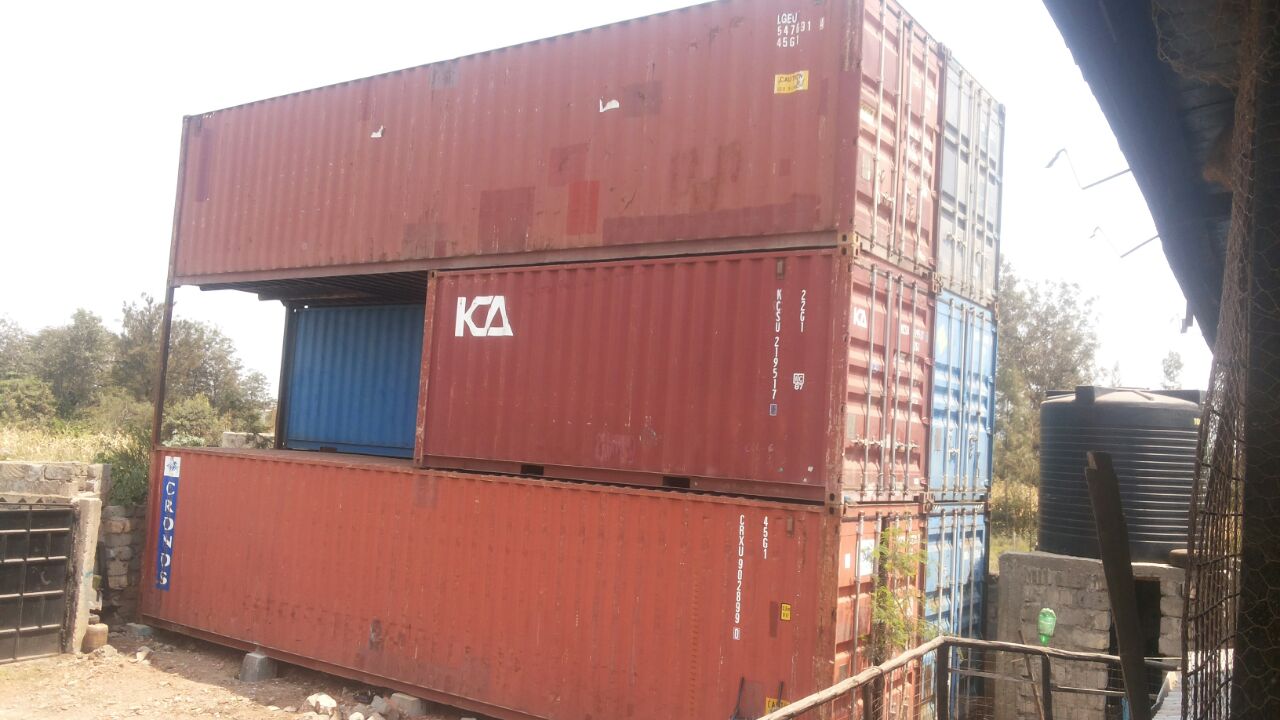
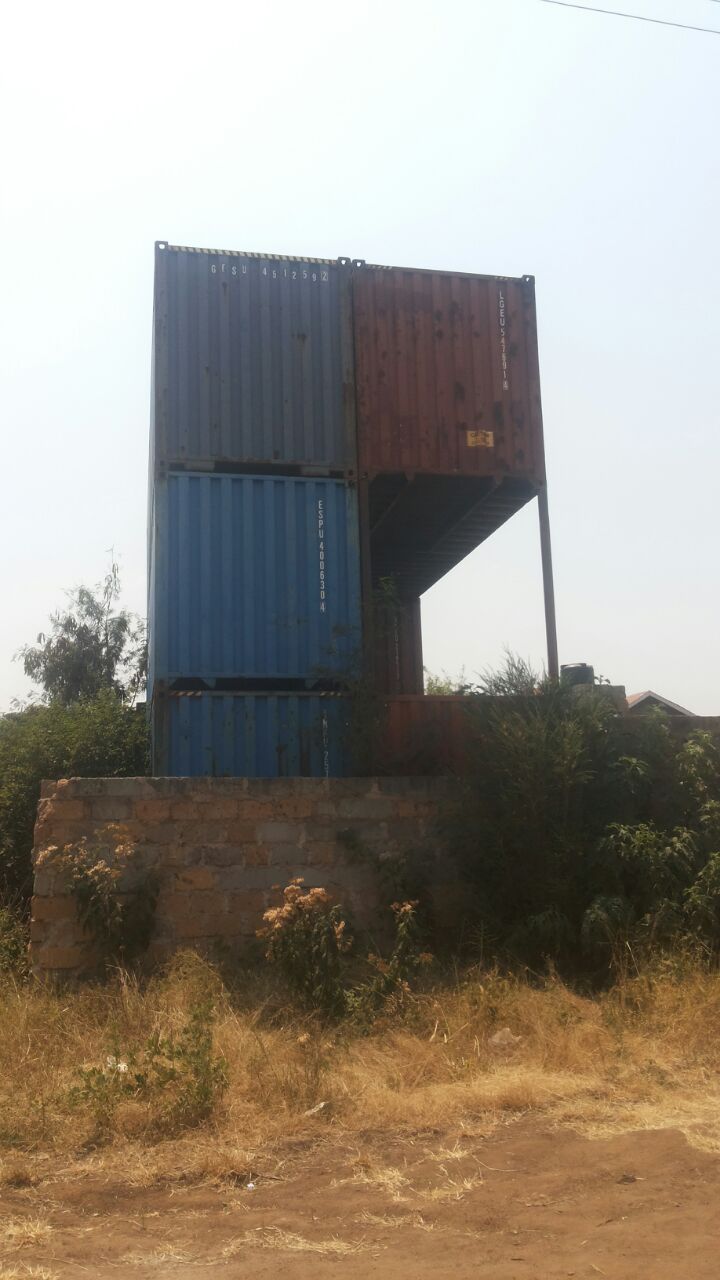
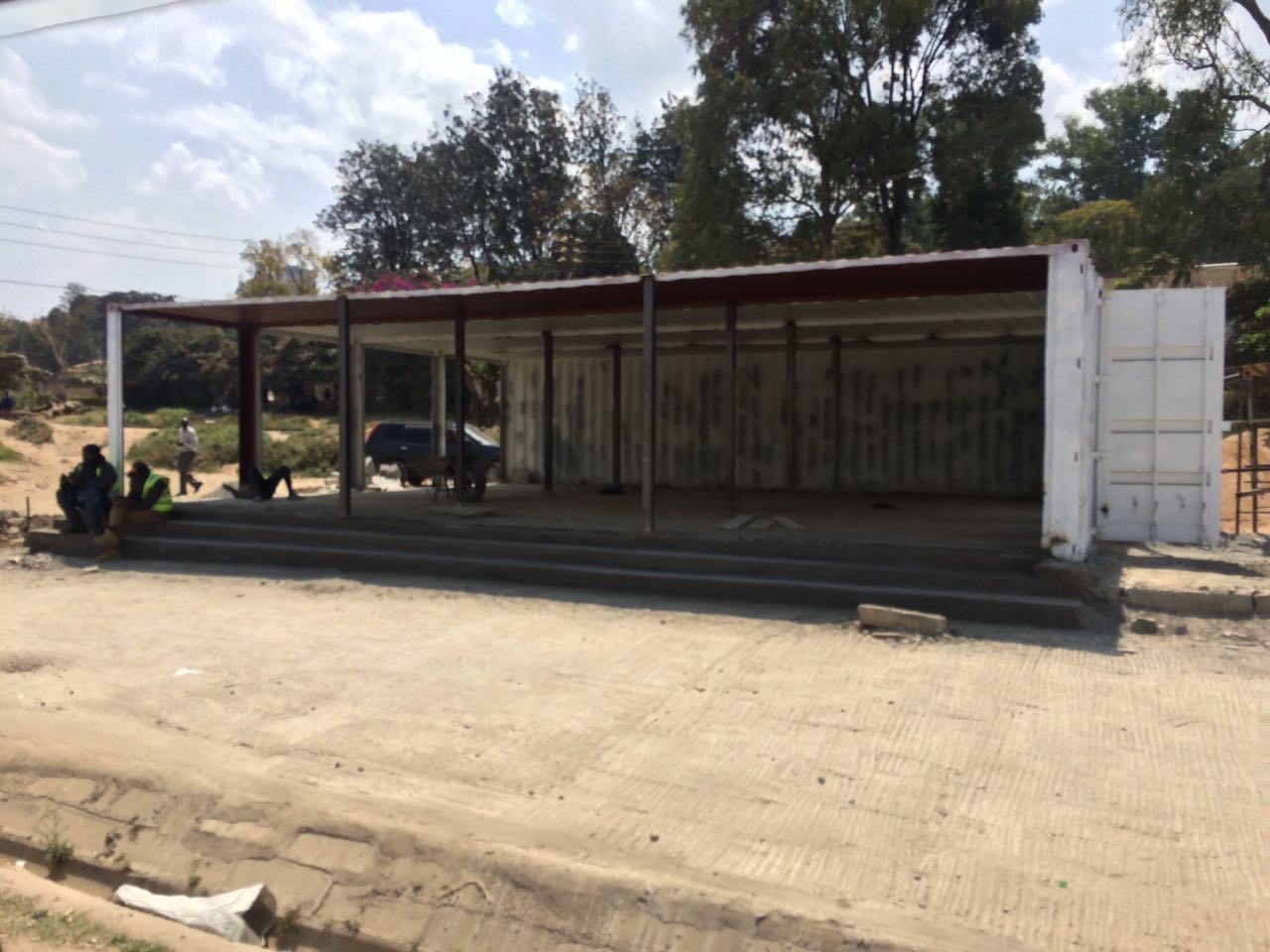
    Container Housing is becoming increasingly common in Kenya, with cost of constructing shooting above the roof.

    Containers are custom made to be 2.4m wide, which is narrow. To create better interior space, they can be added side by side to be wider.

    2 40ft 1

    2 40ft 2

    Vertical stacking.

    Container housing has an advantage of being able to be stacked vertically high, making use of vertical space.
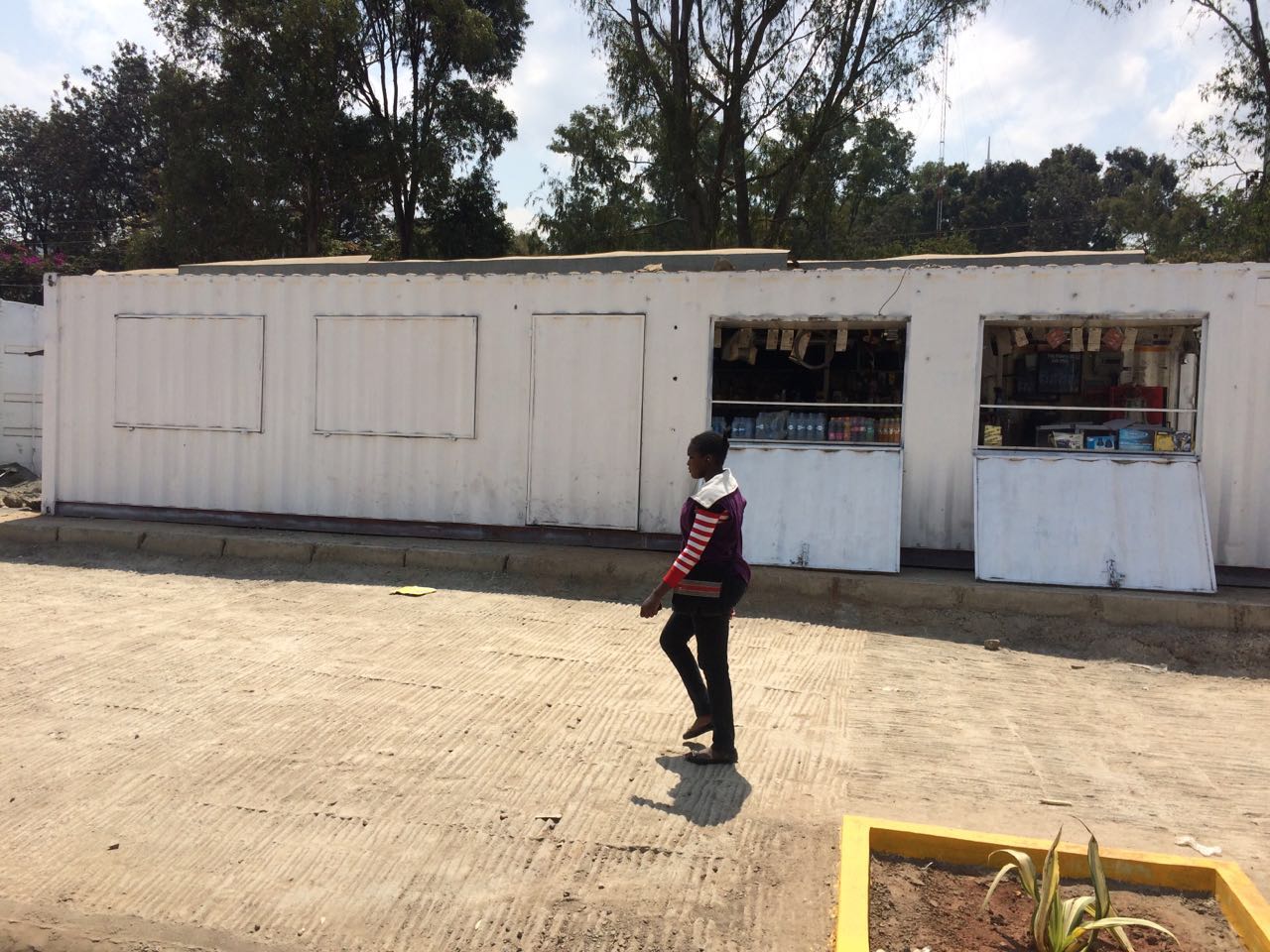
    They also have an advantage of being secure and burgler proof, which is a very strong factor for business premises which usually require alot of security.

    a4architect.com can design the spaces to fit the user requirements, whether residential, hotel, shops or offices.

    Sizes.

    Containers come in 2 basic sizes, 20 ft or 40 foot long. There is also the high cube with is 2.7m high.
    These are obtained once the shipping companies decide they are not fit to be used for shipping purposes, then sold out to the public for other uses. This means that all shipping containers being used for housing are 2nd hand after being removed off the shipping usage.
    All shipping containers have registration numbers similar to car chassis numbers which can trace them back to their original shipping companies.

    Insulation.

    Containers need insulation to be habitable. The roof can be covered in a pitched iron sheet roof. The interiors can be insulated using MDF boards with insulating infill sandwiched in between.
    The doors and windows can be made using steel or aluminium depending on the budget.

    The floor can be finished using pvc or ceramics. Ceilings can be finished with pvc ceiling.

    Electrical wiring and plumbing can be easily incorporated using service ducts. For wet areas, proper insulation can be achieved through use of PVC materials for the walling and doors, and through use of shower trays for the shower area.

    Exterior walls will need an occasional coat of paint to prevent rusting.

    Proper cross ventilation design is needed to ensure that internal air quality is good since in some instances, the containers might have transported hazardous goods hence need for adequate ventilation.

    Architect Francis Gichuhi Kamau.
    info@a4architect.com

  • Building collapse in Nairobi, Kariobangi South

    [youtube https://www.youtube.com/watch?v=jHPRiAARk2o&w=420&h=315]

    [youtube https://www.youtube.com/watch?v=Z9XYt58jatA&w=560&h=315]

    Yesterday, 3rd August 2016, a 6 storey building collapsed in Kariobangi South, Nairobi.

    On 1st of August 2016, 3 people died when a wall collapsed on them in Westlands along Brookside area.
    http://www.news24.co.ke/National/News/3-dead-as-building-collapses-in-westlands-20160802

    On 22nd July 2016, 3 people died when a wall collapsed on them in Westlands near Westgate Mall.

    http://www.news24.co.ke/National/News/three-dead-as-wall-collapses-near-westgate-shopping-mall-20160722

    In previous buildings, between 2010 and 2015, when this phenomenon of building collapse started becoming common in Kenya, it mostly occurred on buildings in the construction process, and mostly in low income neighbourhoods eg Kasarani, Mlolongo, Ruaka.

    Check documented cases in previously collapsed buildings around Nairobi by a4architect.com below.
    https://www.a4architect.com/2014/11/ruaka-building-colapse-november-2014/

    https://www.a4architect.com/2012/02/why-the-mwikikasarani-building-collapsed-and-how-to-prevent-this/

    https://www.a4architect.com/2011/06/why-the-langata-southern-bypass-building-collapsed/

    https://www.a4architect.com/2012/06/why-the-mlolongo-building-collapsed/

    https://www.a4architect.com/2016/05/huruma-building-colapse-stop-buildings-collapsing/

    From late 2014/2015, completed buildings with occupants have started collapsing eg Jogoo road, Kaloleni below in December 2014

    https://www.a4architect.com/2014/12/reason-kaloleni-jogoo-rd-building-colapse-december-2014/

    Huruma building

    https://www.a4architect.com/2016/05/huruma-building-colapse-stop-buildings-collapsing/

    The collapsing of buildings has now jumped into high income areas, with 2 structures colapsing in Westlands within the last 1 month alone.

    NCA

    After the few buildings that started collapsing in 2010, the Kenya Government set up the NCA in 2011/2012.

    In my opinion, the Kenya Government should have tried to learn from other developed countries on how such problems are solved. In Australia, NewZealand, USA where they are prone with earthquakes, these countries have very well functioning Municipal/Local Authority/County Government planning departments. If Kenya Government can strengthen the County Government planning departments, we can begin to solve the collapse of buildings.

    City Court.

    Nairobi County government has a City Court set aside specially to hear and deliberate bye law issues such as building safety and approvals.It also has council askaris to enforce building bylaws and safety compliance. The thousands of meter readers, business permit receipt checkers, parking attendants all deliver intel to the city planning departments of any new and upcoming buildings for ease of compliance enforcement. Nairobi county government has offices in all the Nairobi towns , with adequate staff.

    Focus by Government on County Government Planning department.

    Successful governments in the rest of the world solve the problems of ensuring building safety by focusing on the county government planning department. This will be the only workable solution to prevent this collapse from continuing.
    The Nairobi county planning department will need to be put to task to explain why they let developers construct without following all the laid down bylaws.If its issues to do with funding and resources, these can then be addressed.

    Prosecutorial powers.

    Once the county government uses its massive structures such as human resource, courts, bye laws , prosecutorial powers etc to enforce on the developers, naturally developers will be forced to look for architects and engineers to design and supervise their projects , thereby reducing the cases of building collapse to zero. No developer wants to put in kes 20 million and above then loose all the money so they will easily follow the procedures if county government becomes aggressive in ensuring compliance. Its human nature for developers to try and save as much money if given the chance, and its the role of the county government to ensure that developers, in their pursuit of profit, deliver safe buildings to its citizens. Most developers are not experts in construction technology so the County Government should do its role by forcing these developers to seek professional services from architects and engineers, thereby ensuring buildings are safe for habitation.

    Summary.
    Building collapse stoppage is a simple issue. When a developer uses architects and engineers to guide him through the process, design the structure and ensure and supervise the building to be built as designed, the structure can not collapse. When the County Government enforces the developers to work with architects and engineers to design and supervise structures, the outcome will be a safe building. This simple issue is what lacks in the Kenyan construction environment where County Government is not policing developers enough, hence building failure.

    New Trend.

    Currently, the problem is growing fast in a cancerous manner, now encroaching into upmarket areas where previously, developers in these areas were self-policing, producing safe structures without the need to be enforced by the County Government. The previews situation a few years back where only buildings in construction could collapse has now grown further into completed and occupied buildings. Only a pin point focus on County Governments and the resources they have towards ensuring safety of buildings can help the country move forward in ensuring safe buildings for all.

    Enforcement powers.

    When a building collapses, the most liable is the County Government planning department. The Developer has no technical knowledge to prevent collapse. The Architects and Engineers have no powers to force the developer to construct safely since their role is only to advice the developer, who can ignore their advice . Only the County Government planning department has both technical knowledge and legal powers to force developers to build safely. Therefore, emphasis in ensuring building safety should be directed at County Government planning departments.

    Architect Francis Gichuhi Kamau.
    info@a4architect.com