Category: A4architect

a4architect posts

  • Joska. 24 acres for sale

    Joska. 24 acres for sale


    Kes 2.5m per acre


    See map below


    https://goo.gl/maps/FS97BSGHViP2

  • Lenyamu/Tinga Land on Sale. 1/4 ac


    Lenyamu/Tinga Land on Sale. 1/4 ac


    Kes 350,000

    Beacon Coordinates:


    1.54707S 36.55752E

    1.54839S 36.56016E

    1.54675S 36.55926E

    1.54873S 36.55846E


    Length of the path to shamba from main Magadi Rd. = Approx. 700m
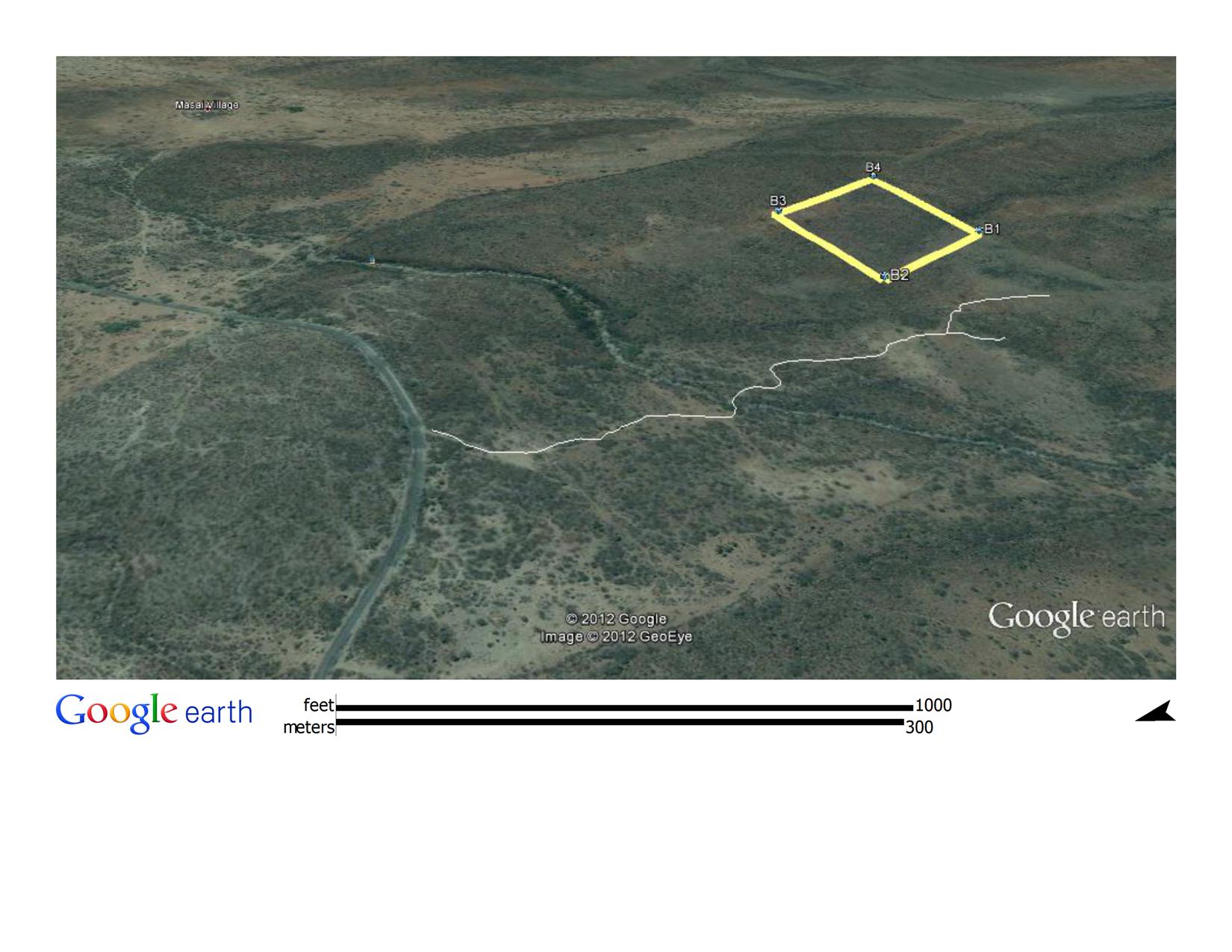
    Distance from Kiserian Town = Approx. 28Km


    See map here

    https://goo.gl/maps/DFAHXphqfC62


    Kelvin Papai Looradiak Titles (1) Kelvin Papai Looradiak Titles

  • Window Blinds in Kenya

    Window blinds come in various materials such as fabric, aluminium and wooden.

    Fabric


    Fabric blinds can either roll upwards or sideways.


    These cost kes 2,000 per m2 inclusive of labour.

    Aluminium Blinds.

     

    These roll upwards as in the picture above.

    They cost kes 3000 per m2.

    Wooden blinds.


    These cost kes 12,000 per m2.

    They typically roll upwards.


    All these are available for delivery within Kenya.

    Contact info@a4architect.com


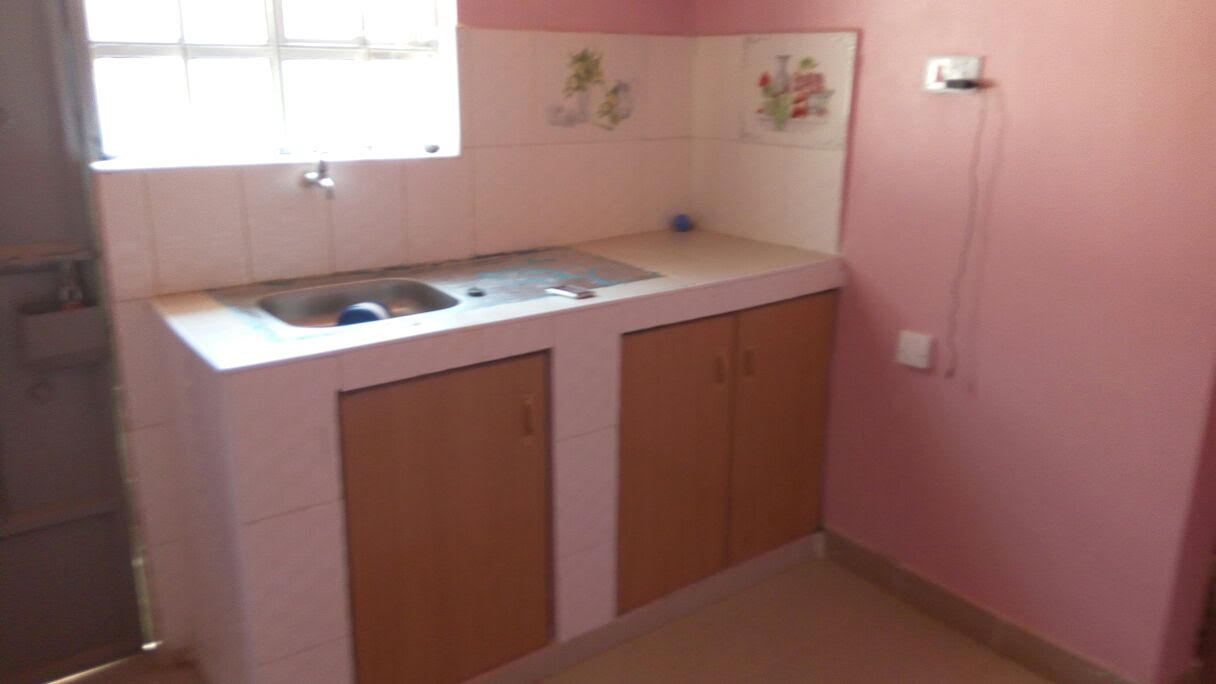
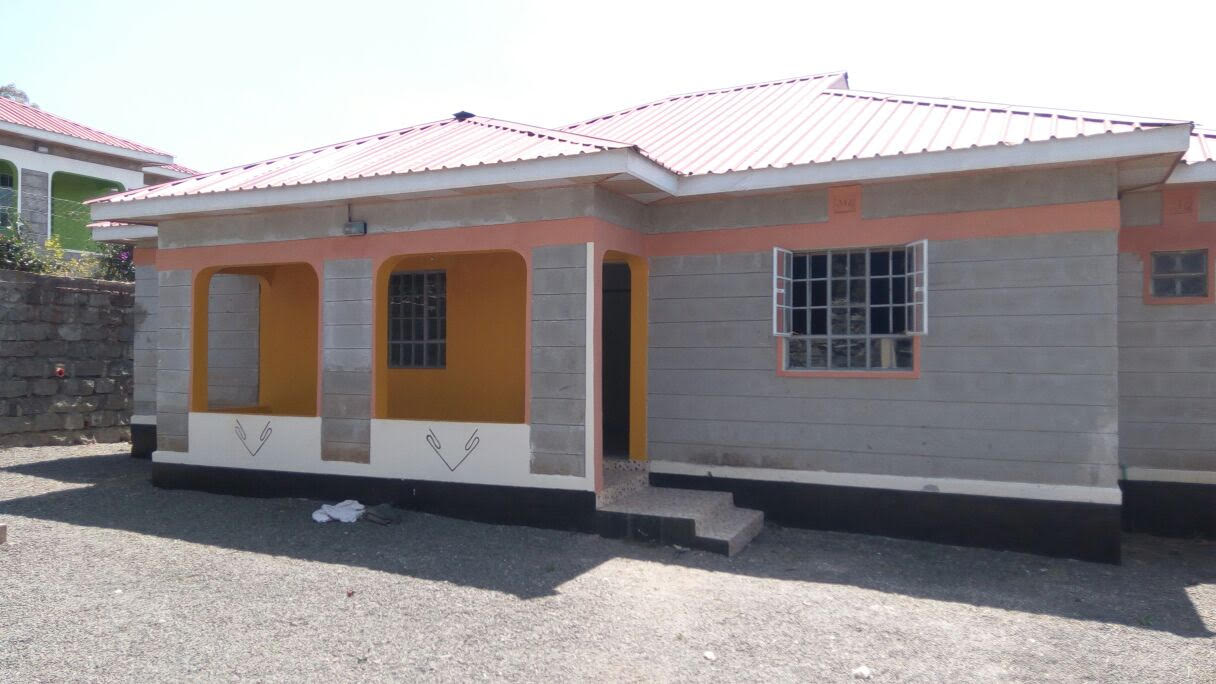
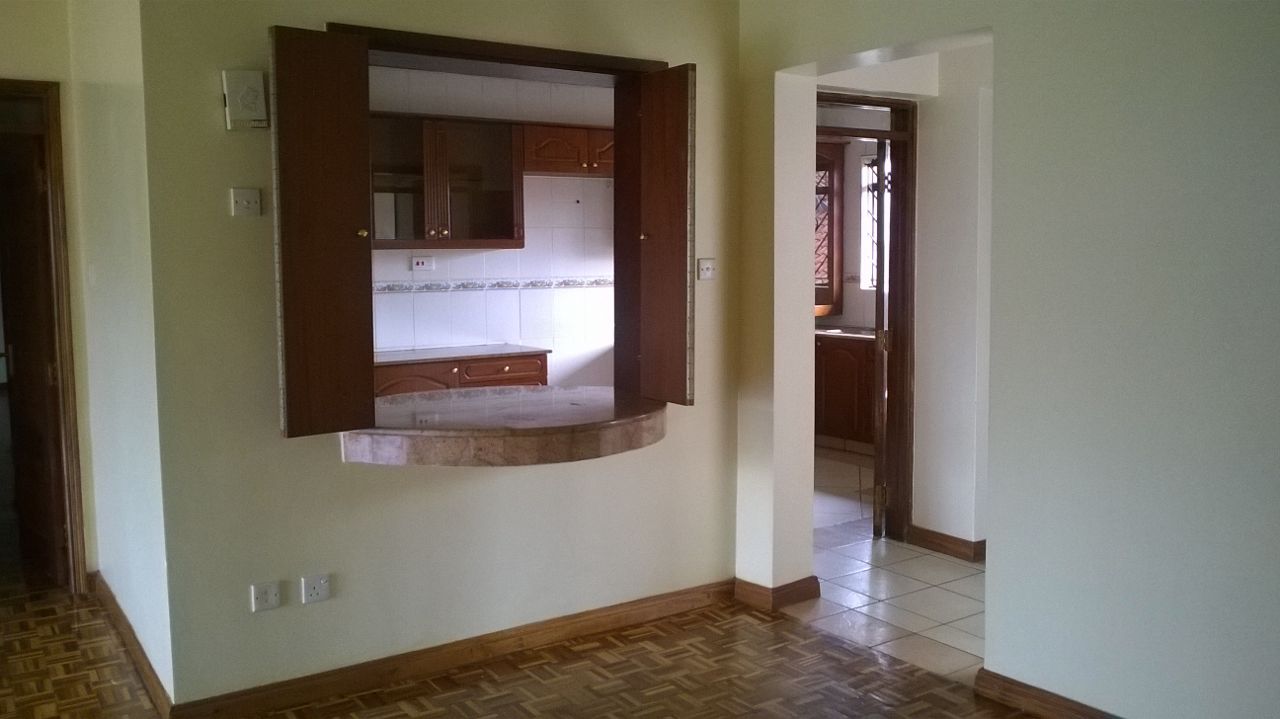
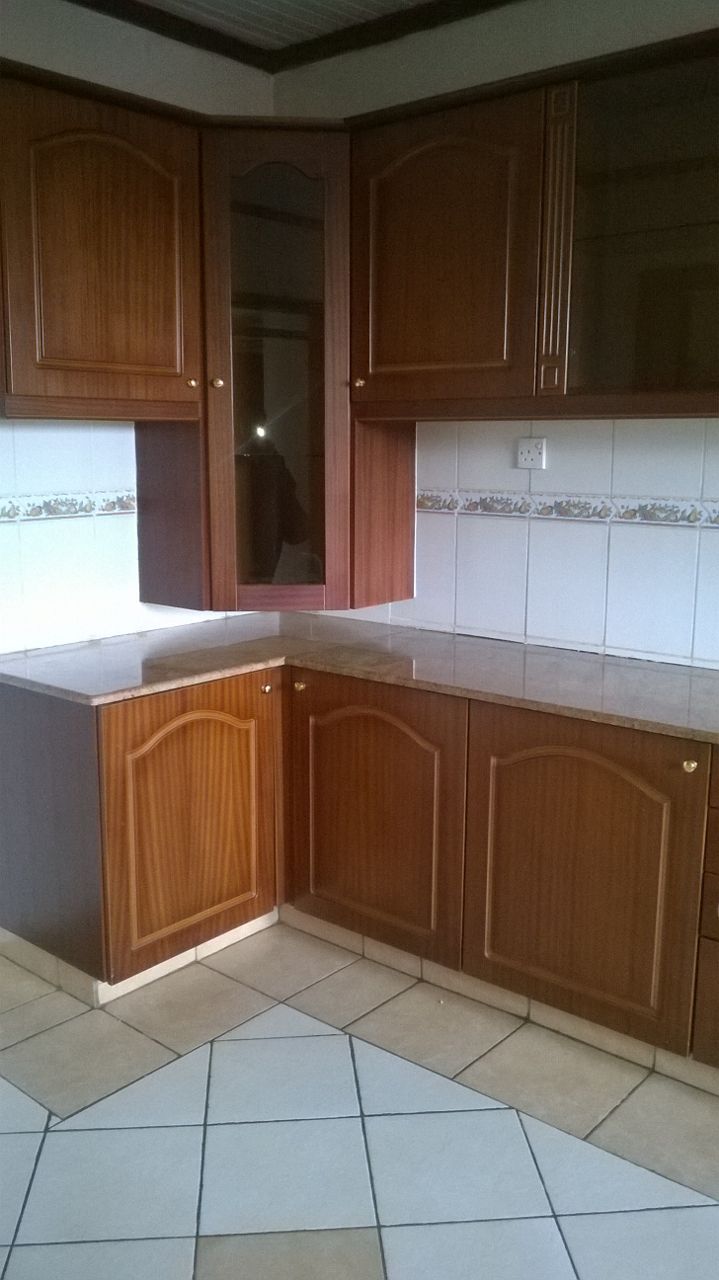
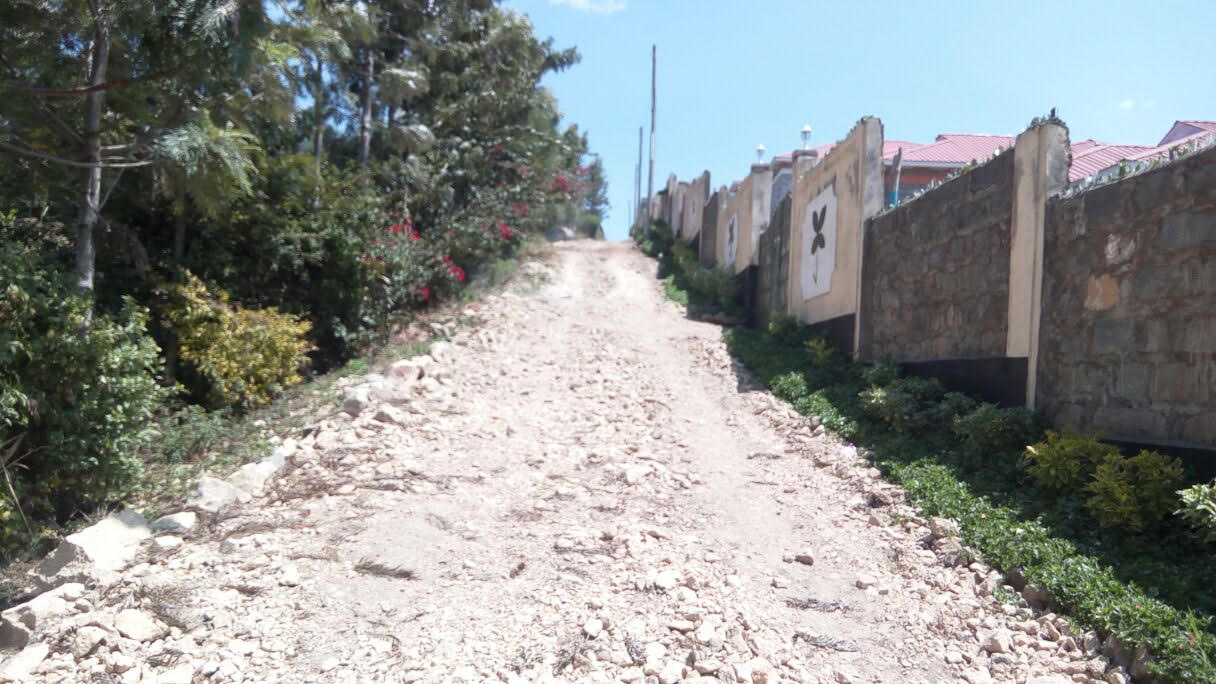
  • 3 Bedroomed House for Sale, Matasia. Kes 5.4m

    3 Bedroomed House for Sale, Matasia. Kes 5.4m


    Email info@a4architect.com.

    Call 0721410684


  • Prefabricated Structural Insulated Panels In Kenya. 2017

    In Kenya, Prefabricated Structural Insulated Panels are slowly gaining popularity within the construction industry.


    These panels are mainly used as walls, floor and roof slabs.


    The main components of these panels are styrofoam sandwiched in between wire mesh which is then plastered on both sides.

    The cement-sand plaster is sprayed on to the panel using a spray gun.

    Internationally, this is the way most countries are going in constructing of walls and slabs since the cost is lower.

    For Kenya, cost of importation of the styrofoam and wire mesh pushes the panels to roughly same cost as using machine cut stones.

    This means as long as machine cut stones remain at the current prices of between kes 50 to kes 60 per piece, this prefab method will be at equal cost with stone walling.

    In the long run, as time goes by, the cost of stone will rise due to environmental degradation of quarry mine areas around Juja and depletion of suitable lands to mine stone . At this point, stone walling will be more expensive, paving way for more use of prefabricated wall panels in Kenya.

    Structural-wise, these prefabricated panels are not designed to carry vertical load of  storeyed construction. Use of Reinforced concrete beams, columns and slabs will still be utilised for load-bearing.


    Architect Francis Gichuhi Kamau.

    info@a4architect.com


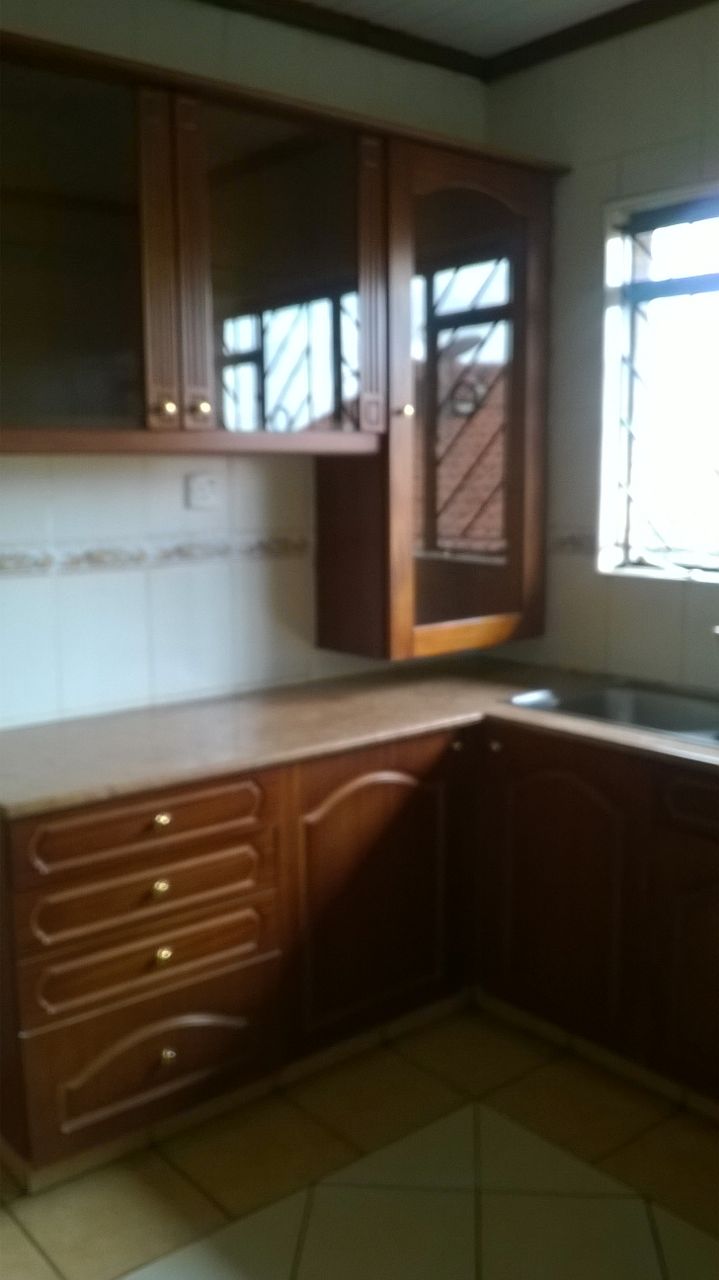
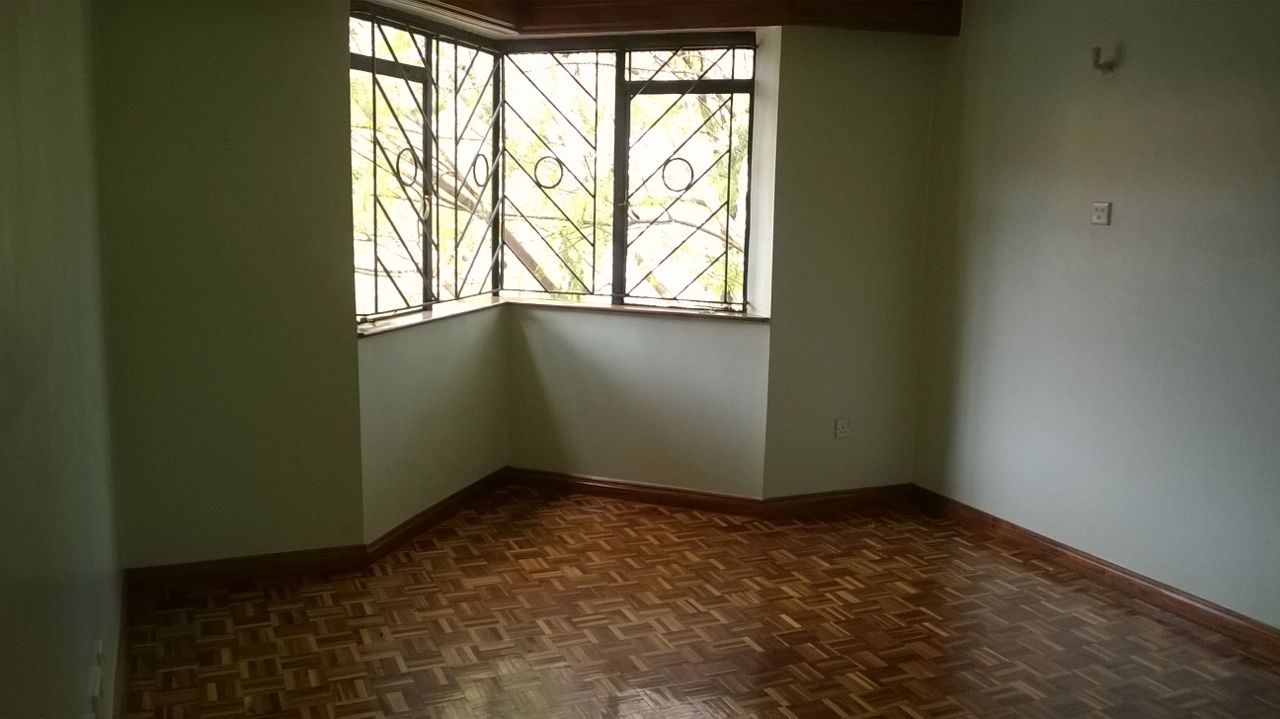
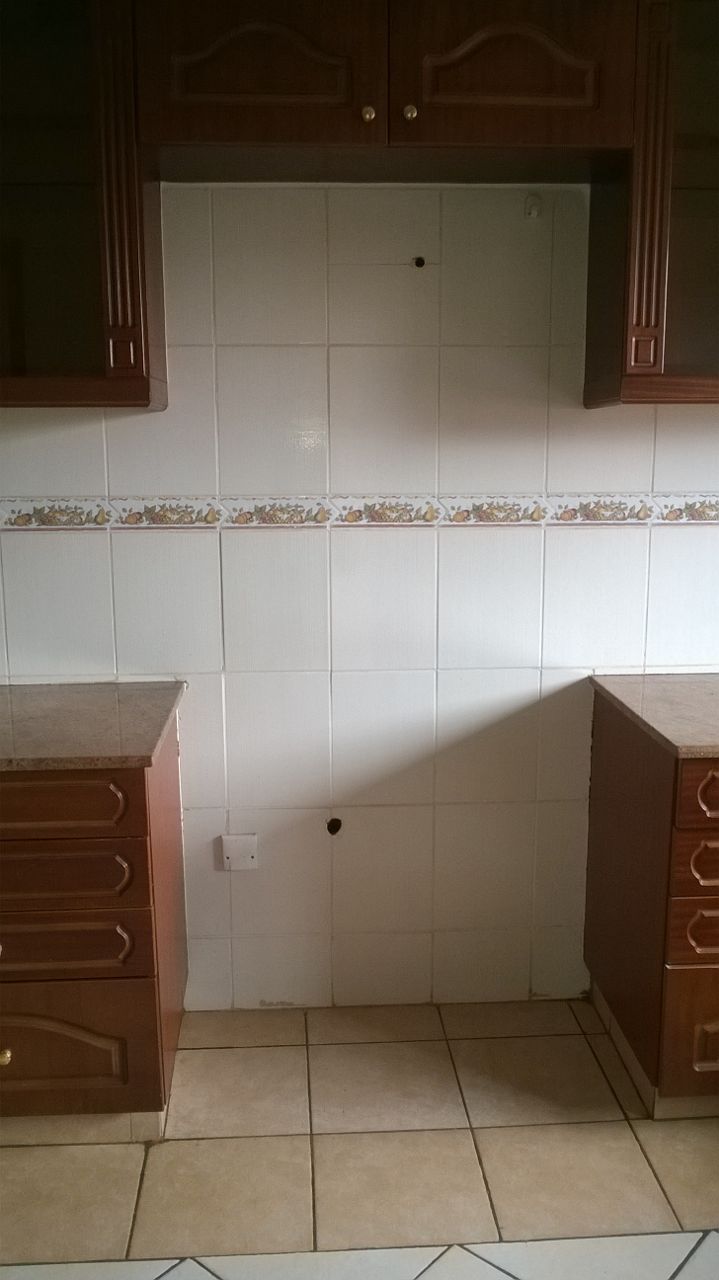
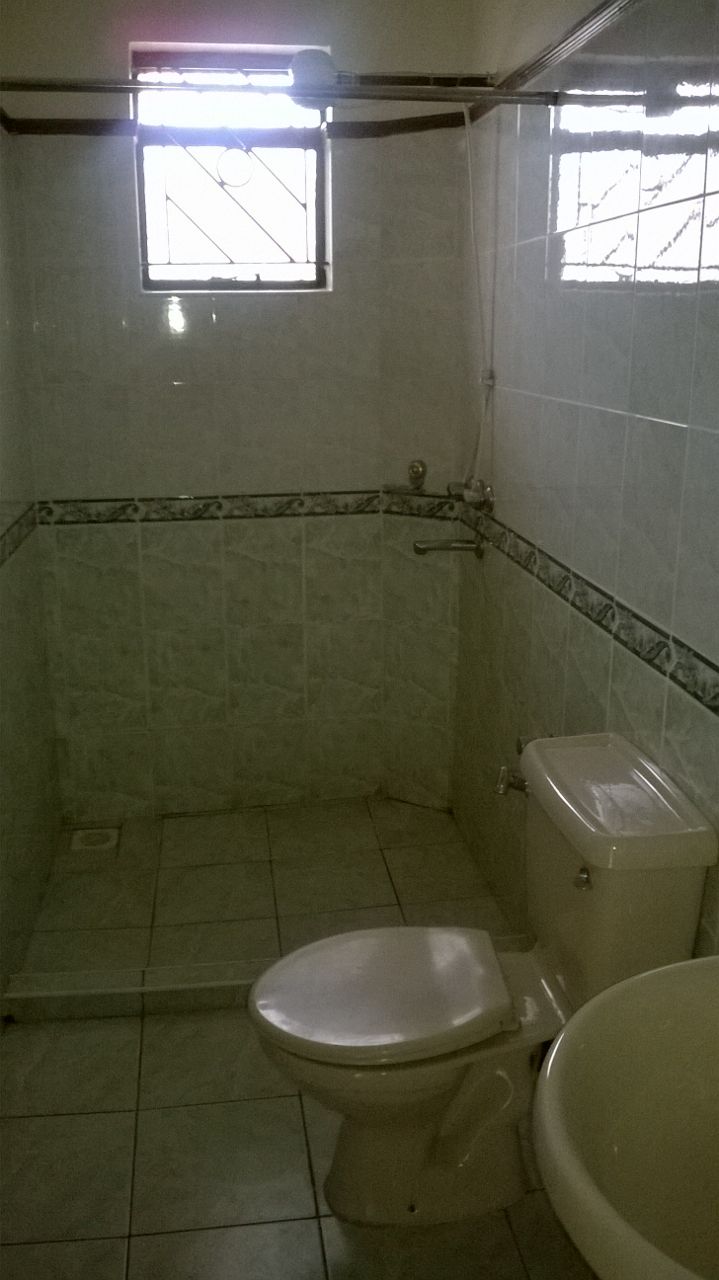
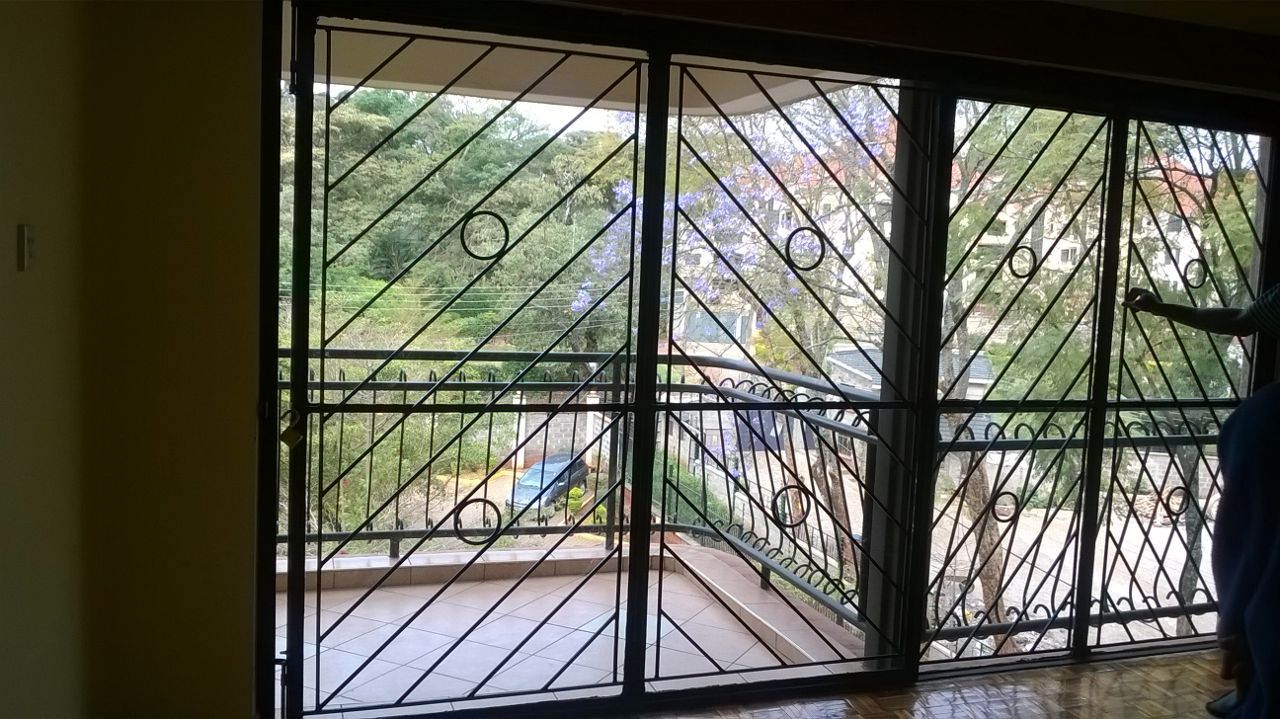
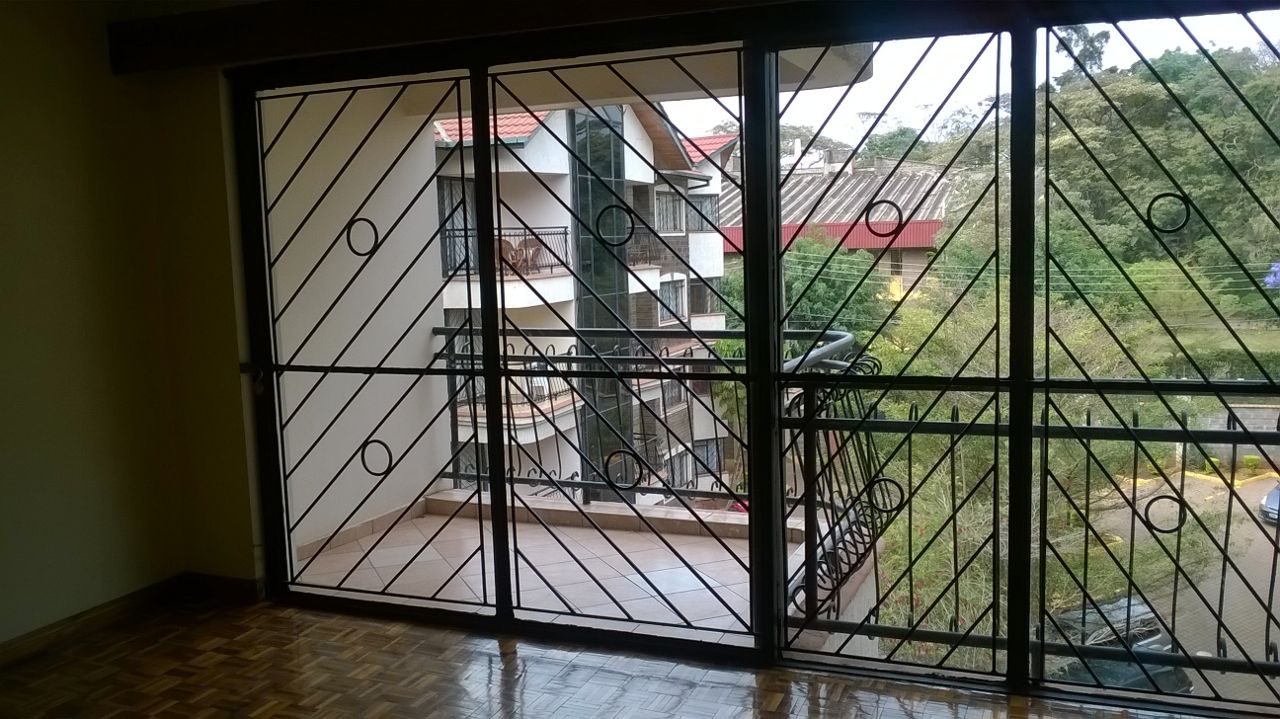
  • Kileleshwa, Apartment for Sale. KES 18.5m

    Kileleshwa, Apartment for Sale. KES 18.5m

    Durnham Road, Kileleshwa.

    1700 sq foot plinth area.

    Email info@a4architect.com
     

  • Push-Button vs. Handle Flush Toilet

    Push button toilets have several advantages over handle flush.
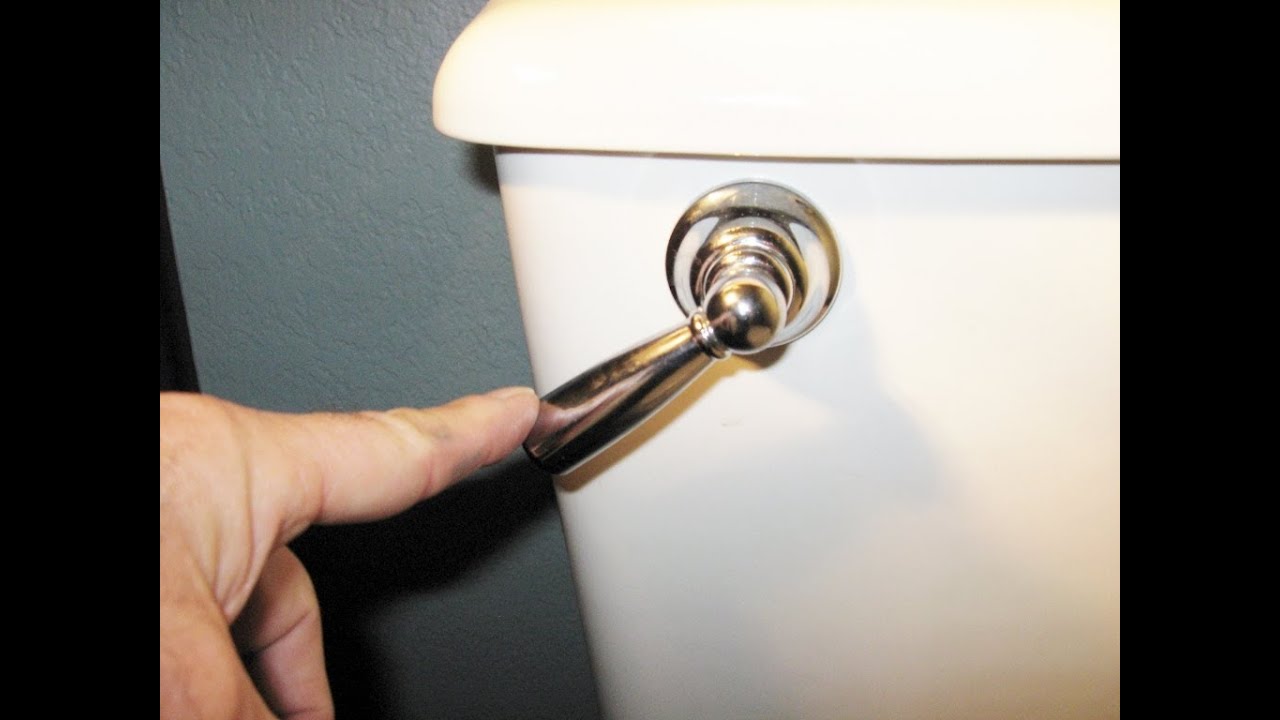
    1. Water saving. Push button toilets have a smaller button that can be used for light flushing, hence saving water.
    2. Push button toilets have lower maintenance since they have simple and fewer moving parts than the handle types.
    3. They have a sleek and modern design.


  • Process of setting out a Building.

    Process of setting out a Building.


    1.Students will first identify the site plan which shows the building footprint. Before the work begins, the students need to be able to identify that the architectural plans are stamped by the County Government for approval. This is because if the drawings are not approved, it’s the masons working on the site who are usually picked up and locked in police cells for working on a building that has not been approved as in the case of Kenyan building bye laws.


    2.After this identification, the students can then read out the building footprint in relation to the plot boundaries.


    In the drawing above, the left side of the building is at exactly the edge of the plot boundary. The top and bottom part are offset from the land plot boundary.


    The markings using nylon strings will mark out the foot print as shown in the picture above.


    1. Using a nylon string, students can measure out the dimensions as shown on the architectural drawing then direct the string on one side to mark the building extents, offsetting and starting to measure from one end of the boundary wall.


    1. The other perpendicular building footprint extents are then pulled out and measured from the initial long section string to mark the footprint extent.

    5.Using white lime powder, the building footprint is marked and is now ready for excavation.


    For small sized buildings, manual labour is used to excavate.

    For larger buildings, use of excavator machinery is more appropriate.


    Once the top soil is excavated until stable ground or rock, a more detailed setting out of the internal wall partitions of the buildings can commence.


    Once the top soil is excavated until stable ground or rock, a wooden formwork , made out of pine timber, is erected at the edges of the excavation. This forms the support of the nylon strings that are used to measure out the more detailed setting out for the interior walls.


    Procedure for setting out.


    1.Erection of Sawn timber formwork for foundation.

    Once the soil is excavated till stable ground or rock, a 2inch by 2 inch cypress or pine timber post of around 3 feet is driven into the ground on one end of the corner of foundation at ground level.


    2.Other pieces are driven into the ground in a spacing of approximately 4 feet apart until the extreme end of the foundation.


    1. A 4 inch by 1 inch cypress or pine timber plank is used to horizontally join all the 2inch by 2 inch posts till the farthest end.


    1. This is repeated for all extreme edges of the foundation.


    This 4inch by 1inch timber plank is what will be later used to support nylon strings that will be dimensioned as per the architectural drawing internal wall.


    1. Once the timber formwork is erected around the foundation edges at the ground floor on all sides, the actual setting out where drawings are read from the architectural plan and interpreted and marked using nylon strings on the timber formwork can begin.


    1. See internal walls in the picture above. In some buildings, there will also be columns such as in the picture above, which will also be marked in the same manner.


    1. After this marking, excavation of the internal walls and column footings is the next step.

    Francis Gichuhi kamau

  • Tools used in Pointing and jointing.

    Tools used in Pointing and jointing.


    1.Trowel.

    See the picture below. The man is holding a trowel with his right hand.

    This tool is used to scoop put cement mortar and smear it on the masonry stone joints.


    1. Key jointing tool


    The mason below is holding the key jointing tool with the left hand.

    This tool is used to embed the key joint in between masonry blocks when the mortar is still wet and soft.


    1. Nylon string


    This string is used to enable a mason emboss and imprint the vertical and horizontal lines for working with the key jointing tool.

    1. Spirit level

    This tool is used to enable the mason establish perfect horizontal line on the nylon string for a smart key jointing exercise.


    Preparing a surface for pointing in masonry walls.

    1. Using a hammer and chisel, chisel out the joint between the masonry stone blocks to widen it.
    2. Prepare mortar mix and fill in bucket or shallow container.
    3. Use a brush to sprinkle water along the joints to enable smooth adhesive of the mortar into the stone.


    Preparing s surface for jointing of masonry blocks.


    1. Use the nylon string to mark the perfect horizontal height for the bottom cement screed.
    2. Use a brush to wipe out dust on the masonry stone if its machine cut.
    3. Lay the stone on top of the cement screed in alighnment with the nylon string.
    4. Lay the next few neighbouring stones, with a 1 inch joint in between them.
    5. Pour water on top of the stones to enable a more stronger adhesivity of mortar with the stone.
    6. Using the trowel, pour in mortar in between the joints .
    7. Using the trowel, poke into the mortar severally to enable the mortar enter into al corners and fill the joint completely.
    8. Using the trowel, smear the mortar to finish with a smooth smear that completely fills in the joint with mortar.

    Architect Francis Gichuhi Kamau

  • Making simple working drawings.

    Making simple working drawings.


    Steps.

    1. Identify and prepare all tools needed to make simple working drawings. Thes e tols include
    • Set square.
    • White cartridge paper
    • T square
    • Pencil
    • Ink Pen
    • Drawing table.
    • Task chair


    For complex drawings, Computer Aided Design software on computers is what is needed to fulfill the task.

    For simple drawings, the above tools will b effective.


    1. After preparation of the tools, using the pencil and paper, sketch out the plans of the intended buildings.
    2. Using the sketch above, use a clean paper to measure out the dimensions sketched out using the scale rule.
    3. Use the T square to draw horizontal lines and measure the distances using the scale rule.


    1. Use the set square supported by the T square to draw vertical lines. Use the scale rule to measure out the length of the vertical line.


    1. Using the sketch , recheck if all the walls in the sketch as dimensioned have been drawing in the clean piece of paper so success.


    Production of simple Isometric Drawings.


    1. Using the plan drawm above, lay the plan on the table and place a transparent tracing paper on top of it.
    2. Using the set square supprted bt the t square, use the 45 degrees edge to draw lines from all the floor plan corners at a 45 degree angle from all 4 courners.
    3. Using the scale rule, easure out the heights of the lines to the desired dimensions as indicated in the initial sketch
    4. Use the t square to join the wall heights.
    5. Use the set square to join the adjacent wall heings.
    6. Once the wall heights have been joined together, this marks a successful simple isometric drawing.


    Procedure of making above sketch.

    1. Sketch on a piece of white catridge paper the floor plan with dimensions.
    2. Using transparent tracing paper, place the tracing paper on top of the sketch .
    3. Using a T square, draw a horizontal line.
    4. Using the scale rule, measure out the exact measurement as described in the hand drawn initial sketch.
    5. Using the set square, draw a 30 degrees andle from all the four corners of the plan in the sketch.using a scale rule, measure out the cube height as described in the hand drawun sketch.
    6. Using the T square, join the vertical height points measured out with a horizontal line.
    7. Using the set square, join the 30 degrees slanted lines .

    The final outcome is an isometric cube as shown above.


    Interpreting a working drawing.

    1. Lay the drawing on a flat surface eg table.
    2. From the left side, extreme end, measure out the dimension given in mm.
    3. Check the dimension line below.


    The dimension line is marked by a thin line with the dimension writeen right above it. 4.Read the dimension and note it down then transfer it on the ground.

    5.Notice the crossed out mark on the dimension line. This marks the end of the individual measured distance.

    1. The thick cross hatched lines represent the wall thickness, in this case, the thickness is 0.15 meters or 150mm.

    Architect Francis Gichuhi Kamau