Author: A4KENYA
-
How to prevent molds in Buildings.
1 Are there architectural faults that contribute to the growth of molds?
Yes.
2 If there are, what are they?
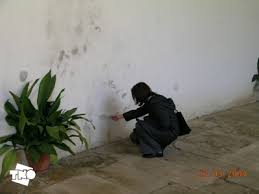
Molds come about from excessive moisture on building elements, mainly walling, roofing and flooring.

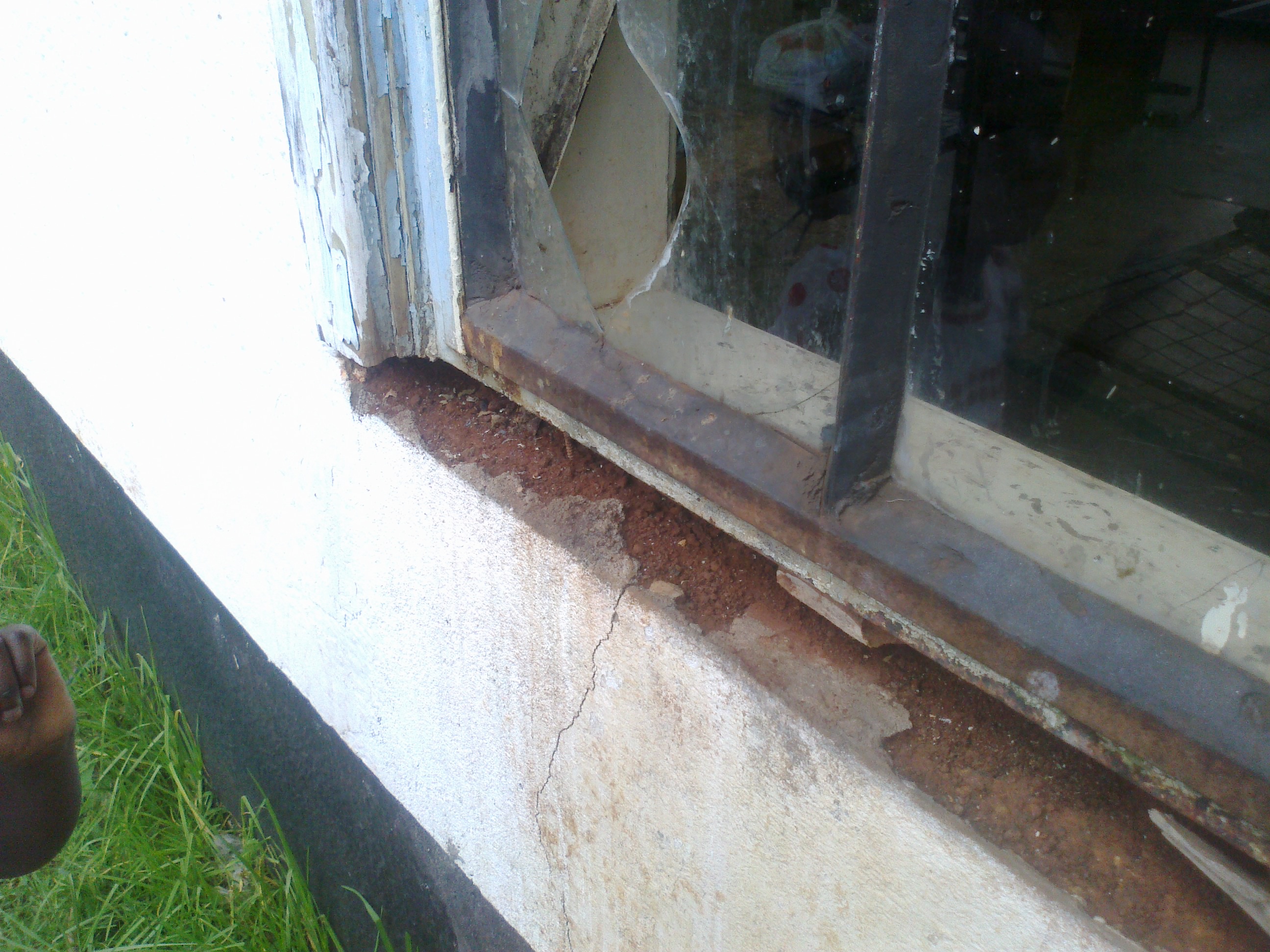
In designs where there are sunken spaces/living rooms and basements, and care to water proof the walls and floors has not been done, these elements will suck in moisture from the soil through capillary action.
In buildings, there is the bituminous membrane that is laid in between the floor surface and the 1st layer of stone. This membrane can also be replaced with heavy gauge black polyethene paper. If the contractor forgets to put this in place, the wall will suck in moisture from the ground and will result in mold growing on both sides of the wall. This will eventually make the wall weaker hence cracks.
3 What can be done to remedy such issues in homes that already have molds?
Use of paints and cement that contain anti bacterial properties will prevent the growth of molds in walls. Such cements are commonly used in bathrooms where its expected to have high moisture.
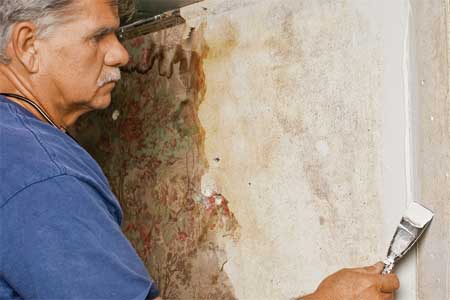
Anti bacterial paints are also used for outdoor plaster works where molds are common.
There are also anti bacterial ceramic tiles which are mainly used in ICU for hospitals.
4 What should a homeowner consider before constructing, in order to prevent molding?
A home owner needs to work with his architect to ensure that all chances of mold are looked into.
5 Are there specific areas in the home where the danger of molds is heightened?
Yes. Areas which have higher moisture such as kitchens, bathrooms and exterior wall surfaces.
6 Are there regions in the country where molds are more prevalent or does it happen everywhere?
Yes. Regions that have higher humidity eg the coast.
7 Does clutter in the home contribute to the growth of molds?
Yes. Especially inside wardrobes. Rooms should be designed with adequate natural light and ventilation so that fresh air can circulate abundantly.
8. What other architectural factors in and outside the home contribute to ill health and what can be done to prevent this?
Research studies have shown that exposures to building dampness and mold have been associated with respiratory symptoms, asthma, hypersensitivity pneumonitis, rhinosinusitis, bronchitis, and respiratory infections. Individuals with asthma or hypersensitivity pneumonitis may be at risk for progression to more severe disease if the relationship between illness and exposure to the damp building is not recognized and exposures continue.
Prevention of mold starts with the developer hiring architects who will design the building with prevention of mold in mind.
9. asbestos and the negative effect it has on health.
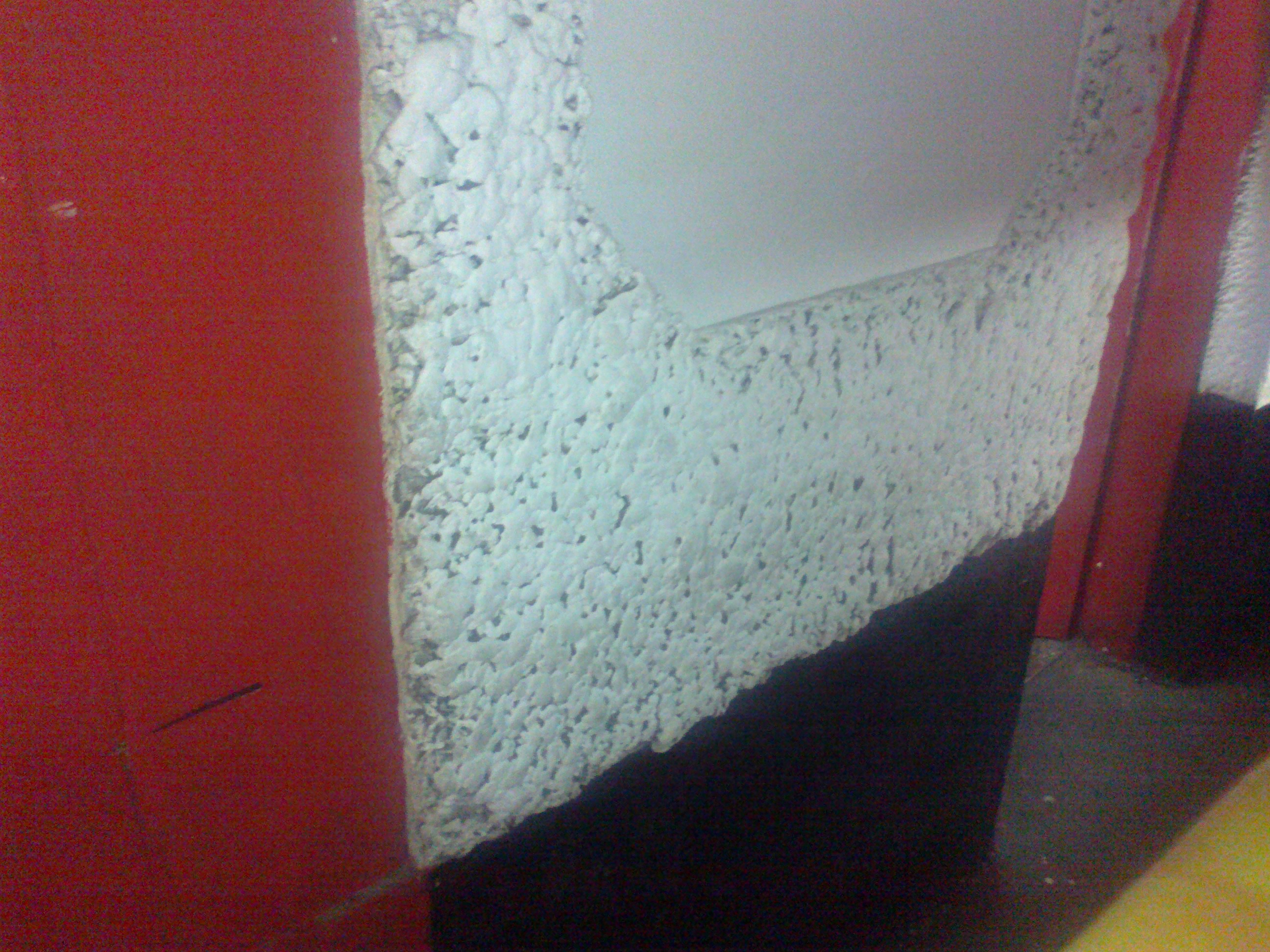
Asbestos has been proven to cause cancer especially lung cancer after long exposure.
-
Hotel Business Plan
HOTEL BUSINESS PLAN
Project: Hotel along Waiyaki way opposite Sigona Golf Club.
Client: ……………….. …………………
Location: Sigona town, near Kikuyu town.
Number of rooms= 300
MAY 13TH 2014
EXECUTIVE SUMMARY
This is a project proposal for the construction of a high class hotel comprising of 200 No. rooms on a parcel of land situated at Sigona.
The project has been conceived, designed and will be implemented by www.a4architect.com .
The estimated development cost for the project is KES 1.6 Billion. USD 18 Million.
The project completion period shall take 24 months from ground breaking to hand over.
WWW.A4ARCHITECT.COM
A4architect is a dynamic property consulting company specializing in providing a one-stop service for the management and development of a variety of property development projects. It provides its clients, who may be property owners, developers or tenants, with the expertise to guide a project through the complex development process from concept through to building completion.
Depending on the requirements of their client, A4architect can provide a full or partial consulting service. The company’s involvement can vary from sourcing suitable sites, arranging local authority approvals, managing the professional team or providing a complete project management service.
The principals behind the firm have several years experience in designing and managing to completion several projects of various natures .
THE PROJECT
The project comprises the construction of 300 No. hotel rooms each self-contained, and a restaurant for Sale at Sigona, in a 10 acre piece of land opposite Sigona golf club.
DEVELOPMENT BUDGET
Cost Item Kshs USD % Land 300,000,000.00 3,333,333.33 18.23375676 Preliminary 300,000.00 3,333.33 0.018233757 Construction 1,000,000,000.00 11,111,111.11 60.77918921 External Works 10,000,000.00 111,111.11 0.607791892 Contingency 15,000,000.00 166,666.67 0.911687838 Professional fees 140,000,000.00 1,555,555.56 8.509086489 Project Management fees 10,000,000.00 111,111.11 0.607791892 Marketing 10,000,000.00 111,111.11 0.607791892 Restaurant 0.00 0.00 0 Financial Charges 160,000,000.00 1,777,777.78 9.724670273 Total 1,645,300,000.00 18,281,111.11 100 SALES PROJECTIONS
1.11 Projected sale price per hotel room unit KES 8,000,000 for 200 rooms .
This price is scheduled to increase as demand for the rooms rises.
1.12 Overall sales revenue= USD 17,700,000.00
Daily rates at worst case scenario=kes 9,000 USD 100.
Occupancy rate =80%
Management fees=20% of revenue.
Total Monthly collection per room =KES 2,400
Total monthly collection for 200 rooms = USD 480000
LOCATION
Sigona is situated 15 minutes drive[25 km] from Nairobi’s Central Business District along the international Nairobi to Uganda highway. The site is served by the Southern Bypass, which is an International road linking Mombasa to Rwanda and Uganda.
The area is connected to the mains water supply from the Kiambu Municipal Council and also has easily connected electricity supply from KPLC.
The immediate locality consists of subdivisions each measuring an eighth of an acre. Developments in this area are predominantly single family residences. The occupancy is predominantly homeowners. With the new construction of the bypass, developments around this area are rapidly transforming into high rise commercial nature.
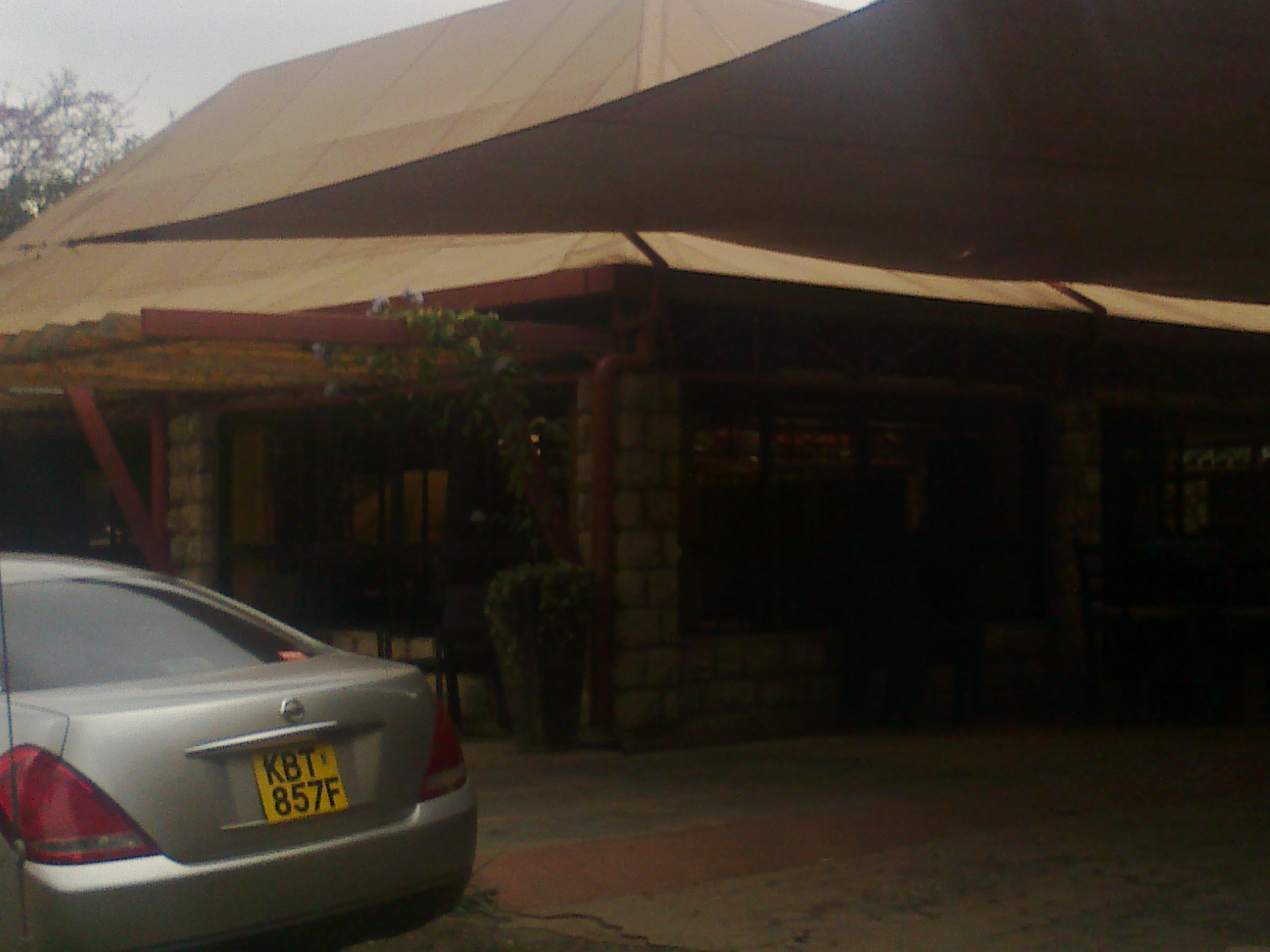
The majority of the buildings here are of reasonably well constructed and maintained.
MARKET DESCRIPTION
Given the proximity of the site to Nairobi’s CBD, Southern Bypass , Thogoto town, Kikuyu town, Karen, Dagoretti market, the site would realize good returns on a multi level hotel development.
Property appreciation is expected to be in the range of 20% p.a.
The planned development intends to maximize this potential by creating accommodation that is spacious whilst at the same time making optimum use of the vertical space available.
At the moment, the closest hotels nearby are located at Kikuyu town,5 km away.
Wida highway motel, located 8km away at Sigona, charges kes 4,000 per night.
The planned development would meet an existing need since the site is located along the soon to be completed busy highway from Mombasa, Tanzania, Zambia and Southern Africa to Uganda, Rwanda and Central Africa.
COMPETITION
In the locality of the planned development, there exist several hotels in Kikuyu town, 3 km away.
Wida Highway motel, 6 km away, is the closest competition.
EXECUTION OF THE PROJECT
A4architect will in this provide the clients with a full design/build service. This shall include
1. Design and specification
Architectural, structural, mechanical and electrical drawings shall be prepared and necessary approvals sought.
During the various stages of the design, the client shall be kept fully informed and client approval sought prior to proceeding to the next stage. The engineering design shall be done by registered engineers under the guidance of A4architect. Detailed specifications shall be developed with close consultation with the client.
2. Project estimates
Subsequent to completion of the design, a Quantity Surveying firm under the guidance of A4architect shall undertake construction cost estimates for the project.
3. Preparation of tender and contract documents
After final design has been done and client approval obtained, tender documents shall be drawn up for the general and specialist contractors. The specialist contract documents shall be prepared with guidance from the relevant engineers.
4. Tendering
Selected contractors shall be invited to tender for the various work packages. We shall then analyze the tenders returned and forward our recommendation to the client.
5. Contract documentation
With the contractors have been selected, we shall draw up the required contract documents and enter into contract with the contractors on the client’s behalf.
6. Project management
Subsequent to the contracts being signed and mobilization to the site, we shall provide superintendence and project management. This will entail ensuring that the project is brought in on time and under budget by constant monitoring of operations on site and remedying any issues that may prevent timely completion or cause expenditure to exceed the budget.
7. Contract administration
We shall handle all matters relating to the various contracts including but not limited to stage payments, performance bonds, extensions of time and relationships between the various trades involved in the project’s execution.
8. Sales and marketing
In conjunction with an estate agency approved by the client, we have produced a presentation package to be used in the marketing of the Motel.
PROJECT TIMELINES
a) Design to Tender
The design to tender process will take a total of 1 month. This will include commissioning of all engineering design, preparation of bills of quantities and obtaining of all relevant approvals for the development.
b) Construction
Construction of the entire project is estimated to take a maximum of 24 months.
Prepared By
Francis Gichuhi Kamau B.Arch. U.o.N M.A.A.K[A] Registered Architect
+254 721 410684
A4architect.
-
Woonboten / Floating Houses in Spaarne River Haarlem, The Netherlands
http://youtu.be/mvOTePx-YOU
-
How Supermarkets in Kenya can be designed for maximum profitability.
Supermarkets can be designed to offer shoppers the best experience which in turn means they shop more hence more profitability to the supermarket owners.
Break of monotony.
Supermarkets are mostly on large floor space spans. These spans, if not carefully considered, can end up looking like warehouses with shelves. To prevent this, the architectural design can be manipulated to create different niches each with its own feel. For example, the fruit and vegetable section can be designed to have allot of wood finishes in the ceiling, shelving structure and natural floor materials for the wall.
This gives a natural, fresh, relaxed feel, which makes the shopper more comfortable, hence higher chances of more sales.

Toy and baby sections can also be designed to appeal to kids.
The height of shelves can be optimized to enable kids reach the top. The floor and wall colour scheme can be designed to look interesting for the young ones.


The bakery section can utilize use of natural materials and carefully selected lighting intensity to create an aura of freshness.
Use of wood, red brick clay tiles and stone surfaces is most appropriate.

Use of uplighters for lighting is also a good method of ensuring shoppers are comfortable.

Shelve shape.
A break in the monotony of shelf shape is also a good method of ensuring shoppers to not get bored while shopping. Items on sale can be placed here so that they are more noticeable.


False ceilings with downlighters.
The roof can also be used to emphasize various sections, and also be used to hang downlighters which ensure only lighting of the desired intensity points to the targeted product.

Location of products.
Fresh products such as the bakery and fruit and vegetable sections are best placed near the entrance. This has the effect of giving the impression of freshness to shoppers, hence eventually spending more time in the supermarket and spending more.
Width of corridor walk way.
Corridor space should be wide enough to prevent people bumping on each other, creating distractions. 1.5 to 2m wide space is good enough for the corridor.
Items which relate to each other, eg bread and milk, can be located far from each other so as to create a situation whereby the shopper walks to and from these points, in effect, viewing more products which will then set in impulse buying hence more sales.

The bakery section, apart from appealing to the eye on the delicious baked foods on display, also uses the sense of smell to augur in the message to the shoppers, hence more sales.

Foods that require refrigeration can be kept in the rear at the farthest from the entrance so as to use less energy in cooling.
With the above considerations, your architect can then design a supermarket that is alive and vivid to the shoppers,to avoid the drab industrial look.

This will ensure a better shopping experience and higher sales.
Francis Gichuhi Kamau, Architect.
-
Prime lands fronting tarmac ripe for Shopping Mall construction in Kenya, South Sudan and Rwanda
1. Isinya.
https://maps.google.com/maps/ms?msid=205617053586273466800.0004ffe15340b3814816b&msa=0&ll=-1.684683,36.848139&spn=0.003035,0.005284
2. Naivasha road/Kawangware
https://maps.google.com/maps/ms?msid=205617053586273466800.0004ffe15340b3814816b&msa=0&ll=-1.289503,36.746312&spn=0.003035,0.005284
3. Ngong road opposite show ground entrance.
https://maps.google.com/maps/ms?msid=205617053586273466800.0004ffe15badbbaa4234b&msa=0&ll=-1.306074,36.736382&spn=0.003035,0.005284
4. Kiambu road at Ndumberi junction.
https://maps.google.com/maps/ms?msid=205617053586273466800.0004ffe1611cbdad2e9e7&msa=0&ll=-1.150177,36.804441&spn=0.003036,0.005284
5. Ruaka town
https://maps.google.com/maps/ms?msid=205617053586273466800.0004ffe167c4af391b49a&msa=0&ll=-1.207377,36.785424&spn=0.003036,0.005284
6. Waiyaki way opposite Sigona golf club
https://maps.google.com/maps/ms?msid=205617053586273466800.0004ffe16cb205666a223&msa=0&ll=-1.206068,36.662343&spn=0.012142,0.021136
7. Nakuru town opposite State House along Oginga street.
https://maps.google.com/maps/ms?msid=205617053586273466800.0004ffe171b3dab144c6f&msa=0&ll=-0.283026,36.090109&spn=0.012145,0.021136
8. Juba, South Sudan. Opposite US Embassy along Airport road
https://maps.google.com/maps/ms?msid=205617053586273466800.0004ffe17be127ee168c1&msa=0&ll=4.853639,31.590264&spn=0.006051,0.010568
9. Kigali, Rwanda. Batsinda area
https://maps.google.com/maps?saddr=Unknown+road&daddr=Unknown+road&hl=en&ll=-1.901131,30.07632&spn=0.001517,0.002642&sll=-1.935629,30.107174&sspn=0.049668,0.088062&geocode=FTL84v8d2O7KAQ%3BFTdx4v8dsPjKAQ&mra=dme&mrsp=1&sz=14&t=h&z=19
10. Meru town CBD.
https://maps.google.com/maps/ms?msid=205617053586273466800.0004ffe21a1014102e6c4&msa=0&ll=0.047443,37.654765&spn=0.003036,0.005284
-
CEMENT, STEEL PRICES, NAIROBI. 2014
TUBES 18G 16G 1X1 440 570 3/4X3/4 350 490 1 1/4 X 1 1/4 550 690 1 1/2 X 1 1/2 740 880 2 X2 990 1250 2X1 740 880 3X3 X14G 2700 3X2X14G 2200 4X4X14G 3600 4X2X14G 2900 ANGLE LINES 3/4 X 1/8 500 1 X 1/8 580 1 1/4 X 1/8 700 1 1/2X1/8 770 1 1/2 X 3/16 1250 2 X 1/8 1500 2 X 1/4 2900 2 X 3/4 1800 TEES 3/4 X1/8 520 1X1/8 770 NAILS KG 1′ X50KG 5200 2’X 50KG 4500 2 1/2′ X50KG 4500 ROOFING NAILS IBAG 8000 BLACK SHEET 8X4 X18G 2100 8X4 X16G 2700 7X3 X18G 1750 6X3 X 18G 1650 ZED BARS 3/4 X 1/8 470 1 X 1/8 880 Z STD 650 BRC A142 STD 22200 A142 COMM 11700 A98 STD 18200 A98 COMM 10200 A 66 4600 A 65 7100 A610 2600 FLAT BARS 3/4 X 1/8 270 3/4 X 1/4 570 1 X 1/8 360 1 X 1/4 660 1 1/2 X 1/8 450 2 X 1/8 570 HOOP IRON 1 ROLL 2300 BINDING WIRE 2800 R 16 1600 R12 900 SQ 16 1600 SQ 12 850 R10 670 R8 390 R6 240 ROUND PIPES 3/8 X 18 400 3/4 X 16 470 1 X 18 440 1 X 16 490 1 1/4 X 18 570 1 1/4 X 16 670 1 1/2 X 16 790 3 X 16 1800 CUTTING 9 ‘ 180 CUTTING 7′ 100 TWISTED BARS Y8 410 Y10 585 Y12 810 Y16 1540 Y20 2550 Y25 3800 CEMENT BAMBURI 700 MOMBASA 660 SAVANNAH 660 BLUE TRIANGLE 690 WIRE MESH MEDIUM 370 HEAVY 650 CHAIN LINK PER METER 550 For supplies and inquiries, contact info@a4architect.com. 0721410684.