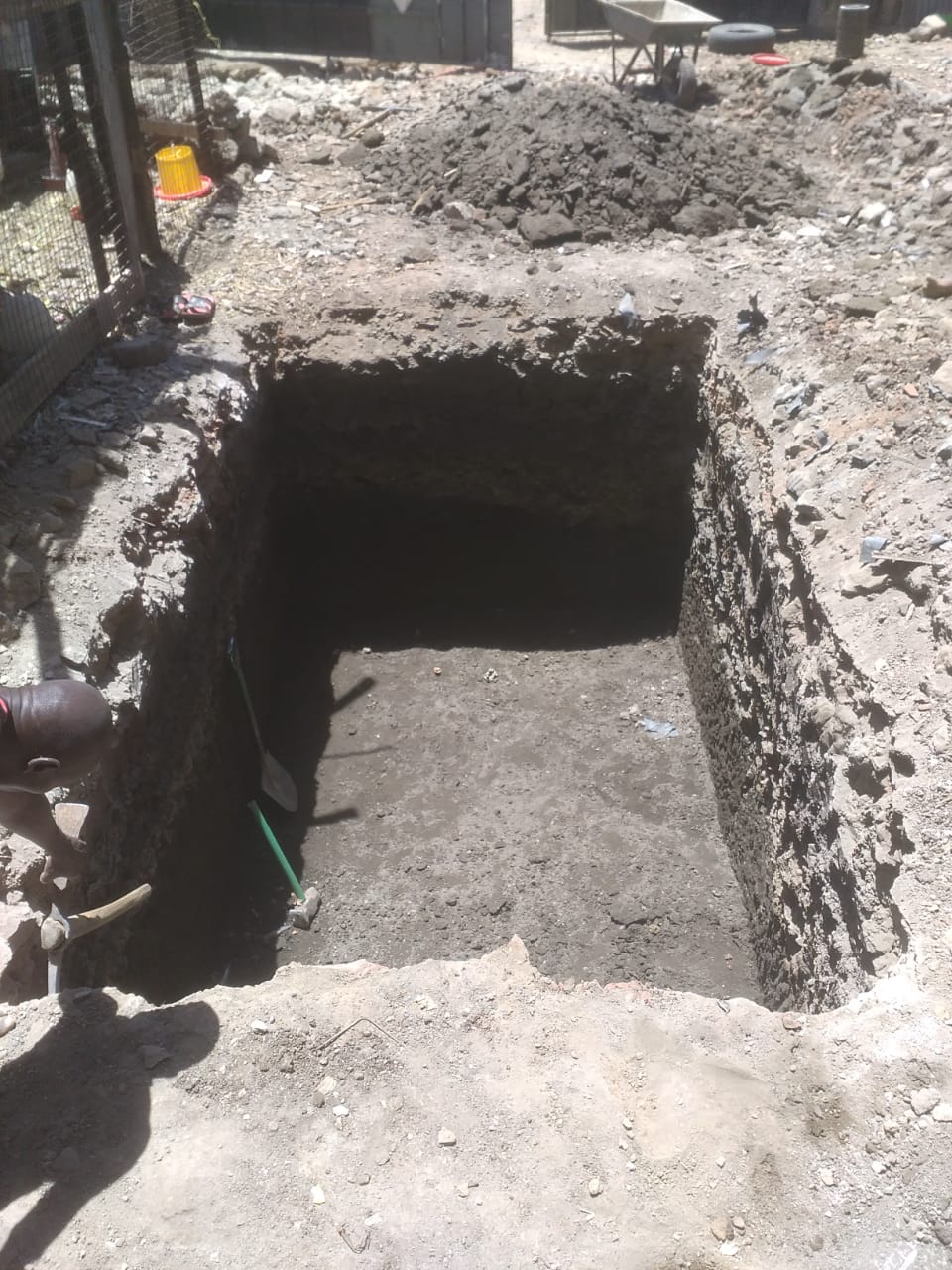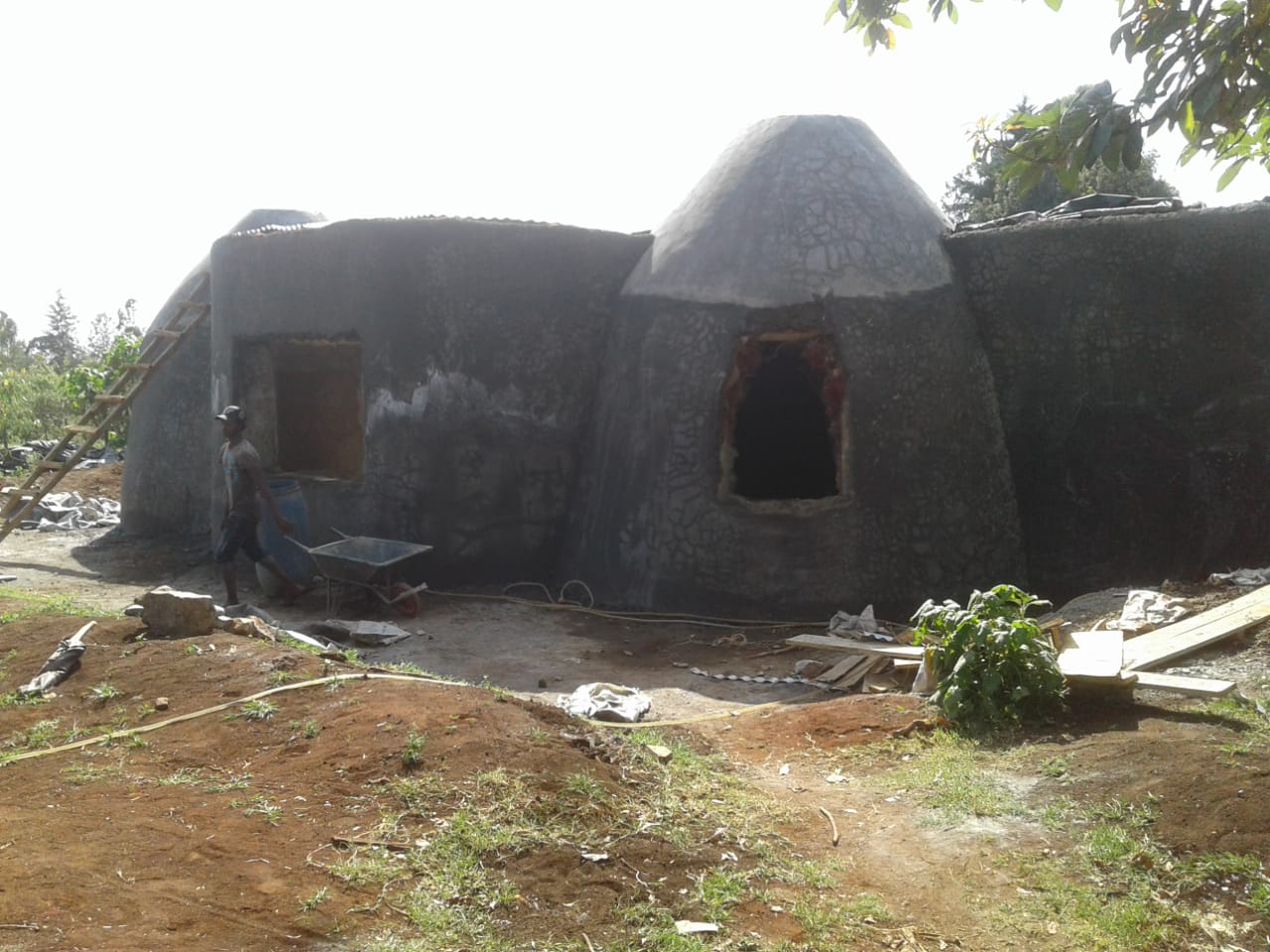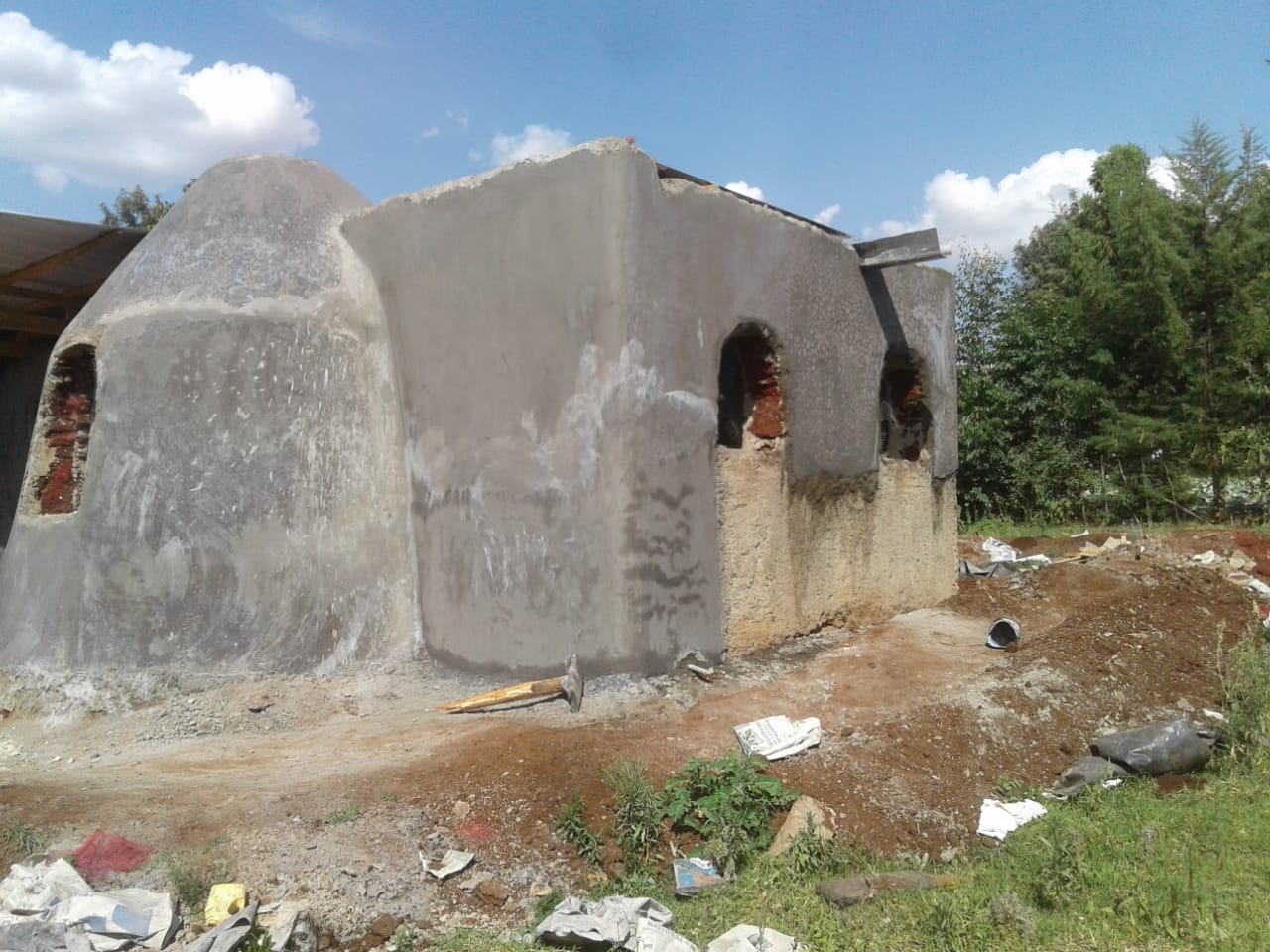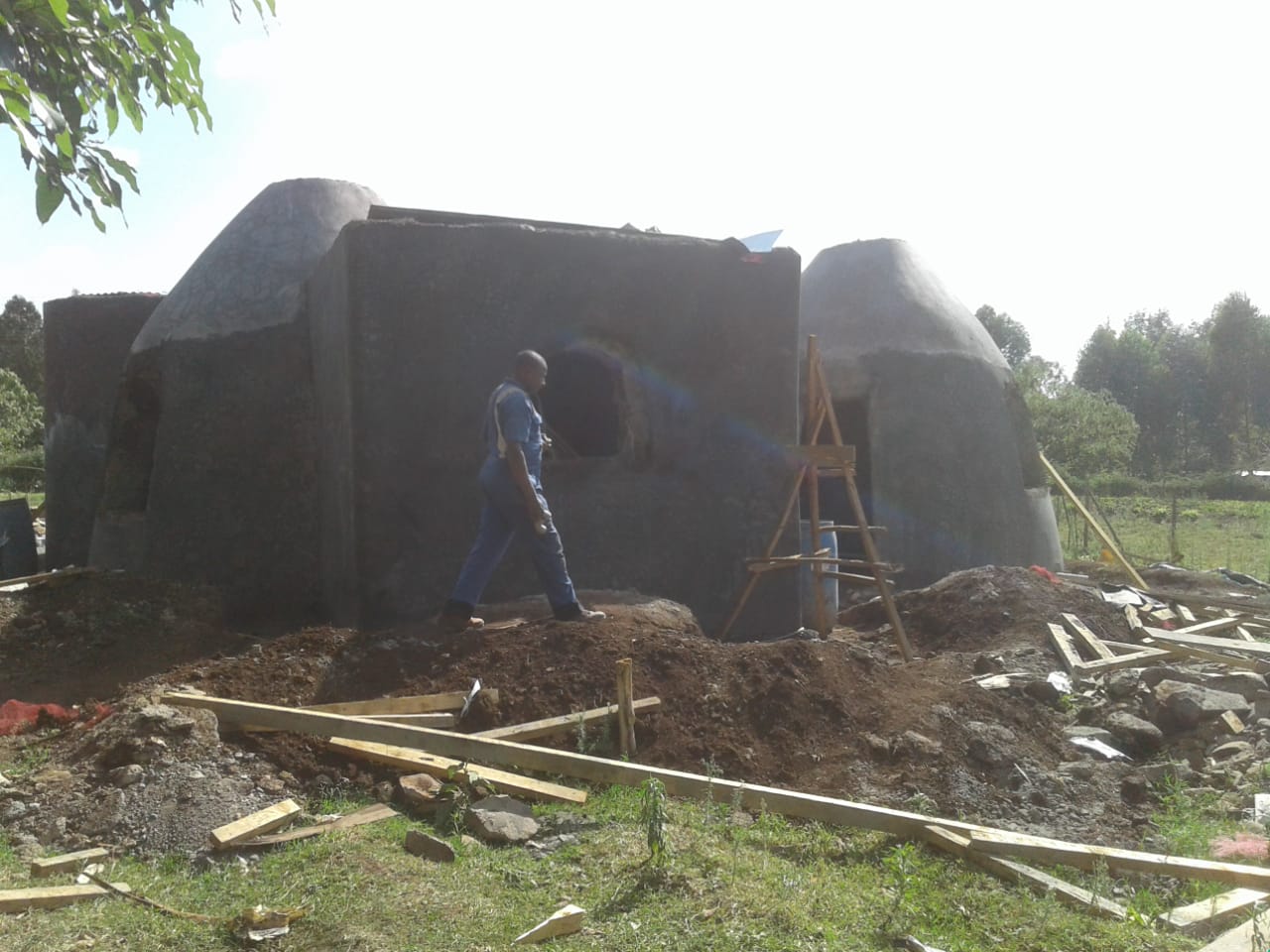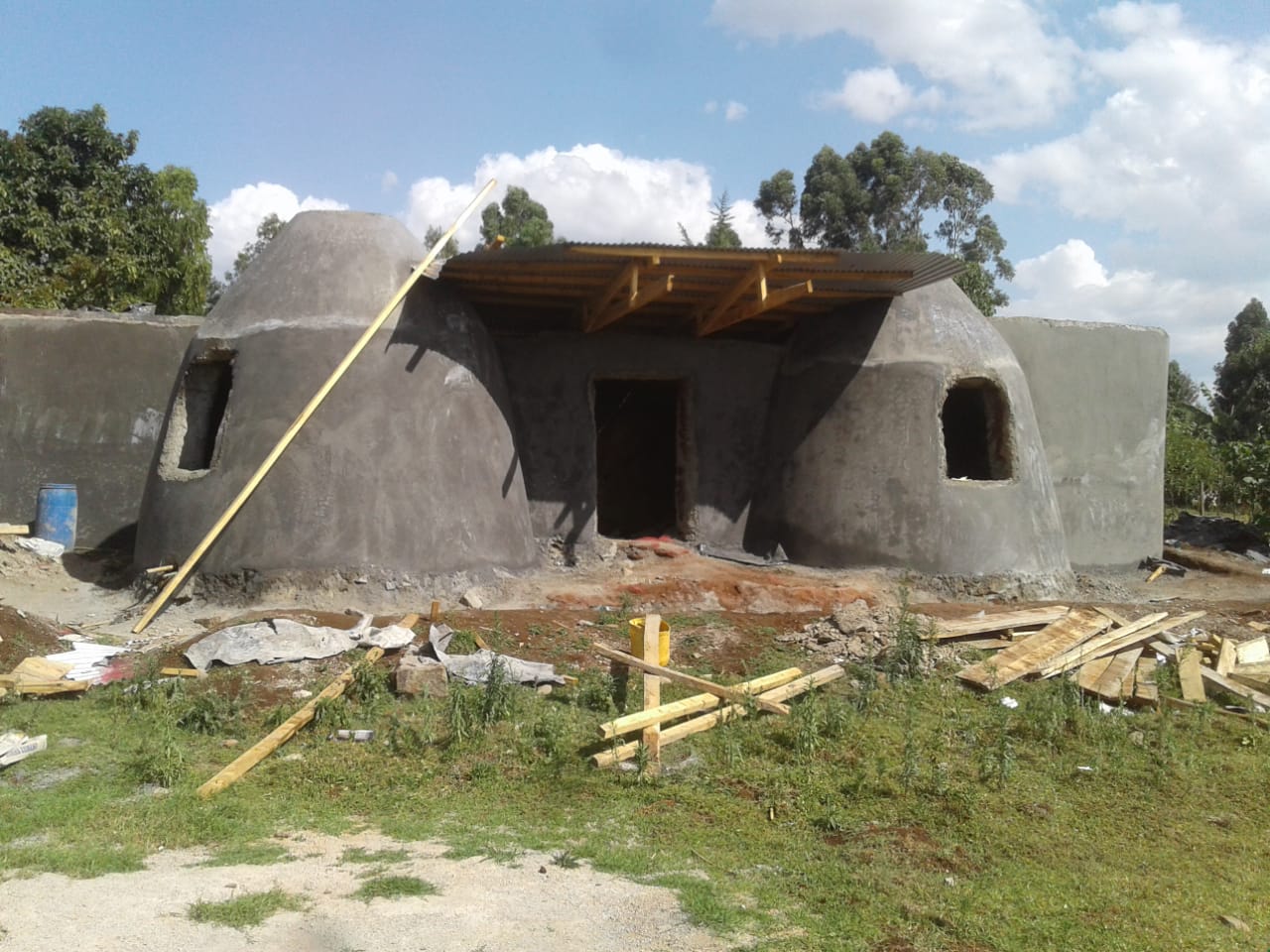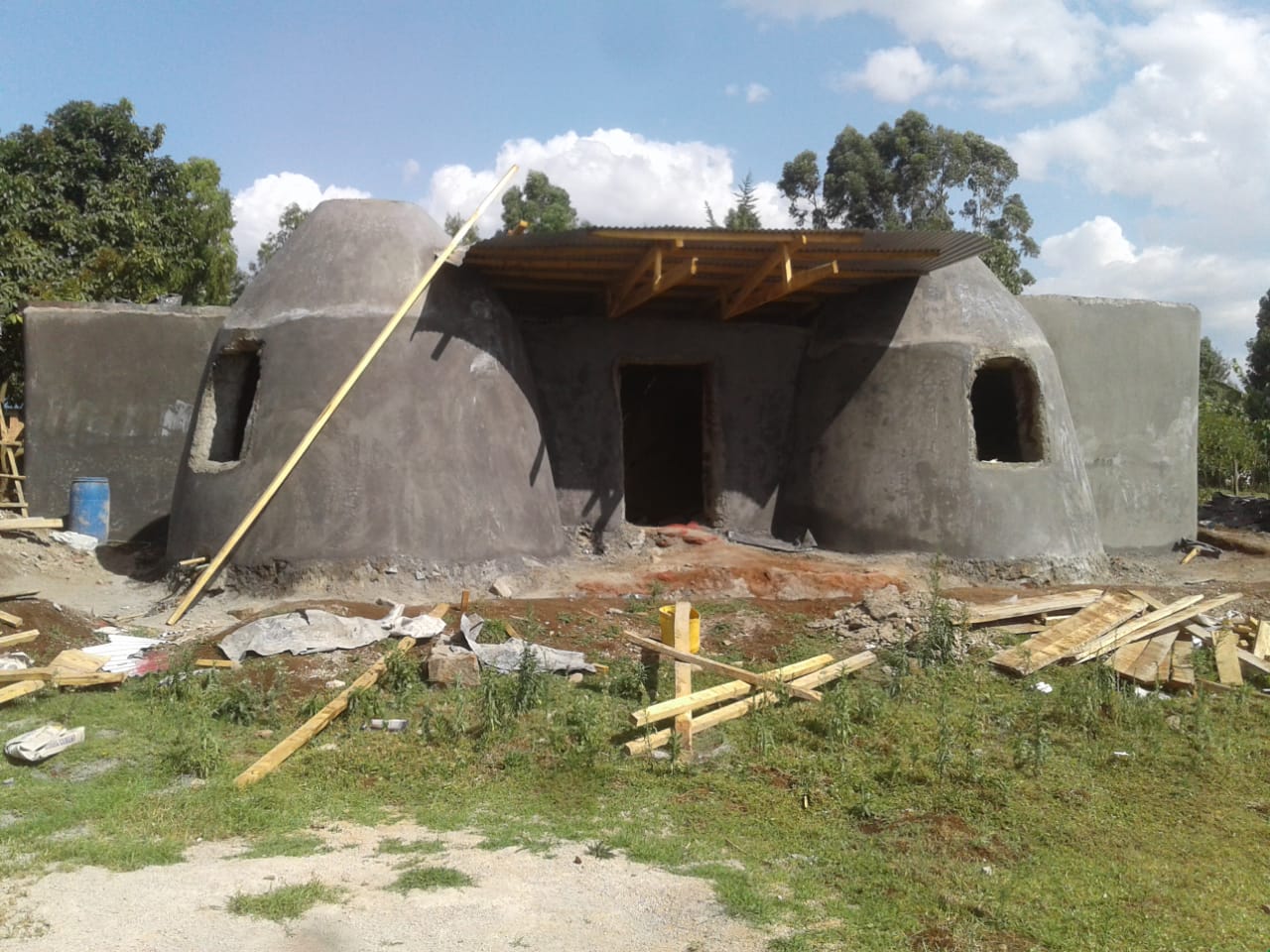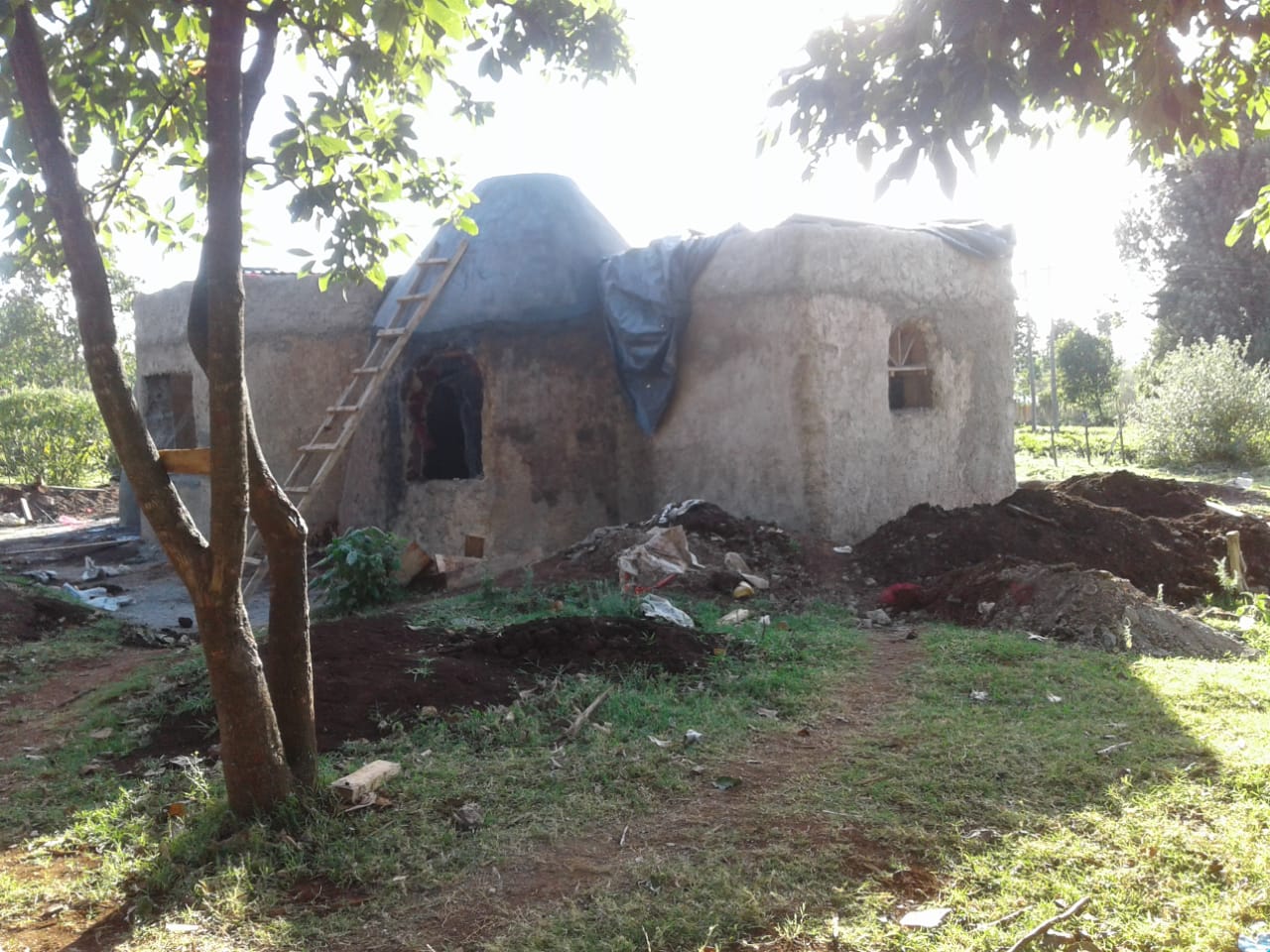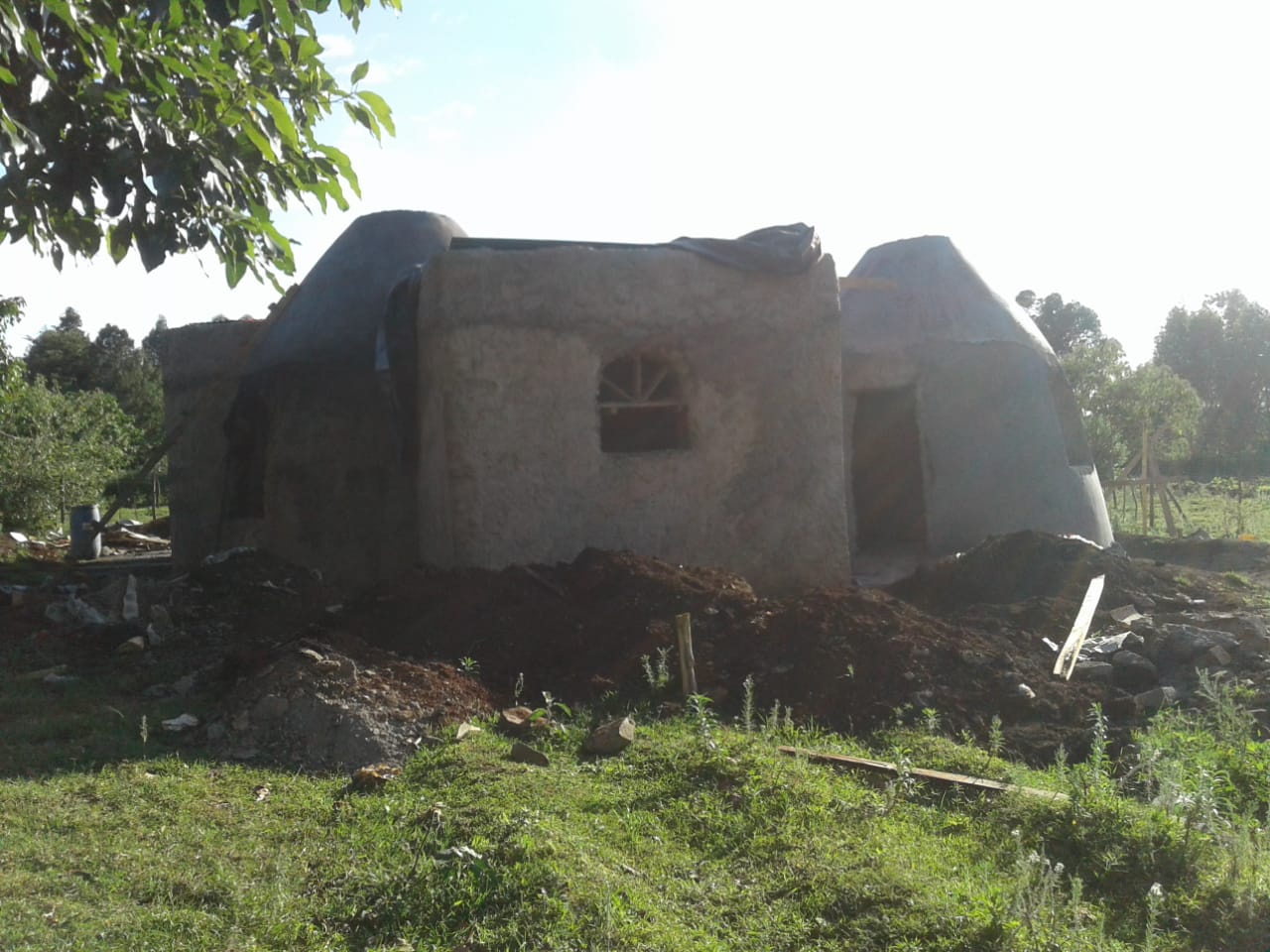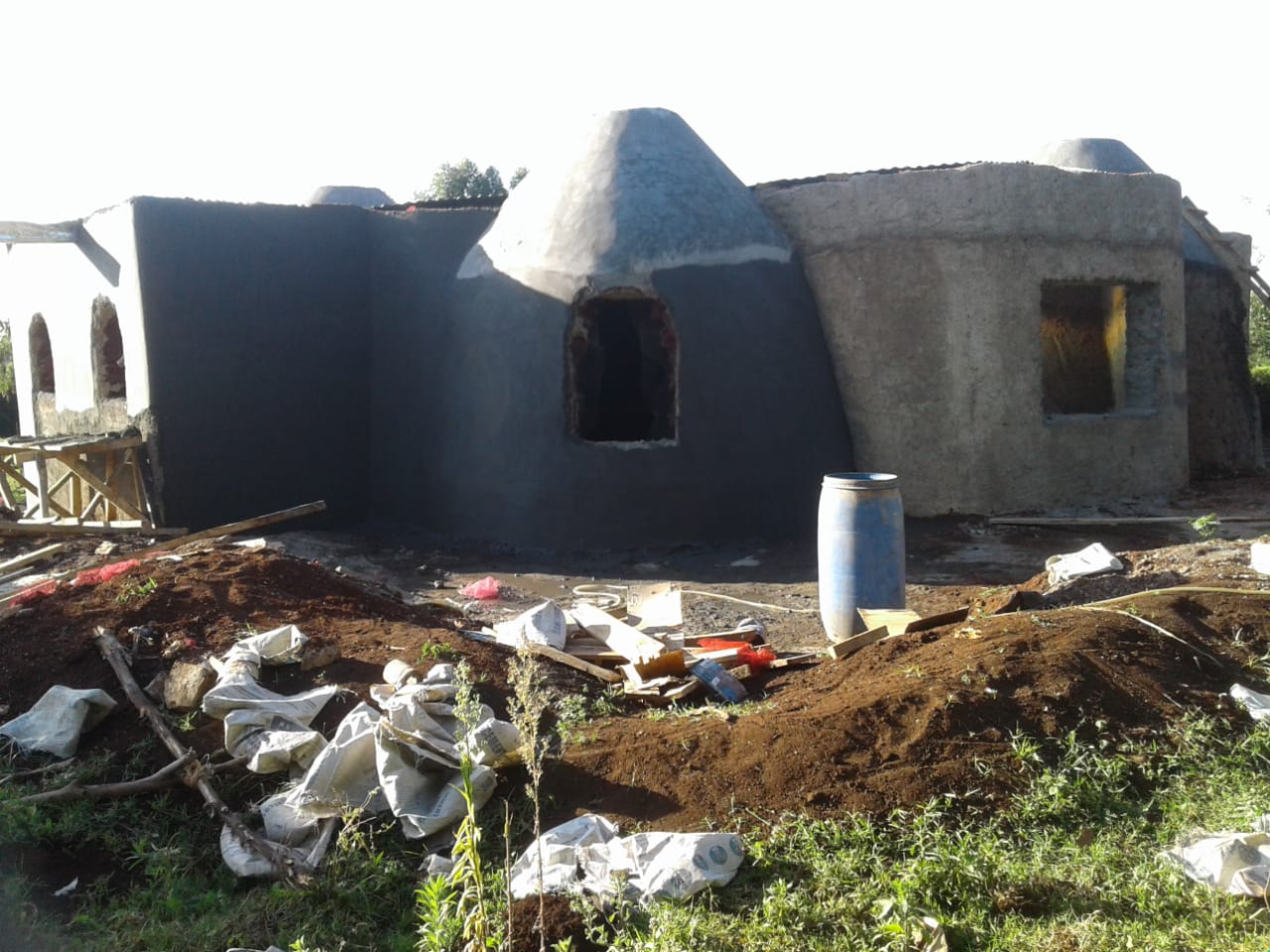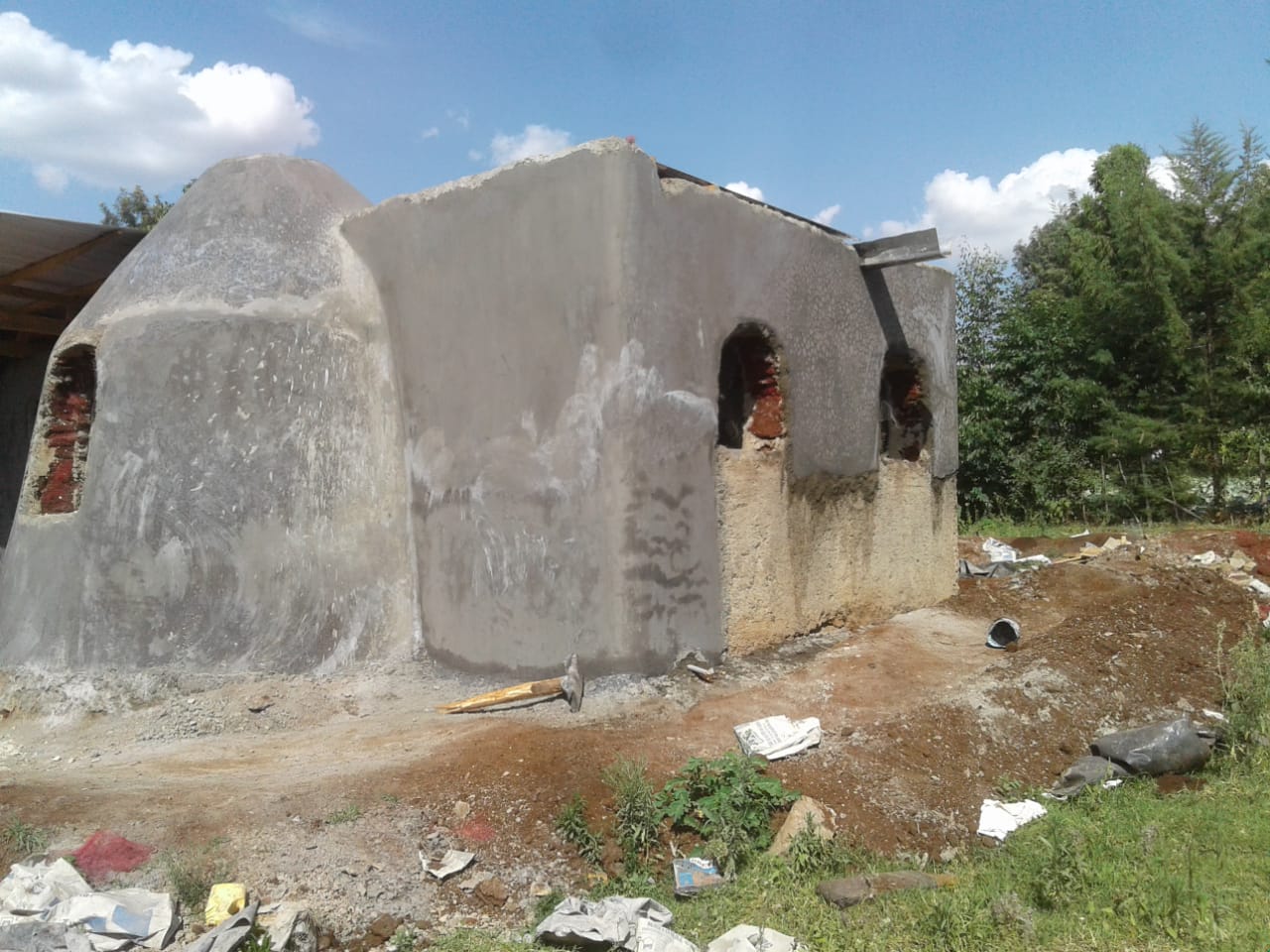
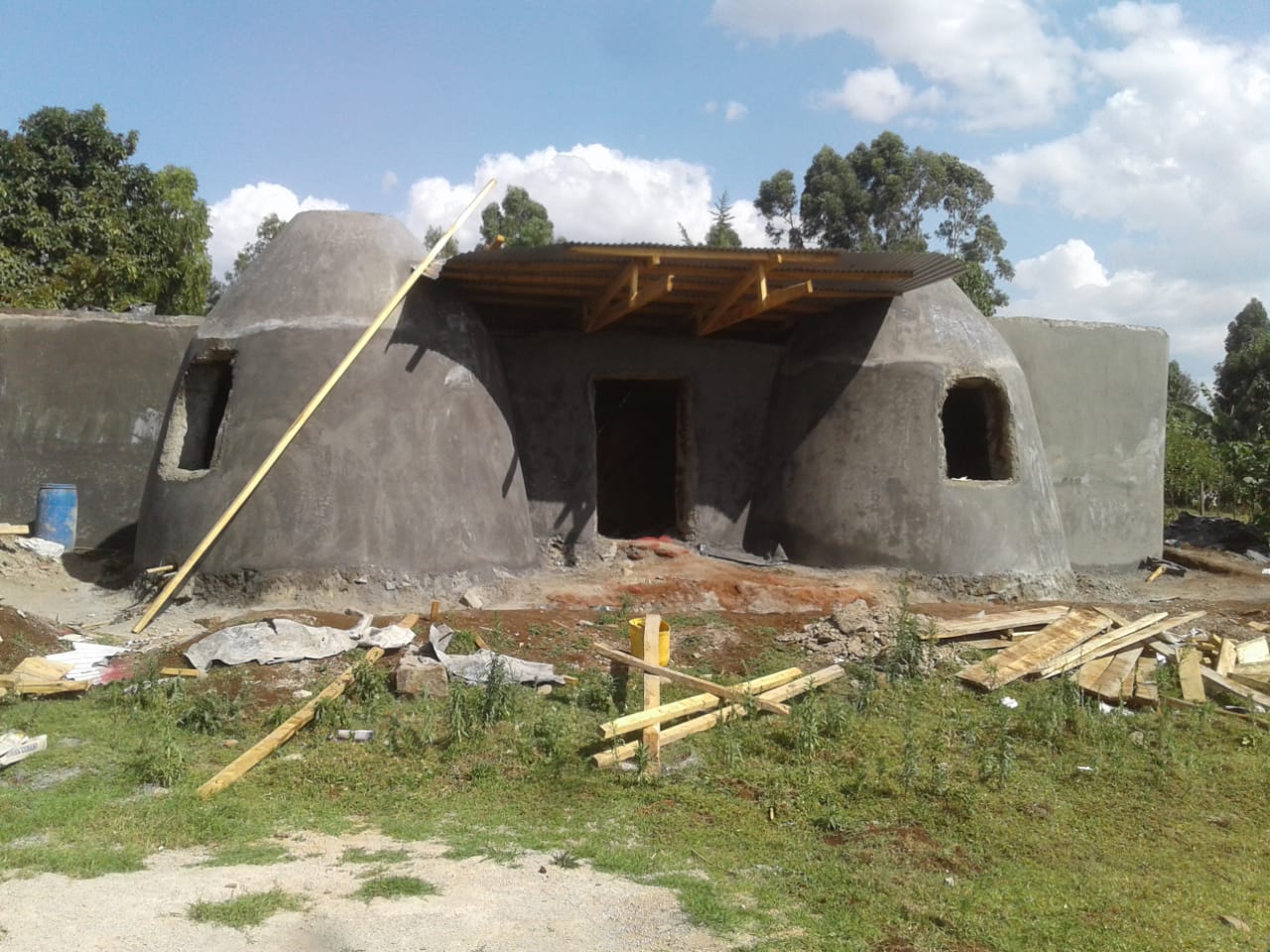
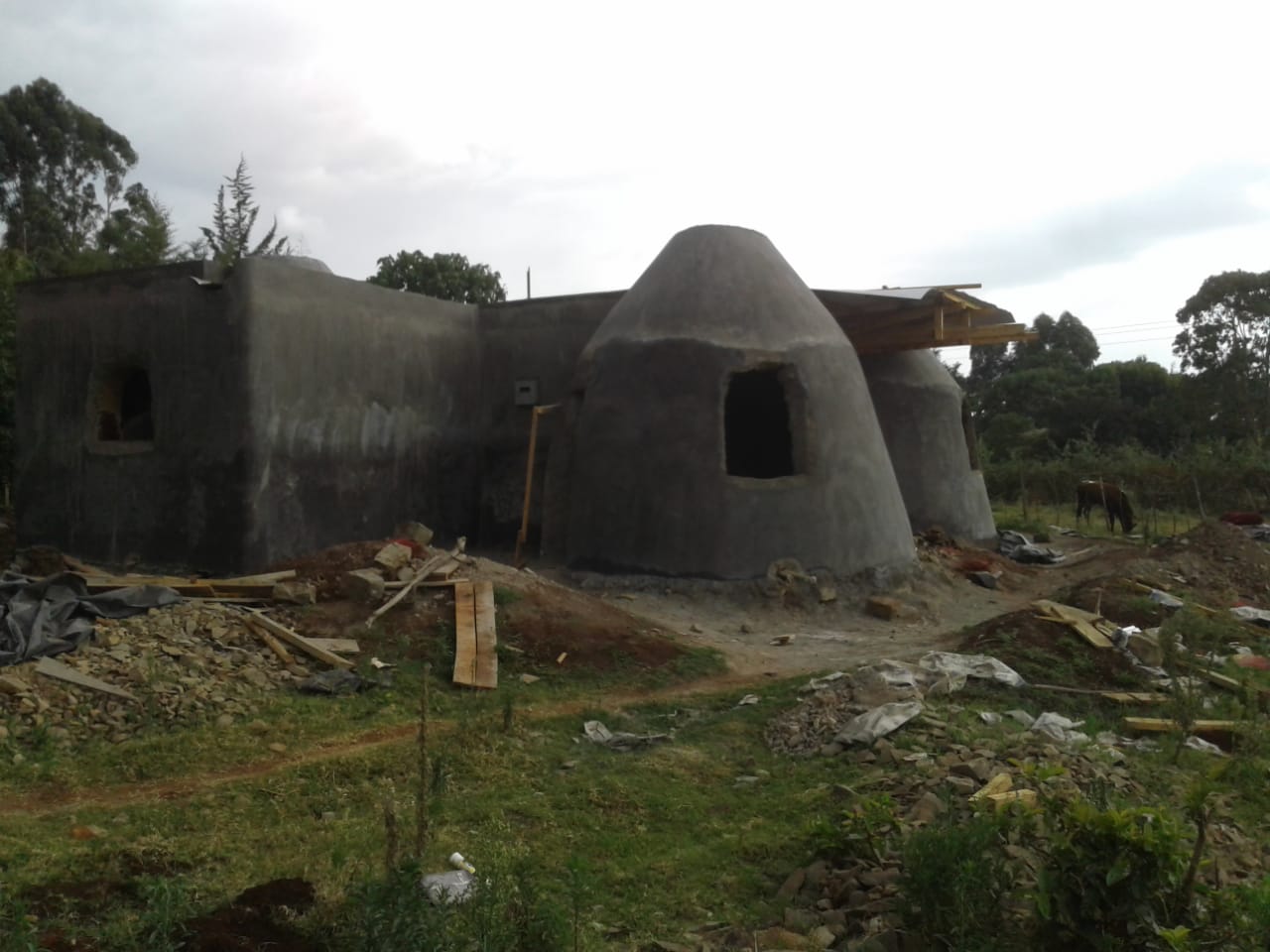

Building in the riparian areas can have serious consequences these include:
Importance of riparian lands
Waterways are important sites for recreation such as walking, swimming, fishing and promoting tourism.
Mercy Wangui
For Nema Licence Call
0715827209
Riparian land refers to terrain that is adjacent to rivers and streams and is subject to periodic or occasional flooding. The plant species that grow in riparian areas are adapted to tolerate conditions of periodically waterlogged soils. The ecosystems of riparian areas are generally called riparian wetlands.
The Water Act 2016 defines riparian habitat as “the dynamic complex of plant, animal and micro-organism communities and their non-living environment adjacent to and associated with a watercourse”.
The riparian land stretches to a minimum of 6 metres up to a maximum of 30 metres on either side of the watercourse banks from the highest water level according to the Survey Act of 1989, and Water Quality Regulations (2006) and Water Resources Management Rules (2007).
In Kenya several buildings have been demolished because they have being built on riparian lands a good example is the south end mall in Nairobi which is shown on the link below.
https://youtu.be/hC-piBRFz_8
Mercy Wangui
For NEMA licence
Call 0715827209