Month: June 2024

  • Everything You Need To Know About Sectional Properties in Kenya

    The Sectional Properties Act, 2020 (SPA) transformed how ownership of units within a building is structured in Kenya. This article unpacks everything you need to understand about sectional titles under this new Act.

    What is a Sectional Title?
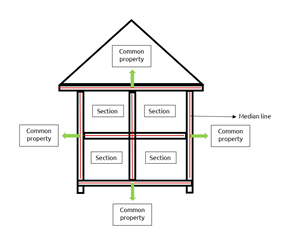
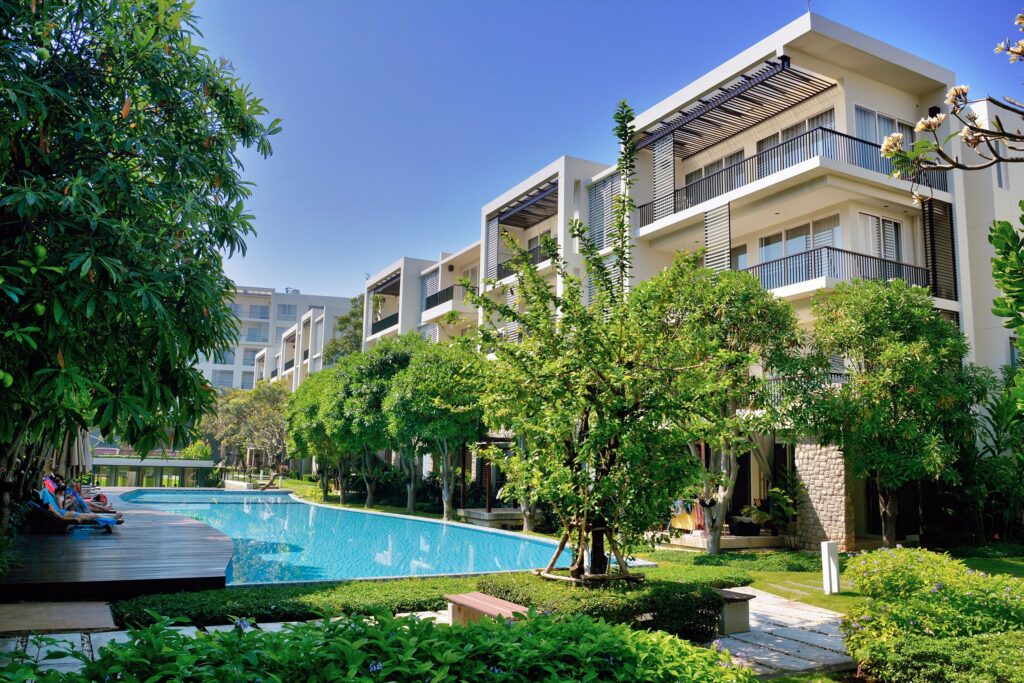
    A sectional title refers to ownership of a specific unit within a building, along with a proportionate share of the common areas like hallways, elevators, and amenities. Each unit owner receives a separate title deed, similar to owning a freestanding house.

    Can one hold a Sectional Title in Kenya?

    Yes, absolutely. The SPA facilitates ownership of sectional titles in Kenya. This applies to buildings with apartments, flats, maisonettes, townhouses, or offices, provided the land is held on a freehold title or a leasehold title with at least 21 years remaining.

    How does the Sectional Properties Act, 2020 Differ from Past Unit Ownership Regimes in Kenya
    Before the SPA, unit ownership was governed by the Sectional Properties Act, of 1987. Here’s how the new Act differs:

    Problems with the Past Regime

    • Limited applicability: The 1987 Act only applied to freehold or leasehold land with a minimum unexpired term of 45 years, significantly limiting its reach.
    • Title deed for the entire building: Owners received a single title deed for the entire building, making individual ownership less clear.

    How the New Act Cures Previous Issues

    • Wider applicability: The SPA applies to leasehold titles with a minimum unexpired term of 21 years, opening up sectional ownership to more developments.
    • Individual unit titles: Each unit owner receives a separate title deed for their specific unit, providing greater ownership clarity.

    Sectional titles on leasehold land

    A significant improvement of the SPA is the inclusion of leasehold land with a minimum of 21 years remaining. This allows for ownership of units in developments built on leased land, which was previously not possible.

    Impact of the Sectional Properties Act

    The SPA has a positive impact on both property owners and developers:

    • Increased property value: Individual ownership with clear titles can potentially increase the value of units within a sectional development.
    • Easier financing: With clear titles, securing loans for property purchases within a sectional development might become easier.
    • Enhanced property management: The Act establishes a framework for a Sectional Properties Corporation, responsible for managing the common areas and ensuring a smooth running of the development.

    FAQs

    What does this Act seek to implement?

    The SPA ushers in a new era of property ownership by establishing Sectional Titles. These titles grant individual ownership of units within a complex or development, encompassing apartments, flats, maisonettes, townhouses, or office spaces.

    Beyond unit ownership, a Sectional Title grants each owner a proportional share of the common property – hallways, walkways, gardens, etc. – co-owned with other unit owners. This creates a structure similar to a tenancy in common, where ownership of the common areas is shared.

    The Act establishes a mandatory Sectional Properties Corporation (SPC) comprised of all unit owners. This corporation manages the common areas, eliminating the need for a separate company under the Companies Act, reducing costs, and simplifying administration.

    Key Differences between the SPA 2020 and the Repealed Act

    Previously, unit ownership relied on sub-leases issued by developers who held the “mother title” to the land. These sub-leases were dependent on the mother title, limiting individual ownership rights.

    The SPA introduces significant changes:

    • Applicability: The SPA now applies to leasehold properties with a minimum of 21 years remaining, expanding its reach compared to the 45-year threshold under the repealed Act.
    • Autonomy for Unit Owners: Unlike the previous requirement to disclose rental income and contribute maintenance deposits, the SPA empowers owners with greater autonomy in managing their units.
    • Dispute Resolution: The repealed Act directed disputes to a tribunal. The SPA establishes an internal dispute resolution mechanism within the SPC, offering a potentially faster and more convenient approach.
    • Foreign Ownership: The SPA allows foreigners to hold leasehold sectional titles for up to 99 years, while Kenyan citizens can hold both freehold and leasehold titles exceeding 99 years, aligning with the Kenyan Constitution.

    Benefits of the Sectional Properties Act 2020

    The SPA offers numerous advantages for property owners and investors:

    • Simplified Registration: The Act streamlines the registration process for sectional properties, facilitating faster transactions and eliminating the need for complex lease documents.
    • Enhanced Financing: With individual titles, owners can more easily secure loans using their units as collateral, attracting lenders due to the clarity of ownership.
    • Reduced Costs: Buyers may benefit from lower purchase costs as the SPA removes the need for “reversionary interest” transfers, which previously incurred additional fees.
    • Increased Transparency: The Act mandates disclosure requirements, ensuring buyers receive comprehensive information about a unit’s status and any existing encumbrances before purchase.

    Can I Convert my lease registered under LRA to a sectional unit under the new Act?

    The SPA allows conversion of existing leases registered under the Land Registration Act (LRA) to sectional units, provided the lease has a minimum unexpired term of 21 years. Developers, owners, or the management company can initiate the process by following the guidelines.

    What effect will registering a sectional plan have?

    Upon registration, the mother title is surrendered, and individual registers are opened for each sectional unit. This results in the issuance of separate certificates of title (freehold) or certificates of lease (leasehold) for each unit, incurring a registration fee.

    Who pays land rent and land rates in a sectional development?
    The responsibility for land rent and rates shifts from the management entity to individual unit owners. Each owner becomes liable for their unit’s portion.

    Can the sectional status be terminated and if so, how?

    Sectional status termination can occur under specific circumstances:

    • Unanimous Vote by the SPC: All unit owners must agree to dissolve the sectional ownership structure.
    • Substantial Damage: If the building suffers significant or irreparable damage, termination might be necessary.
    • Compulsory Acquisition: If the government acquires the land for public use, the sectional ownership structure may be terminated.

    Conclusion

    The Sectional Properties Act, 2020 represents a significant step forward for property ownership in Kenya. By establishing clear ownership structures, and empowering unit owners, the SPA creates a secure and transparent environment for property investment.

    A4ARCHITECT OFFICE,

    ALONG SOUTHERN BYPASS.

    SOUTH HOUSE HOTEL AIRBNB – 0721410684

  • Beyond Just a Room: What’s Included in Your Airbnb Stay?

    Airbnb offers a unique travel experience, allowing you to stay in someone’s home instead of a traditional hotel room. But what exactly does that entail? As a guest, it’s important to understand what the host provides, the basic ground rules for a smooth stay, and what’s expected of you in return for enjoying their hospitality.

    What Your Host Offers: A Home Away From Home

    Airbnb hosts provide a range of amenities, depending on the listing. Here are some common offerings:

    • Essentials: Most hosts provide the basics like Wi-Fi, towels, linens, soap, and toilet paper to get you settled in.
    • Kitchen Comfort: If there’s a kitchen, expect essentials like dishes, utensils, cookware, a stove, and a refrigerator. Some listings boast microwaves, dishwashers, or coffee makers for an extra touch of convenience.
    • Bathroom Amenities: Some hosts go the extra mile with toiletries like shampoo, conditioner, and body wash.
    • Laundry Convenience: Washers and dryers in the unit can be a lifesaver, especially on extended stays.
    • Entertainment Options: Many listings feature a television with cable or satellite service, perfect for unwinding after a day of exploration.
    • Climate Control: Air conditioning or heating, depending on the location, ensures a comfortable stay.
    • Parking Perks: Free or paid parking on-site or nearby can be a welcome amenity, especially in bustling cities.
    • Beyond the Basics: Some hosts offer amazing extras like pools, hot tubs, gyms, fireplaces, or game rooms to elevate your experience.

    Ground Rules for a Respectful Stay

    While Airbnb offers a homey feel, it’s still someone else’s property. Here are some ground rules to ensure a respectful and enjoyable stay for everyone:

    • Treat the Space Like Your Own: Maintain cleanliness, avoid causing damage, and be mindful of noise levels, especially during designated quiet hours.
    • Communicate Clearly: Keep the host informed of your arrival time and any questions you may have.
    • Respect the House Rules: Each listing outlines specific house rules – parking instructions, pet policies, guest limitations – be sure to familiarize yourself with them.
    • Cleanliness Matters: Leave the space in a tidy state, similar to how you found it. Excessive cleaning beyond normal wear and tear is typically not the guest’s responsibility.
    • Be Mindful of Neighbors: Adhere to noise restrictions and be respectful of those living around the property.

    Guest Expectations: A Smooth and Enjoyable Airbnb Experience

    Airbnb stayAs a guest, you can expect a comfortable and well-maintained space that reflects the listing description. Here’s what you can look forward to:

    • Accurate Listing: The listing should accurately represent the amenities, size, and overall condition of the space.
    • Clear Communication: The host should be responsive to your messages and provide clear instructions for check-in, check-out, and house rules.
    • A Safe and Secure Environment: The property should be free of safety hazards and well-maintained.
    • A Welcoming Atmosphere: While it’s not a hotel experience, some hosts may provide a few essentials or a welcome note to add a personal touch.

    Conclusion

    By understanding what your host offers, following the ground rules, and knowing your expectations, you can ensure a smooth and enjoyable Airbnb stay. Remember, clear communication and mutual respect are key to a successful Airbnb experience for both guests and hosts.

    A4ARCHITECT OFFICE,

    ALONG SOUTHERN BYPASS.

    SOUTH HOUSE HOTEL AIRBNB – 0721410684

  • How Airbnb Changed the Hospitality Landscape

    Since its humble beginnings in 2008, Airbnb has become a household name, fundamentally altering the hospitality landscape. Airbnb’s arrival wasn’t just about offering a new place to stay; it was a complete shakeup of the hospitality landscape, forcing hotels to adapt and travelers to reconsider their options. Here’s how Airbnb and hotels changed the game:

    For Guests

    • Variety and Uniqueness: Airbnb opened the door to a world beyond standardized hotel rooms. Apartments, houses, treehouses, and even boats became accommodation options, catering to diverse budgets and a desire for unique experiences.
    • Immersion and Local Connection: Airbnb stays often feel more like living like a local. Guests can interact with hosts who offer recommendations and cultural insights, fostering a sense of community.
    • Control and Flexibility: Airbnb allows personalization. Travelers can choose properties with specific amenities like kitchens, laundry, or even a pool, giving them more control over their stay.

    For the Hospitality Industry

    • Innovation and Tech Focus: Airbnb’s user-friendly platform with online booking, reviews, and secure payments set a new standard. Hotels responded by investing in technology to enhance guest convenience, like mobile apps and online booking systems.
    • Shifting Customer Expectations: Travelers now expect more than just a bed. Hotels are upping their game by offering personalized experiences, curated activities, and local partnerships to compete with Airbnb’s immersive approach.
    • Competition and Collaboration: The rise of Airbnb forced hotels to adapt and re-strategize. The future might see a blend of approaches, with hotels offering unique experiences and vacation rentals adopting hotel-like amenities and professional management.

    How Airbnb Challenged Traditional Hotel Structures With Its Peer-To-Peer Platform.

    Airbnb’s peer-to-peer platform fundamentally challenged traditional hotel structures in several key ways:

    1.  Democratization of Accommodation

    Hotels operate on a limited inventory of standardized rooms. Airbnb, however, leverages existing housing, creating a vast marketplace with diverse options. This caters to a wider range of budgets and preferences, empowering travelers to find unique spaces that suit their needs.

    2.  Shift in Power Dynamics

    Traditionally, hotels held all the power, dictating prices, amenities, and guest experiences. Airbnb disrupts this by empowering both hosts and guests. Hosts can monetize unused spaces, while guests gain control over their stay, choosing features and interacting directly with locals.

    3.  Focus on Experience over Service

    Hotels prioritize standardized service. Airbnb, on the other hand, fosters a more experiential approach. Guests can connect with hosts, gain local insights, and feel more immersed in the destination. This shift pushes hotels to offer curated activities and local partnerships to compete.

    4.  Technology as a Disruptor

    Airbnb’s user-friendly online platform, with detailed listings, reviews, and secure payments, raised the bar for online hospitality. This forced hotels to embrace technology, investing in online booking systems and mobile apps for a seamless guest experience.

    5.  Impact on Regulations

    The rise of Airbnb highlighted a gap in regulations for short-term rentals. Cities grappled with concerns about housing availability and fair competition with hotels. This led to the creation of new regulations to ensure responsible hosting practices and a level playing field.airbnb

    Conclusion

    Airbnb and hotels have pushed each other to improve, creating a more diverse and dynamic hospitality landscape. Travelers now have a wider range of options, while the industry focuses on innovation and exceeding guest expectations. This shift towards unique experiences and a deeper connection to destinations is likely the future of travel.

    A4ARCHITECT OFFICE,

    ALONG SOUTHERN BYPASS.

    SOUTH HOUSE HOTEL AIRBNB – 0721410684


  • HOW CONTEMPORARY DESIGN TRENDS ARE SHAPING HOTEL ARCHITECTURE

    The hospitality industry is constantly evolving, and hotel architecture is no exception. Modern design trends are transforming the traditional hotel experience, creating spaces that are not only stylish but also cater to the needs and desires of today’s travelers. This abstract explores the key influences of contemporary design on hotel architecture.

    Embracing Multi-functionality: Modern hotels embrace multi-functional areas. Lobbies transform from check-in zones to co-working spaces in the day and social hubs in the evening. This flexibility maximizes space utilization and caters to the diverse needs of today’s travelers, who might be working remotely or seeking social interaction.

    Indoor & Outdoor Connection: Modern architecture seeks to create a seamless connection between the interior and exterior. Large windows, open floor plans, and rooftop terraces become commonplace, fostering a sense of connection with nature and promoting a more relaxed and exciting experience. Technology integration is no longer a novelty; it’s an expectation. Mobile check-in/out, digital room controls, and intuitive lighting systems empower guests with personalized control over their stay. Additionally, hotels might incorporate features like self-service kiosks or voice assistants to further enhance convenience.

    Modern hotels move beyond mere aesthetics. They become storytellers, weaving narratives that reflect the local culture or the hotel’s brand identity. This can manifest in the use of locally-sourced materials, incorporation of artwork from regional artists, or design elements that pay homage to the history of the location.

    Experiential Design: Today’s travelers seek unique experiences. Modern hotels cater to this by incorporating elements that go beyond traditional accommodation. This might include rooftop bars with stunning city views, co-working spaces with collaborative features, or wellness facilities offering unique treatments.

    Minimalism continues to hold sway, but with a twist. Modern design embraces clean lines and uncluttered spaces, yet it incorporates elements of warmth and texture. Natural materials like wood, stone, and exposed brick are popular choices, creating a sense of authenticity and connection to the environment.

    Sustainability is no longer a niche concern; it’s a core principle of modern design. Hotels prioritize eco-friendly materials, energy-efficient systems, and renewable energy sources. This commitment to environmental responsibility resonates with a growing segment of travelers, making sustainability a key differentiator.

    In conclusion, modern design trends are reshaping hotel architecture. Functionality, technology, and a focus on guest experience are paramount. Hotels are becoming not just places to stay, but vibrant hubs that offer unique experiences and a deep connection with the surrounding environment.

  • EXPLORING HOW GUEST EXPERIENCE AND COMFORT INFLUENCE HOTEL ARCHITECTURE

    The hospitality industry depends on providing a memorable and positive guest experience. In today’s changing landscape, hotel architecture now prioritizes the comfort and satisfaction of guests, influencing design decisions in all areas. The key is to understand the diverse needs of guests. For instance, business travelers may require dedicated workspaces with ergonomic furniture and reliable internet connectivity, while leisure travelers might prioritize relaxation areas with comfortable seating and access to natural light. Hotel architecture addresses these varied needs by incorporating flexible spaces that can adapt to different users.

    Designing for Comfort: Room layouts are carefully designed to facilitate easy navigation, with ample storage space and designated areas for work or relaxation. Ergonomic furniture, soundproofing, and temperature control systems all contribute to creating a comfortable haven for guests. Additionally, accessibility features such as wider doorways and roll-in showers ensure a comfortable experience for all.

    Sensory Experience: Thoughtful design extends beyond physical comfort. The use of natural light and strategically placed windows creates a connection with the outdoors, fostering a sense of well-being. Principles of biophilic design, incorporating elements of nature such as plants and natural materials, further promote relaxation and reduce stress.Creating a Sense of Place: Modern hotel design emphasizes creating a sense of place by incorporating local elements, such as materials and traditional motifs, to connect with the surrounding environment and culture.

    Public spaces have evolved to become an integral part of the guest experience. They now offer comfortable seating areas, co-working spaces, and well-equipped gyms to meet guests’ needs for relaxation, socializing, and productivity. Technology plays a key role in enhancing comfort, with features such as mobile check-in/out, digital room controls, and in-room entertainment options that allow guests to personalize their experience and manage their stay seamlessly.

    By prioritizing guest experience and comfort, hotel architecture goes beyond aesthetics to create spaces that are beautiful, functional, adaptable, and deeply connected to the needs and desires of the modern traveler.

  • Airbnb Stay Hotels

    airbnb stay hotel
    south house airbnb

    An Airbnb stay hotel is renting out a space for short-term accommodation. It can be anything from a cozy room in someone’s apartment to a luxurious entire house or even a unique property like a yurt or a boat.

    The name “Airbnb” is a play on “Air Bed and Breakfast.” This reflects the company’s humble beginnings when the founders rented out air mattresses in their apartments to attendees of a local conference. While you can still find those kinds of listings on Airbnb, the platform has grown tremendously to encompass all sorts of accommodations.

    How Is Airbnb Different From A Hotel?

    Here’s a breakdown of how Airbnb differs from hotels:

    1.  Space and Amenities

    Airbnb: Offers a wider variety of spaces, including apartments, houses, unique properties, and even rooms within someone’s home. Many Airbnbs come with kitchens, laundry facilities, and living areas, making them feel more like a home away from home.

    Hotel: Provides standardized rooms with hotel-specific amenities like room service, concierge services, and on-site restaurants.

    2.  Price and Fees

    Airbnb: Can be cheaper than hotels, especially in cities. However, cleaning fees and additional guest charges can add up.

    Hotel: Prices are typically more predictable and often include all taxes and fees upfront.

    3.  Service and Consistency

    Airbnb: The level of service and amenities can vary greatly depending on the host. You might need to contact the host directly for any issues.

    Hotel: Offers consistent service standards and amenities across locations within the same chain. Staff are readily available to address any concerns.

    4.  Other factors to consider

    Location: Airbnbs can be found in more residential neighborhoods, while hotels are often concentrated in tourist areas.

    Flexibility: Airbnb rentals can sometimes be booked for longer stays than hotels, making them ideal for extended trips or workcations.

    Uniqueness: If you’re looking for a one-of-a-kind experience, Airbnb offers a wider range of unique properties.

    What Is The Difference Between A B&B And An Airbnb?

    B&B is like staying with a friendly host who cooks you breakfast in their charming home while Airbnb is renting a unique space to live like a local, with breakfast on your own.

    Meals and Hospitality

    • B&B: The defining feature is breakfast! You’ll typically get a homemade or catered breakfast included in the price. B&Bs are often owner-operated, with a focus on personalized service and local recommendations.
    • Airbnb: Breakfast is usually not included, and you might be renting a space from someone who doesn’t live there. Interaction with the host is optional, depending on the listing.

    Accommodation and Regulations

    • B&B: B&Bs are usually charming, historic homes with a limited number of rooms. They are often subject to local regulations and inspections.
    • Airbnb: Airbnb can be anything from a single room to an entire castle! There’s more variety and potentially fewer regulations depending on the location.

    Privacy and Atmosphere

    • B&B: Offers a more social and intimate experience. You might share common areas with other guests and the host.
    • Airbnb: Provides more privacy and feels more like living in a residence. You can choose a space with minimal interaction with the host.

    Cost

    • B&B: Can be more expensive than Airbnbs, but the breakfast is included.
    • Airbnb: Prices can vary widely, but you might need to factor in additional costs for cleaning fees and amenities.

    Why Do People Get Airbnbs?

    People choose Airbnb for a variety of reasons, depending on their travel priorities. Here are some of the top motivators:

    • Cost-effective: Airbnb rentals can be cheaper than hotels, especially for groups or longer stays. You might also get access to a kitchen which can save on dining out expenses.
    • Unique or spacious accommodations: From cozy cabins to houseboats or even castles, Airbnb offers a wider variety of property types than most hotels. These spaces often have more room to spread out, including amenities like kitchens and laundry facilities, making them feel more like a home away from home.
    • Local experience: Living in a neighborhood apartment or house can give you a more immersive experience than staying in a tourist area hotel. You might feel more connected to the local vibe and have easier access to non-touristy attractions.
    • Interaction with hosts: Some Airbnb hosts are happy to offer local recommendations and insights, adding a personal touch to your trip.
    • Flexibility: Airbnb rentals can be booked for longer stays than hotels are typically designed for, making them ideal for extended vacations or digital nomad workcations.
    • Sharing economy philosophy: Some people prefer the idea of supporting individual hosts over large hotel chains.


    A4ARCHITECT OFFICE,

    ALONG SOUTHERN BYPASS.

    SOUTH HOUSE HOTEL AIRBNB – 0721410684


  • Sustainable Design Shaping the Future of Hotel Architecture

    The hospitality industry is undergoing a major transformation, with sustainability taking center stage as an essential principle in modern hotel architecture. This complete approach extends beyond just eco-friendly amenities to encompass the entire lifecycle of a hotel, including construction and daily operations. Sustainable siting and construction are critical initial steps. Choosing locations that minimize disruption to ecosystems and using locally sourced, recycled, or rapidly renewable materials reduces environmental impact. Effective waste management during construction further minimizes environmental footprint.

    The foundation of sustainable design is energy efficiency. Proper placement of windows and light shelves allows for efficient use of natural light, decreasing the need for artificial lighting. Additionally, energy-efficient appliances, HVAC systems, and low-energy LED lighting help save energy. The incorporation of renewable energy sources such as solar panels and geothermal systems provides a clean and sustainable power source.

    Water conservation is a crucial aspect. Using low-flow faucets and showerheads, as well as water-efficient landscaping, helps minimize water usage. Greywater recycling systems can provide water for irrigation or toilet flushing, further reducing demand on freshwater resources.

    Sustainable architecture extends beyond resource conservation to foster a strong connection with the surrounding environment. Buildings may include green roofs that offer insulation. Open floor plans that enhance natural ventilation, lighting as well as ample access to outdoor spaces, create a healthier and more enjoyable experience for guests.

    Sustainability does not only benefit the environment but also provides economic advantages. The decreased energy and water usage lead to lower operating expenses for hotels. Additionally, adopting sustainable practices can appeal to environmentally conscious guests, enhancing the brand image and potentially allowing for higher rates.

    In conclusion, sustainable hotel architecture is an essential aspect for both the investor and the users. Embracing these practices allows hotels to minimize their environmental impact, enhance guest experience, and achieve greater economic efficiency, all while creating a positive impact on the communities they serve.

    A4ARCHITECT OFFICE,

    ALONG SOUTHERN BYPASS.

    SOUTH HOUSE HOTEL AIRBNB – 0721410684

  • Striking the Perfect Balance: Aesthetics and Functionality in Hotel Architecture

    south house bnb hotel

    Creating a successful hotel experience depends on finding the right balance between aesthetics and functionality. While beautiful visuals can leave a lasting impression, a hotel that focuses too much on appearance at the expense of practicality may leave guests feeling frustrated. This article explores how A4 architect achieve this balance by designing south house hotel airbnb which is visually appealing while also meeting the needs of guests.”

    The design process starts with comprehending the target audience and the brand’s overall identity. For instance, a luxury hotel could use elegant materials and statement pieces, while a more budget-friendly option might prioritize clean lines and a minimalist look. Regardless of the style, it’s important to prioritize functionality. Layouts should be designed to optimize flow, ensuring that guests can navigate easily and enjoy the comfort of the spaces. Public areas such as lobbies should be spacious enough for socializing, while rooms should have adequate storage and workspace to cater to both business and leisure travelers.

    Choosing the right materials is very important. It’s vital to have beautiful visuals without compromising durability and easy maintenance. For high-traffic areas, it’s best to use stain-resistant fabrics and scratch-resistant surfaces. Integration of technology should be smooth, with user-friendly lighting controls and easy room-temperature adjustments to improve comfort. Also, the Strategic use of natural and artificial lighting creates a harmonious atmosphere to meet various needs. Task lighting illuminates work areas, while ambient lighting sets the mood for relaxation.

    Functionality goes beyond just looking good; it also plays a role in creating a unique atmosphere. Hotels in culturally significant locations may include local design elements to establish a connection with the surroundings. Additionally, incorporating biophilic design principles, such as natural materials and greenery, can help to create a rejuvenating environment.

    Balancing aesthetics and functionality requires a constant dialogue between architects, designers, and hospitality professionals. The ultimate goal is to create a hotel that not only looks magnificent but also anticipates and fulfills the needs of its guests, leaving them with a truly memorable experience.

    A4ARCHITECT OFFICE,

    ALONG SOUTHERN BYPASS.

    SOUTH HOUSE HOTEL AIRBNB – 0721410684

  • A Modern Gazebo Design

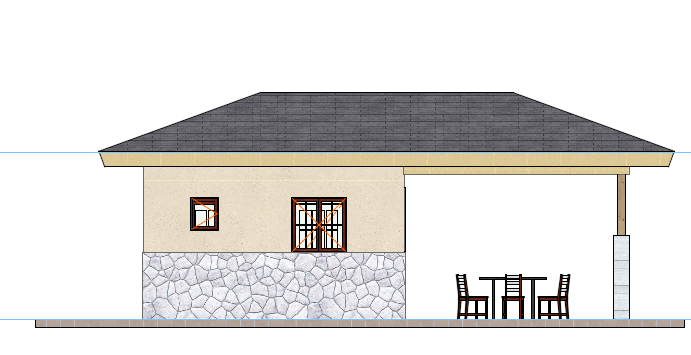
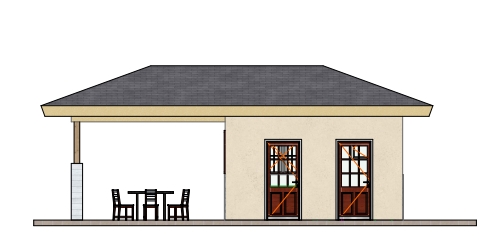
    A gazebo is a freestanding, roofed structure found in parks, gardens, or spacious outdoor areas. They typically have open sides and offer a variety of purposes. Picture this: a tranquil escape in your backyard, a place to unwind and entertain surrounded by nature’s beauty. This design of a gazebo by A4Architect turned this vision into reality with a touch of classical elegance.a4architect

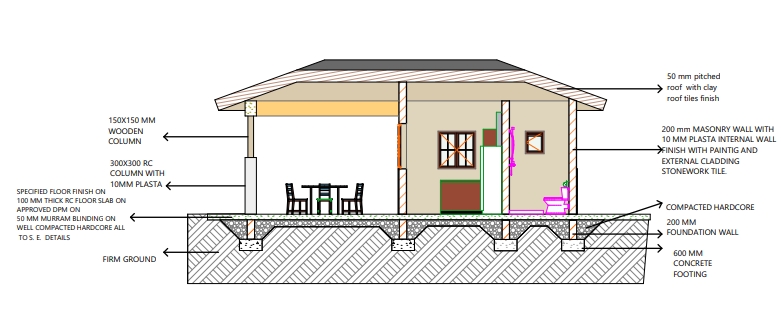
    The gazebo’s charm begins with its classical aesthetic. Think symmetrical lines and a pitched roof, reminiscent of grand European architecture. The sturdy wooden columns, with a diameter of 150 millimeters, provide a sense of strength and stability, while the stonework cladding on select columns and exterior walls adds a touch of grandeur. This interplay of materials offers warmth and a natural feel.

    But aesthetics are just the beginning. A4Architect has thoughtfully incorporated functionality into the design. As you enter, a designated outdoor dining area unfolds before you, perfect for alfresco meals under the open sky. Whether it’s a cozy breakfast for two or a lively dinner party, this space promises unforgettable gatherings. And for added convenience, the design seamlessly integrates a kitchenette, allowing you to whip up culinary delights without ever having to leave your sanctuary.

    Tucked away discreetly within the gazebo’s structure is a fully functional washroom, ensuring comfort and practicality during your outdoor soirees. The architect hasn’t skimped on materials either. The gazebo sits on a secure concrete foundation, ensuring its stability for years to come. A layer of compact hardcore provides a solid base for the floor, guaranteeing a level and durable surface. This meticulous attention to detail ensures your enjoyment of the space for years to come.

    Detail of the Material Used For the Construction of the Gazebo Structure

    1.  Foundation

    Concrete: The gazebo sits on a reinforced concrete slab supported by a strip foundation. Concrete is a durable and long-lasting material that can withstand the weight of the structure and the elements. It’s a commonly used material for foundations due to its ability to distribute weight evenly and resist cracking.

    2.  Walls

    Stonework cladding: The exterior walls of the gazebo are made of stonework cladding. this blends seamlessly with the surrounding landscape. This choice elevates the entire design, adding a layer of texture, visual interest, and undeniable charm.

    Masonry wall: The heart of the wall lies in a stone masonry wall. This traditional technique utilizes individual stones, meticulously selected and arranged, to create a strong and durable structure. Atop the stone masonry core sits a 10 mm layer of plaster. This thin coat acts as a smooth and even surface, providing a perfect canvas for the final decorative layer. The final layer is a coat of paint. This allows for complete design customization

    3.  Columns

    Wooden columns: The gazebo’s columns are made of wood with a diameter of 150 millimeters. Wooden columns add a touch of warmth and classic elegance to the design. As with the wooden cladding, the specific type of wood used is Cedar which is a good option due to its durability and weather resistance.

    Stonework columns: The 200 x 200 x 1200 rectangular columns at the front of the gazebo are cladded with stonework. Stone cladding adds a touch of sophistication and grandeur to the gazebo’s entrance. The type of stone used is limestone, known for its durability and aesthetic appeal.

    4.  Other materials

    Compact hardcore: The floor plan also shows a section labeled “compact hardcore, which is a layer of crushed stone used as a base for the floor. This provides a stable and level surface for the floor structure to be built upon.

    In conclusion

    With its blend of classical charm, modern functionality, and high-quality materials, this gazebo design is more than just a structure; it’s an extension of your living space, a place to create memories that will last a lifetime. So, if you’re looking to add a touch of sophistication and functionality to your outdoor space, then reach out to A4Architet to get an inspiring gazebo design. With their meticulous attention to detail and commitment to creating a haven for relaxation and enjoyment, this captivating design by A4Architects is sure to leave a lasting impression.

    A4ARCHITECT OFFICE,

    ALONG SOUTHERN BYPASS.

    SOUTH HOUSE HOTEL AIRBNB – 0721410684

  • The Blue Round House Design “Sky Ring”

    Architectural plans offer a fascinating glimpse into the soul of a building, revealing the materials and methods used to bring the vision to life. This article delves into a section of a house designed by A4 architect, dissecting the key materials chosen and exploring their roles in shaping the space.

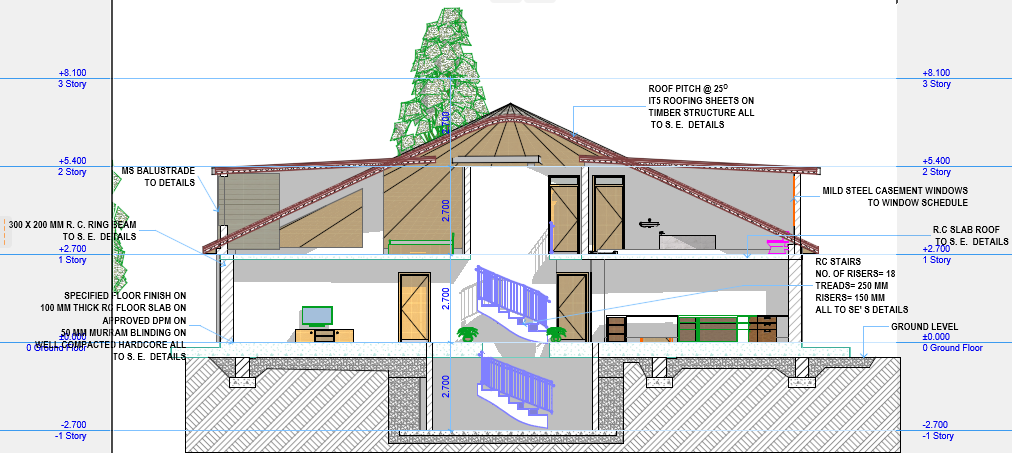
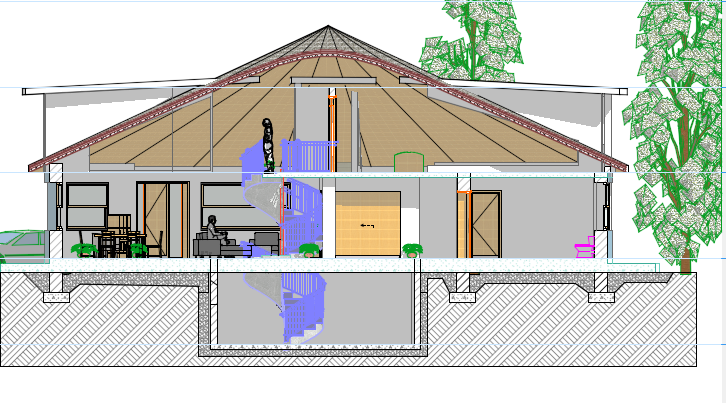
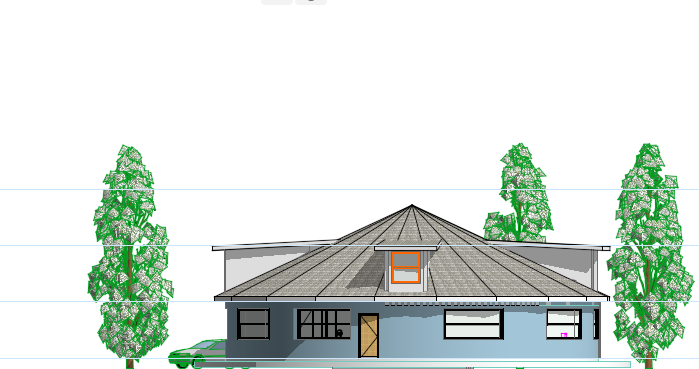
    This two-story house  is a design project by A4 Architect. The house is situated in a rural area in Nyahururu, surrounded by trees. The house has 3 bedrooms, two on the ground floor and one on the first floor. There is also a basement and an open kitchen area.

    A Material Look In the Section of The House

    By analyzing the materials used in this house section, we gain valuable insight into the design philosophy of A4 architect. The combination of concrete for strength and stability, steel for a modern touch, and timber for warmth reflects a thoughtful and balanced approach.

    Foundation

    The foundation of the house is built upon a well-compacted layer of hardcore, providing a solid base. A damp-proof membrane (DPM) sits atop the hardcore, creating a barrier against moisture ingress. Following this comes a 50mm thick blinding.

    The main structural element of the floor is a 100mm thick concrete slab. Concrete is an excellent choice for floor slabs due to its strength, fire resistance, and ability to span large distances. Atop this slab, the chosen floor finish would be specified elsewhere in the complete drawings.

    Moving upwards, the section reveals a reinforced concrete (R.C.) ring beam. Ring beams are horizontal bands of concrete that encircle the structure, providing additional strength and stability, particularly in areas where walls meet or where there are openings like windows and doors.

    Steel Accents: Lightness and Modernity

    The design incorporates steel elements for a touch of modern elegance. The windows are made from mild steel casement windows, offering a sleek and contemporary look. Steel windows are known for their strength, durability, and slim profiles, allowing for maximum natural light penetration.

    The section also depicts a mild steel (MS) balustrade. Balustrades are railings that provide safety along walkways or staircases. MS is a popular choice for balustrades due to its affordability, strength, and versatility. Steel can be painted to match the overall aesthetic of the house. The house has a spiral staircase that leads to the bedroom.

    Roof structure

    A key element within the section is the timber structure for the roof. Timber brings a sense of warmth and natural beauty to the space. It’s lightweight, readily available, and offers good thermal insulation properties.

    The section reveals the use of IT5 roofing sheets for insulation. Insulation plays a crucial role in maintaining comfortable temperatures within the house by minimizing heat transfer. IT5 sheets could be a specific brand of insulating material, often made from rigid foam or fiberglass.

    In conclusion

    This exploration of an A4 architect house section highlights the importance of materials in shaping the built environment. Each material choice contributes to the structural integrity, functionality, and aesthetic appeal of the building. By understanding how architects utilize materials, we gain a deeper appreciation for the creative process and the final form that emerges.

    A4ARCHITECT OFFICE ALONG SOUTHERN BYPASS.

    SOUTH HOUSE HOTEL AIRBNB – 0721410684