[youtube https://www.youtube.com/watch?v=qRkDsRegS1U&w=420&h=315]
Category: A4architect
a4architect posts
-
Shahrukh Khan House at Bandstand in Bandra West India
[youtube https://www.youtube.com/watch?v=6BiL7yxnr98&w=420&h=315]
-
Fire resistance in Buildings.
Fire resistance in buildings is measured based on how long fire takes to penetrate through a room confinement. Windows and doors are the easiest methods that fires use to travel from one space to another.
Windows.
The best types of window glass to protect from fire are the wired glass types . These have a wire grid sandwiched in between 2 layers of glass. These types are commonly seen in corridor doors.

The wire sandwich can be patterned to increase aesthetic appeal.
Spaces that are ideal for solid fire barriers eg corridors are best suited for this type of window on the doors.
Doors.
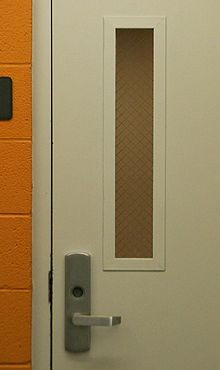
Fire resistant doors have a seal to prevent smoke from moving from one room to the other. The glass on the door is usually fitted with metal sandwich to provide high temperature resistance.
Common fire rating for doors are 30, 60, 90 and 120 minutes of fire containment.
The heavier and more solid a door is, the better it is in preventing fire from moving from the outside space into the inside.
Gypsum ceilings.
These ceilings are fire resistant and are best used in areas prone to fires such as kitchens.

Service ducts.
In large high rise buildings, fires usually spread vertically from one floor to the other using service ducts such as water pipes, electrical conduits and sewerage pipes. These can be detailed using special materials to prevent fire spread.
Smoke.
Most fire deaths are usually caused by the smoke choking inhabitants, resulting to fainting hence not being able to escape.
This smoke comes from wall paint, plastic fabric and other plastics such as electrical wiring within the building.
Burning plastics produce Hydrogen Cyanide and Carbon Monoxide gas which kills within minutes.
Causes of fires.
Most fires are caused by
1.Cooking equipment. When stoves are forgotten and the food burns to high temperatures, this excess eat can ignite surrounding materials.
2. Smoking . Carelessly discarded Cigarette buts can cause fires.
3. Faulty electrical wiring
4.Candles.
5. Arson.
Francis Gichuhi Kamau, Architect.
info@a4architect.com
-
Advantages of rent vs Buying of office space in Nairobi, Kenya.
New office space in Nairobi continues to be constructed on a daily basis. Areas such as Upper Hill, Kilimani and Westlands are currently being constructed into high rise office space whenever there is empty available land.
Since land around Nairobi which is commercial and suitable for office space is expensive, developers construct vertically upwards. The high rise buildings are then resold or rented out.
The average smallest space in most of these new buildings is 1000 square feet in area. The average rent per sq ft is between kes 100 to kes 140.
The average sale price is between kes 100,000 to kes 150,000 per sq meter.
Sectional title.
The office spaces are sold using sectional titles as described under sectional properties act of the laws of Kenya.
The buying process is similar to the process of buying an apartment. Only the rules/regulations pertaining to cohesive living with neighbors are different, reflecting office living compared to residential living.
In most buildings, 1 car park space is provided per office and off street city council parking space is used by visitors.
Other methods whereby owners get to own 1 share in the company LLC that owns the building are also used to enable ownership.
Buying vs Renting.
Lets take an example of The Watermark, in Karen. Lets assume 1000sq ft office space.
Cost of buying is on average kes 16,000 per sq ft. Total cost =kes 16,000x 1000=kes 16m.

Cost of renting the same is kes 140 per sq ft=kes 140 x 1000=kes 140,000 per month.
This is kes 1.68m per year.
Repayment period.
The rent will be equal to the cost of purchase within 9.5 years.
The average usability/time period of usage will be around 20 years.
Therefore, this means that after 9.5 years, the buyer will offset the rent and will use the remaining 10 or more years in the office at no cost, hence making buying the office a better option.
Francis Gichuhi Kamau, Architect.
info@a4architect.com
-
Runda Paradise Lost Housing.
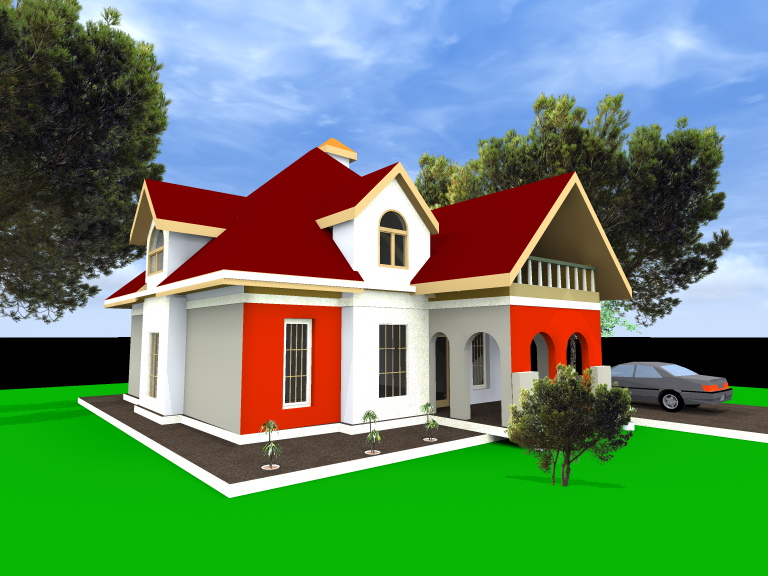
Cost Item Kshs % Land 150,000,000.00 19.91767362 Preliminary 4,000,000.00 0.531137963 Construction 450,000,000.00 59.75302085 External Works 22,500,000.00 2.987651042 Contingency 9,000,000.00 1.195060417 Professional fees 22,500,000.00 2.987651042 Project Management fees 9,000,000.00 1.195060417 Marketing 5,100,000.00 0.677200903 Financial Charges 81,000,000.00 10.75554375 Total 753,100,000.00 100 Financing Plan Kshs % Developer 303,100,000.00 40.24697915 Debt Finance 450,000,000.00 59.75302085 Presales 110,000,000.00 14.60629398 Total 753,100,000.00 114.606294 PROFIT TOTAL SALES FOR 50 UNITS 1,100,000,000.00 TOTAL EXPENDITURE 753,100,000.00 NET PROFIT 346,900,000.00 % Profit Margin 46.06293985 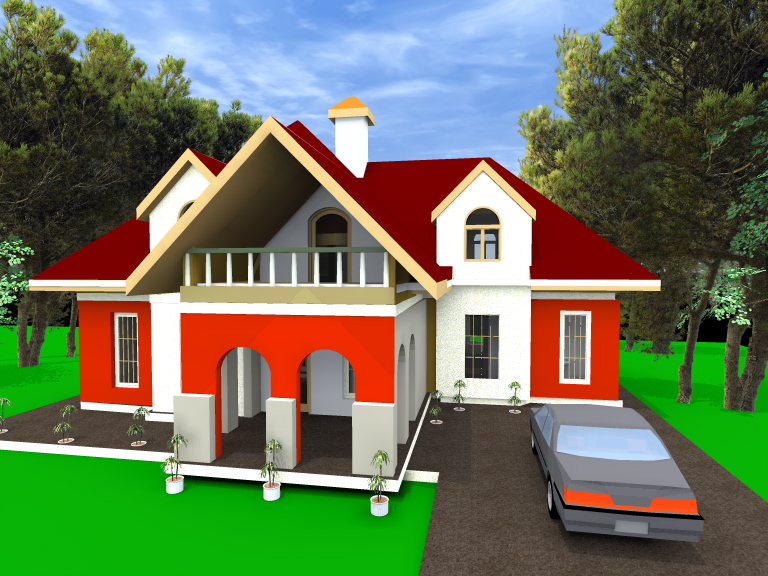
-
did I mı̸̸̸̸̸̸̸̸̸̸̸̸̸̸̸̸̨ake you wipe your screen?
did I mı̸̸̸̸̸̸̸̸̸̸̸̸̸̸̸̸̨ake you wipe your screen?
-
Southern Sunshine Hotel
The cost of buying a hotel room is kes 2m.The payment schedule is 60% downpayment then 20% after 6months and finally 20% on completion. -
Cost of wooden floor slab in Kenya
Wood suitable for making a suspended floor slab in Kenya is readily obtained from Mahogany, Pine or Cypress throughout the country.
Mahogany tree.
Cypress tree.

Pine tree.
Costs per linear foot.
Mahogany costs kes 200 per linear foot.
Cypress costs kes 66 per foot and Pine costs kes 60 per foot.Mahogany is the best in terms of aesthetic appearance , longevity and strength , followed by Cypress then pine.
Pine wood tends to easily warp after some time hence mostly used for formwork which is temporary, around 30 days use.Cypress doesn’t warp easily and can be used for external works such as roof trusses, fascia boards etc. It tends to grow dark and mouldy when sawn smoothly using wood smoothing machines.


Costs per m2.
From the above costs, Mahogany costs kes 1,400 per m2 of surface for a 2 inch thick surface. Pine costs kes 1,200 and Cypress costs kes 1,400 per m2 of a 2 inch thick slab.
Support.
The timber slab will need support costing around kes 300 per m2.
Labour and transport on average can cost 30% of material cost=30% x kes 1,400, assuming use of cypress, which is most commonly used .This comes to kes 420 per m2.
Total cost of a cypress slab will therefore be kes 420 + kes 300+ kes 1,400=kes 2,100.
A concrete slab costs around kes 2,600 per m2.
Concrete has superior qualities in that it is easy to clean, does not rot due to water/moisture, is long lasting, adds to structural strenthg of the house, reduces noice transmission, etc.
Therefore, most people investing in buildings especially for rent whereby they expect low maintenance will dig deeper into their pockets by 24% to use concrete slab instead of wood.
Uses in Kenya.
Notable wooden slabs in Kenya are KI restaurant in Parklands.

Ecological effect.
Trees help to remove excess carbon dioxide from the air, thereby making the air we breath fresher. Trees also give us the oxygen we breath.
The tree trunks are made of carbon obtained from the C02 gas in the air. Trunks are storage mechanisms of excess carbon in the atmosphere. When trees are cut, the earth finds it more complicated to remove excess C02, leading to greenhouse gas effect which leads to droughts. Also, when trees are cut, the earth lacks a mechanism to clean the air and produce oxygen, leading to more pulmonary diseases.
Therefore, alternative construction methods such as concrete which saves on use of trees should be encouraged.
Francis Gichuhi Kamau, Architect.