Kitengela . 350 acres Opposite EPZ for sale.
Land divided into 5 parcels of 70 acres each.
5 km from Main Nairobi Namanga tarmac road.
Contact info@a4architect.com
a4architect posts
Kitengela . 350 acres Opposite EPZ for sale.
Land divided into 5 parcels of 70 acres each.
5 km from Main Nairobi Namanga tarmac road.
Contact info@a4architect.com
…………………………………………………………………………………
AN ASSESSMENT OF THE OPPORTUNITIES AND CHALLENGES FACING REAL ESTATE JOINT VENTURES IN KENYA
Projects delivered under Joint ventures in Kenya.
Prism Towers, Upper hill.

Flamingo towers, Upper Hill
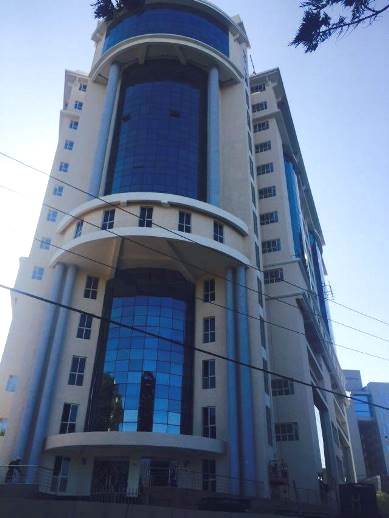
4th Ngong Towers.
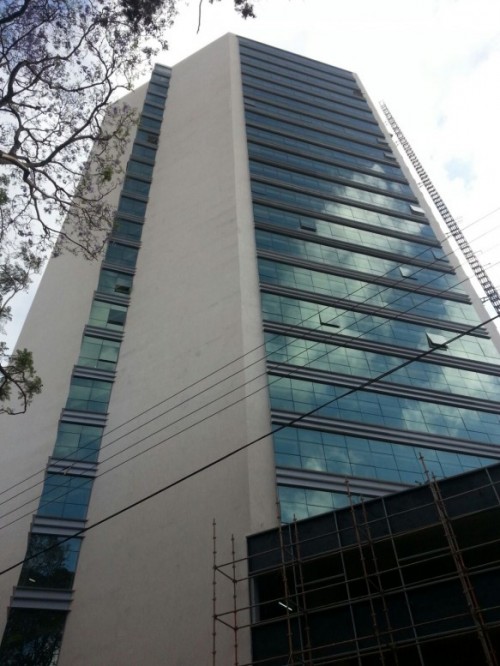
Factors leading to the need for real estate joint ventures.
Exorbitant land prices especially in urban areas.
With land prices going higher and higher, its easier for Real Estate developers to team up with land owners hence save the cash that could have been injected in purchasing the land and use it to build even larger plinth area of space for both parties to benefit.
Unsteady and high interest rates on loans making real estate a high risk investment.
High interest rates have discouraged land owners from accessing finance to develop on their own, hence the need for land owners to seek out financiers who already have the finance ready.
Strict Mortgage terms.
Bank requirements for land owners to put in between 20 to 30% as their contribution for them to access loans of the rest of the 60 to 80% of construction loans make it harder for land owners to access bank loans.
Inefficient County government approval systems.
Comparing Kigali city building approval system vs Nairobi city, the Kigali city process encourages high rise developments, as in if the proposal is several storeys high, this is more encouraged. This is the opposite with Nairobi City, where the bye laws set for few number of floors while the demand out there is for many floors, opening up situations of corruption where the developers have to part with bribes so as to be allowed to build higher, which makes business sense to them. This requires that land owners team up with experienced developers who know their way around so as to maximize their land use development.
Expertise in running property projects, and general management of investment.
Joint venture projects help land owners to easily tap in to real estate expertise and processes.
Diversify and reduce property investment risks in Kenya.
Joint venture projects help to reduce the investment risks by sharing the costs , expertise and experiences between land owner and financier.
Appropriate and sustainable form of real estate source of finance in Kenya.
Joint venture in real estate is currently the way to go for land owners based on the high interest rates that make it hard for land owners to access capital. With the new constitution that is vibrant and easy to plug in to new contract agreements, the Kenyan legal process can now accommodate and help secure investments that are based on joint venture agreements.
Key success factors of joint ventures in real estate sector.
Good management of the joint venture
The joint venture agreement will need to be structured well. The best joint venture agreement structure is where there are the land owner, financier and a 3rd partner, the project manager, with a slight shareholding, between 1 to 4% of the limited liability company that is developing. This 3rd minority shareholder enables the financier and land owners to tap into construction management easily, with the project manager, being part owner of the project, ensuring the success since he is also a beneficiary of the same.
Favorable legal framework and policy
The current Kenya constitution is well designed to handle joint venture agreements. The digitizing of records at the Registrar of Companies and Ministry of lands go a long way in enabling this type of real estate investment in Kenya.
Available financial market
In Kenya, Banks have started restructuring to allow for joint ventures, thereby encouraging more investment in this line. The international developers are also attracted by the stable political leadership and enhanced rule of law and judicial systems in Kenya.
Appropriate joint venture structure.
Joint venture agreement structuring should be done carefully where the calculations of profits are translated into percentages then incorporated in the Special Purpose Vehicle agreement.
Kenyan economic, political, and social Conditions .
Kenya is currently one of the best run countries in terms of political and social conditions. This good political leadership has given international real estate financiers the confidence to set up in Nairobi. Real estate return on investment is very long terms , hence financiers look at the long term political situation of countries before they invest. Since 2013, Kenya and especially Nairobi is witnessing the largest real estate investment ever seen in Africa, with cranes doting the Nairobi Skyline everywhere. Most of these are internationally funded.
Success rate of joint ventures in Kenya.
Joint venture projects in Kenya where the land owners carefully vet the financiers are 100% successful. There are several instances where the land owners have completely lost to investors. In our documentation of joint venture projects, we have carefully studied both the successful and failed projects and can advise land owners on how to check if their financiers are in a position to deliver.
Architect Francis Gichuhi Kamau.
info@a4architect.com
Fire Resistance – General
Notes:- Several of the following by-laws require that the various parts of a building shall resist fire for
specified periods. These requirements so far as walls are concerned shall be satisfied either if the
construction is in accordance with the Third Schedule of these By-laws dealing with traditional methods
of building, or if the construction is in accordance with the Fourth Schedule of these By-laws (which
lists most of the common forms of construction). If the construction is not in accordance with either of
the aforesaid Schedules, then the fire resistance must be shown to be adequate by reference to a test on a
similar form of construction in accordance with British Standard No. 476 under by-laws 69 and 70 of
these By-laws.
Interpretation.
69. (1) Save as provided in paragraph (b) of by-law 72 and by-law 75 of these By-laws, any requirement
in these By-laws, that a structural part of a building shall have a fire resistance of a specified period
shall be construed as requiring that that part shall be capable of resisting the action of fire thereon for
that period under the conditions of the test appropriate to that part under British Standard 476 “Fire
Tests on Building Materials and Structures” and any part of a building shall be deemed to have the
requisite fire resistance if –
(a) it is constructed as to have, in accordance with the Fourth Schedule of these By-laws, a
notional period of fire resistance not less than the specified period; or
(b) a similar part made to the same specification as that part is proved to have the requisite fire
resistance under the conditions of the aforesaid test.
(2) For the purpose of this by-law, resistance to the action of fire in the case of a wall shall be taken to
mean resistance by that wall to fire on one side at a time, therefore in by-law 72 of these By-laws,
resistance to internal fire or external fire in relation to a wall shall be taken to mean resistance to fire
only on the inside or the outside of that wall as the case may be.
(3) The expression “non-combustible throughout” in relation to a wall means composed entirely, apart
from any combustible internal lining, of non-combustible material or materials.
(4) A wall required by these By-laws to be externally non-combustible shall be either a wall noncombustible
throughout or one having non-combustible external panels or covering.
Walls complying with Third Schedule of these By-laws.
70. Any wall complying (in respect of its stability) with the Third Schedule to these By-laws, shall be
deemed to satisfy all requirements relating to the non-combustibility and fire resistance of external
walls provided for in by-laws 72, 77, 78 and 80 of these By-laws and the similar requirements in respect
of the walls referred to in by-laws 73, 78 and 81 of these By-laws.
Fire Resistance – Small Houses
Definition of small house.
71. In any of these By-laws, relating to fire resistance “small house” means a one or two-storeyed
dwelling house of a capacity of less than 20,000 cu. ft. but does not include a flat.
External walls of small houses.
72. Every external wall of s small house shall –
(a) Comply with the requirements as to non-combustibility and fire resistance specified as
appropriate thereto in column (2) of the Table set out below according to the distance of
the wall from the nearest boundary of the plot as shown in column (1) of that Table; and
(b) Have a resistance to internal fire of half an hour, for the determination of which the
conditions of test referred to in paragraph (1) of by-law 69 of these By-laws shall apply
with the modification that the limit of temperature rise on the unexposed face as specified
in paragraph 11c of British Standard 476 “Fire Tests on building Materials and Structures”
shall not apply.
TABLE
(1)
Distance of wall in ft. from
nearest boundary of plot
(2)
Appropriate requirements
as to non-combustibility and
fire resistance
Not less than Less than
10 – No requirement
5 10 To be externally non-combustible
3 5 To be non-combustible throughout
– 3 To be non-combustible throughout and to have
a resistance to external fire of half-an-hour.
Walls separating small houses.
73. (1) Subject to the provisions of paragraph(2)of this by-law, in a building comprising two or more
small houses, a wall separating such houses , shall be non-combustible throughout and shall have fire
resistance of one hour.
(2) (a) Where the external walls of a building comprising more than two small houses have combustible
externals panels of covering, the walls separating successive groups of not more than two such houses
shall-
(i) have a fire resistance of two hours;
(ii) extend not less than 9 in. beyond the outer surface of the external wall; and
(iii) (unless the roof is of solid or hollow slab construction of non-combustible material) be
carried not less than 15 in. above the roof (measured at right angles to the slope).
(b) Where the external walls of a building comprising more than four small houses have combustible
frames but non-combustible external panels or covering, the walls separating successive groups of not
more than four such houses shall have a fire resistance of two hours and no part of the combustible
construction of the external walls shall extend across the ends of any of the separating walls.
(c) Where the external walls, including any external panels or covering, of a building comprising more
than eight small houses are non-combustible, the wall separating successive groups of not more than
eight such houses shall have a fire resistance of two hours.
Further provisions as to walls separating small houses.
74. (1) No combustible material shall be shall be built into or carried through or over a separating wall
to which by-law 73 of these By-laws applies, other than-
(a) The ends of wooden beams, joists or purlins which are properly protected by brickwork or
other solid and non-combustible material not less than 4 in. thick, or by a beam box of iron
or other suitable non-combustible material; or
(b) Tiling or slating battens properly embedded in mortar or other suitable material.
(2) Where any separating wall to which by-law 73 of these By-laws relates is not carried up above the
underside of the covering of the roof, the slates or other covering or slab shall, where practicable, be
properly and solidly bedded in mortar on the top of the wall.
Floors and interior walls of small houses.
75. (1) In every small house of two storeys, the upper floor shall be so constructed as to be capable of
satisfying the test for fire resistance specified in British Standard 476 “Fire Tests on Building Materials
and Structures” as to freedom from collapse for half an hour, and as to rise of temperature and freedom
from cracks or similar failures for 15 minutes.
(2) Any floor to which paragraph (1) of this by-law applies, shall be deemed to have the fire resistance
required by that paragraph if it is constructed in accordance with the relevant provisions of Table B of
the fourth Schedule to these By-laws.
(3) In every small house, all load bearing walls, other than a wall to which by-laws 72, 73, 74 and 76 of
these By-laws apply, shall have a fire resistance of half an hour for the determination of which the
conditions of test referred to in paragraph (1) of by-law 69 of these By-laws shall apply subject to the
modification, that the limit of temperature rise on the unexposed face as specified in paragraph 11c of
British Standard 476 “Fire Tests on Building Materials and Structures” shall apply.
Garages attached to dwellings.
76. (1) For the purpose of this by-law a garage means a covered space capable of accommodating a
motor car, enclosed on more than two sides or with a room above.
(2) Where a garage is built as part of a dwelling or attached thereto-
(a) the underside of the floor of the room above the garage, shall be properly ceiled with
non-combustible material having a fire resistance of not less than half an hour;
(b) the material covering the roof of the garage shall be as specified in by-law 94 of these
By-laws;
(c) all walls separating the garage from the remainder of the building, not being walls to
which by-laws, 73, 81 and 87 of these By-laws apply shall have a fire resistance of not
less than half an hour, and be of non-combustible material and contain no combustible
linings;
(d) an opening in an wall referred to in subparagraph (c) hereof shall-
(i) at its lowest point be at least 4 in. above the level of the floor of the garage.
(ii) be protected by self-closing doors, having a fire resistance of half an hour; and
(iii) be so arranged that access is in accordance with by-law 163 of these By-laws.
(3) A door for the purpose of subparagraph (d) (ii) of paragraph (2) of this by-law shall be deemed to be
self-closing if it is hung on efficient rising butts, and shall be deemed to have the requisite fire
resistance if constructed in accordance with the specification in British Standard 1459: Part 3, for doors
having a fire resistance of half an hour.
Fire Resistance of Buildings Other Than Small Houses
General rule as to external walls, other than walls of small houses.
77. The external wall of any building, other than a small house shall, unless otherwise provided for in
these By-laws, be non-combustible throughout and have a fire resistance of more than two hours.
Modification for External walls of certain one storey buildings.
78. (1) Every external wall of a domestic or public building of one storey, not being a small house,
shall, if the building has a capacity specified in column (1) of Table set out below, and the distance of
the wall from the nearest boundary of the plot corresponds with any distance specified in column (2) of
that Table opposite the appropriate specification in column (1), comply with the requirements as to noncombustibility
and fire resistance specified as appropriate thereto in column (3) of that Table.
TABLE A
(1)
Capacity of building in cu.
ft.
(2)
Distance of wall in feet
from nearest boundary of
the plot
(3)
Appropriate requirements as to noncombustibility
and fire resistance
Not less than Less than Not less
than
Less than
– 18,000 10
5
3
–
10
5
No requirement.
To be externally non combustible.
To be externally non-combustible and
to have a fire resistance of one hour.
18,000 36,000 20
10
5
–
20
10
No requirement.
To be externally non combustible.
To be externally non-combustible and
to have a fire resistance of one hour.
36,000 – 10 – To be externally non-combustible and,
unless it is an office building more than
30 ft. from the nearest boundary of the
plot, to have a fire resistance of one
hour.
(2) Every external wall of a building of the warehouse class, not intended to be used wholly or
predominantly for storage, and comprising only one storey shall comply with the requirements as to
non-combustibility and fire resistance specified as appropriate thereto in column (2) of Table B set out
below according to the distance of the wall from the nearest boundary of the plot as shown in column
(1) of that Table.
TABLE B
(1)
Distance of wall from nearest boundary of plot
(2)
Appropriate requirements as to
non-combustibility and fire
Not less than Less than resistance
20 ft. or a distance equivalent
to half the height of the
building (whichever is the
greater).
40 ft. or a distance equivalent
to the height of the building
(whichever is the greater).
To be externally non-combustible
and to have a fire resistance of one
hour.
40 ft. or a distance equivalent
to the height of the building
(whichever is the greater).
– To be externally non-combustible.
(3) Where a building, other than a small house, is completely separated into two or more parts by firedivision
walls complying with by-law 84 of these By-laws, the requirements of paragraph (2) of this bylaw
shall be deemed to be satisfied, if the external walls of each such part, have the non-combustibility
and degree of fire resistance appropriate in the case of an entire building of the same cubic capacity as
that part.
Modification for external walls of certain buildings of more than one storey.
79. Where an external wall of a domestic building of two or more storeys, other than a shop or small
house, is a panel wall supported in a structural frame of metal or reinforced concrete and is constructed
of non-combustible material and is not less than 10 ft. or a distance equivalent to half the height of the
building, whichever is the greater, from the nearest boundary or in the case of existing premises from
those premises, the frame and panel of such wall shall have a fire resistance of one hour.
Modification for external walls of large storage buildings.
80. Every external wall of a building of the warehouse class intended to be used wholly or
predominantly for storage shall, if the capacity of the building exceeds 250,000 cu. ft., or if its height
exceeds 75 ft. be non-combustible throughout and have a fire resistance of four hours:
Provided that where a building is completely separated into two or more parts by fire-division
walls complying with by-law 84 of these By-laws, by-law 84 shall apply as if each such part were a
separate building.
Separating Walls.
81. (1) This by-law shall apply to walls separating houses or other buildings, not being walls, to which
by-law 73 or by-law 86 of these By-laws apply.
(2) The wall shall be non-combustible throughout.
(3) The wall shall, if constructed for the separation of domestic buildings, other than shops, have a fire
resistance of four hours, and in any other case, it shall have a fire resistance of six hours.
(4) Where the council agrees to an opening in a wall, it shall be protected by doors or shutters having a
fire resistance of half the period required for that wall.
(5) No combustible material shall be built into or carried through or over the wall, other than-
(a) the ends of wooden beams, joists or purlins which are properly protected by brickwork or
other solid and non-combustible material not less than 4 in. thick, or by a beam box of iron
or other suitable non-combustible material; or
(b) tiling or slating battens properly embedded in mortar or other suitable material.
(6) Except as provided for in by-law 82 of these By-laws, if the roofs of the buildings separated by the
wall, are not of solid slab or are of hollow slab construction of non-combustible material-
(a) the wall shall, if either of the buildings separated by it is a public building or a building of
the warehouse class, be carried up above the underside of the covering of the roof for a
distance of at least 18 in. (measured at right angles to the slope);
(b) the wall shall, if the buildings are domestic buildings and either of them comprises more
than five storeys, be carried up above the underside of the covering of the roof for a
distance of at least 12 in. (measured at right angles to the slope).
(7) In any case other than one to which paragraph (6) of this by-law applies, if the wall is not carried up
above the underside of the covering of the roof, the slates or other covering or slab shall be properly and
solidly bedded in mortar on the top of the wall.
Buildings erected on single plot for different tenancies.
82. If a building is capable of being let in different tenancies, and the roof of the building is throughout
of non-combustible materials, the internal walls shall comply with the requirements for a separating
wall, except that the requirements of paragraphs (6) (a) and (b) of by-law 81 of these By-laws shall not
apply.
Fire-division of warehouses.
83. Buildings used predominantly for storage shall be divided internally with fire-division walls, so that,
no floor area exceeds 5,000 sq. ft. and no cubic capacity is greater than 250,000 cu. ft.
Fire-division walls.
84. (1) Every fire-division wall in a building shall comply with paragraphs (2), (4), (5), (6) and (7) of
by-law 81 of these By-laws and with paragraph (2) of this by law.
(2) In a building of the warehouse class for use wholly or predominantly for storage, the wall shall have
a fire resistance of four hours, and in any other building, it shall have a fire resistance of two hours.
Fire-division of offices.
85. No offices shall extend to more than 10,000 sq. ft. in area at any level of floor, unless separated
from all other parts of the same building by fire-division walls.
Walls separating flats.
86. A wall constructed for the separation of flats within a building (other than a load-bearing wall to
which by-law 87 of these By-laws applies) shall be non-combustible throughout and have a fire
resistance of-
(a) one hour if the building is a domestic building intended to be used wholly or predominantly
for human habitation and exceeds either 50 ft. in height or 2,500 sq. ft. on any one storey in
floor area;
(b) half an hour in any other case.
Fire resistance of floors, columns, beams and certain walls.
87. (1) In every building, other than a small house, which comprises more than one storey, and is of a
class and description specified in columns (1) and (2) of the following Table –
(a) every floor above the lowest storey;
(b) every load-bearing wall, other than an external wall, wall separating buildings or firedivision
wall;
(c) every column and beam, other than one to which by-law 92 of these By-laws applies; and
(d) every wall enclosing a common stairway or a lift shaft;
shall have the fire resistance specified in column (3) of the said Table in relation to the class and
description of a building specified in columns (1) and (2) respectively:
Provided that-
(i) where more than one period of fire resistance would be applicable, according to
whether regard is had to the height, floor area or capacity of the building, the longer or
longer period shall be taken to be the required period of fire resistance; and
(ii) where a building is completely separated into two or more parts by fire-division walls
complying with by-law 84 of these By-laws, or comprises two or more dwellings, shops
or other premises (not being individual flats) the requirement of this paragraph shall
apply to each such part, dwelling, shop or premises as if it were a separate building.
(2) Every opening in an internal wall enclosing a common stairway or a lift shaft shall, be protected by
doors or shutters having fire resistance of not less than half the period required for that wall but under
no circumstances the doors or shutters shall have a fire resistance of less than half an hour.
(3) In this by-law-
“common stairway” means a stairway intended for common use in a building for access to a
storey capable of being let in separate tenancies, or where more than ten persons are employed
on such storey; and
“floor area” means in relation to a building the floor area of any one storey in that building.
TABLE
Class of Building
(1)
Height, cubic capacity, floor area
(of any one storey)
(2)
Fire
Resistance
(3)
Domestic buildings intended to be
used wholly or predominantly for
human habitation
(a) Exceeding two storeys but not
exceeding 50 ft. in height, or
(b) Exceeding 1,000 sq. ft. but not
exceeding 2,500 sq. ft in floor
area
½ hour
(a) Exceeding 50 ft. in height, or
(b) Exceeding 2,500 sq. ft. in floor
area
1 hour
Domestic buildings not intended to
be used wholly or predominantly
for human habitation
(a) Exceeding 50 ft. but not
exceeding 75 ft. in height, or
(b) Exceeding 50,000 cu. ft. but not
exceeding 125,000 cu. ft in
capacity
½ hour
(a) Exceeding 75 ft. in height, or
(b) Exceeding 125,000 cu. ft. in
capacity
1 hour
Public buildings and buildings of
the warehouse class not used
wholly or predominantly for
storage
(a) Not exceeding 50 ft. in height, or
(b) Exceeding 50,000 cu. ft. but not
exceeding 125,000 cu. ft in
capacity
1/3 hour
(a) Exceeding 50 ft. but not
exceeding 75 ft. in height, or
(b) Exceeding 125,000 cu. ft. but not
exceeding 250,000 cu. ft. in
capacity, and not exceeding
7,500 sq. ft. in floor area
1 hour
(a) Exceeding 75 ft. in height, or
(b) Exceeding 250,000 cu. ft. in
capacity, or
(c) Exceeding 7,500 sq. ft. in floor
area
2 hours
Buildings of the warehouse class
used wholly or predominantly for
storage
(a) Exceeding 25 sq. ft. but not
exceeding 50 ft. in height, or
(b) Exceeding 25,000 cu. ft. but not
exceeding 50,000 cu. ft. in
capacity
¾ hour
Exceeding 50,000 cu. ft. but not
exceeding 125,000 cu. ft. in capacity
1 hour
(a) Exceeding 50 ft. but not
exceeding 75 ft. in height, or
(b) Exceeding 125,000 cu. ft. but not
exceeding 250,000 cu. ft. in
capacity and not exceeding
7,500 sq. ft. in floor area
2 hours
(a) Exceeding 75 ft. in height, or
(b) Exceeding 250,000 cu. ft. in
capacity, or
(c) Exceeding 7,500 sq. ft. in floor
area
4 hours
Ceilings of public buildings.
88. Public buildings of the types defined in Groups III and IV of the Sixth Schedule of these By-laws
have ceilings with half hour fire resistance, and where, required by the council on account of fire
hazard, similar provisions may be required for other public buildings.
Stairs for two or more dwellings.
89. In the case of a building containing two or more dwellings, every flight of stairs and every landing
forming part of a main stairway intended for common use by the occupants of two or more such
dwellings, shall comply with the requirements specified in column (2) of the Table set out below in
relation to the description of the building specified in column (1) of that Table.
TABLE
Description of building
(1)
Requirement of stairway
(2)
Exceeding 50 ft. in height or exceeding on any
one storey, 2,500 sq. ft. in floor area.
To be constructed of non-combustible material
having the same fire resistance as that required
for the walls of the building in which the stairs
are provided.
Neither exceeding 50 ft. in height nor exceeding
on any one storey, 2,500 sq. ft. in floor area.
To be constructed of non-combustible material,
or to have a fire resistance of one hour.
Fire Resistance – Miscellaneous Provisions Applying to all Buildings
Fire –stops in cavity walls.
90. (1) In every cavity wall built wholly of partly of combustible materials the cavity between any
leaves formed of or containing combustible material, shall be fire-stopped at the junction of the wall
with any other wall or with any floor, ceiling or roof and, if the wall exceeds 15 ft. length, at intervals of
not more than 15 ft.
(2) Any such cavity wall may be fire-stopped by blocking the cavity with non-combustible material.
Opening in external walls.
91. (1) Unless the council otherwise agrees, openings shall only be permitted in external walls, where
such walls are not within the distances prescribed hereunder from a plot boundary, other than one
abutting onto a street-
(a) 7 ft. 6 in. in a central area;
(b) 5ft. in any residential area; and
(c) 10 ft. in any other area.
Provided that on a return wall or one at right angles to the nearest plot boundary, the distance of the
opening from such boundary, may be reduced to 2 ft. 6 in. or if the separating wall projects 2 ft. beyond
the face of such return wall, the distance from the boundary may be reduced to the thickness of the
separating wall.
(2) In the case of a building, other than a dwelling house of not more than two storeys, where any part
of an opening in an external wall is vertically above an opening in an adjoining storey, suitable
provision shall be made to prevent the spread of fire from the lower to the upper opening.
(3) The requirements of paragraph (2) of this by-law shall be deemed to be satisfied if-
(a) The bottom of the higher opening is not less than 3 ft. above the top of the lower opening
and not less than 2 ft. above the upper surface of the floor separating the storeys; or
(b) A balcony of non-combustible material with a solid floor or some similar horizontal
protection is constructed between the two openings to project 2 ft. from the wall and extend
laterally beyond each limit of the overlap of the openings in such a way that-
(i) Where the lower or neither opening continues beyond that limit, for not less than 1 ft.;
and
(ii) Where the upper opening continues beyond that limit, for not less than 2 ft.
Structural members supporting certain walls.
92. Any part of a structural frame, any beam or column, carrying an external wall, a wall separating
buildings or a fire division wall, shall have the same fire resistance as that required by these By-laws for
the wall it carries.
External panel walls in frame structures.
93. Where the external walls of buildings on adjacent plots are contiguous with a common plot
boundary, and the walls are panel walls supported in a structural frame of metal or reinforced concrete
and otherwise fulfil the requirements for a separating wall, the requirements of by-law 81 of these bylaws
shall be satisfied, if the combined thickness of the panels provides the full fire resistance required
by these By-laws.
Roofs
Roofs – protection against fire.
94. (1) In every building of the warehouse class, in every public building or dwelling house exceeding
36,000 cu. ft. in capacity and in dwelling houses forming part of a block of more than two, the roof shall
be so covered as to afford adequate protection against the spread of fire into the building or to adjoining
buildings.
(2) In every building other than a building to which paragraph (1) of this by-law applies, the roof shall
be so covered, or to the building shall be so isolated from other buildings, as to afford adequate
protection against the spread of fire into the building or to adjoining buildings.
(3) A roof shall be deemed to satisfy the requirements of paragraphs (1) and (2) of this by-law, if it is
covered with any one or more of the following materials-
(a) natural slate, or slabs of stone;
(b) tiles of slabs of burnt clay or concrete;
(c) slates, tiles or sheets of asbestos cement;
(d) corrugated sheets of galvanized steel, or of other not less suitable material, of an approved
thickness;
(e) metal sheeting covered on both inner and outer surfaces with bituminous material, or a
similar approved weather-resisting protective covering;
(f) glass tiles or sheets, or glass bricks or blocks in concrete or metal frames;
(g) lead, copper, zinc or aluminium, of an approved thickness;
(h) asphalt mastic with sanded or gravelled finish containing not less than 83 per cent of mineral
matter and laid not less than ½ in. thick on a suitable base;
(i) asbestos based roofing felt which conforms with British Standard 747;
(j) organic based roofing felt covered with non-combustible material, not less than ½ in. thick,
or with bituminous macadam composed of fine gravel or stone chippings with not greater
than 7 per cent of bituminous material.
(4) A building shall be deemed to satisfy the requirements of paragraph (2) of this by-law as to
isolation, if the distance between the building and the boundary of the nearest adjacent plot is equal to
not less than twice the height of the building, except that in the case of a small house as defined in bylaw
71 if these By-laws, such distance may be reduced to 10 ft.
Roof access.
95. If a roof to which by-law 94 of these By-laws applies, has a ceiling, the latter shall be provided with
a door or scuttle to allow access to the roof space.
Roofs to be weatherproof.
96. The roof of a building shall be weatherproof.
Roof Coverings.
97. For roof coverings, the requirements of by-law 96 of these By-laws shall be satisfied if constructed
in accordance with the relevant Rules specified in the Fifth Schedule to these By-laws.
Source. https://kenya.eregulations.org/media/BUILDING%20CODE.pdf
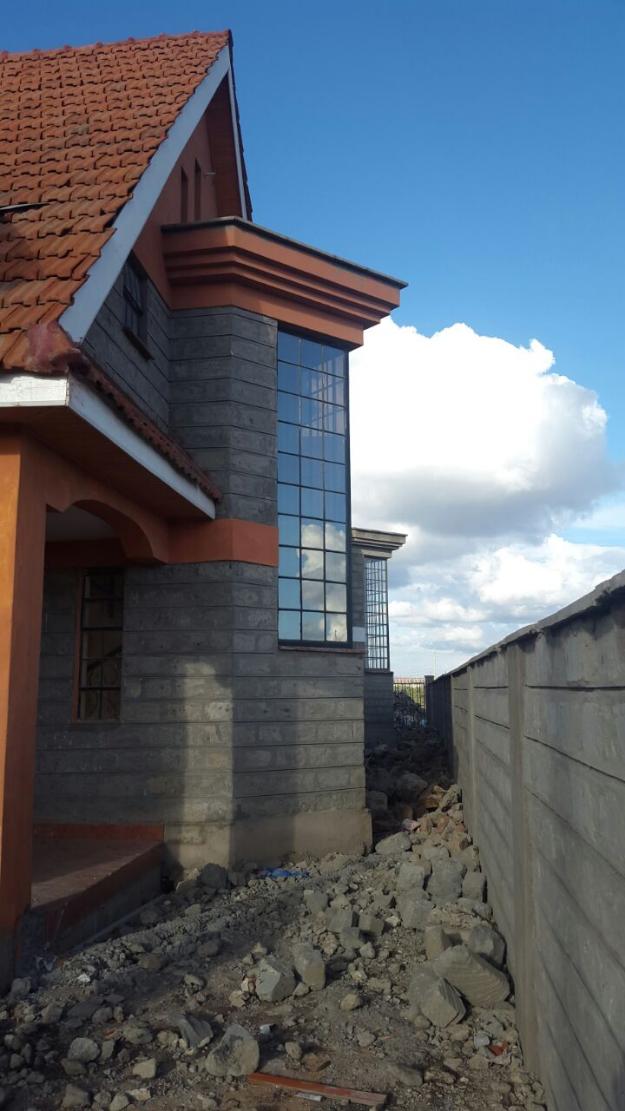
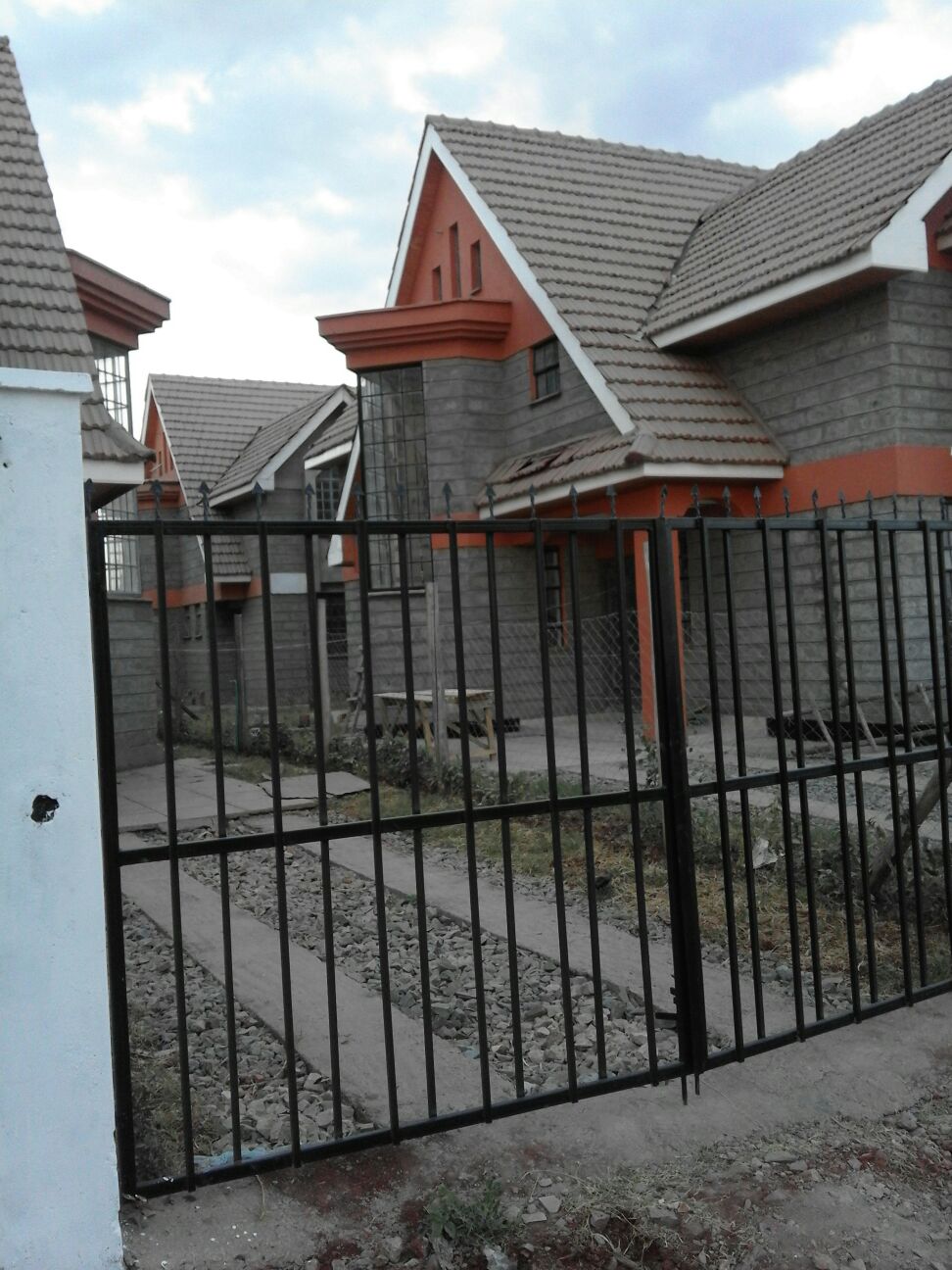
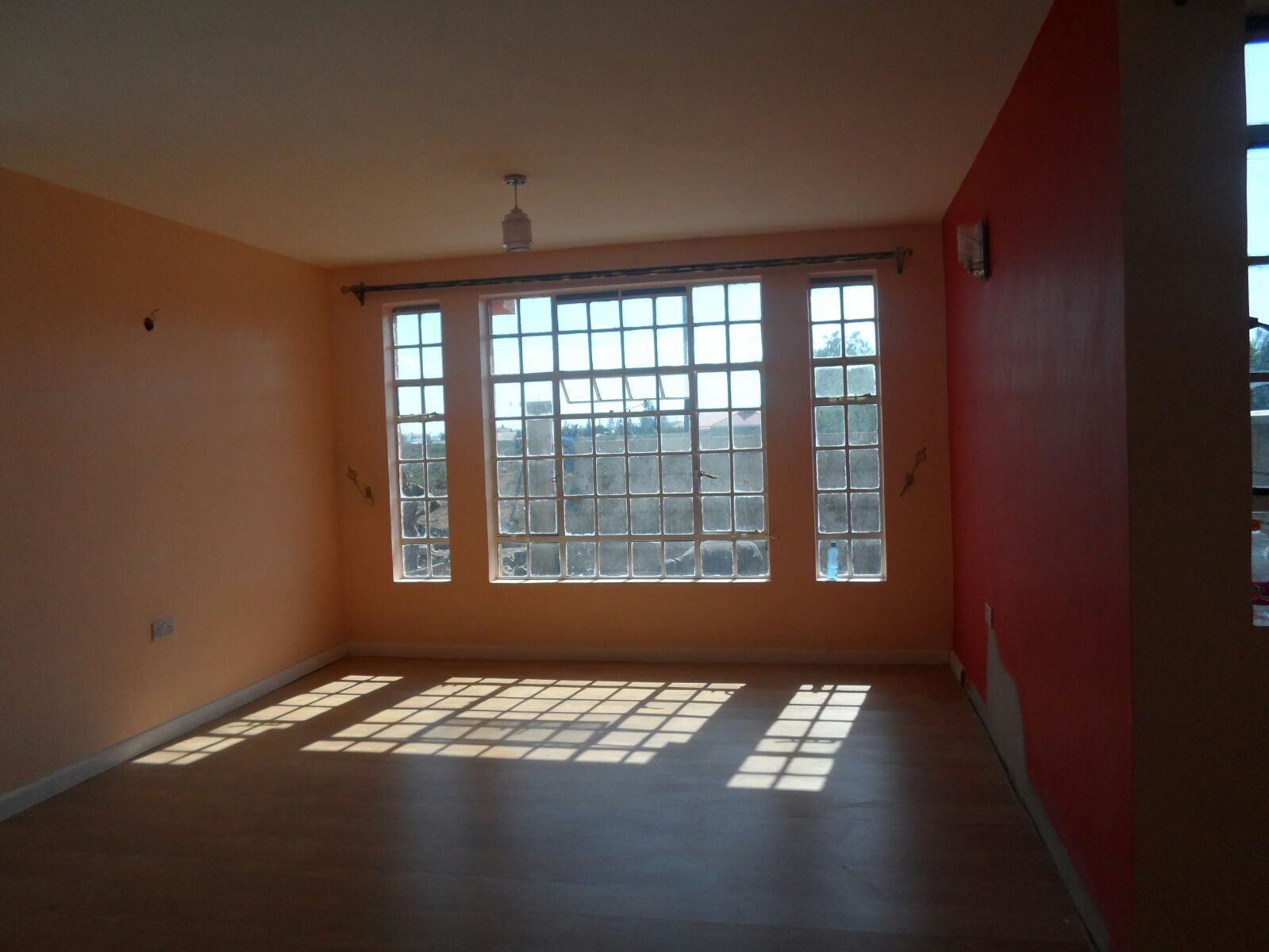
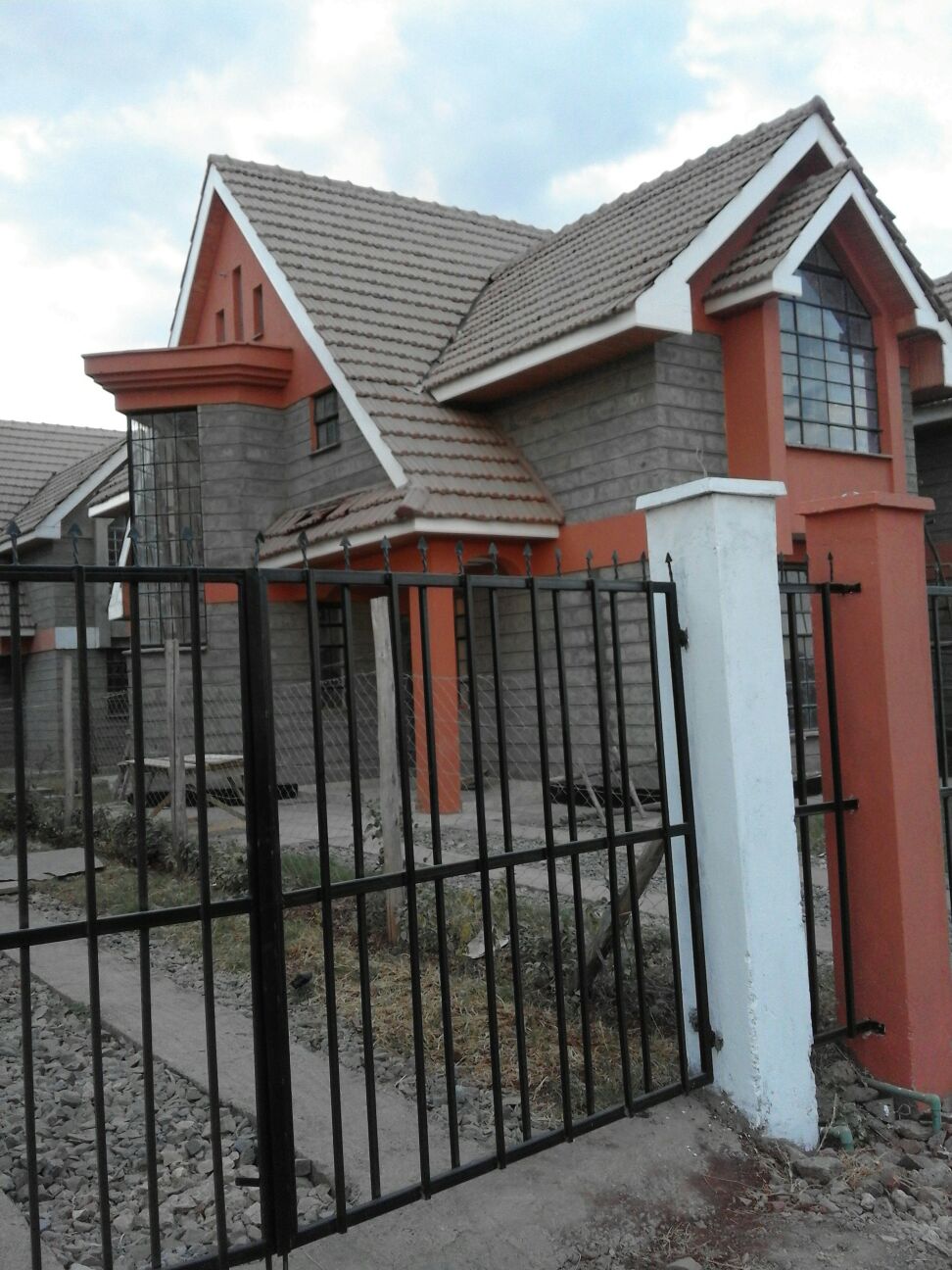
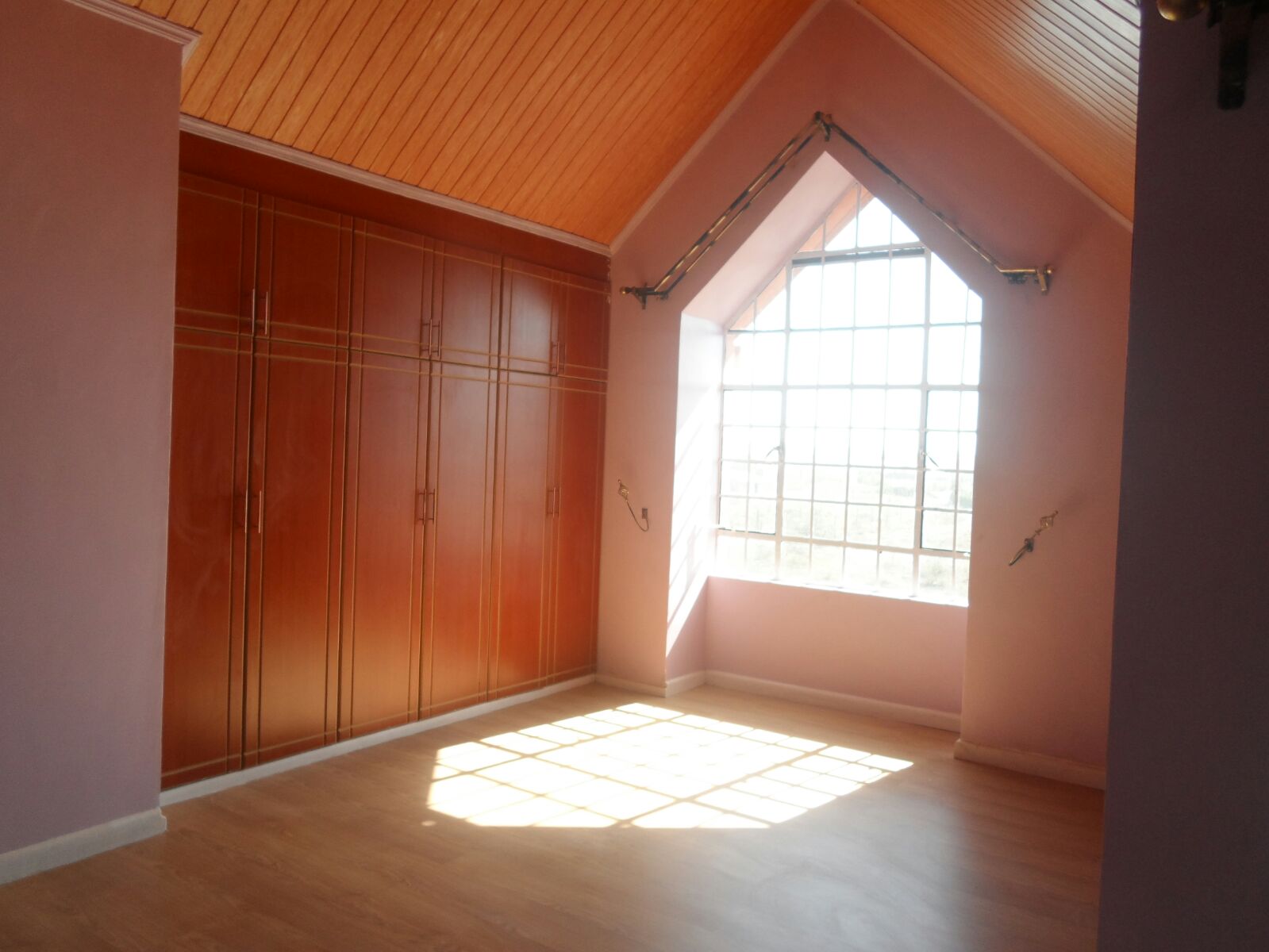
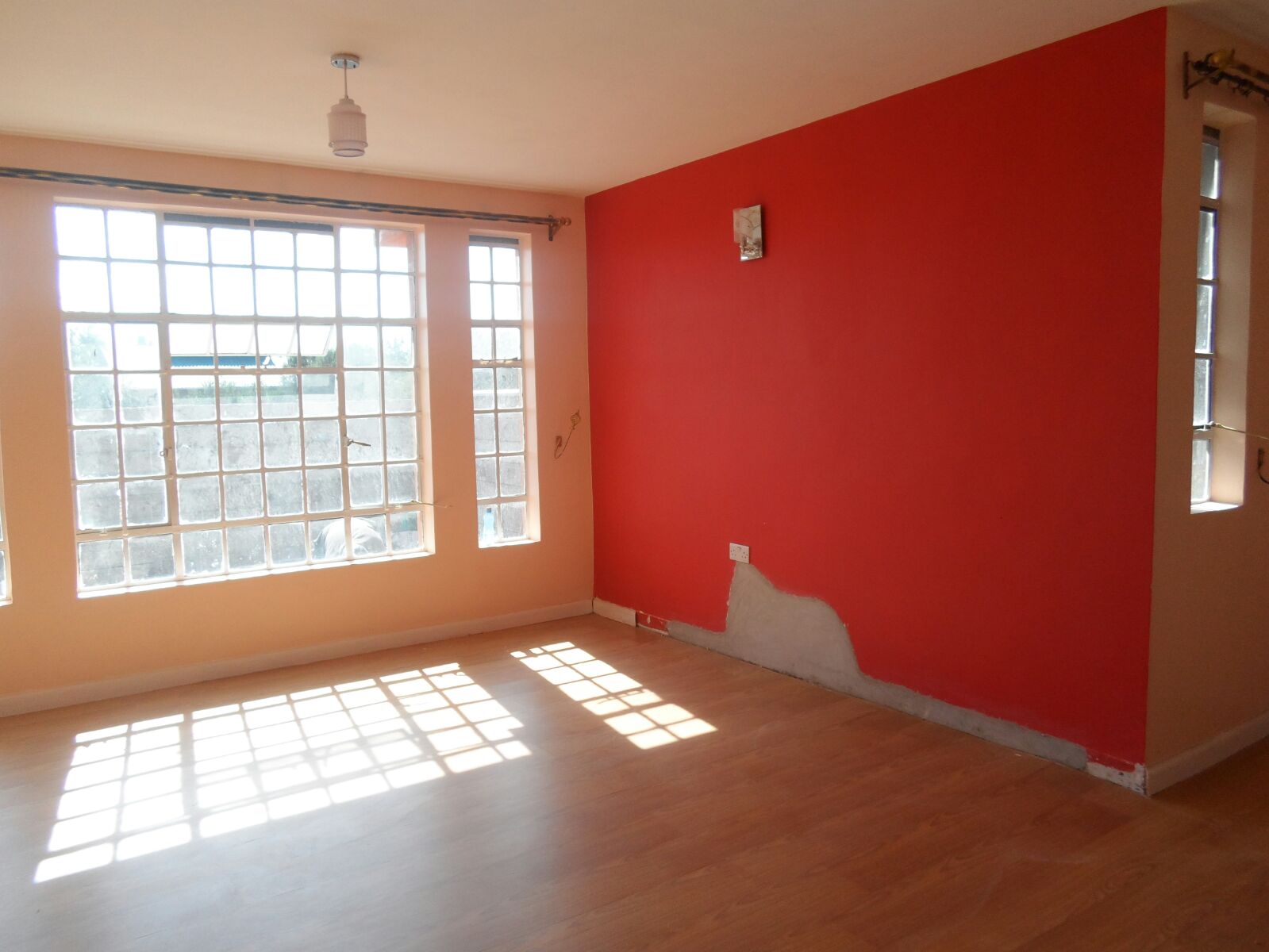
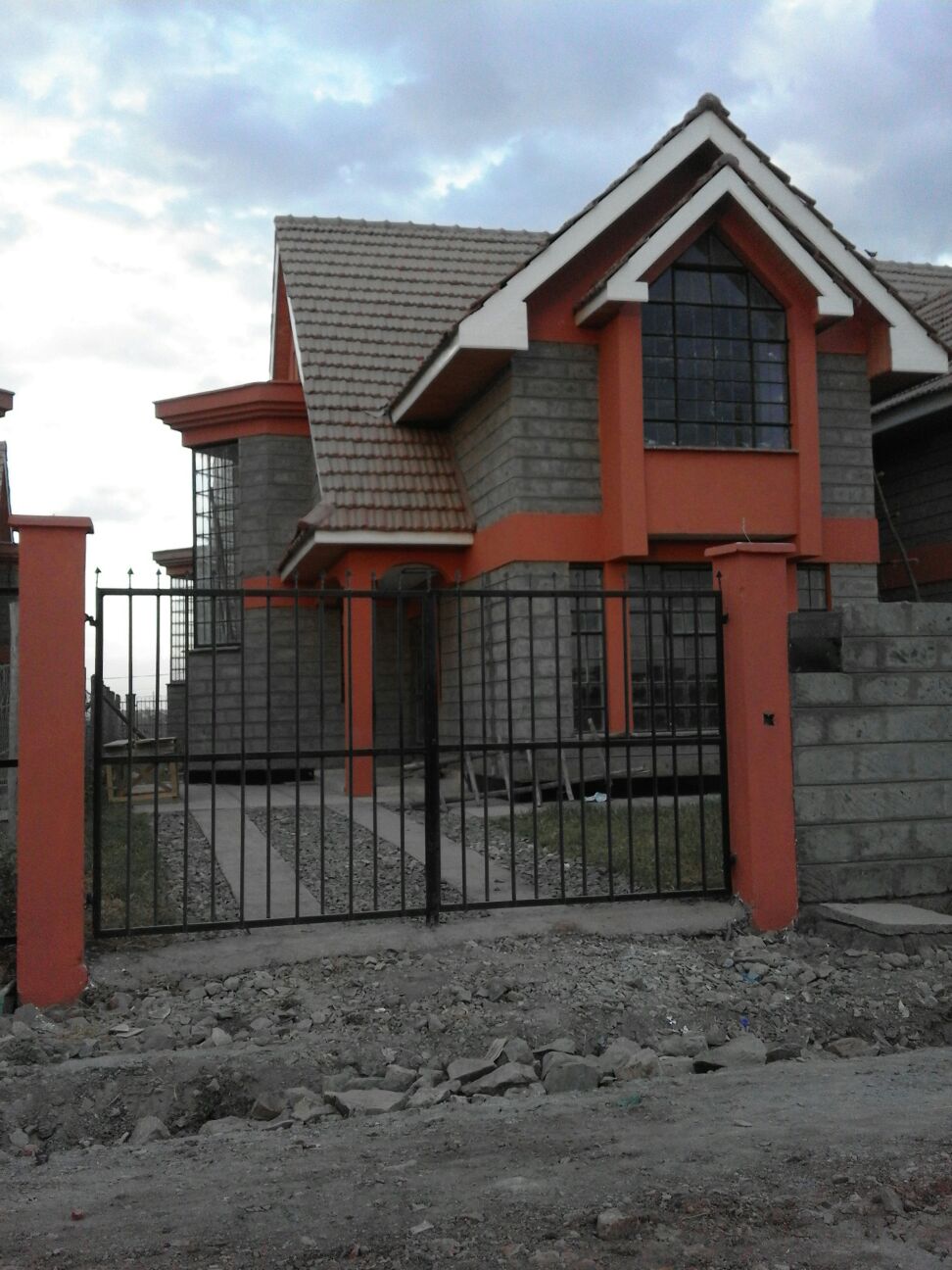
Maisonette for sale, Syokimau. Kes 9.5m
Located behind Greatwall Apartments, Mlolongo, Syokimau.
[googlemaps https://www.google.com/maps/embed?pb=!1m18!1m12!1m3!1d1826.7295073031366!2d36.9473523302545!3d-1.3743419719494132!2m3!1f0!2f0!3f0!3m2!1i1024!2i768!4f13.1!3m3!1m2!1s0x0%3A0x0!2zMcKwMjInMjcuNiJTIDM2wrA1Nic1NC45IkU!5e1!3m2!1sen!2ske!4v1463143765071&w=600&h=450]
Email info@a4architect.com or call 0721410684
Developers in Nairobi flouting building code https://t.co/dRSaQevXhS
— NTV Kenya (@ntvkenya) May 6, 2016
//platform.twitter.com/widgets.js
Developers in Nairobi flouting building code https://t.co/dRSaQevXhS
— NTV Kenya (@ntvkenya) May 6, 2016
Last week a building collapsed in Huruma area of Nairobi city, killing 33 people and leaving over 80 others missing.
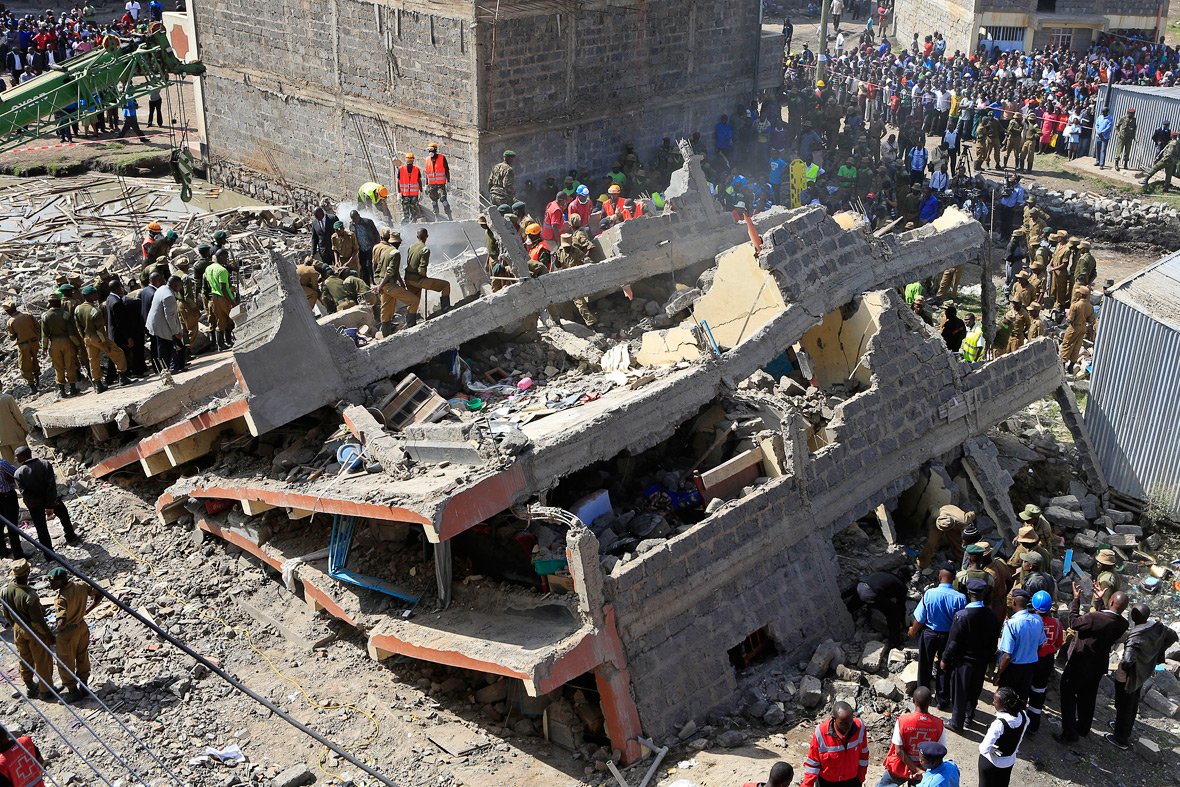
I have documented building collapse of buildings around Nairobi since 2011, namely
Langata Southern Bypass colapse in June 2011
https://www.a4architect.com/2011/06/why-the-langata-southern-bypass-building-collapsed/
Mwiki Kasarani Building colapse in February 2012
https://www.a4architect.com/2012/02/why-the-mwikikasarani-building-collapsed-and-how-to-prevent-this/
Mlolongo Building colapse in June 2014
https://www.a4architect.com/2012/06/why-the-mlolongo-building-collapsed/
Kaloleni Jogoo rad Building colapse in December 2014
https://www.a4architect.com/2014/12/reason-kaloleni-jogoo-rd-building-colapse-december-2014/
All these buildings have one thing in common as the reason for failure, the failure by the county government planning department to enforce building standards.
This is a similar observation around the world where the Local governments who have the responsibility to maintain standards have failed.
Haiti Earthquake.
The 2010 Haiti earthquake that killed over 100, 000 people was blamed largely to the lack of Haiti Local Government to enforce the standards.

http://edition.cnn.com/2010/WORLD/americas/01/13/haiti.construction/
But much of the Caribbean, including Haiti, has no building codes, he said. “So now we need to work with the Haitian authorities to develop a building code that is suited to Haiti and its peculiar conditions.
The individual developers who actually construct the buildings hold equal blame as the County Government employees whose role is to ensure all buildings are safe in Nairobi.
Rana Plaza, Bangladesh. May 2013.
The 8 storey Building in Bangladesh collapsed, killing 1,130 people, who were mostly working on garment factories inside the building.

The reason the building collapsed is also linked to failure by the Local Government to enforce and ensure all developers followed the correct procedures to construct their buildings.
The developers also get abit of blame but the lion’s share of the blame in the above 2 scenarios is the ineptness of the Local or County Governments in ensuring building safety.
Local and County Governments.
Internationally, the role of ensuring building safety is nested within the Local and County Government in all countries in the world.
In the Rana, Bangladesh building collapse, the Mayor was put to task over the ineptness and corruption.
In the Haiti Earthquake collapse, the Local Government Building control section took the blame. The developers ideally, being lay people in terms of construction technology, are of a lesser blame than the County Government technocrats who are bound by law to protect and ensure building safety.
June 2013 Philadelphia Building colapse.

The 4 storey building was under controlled demolition, which resulted in it falling on to the neighboring building, killing 6 people.
The Local Authority Building inspector , one week later , On June 12, 2013, Ronald Wagenhoffer, the 52-year-old City Department of Licenses and Inspections inspector responsible for inspecting the demolition site, was found dead in his truck with a gunshot to the chest. His death was ruled a suicide.
Canterbury TV Building, Australia.
This building collapsed after an earthquake in February 2011.
It was found out that the supervising engineer had fake engineering credentials so the blame was on the engineering team and the Local Authority for not noticing the mistake earlier.
http://www.nzherald.co.nz/nz/news/article.cfm?c_id=1&objectid=11466533
1st world countries.
Death from building collapsing is one of the most painful ways of dying since the victims get trapped under the rubble for days without water and food, with injuries, and watch time pass by day by day until they die.
Government, being the sole owner of monopoly towards use of force to enforce its laws and by laws, should squarely act to reign in on irresponsible developers, but most importantly, on its employees who have been given the role of ensuring building safety.
In most 1st world countries eg New Zealand, Australia , Britain, USA, the strict enforcement of law by the Local Governments there is what ensures their buildings stand safe. In 3rd world countries eg Kenya, Bangladesh and Haiti, the lethargic local authority governments are the main reason we have these buildings. Assuming developers in both 1st and 3rd world countries are the same, driven by profits, only the Local County Governments can intervene.
Conclusion.
Before the new constitution, before the NCA, buildings around Nairobi have been collapsing. This means that creation of new bodies such as County Governments and NCA is not the solution to this problem. Solution is in ensuring the County Government Building control departments have the necessary support and mechanisms to enforce building standards. Parliament can come up with laws to help in this. Parliament and Judiciary can also work together to ensure that the heads of the county governments building departments get to answer to the public on why the building standards are so low to allow for collapse. The current situation where the clueless laymen developers , plus a few low ranking inspection officers are hauled to court to answer for such huge mistakes will not help. Only officers near or at the rank of the Governors can and have the power to ensure and create systems that bring about safety.
Architect Francis Gichuhi Kamau.
info@a4architect.com
How to source for Joint Venture Financing for your land in Kenya.
Financing construction for land in Kenya requires very good planning. With current interest rates for construction in the range of 17 to 22%, other methods of financing such a Joint venture become very attractive.
In Joint venture financing, all the land owner needs to give is their land, with zero amount of money input required from them. The financier then brings in the rest of the funds to construct then after the construction is complete, they share the profits at an agreed sharing ratio.
Packaging the land.
To attract financiers is not an easy task as it sounds. The land needs to be packaged in a very attractive way such that the pitch to a potential financier becomes successful.
Proper initial designs and sound feasibility report is needed to be undertaken by the land owner to be given to potential financiers. The land owner will need to work with an architect or quantity surveyor to come up with these documents. www.a4architect.com assists land owners to come up with these documents in a format that the potential financiers will be able to easily and quickly understand to make a prompt judgement.
Current construction costs, current sale price per foot for plinth area and return on investment are some of the easily picked out pieces of information that a financier will use to make their decision faster.
Type of project.
There are financiers who zone in on middle class mass housing, others look out for commercial shopping mall projects, others are in to hotel projects while others are into high rise high cost residentials. www.a4architect.com after advising the land owner based on their location of land on which is the best type of project that will bring the highest return on their investment, then approaches the financiers depending on the type of project.
Conclusion.
Targeting the financier based on the type of project that a land owner is envisaging helps to easily enable faster access into tapping joint venture finances for their project.
Architect Francis Gichuhi Kamau.
0721410684
Joint Venture Projects Analysis in Kenya. Small vs Large project comparison.
Joint Venture financing within the construction and real estate industry is an innovative method of financing construction projects. There are 2 main partners, land owner and the financier.
The land owner mainly contributes unencumbered land into the whole deal while the financier comes up with funds to construct the real estate.
Land comprises 15 to 30% of the cost of any real estate development, hence the need for financiers to team up with land owners to gain the much needed few steps ahead head start in the race, compared to them setting their budgets aback in purchasing land then developing. Land owners also gain in the symbiotic relationship in that apart from land contribution, they can sit back and wait for the construction to complete then gain the profits in terms of rentable built up area or saleable property compared to just vacant land.
Land owners on average gain from a 30 to 100% and beyond return on investment. Financiers gain from a 30 to 60% and beyond return on investment.
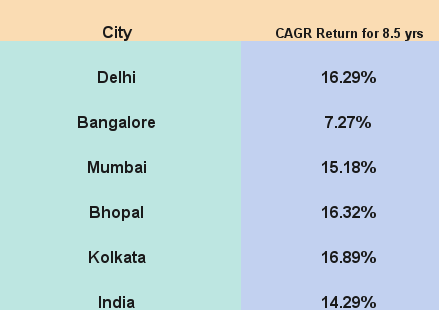
The average return on investment for real estate in the USA is 10%, meaning that the Nairobi real estate joint venture returns are very profitable.
http://www.investopedia.com/ask/answers/060415/what-average-annual-return-typical-long-term-investment-real-estate-sector.asp
Same case with India, but slightly higher.
Sale ability.
Most joint venture projects are targeted towards the sale market which has better returns on investments compared to the rental market. Financiers put in their funds with an exit plan of 2 to 3 years through sale of the building units to 3rd parties in the open market. This way they are guaranteed of a good return on their investment, with a minimum of 20% return guarantee. Land owners on the other hand can also sell off their share of the units or opt to rent out their units or a mixture of both.
Size.
Most financiers in the Kenyan market seek large lands where there is a possibility of constructing buildings worth at least kes 1 billion and above. This is due to the economies of scale. The same effort that is put in into a 1/8th acre at Rongai with 1 unit is nearly the same effort put in to a 10 acre land in Syokimau with 1000 units. Therefore, its preferable for larger lands over smaller parcels though smaller parcels can also give the same return on investment in joint ventures. Currently, all financiers in Kenya are in the preference for larger lands over the smaller parcels. With time, as more financiers enter the market, and the joint venture concept is streamlined, we will see individuals who have savings coming up as financiers, teaming up with land owners to do joint ventures all around the country.
Off plan sales are a fool proof method of testing the market to see if it can absorb the units for sale before monetary commitment into construction.
Feasibility.
Joint Ventures are very sensitive to salability of the units. There is need for very rigorous feasibility studies to ascertain and establish the sale market for the area before construction commences. No financier will want to be tied up with their funds tied up in a construction project that is not selling well. The closer to a major CBD or tarmac road, the better the chances of sale, hence lands located in prime areas are most suitable for joint ventures.
The highest land value is located at the center of Nairobi CBD. This focal point marks the point at which land value starts its downward trend towards the outskirts of CBD, from the range of kes 600milion an acre in CBD all the way down to kes 1 million an acre in Kamulu.
The land closest to the CDB has the highest return on investment and the lowest risk in terms of investment, as in, whatever built up area is constructed and offered to the sale market, it will find buyers. This salability decreases further all the way to Kamulu and its environs, 40 km from the cbd epicenter, where the saleability is decreased, with the risk of not getting a buyer highest.
This has resulted in the high rise structures we see dotting the Nairobi skyline. Currently, we are now in the range of 30 to 50 storey buildings coming up around Nairobi cbd, Westlands, Upper Hill as developers tend to get as close as possible to the epicenter where sales are 100% guaranteed.
This demand for prime locations push land prices up and keeps out smaller financiers from accessing these markets, hence only large financiers. My prediction is that the smaller financiers will take the opportunity and move to areas further away from the cbd as they try to gain a piece of the pie too.
Comparison between 10 acres Syokimau and 1/8th acre Rongai Joint Venture.
| Comparison. | 10 acres Syokimau | 1/8th acre Rongai |
| Land owner contribution | 600,000,000.00 | 2,000,000.00 |
| Financier contribution | 4,310,596,550.00 | 3,997,500.00 |
| Total project cost | 4,910,596,550.00 | 5,997,500.00 |
| Return on investment | ||
| R.O.I for Land owner % | 105.90 | 37.56 |
| R. O.I for Financier % | 26.83 | 31.55 |
| Land owner take home amount | 1,235,386,725.00 | 2,751,250.00 |
| Financier take home amount | 1,156,323,300.00 | 1,261,250.00 |
From the above comparison, the larger the land, the more beneficial the joint venture is to the land owner, hence very attractive. The larger the land, the higher the returns for the financier too.
Negotiating JV sharing deals.
Land owner can negotiate for a % of the limited liability company special vehicle . The average % given to land owners in most scenarios range from between 20 to 40% depending on calculations.
The calculations can be derived after adding up all costs and spliting the profit at an agreed rate, usually 50-50.
Architect Francis Gichuhi Kamau.
0721410684
Upper hill
Kings Prism tower
•
• Began construction in 2013 and is set to be finished in 2016
• Located in upper hill
• Has five levels of parking
• Has one level of reception recreational(with swimming pool and gym with separate sauna, steam and lockers for men and women ) and restaurant( with indoor and outdoor sitting)
• Available 28 levels of office space which begins from 6th floor upwards for purposes of a stunning view and minimal noise
• Podium level garden with outdoor sitting area
• Available seminar room that can hold around 20 people
• Provision of own toilet(with imported ceramic tiles and water heater ) and pantry inside offices
• Has fire alarm system and emergency lighting system
• There is also a jogging track around the building
• Available floor trucking distribution system and closed circuit tv system
• Has a public address /music system
• Has a diesel generator that acts as the power backup system
• Separate service elevator
• Separate designer bathroom for ladies and gentlemen on each floors
• Security cabin at entry and exit of complex
Britam Towers
•
• It is a 31 storey building sitting on a 1.5 acre piece of land along hospital hill road
• It is the third tallest building in Africa
• Some parts of the building will have power generated using green features such as wind turbines
• Has retail facilities such as banking halls ,shops and restaurants and mezzanine floors as well as accommodation on the top levels
• It has a twelve storey building silo adjacent to the tower
• Has a 24 hour security surveillance with safe passageways and firefighting systems
UAP Towers
• 33 storey building
• Construction began in 2011 and is to end in 2015
• It is 163 meters tall and 5700 meters above sea level
• It is the tallest building yet in Nairobi
• Has a lobby area which is very spacious and is lighted using natural light from an acid etched glass bridge
• It is financed with about 4 billion Kenya shillings
Rahimtulla Towers
•
• It is the tallest building in upper hill
• The building has 22 storeys
• It is a reinforced concrete structure with blue tinted glass and white louvre tiles
• It also has a double floor height lobby and two basements parking floors
• It was built in 1999
• It has a standby generator
• Installed air conditioning and ample water supply
• Telephone and computer cabling as well as main fibre optic network
• Each floor has a lift and other amenities
•
•
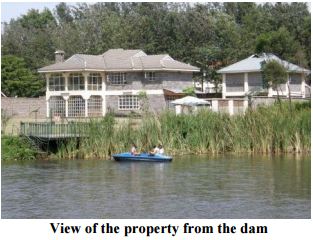
Karen. 3 bedroomed House for Sale. Sam Mburu resort.
Servants Quarters.
All ensuite.
3/4 acre land.
Kes 75m.
Email info@a4architect.com for details.
https://www.google.co.ke/maps/place/1%C2%B019’55.6%22S+36%C2%B043’54.0%22E/@-1.3321182,36.7297108,667m/data=!3m2!1e3!4b1!4m2!3m1!1s0x0:0x0?hl=en