Category: A4architect

a4architect posts

  • Bedsitter Apartment Architectural Designs in Kenya.

    Bedsitter apartments are in high demand around urban areas in kenya due to their low rental costs to tenants.
    Kenyan population has majority in the below 35 years of age, who find bedsitters very optimal for their living.

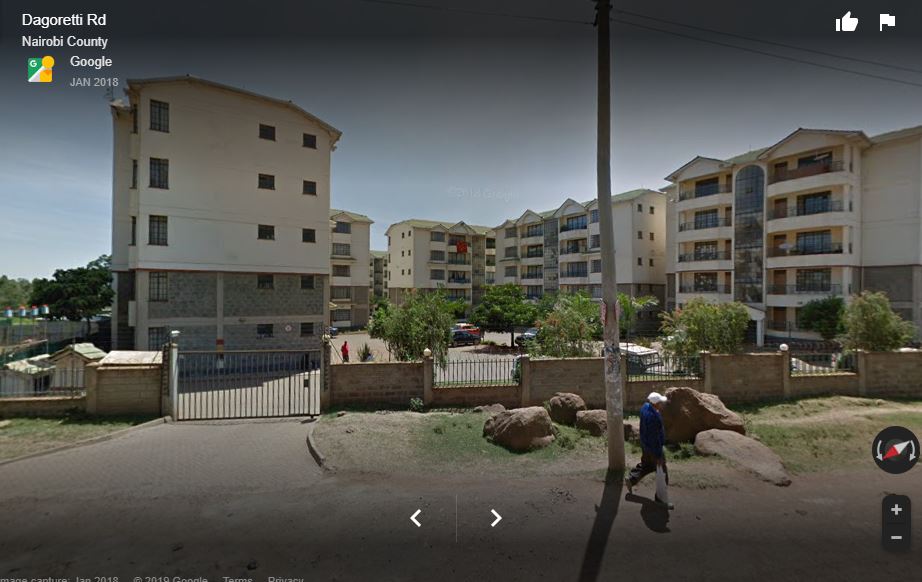
    In areas such as Rongai, Eastlands, Thika road, Dagoretti, developers prefer bedsitters due to the high demand from possible tenants. 10 yeas ago the most preferred unit was the 2 bed roomed. As population becomes younger and younger, the bedsitter is now becoming in vogue.

    Rent charges.

    In most areas, the smaller the bedsitter, the lower the rent and the higher the demand. Small bedsitters cost around kes 7,000 in monthly rent and larger ones cost around kes 9,000 in rent.
    The architectural design needs to be efficient in such a way as to bring pout the highest number of bedsitters per floor while still maintaining ample usable size and good ventilation and natural lighting.

    Bedsitter units also require good architectural planning in waster water reticulation. In areas without a public sewer, the septic tank and soak pit will need to be designed in such a way as to ensure perfect drainage.

    Convenience.

    In built bathroom and toilet is the most preferred type of bedsitter compared to other types where the bathroom is communal. The inbuilt bathroom can be architecturally designed to ensure less space is taken eg use of the triangular type of wash hand basins, careful well thought out placement of the toilet seat vis a vis the door.

    Dimensions.

    Internal dimensions should be carefully designed to ensure placement of furniture such as a bed and a couple of sofas.
    The kitchen and kitchen sink should have ample ventilation. Where possible, cross ventilation principles should be included in the architectural design especially in humid areas such as Mombasa.

    Feel free to inquire more about bedsitter architectural design and construction project management from a4architect.com

    Architect Francis Gichuhi kamau.
    info@a4architect.com
    0721410684

  • How Ngong and Oloolua forest contributes to Rainfall and Athi River Source

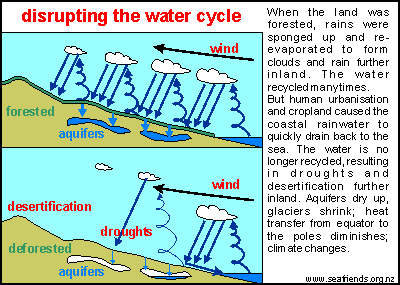
    Trees provide low temperatures that are needed to help the clouds to form precipitation. This precipitated rain is then drained into the ground and released as rivers towards the lower areas , in this case,Athi River flow towards Galana Malindi , Indian Ocean.

    [googlemaps https://www.google.com/maps/embed?pb=!1m18!1m12!1m3!1d130954.10678162526!2d39.98991327874543!3d-3.1403916073002733!2m3!1f0!2f0!3f0!3m2!1i1024!2i768!4f13.1!3m3!1m2!1s0x0%3A0x0!2zM8KwMDknNTIuMSJTIDQwwrAwOCcxNy45IkU!5e1!3m2!1sen!2ske!4v1568728112537!5m2!1sen!2ske&w=600&h=450]

    Tree canopy shields the sun , creating a shadow that reduces the area temperatures , enabling the condensation process that creates the rain in the clouds.

    Clothes line effect.

    Trees absorb alot of water below ground and release it into the atmosphere, making the clouds heavier hence creating rainfall. When clothes are laid out to dry in the sun flat on the ground, they take longer to dry compared to when hung on a line above ground. This is the same effect that trees have on absorbing and releasing below ground water into the atmosphere.

    Water Cycle.

    This phenomenon creates a water cycle that takes up atmosheric moisture in winds from the Indian ocean which get trapped by the Ngong hills then the Ngong forest cover creates the enabling environment to make the clouds heavy, resulting into rain. This rain then flows in two tributaries to form the Athi river.

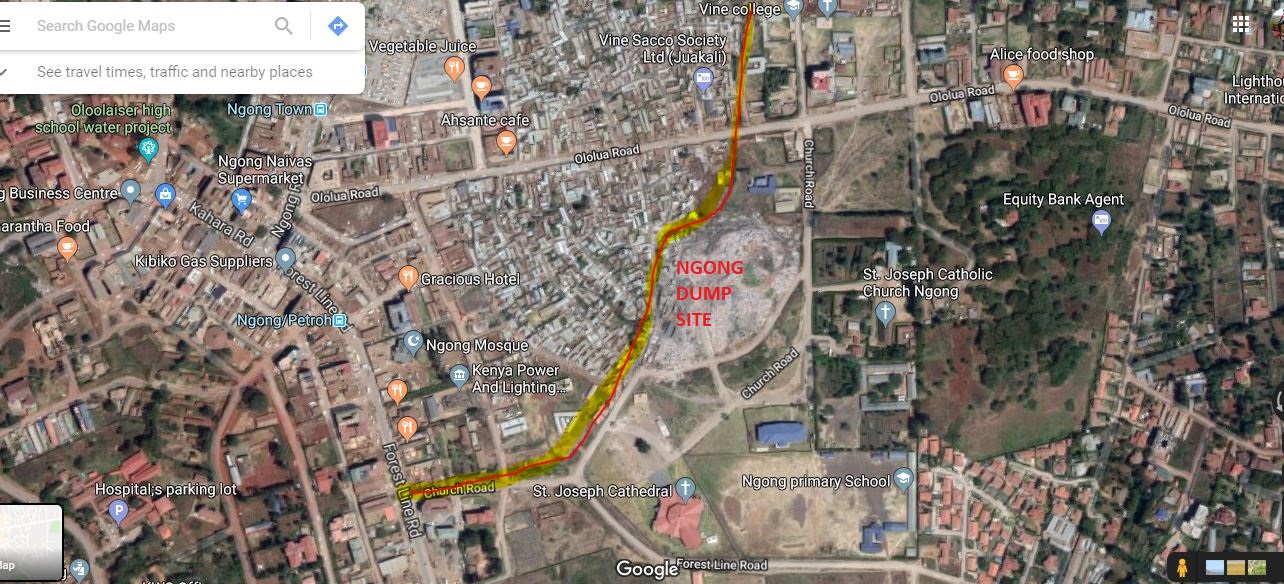
    One tributary comes from Ngong hills just above Ngong town and flows through the Ngong Dumpsite towards Karen and Rongai as Kandisi River through Nairobi National Park.

    [googlemaps https://www.google.com/maps/embed?pb=!1m18!1m12!1m3!1d3157.6759347039338!2d36.7188333139966!3d-1.3905139989858604!2m3!1f0!2f0!3f0!3m2!1i1024!2i768!4f13.1!3m3!1m2!1s0x0%3A0x0!2zMcKwMjMnMjUuOSJTIDM2wrA0MycxNS43IkU!5e1!3m2!1sen!2ske!4v1568727126448!5m2!1sen!2ske&w=600&h=450]

    Ngong Dumpsite contaminating Athi River tributary.

    The red line in the image below indicates the river source flowing on the edge of Ngong dumpsite, carrying lots of toxic chemicals all through until Malindi, Indian Ocean.
    [googlemaps https://www.google.com/maps/embed?pb=!1m18!1m12!1m3!1d3073.1645160220987!2d36.65726791684897!3d-1.3623029990589135!2m3!1f0!2f0!3f0!3m2!1i1024!2i768!4f13.1!3m3!1m2!1s0x0%3A0x0!2zMcKwMjEnNDQuMyJTIDM2wrAzOSczMy44IkU!5e1!3m2!1sen!2ske!4v1568726529957!5m2!1sen!2ske&w=600&h=450]

    The other tributary originates from Ngong forest area in the parts above Karinde[karen end] area just before Thogoto.
    This flows as Mbagathi river towards Nairobi National Park.
    [googlemaps https://www.google.com/maps/embed?pb=!1m18!1m12!1m3!1d21803.726256487542!2d36.684770931534!3d-1.3236007145316737!2m3!1f0!2f0!3f0!3m2!1i1024!2i768!4f13.1!3m3!1m2!1s0x0%3A0x0!2zMcKwMTknMzIuMyJTIDM2wrA0MSczNS4wIkU!5e1!3m2!1sen!2ske!4v1568726942498!5m2!1sen!2ske&w=600&h=450]

    It passes below Former Minister Kirwa’s residence near KEPHIS and joins the other tributary in the Oloolua nature trail area to flow towards Girraffe Centre and IUCN area into Nairobi National Park. From here it becomes the main Athi River and flows all the way to Galana in Malindi into the Indian Ocean.
    [googlemaps https://www.google.com/maps/embed?pb=!1m18!1m12!1m3!1d16087.73565861692!2d36.65984643876811!3d-1.3062226392358685!2m3!1f0!2f0!3f0!3m2!1i1024!2i768!4f13.1!3m3!1m2!1s0x0%3A0x0!2zMcKwMTgnMjEuNyJTIDM2wrAzOSc0NS4zIkU!5e1!3m2!1sen!2ske!4v1568726622574!5m2!1sen!2ske&w=600&h=450]

    Forest encroachment.

    From the map below, its clear how the Ngong forest has been encroached and trees cut to provide space for farming.

    [googlemaps https://www.google.com/maps/embed?pb=!1m18!1m12!1m3!1d30002.31655118939!2d36.65204042403673!3d-1.299066990082547!2m3!1f0!2f0!3f0!3m2!1i1024!2i768!4f13.1!3m3!1m2!1s0x0%3A0x0!2zMcKwMTcnNDMuMCJTIDM2wrAzOSc1OC40IkU!5e1!3m2!1sen!2ske!4v1568727285046!5m2!1sen!2ske&w=600&h=450]

    This cutting of trees has resulted in low ability of the Ngong forest to create rainfall and rivers, hence the country suffering the worst drought in 38 years as we speak.

    https://www.nation.co.ke/news/Kenya-faces-worst-drought-in-38-years/1056-5077306-k2dc4z/index.html

    Oloolua forest has also been encroached on the edges as shown in the map below

    [googlemaps https://www.google.com/maps/embed?pb=!1m18!1m12!1m3!1d33745.27845246313!2d36.67009994618705!3d-1.3718299056761087!2m3!1f0!2f0!3f0!3m2!1i1024!2i768!4f13.1!3m3!1m2!1s0x182f049bc310dff7%3A0x80adb49515b65f1d!2sOloolua%20Forest!5e1!3m2!1sen!2ske!4v1568727484444!5m2!1sen!2ske&w=600&h=450]

    Ngong hills forest cover is also dwindling as shown below

    [googlemaps https://www.google.com/maps/embed?pb=!1m18!1m12!1m3!1d7126.8822570450475!2d36.63889395890572!3d-1.390094585180155!2m3!1f0!2f0!3f0!3m2!1i1024!2i768!4f13.1!3m3!1m2!1s0x182f0246874fb08b%3A0x6613fe7ccdd0fac0!2sKompass%20Restaurant!5e1!3m2!1sen!2ske!4v1568727585529!5m2!1sen!2ske&w=600&h=450]

    With the reduction of forest cover, the amount of rain generated has also reduced with the same rate , causing drought, which in turn causes inflation within the country.

    Kerarapon,Karen and Matasia residential areas.

    Kerarapon,Karen and Matasia areas have increased the tree numbers from the dry grass land that the area was 50 years ago. This shows that with proper land management, residential areas can coexist with forests if the residents are sensitized to maintain a sizeable percentage of trees within their land .

    Sensitization.

    More sensitization on the need for trees and why plot owners need to each plant more trees within their lands is needed so as to increase the rain and thereby increase the volume of water in Athi river.

    Architect Francis Gichuhi kamau

    info@a4architect.com
    0721410684
  • Apartment Flats vs Maisonettes. Return on investment.

    Careful architectural planning is required to determine the best return on investment between Apartment flats compared to maisonettes.

    Example.

    Assuming a hypothetical example of a narrow plot of land eg Off Outer ring road, Baba dogo area where we have plots measuring a 1/4 of an eighth, this plot can be designed into a 5 bedroom maisonette covering 4 floor levels. The same plot can be designed into 3 bedsitter units per floor covering 5 floor levels.
    The built up area for both is the same, meaning the construction cost for both types should be the same, say approximately kes 10 million.

    Rental income.

    The rental income per floor for the bedsitters is kes 24,000. For 5 floors, total monthly income is kes 120,000.
    Income per year is kes 1.44m. Return on investment is 7 years.

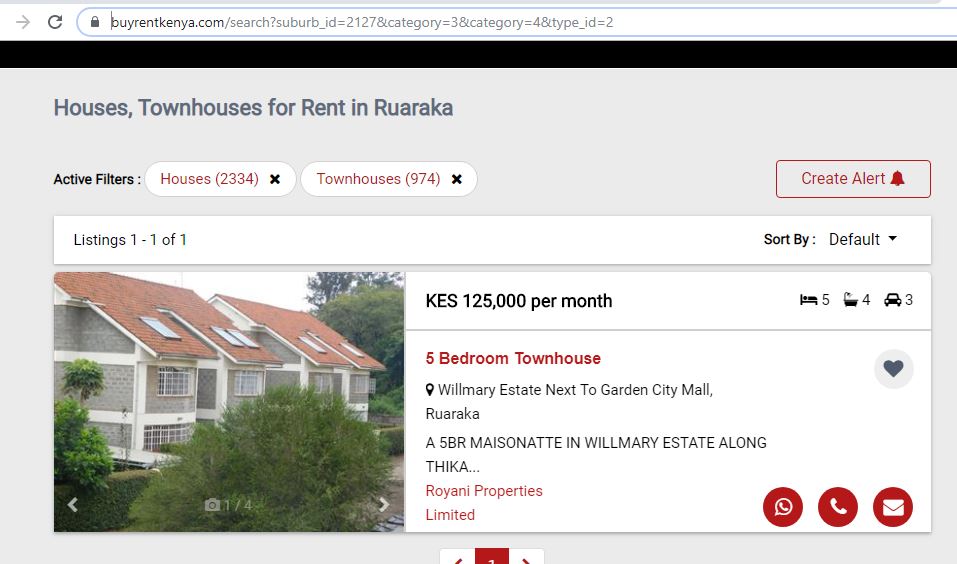
    The rental income for the 5 bedroomed maisonette is kes 125, 000 in the surrounding areas. https://www.buyrentkenya.com/search?suburb_id=2127&category=3&category=4&type_id=2

    The same plot can fit 2 narrow maisonettes each renting at kes 65,000 per month to bring in kes 130,000 monthly.

    This brings the total rent for the year to kes 1.56 million per year. This works out to 6.4 years return on investment, better than the apartment flats bedsitters version.

    Advantages.

    For larger plots, say 1/8th acre and above, its possible to architecturally plan the plot to fit in several maisonette type buildings and sell off plan then use the proceeds to construct on the remaining portion from which you can collect monthly rental income.
    In the case of apartment blocks, its not possible to finance through part sale since all the money is needed per each floor to complete it till occupation.

    Architect Service.

    a4architect.com offers architectural design advisory to plot owners on best methods to obtain financing for property development through innovative architectural design and feasibility study input. Each plot location requires its own unique architectural design so as to help unlock construction financing in the best way possible.

    Architect Francis Gichuhi kamau.
    info@a4architect.com
    0721410684
  • Comparison of Prefabricated Building wall panel costs, Kenya

    Prefab Panels.

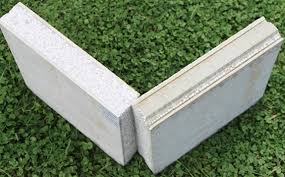
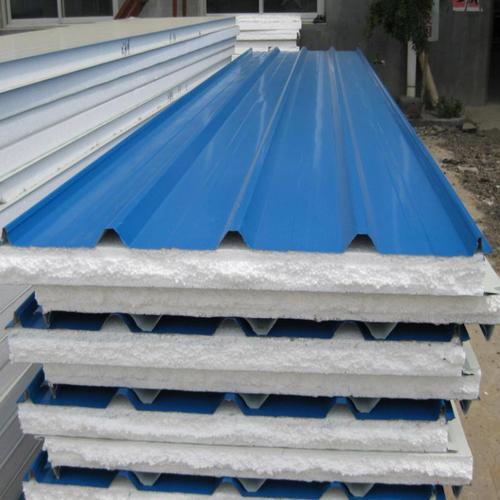
    Prefabricated wall panels are constructed using expanded polyesterene sandwiched between cement plaster or metal sheets.

    The EPS expanded polyesterene with cement plaster costs approximately kes 1900 per m2 in Kenya.

    The EPS steel sandwich panels costs around kes 1700 per m2 in Kenya.

    The cost of the EPS polyesterene 50mm thick is kes 700 per m2. Add cost of steel sheet prepainted at kes 500 per m2, 2 sides, bringing the cost to kes 1000 per m2.
    The total cost of the EPS Steel sandwich panel comes to 1,700 per m2.

    The major cost is in the insulating EPS Material that costs kes 700 per m2. The architect can then specify the outer skin cover either to be cement plaster, cement board or steel.

    Structural strength.

    EPS Sandwich panels do not carry structural roof weight. This means a light gauge steel structure will need to be installed to carry and transmit the roof weight to the foundation.
    A 2mm thick 2 inch by 2inch L section costs kes 1000 for 6 meter length. This and other metal sections are needed to come up with the structure from which the panels will be fit into.

    Masonry stone.

    Masonry stone costs approximately kes 900 per m2. Its advantage is that within this cost, the stones can easily carry the roof weight and save the developer on structural costs since the stones will do bot h works,provide walling and carry weight, depending on how the architectural drawing has been designed to allow for both functions to take place together simultaneously.

    Earthbag.

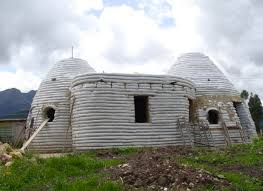
    Earthbag structures cost around kes 500 per m2 for walling.
    The cost of the tube pvc bag is around kes 350 per m2 and the cost of soil is around kes 150 perm2.

    This provides the lowest cost of insulating buildings compared to the EPS material at kes 700 per m2 and stone at kes 800 per m2. This is because soil is the most abundant construction material available and is easily and cheaply sourced around the country. The earth-bag structure also doubles up as load bearing so it can support the roof weight.


    Feasibility.

    Careful architectural design is required to be guided by accurate feasibility study to determine what is the most appropriate building material for a specific project based on the finances available, and aesthetic outlook that a developer requires.
    a4architect.com offers this feasibility service to clients who would like quick comparisons of available materials and their budgets.

    Architect Francis Gichuhi Kamau.
    info@a4architect.com
    0721410684
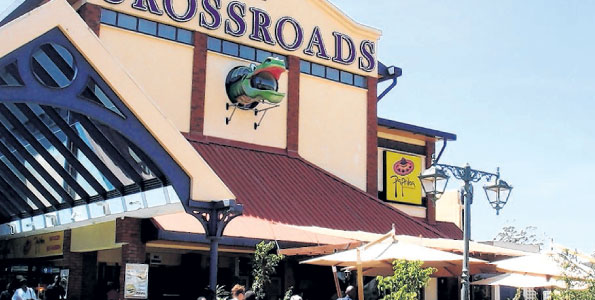
  • ½ acre on arboretum drive asking for 300M, ½ acre Ngong road asking for 250M, 2 plots on river road CBD @140m

    ½ acre on arboretum drive asking for 300M, ½ acre Ngong road asking for 250M, 2 plots on river road CBD @140m

  • How to get rid of termites in a building.

    During the construction of a building’s foundation, anti termite chemical is applied on the foundation soil blinding to act as a poisonous barrier. During the laying of the dump proof membrane and BRC for the ground floor slab, the architectural drawings specify the anti termite chemical application and the architect ensures that this is well applied through out the surface.

    In case this didn’t work out well, termites can find a way and get into the building.

    Signs of termites.
    Termites will eat wooden parts of the house such as door frames, roof support trusses and curtain boards.

    Anti termite application.

    These can be eliminated through chemical anti termite application into the corners and crevices where the termites are inside.
    The roof wooden trusses are usually treated with anti termite chemicals during the actual construction as specified in the architectural drawings.

    External Perimeter Barrier.

    A further external barrier can be done to prevent termites that are outside the house from making their way into the building.
    A 6 inch by 6 inch tunnel us dug around the perimeter of the house and liquid chemical anti-termite poured inside the dug out part then soil filled back to the normal surface level.

    Poisoned Bait.

    Another method is to look for areas where the termite colonies could be residing then dig out a 1 foot deep hole and place termite bait that once the termites feed, will take back to their colony and poison the whole community.

    Architect Francis Gichuhi kamau.
    0721410684
    info@a4architect.com

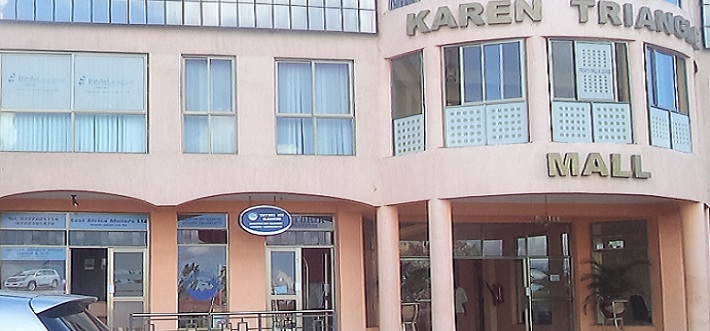
  • Karen , Nairobi Commercial Developments.

    Karen area of Nairobi is zoned by the County Government of Nairobi to be developed as only one single dwelling per half acre plot.

    This zoning has resulted in very low density hence less traffic and minimal sewerage disposal and garbage dump disposal issues.
    This has in one way created very high demand for land in the area due to this low density living and the trappings that come to it such as clean unpolluted air, large compounds and a general green leafy neighborhood.
    An acre of land in Karen goes for approximately 50 million kes.
    Of late, the value of land has stabilized and in some cases gone down to lows of kes 30 million per acre.

    15 Yeas ago, an acre in Karen sold for kes 3m.

    HIGH RISE COMMERCIAL DEVELOPMENTS.

    Parts of Karen that are fronting the busy Langata road from Dagoretti Market all the way through Karen shopping centre to Galleria Mall have been turned into high rise commercial use. Same case applies to parts of Karen fronting Karen road such as the area around Deputy President’s official residence and the area along Ngong road from st Francis church all the way past karen shopping centre towards Ngong town at Bul Bul.

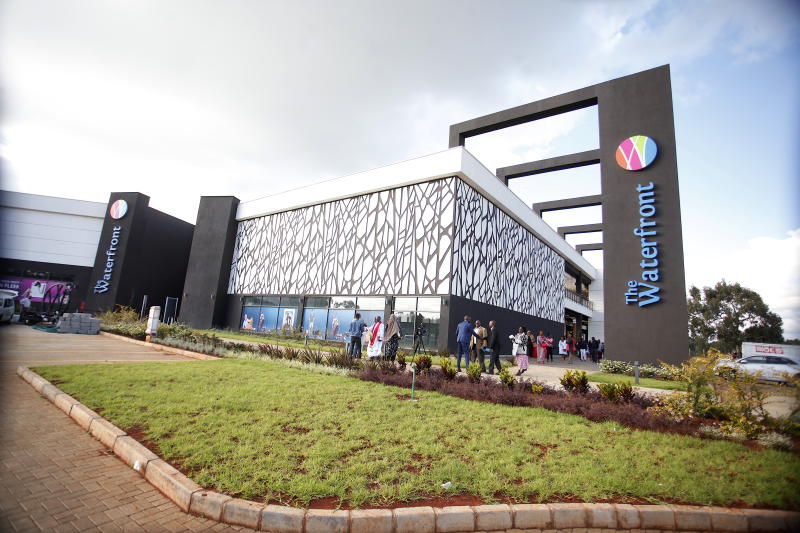
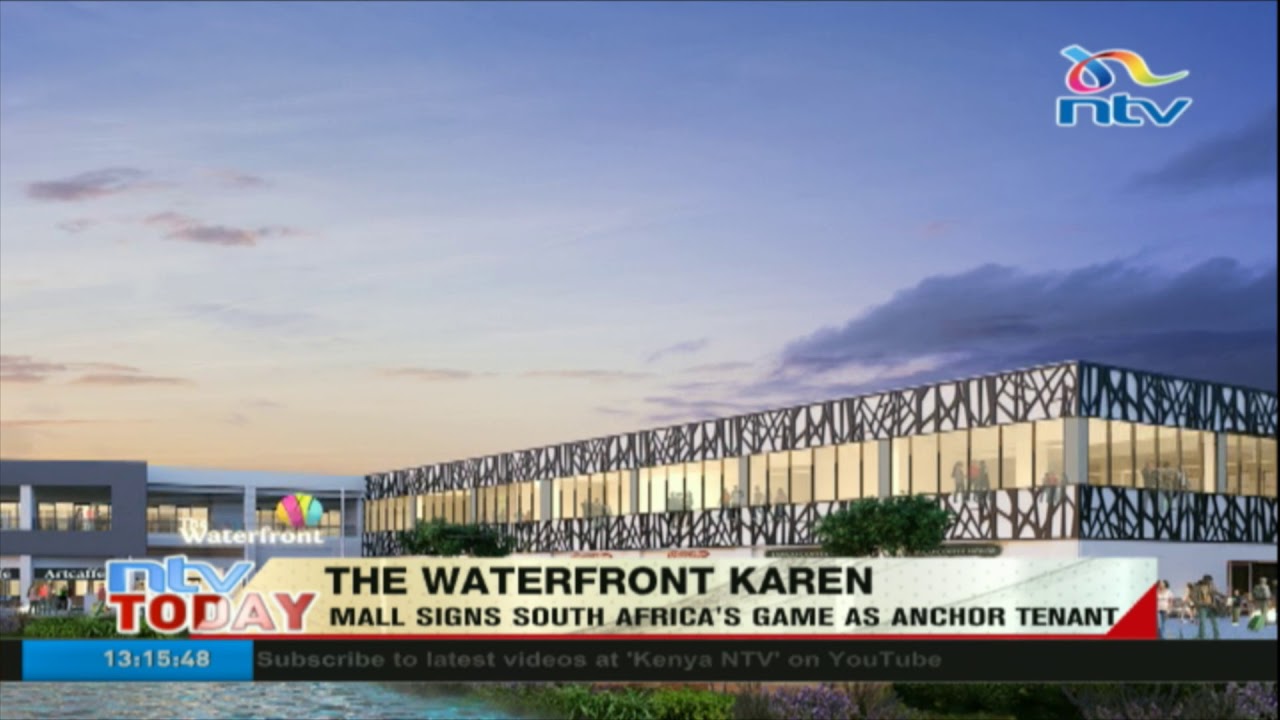
    New Malls such as the waterfront, the watermark, the Hub have come up in recent times along the busy main roads.

    Land along the main roads costs kes 100million or thereabouts due to the ability for it to be utilised in a commercial nature.

    MUTUINI and KERARAPON.

    Other parts of Karen neighbouring other constituencies and counties are also dotted with commercial high density high rise buildings which serve the Karen area.
    Areas around Karinde, a.k.a Karen End have lots of apartments since the zoning for these areas is in different constituencies, Dagoretti South to be specific, but viewed and utilised as part of Karen.

    Real estate investors looking to cash in on the high demand for housing that the strict one house per half acre zoning that is imposed on Karen brings can buy land in Karinde area and set up high rise flats.
    The same applies to Kerarapon area. Kerarapon is in Kajiado county but neighbours Karen towards Ngong. An investor can purchase land here and set up apartments which will be very marketable due to the low density housing within Karen .

    Sourcing land for sale.

    A4architect.com can source for vacant land for potential development in the Karen area for developers looking to cash in on this region.

    Architect Francis Gichuhi Kamau.
    info@a4architect.com
    0721410684
  • Tensile fabric tents

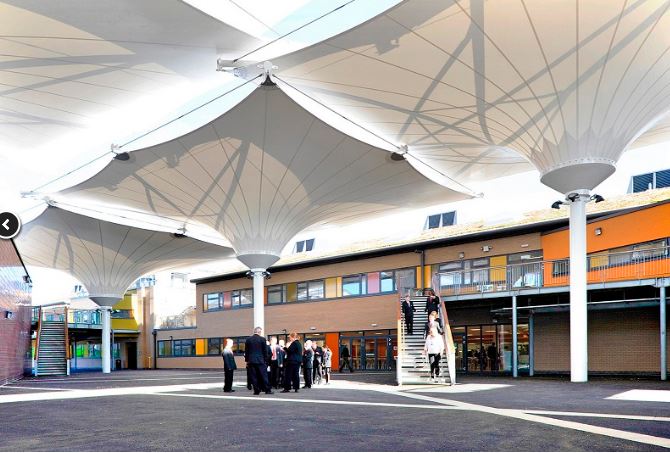
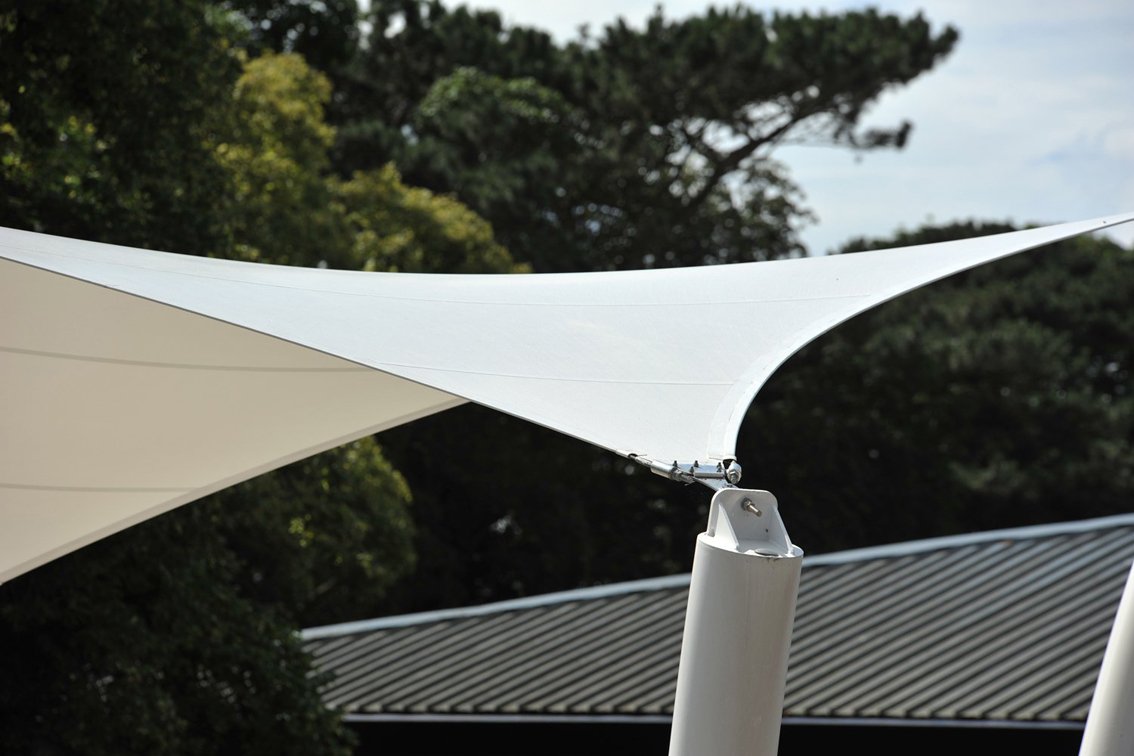
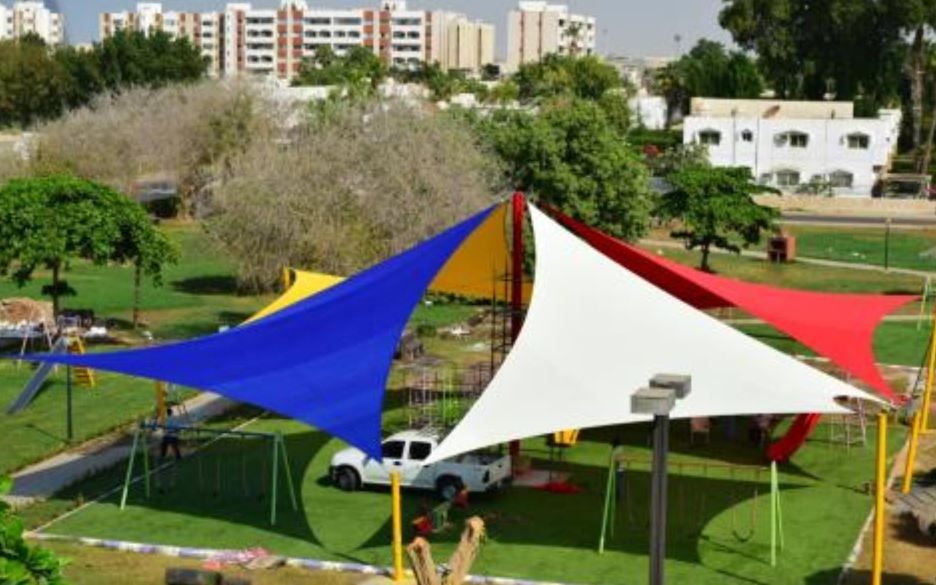
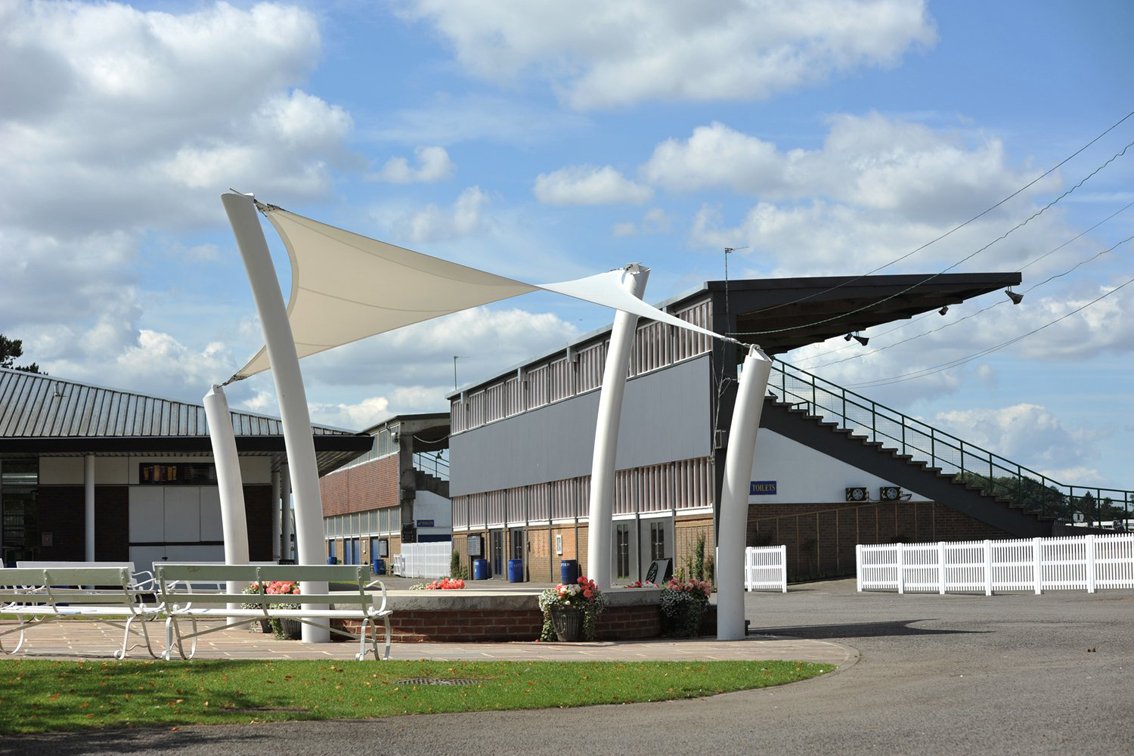
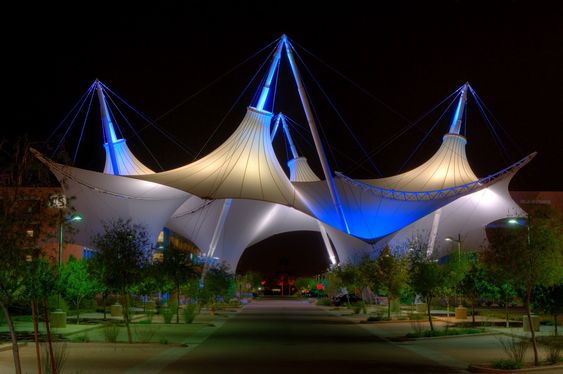
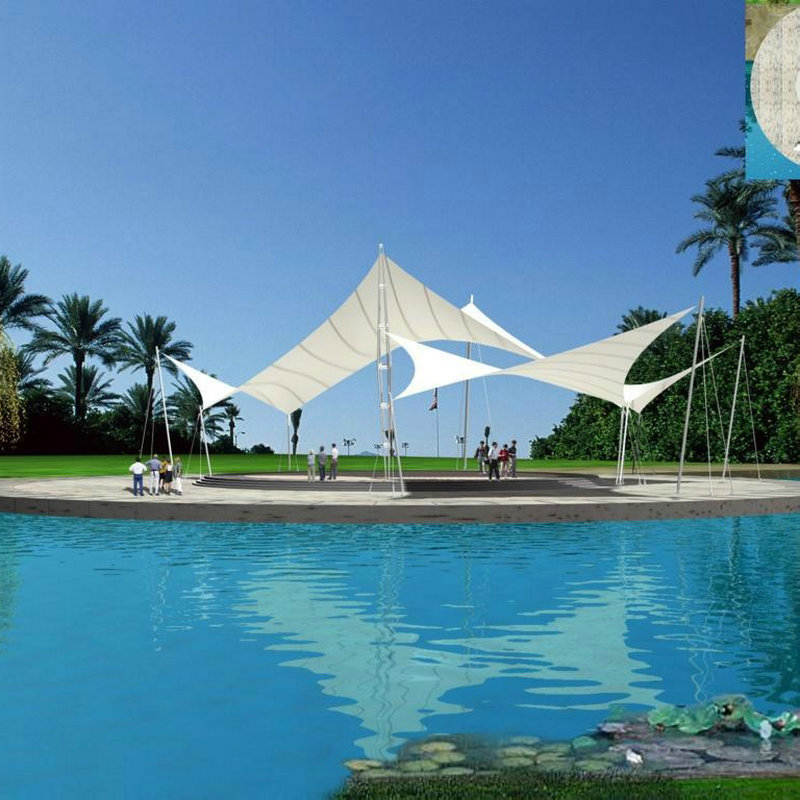
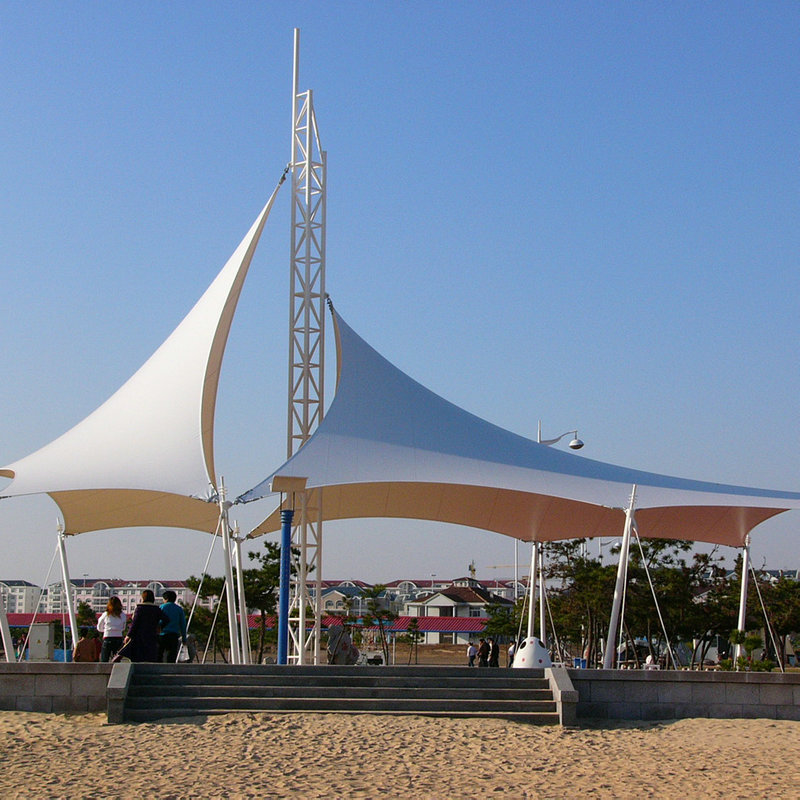
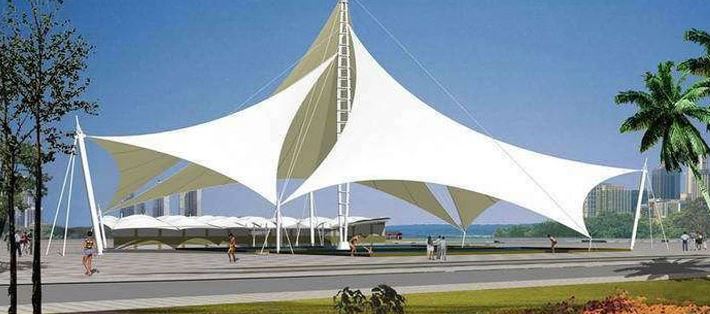
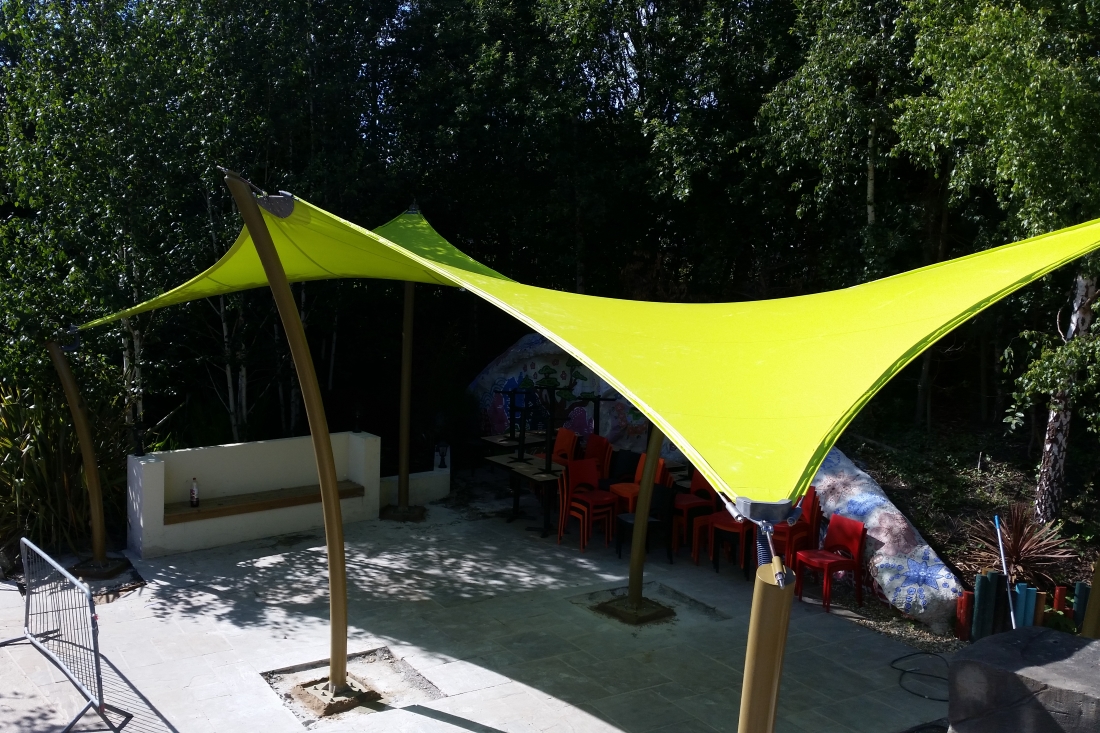
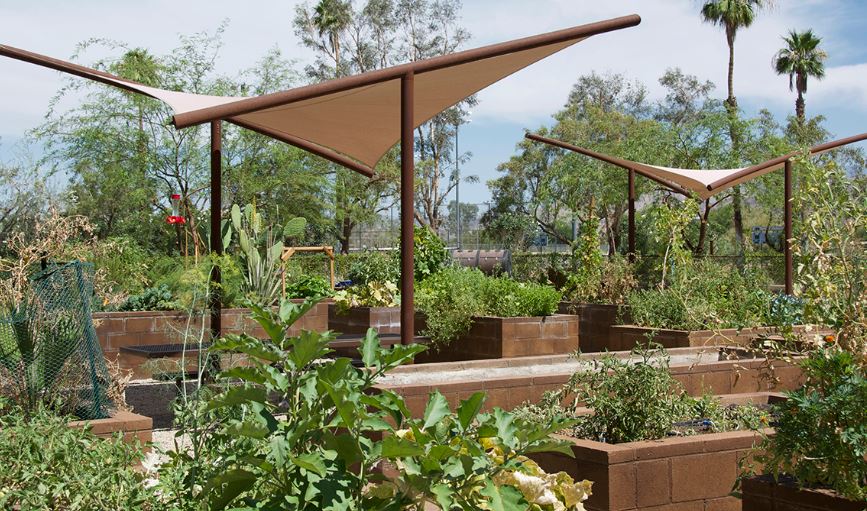
    Hyperbolic tensile sail canopies provide a cost effective and aesthetic method of providing roof shelter to a building.
    These can be single or double or a multiple depending on the size of surface to be roofed.

    The structure can be architect designed to be very simple so as to allow for lots of movement below.

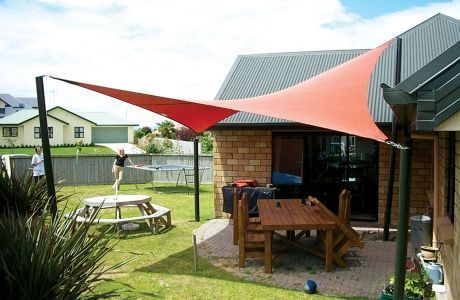
    These tensile hyperbolic sail canopy tents are very suitable for roofing the front and backyard of residential houses.

    Various architectural landscape designs and shapes can be done for the ground area to be roofed.

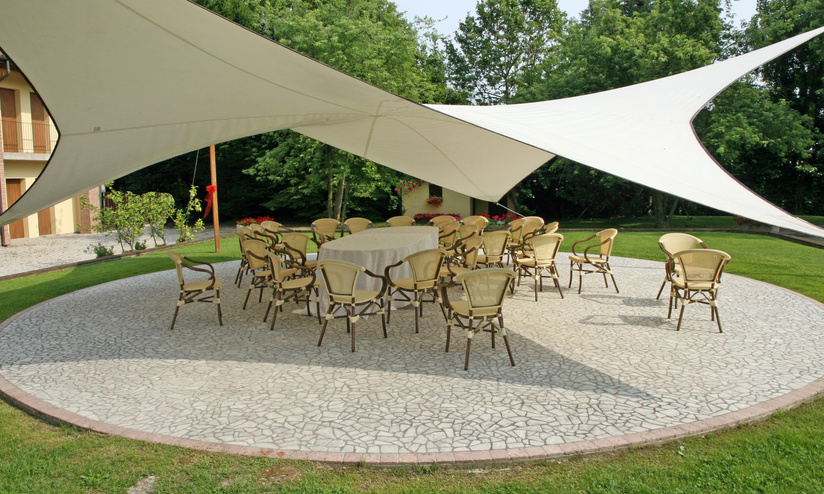
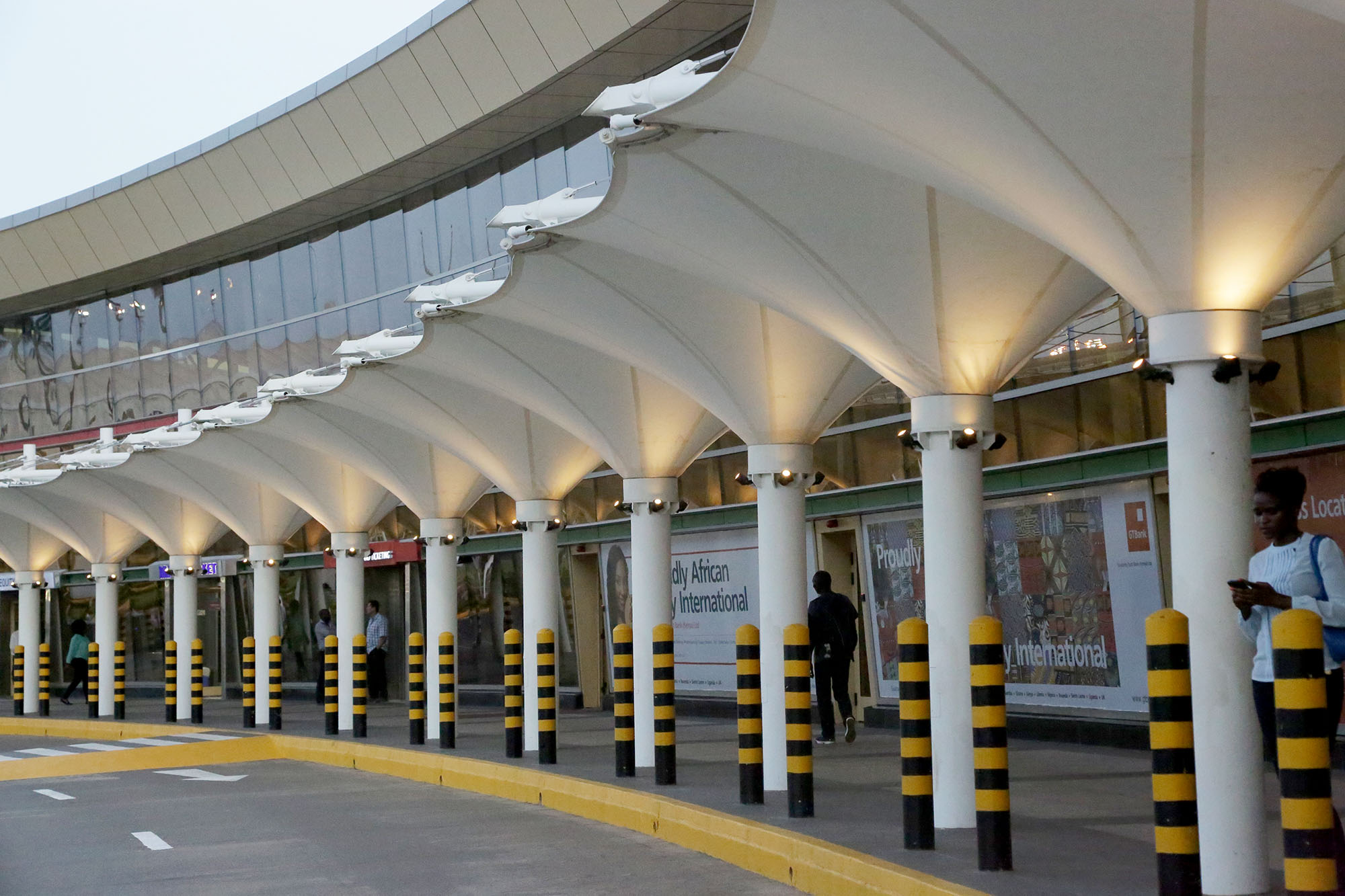
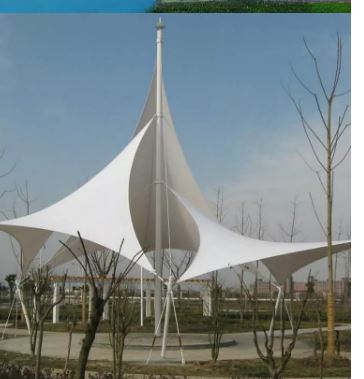
    The tensile canopies can be architect designed into various interesting shapes which provide alot of space to move around in the area covered especially when supported by just one steel structure as below.

    Jomo Kenyatta International Airport also has utilised similar shapes for their terminus.

    a4architect.com begins the process through architectural design so as to capture the architectural design that the client would like to achieve. Once this is done, the implementation part commences with construction till completion.

    Architect Francis Gichuhi Kamau.
    info@a4architect.com
    0721410684
  • Tensile fabric canopies and roofs, Kenya.

    Tensile fabric canopies and roofs have an advantage in that they are light weight, hence less materials are used to support them, ensuring cost savings.

    Tensile fabric roofs are also unique in architectural design, offering aesthetics that are good for attracting customers if its a business or ‘feel good’ achievement if its a personal residential house or office.

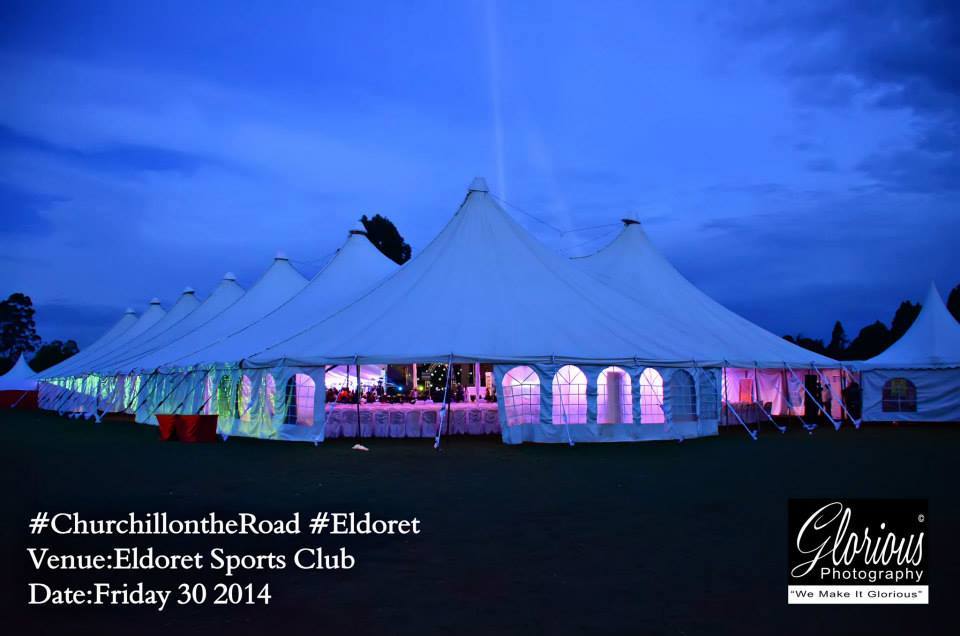
    Tensile fabric structures can also span and cover large surface areas, hence suitable for large buildings such as churches or malls.


    a4architect.com provides custom made bespoke designs for tensile fabric roofs and canopies that will fit within a particular client’s architectural requirements, budget and space. Structural design to ensure the tensile fabric tents withstand wind pressure is also included in the design.


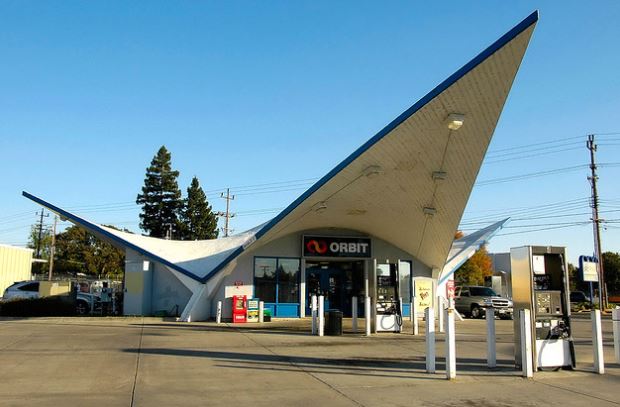
    Businesses such as petrol stations that need to stand out from the crowd are very suitable for use of the tensile fabric canopy roofs so as to attract more customers.

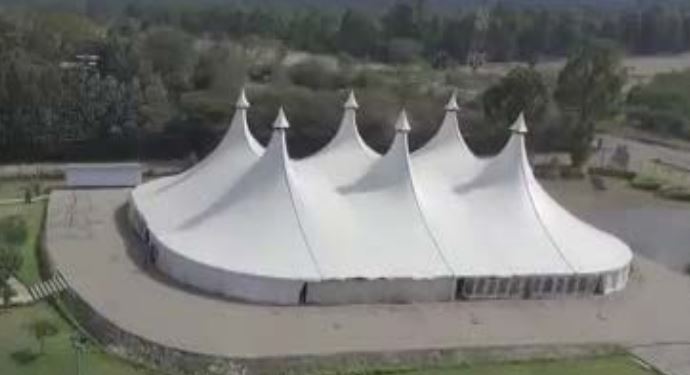
    Churches and social halls that are on leased lands and thus require frequent moving are also suitable for using this tensile fabric tent method.

    Nairobi Chapel along Ngong road has already utilized this method to house themselves.

    The popular Churchill show on TV also utilises these tensile tents due to their ability to house large numbers and be easily dismantled and assembled at different sites.

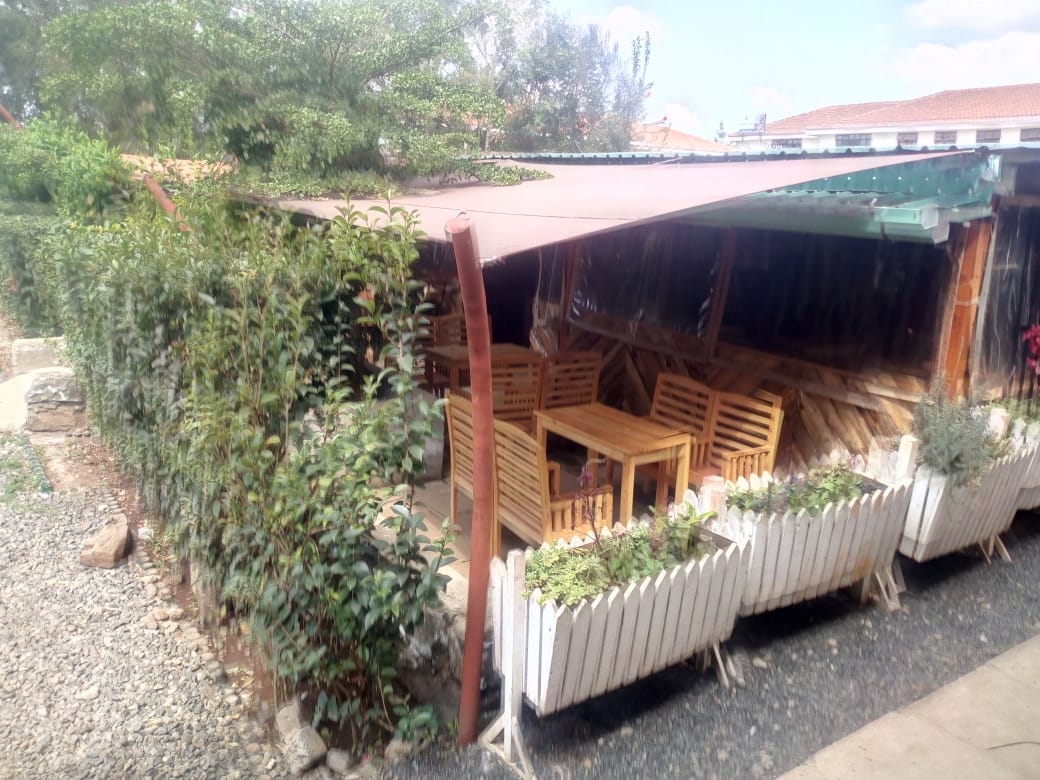
    Tensile fabric canopies are also a good way for covering outdoor sitting areas for restaurants.


    Contact info@a4architect.com 0721410684 for quotations , designs and installations.


  • Kinoo Housing Estate . Maisonettes for sale.

    Location.

    The estate is located close to the Magana Flowers overpass towards Westlands direction, around 17km to Nairobi CBD.

    [googlemaps https://www.google.com/maps/embed?pb=!1m18!1m12!1m3!1d710.8358672899295!2d36.682540413052834!3d-1.2476551309524289!2m3!1f0!2f0!3f0!3m2!1i1024!2i768!4f13.1!3m3!1m2!1s0x0%3A0x0!2zMcKwMTQnNTEuMiJTIDM2wrA0MCc1OS41IkU!5e1!3m2!1sen!2ske!4v1568009834792!5m2!1sen!2ske&w=600&h=450]


    The site is located 50 meters from Waiyaki way, providing ease of convenience to accessibility.

    Waiyaki way is being currently upgraded to cater for more traffic, meaning that the area will become more easily  accessible from any part of the city.

    Community.

    There are a total of 14 maisonette units, each with its own gate and compound.

    Architecture.

    Each maisonette has 4 bedrooms, 2 bedrooms in each floor. The ground floor is raised to provide car parking . The maisonette unit can accommodate 3 cars in its compound.

    The living room and kitchen are located in the 1st floor, with the 2nd and 3rd floor having 2 bedrooms each.

    The roof top has been architecturally designed to accommodate  for water storage tank, cloths hanging line and relaxing .

    Off Plan Sales.

    • 4bedroomed maisonette : kes 10.8m
    • Land only, including architectural drawings: kes 2.8m

    Self Build.

    Purchasers can buy the land then construct as per the architectural drawings at their own pace using their preferred financial methods. a4architect.com will then offer construction project management servises for the duration of the construction period.

    a4architect.com can also liaise and cordinate financing using pre selected Banks for the construction .

    Architect Francis Gichuhi Kamau.

    0721410684
    info@a4architect.com