Category: A4architect

a4architect posts

  • Striking the Perfect Balance: Aesthetics and Functionality in Hotel Architecture

    south house bnb hotel

    Creating a successful hotel experience depends on finding the right balance between aesthetics and functionality. While beautiful visuals can leave a lasting impression, a hotel that focuses too much on appearance at the expense of practicality may leave guests feeling frustrated. This article explores how A4 architect achieve this balance by designing south house hotel airbnb which is visually appealing while also meeting the needs of guests.”

    The design process starts with comprehending the target audience and the brand’s overall identity. For instance, a luxury hotel could use elegant materials and statement pieces, while a more budget-friendly option might prioritize clean lines and a minimalist look. Regardless of the style, it’s important to prioritize functionality. Layouts should be designed to optimize flow, ensuring that guests can navigate easily and enjoy the comfort of the spaces. Public areas such as lobbies should be spacious enough for socializing, while rooms should have adequate storage and workspace to cater to both business and leisure travelers.

    Choosing the right materials is very important. It’s vital to have beautiful visuals without compromising durability and easy maintenance. For high-traffic areas, it’s best to use stain-resistant fabrics and scratch-resistant surfaces. Integration of technology should be smooth, with user-friendly lighting controls and easy room-temperature adjustments to improve comfort. Also, the Strategic use of natural and artificial lighting creates a harmonious atmosphere to meet various needs. Task lighting illuminates work areas, while ambient lighting sets the mood for relaxation.

    Functionality goes beyond just looking good; it also plays a role in creating a unique atmosphere. Hotels in culturally significant locations may include local design elements to establish a connection with the surroundings. Additionally, incorporating biophilic design principles, such as natural materials and greenery, can help to create a rejuvenating environment.
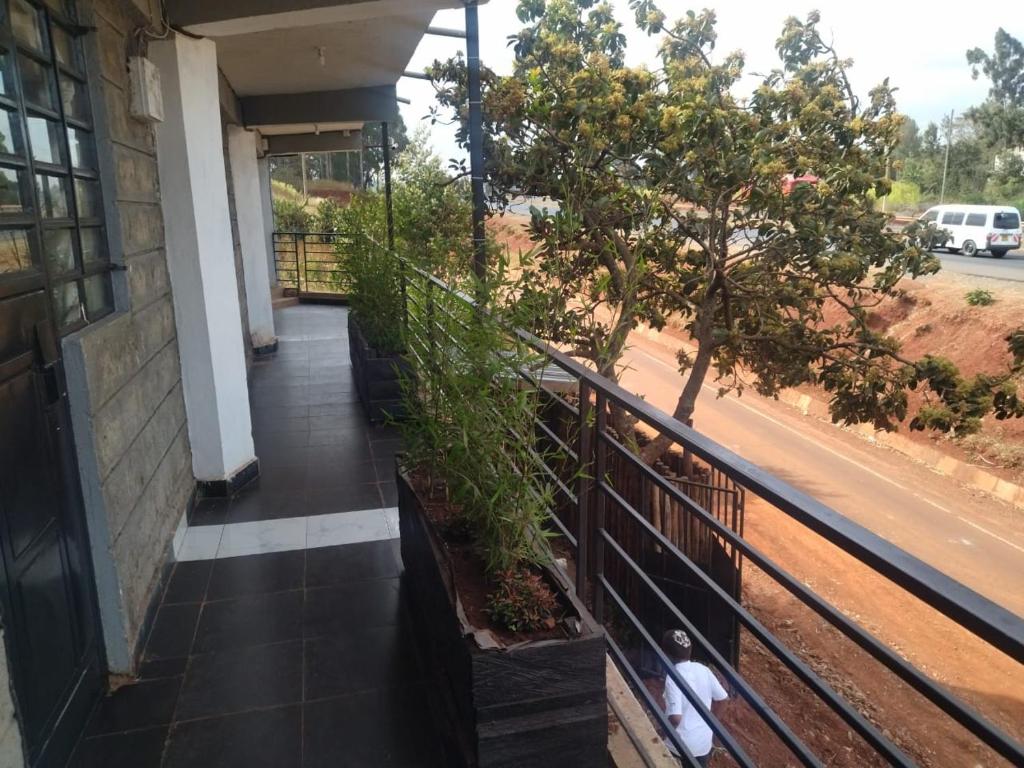
    Balancing aesthetics and functionality requires a constant dialogue between architects, designers, and hospitality professionals. The ultimate goal is to create a hotel that not only looks magnificent but also anticipates and fulfills the needs of its guests, leaving them with a truly memorable experience.

    A4ARCHITECT OFFICE,

    ALONG SOUTHERN BYPASS.

    SOUTH HOUSE HOTEL AIRBNB – 0721410684

  • A Modern Gazebo Design

    A gazebo is a freestanding, roofed structure found in parks, gardens, or spacious outdoor areas. They typically have open sides and offer a variety of purposes. Picture this: a tranquil escape in your backyard, a place to unwind and entertain surrounded by nature’s beauty. This design of a gazebo by A4Architect turned this vision into reality with a touch of classical elegance.a4architect

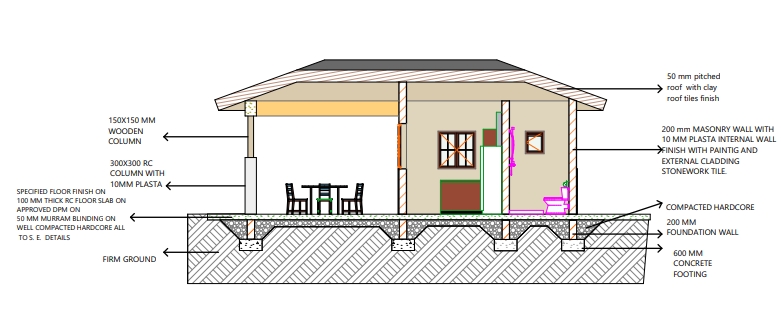
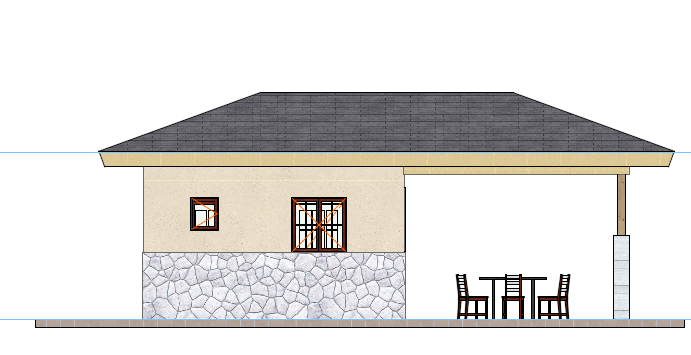
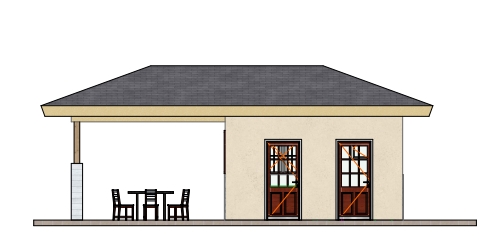
    The gazebo’s charm begins with its classical aesthetic. Think symmetrical lines and a pitched roof, reminiscent of grand European architecture. The sturdy wooden columns, with a diameter of 150 millimeters, provide a sense of strength and stability, while the stonework cladding on select columns and exterior walls adds a touch of grandeur. This interplay of materials offers warmth and a natural feel.

    But aesthetics are just the beginning. A4Architect has thoughtfully incorporated functionality into the design. As you enter, a designated outdoor dining area unfolds before you, perfect for alfresco meals under the open sky. Whether it’s a cozy breakfast for two or a lively dinner party, this space promises unforgettable gatherings. And for added convenience, the design seamlessly integrates a kitchenette, allowing you to whip up culinary delights without ever having to leave your sanctuary.

    Tucked away discreetly within the gazebo’s structure is a fully functional washroom, ensuring comfort and practicality during your outdoor soirees. The architect hasn’t skimped on materials either. The gazebo sits on a secure concrete foundation, ensuring its stability for years to come. A layer of compact hardcore provides a solid base for the floor, guaranteeing a level and durable surface. This meticulous attention to detail ensures your enjoyment of the space for years to come.

    Detail of the Material Used For the Construction of the Gazebo Structure

    1.  Foundation

    Concrete: The gazebo sits on a reinforced concrete slab supported by a strip foundation. Concrete is a durable and long-lasting material that can withstand the weight of the structure and the elements. It’s a commonly used material for foundations due to its ability to distribute weight evenly and resist cracking.

    2.  Walls

    Stonework cladding: The exterior walls of the gazebo are made of stonework cladding. this blends seamlessly with the surrounding landscape. This choice elevates the entire design, adding a layer of texture, visual interest, and undeniable charm.

    Masonry wall: The heart of the wall lies in a stone masonry wall. This traditional technique utilizes individual stones, meticulously selected and arranged, to create a strong and durable structure. Atop the stone masonry core sits a 10 mm layer of plaster. This thin coat acts as a smooth and even surface, providing a perfect canvas for the final decorative layer. The final layer is a coat of paint. This allows for complete design customization

    3.  Columns

    Wooden columns: The gazebo’s columns are made of wood with a diameter of 150 millimeters. Wooden columns add a touch of warmth and classic elegance to the design. As with the wooden cladding, the specific type of wood used is Cedar which is a good option due to its durability and weather resistance.

    Stonework columns: The 200 x 200 x 1200 rectangular columns at the front of the gazebo are cladded with stonework. Stone cladding adds a touch of sophistication and grandeur to the gazebo’s entrance. The type of stone used is limestone, known for its durability and aesthetic appeal.

    4.  Other materials

    Compact hardcore: The floor plan also shows a section labeled “compact hardcore, which is a layer of crushed stone used as a base for the floor. This provides a stable and level surface for the floor structure to be built upon.

    In conclusion

    With its blend of classical charm, modern functionality, and high-quality materials, this gazebo design is more than just a structure; it’s an extension of your living space, a place to create memories that will last a lifetime. So, if you’re looking to add a touch of sophistication and functionality to your outdoor space, then reach out to A4Architet to get an inspiring gazebo design. With their meticulous attention to detail and commitment to creating a haven for relaxation and enjoyment, this captivating design by A4Architects is sure to leave a lasting impression.

    A4ARCHITECT OFFICE,

    ALONG SOUTHERN BYPASS.

    SOUTH HOUSE HOTEL AIRBNB – 0721410684
  • The Blue Round House Design “Sky Ring”

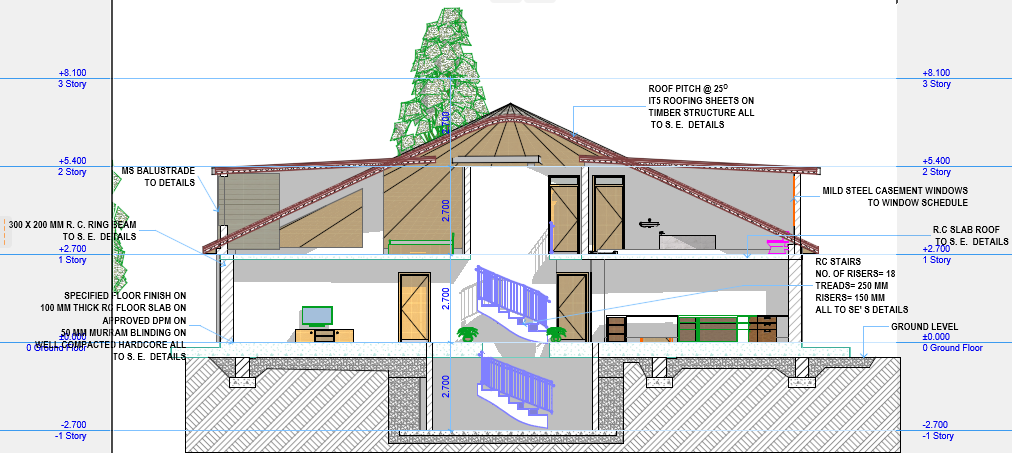
    Architectural plans offer a fascinating glimpse into the soul of a building, revealing the materials and methods used to bring the vision to life. This article delves into a section of a house designed by A4 architect, dissecting the key materials chosen and exploring their roles in shaping the space.

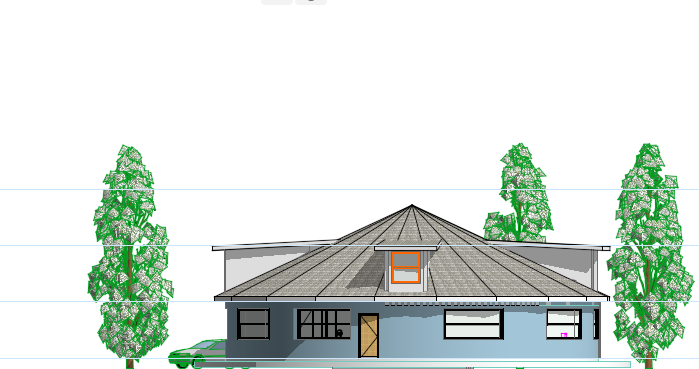
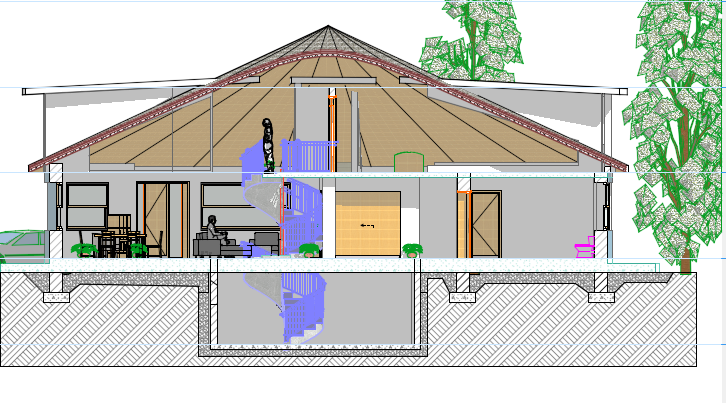
    This two-story house  is a design project by A4 Architect. The house is situated in a rural area in Nyahururu, surrounded by trees. The house has 3 bedrooms, two on the ground floor and one on the first floor. There is also a basement and an open kitchen area.

    A Material Look In the Section of The House

    By analyzing the materials used in this house section, we gain valuable insight into the design philosophy of A4 architect. The combination of concrete for strength and stability, steel for a modern touch, and timber for warmth reflects a thoughtful and balanced approach.

    Foundation

    The foundation of the house is built upon a well-compacted layer of hardcore, providing a solid base. A damp-proof membrane (DPM) sits atop the hardcore, creating a barrier against moisture ingress. Following this comes a 50mm thick blinding.

    The main structural element of the floor is a 100mm thick concrete slab. Concrete is an excellent choice for floor slabs due to its strength, fire resistance, and ability to span large distances. Atop this slab, the chosen floor finish would be specified elsewhere in the complete drawings.

    Moving upwards, the section reveals a reinforced concrete (R.C.) ring beam. Ring beams are horizontal bands of concrete that encircle the structure, providing additional strength and stability, particularly in areas where walls meet or where there are openings like windows and doors.

    Steel Accents: Lightness and Modernity

    The design incorporates steel elements for a touch of modern elegance. The windows are made from mild steel casement windows, offering a sleek and contemporary look. Steel windows are known for their strength, durability, and slim profiles, allowing for maximum natural light penetration.

    The section also depicts a mild steel (MS) balustrade. Balustrades are railings that provide safety along walkways or staircases. MS is a popular choice for balustrades due to its affordability, strength, and versatility. Steel can be painted to match the overall aesthetic of the house. The house has a spiral staircase that leads to the bedroom.

    Roof structure

    A key element within the section is the timber structure for the roof. Timber brings a sense of warmth and natural beauty to the space. It’s lightweight, readily available, and offers good thermal insulation properties.

    The section reveals the use of IT5 roofing sheets for insulation. Insulation plays a crucial role in maintaining comfortable temperatures within the house by minimizing heat transfer. IT5 sheets could be a specific brand of insulating material, often made from rigid foam or fiberglass.

    In conclusion

    This exploration of an A4 architect house section highlights the importance of materials in shaping the built environment. Each material choice contributes to the structural integrity, functionality, and aesthetic appeal of the building. By understanding how architects utilize materials, we gain a deeper appreciation for the creative process and the final form that emerges.

    A4ARCHITECT OFFICE ALONG SOUTHERN BYPASS.

    SOUTH HOUSE HOTEL AIRBNB – 0721410684
  • Pipes Used In Construction

    Pipes play a critical role in construction by transporting essential fluids and materials. From the concrete foundation to the highest floor, a network of pipes ensures the proper functioning of a structure. These pipes come in various types, each suited for specific purposes.

    In hotels, a well-designed piping system is invisible to guests but crucial for their comfort and safety. Pipes deliver clean water to showers, sinks, and laundry facilities. They remove wastewater and ensure proper ventilation. Additionally, climate control systems rely on pipes to circulate hot and cold water, keeping guests comfortable year-round. Fire safety systems also utilize pipes to transport water or suppressants in case of emergencies.

    Types of Pipes Used In Construction

    There are many different types of pipes used in construction, each with its own advantages and disadvantages. The most common types of pipes include:

    1.  Plastic Pipe

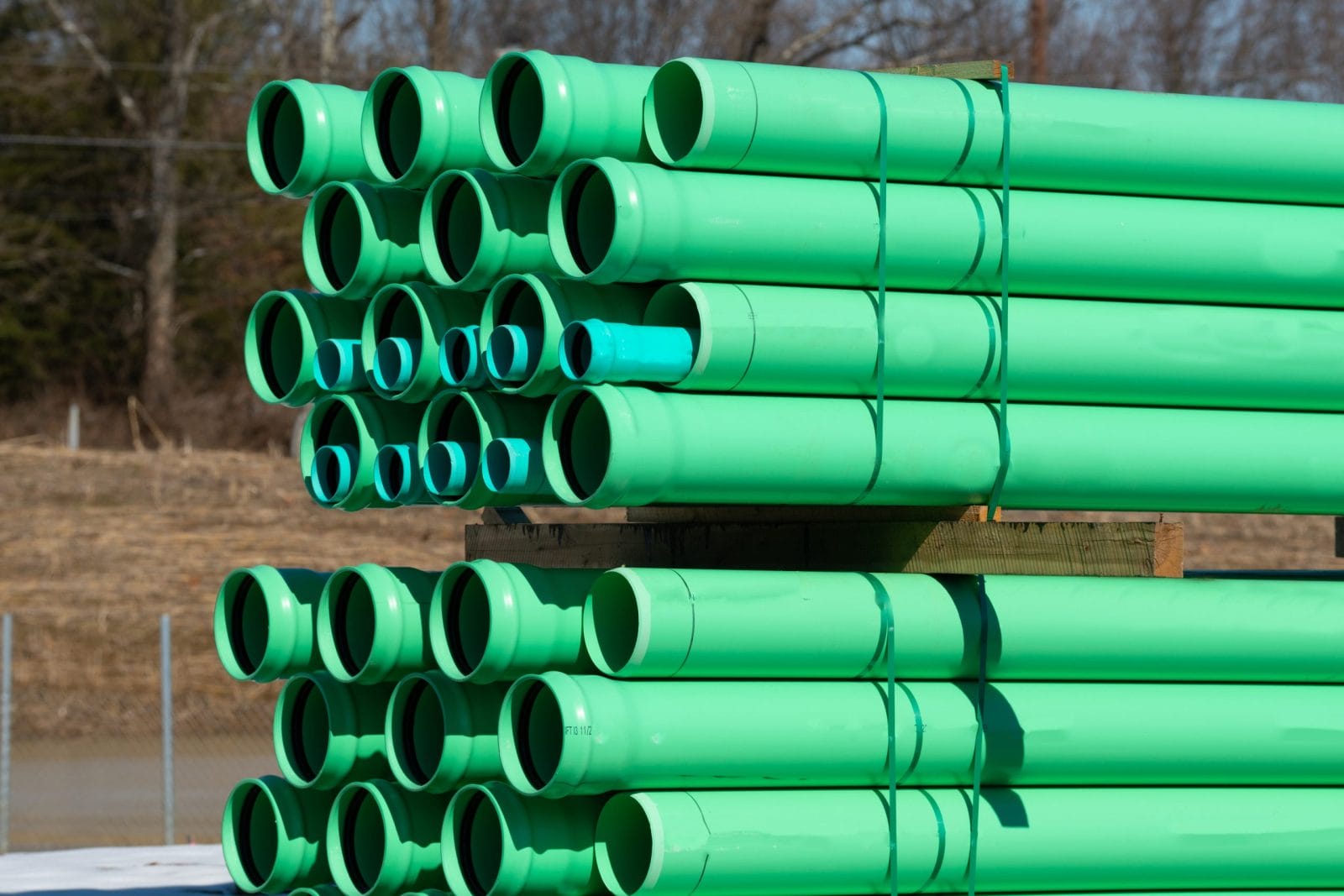
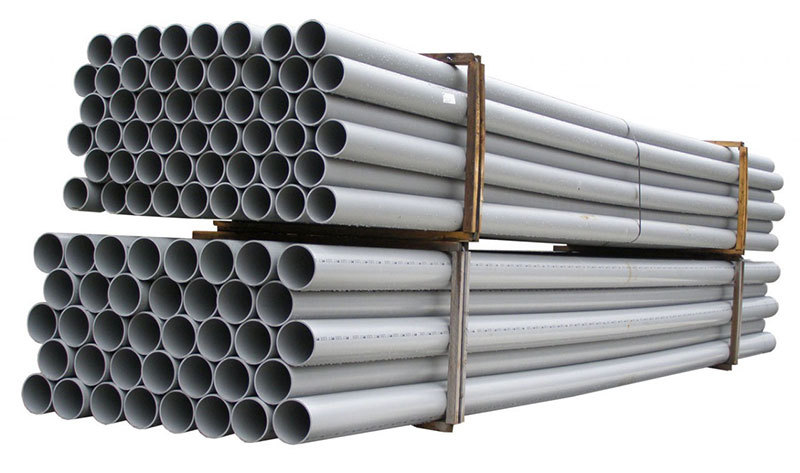
    • Polyvinyl chloride (PVC) pipes are the most common type of plastic pipe used in construction. They are inexpensive, lightweight, and easy to install. PVC pipes are used for a variety of applications, including cold water supply, drainage, and electrical conduit.
    • Chlorinated polyvinyl chloride (CPVC) pipes are a type of PVC pipe that can withstand higher temperatures than standard PVC pipes. CPVC pipes are used for hot water supply.
    • Polyethylene (PE) pipes are another type of plastic pipe that is becoming increasingly popular in construction. PE pipes are flexible, durable, and resistant to corrosion. PE pipes are used for a variety of applications, including water supply, gas distribution, and sewer lines.

    2.  Metal pipes

    https://www.a4architect.com/south-house-airbnb/
    south house airbnb hotel
    • Galvanized steel pipes are a type of steel pipe that has been coated with zinc to prevent corrosion. Galvanized steel pipes were once the most common type of pipe used in construction, but they are now being replaced by plastic pipes in many applications. Galvanized steel pipes are still used for some applications, such as hot water supply and gas distribution.
    • Cast iron pipes are a type of pipe that is made from iron. Cast iron pipes are strong and durable, but they are also heavy and expensive. Cast iron pipes are used for a variety of applications, including sewer lines, drain lines, and vent pipes.

    3.  Concrete pipes

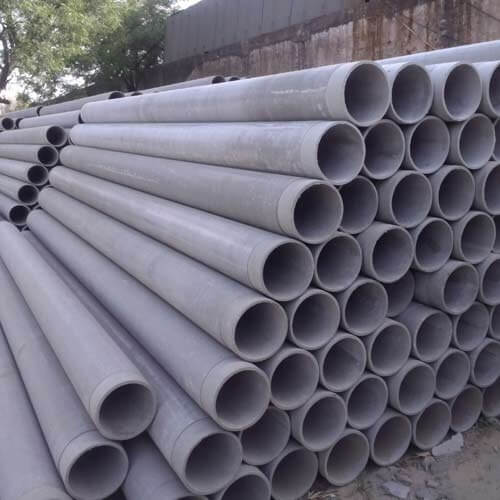
    Concrete pipes are a type of pipe that is made from concrete. Concrete pipes are strong and durable, and they can be made to very large diameters. Concrete pipes are used for a variety of applications, including storm drains, sewers, and culverts.

    Uses of pipes in construction

    The main purpose of pipes in construction is to transport fluids and materials. These fluids can be:

    • Liquids: This is the most common use, carrying water, sewage, oils, and other liquids.
    • Gases: Pipes transport natural gas, propane, and other gas-based utilities.
    • Slurries: Mixtures of liquids and solids like concrete can be moved through pipes.
    • Solids: In some cases, even small solid materials like pellets or grains can be transported through pipes.

    Besides transporting fluids, pipes also have other purposes in construction:

    • Structural support: Pipes can be used as support structures for buildings, fences, and other constructions. Scaffolding uses pipes to create temporary platforms for workers.
    • Conduits: Electrical wires and cables are often routed through pipes for protection and organization.
    • Decorative elements: Pipes can be used creatively in architectural design for railings, furniture, and other visual features.

    PVC Pipes in Construction

    PVC, or Polyvinyl Chloride, pipes are a popular and versatile material widely used in construction projects.

    Types of PVC Pipes

    PVC (Schedule 40): The most common type, used for cold water supply, drainage, and electrical conduit due to its affordability and pressure rating.

    CPVC (Chlorinated Polyvinyl Chloride): Can withstand higher temperatures than standard PVC, making it suitable for hot water supply lines.

    PVC Conduit: Specifically designed for electrical applications, with flame retardant properties to protect wires.

    Applications of PVC Pipes in Construction:

    • Plumbing Systems: PVC is the go-to material for cold water supply lines, drain lines, vent pipes, and even some hot water lines (using CPVC).
    • Electrical Systems: PVC conduit protects electrical wires from damage and ensures proper organization within walls and ceilings.
    • Drainage Systems: PVC pipes are ideal for drainage applications due to their smooth interior and resistance to corrosion.
    • Underground Utilities: PVC’s durability makes it suitable for buried applications like sewer lines and electrical conduits (with proper protection).
    • Irrigation Systems: PVC pipes efficiently transport water in irrigation systems for lawns and gardens.
    • Swimming Pool Systems: PVC pipes are used for plumbing lines and filtration systems in swimming pools.

    Things to Consider When Using PVC Pipes:

    • Pressure Rating: Choose the appropriate PVC schedule (pipe thickness) based on the pressure requirements of the application.
    • Temperature Rating: Standard PVC is not suitable for very hot water. Use CPVC for hot water applications.
    • Chemical Compatibility: While PVC is resistant to many chemicals, ensure compatibility with the substances it will carry.
    • Sunlight Exposure: Direct sunlight exposure can degrade PVC over time. Use UV-resistant PVC or protect it from sunlight for exposed applications.

    In conclusion, the hidden world of pipes within the construction industry is the backbone of functionality and comfort in any building. From the mighty steel pipes supporting the South House Airbnb Hotel to the intricate plastic networks delivering water and removing waste, each type of pipe plays a specific and crucial role. Understanding these different pipe types and their applications is essential for ensuring the safety, hygiene, and overall success of any construction project.


    A4ARCHITECT OFFICE ALONG SOUTHERN BYPASS.

    SOUTH HOUSE HOTEL AIRBNB – 0721410684
     

  • Metal Railings Used In Hotel Construction

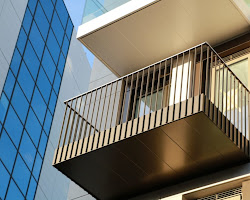
    Railings are horizontal or vertical barriers installed along edges to prevent falls and provide support. You’ll find them along stairs, balconies, walkways, and other elevated surfaces. They play a crucial role in ensuring safety, especially for young children and elderly people who may have trouble balancing. Additionally, railings can enhance the aesthetics of a building for instance the railing used in south house Airbnb hotel has boosted the beauty of the place and define spaces, separating different areas visually.

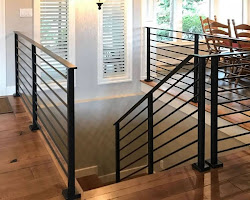
    When it comes to railings in construction, the top contenders are steel, aluminum, and wood. Steel reigns supreme for its strength, durability, and affordability, with variations like vertical bars for balconies and horizontal bars for added stair support.

    Types of Railing Used In Hotel Construction

    • Wood railings: These railings offer a warm, natural aesthetic and are popular in residential settings. They are suitable for stairs, balconies, and decks in homes. However, wood requires regular maintenance to withstand weather and wear.
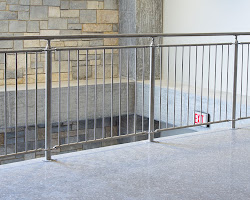
    • Metal railings: Encompassing various metals like wrought iron, aluminum, and stainless steel, metal railings offer durability and a range of styles.
    • Glass railing: Glass railings are modern marvels made from tempered or laminated glass for safety. While sleek and contemporary, they might require extra safety measures for children and pets, and regular cleaning to stay sparkling clear.

    Metal Railings

    1.   Wrought Iron Railings:

    Material: Wrought iron is a low-carbon steel known for its malleability. Skilled artisans traditionally shape it using heat and hammering, creating intricate and decorative designs.

    Aesthetics: Wrought iron railings exude elegance and a timeless charm. Ornate scrolls, flowers, and geometric patterns are common features, making them a perfect choice for historic buildings, grand entrances, and balconies with a touch of sophistication.

    Drawbacks: Wrought iron requires the most maintenance compared to other metals. Regular painting is essential to prevent rust, and the intricate designs can trap dirt and debris. Additionally, custom-made wrought iron railings are the most expensive option.

    2.   Aluminum Railings

    Material: Lightweight and corrosion-resistant, aluminum is a popular choice for modern railings. It can be easily fabricated into various shapes and styles.

    Aesthetics: Aluminum offers a clean and contemporary look. It can be left in its natural mill finish, painted in a variety of colors, or powder-coated for a more durable and textured finish.

    Drawbacks: While strong, aluminum is not as sturdy as steel and can dent or bend under heavy impact. Compared to wrought iron and stainless steel, it might appear less luxurious.

    3.   Stainless Steel Railings

    Material: Stainless steel is an alloy of steel with chromium, offering exceptional corrosion resistance and a high strength-to-weight ratio. It comes in various finishes, including brushed, polished, and satin.

    Drawbacks: Stainless steel can be more expensive than aluminum, and the polished finish can show fingerprints easily. Additionally, some lower-grade stainless steels can still be susceptible to rust in extreme environments.

    Types of Steel Railing

    Vertical bar railings: This is a classic and secure type of railing that is often used in fences and around balconies. The vertical bars can be made from solid steel or hollow tubes, and they are typically spaced a few inches apart. The size of the bars will vary depending on the application, but they are typically between 1/2 inch and 1 inch in diameter.

    Horizontal bar railings: This type of railing is similar to vertical bar railings, but the bars are horizontal. They are often used on stairs or ramps to provide additional support. Horizontal bar railings typically have a larger diameter than vertical bar railings, as they need to be strong enough to support people’s weight.

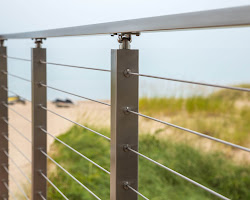
    Cable railings: Cable railings are a modern option that provides a clean and unobstructed view. They consist of thin steel cables that are stretched between posts. Cable railings are typically used in decks and balconies, but they can also be used in other applications. The size of the cables will vary depending on the application, but they are typically between 1/8 inch and 1/4 inch in diameter.SOUTH HOUSE BNB

    Picket railings: Picket railings are a decorative option that can be used to add a touch of style to a home or business. They consist of vertical bars that are topped with decorative elements, such as scrolls or finials. Picket railings can be made from solid steel or hollow tubes, and they come in a variety of sizes and styles.

    south house airbnb

    A4ARCHITECT OFFICE ALONG SOUTHERN BYPASS.

    SOUTH HOUSE HOTEL AIRBNB – 0721410684

  • Reinforcing Bar (Rebar) Used In the Construction Industry

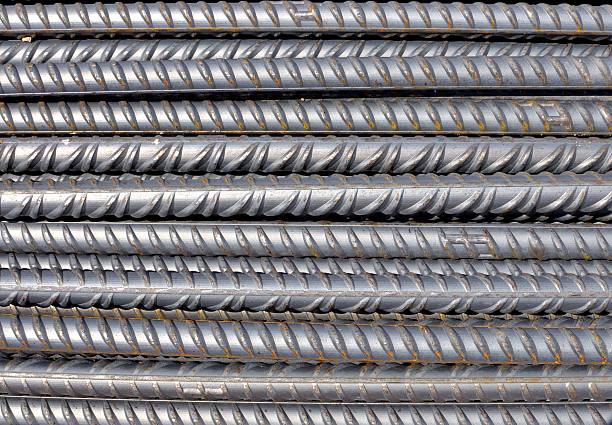
    A rebar is a steel bar used to reinforce concrete and masonry structures. Concrete is strong in compression (pushing forces) but weak in tension (pulling forces). Rebar makes up for this weakness by strengthening concrete.

    The South House Airbnb uses 16-diameter rebars. This is a common, strong type of rebar ideal for concrete reinforcement in two-story buildings. Steel rebar strengthens the concrete foundations, walls, beams, and columns. It helps the building handle its own weight, and wind forces, and resist cracking from movement. While the exact size and placement depend on the building’s specific plans, steel rebar is crucial for the Airbnb’s structural integrity and safety.

    What Are The Types Of Rebar?

    Rebar comes in various forms, each with its strengths and applications. Here’s a closer look at the four main types classified according to the material used.

    1.  Carbon Steel Rebar (Black Rebar)

    south house air bnb
    • Material: The most common and economical type, made from carbon steel.
    • Properties: Readily available, strong in tension, and offers a good mechanical bond with concrete due to its ribbed surface.
    • Applications: Widely used in foundations, slabs, beams, columns, walls, and general concrete reinforcement applications where corrosion resistance isn’t a major concern.
    • Drawback: Susceptible to corrosion in wet or salty environments, which can lead to concrete cracking and structural weakening.

    2.   Epoxy-Coated Rebar (Green Rebar

    • Material: Carbon steel rebar with a protective epoxy resin coating.
    • Properties: Offers superior corrosion resistance compared to black rebar. The epoxy coating acts as a barrier against moisture and chloride ions that can trigger rust.
    • Applications: Ideal for concrete structures exposed to water, chlorides (near saltwater), or de-icing chemicals (roads).
    • Drawback: Slightly more expensive than black rebar. The epoxy coating can be damaged during handling or welding, so care is needed during construction.

    3.  Galvanized Rebar

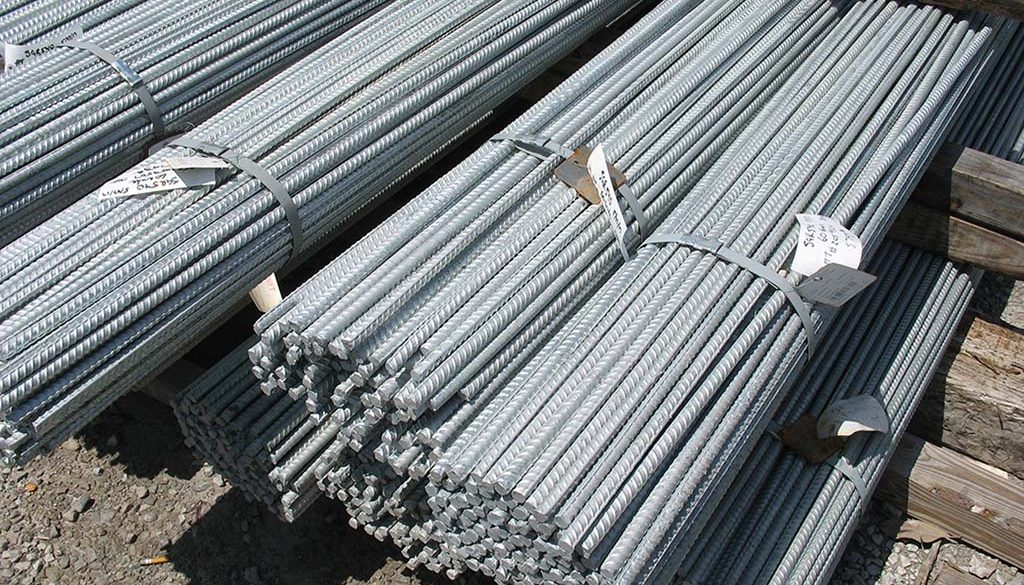
    • Material: Carbon steel rebar with a zinc coating applied through a hot-dip galvanizing process.
    • Properties: Offers moderate corrosion resistance compared to black rebar. Zinc coating provides some protection against moisture and oxygen.
    • Applications: Suitable for moderately corrosive environments where black rebar isn’t ideal but epoxy-coated isn’t necessary. Can be used in some marine environments or exterior applications.
    • Drawback: Less corrosion-resistant than epoxy-coated rebar. The zinc coating can be more susceptible to mechanical damage compared to epoxy.

    4.  Stainless Steel Rebar

    • Material: Made from high-chromium steel, offering excellent corrosion resistance.
    • Properties: Highly durable, strong, and virtually immune to corrosion.
    • Applications: Used in highly corrosive environments, such as chemical plants, marine structures, or seawalls. Can also be used for architectural applications where aesthetics are important.
    • Drawbacks: The most expensive type of rebar. Its high strength may not always be necessary for typical construction projects.

    Where Is Rebar Placed?

    1.  Foundations

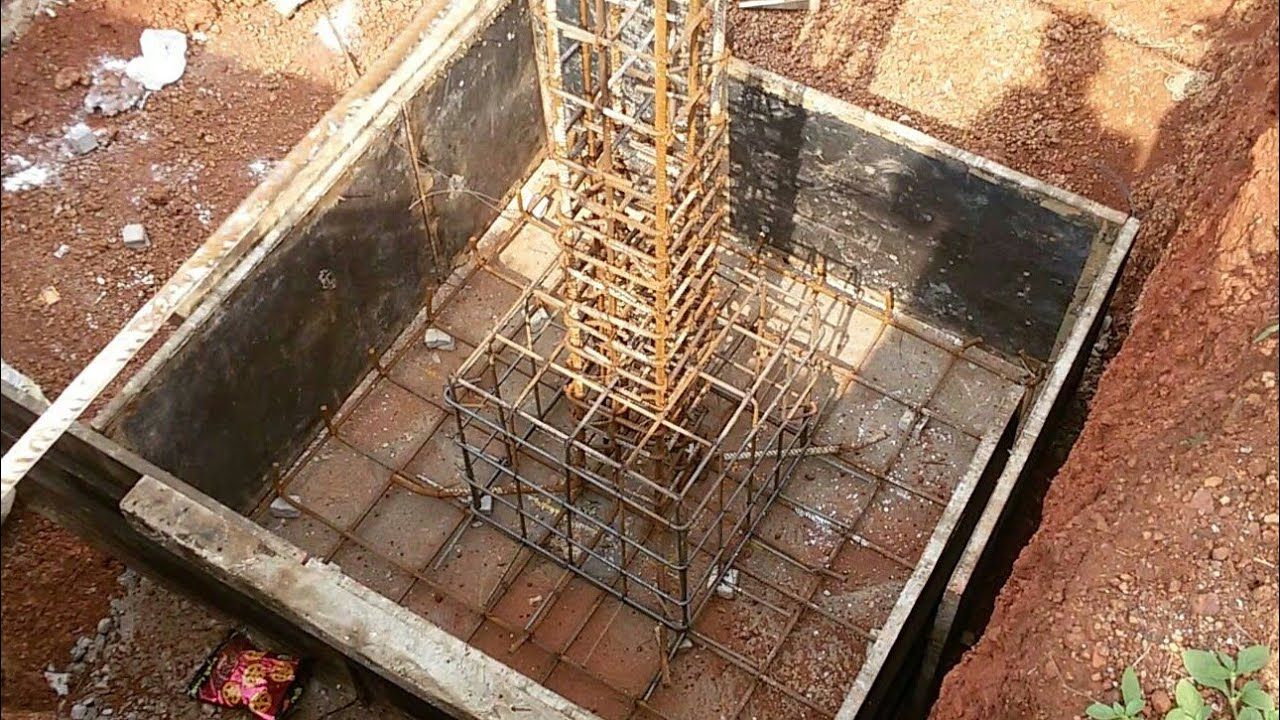
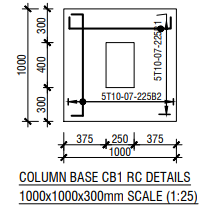
    • Footings: The base of the structure, rebar strengthens concrete footings that distribute the building’s weight evenly onto the ground. A network of rebar in the footing helps resist cracking and ensures the foundation can handle the load.

      south house air bnb
    • Slabs: Concrete slabs for basements, floors, or driveways utilize rebar to improve their load-bearing capacity and prevent cracking. The rebar is typically placed in a grid pattern within the concrete slab.

    2.  Walls

    • Retaining walls: Hold back soil or pressure from uneven terrain. Rebar reinforcement within the concrete strengthens the wall against the earth’s pushing forces, preventing bowing or collapse.
    • Shear walls: Designed to resist lateral forces from wind or earthquakes. Rebar within these walls helps them absorb and distribute these forces, improving the building’s overall stability.
    • Basement walls: Rebar reinforces concrete basement walls to withstand hydrostatic pressure from surrounding soil and water.

    3.  Beams and Columns

    • Beams: Horizontal elements that support loads from floors, roofs, or ceilings. The rebar is placed strategically within the concrete beam to resist bending and deflection under the weight it carries. The rebar’s placement and amount depend on the beam size and span.
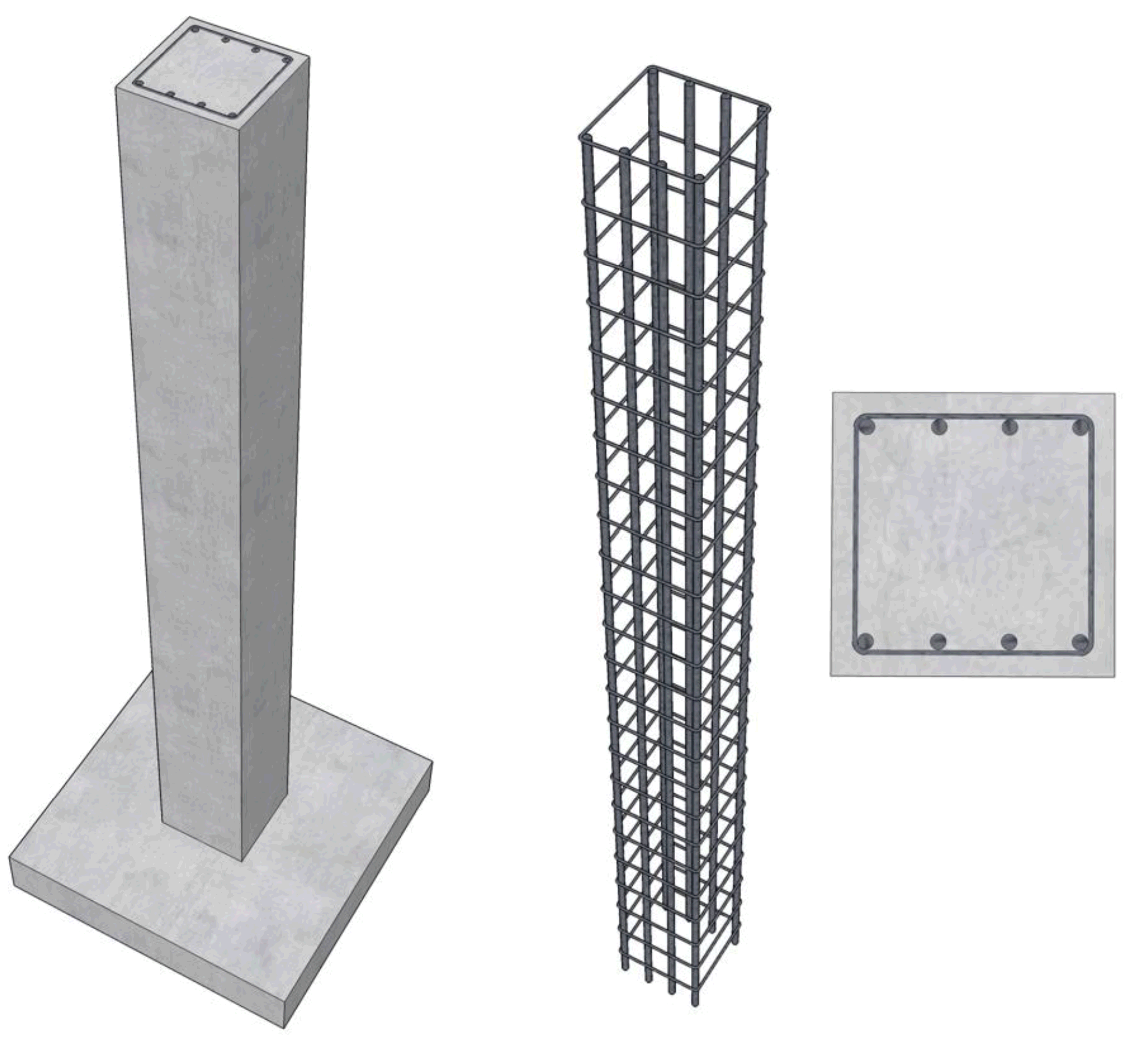
    • Columns: Vertical elements that transfer loads from beams or upper floors to the foundation. Rebar within concrete columns strengthens them to handle the compressive forces acting downwards. The rebar is typically arranged in vertical bars along the column’s height, tied together with horizontal hoops for additional confinement.

    Factors Influencing the Choice of Rebar

    The choice of rebar size depends on several factors:

    • Structural loads: The amount of weight or force the concrete element needs to bear. Thicker rebars are used for heavier loads.
    • Spacing requirements: Building codes specify minimum distances between rebars for proper concrete placement and bond.
    • Congestion: In tightly spaced areas, using smaller rebars might be necessary to avoid overcrowding the concrete section.


    A4ARCHITECT OFFICE ALONG SOUTHERN BYPASS

    SOUTH HOUSE HOTEL AIRBNB – 0721410684
  • Planters for Hotel Rooftop Transformation

    South House Airbnb has taken a sustainable approach to its rooftop oasis, creating a charming rustic ambiance while being eco-friendly. Instead of filling the space with generic planters, they’ve gotten creative! Upcycled containers and reused items have been transformed into planters, adding a unique touch and reducing waste.

    Think old paint cans or funky mugs given a new lease on life, bursting with colorful blooms. This echoes a trend in the construction industry itself, where repurposing and upcycling materials is becoming increasingly popular. It reduces environmental impact and adds a touch of personality – a win-win!

    But it’s not all about recycling. Beautiful wooden planters bring warmth and a rustic charm to the rooftop. The rich texture of the wood contrasting with the vibrant greenery, creates a relaxed and inviting atmosphere. This approach is similar to how some hotels are incorporating natural elements into their design for a sense of connection with the outdoors.

    What Are the Types of Planters Used For Indoor and Outdoor Greenery

    There are many types of planters available, each with its advantages and disadvantages. The best type of planter for you will depend on the type of plant you are growing, the climate you live in, and your personal style. Here are some of the most common types of planters:

    1.  Plastic Planters

    Plastic planters are the most common type of planter. They are lightweight, affordable, and come in a wide variety of sizes and colors. However, plastic planters can be susceptible to cracking in cold weather and can break if they are dropped. They also tend to not breathe as well as other materials, which can lead to root rot.

    2.  Terracotta and Ceramic Planters

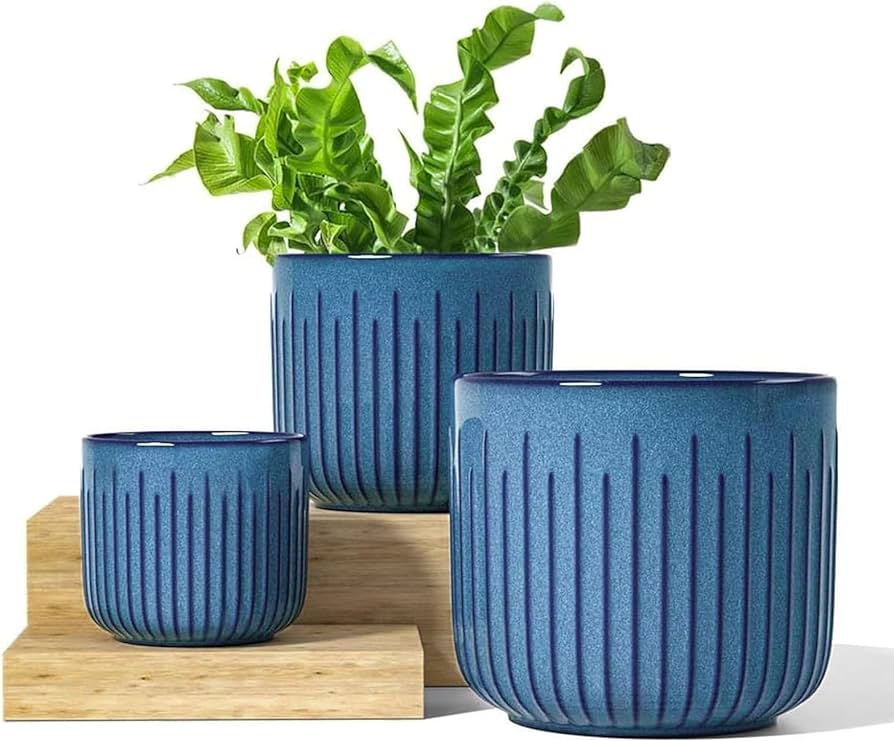
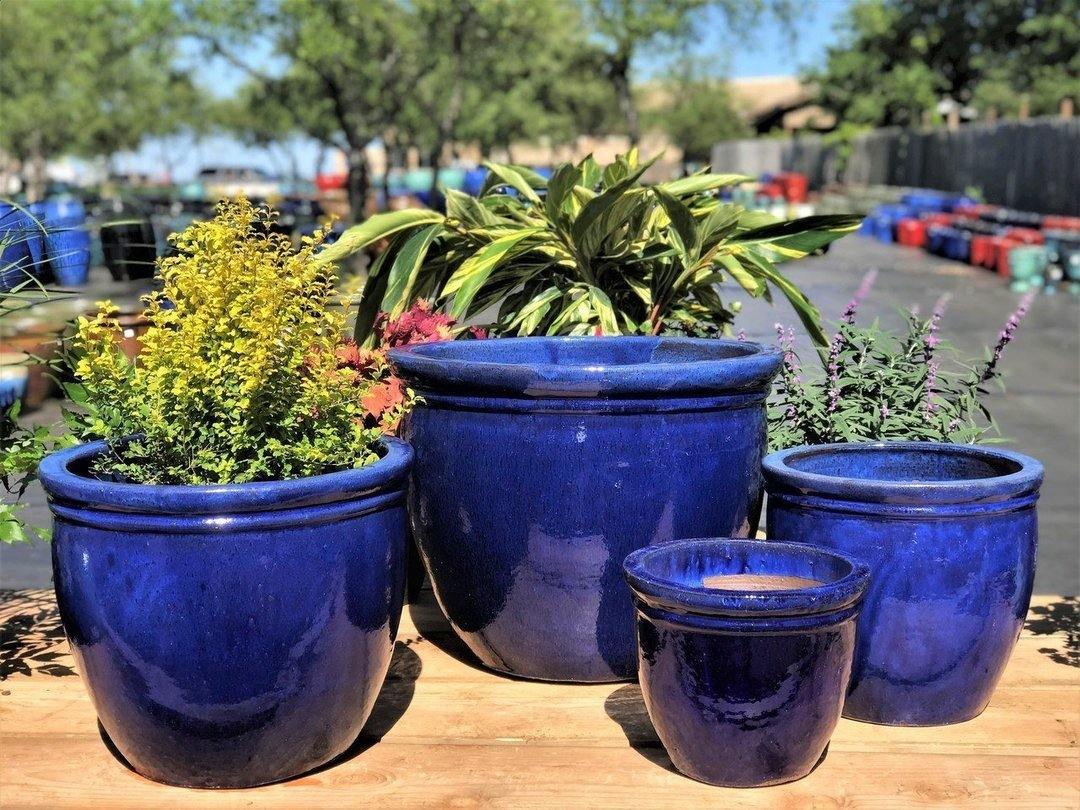
    Terracotta and ceramic planters are made from clay. They are heavy, durable, and come in a variety of styles. Terracotta planters are porous, which allows them to breathe well and helps to prevent root rot. However, terracotta planters can also dry out quickly, so you will need to water your plants more often. Glazed ceramic planters are not porous, so they will retain moisture more than terracotta planters.

    3.  Concrete Planters

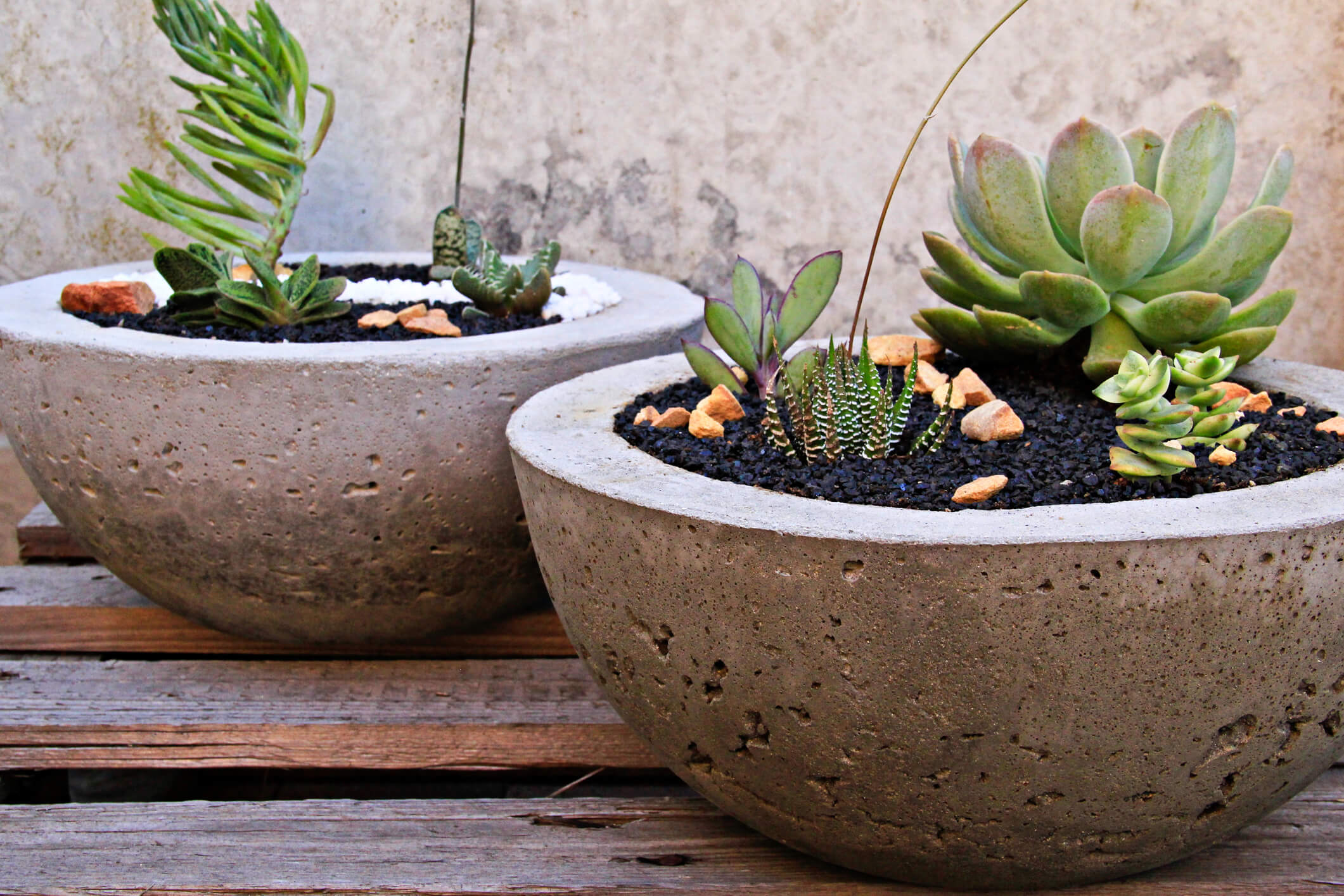
    Concrete planters are similar to terracotta planters in that they are heavy, durable, and come in a variety of styles. However, concrete planters are even heavier than terracotta planters, so they may not be a good choice for all locations. Concrete planters can also be expensive.

    4.  Metal Planters

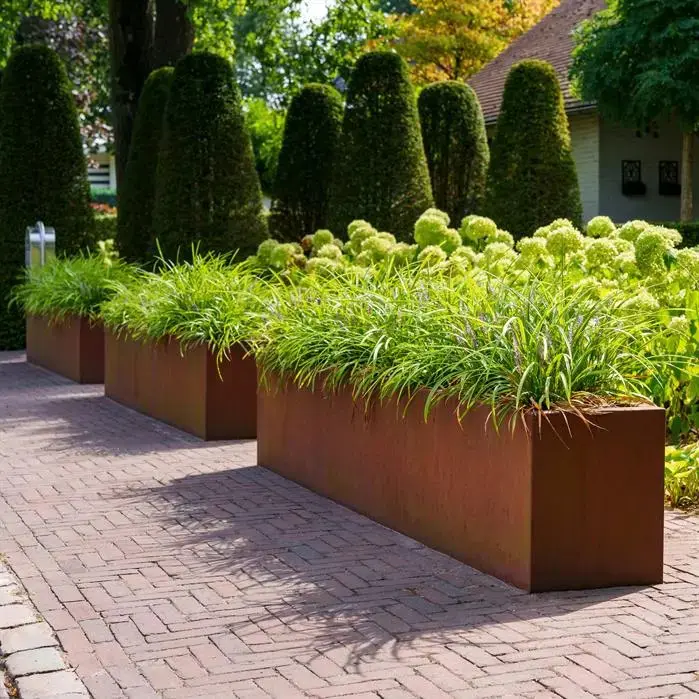
    Metal planters can add a stylish touch to your home or garden. However, metal planters can heat up in the sun, which can damage the roots of your plants. They can also rust over time.

    5.  Wooden Planters

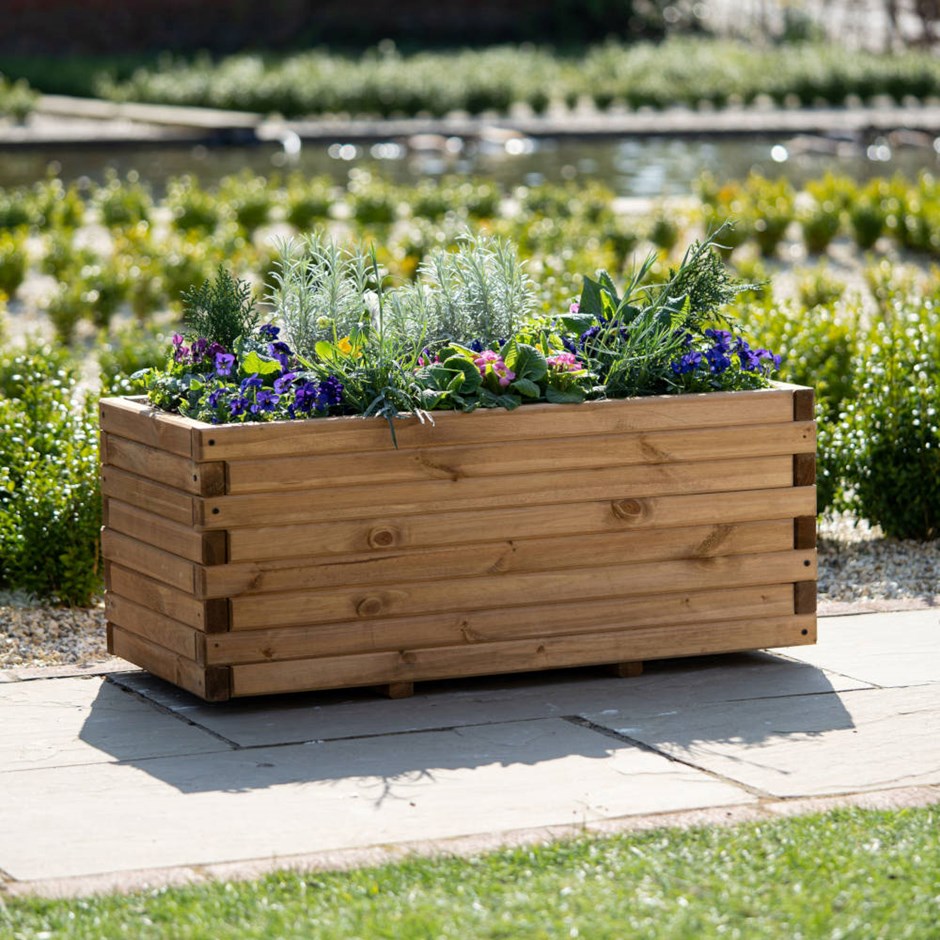
    Wooden planters can add a natural look to your home or garden. However, wooden planters can rot over time, especially if they are not properly sealed. They can also be heavy and expensive.

    6.  Hanging Baskets

    south house airbnb

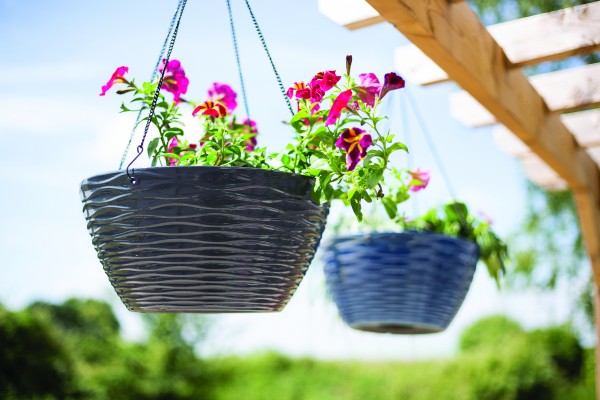
    Hanging baskets are a great way to add plants to your porch, patio, or deck. They come in a variety of sizes and styles. However, hanging baskets can dry out quickly, so you will need to water your plants more often.

    7.  Self-Watering Planters

    Self-watering planters have a reservoir that holds water for your plants. This can be a great option for people who forget to water their plants regularly. However, self-watering planters can be more expensive than traditional planters.

    Can You Improvise Your Own Planters?

    There is no need to rush out and buy a planter! With a little creativity, you can craft unique planters from everyday household items. Here are some ideas to get you started:

    • Recycled containers: Plastic bottles, milk jugs, and even tin cans can be transformed into planters. Just ensure proper drainage by poking holes in the bottom. You can paint them or decorate them with fabric scraps for a personalized touch.
    • Kitchenware: Old mugs, teacups, or even colanders can become charming little planters. Coffee mugs are perfect for herbs or succulents, while a colander with drainage holes already built-in is ideal for hanging plants.
    • Shoes and boots: Breathe new life into old boots or shoes by turning them into quirky planters. Line them with plastic to prevent leaks and create drainage holes. This is a fun option for displaying trailing plants or herbs.
    • Fabric pockets: Upcycle old clothes or fabric scraps by sewing them into hanging pockets. Use a waterproof liner if needed and plant herbs or small flowers that thrive in vertical spaces.
    • Natural materials: Hollowed-out logs or coconuts can make rustic and interesting planters. Just ensure proper drainage and remember these may dry out faster so adjust watering accordingly.

    Conclusion

    South House Airbnb’s rooftop exemplifies how sustainability can go hand-in-hand with style. By using recycled and reused containers alongside wooden planters, they’ve created a space that’s not only good for the environment but also boasts a unique and inviting aesthetic – a refreshing change from the typical hotel rooftop experience.

    A4ARCHITECT OFFICE ALONG SOUTHERN BYPASS.

    SOUTH HOUSE HOTEL AIRBNB – 0721410684
  • Potted plants

    potted plants

    In the construction industry; balconies, rooftops, and even pocket gardens are becoming more than just architectural features. They’re blank canvases waiting to be adorned with the artistry of potted plants. Lush greenery softens the stark lines of concrete, creating inviting outdoor spaces for residents to relax and connect with nature. This connection with nature, even in a limited space, can significantly improve well-being and create a sense of community within a building.

    Hotels, more so Airbnb, have taken the art of urban living to new heights! Their rooftop garden isn’t just a space to relax – it’s a vibrant green oasis. Imagine sinking into a comfy seat surrounded by planters overflowing with diverse flora. Breathe in the fresh air, soak up the sunshine, and let the calming energy of nature wash over you – all within the stylish confines of South House.

    These planters can be crafted from silky oak timber to boast a rustic charm that complements the urban landscape. For instance, take planters that measure 1400mm by 400mm and strategically position them along the rooftop railing, creating a natural barrier while offering stunning views. The planters offer ample space for a vibrant display of greenery. Also, charming cans and buckets can be repurposed into planters to add a touch of whimsy, their mismatched nature further enhancing the relaxed atmosphere.

    Potted plants used for rooftop greenery

    1.  Bamboo in a planter

    potted plants

    While some bamboo species are invasive, certain clumping varieties are perfect for container growing. These bamboos typically have a maximum height of 3-10 feet and won’t spread aggressively. Choose a pot with good drainage holes and use a high-quality potting mix. Water regularly, especially during hot weather, and fertilize monthly during the growing season. Here are some clumping bamboos that do well in pots:

    • Golden Bamboo (Phyllostachys aurea): This popular variety features golden yellow culms (stalks).
    • Buddha Belly Bamboo (Bambusa ventricosa): This unique bamboo has a bulging midsection on its culms.
    • Fountain Bamboo (Bambusa multiplex): This graceful variety has cascading culms with arching branches.

    2.  Butterfly Palm (Dypsis lutescens)

    This elegant palm tree is known for its fronds that resemble butterfly wings. It prefers partial shade and moist soil.

    3.  Pine trees

    These are evergreen coniferous trees that can be grown in pots. However, they are typically not well-suited for container growth in the long term. This is because they have large root systems that can eventually outgrow the pot. If you are interested in growing a pine tree in a pot, choose a dwarf variety and repot it regularly. There are many different species of pine trees, which include:

    • Scotch pine (Pinus sylvestris)
    • Loblolly pine (Pinus taeda)
    • White pine (Pinus strobus)

    4.  Arborvitae (Thuja)

    This is a genus of evergreen coniferous trees that are native to North America and Asia. They are commonly used in landscaping for hedges and screens. Arborvitae have scale-like leaves that are arranged in sprays. They come in a variety of sizes, from dwarf varieties that can be grown in pots to large trees that can grow over 50 feet tall.

    5.  Spider plant (Chlorophytum comosum)

    south house Airbnb

    It’s a popular houseplant known for its ease of care and ability to thrive in a variety of lighting conditions. They prefer bright, indirect sunlight but can also survive in low light. They need to be watered regularly, but the soil should not be soggy. Spider plants have long, slender leaves that cascade over the edge of the pot. The leaves are typically green, but some varieties have variegated leaves with white or cream edges.

    6.  Potted Alternanthera dentate

    Also commonly called ‘Little Ruby’ due to the deep reddish-purple color of its foliage. It has a compact, mounding growth habit and typically grows to about 8-12 inches tall. It does well in full sun to partial shade and prefers moist soil. Alternanthera dentata is a popular choice for container plantings and borders due to its vibrant foliage and low-maintenance care requirements. It can also be used as a ground cover in warmer climates.

    South House Airbnb offers a chance to reconnect with nature in the heart of the city. Imagine yourself relaxing in a comfy seat, surrounded by the gentle rustling of leaves and the vibrant colors of the rooftop garden. Breathe in the fresh air and let the stress of everyday life melt away.

    A4ARCHITECTS OFFICE ALONG SOUTHERN BYPASS

    SOUTH HOUSE HOTEL AIRBNB – 0721410684