“He who works with his hands is a laborer;
He who works with his hands and his brain is an Artisan;
He who works with his hands, his brains and his heart is an Artist.”
Author: A4KENYA
-
St Francis of Assisi Sayings.
-
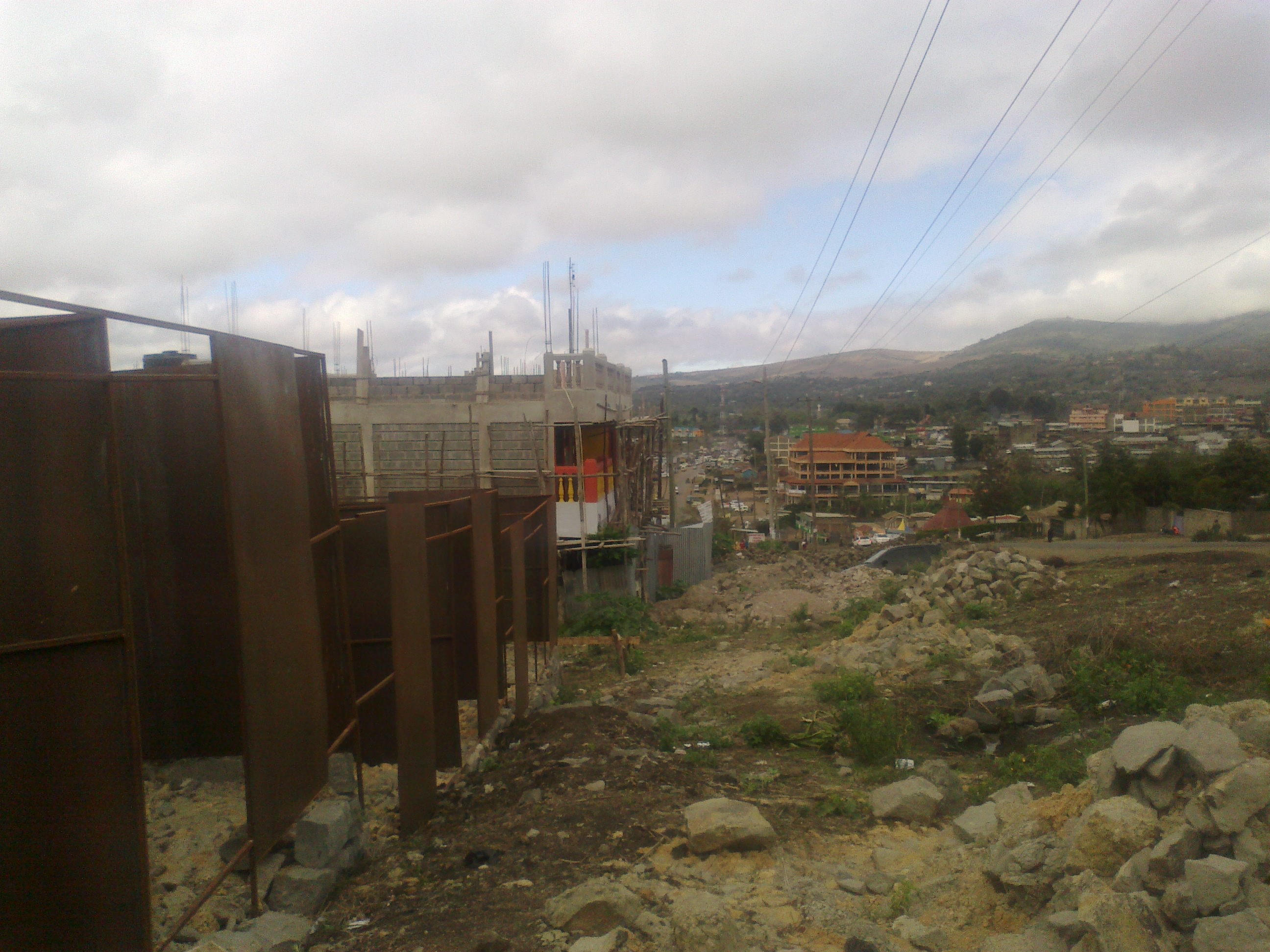
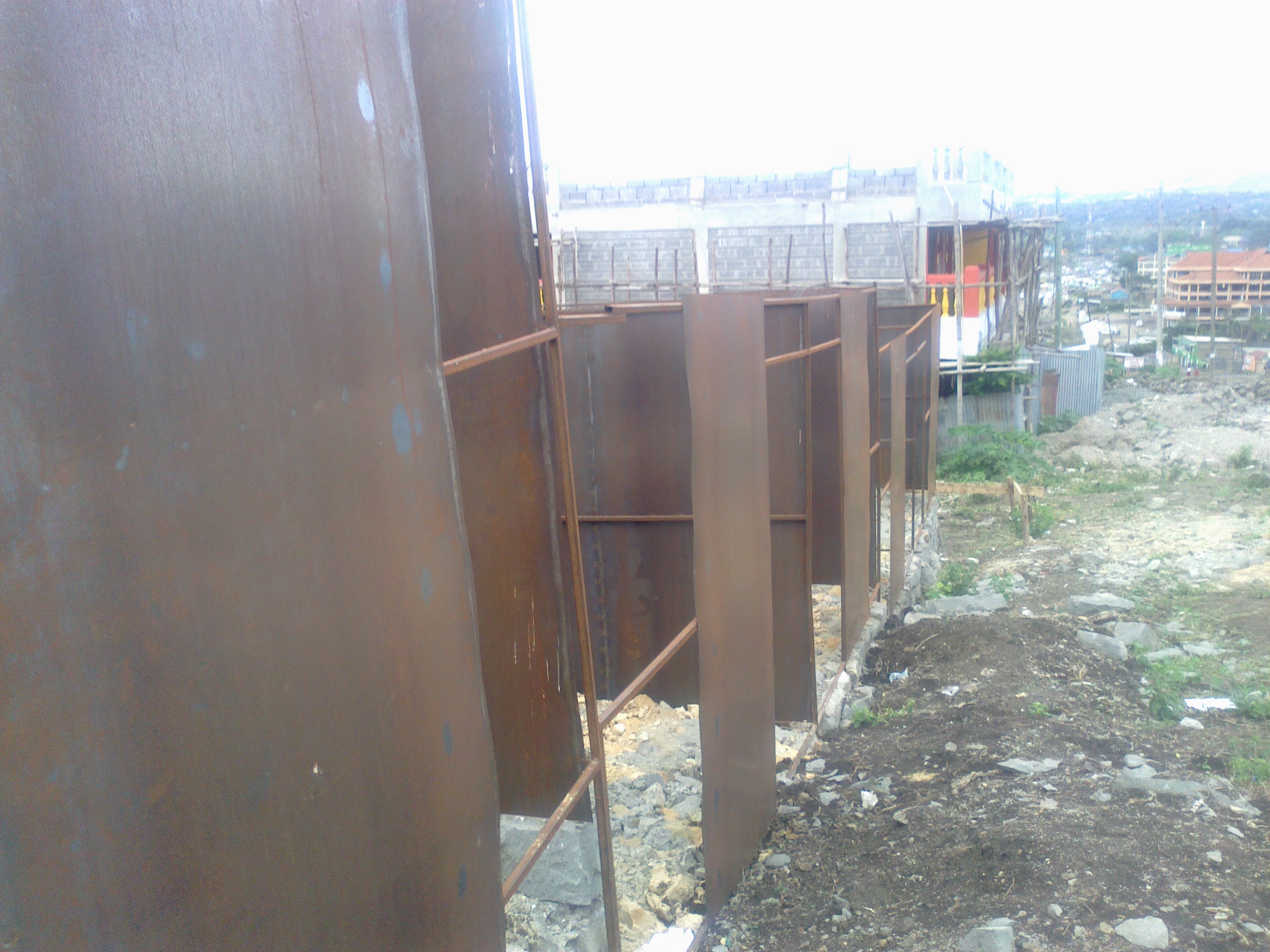
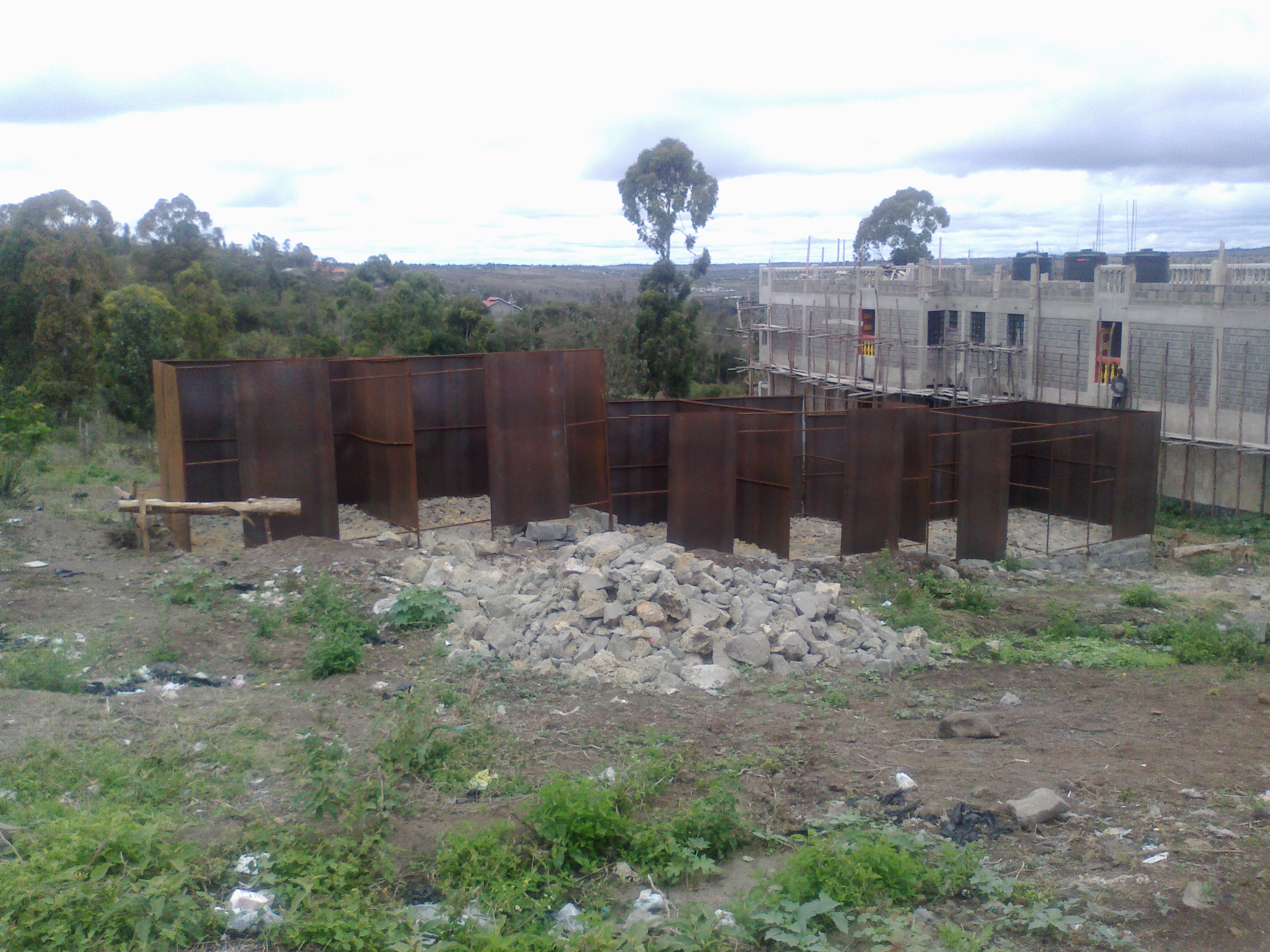
Comparison of cost of walling of Earthbag vs Iron sheets vs Hand dressed stone vs Machine cut stone in Kenya.
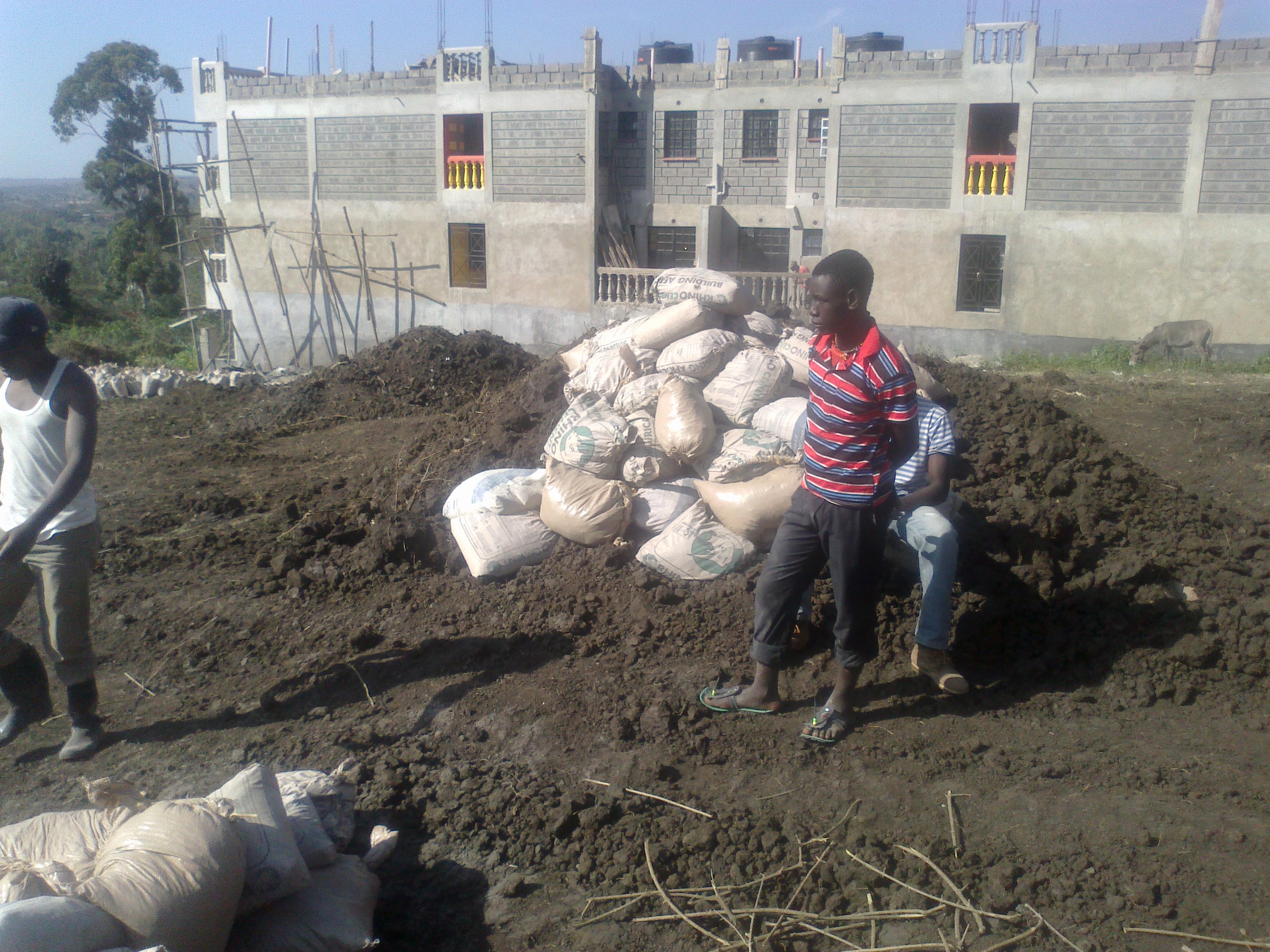
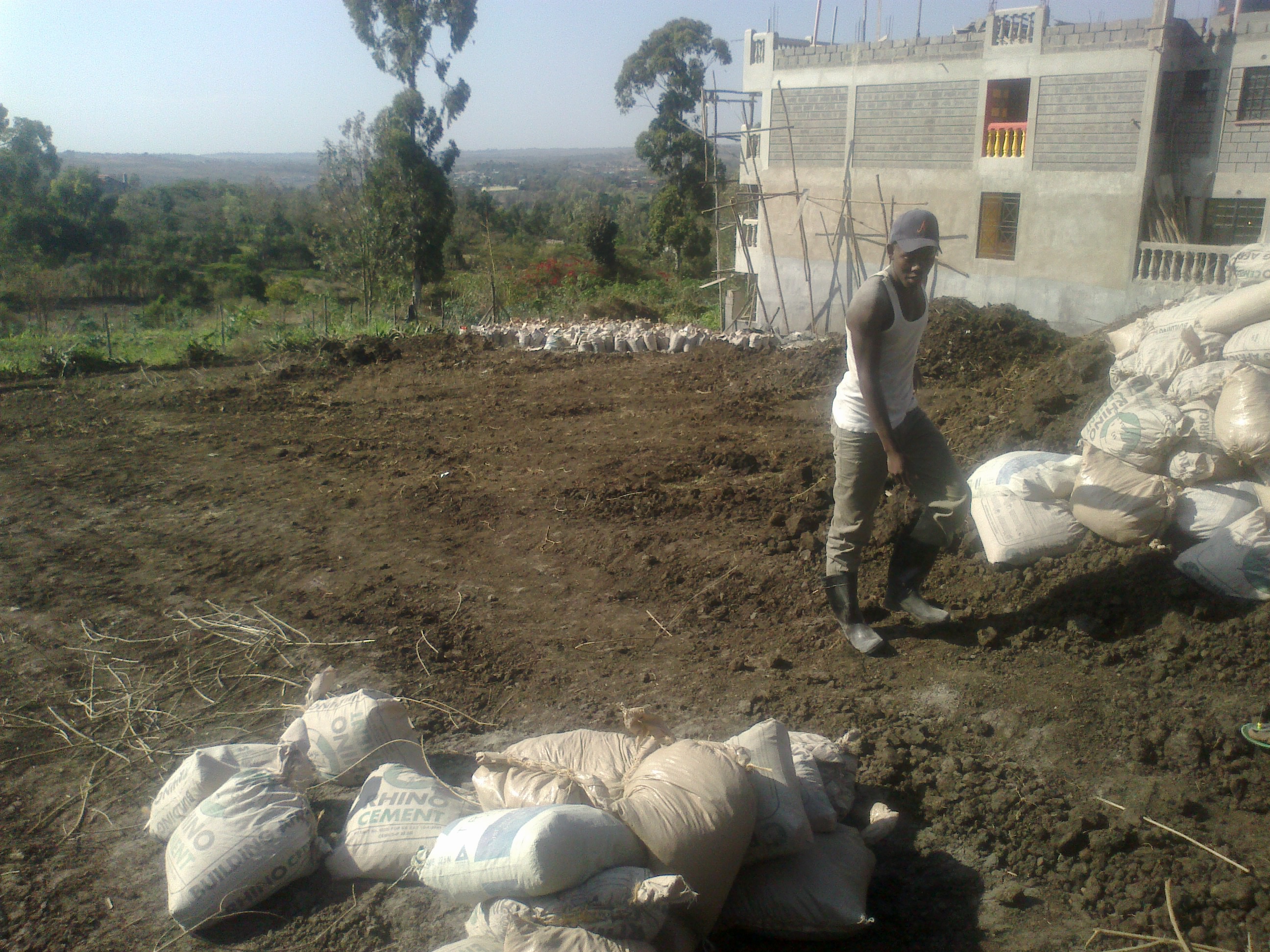
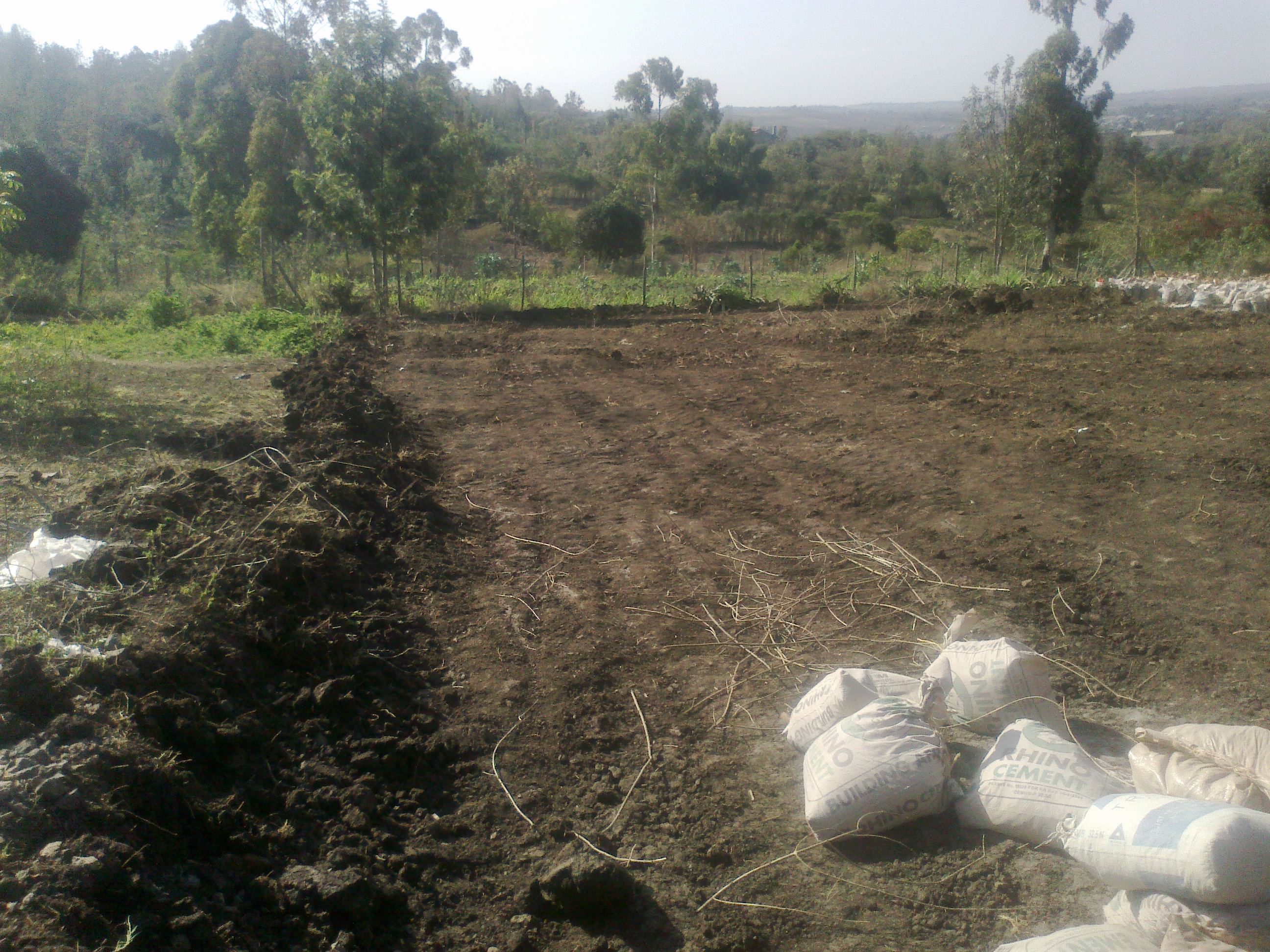
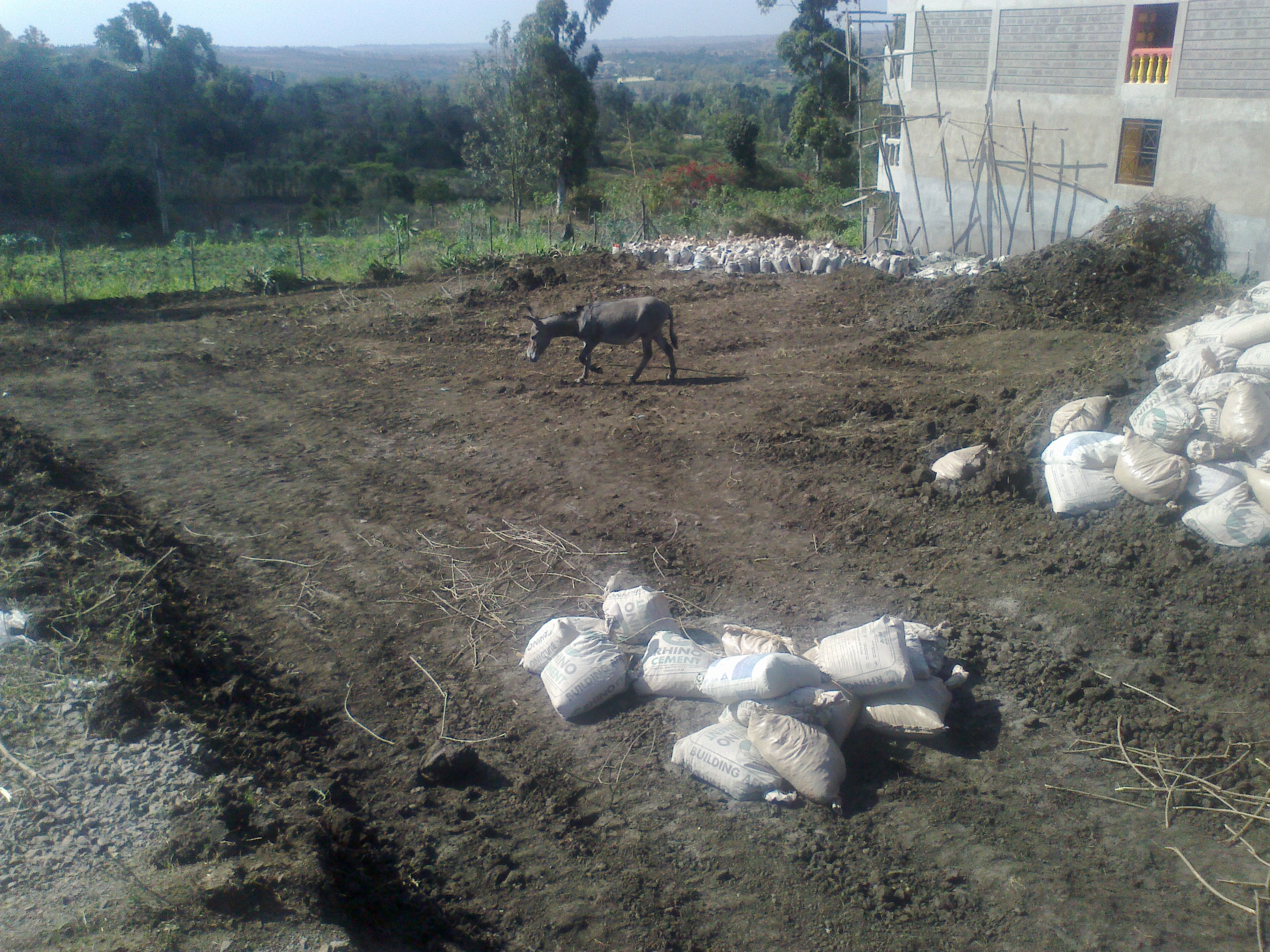
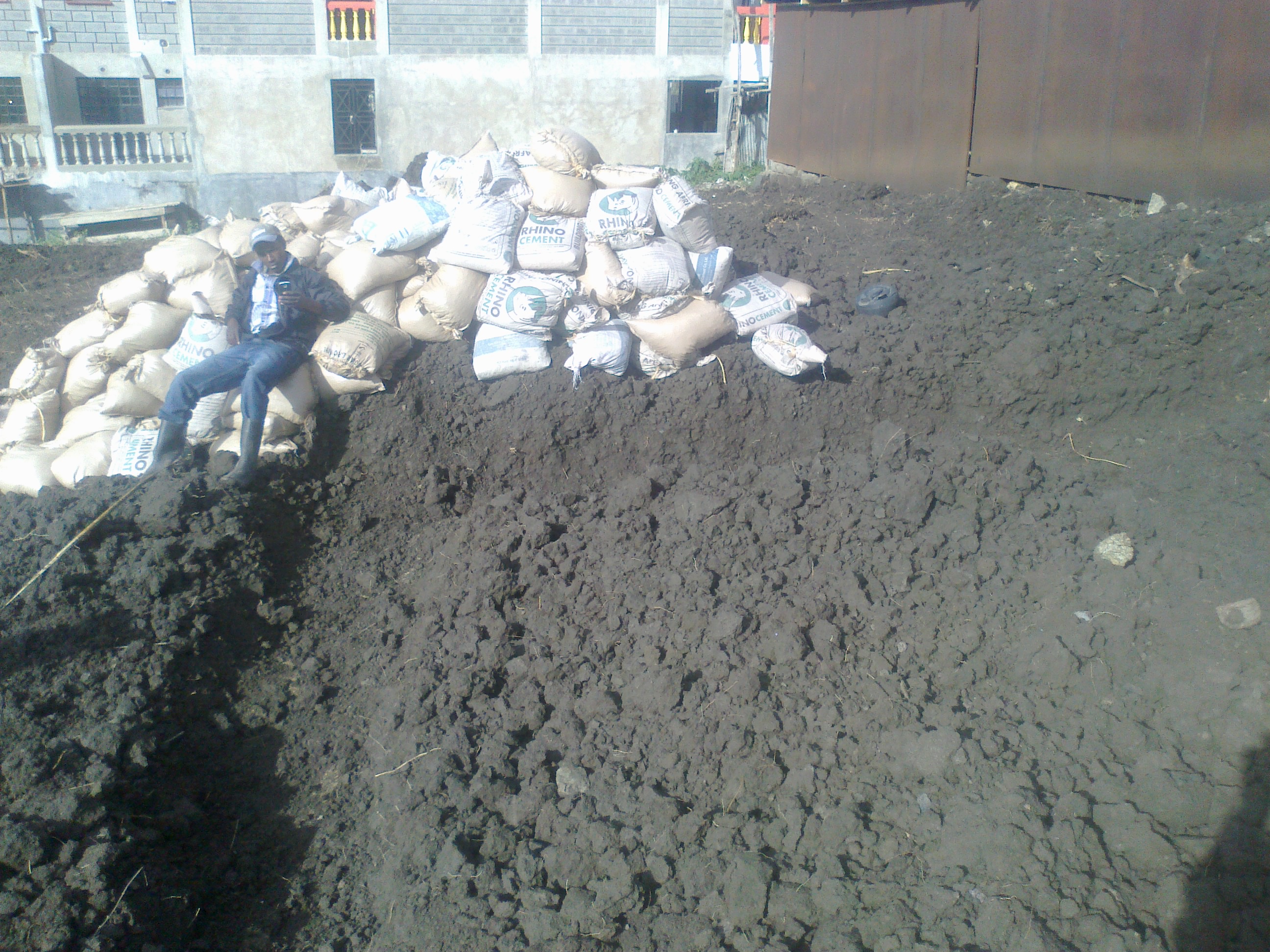
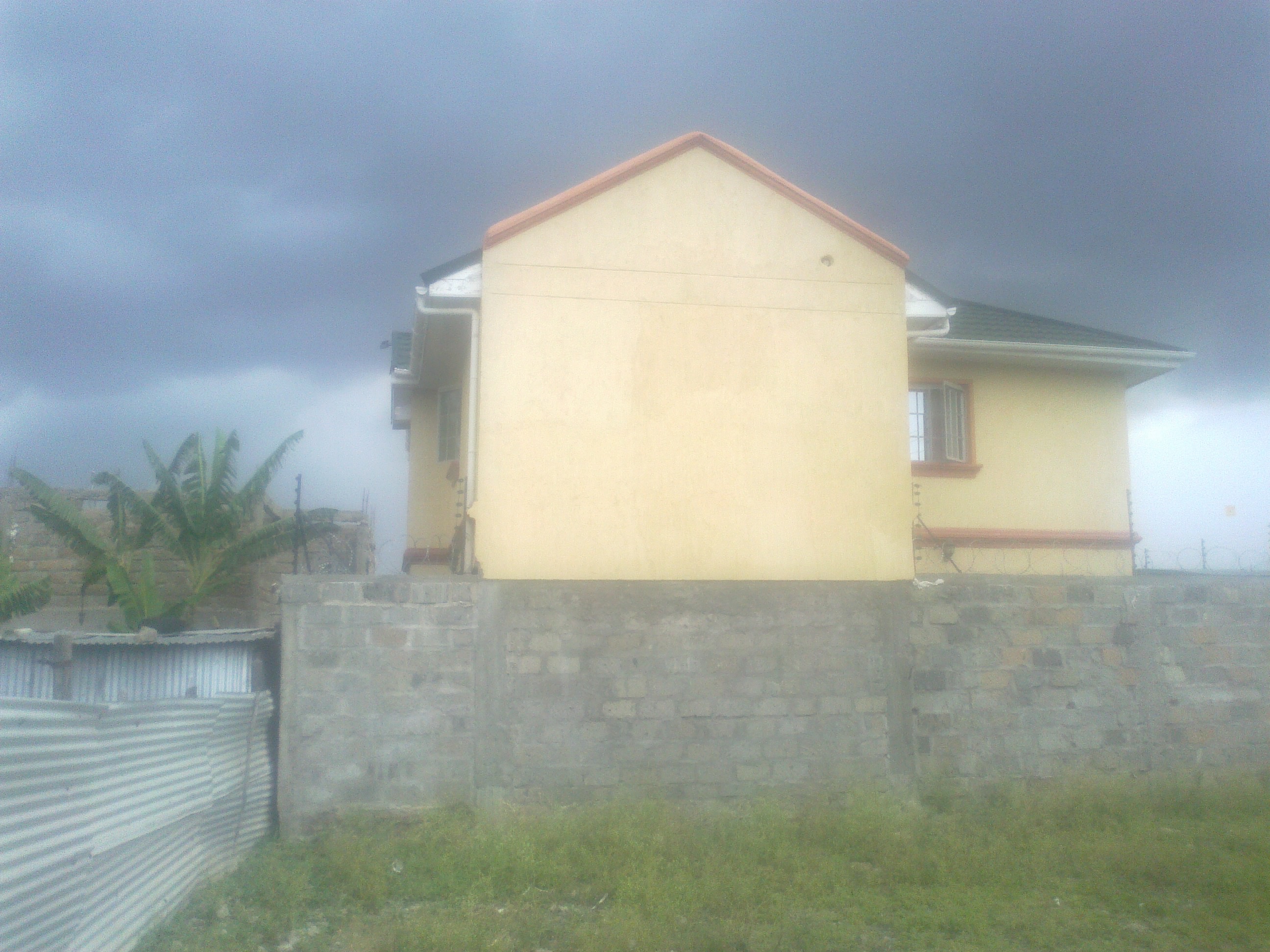
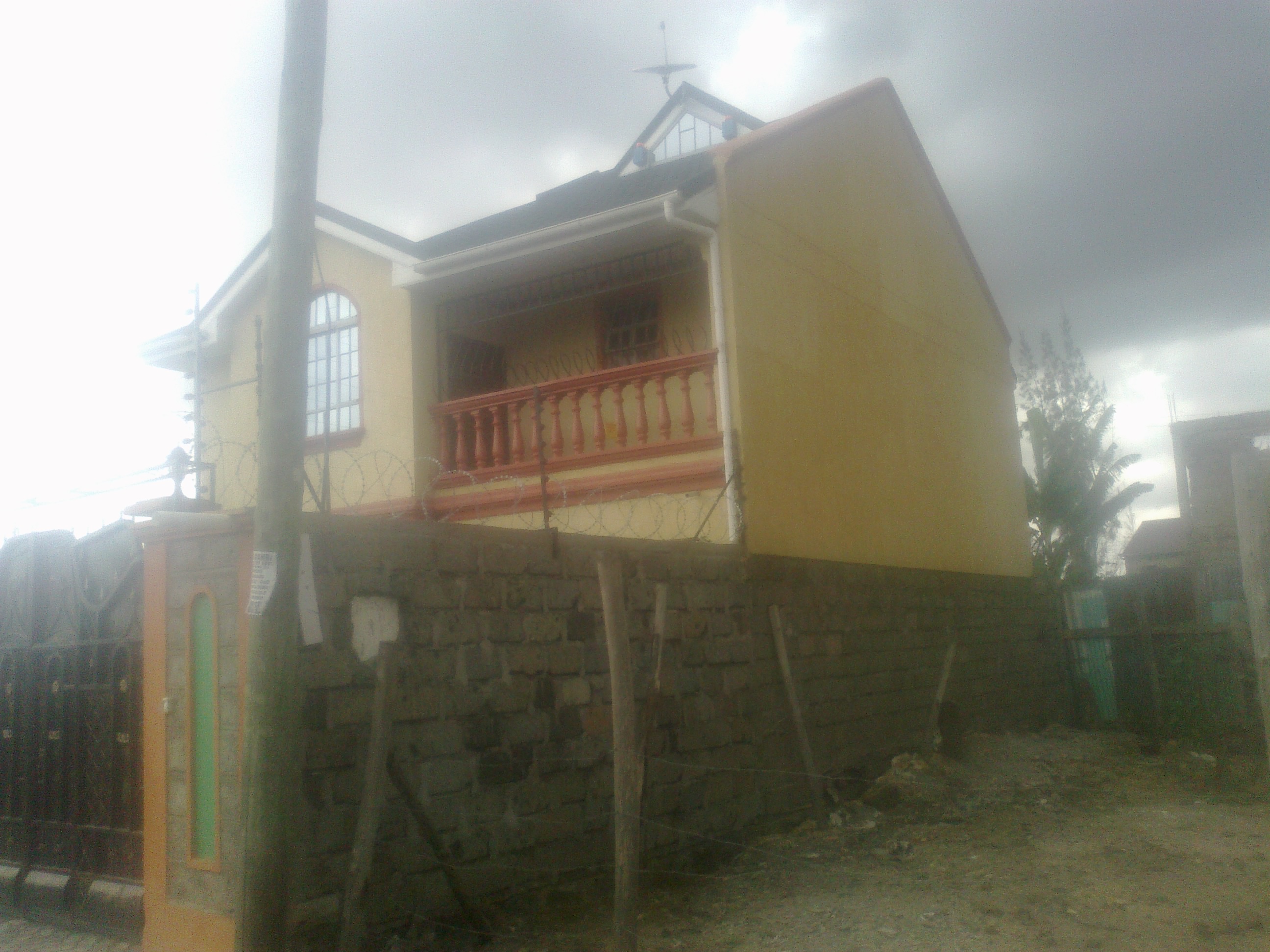
Earthbag walling.
Cost of soil excavation per m2. KES 50.
Cost of bags per m2. KES 200
Cost of labour Per m2 KES 100
Cost of plaster both sides per m2 KES 300
Total= KES 650 Per m2.
Advantages.
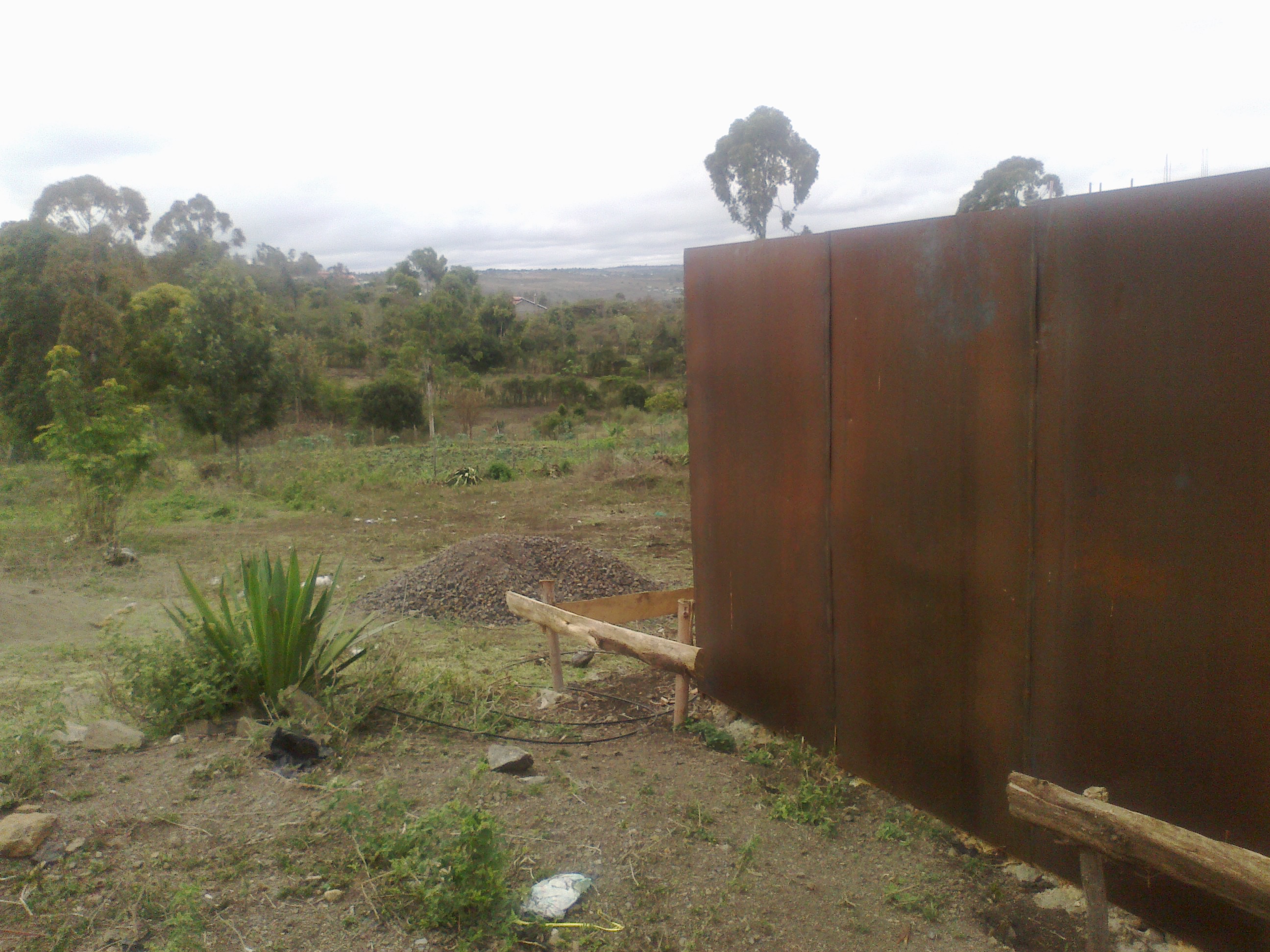
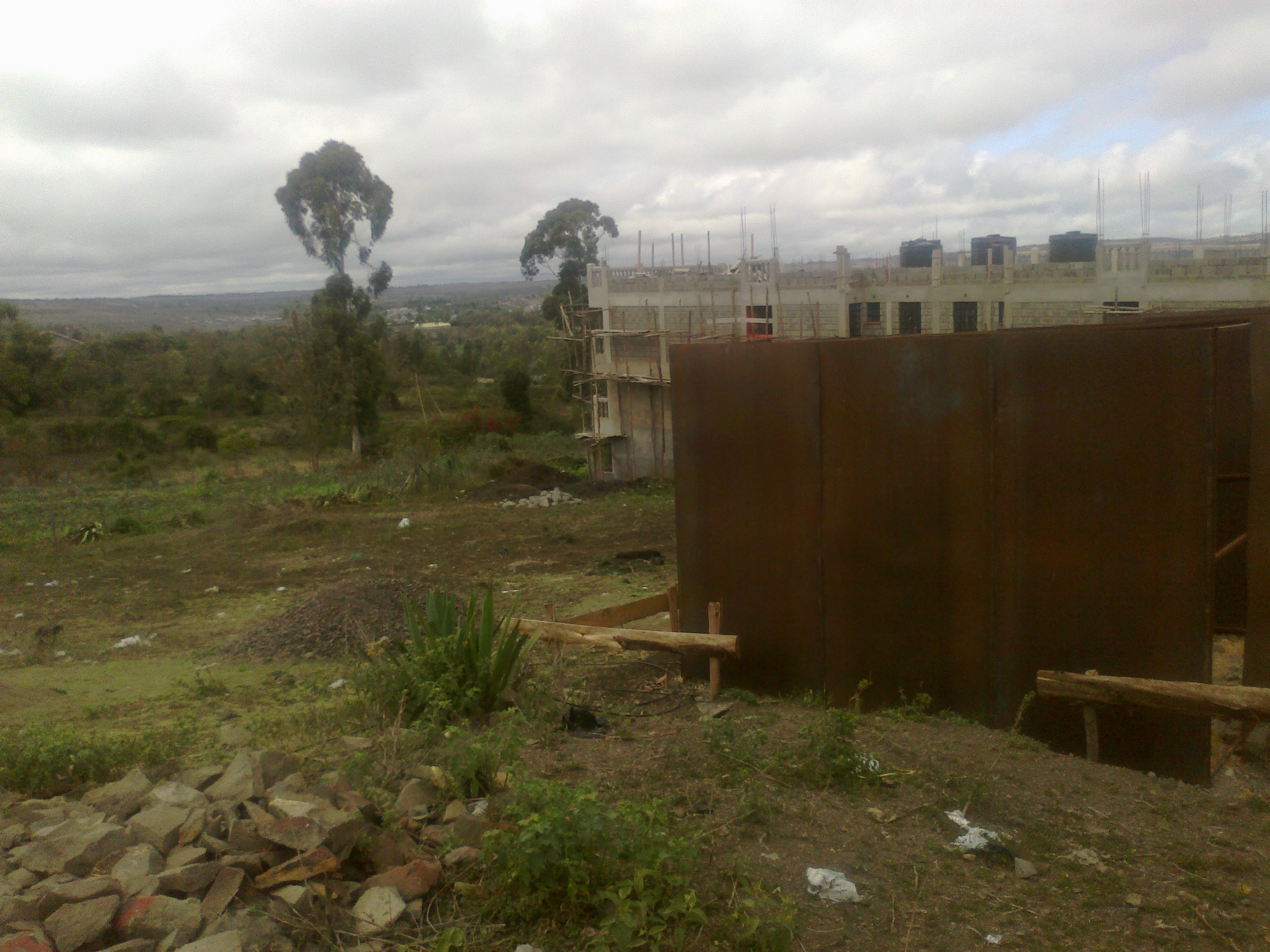
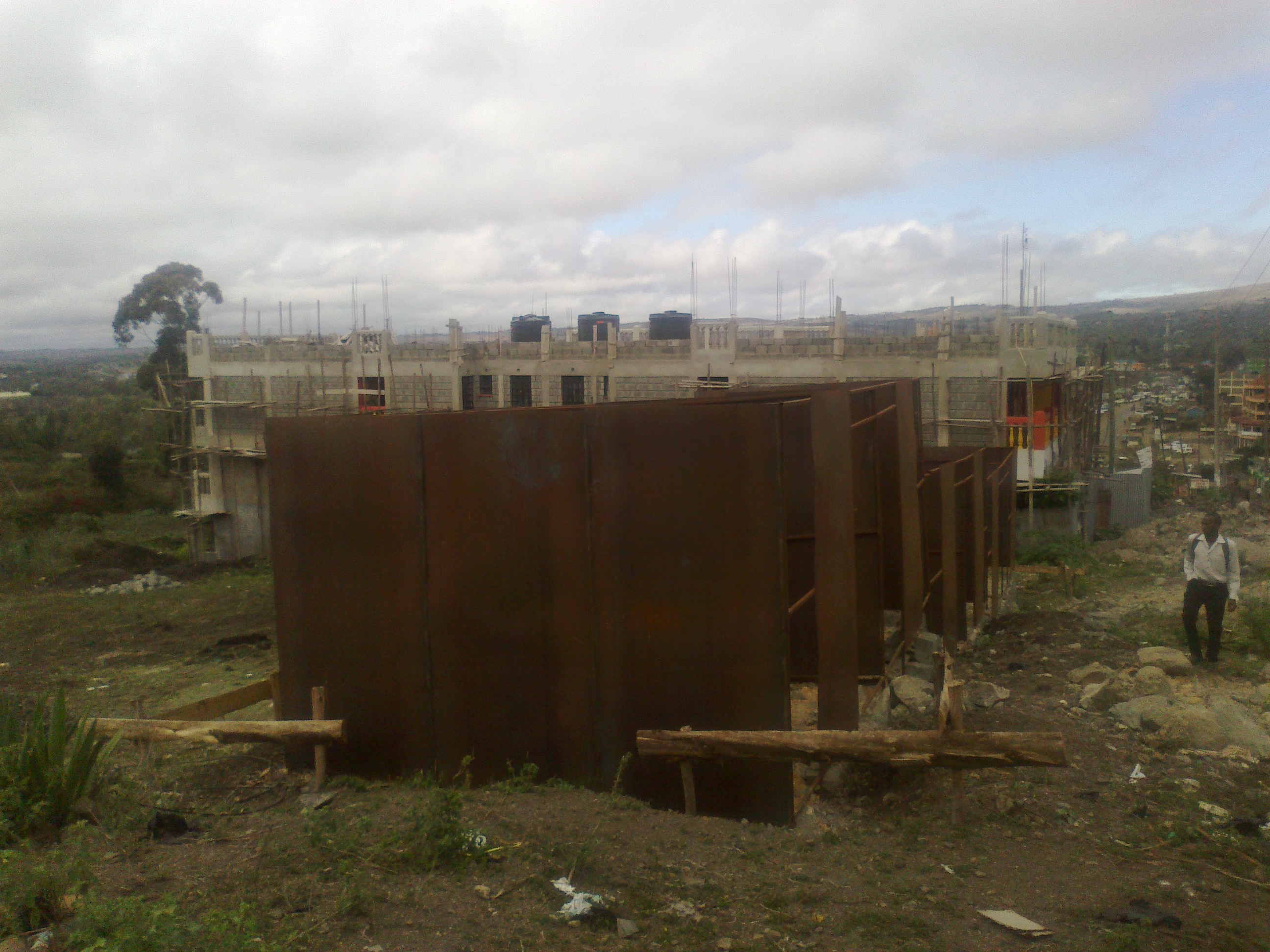
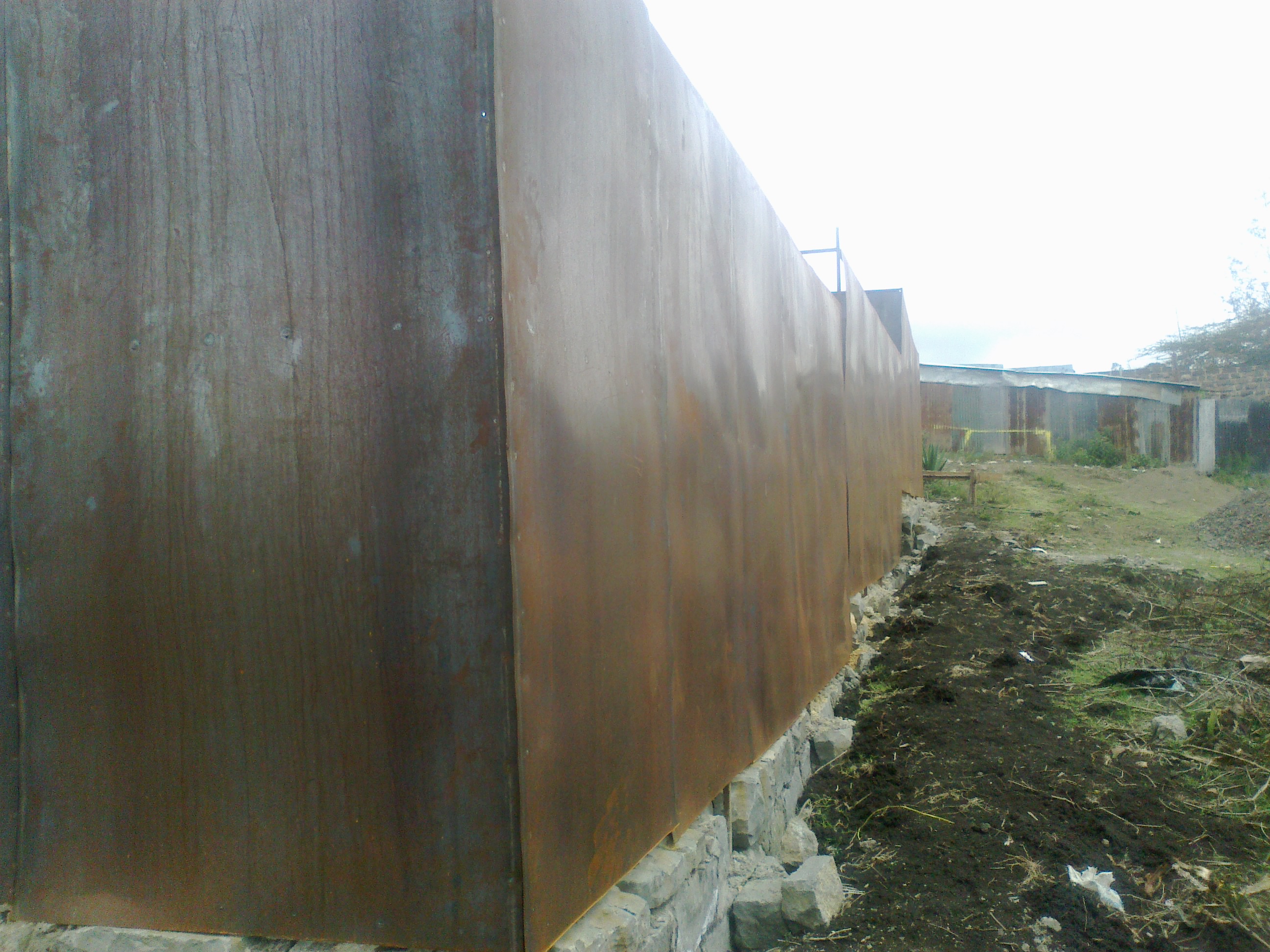
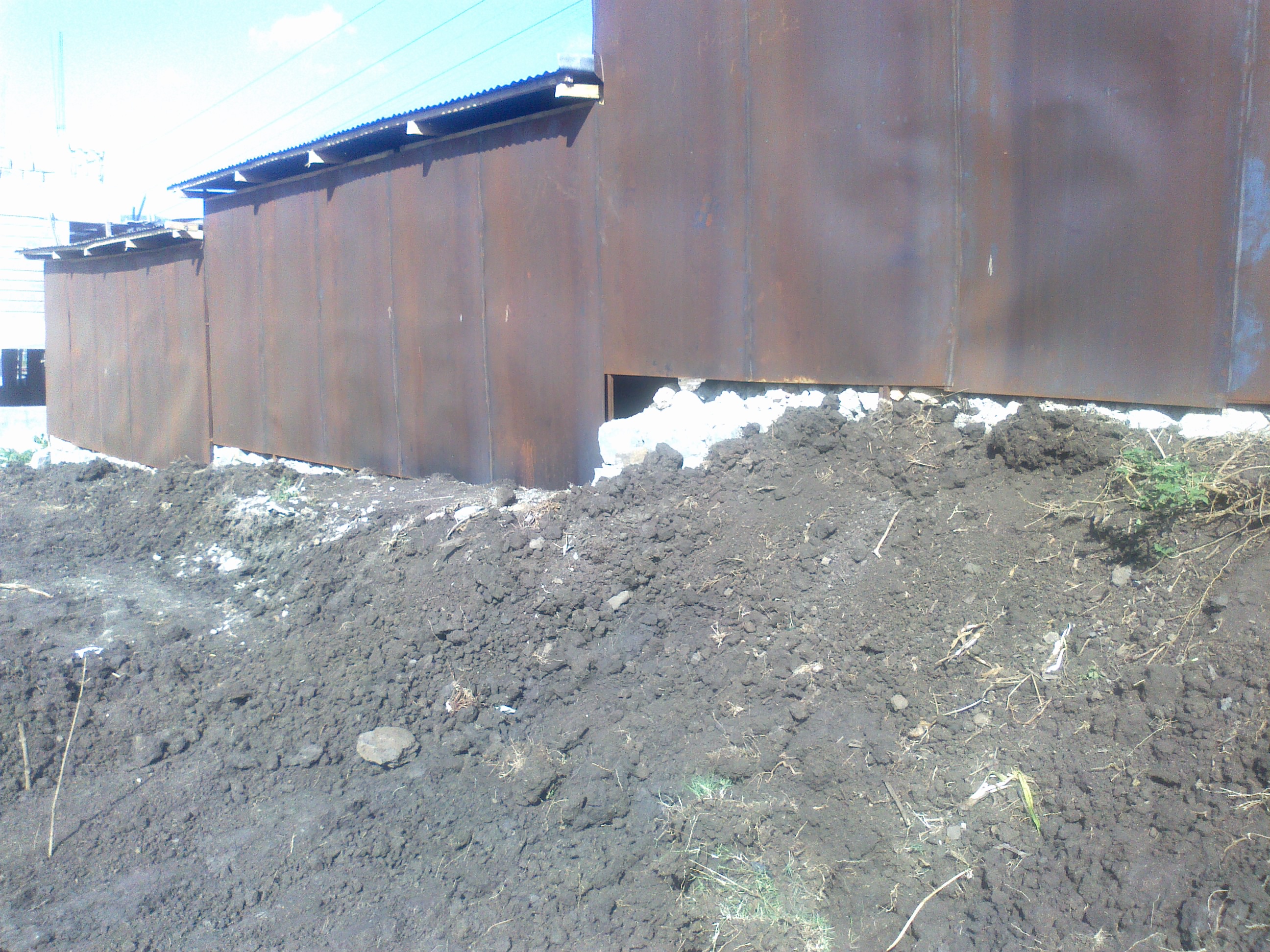
Rental income is high, same as stone house due to good internal temperature regulation, security and aesthetic appearance.Iron sheet mabati gauge 32.
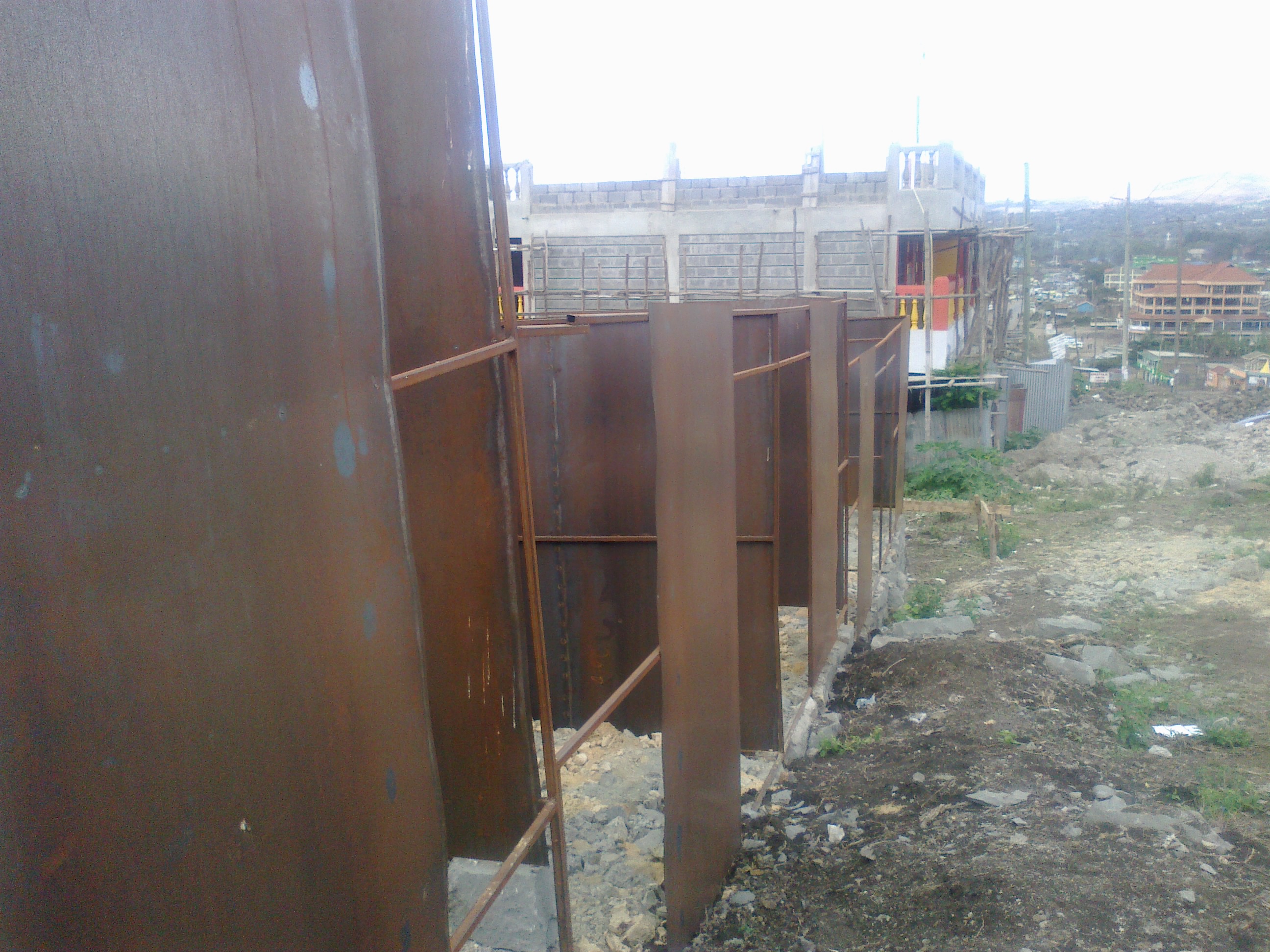
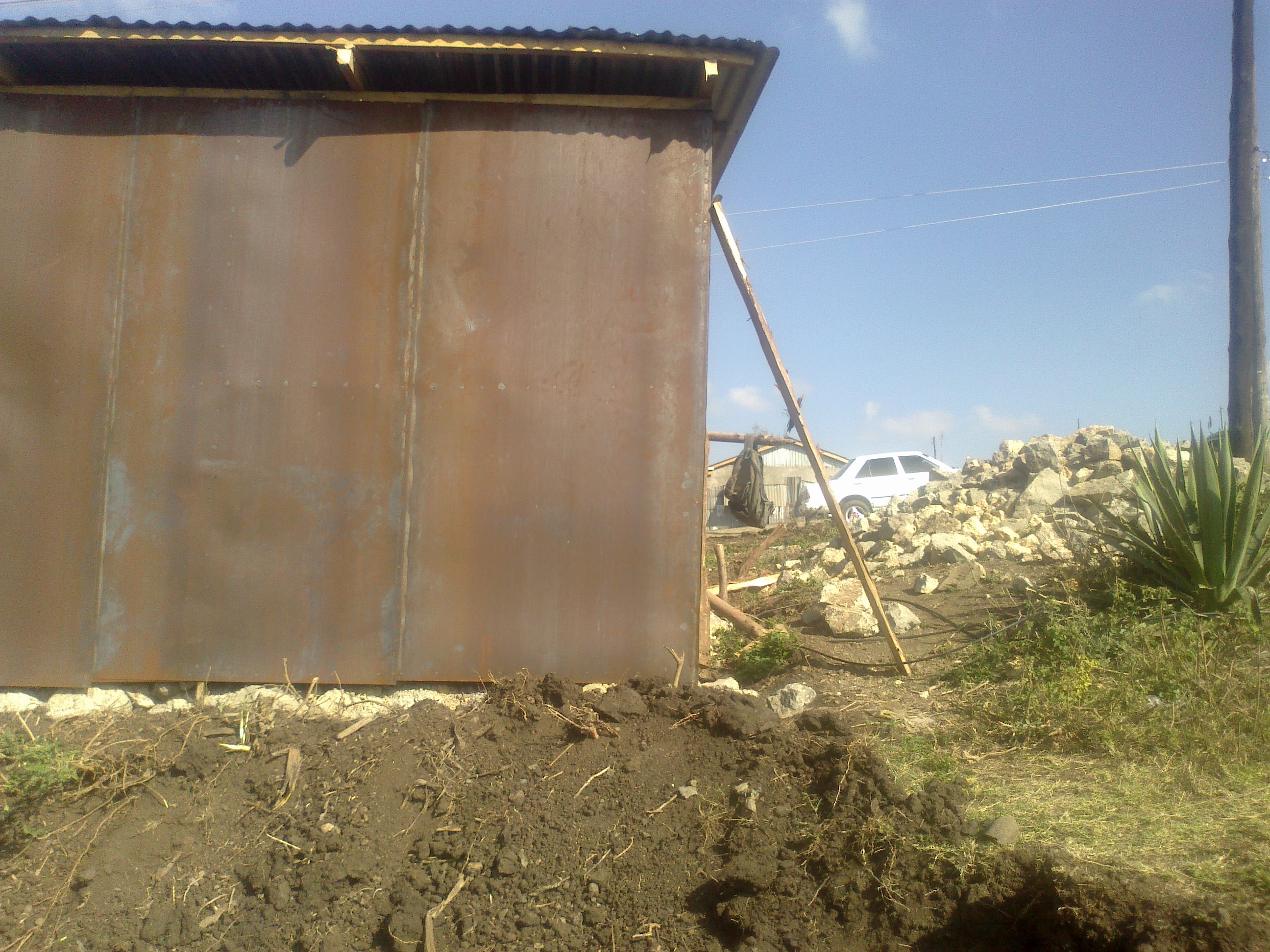
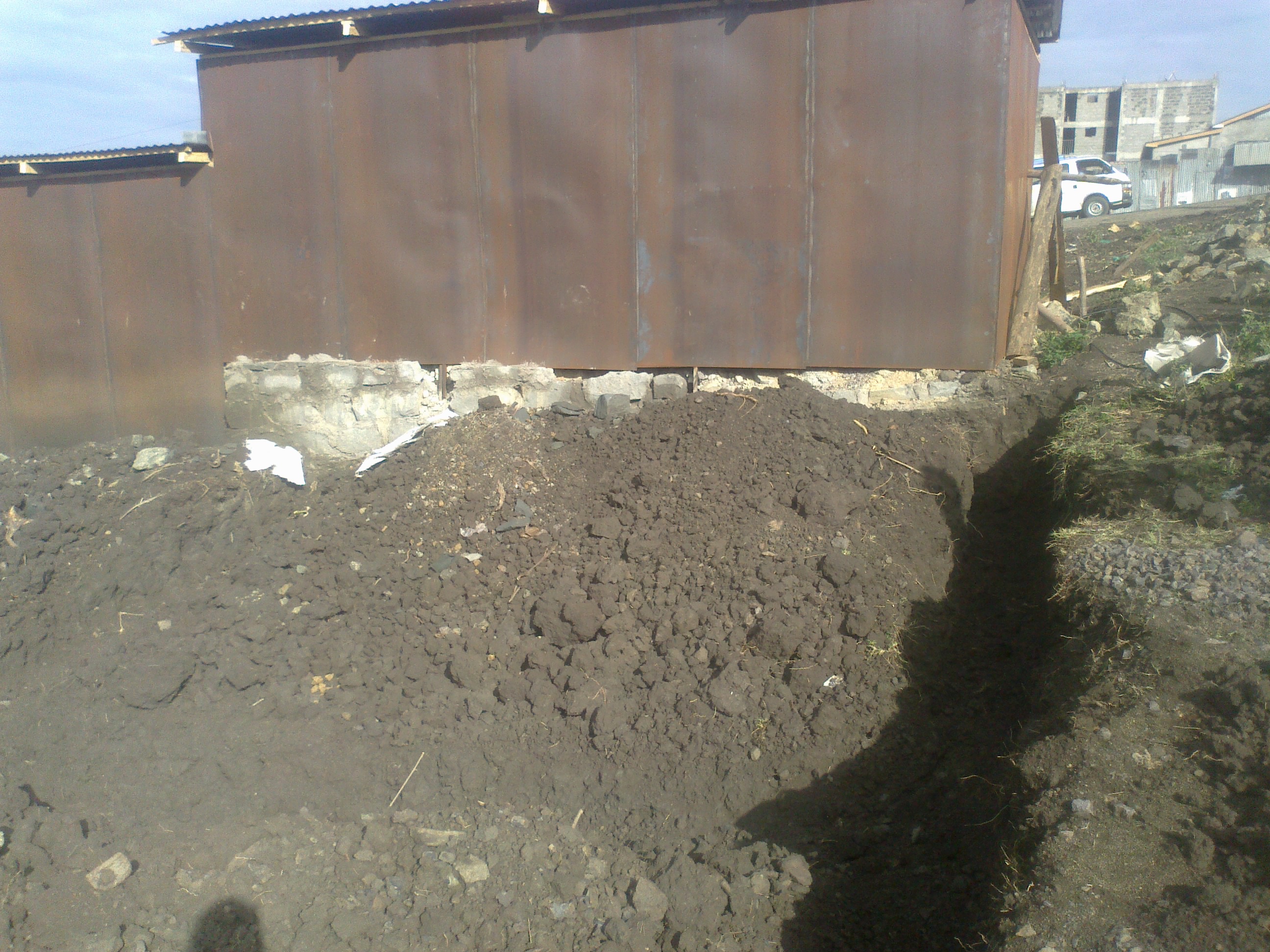
Cost of iron sheet per m2 KES 300
Cost of 2 x2 inch timber support per m2 KES 200
Cost of labour KES 100
Total=KES 600.

Disdavantages.
Rental income is low due to poor internal temperature regulation, poor security and appearance associated with low cost houses.Hand dressed stone.
Stone per m2 KES 600
Labour KES 100
Plaster 1 side KES 200
Total KES 900.
Disdavantage.
Cost of foundation structural support is high.
Cost of plaster is high.Machine cut stone.
Stone per m2 KES 800
Labour KES 100Plaster 1 side KES 150
Total=KES 1050.
Disdadvantage.
Cost of foundation is high. Permanent structure means high local authority council approval fees. Not easy to dismantle after lease expires on leased lands options.
Advantage.
Ability to attract premium rents due to high security, weather temperature control and good aesthetics. -
Land for Sale in Kenya
1. 1.2acres, in Lavington, just off the new bypass and opposite St Austins school. Ideal for Town Houses @ 220M
2. 0.40acres on Limuru Road, prime for development, corner plot, current user residential, selling at 130M. Rgds.
3. 10acres in Kisaju, Kitengela area, touching main Namanga road, on tarmac for a reduced price offer of 8.5M per acre
4. Half acre plot behind ISK school & Kihingo towards Nyari at a bargain 28M. Owner wants it gone ASAP. Located in a quiet established neighbourhood.
5. Mombasa: 10acres for sale in Kikambala, just opposite Sun N Sand Hotel area. It’s on the left side of the Mombasa – Malindi Road. Direct from owner at 5.5M per acre. The ten acres plot in Kikambala is neighbouring and sharing the same fence with Pwani Oil Industries.
6. Chania Village: A fabulous opportunity for a great investment in the hotspot, Thika Town: 2 apartment blocks, 8 apartments each, with 2bedrooms, (master ensure), 1000sq.ft. Fitted cabinets in kitchen and wardrobes in bedrooms, fully tilled. Priced at Kshs 4.5M – Buy a whole block for an incredible 36M and enjoy great returns. DONT WAIT TO BUY, PROPERTY, BUY PROPERTY AND WAIT !! Rgds. Salim Vayani – iProperties
7. Half acre plot behind ISK school & Kihingo towards Nyari NOW AT 27M – MUST GO!!
8. 8.3 Acres along Mombasa Road, 2nd row near Cabanas interchange and behind Tuskys HQ / FAW Showrooms. The property is very ideal for development of godowns which are most in the vicinity. Price 45M Per Acre
9. 0.75 Acres along Mombasa Road, 2nd row OPPOSITE Tuskys HQ / FAW Showrooms, this is on the left side of mombasa road on your way to CBD. The area has office blocks, godowns, and has less restrictions on development compared to across the road & close to the airport. Price Kshs 65M
10. Malindi: 19acres vacant land, located on 3rd row from beach front. Prime for development of University or multi dwelling estate. 50M o.v.n.o for entire parcel. One title. Current user ‘Hotel’, lease 99yrs from 1994
-
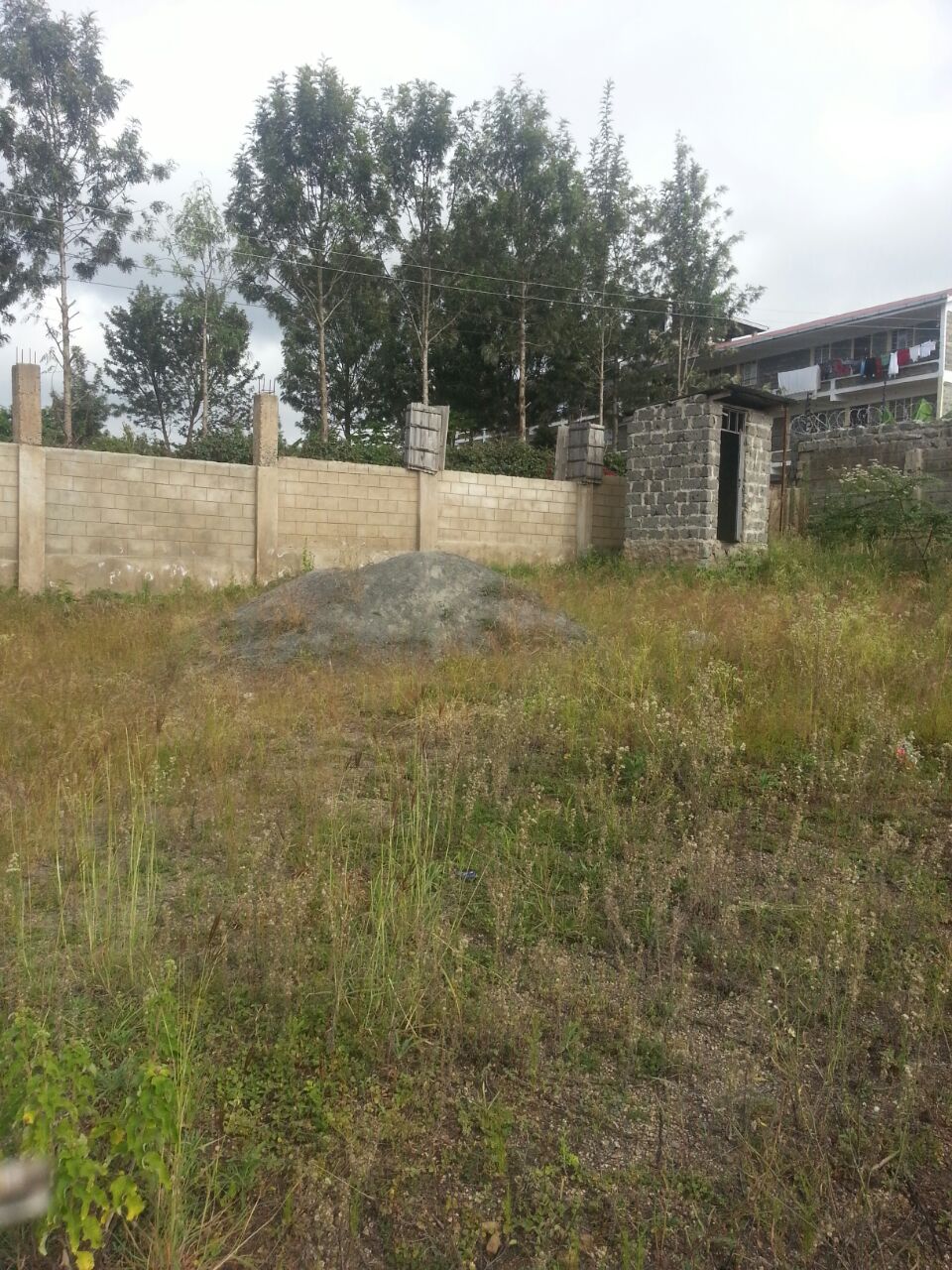
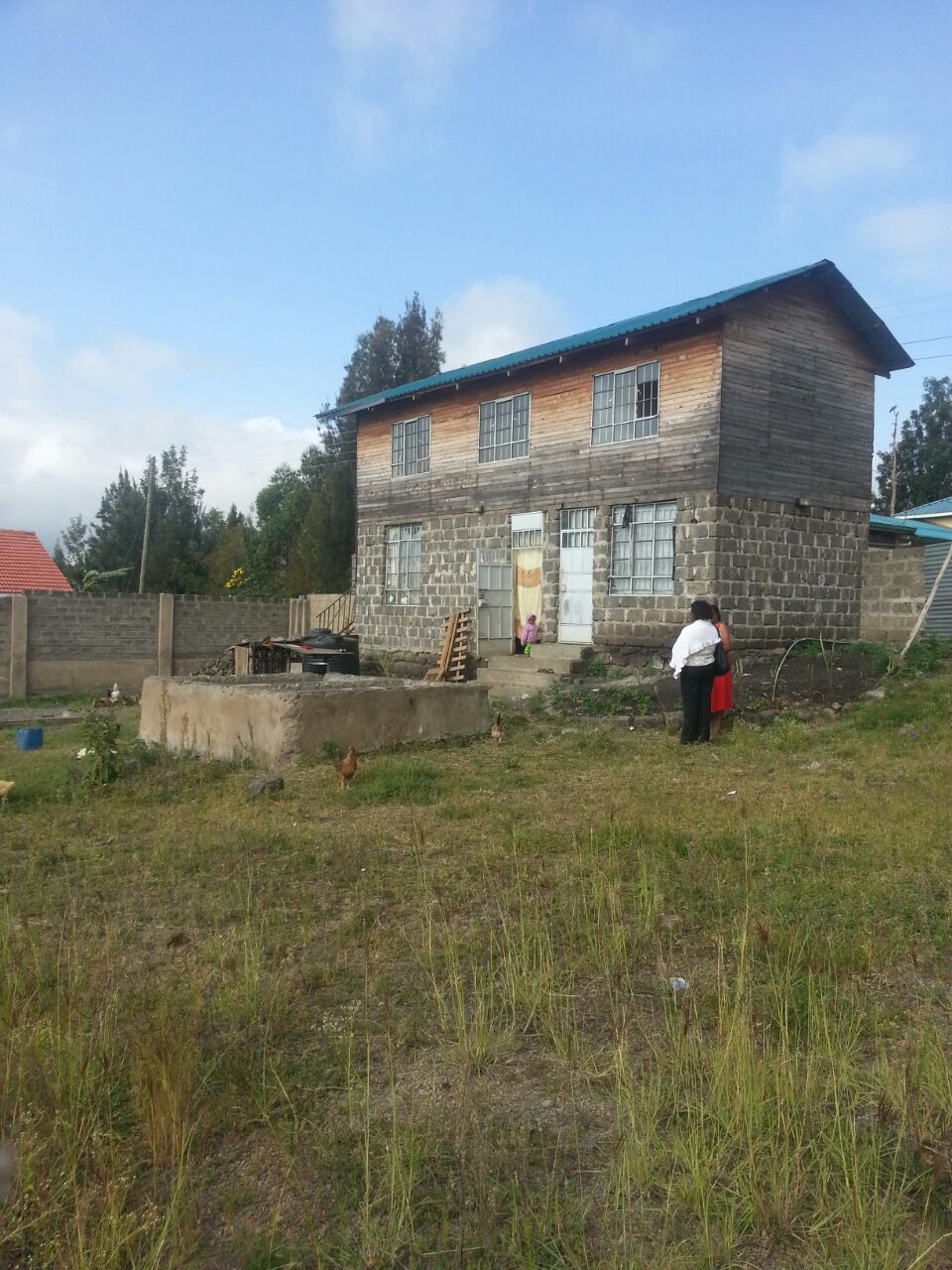
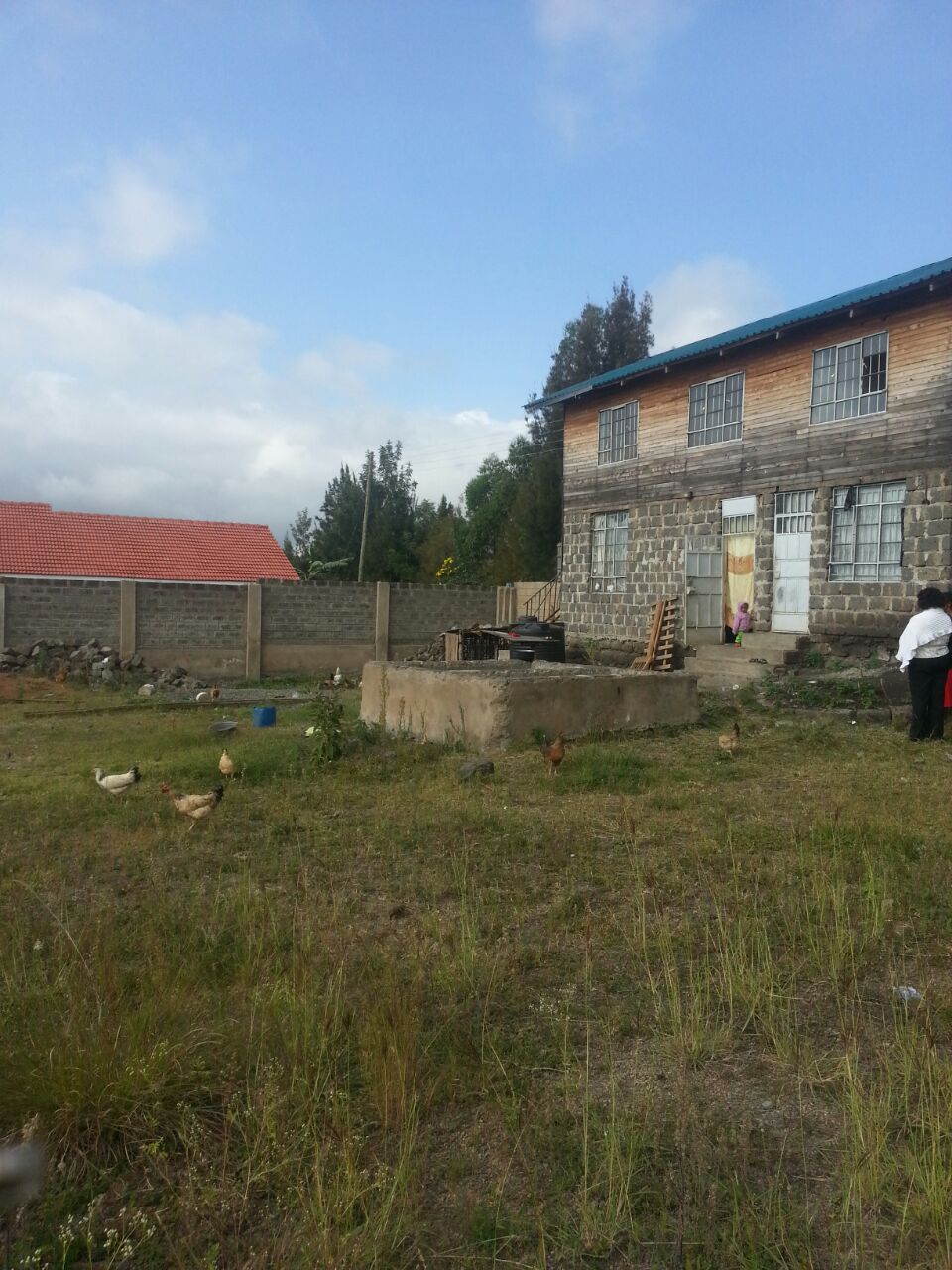
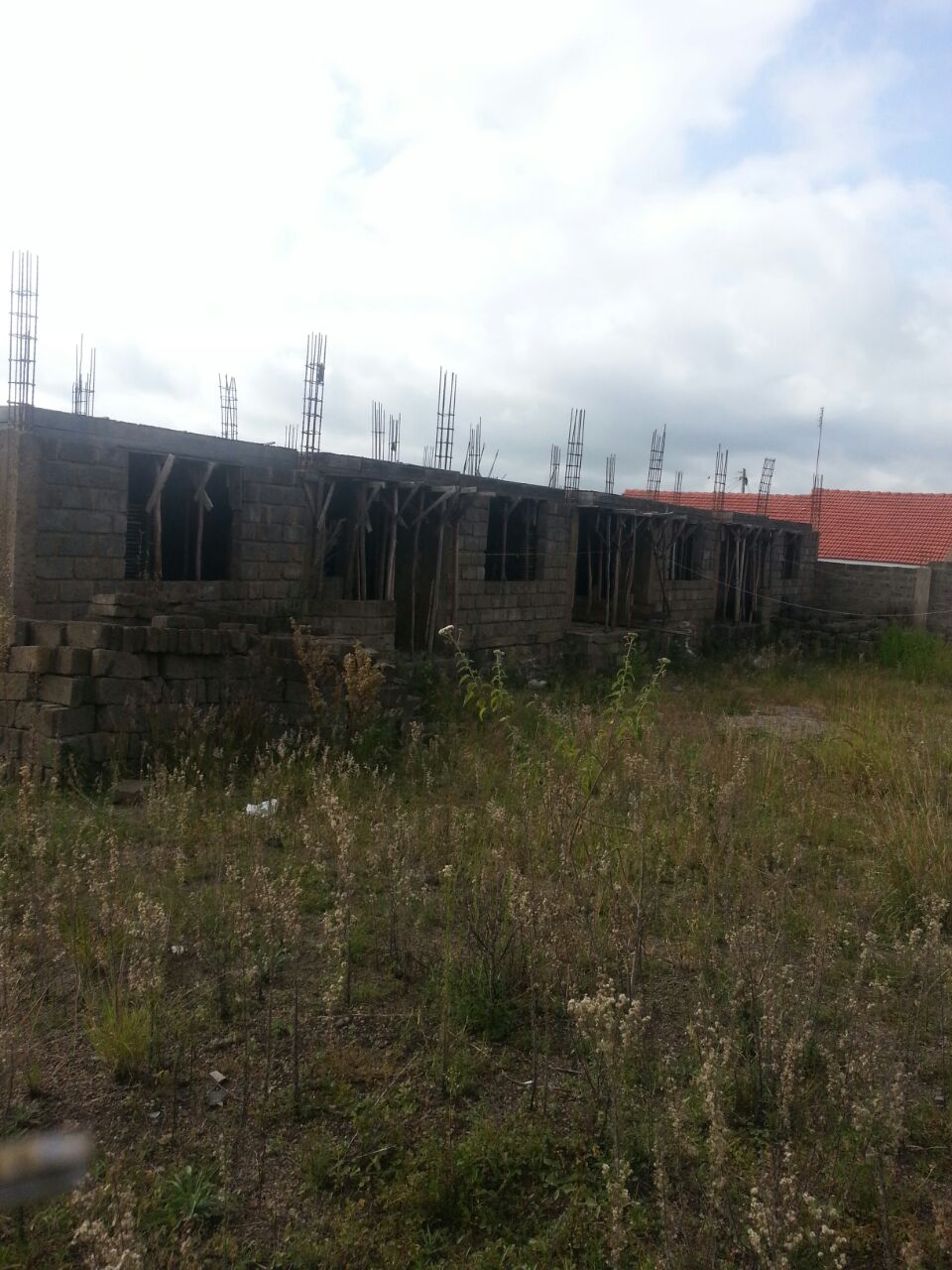
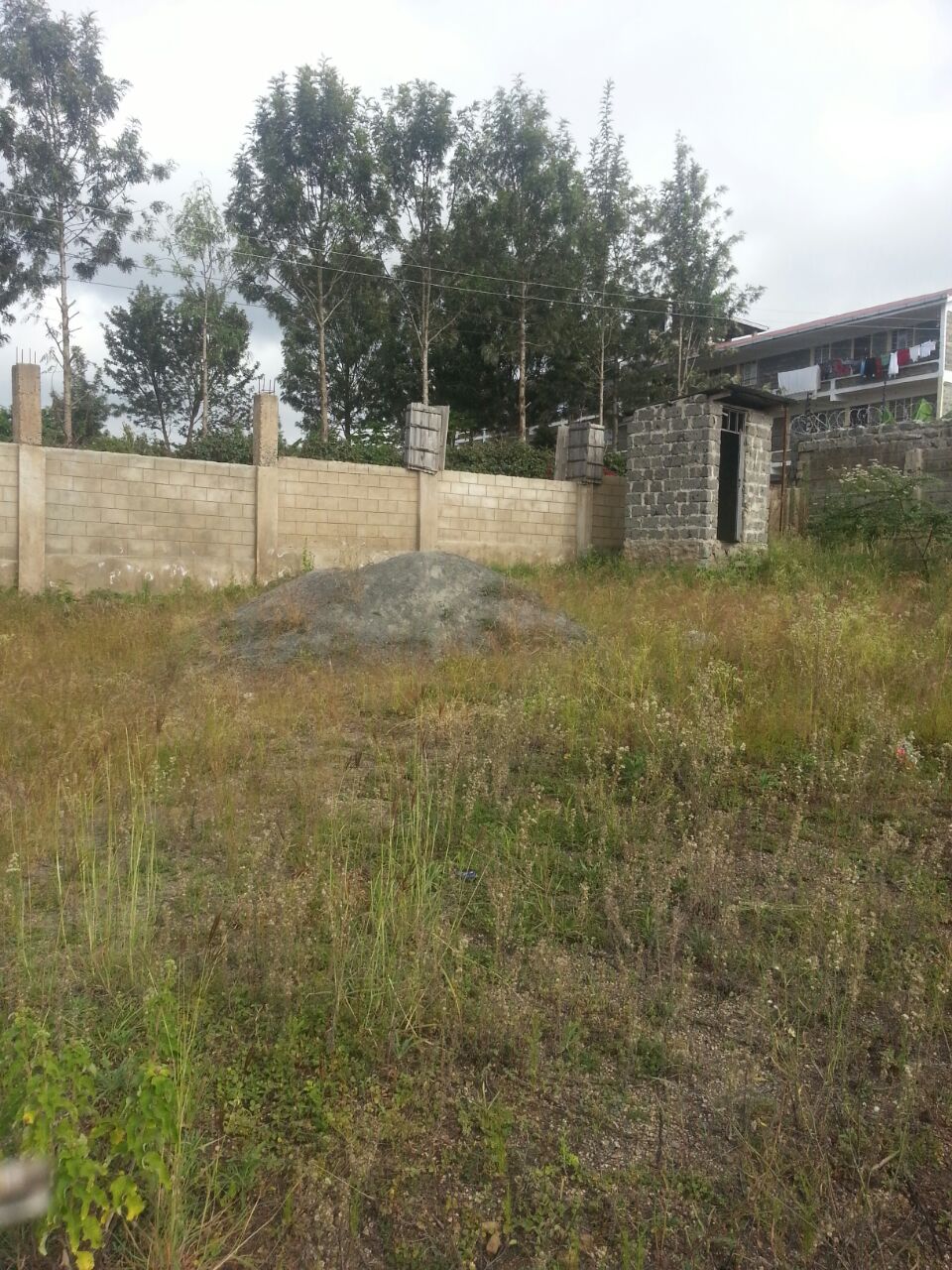
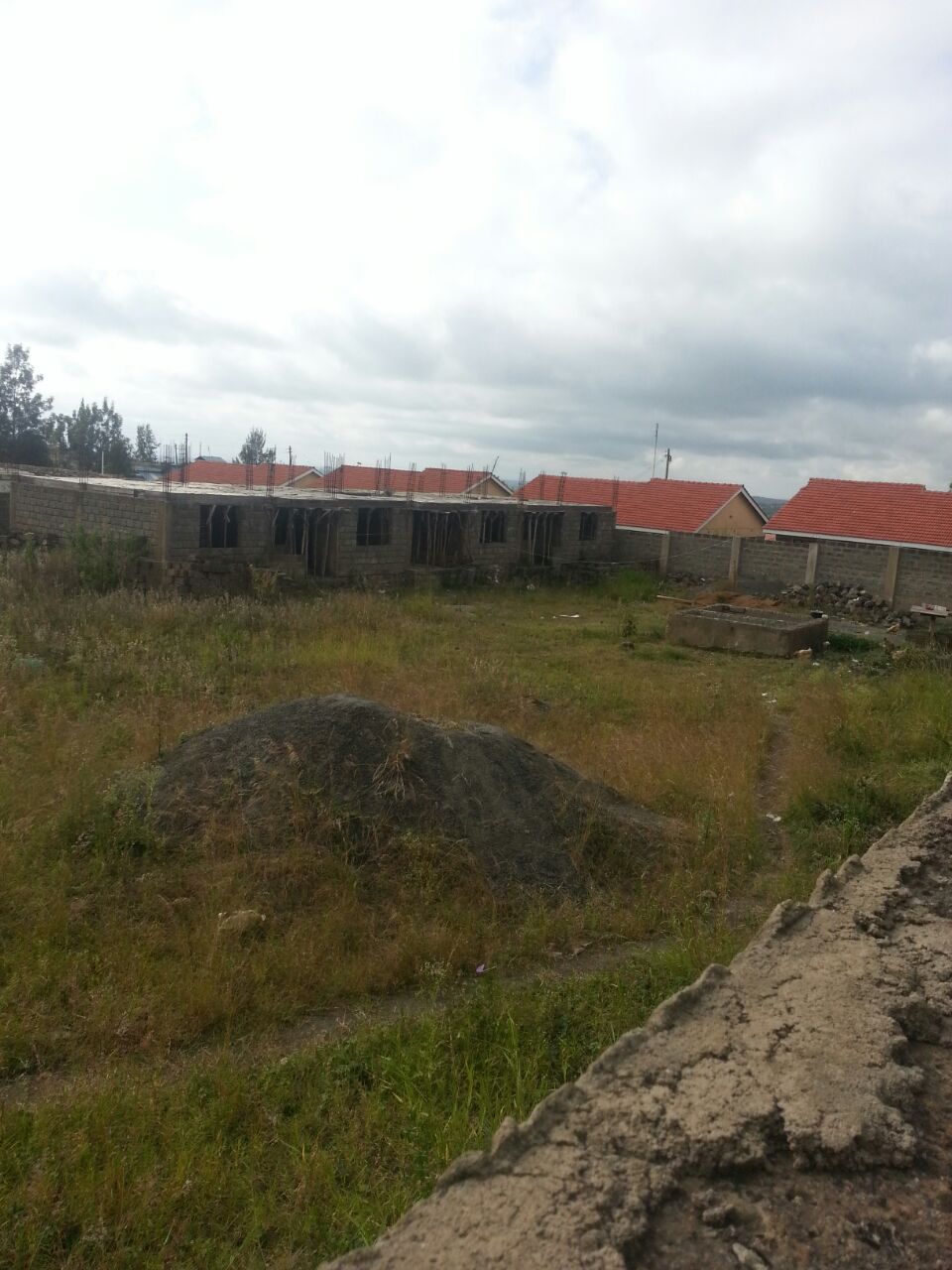
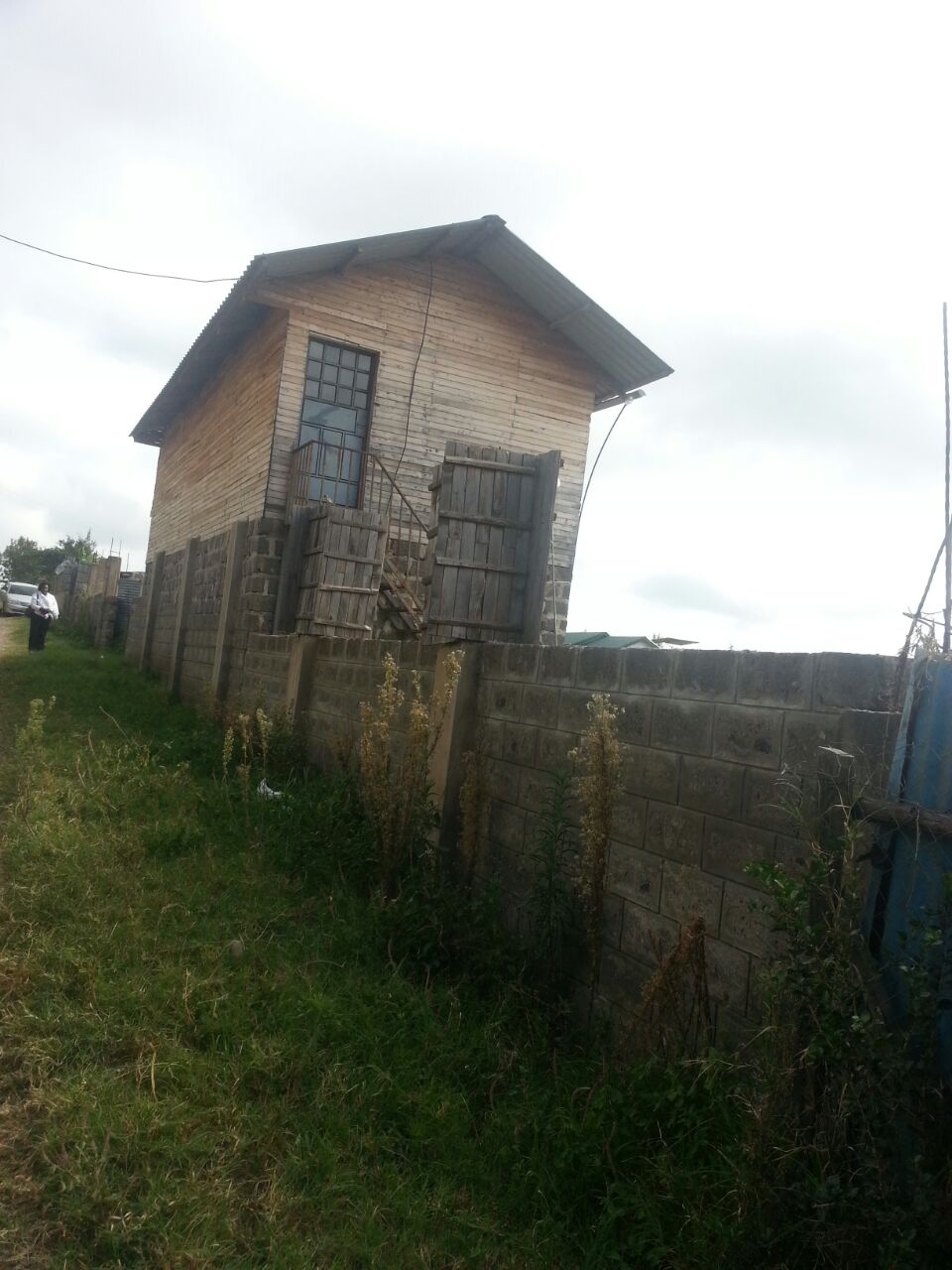
0.5 acre with building for sale, Rimpa, Rongai. kES 40m
0.5 acre with building for sale, Rimpa, Rongai. kES 40m. Call 0721410684 or email info@a4architect.com for more info.
C
[googlemaps https://maps.google.com/maps/ms?ll=-1.42228,36.703013&spn=0.001633,0.002642&t=h&z=19&iwloc=0005067d2b79c12f35dba&msa=0&msid=205617053586273466800.0005067d29ef36bedd32e&w=425&h=350] -
Leased Land 1/4 acres next to tarmac investment.
Cost Item Kshs % Land per year 240,000.00 6.097560976 Preliminary 140,000.00 3.556910569 Construction . 14 rooms 2,800,000.00 71.13821138 External Works 84,000.00 2.134146341 Contingency 56,000.00 1.422764228 Professional fees 56,000.00 1.422764228 Project Management fees 28,000.00 0.711382114 Marketing 28,000.00 0.711382114 Financial Charges 504,000.00 12.80487805 Total 3,936,000.00 100 Financing Plan Kshs % Developer 1,136,000.00 28.86178862 Debt Finance 2,800,000.00 71.13821138 Presales 120,960.00 3.073170732 Total 3,936,000.00 103.0731707 PROFIT TOTAL RENT FOR 14 UNITS 1,209,600.00 Total rent for 6 front shops 360,000.00 Total rental income 1,569,600.00 TOTAL EXPENDITURE 3,936,000.00 Repayment period. Years. 2.51 Phase 1 Cost Item Kshs % Land per year 240,000.00 11.49425287 Preliminary 70,000.00 3.352490421 Construction . 7 rooms 1,400,000.00 67.04980843 External Works 42,000.00 2.011494253 Contingency 28,000.00 1.340996169 Professional fees 28,000.00 1.340996169 Project Management fees 14,000.00 0.670498084 Marketing 14,000.00 0.670498084 Financial Charges 252,000.00 12.06896552 Total 2,088,000.00 100 Financing Plan Kshs % Developer 688,000.00 32.95019157 Debt Finance 1,400,000.00 67.04980843 Presales 60,480.00 2.896551724 Total 2,088,000.00 102.8965517 PROFIT TOTAL RENT FOR 7 UNITS 604,800.00 Total rent for 6 front shops 360,000.00 Total rental income 964,800.00 TOTAL EXPENDITURE 2,088,000.00 Repayment period. Years. 2.16 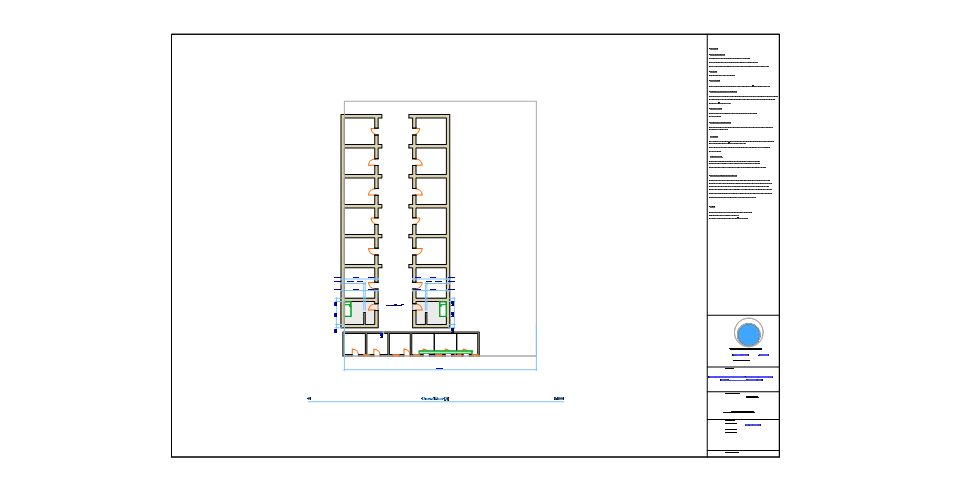
-
Safety of Highrise buildings railings in Kenya.
1.What are some of the safety precautions landlords should adhere to before erecting a building?
Landlords as the developers have a duty to ensure safety of occupants in these high rise buildings. Common dangers are seen when children are playing and pass through the space in between railings or climb over these. Also, loose railings pose a danger to people who lean on them and the railings give in, resulting to a fall.

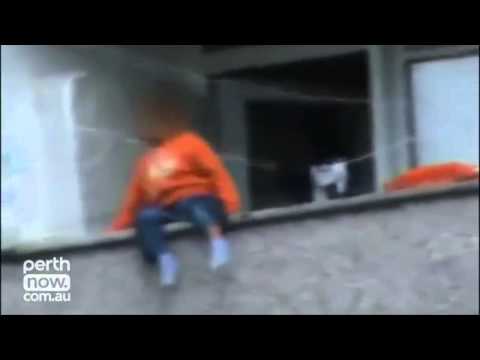
The railing height should be such that children can not easily climb over and fall.
Also, a height of over 1.2m is strategic in that it discourages people from sitting or leaning on the rail since its slightly higher than the waist level.
Railings on balconies are a good place for rescue in case of fire. Design should be such that in case of a fire breakout, occupants can easily move from floor to floor using the balcony railings as support.

2.What are the penalties for owners of buildings who do not adhere to rules?
In developed countries such as USA, when occupants are injured due to faulty building parts, the responsibility is first shifted to the architect to explain what went wrong. If the building owner is found to ave neglected the maintenance of the building, then he is held liable. If the architect did not supervise the railing fixing, where ample hooks were properly embedded into the wall and floor slab strongly. With newer construction technologies eg prefab walling, this can pose a challenge in terms of proper anchorage.
Penalties in developed countries include both civil and criminal liabilities. In Kenya, we have still not fully embraced consumer protection laws but with the new National construction authority, we will start seeing consumers/tenants being taken care of to prevent unnecessary injuries due to poor building construction methods. In Kenya, we are yet to see a tenant or building occupant take the route of suing the building owner due to injuries from poor building methods. Poor detailing of stairs, for example, where one stair height is uneven and different from the other,, usually result in dangerous falls in apartment buildings where the occupants simply take care of themselves without taking the route of suing the building owner, as in the case of developed countries. With time, occupants will slowly know their rights and will start demanding compensation from poor building construction that results to injuries. Also, its very common for school roofs to be blown by wind, in the process, the timber trusses injuring occupants. In such cases, the issue is reported only in the media but no one is put to task to compensate the injured. In developed countries, the building developer and architect could be put to task to explain why the roof anchorage did not include wind force.3.Which parts of Nairobi are most affected?
The low income housing areas of Nairobi eg Kayole and Mathare North are mostly affected. This is due to the lack of technical supervision and also lack of Nairobi City Council building inspectors intervention. In these areas, the lands are not titled, usually held in share certificates so when developers would like to seek Nairobi City Council building plan approvals, there is a requirement that the land must have a title hence due to huge demand for housing, the developers usually just go ahead without involving the Nairobi County approvals. Its High time the Nairobi County resolves the land ownership issues and allows property owners with share certificates to submit their building plans, thereby ensuring occupants are safe once county development control officials bring in some sense of standards in the construction process.
4.Is there any landlord who has been prosecuted for not following the regulations?
Internationally, in most developed countries, this is usually the order of the day. No developer cna risk to construct without the intervention of architects to check on quality control.
http://thechronicleherald.ca/metro/1239543-halifax-building-inspectors-investigate-south-end-balcony-collapsehttp://thechronicleherald.ca/metro/1240862-suit-in-2006-balcony-fall-set-for-trial
In Kenya and most other African countries, we are yet to reach the level where building occupants know their rights and put pressure on the landlord in case of injury. Once the land lord is pressured, he then learns that to avoid this, he needs to involve technical intervention from architects and engineers as he builds the next building or he renovates the existing ones.
Francis Gichuhi Kamau, Architect.
info@a4architect.com