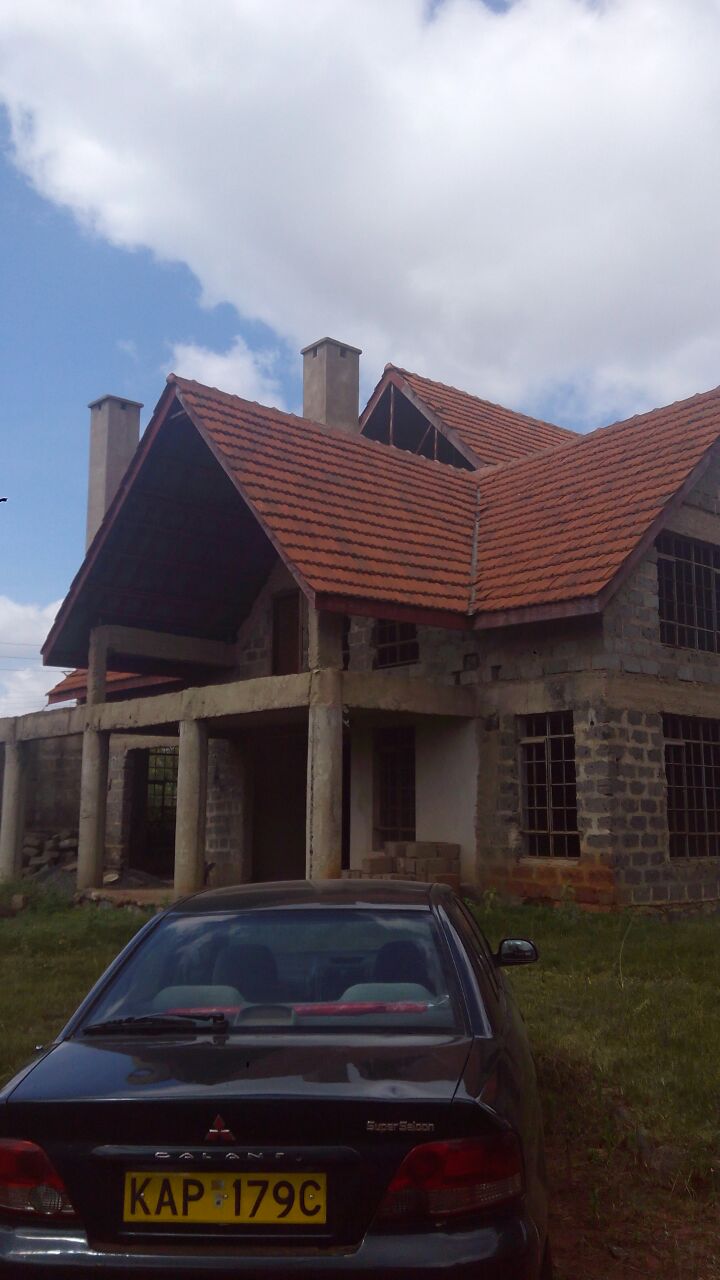
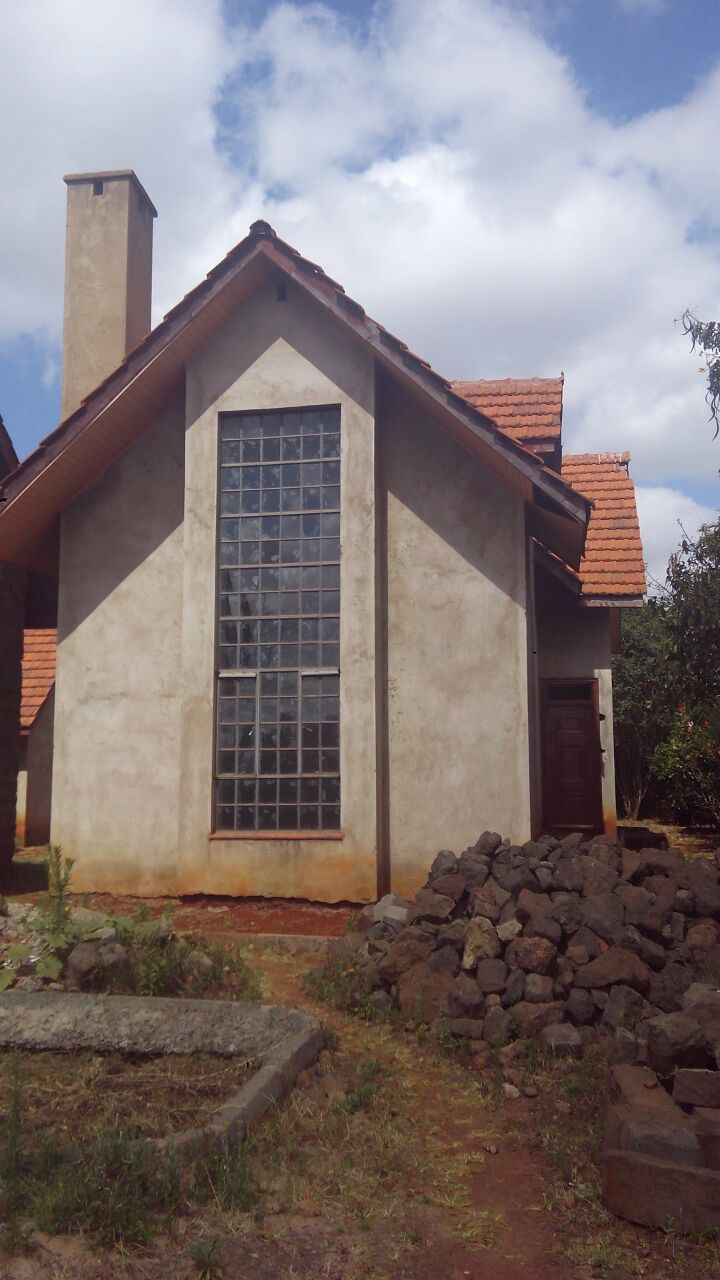
1/4 acre Land for Sale. Ngong. Vet area. Kes 7.5m
See map here
https://goo.gl/maps/faXRSvPijcv
Contact info@a4architect.com 0721410684
1/4 acre Land for Sale. Ngong. Vet area. Kes 7.5m
See map here
https://goo.gl/maps/faXRSvPijcv
Contact info@a4architect.com 0721410684
The year 2016 has been vibrant in the construction and real estate sector.
Around Nairobi, Malls such as The Hub in Karen were completed and opened up.

The watermark Mall, also in Karen , is at around 40% completion.
2 Rivers mall in Runda area is around 90% complete and set to open early 2017.
The Mall concept has been improved, with much larger malls coming up. In 2017, we will see much more complex malls being put up, mostly by large multinational developers.
With the entrance of Carrefour and Game international brands, Kenya, more specifically, Nairobi, is gearing up to see 200,000m2 type of malls usually seen in South Africa.
South African Malls.
Gateway mall, South Africa, for example, has 220,000m2 of surface. That’s a whooping 54 acres.
[youtube https://www.youtube.com/watch?v=r-jh6xNBGCk&w=560&h=315]
https://en.wikipedia.org/wiki/Gateway_Theatre_of_Shopping
Gateway has 18 movie theatres, 6 Nouveau Cinemas, two 3D cinemas, a playhouse, more than ninety restaurants, more than 400 stores, an arcade and theme park, indoor fun fair, a 4000 sq. metre skate park , 3 Flow Riders, a gym, the highest fountain in Africa, a tenpin bowling alley, parking and a science theme park.
Midrand Mall, South Africa, is 485,000m2, roughly like 65 rugby fields.
https://www.enca.com/money/new-midrand-mall-set-be-biggest-africa


2 Rivers mall in Nairobi, with its approximately 50,000 m2 of built up area is slowly opening up the Mega Mall sector. In 2017, we expect other Mega malls to be conceived and designs to start as we move forward with the mega mall trend.
Highrise Housing.
High rise residential housing around Nairobi has taken shape now. Areas around Westlands, Ngong road, Kilimani have several high rise residential projects in the pipeline.
Projects such as 88 Nairobi, off Ngong road are leading in this trend.

This will be 40 floor of stylish luxurious residential apartments in Upper hill, Nairobi.
The project is still in design stage and construction will start in 2017. This will pave the way for mega high rise residential buildings, where currently, most residential buildings re around 10 floors high.
Steel Pre Engineered Building Structures.
As discussed earlier on last year on the 2016 trends, use of steel Pre Engineered Building technology was to become common.
https://www.a4architect.com/2014/12/2014-kenya-construction-real-estate-industry-review-forecast-2015/
In Nairobi, the Lenana Mount hotel was rebuilt again from scratch using Pre Engineered Building technology where the main structure is supported by steel instead of the usual reinforced concrete.


In Hurlingham, Sifa towers is also a good example of a recently completed building using Pre Engineered Steel support frame.


Also, use of prefabricated building technology will become more common as we enter int 2017.
New companies have set up shop in Kenya recently to offer products within the prefabricated buildings sector. There is one at Clay works, Thika road and a couple of others in Industrial area of Nairobi.
We at www.a4architect.com look forward to 2017 and would like to take this opportunity to wish all of you happy holidays and a prosperous 2017.
Architect Francis Gichuhi .
info@a4architect.com
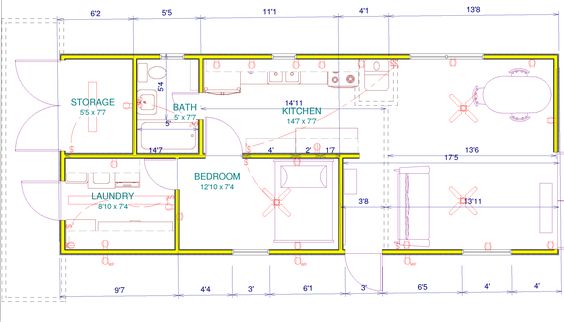
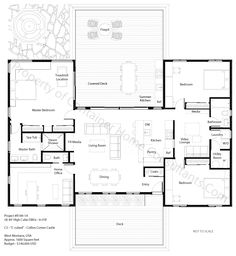
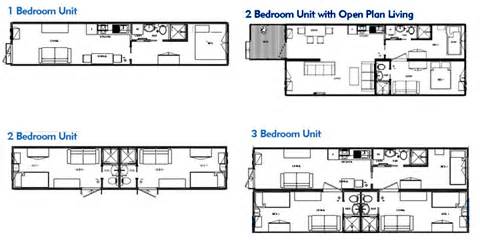
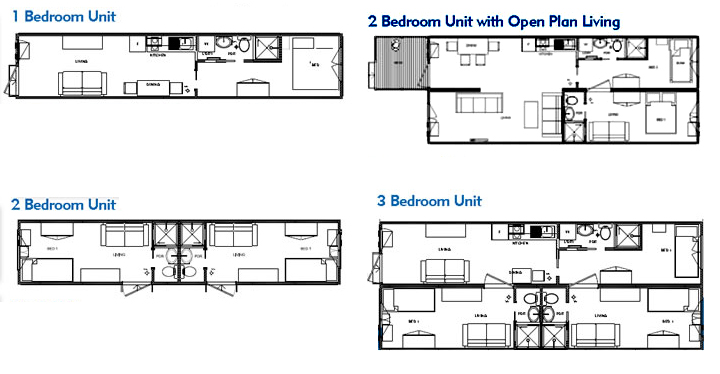
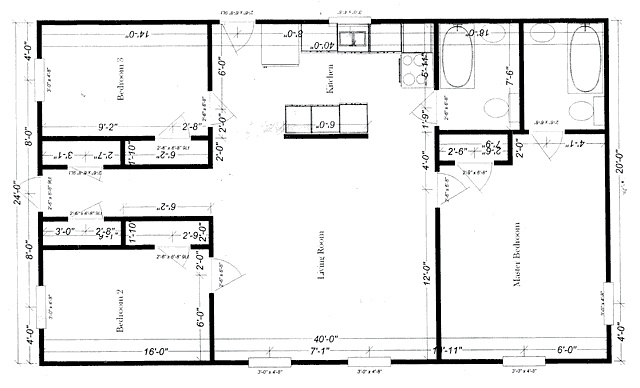
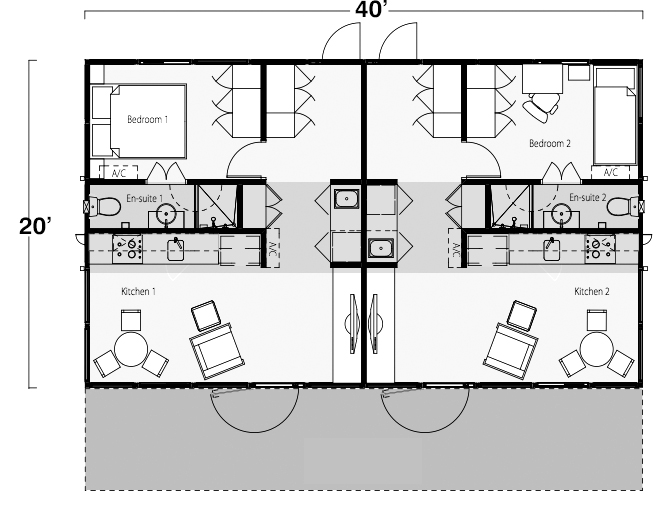
Shipping Containers in Kenya are easily converted into residential houses through clever re arrangement and re aligning to enable easy habitation.
Various arrangements can be done depending on the budget size, and plot size.
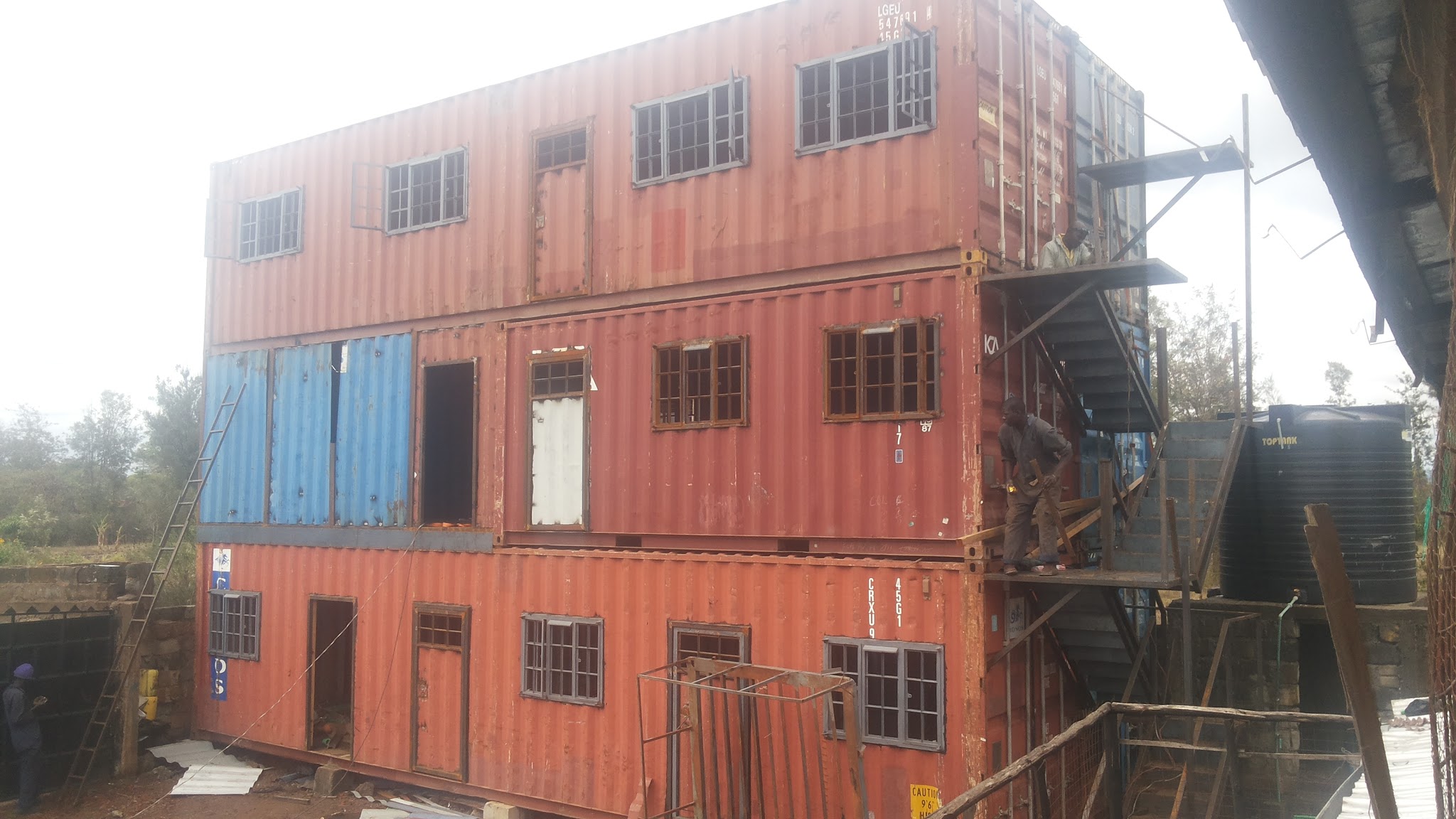
High rise shipping container houses.
Shipping containers have an advantage of easily being vertically stacked to form high rise housing.
This can be used as residential or shopping mall.
This high rise shipping container house is in Ruiru, of Eastern Bypass and is designed to be a 3 bedroomed unit.
For cost estimates on shipping container houses, email info@a4architect.com
LED XMas Snake lights are flexible lights that can be curved into various shapes for outdoor and indoor decoration.
These come in various types.
Multi colour vs Single colour.
Multicolour lights have the capacity to have various light colours and play around with a predetermined pattern as set in the adaptor box.
Single colour lights have just one colour .
Width of the snake light.
The light strip width can vary from between 1 to 3mm. The wider it is, the more expensive.
Others have 2 or 3 strips within the main light strip.
Fixing.
Use of silicon adhesive or double sided stickers is good for installation. Use of hooks bolted into the wall surface is also a good way of fastening to the wall.
These lights can be arranged into different patterns depending on the desired outlook.
Email info@a4architect.com or call 0721410684 for installation guidelines and costs.
Vertical Rotary Parking System in Nairobi, Kenya.
Cost comparison with purchasing more land and constructing concrete car park structure.
12 Car comparison.
Vertical rotary parking system.
Vertical rotary parking system costs kes 9,000,000 for 12 cars.
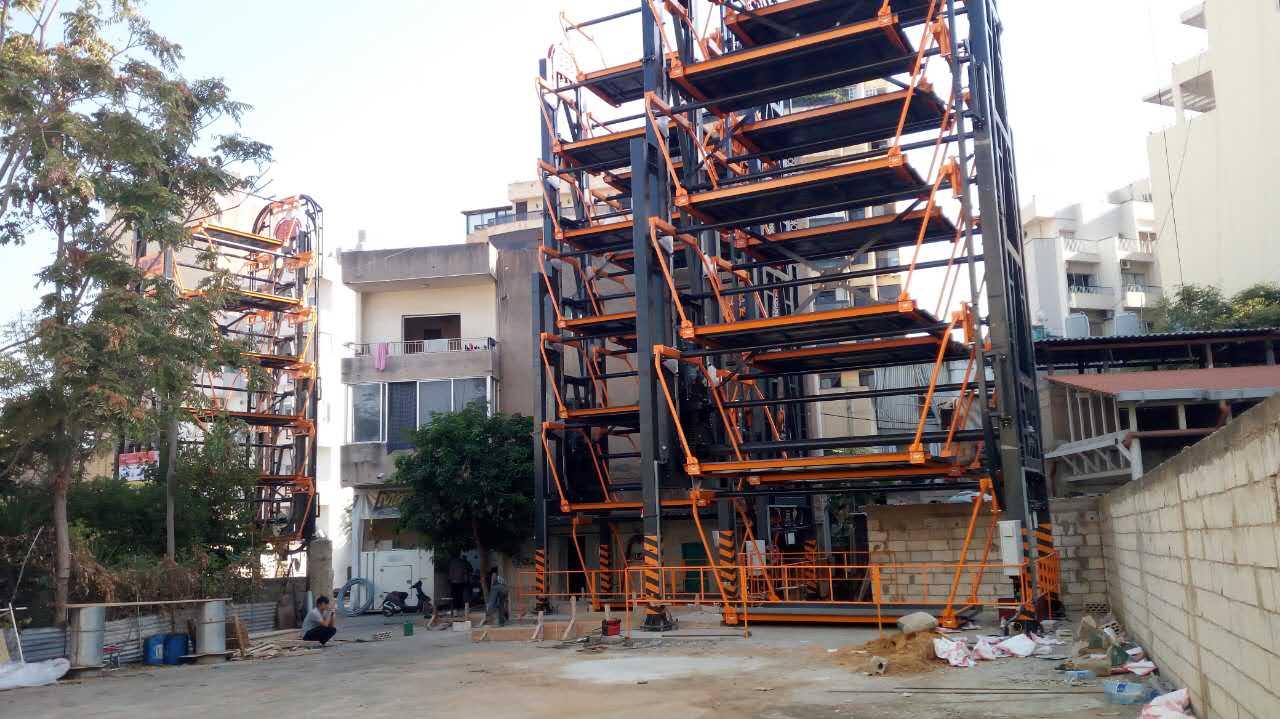
Space used. 15m2.
Purchasing land for 12 car parking .
12 car parking consumes 400m2 of space.
Assuming 4000m2 of space in an urban area around Nairobi such as Karen, Hurlingham, South B, Ngara to cost a minimum of kes 100,000,000, 400m2 of space will cost kes 10 million.
In most cases, such extension of space to purchase is not readily available, hence need to use the vertical rotary parking system instead.
Constructing 12 car parking space vertically .
Concrete structure to accommodate 12 cars will take up 500m2 of space. The car turning radius and minimum slope increases the circulation space that a vehicle uses to access the 1st floor level hence more construction costs. Cost of construction per m2 is kes 40,000. The total cost of construction is kes 40,000 x 500m2=kes 20,000,000.
Conclusion.
At kes 9,000,000 for 12 car space construction, rotary parking system is the most economically feasible compared to purchasing extra land and / or constructing concrete parking structures within CBD and 15km radius of CBD areas such as south B, langata, karen, westlands, ngara, thika road and eastlands where land costs an upwards of kes 100m per acre.
Assuming a car park charge of kes 300 per car, 12 car parking spaces will cost kes 3,600.This will be kes 1.3million per year.
This will be a 7 year period of return on investment, hence a good investment.
For smart Rotary car park systems purchasing and installation inquiries, email info@a4architect.com.
Architect Francis Gichuhi kamau.
info@a4architect.com
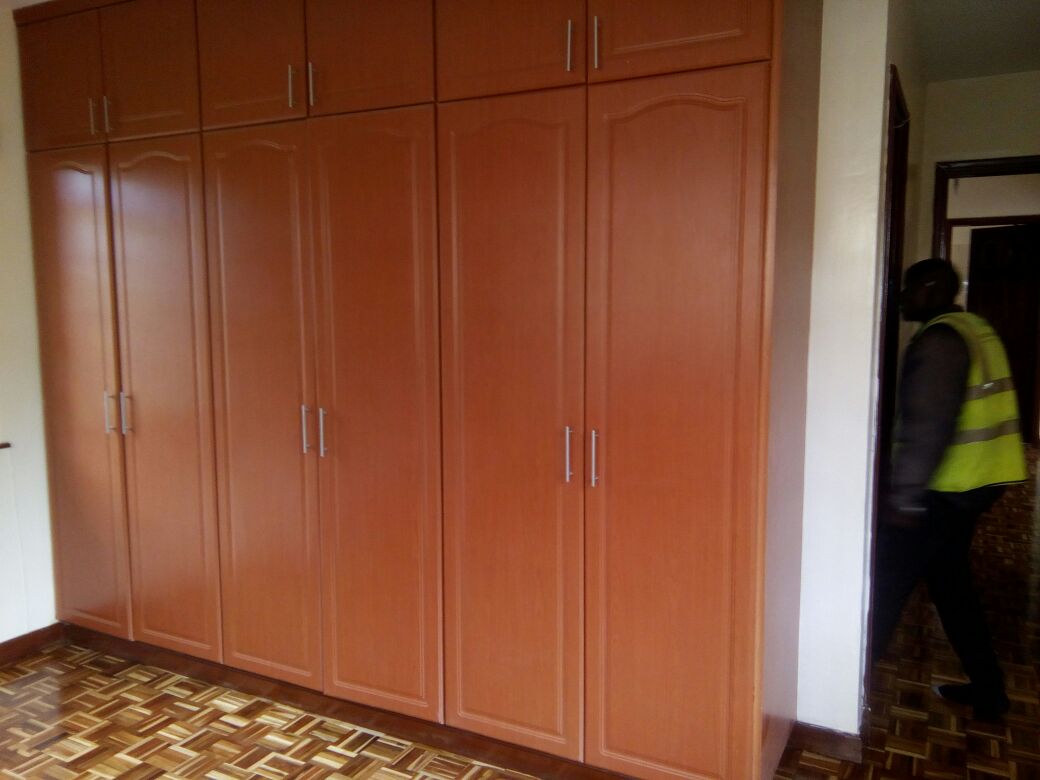
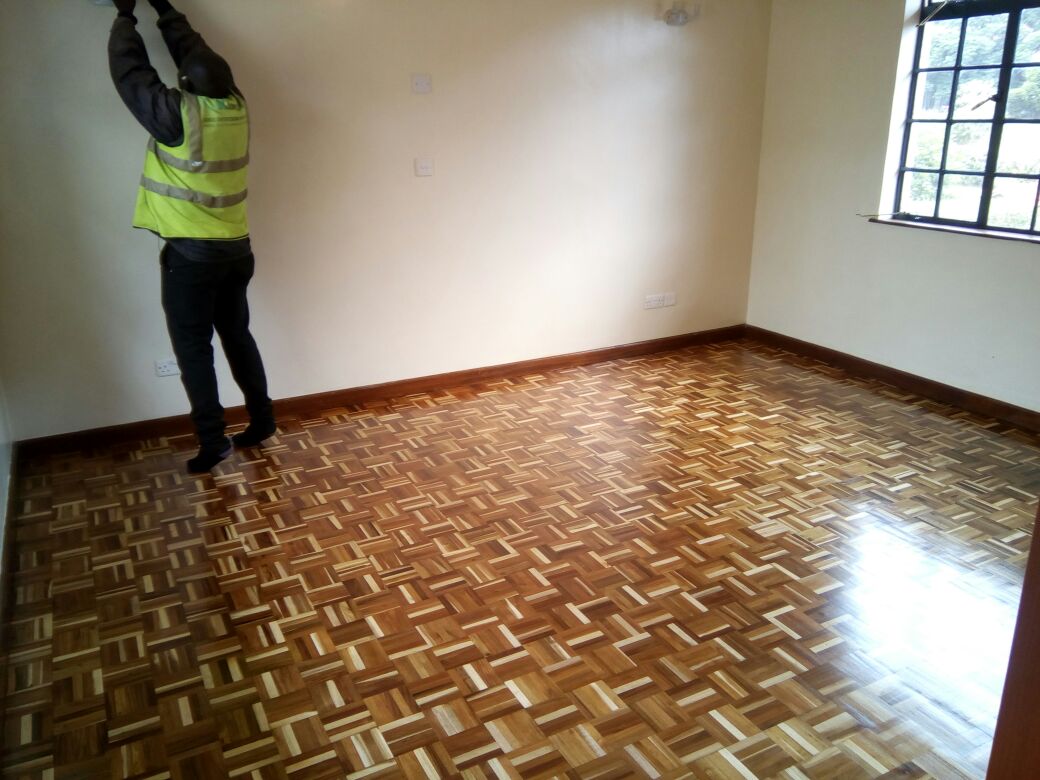
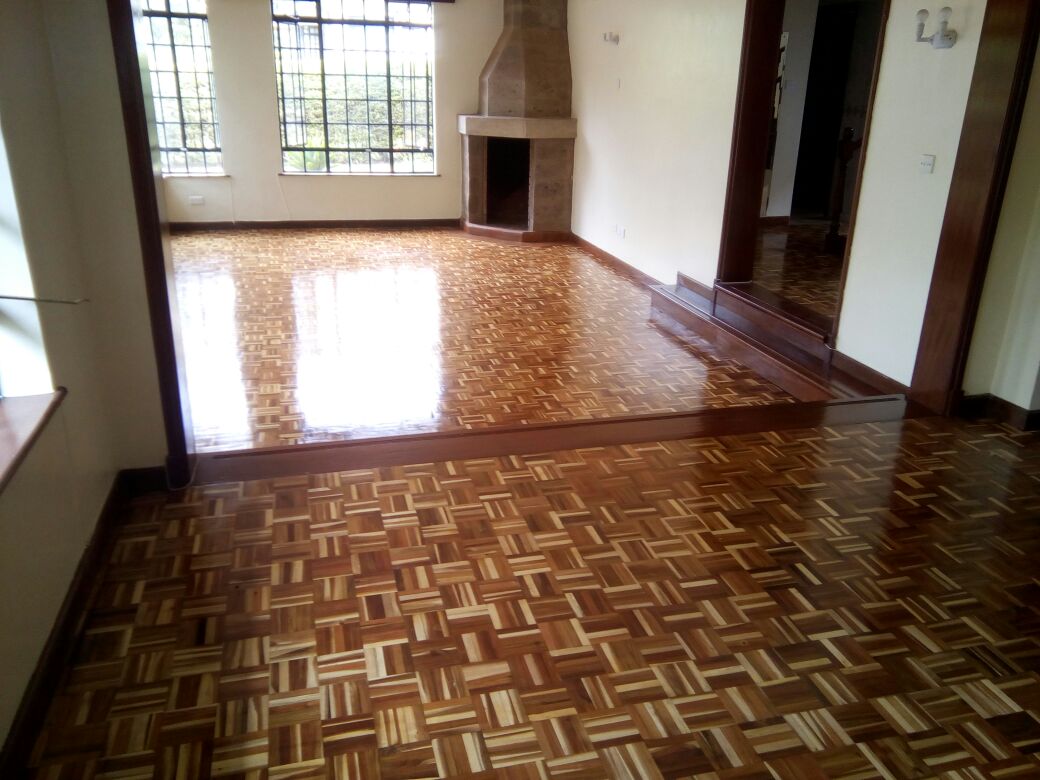
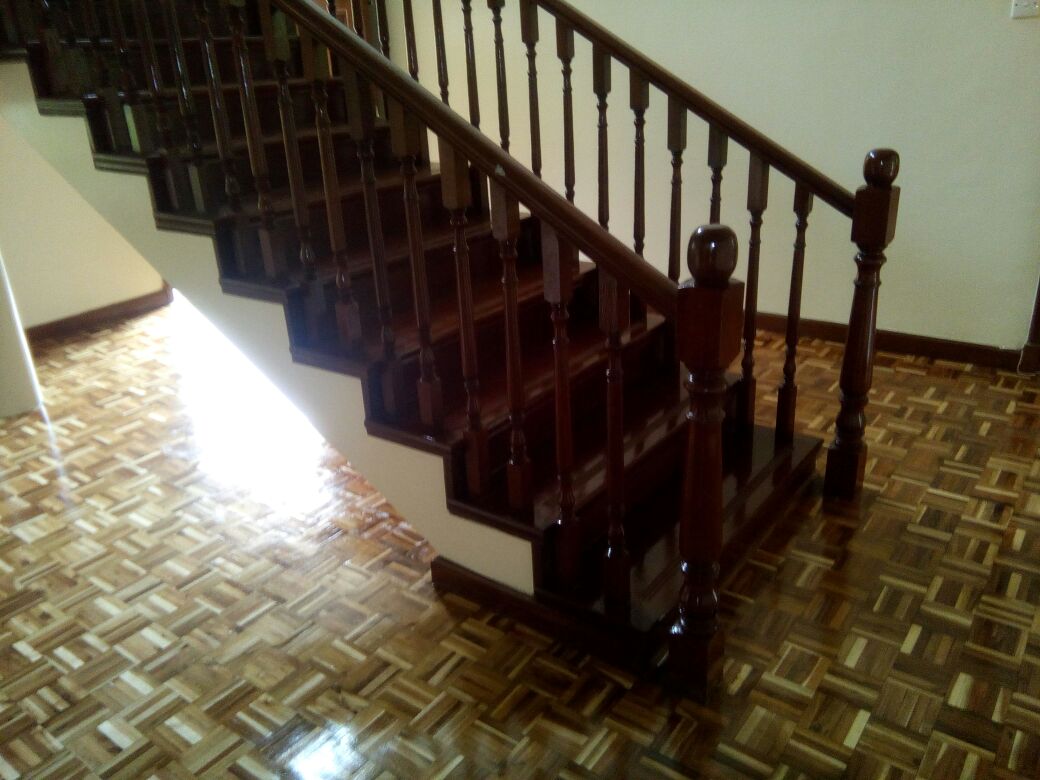
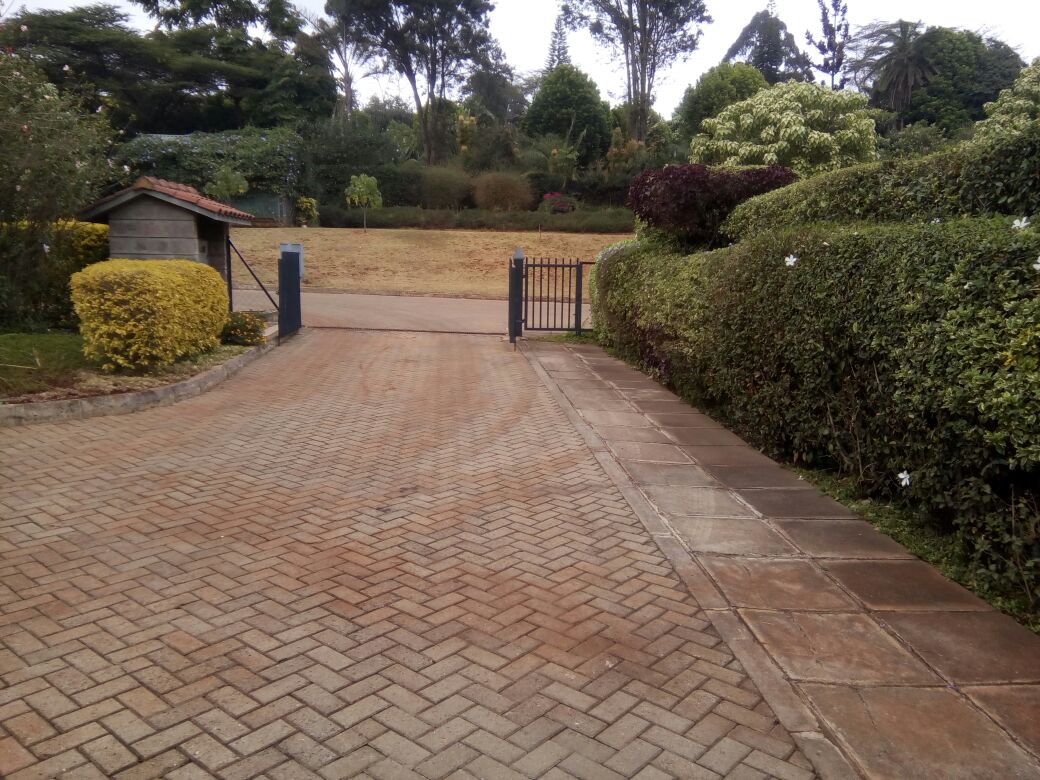
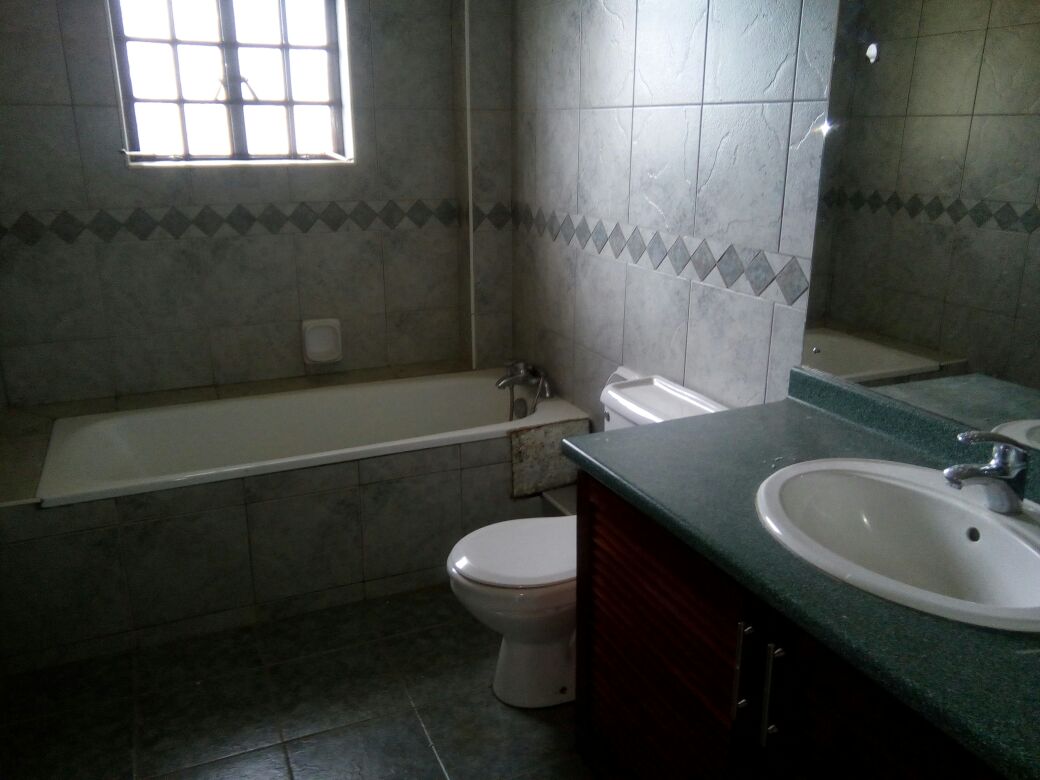
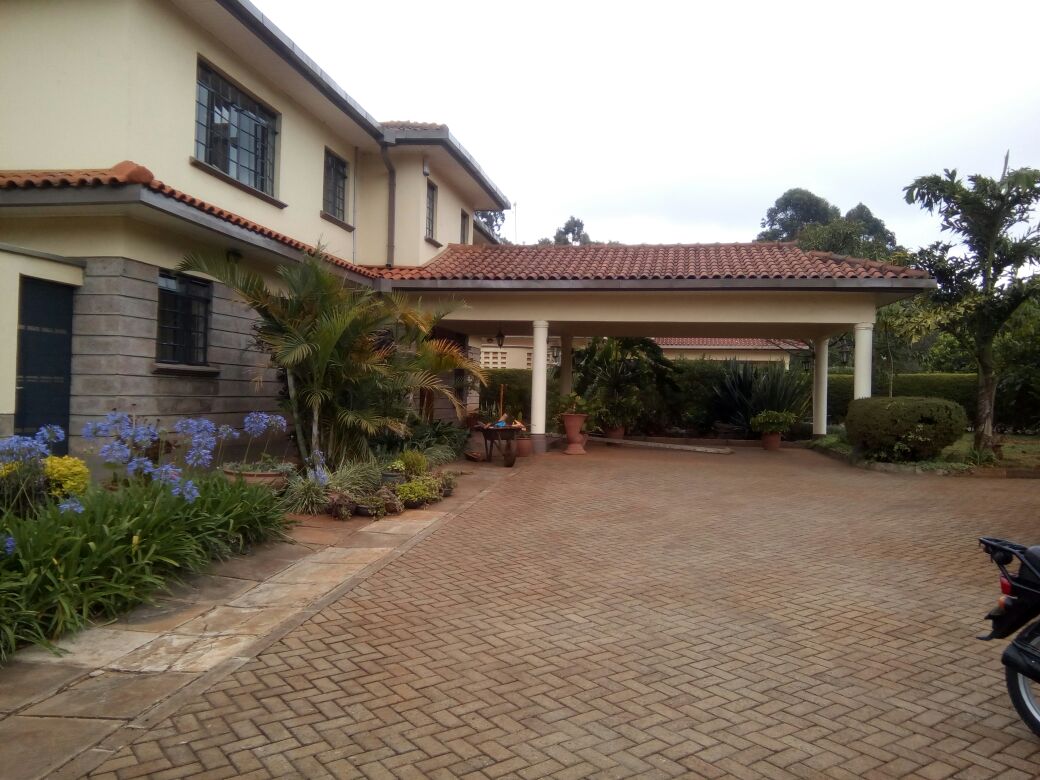
House for Sale, Karen. Miotoni Road
Kes 95 million.
0.5 acre land.
Email info@a4architect.com

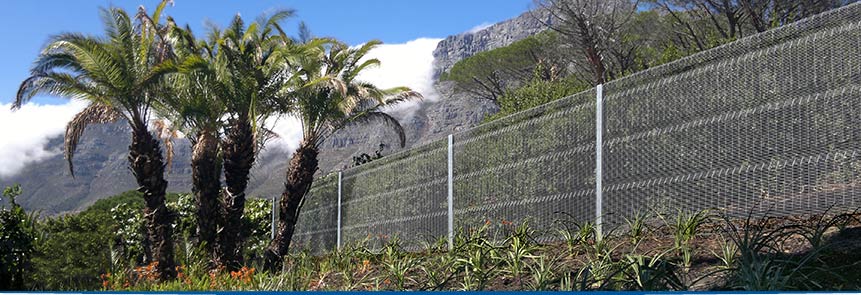
Preferred Usage.
For high end markets such as shopping malls, palatial residences etc, clear view steel walling is used. Military and Police establishments also find this walling very useful.
Landscape views.
It has an advantage of being see through, hence allowing clear visibility of the interior landscapes.
It also helps in improving security since it allows through visibility hence chances of burglars hiding around the gate are diminished.
Security.
The steel grills are set up in a mesh very close together to prevent a burglar from climbing over.
The wall panels are also designed to be bolded and the bolts are only accessible in the inside part.
The steel grilles are put up very close together such that a burglar can not insert a pliers tool tocut through.
Cost.
The wall panels, imported from South Africa, cost in the range of kes 10,000 per m2 to install in Kenya.
Email info@a4architect.com for quotations.
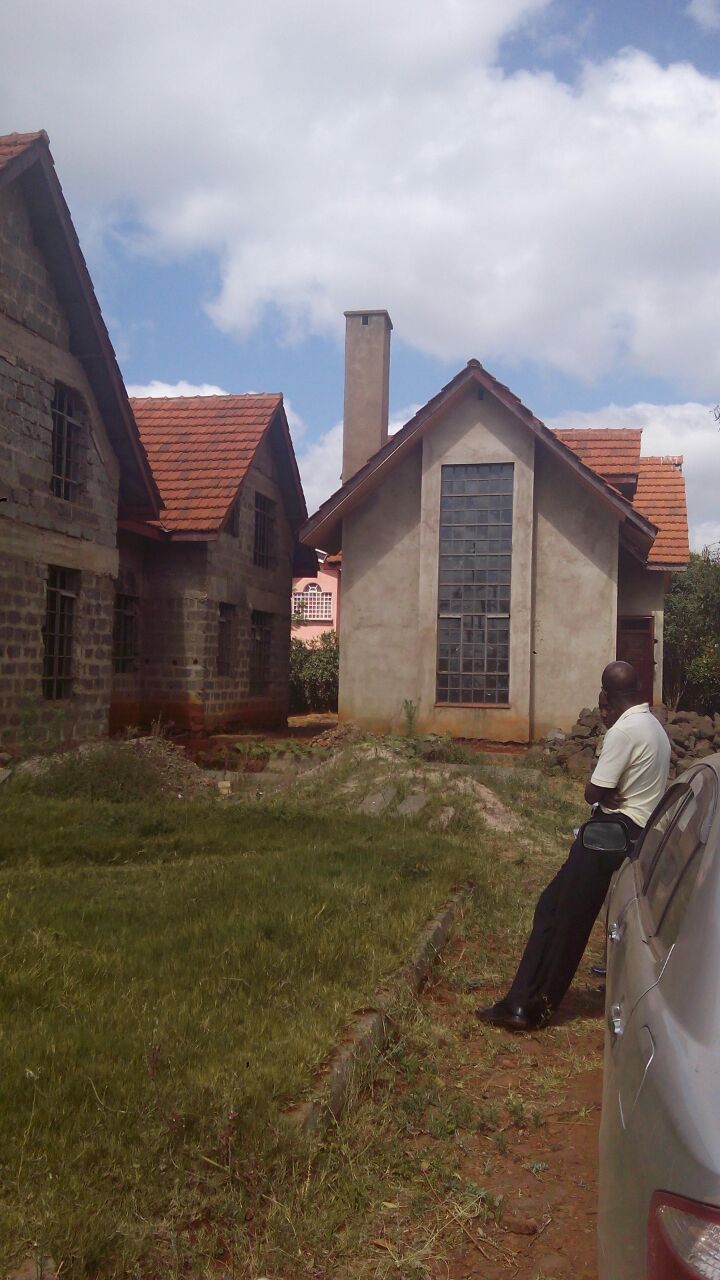
House for sale in Karen, Kuwinda road. 100m from Southern Bypass.
700m2 of built up area.
30m2 detached Gymn.
100m2 double storey Servants Quarters with double volume living room.
550m2 main House. Luxurious architect designed interiors.
70% complete.
Mature neighbourhood .
Kes 50 million.

Advantages of using LED Xmas decoration lights in Kenya.
LED lights use very minimal amount of energy. This means that the electricity bill will be negligibly affected . Also, this is good for the environment since less energy use means less carbon dioxide added into the environment hence much greener.
LED lights have an average lifespan of 100,000 hours, meaning that once bought, the need for replacement will only arise after many years of use.
LED lights come in multi colours.
LED lights are flexible and can be shaped into interesting designs to give more impact.
Outdoors.
LED lights are 20 times brighter than traditional solar lights used in out door gardens.
Kitchen under Cabinets.
LED lights are used for kitchen under cabinet lighting.
Hallways and Stair ways.
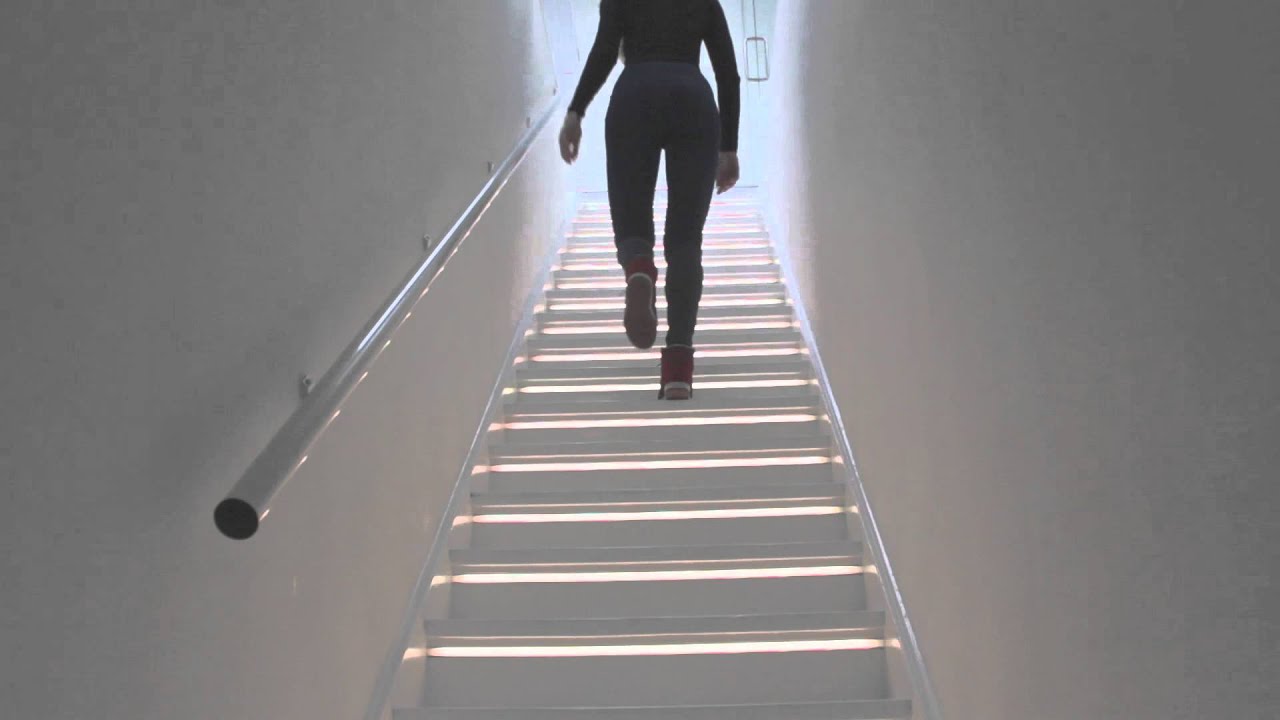
LED lights make stairways safer to use through their illumination. They also make the stairways improve their aesthetics, hence increasing property value.
Shopping Mall facades.
LED lights increase the aesthetic quality of shopping mall facades greatly.
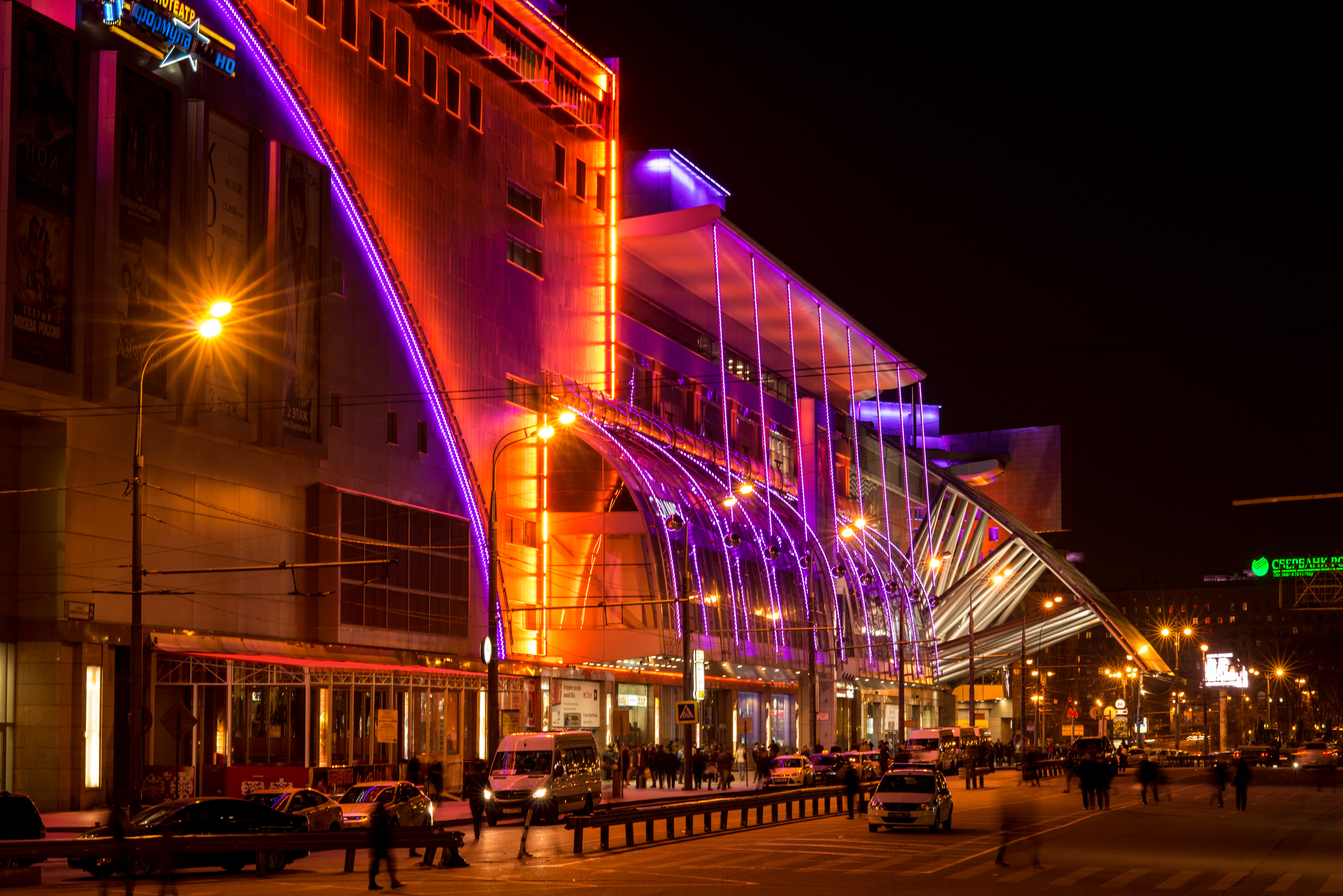
For quotations on LED lighting, email info@a4architect.com.
In Kenya, construction chemicals are beginning to be widely used in areas such as concreting, tile fixing, water proofing, concrete curing and enhancing concrete strength.
As the years progress, these are becoming more and more commonly used as construction becomes specialised eg use of basements, swimming pools, water storage facilities, septic tanks, repair of existing concrete structures, flat roofs and roof gardens.
Non Shrink Grout.
This is used to seal off the spaces in between tiles in a water proof manner. This is good for tiles especially i wet areas such as bathrooms or swimming pools since it’s water proof.
Concrete repair systems.
These are used to seal cracks in concrete or masonry walls, floors and other structures.
Surface treatments.
These are treatments that enable the concrete surfaces to receive plaster. In the suspended floor, the lower bottom part requires to be hacked to be rough enough to receive plaster for the ceiling in the floor beneath. This chemical is applied before concrete is poured on the formwork. After the formwork is removed, the surface will come out rough enough and ready to receive plaster. This is much cheaper than hiring labour to physically hack out the surface since it costs around kes 100 per square meter.
Bonding agents.
These are chemicals added to the concrete to enable new concrete to bond strongly with old existing concrete.
Floorings and Coatings.
These are epoxy floorings. They are mostly used in hospitals, laboratories, and factories where there is need for a smooth water proof surface that is easy to clean.
They are also used in indoor sports places such as basketball courts.
The cost is around between kes 8000 to kes 10000 per m2 for supply and fix around Nairobi.
Sealants.
These are used in the joints in between expansion joints for large buildings eg schools, airports, hospitals etc.
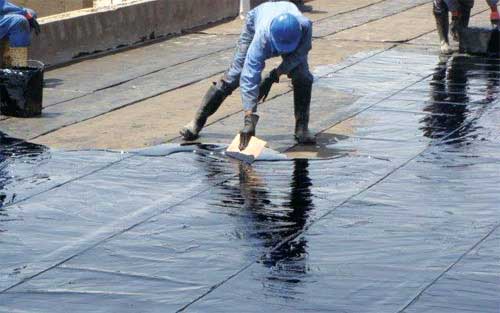
Waterproofing.
These are chemicals applied to water proof structures in wet areas such as septic tanks, swimming pools, flat roof gardens, balconies and basements.
Crystallisation slurry cementous waterproofing systems are ideal for basements. These cost around kes 7500 per 12m2 of surface.
Polymer modified semi flexible cementous water proofing systems are perfect for swimming pools, roof top gardens, flat roofs etc. These offer 100% guarantee against water ingress. The cementous membrane is applied on top of the concrete surface then its plastered or tiled in the case of swimming pools to provide 100% water proofing capacities. This costs around kes 6000 for a 6m2 surface coverage, slightly expensive than the crystallization option but offering much more water proofing capacity.
Tile adhesives and Grout.
These are used to stick ceramic tiles on the floor surfaces. They are much cheaper than the normal conventional cement use since they cost at least kes 100 per m2 compared to cement at kes 200 per m2.
Cement is usually 32.5 grade while the adhesives are in the 52.5 grade, hence more powerful than cement hence less shrinkage and less quantities used than cement, resulting to much savings.
Tile grout is waterproof, ensuring that the tile surface is completely sealed from water entering especially in wet areas.
Concrete admixtures.
These are chemicals used to speed up the curing time for concrete or to make the concrete more plastic hence easier to work on .
All these are available at www.a4architect.com.
For enquiries and quotations, email info@a4architect.com