Month: February 2019

  • Environmental Impact Assessment on Petrol Stations.

    The aim of an environmental impact assessment on petrol stations is to provide a study report to establish positive and negative impacts on the physical and socio economic environment.

    Early identification of possible impacts will promote environmental sustainability in that anthropogenic factors will not interfere with natural environment but will blend with it creating harmony.


    Negative Impacts             Mitigation Measures


    Increased noise and vibration levels


    •   Barricading the area (erecting a boundary wall).
    • Construction activities to be conducted during the day.
    •  Provision of appropriate Personal Protective equipment to protect workers from occupational noise.
    •  Regular maintenance of plants and equipment.
    •  Shutting down of engine vehicles when not in use to- reduce on noise levels.
    • Conducting of noise measurements from different- positions within and outside the workplace to establish prevailing noise levels and recommending appropriate mitigation measures.


    Increased air pollution as a result of dust particles emanating from earth works and construction activities.


    • Use of dump method to mitigate on dust by sprinkling water on areas to be excavated.
    • Soil compaction.


    Pressure on existing infrastructure i.e. roads, power, water among others.


    Erection of warning and informative signs. i.e. notices, billboards at the site during the construction phase and traffic control along the connecting road.


    Increased waste materials (both solid and liquid).


    Proper designing of drainage channels and regular maintenance of the same.


    Contamination of the ground with oil and grease substances


    Maintenance should be carried out at designated service bays to avoid contamination of environment by resultant oil and greases.


    Oil leaks and spills


    • Regular inspection of underground tanks for leakages.
    • Construction of a three pit oil interceptor tanks to separate oil from sludge.
    • Double walling of underground tanks to guard against leaks.  Protecting the underground tanks with corrosion prevention materials.
    • Prioritizing the upgrade of equipment and installation of existing facilities of a network after a defined age.
    • Careful siting of the project to ensure that it lies in an environment that is far from environmental receptors including sewers, tunnels, vaults, surface water reservoirs etc.


    Destruction of soil structure


    • Ensure use of manual labour and hand tools where- appropriate.
    • Ensure the contractor takes the shortest time possible.


    Soil and Ground Water contamination


    • Regular hydraulic pressure testing of the underground- tanks.
    • Non destructive testing, for example, ultrasound testing.


    Generation of contaminated waste water and storm water


    • Implementation of secondary containment procedures that avoid accidental or intentional releases of contaminated containment fluids.
    • Segregation of clean drainage and potentially contaminated drainage, treating the latter through oil/water separators.
    • Oil water separators may include baffle type or coalescing plate type. They should be properly designed, operated, and maintained to achieve the desired water treatment results.


    Positive Impacts


    Economic impacts


    • Creation of job opportunities.
    •  Promotion of development activities.
    •  Creation of market.
     

    Natural environment


    • Conservation of environment through planting of trees.
    • Improving aesthetic by planting flowers and landscaping.


    Social impacts


    • Improvement of the living standard of workers through employment.
    • Promotion of community development through corporate social responsibility.


    During the construction and operational phases of petrol stations major concerns should be focused towards minimizing the occurrence of impacts that would degrade the general environment. This can be done through close follow-up and implementation of the recommended Environmental Management and Monitoring Plan.

    Mercy Wangui

    For NEMA Licence Call

    0715827209
  • What are the dangers of building on riparian lands?

    Building in the riparian areas can have serious consequences these include:

    • Increase in overall flooded area: Buildings and other structures in the riparian land displace flood waters, pushing overflow further out into the watershed and affecting lands and buildings that would not be at risk otherwise.
    • Greater financial losses through property damage when flooding occurs.
    • Increase in risks to human safety: Deaths and injuries from drowning, being trapped in vulnerable structures, or being struck by flood debris all increase once riparian lands are developed.
    • Riparian areas, which are also a key component of wetlands, are considered unsafe for construction due to the underground water systems that may weaken the foundations making the buildings potentially dangero

    Importance of riparian lands

    • Wetlands are important as they provide ecological services including sieving up aquatic pollutants, acting as biodiversity habitat, recharging underground water systems and help mitigating floods by regulating storm-water flow over time and increase water retention.
    • The areas also aid in climate change adaptation as they support flora and fauna, recharge aquifers during the dry season, help in nutrient retention and shoreline stabilization (NEMA 2018).
    • Recreation

    Waterways are important sites for recreation such as walking, swimming, fishing and promoting tourism.


    Mercy Wangui

    For Nema Licence Call

    0715827209

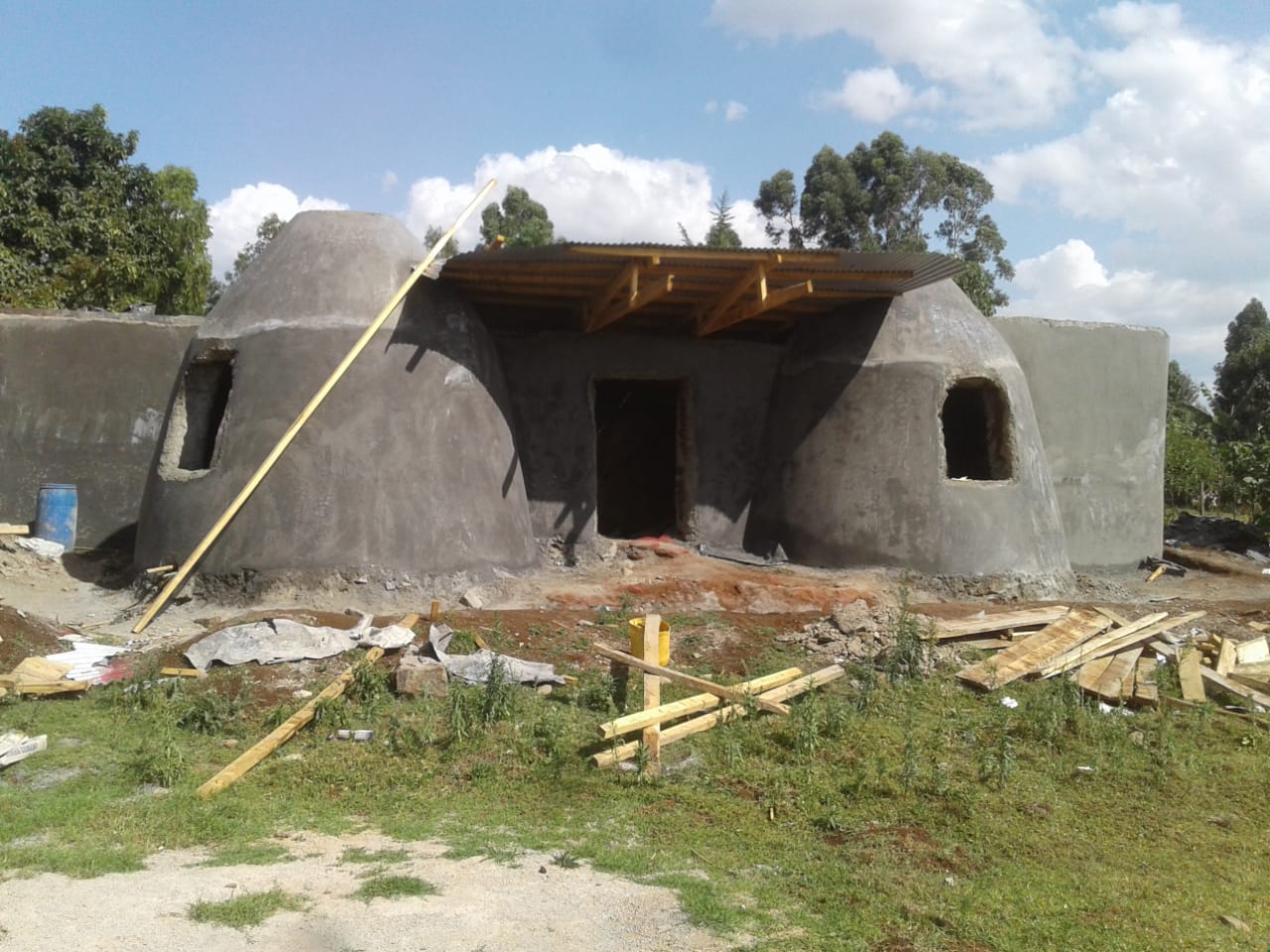
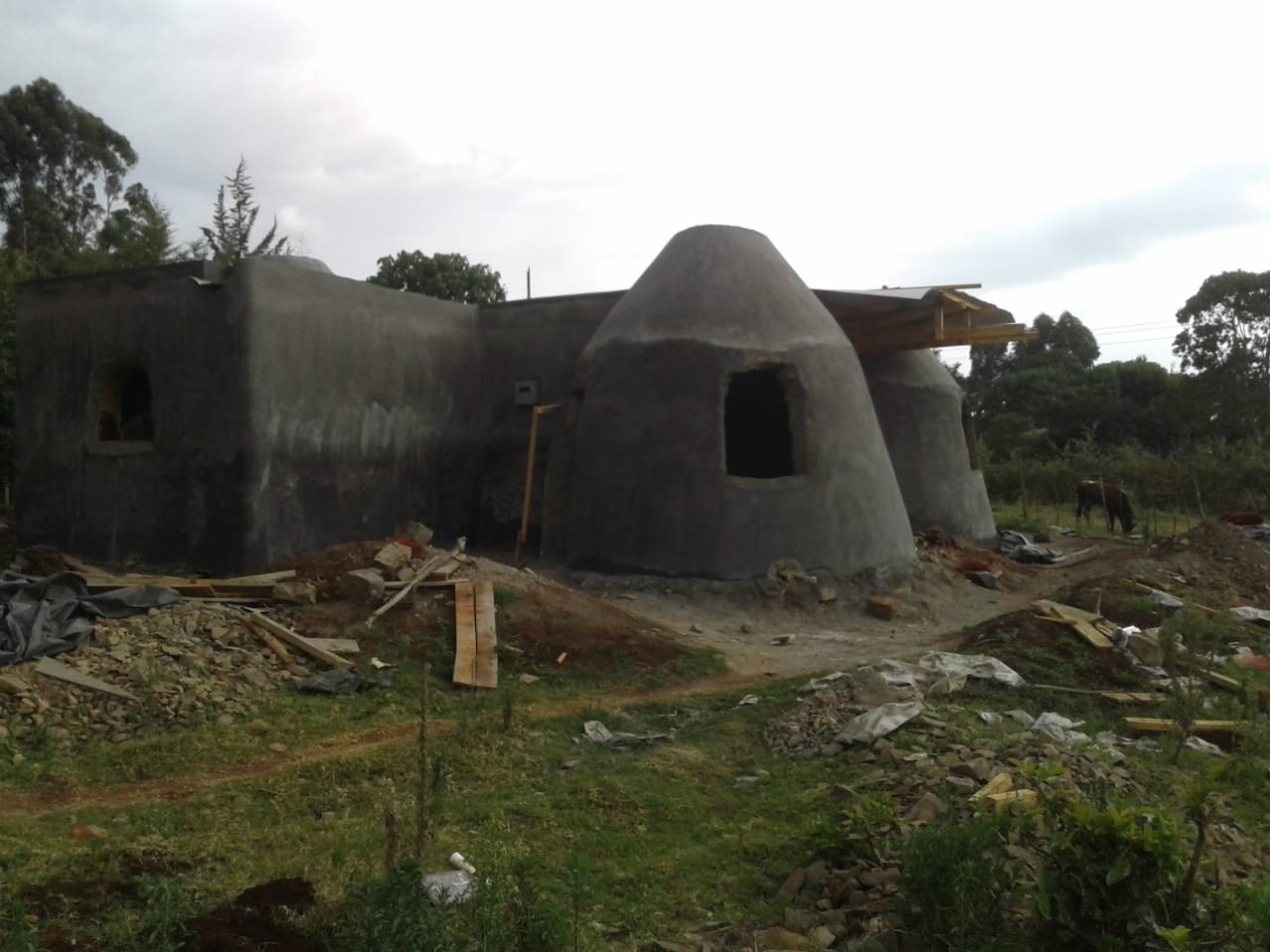
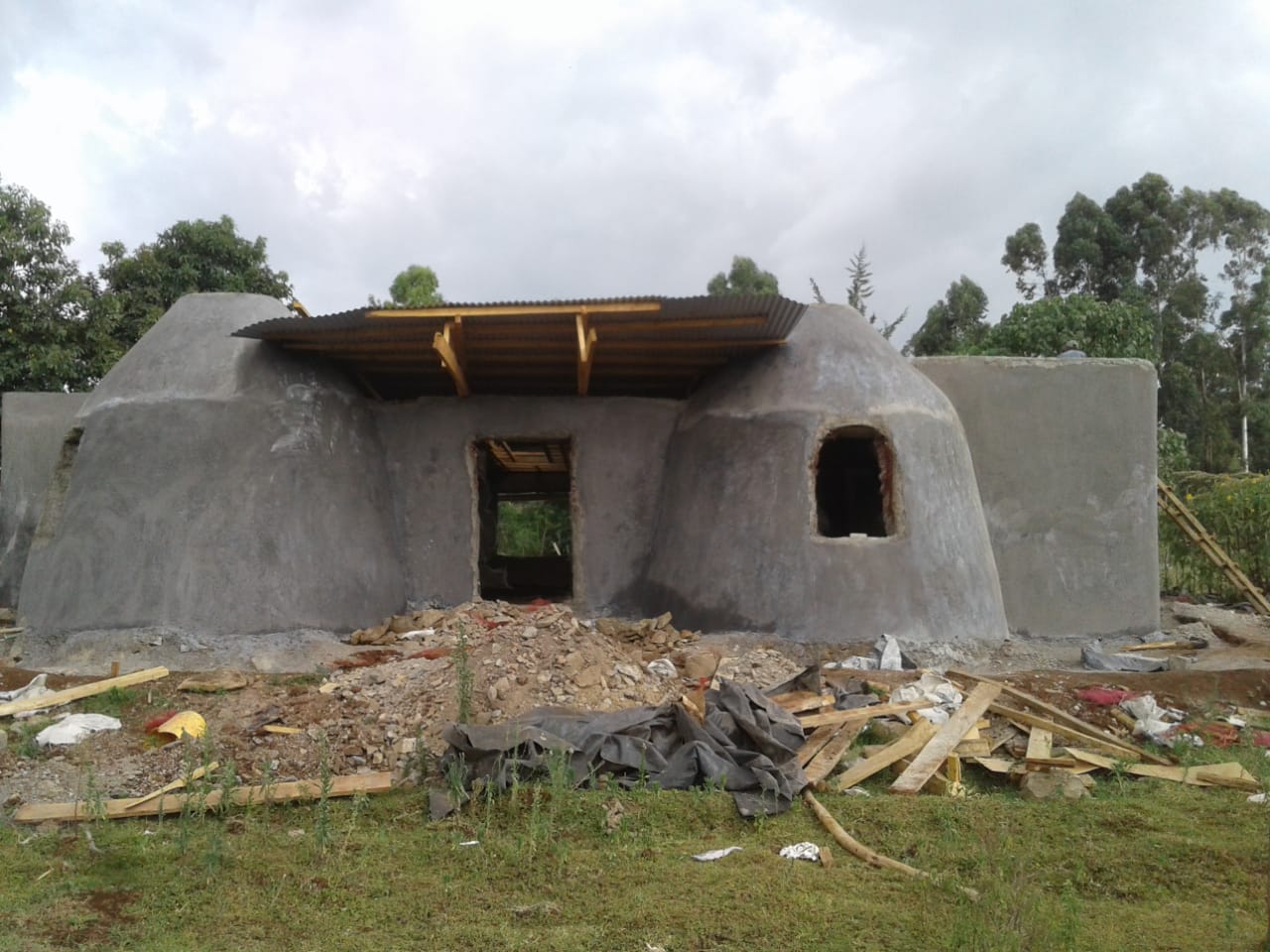
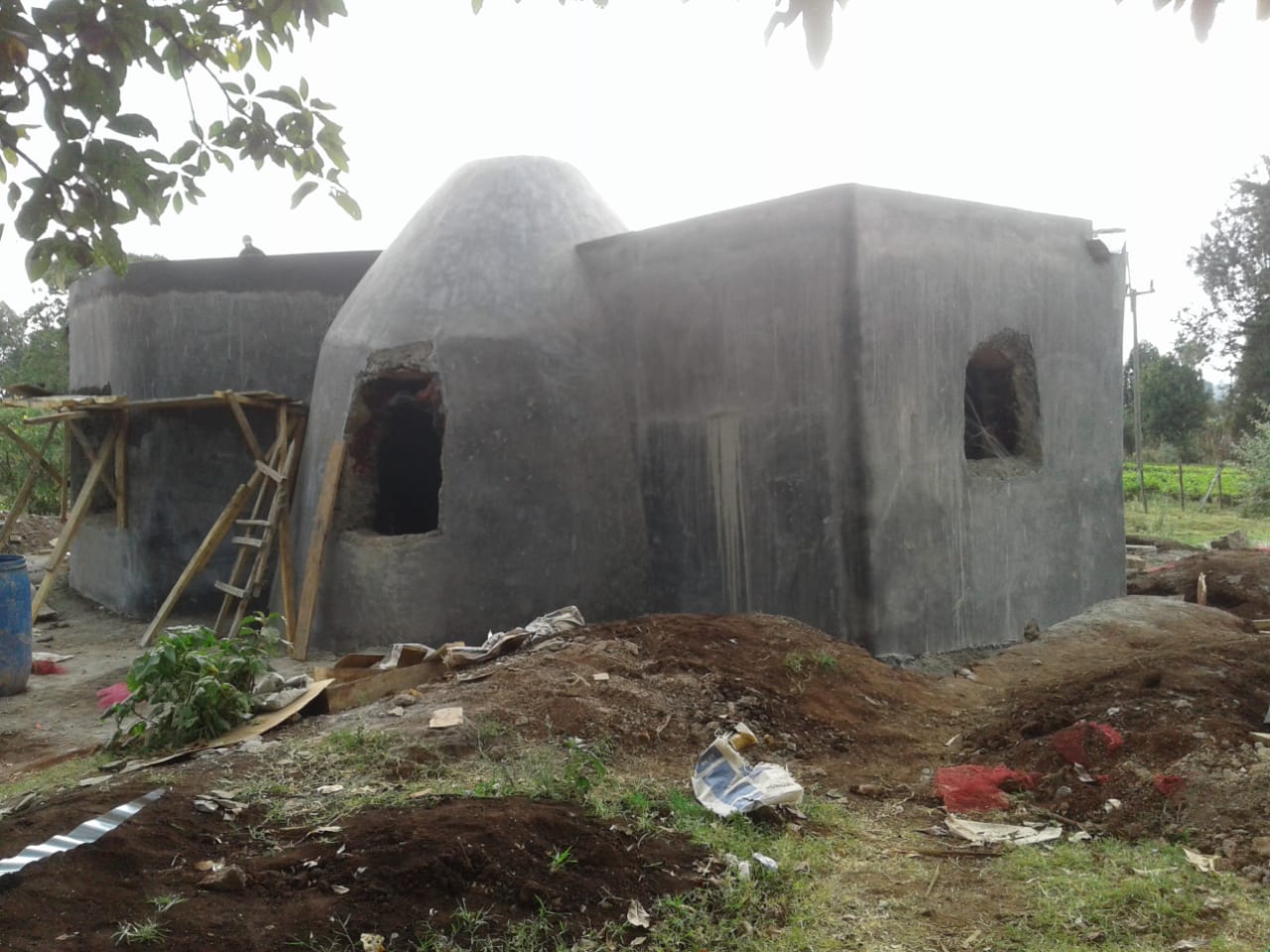
  • a4architect Projects


  • What is riparian land?

    Riparian land refers to terrain that is adjacent to rivers and streams and is subject to periodic or occasional flooding. The plant species that grow in riparian areas are adapted to tolerate conditions of periodically waterlogged soils. The ecosystems of riparian areas are generally called riparian wetlands.

    The Water Act 2016 defines riparian habitat as “the dynamic complex of plant, animal and micro-organism communities and their non-living environment adjacent to and associated with a watercourse”.

    The riparian land stretches to a minimum of 6 metres up to a maximum of 30 metres on either side of the watercourse banks from the highest water level according to the Survey Act of 1989, and Water Quality Regulations (2006) and Water Resources Management Rules (2007).

    In Kenya several buildings have been demolished because they have being built on riparian lands a good example is the south end mall in Nairobi which is shown on the link below.

    https://youtu.be/hC-piBRFz_8

    Mercy Wangui

    For NEMA licence

    Call 0715827209