
Month: January 2019
-
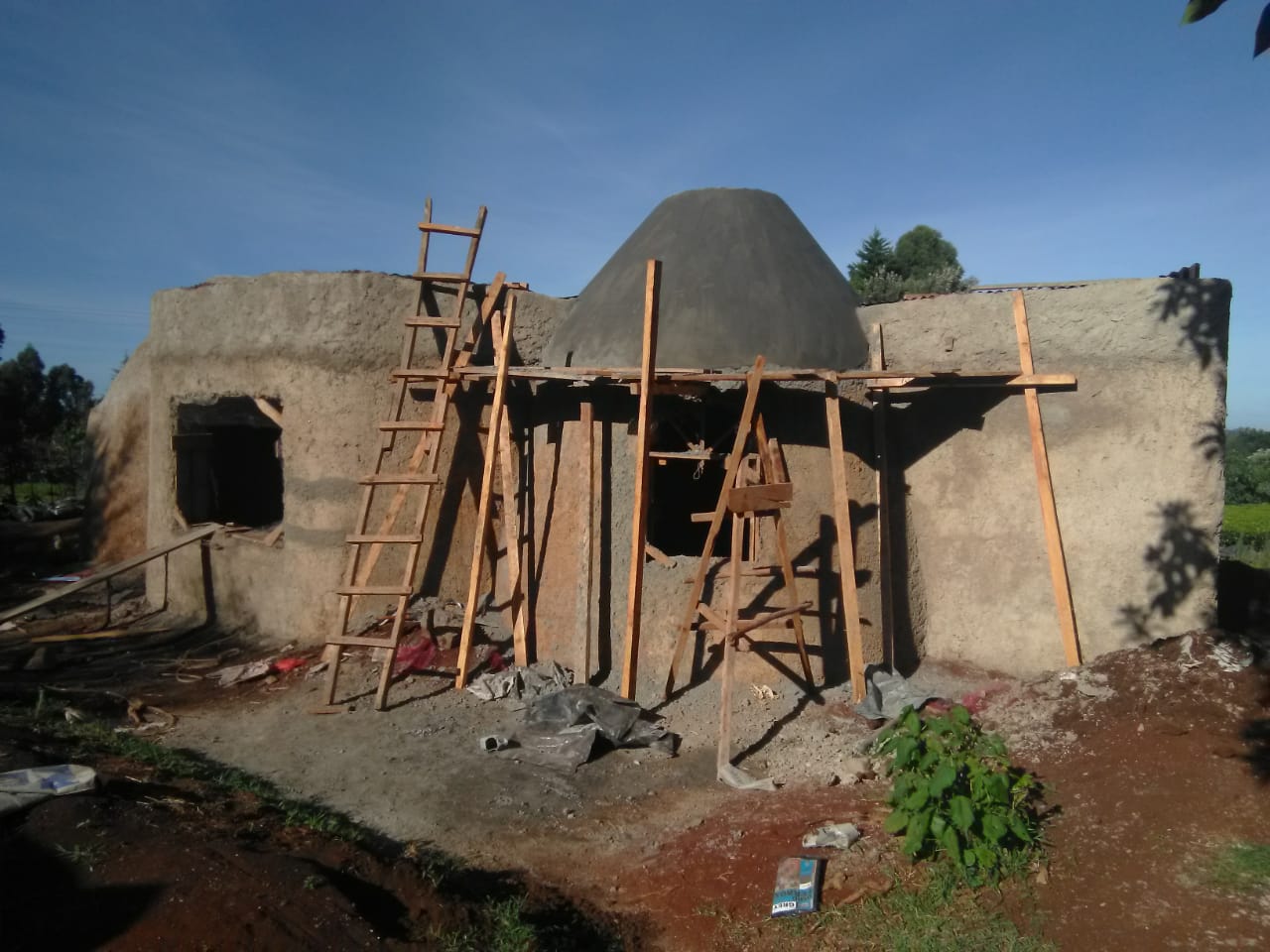
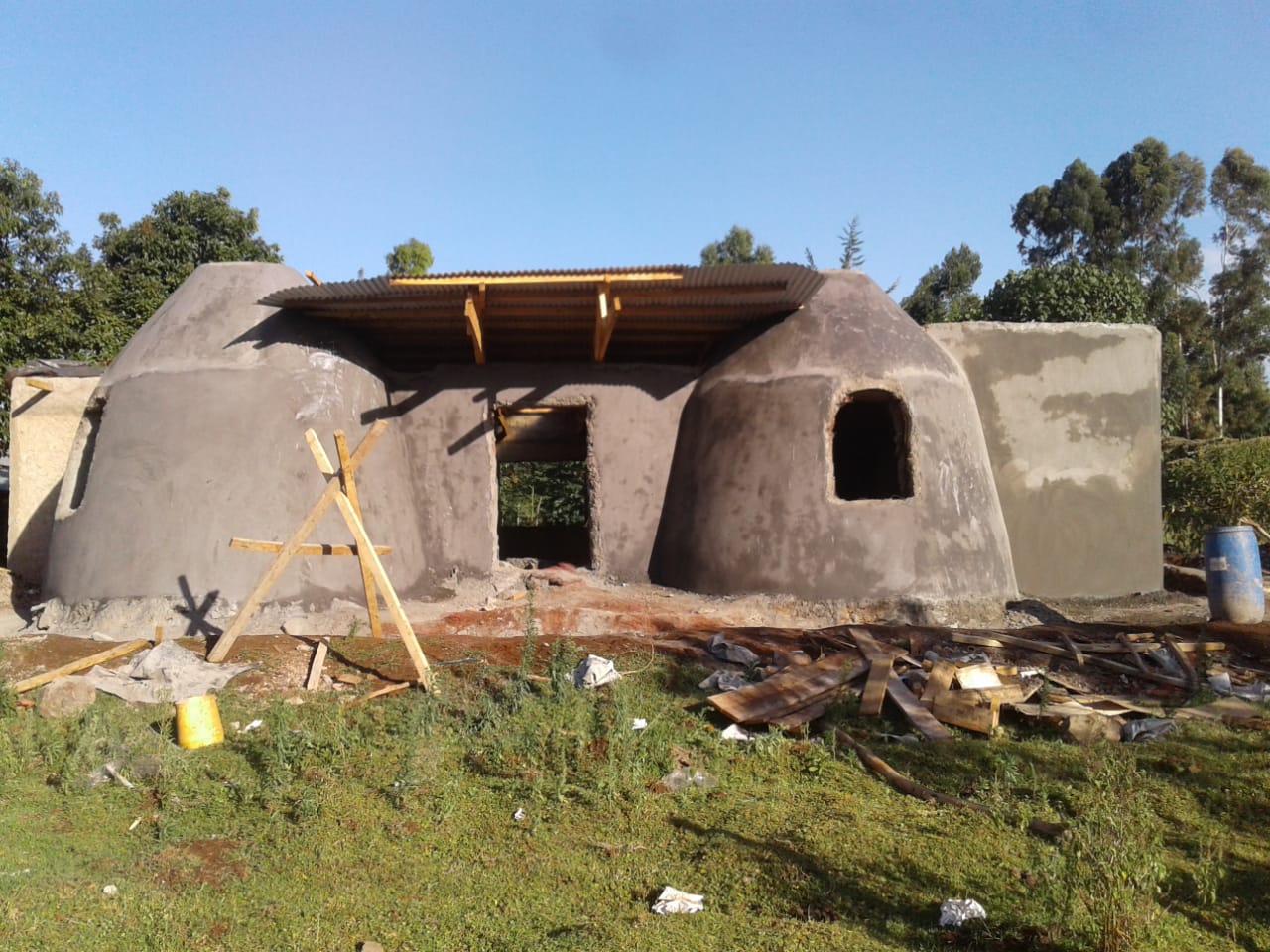
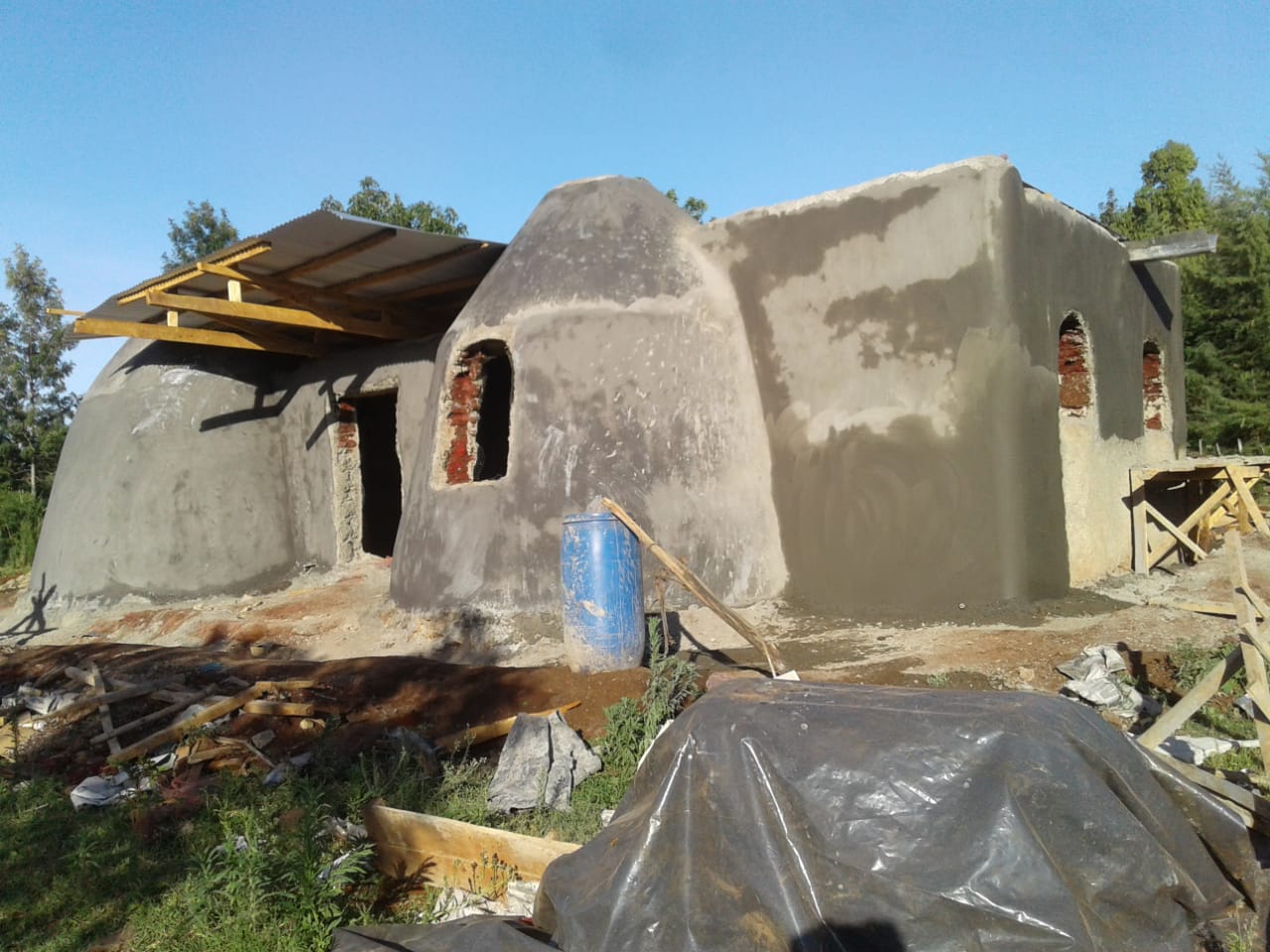
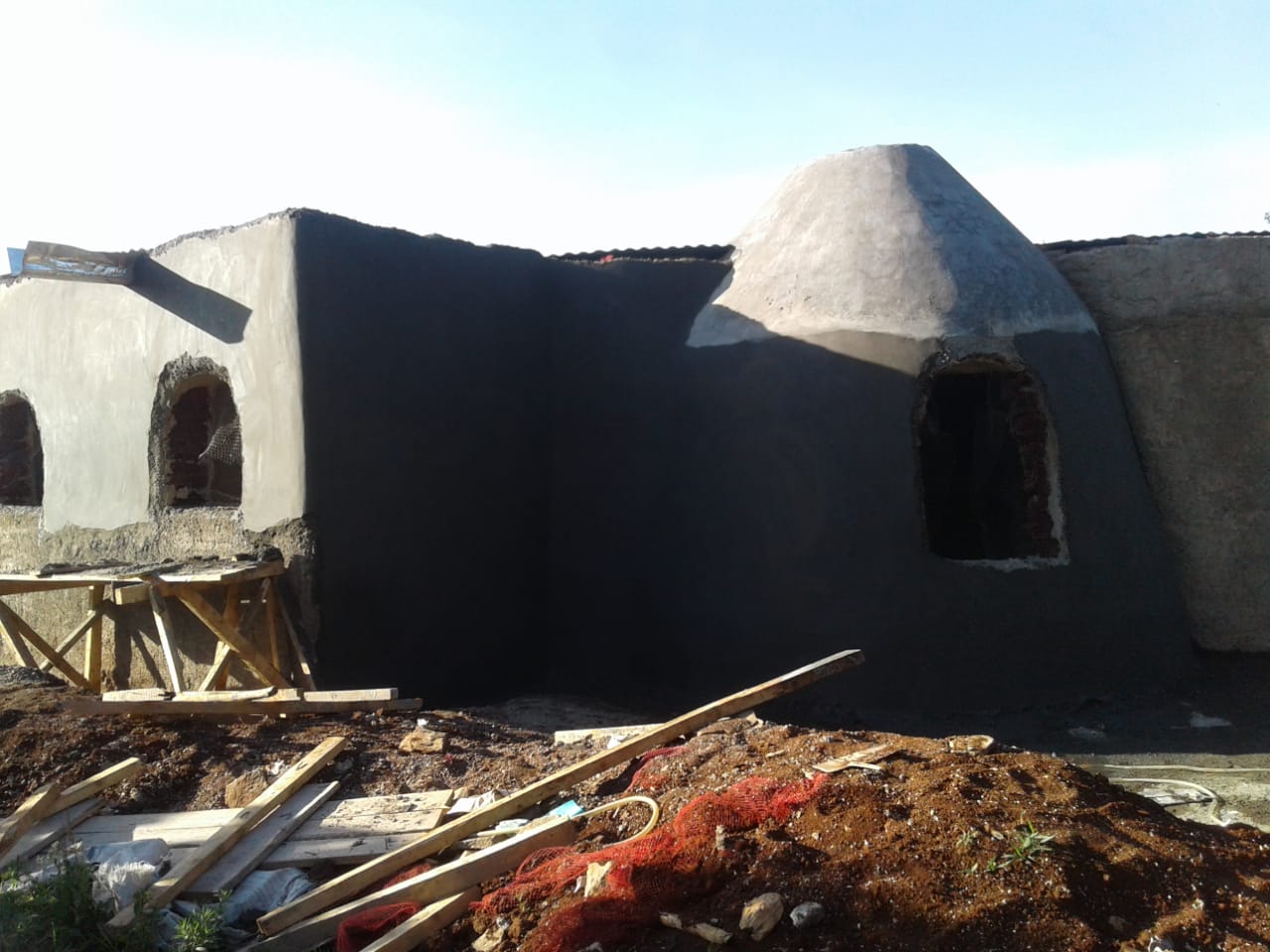
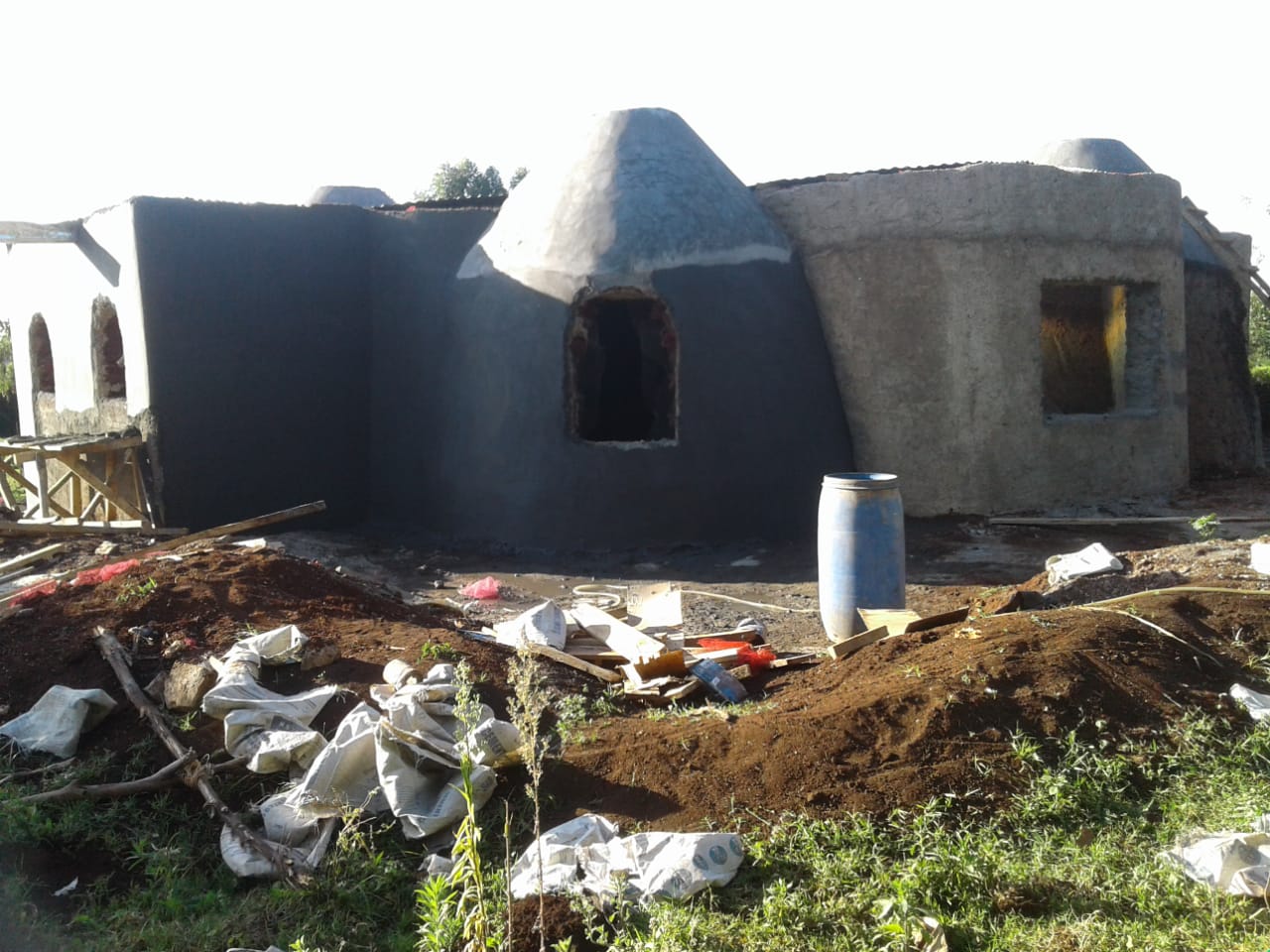
Septic tank construction, Ruiru.


The soil is shallow in Ruiru area, approximately 1 foot deep hence making it hard for the septic tank soak pit to soak away the treated waste water from the house.
Solution for this is to dig the soak pit over 3 meters deep until the hard rock layer is broken to reveal a soft rock type that has the spongy ability to soak away the waste water into the underground water drainage channels that follow gravity.
Architect Francis Gichuhi Kamau.
0721410684
info@a4architect.com
-
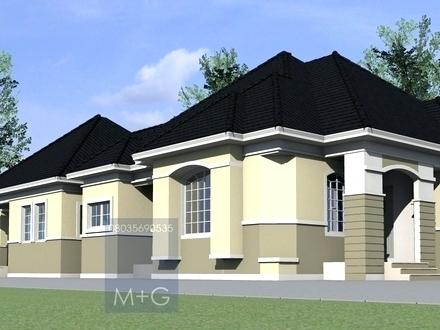
Maisonette for Sale, Karen, Miotoni road. On 3 acre land.

Maisonette for Sale, Karen, Miotoni road. On 3 acre land. With Swimming Pool. 




swimming pool Price guide. Kes 310 million.
Call 0721410684. Email info@a4architect.com for more details.
-
What impacts does an environmental assessment establish?
An environmental assessment is a study required to establish three impacts of a project. These include economic, environmental and social impacts that a project would bring.
Social Impact Assessment
Social impact assessment (SIA) can be defined in terms of efforts to assess or estimate the social impacts that are likely to follow a proposed project. These are direct and indirect impacts that affect people and their communities during all stages of the project lifecycle.
Social impacts include changes in people’s way of life, their culture, community, political systems, environment, health and wellbeing, their personal and property rights and their fears and aspirations. Examples of projects with significant social impacts include: landfill and hazardous waste disposal sites (perceived health risks, loss of amenity); power and industrial plants (community stress from influx of work force, pressure on infrastructure); dams and reservoirs (lifestyle disruption resulting from relocation, land use alteration; and roads and linear developments (dislocation of activity networks and relationships).
The main types of social impacts that occur as a result of these projects can be grouped into five overlapping categories:
- Lifestyle impacts – on the way people behave and relate to family, friends and cohorts on a day-to-day basis
- Cultural impacts – on shared customs, obligations, values, language, religious belief and other elements which make a social or ethnic group distinct
- Community impacts – on infrastructure, services, voluntary organisations, activity networks and cohesion
- Quality of life impacts – on sense of place, aesthetics and heritage, perception of belonging, security and liveability, and aspirations for the future
- Health impacts – on mental, physical and social well being, although these aspects are also the subject of health impact assessment.
Some of the common questions in social assessment include:
a) Who are the stakeholders of the project/proposed action?
b) Are project objectives consistent with their needs, interests and capacity?
c) What social and cultural factors affect the ability of stakeholders to participate or benefit from the proposed policy or project?
d) What will be the impact of the project or program on the various stakeholders, especially women and vulnerable groups?
e) Are there plans to mitigate adverse impacts?
f) What social risks might affect project or program success?
g) What institutional arrangements are needed for participation and project delivery?
h) Are there plans to build capacity at appropriate levels?
The major advantages of undertaking a systematic SIA include:
- Identifying project/ programme stakeholders
- Identifying and prioritizing social issues associated with project
- Mitigating negative impact on communities or individuals
- Enhanced benefits to those affected
- Avoids delays and obstruction in gaining development approval
- Acts as a precautionary measure and avoids costly errors in the future
- Builds the trust and cooperation between community and stakeholders that is necessary for successful implementation of the project.
Environmental Impact Analysis
An environmental impact analysis is typically conducted to assess the potential impact a proposed development project will have on the natural and social environment. This may include an assessment of both the short- and long-term effects on the physical environment, such as air, water and/or noise pollution; as well as effects on local services, living and health standards, and aesthetics.
Economic Impact Assessment
Economic impact analysis examines the effect of a project on the economy in a given area.
The effects may be viewed in terms of:
- Business output (or sales volume).
- Value added (or gross regional product).
- Wealth (including property values).
- Personal income (including wages) or jobs.
Any of these measures can be an indicator of improvement in the economic well-being of area residents, which is usually the major goal of economic development efforts.
NEMA CONSULTANT
MERCY WANGUI
0715827209
-
Architect Designs to prevent Terrorist Attacks in Hotels and Malls in Kenya.
Architect Designs to prevent Terrorist Attacks in Hotels and Malls in Kenya.
The recent terrorist attack at Dusit D2 hotel in Nairobi, Kenya can be prevented to some extent using architectural design that incorporates security features within it.
From investigations, we saw that the terrorists visited the hotel several weeks before to study it, meaning that they also visited other hotels and decided to choose the one that was easier to do a successful attack .
From the experience gained from the recent hotel bombings in Mogadishu, the terrorists rammed cars into the hotels and exploded them.
This means that the architectural design for the landscape for 5 start hotels should include vehicular barriers to prevent such a style of attack. The ground floor walling should also be done in reinforced concrete, like the architectural design for security in bank safes, where its not easy to penetrate through.

The Dusit D2 architectural floor plan layout also makes it easy for terrorists to perambulate from room to room due to a central type of circulation.
This central type of circulation in the architectural floor layout is similar to the Westgate Mall one, hence making it conducive to the terrorists in operation.
A more open architectural floor layout design would make it quite hard for the terrorists to move from room to room.
The terrorist attack at a hotel in India was also aided by such architectural floor plan layout.

https://edition.cnn.com/2013/09/18/world/asia/mumbai-terror-attacks/index.html
Also, such closed out architectural floor layouts require that the ventilation be done mechanically using Air Conditioners. This can be a double edged sword in that the police can use the air conditioning to pass in sleeping gas as a rescue mechanism or the terrorists can use the same method to hurt innocent people. The solution for this is to ensure all 5 star hotels get as much natural ventilation as possible.
https://en.wikipedia.org/wiki/Moscow_theater_hostage_crisis

This shows that among other terrorist prevention method, architectural intervention in 5 star hotels and malls, if designed well, can thwart the chances of terror attack and go a long way in saving human life in case of attack. These methods can also be incorporated in the architectural building designs of any type of building such as office block, residential apartment, hospital etc to prevent all sorts of crime, from petty burglary to high level crime.
Having extensively studied the works of American Architect Oscar Newman on defensible space theory, which guided my university degree thesis, the principals therein can be used to come up with architectural designs that make it harder for terrorists to carry out their attacks.
https://en.wikipedia.org/wiki/Defensible_space_theory
Architect Francis Gichuhi Kamau.
0721410684
info@a4architect.com
-
What is an environmental impact assessment?
Environmental Impact Assessment (EIA) examines the effects of a project on the environment. An EIA identifies both negative and positive impacts of any development activity or project, how it affects people, their property and the environment. EIA also identifies measures to mitigate the negative impacts, while maximizing on the positive ones. EIA is basically a preventive process. It seeks to minimize adverse impacts on the environment and reduces risks. If a proper EIA is carried out, then the safety of the environment can be properly managed at all stages of a project- planning, design, construction, operation, monitoring and evaluation as well as decommissioning.
Why is it Important to do an Environmental Impact Assessment.
The goal of an EIA is to ensure that decisions on proposed projects and activities are environmentally sustainable.
EIA is conducted in order to: –
a) Identify impacts of a project on the environment
b) Predict likely changes on the environment as a result of the development
c) Evaluate the impacts of the various alternatives on the project
d) Propose mitigation measures for the significant negative impacts of the project on the environment.
e) Generate baseline data for monitoring and evaluating impacts, including mitigation measures during the project cycle.
f) Highlight environment issues with a view to guiding policy makers, planners, stakeholders and government agencies to make environmentally and economically sustainable decisions.
WHICH PROJECTS REQUIRE EIA?
The projects to be subjected to EIA are specified in the Second Schedule of EMCA 1999, and include:
1. General: –
a) any activity out of character with its surrounding;
b) any structure of a scale not in keeping with its surrounding;
c) major changes in land use.
2. Urban Development including:-
a) designation of new townships;
b) establishment of industrial estates;
c) establishment or expansion of recreational areas;
d) establishment or expansion of recreational townships in mountain areas, national parks and game reserves;
e) shopping centres and complexes.
3. Transportation including –
a) all major roads;
b) all roads in scenic, wooded or mountainous areas and wetlands;
c) railway lines;
d) airports and airfields;
e) oil and gas pipelines;
f) water transport.
4. Dams, rivers and water resources including –
a) storage dams, barrages and piers;
b) river diversions and water transfer between catchments;
c) flood control schemes;
d) drilling for the purpose of utilising ground water resources including geothermal energy.
5. Aerial spraying.
6. Mining, including quarrying and open-cast extraction of –
a) precious metals;
b) gemstones;
c) metalliferous ores;
d) coal;
e) phosphates;
f) limestone and dolomite;
g) stone and slate;
h) aggregates, sand and gravel;
i) clay;
j) exploitation for the production of petroleum in any form;
k) extracting alluvial gold with use of mercury.
7. Forestry related activities including –
a) timber harvesting;
b) clearance of forest areas;
c) reforestation and afforestation.
8. Agriculture including –
a) large-scale agriculture;
b) use of pesticide;
c) introduction of new crops and animals;
d) use of fertilizers;
e) irrigation.
9. Processing and manufacturing industries including:-
a) mineral processing, reduction of ores and minerals;
b) smelting and refining of ores and minerals;
c) foundries;
d) brick and earthware manufacture;
e) cement works and lime processing;
f) glass works;
g) fertilizer manufacture or processing;
h) explosive plants;
i) oil refineries and petro-chemical works;
j) tanning and dressing of hides and skins;
k) abattoirs and meat-processing plants;
l) chemical works and process plants;
m) brewing and malting;
n) bulk grain processing plants;
o) fish-processing plants;
p) pulp and paper mills;
q) food-processing plants
r) plants for the manufacture or assembly of motor vehicles;
s) plants for the construction or repair of aircraft or railway equipment;
t) plants for the manufacture of tanks, reservoirs and sheet-metal containers;
u) plants for the manufacture of coal briquettes;
v) plant for manufacturing batteries;
10. Elect rical infrastructure including –
a) electricity generation stations;
b) electrical transmission lines;
c) electrical sub-stations;
d) pumped-storage schemes.
11. Management of hydrocarbons including:-
the storage of natural gas and combustible or explosive fuels.
12. Waste disposal including –
a) sites for hazardous waste disposal;
b) sewage disposal works;
c) works involving major atmospheric emissions;
d) works emitting offensive odours;
e) sites for solid waste disposal.
13. Natural conservation areas including –
a) creation of national parks, game reserves and buffer zones;
b) establishment of wilderness areas;
c) formulation or modification of forest management policies;
d) formulation or modification of water catchment management policies;
e) policies for the management of ecosystems, especially by use of fire;
f) commercial exploitation of natural fauna and flora;
g) introduction of alien species of fauna and flora into ecosystems.
14. Nuclear Reactors.
15. Major developments in biotechnology including the introduction and testing of genetically modified organisms.
WHEN SHOULD AN EIA BE DONE?
EIA is part of the project development process and is usually done at the initial stages of the project development. It is a decision making tool and should guide whether a project should be implemented, abandoned or modified prior to implementation.
Mercy Wangui
For NEMA Licence call
0715827209