Month: March 2018

  • Acoustic Solutions in Kenya

    Acoustic Solutions in Kenya.

    Roman Leung Accoustic expert from Tiange acoustic materials factory in China.


    Imagine High resolution painting acoustic panel

    Ideal solution that combines function and appeal.

    It installs quickly on your wall and is the ideal solution if you want to improve your living room’s sound quality while adding creative appeal.

    Designed using pure natural green cotton fibre and patent mould aluminium frame profiles, it effectively soaks up the sound to reduce harsh noise in your room.

    It also uses diversified raw materials which goes along well in different spaces such as your home, office, or entertainment room. There are 4 awesome designs you can choose from to fit whatever the look of your interiors are when you purchase online.

    Equipment:
    Seiko UV ultraviolet 2D spray painting machine imported from Japan.
    Excellent air permeability does not affect acoustic function.
    USA UV Eco-friendly ink without harmful gas emission.
    Imagine, a Perfect combination between acoustic and sounds.

    Material:
    Pure natural green cotton fibre composite acoustic;
    Patented mould aluminium frame profiles

    Finishes:
    Linen double density composite acoustic cloth

    Environmental protection:
    zero emissions in line with international environmental standards E1

    Installation:
    Anti-resonance aluminium fixing system

    Email info@a4architect.com

  • 1.1 acres South C Muhoho avenue for Joint Venture

    https://goo.gl/maps/JSEeqxmGGVG2


    1.1 acres South C Muhoho avenue for Joint Venture


    Email info@a4architect.com

  • 2 acres Upper Hill ready for Joint Venture

    https://goo.gl/maps/SXEFF62nGNP2


    2 acres Upper Hill ready for Joint Venture


    Email info@a4architect.com for details.


  • 0.5 acre south ‘ C ‘ for sale

    0.5 acre south ‘ C ‘ for sale @ ksh 260mn


    https://www.google.com/maps/place/1%C2%B019’00.5%22S+36%C2%B049’35.8%22E/@-1.316806,36.8244193,743m/data=!3m1!1e3!4m5!3m4!1s0x0:0x0!8m2!3d-1.316806!4d36.826608?hl=en

  • 1.1acres – upper hill available for Joint Venture

    1.1acres – upper hill available for Joint Venture


    https://www.google.com/maps/place/1%C2%B018’05.3%22S+36%C2%B049’16.7%22E/@-1.301596,36.8205792,384m/data=!3m1!1e3!4m5!3m4!1s0x0:0x0!8m2!3d-1.301476!4d36.821317?hl=en


    Opposite NTSA, Upper Hill road.

  • Kileleshwa. House to let. 0.5 acre compound.

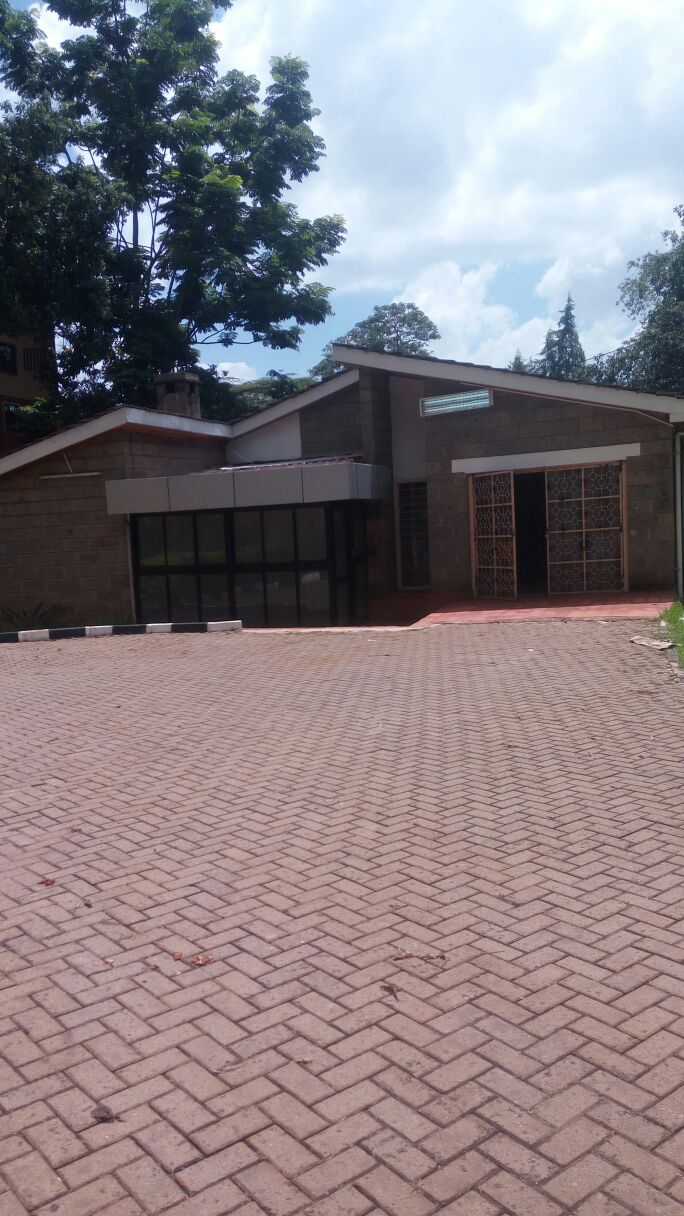
    Available to let 3 bedroom bungalow .

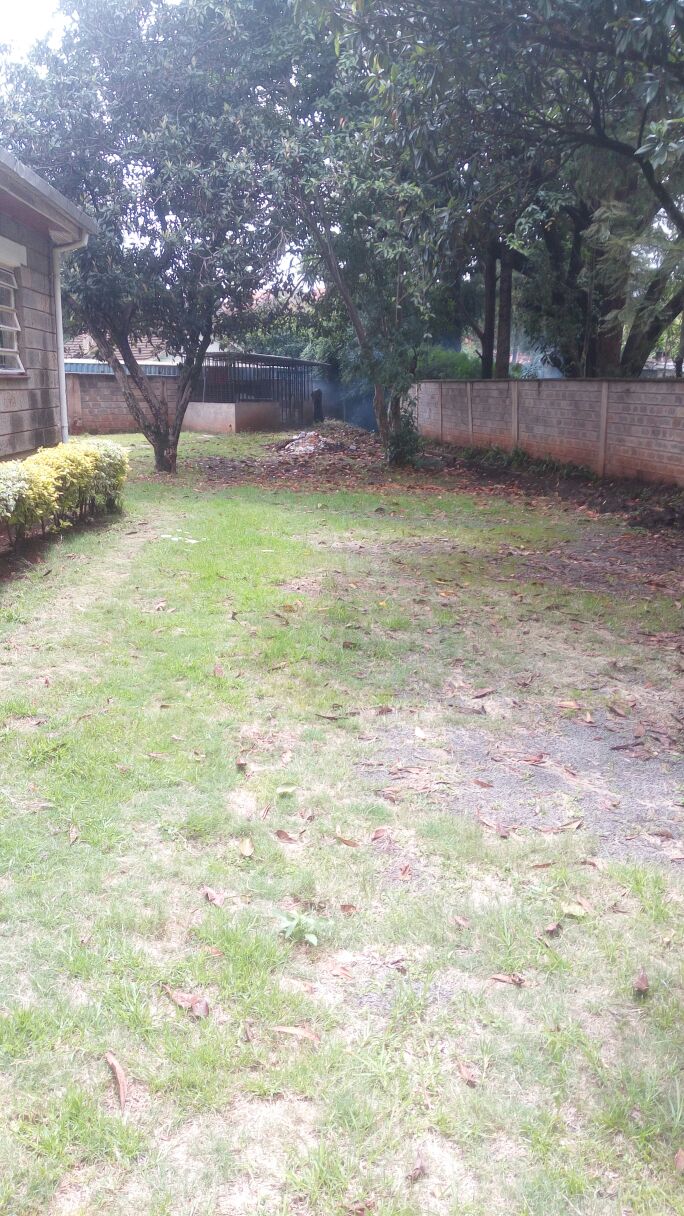
    Spacious Master en-suite, Large dining room, a garage , 2 servants quarters, well kept compound surrounding the house on 1/2 acre plot.

    Quiet neighbourhood. Gatundu road .

    Kileleshwa.

    Ideal for private office,restaurant, kindergarten,  residential.

    @370k. monthly

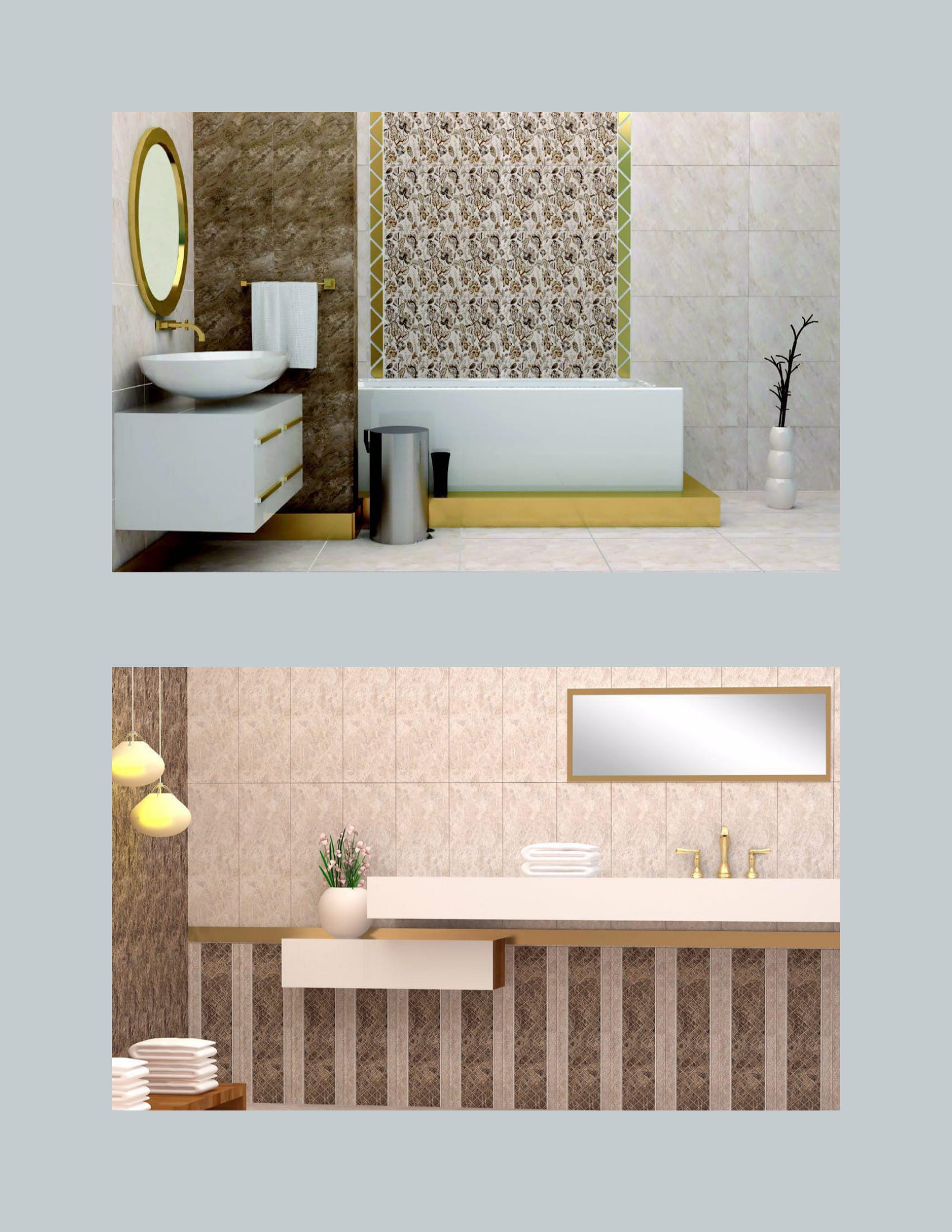
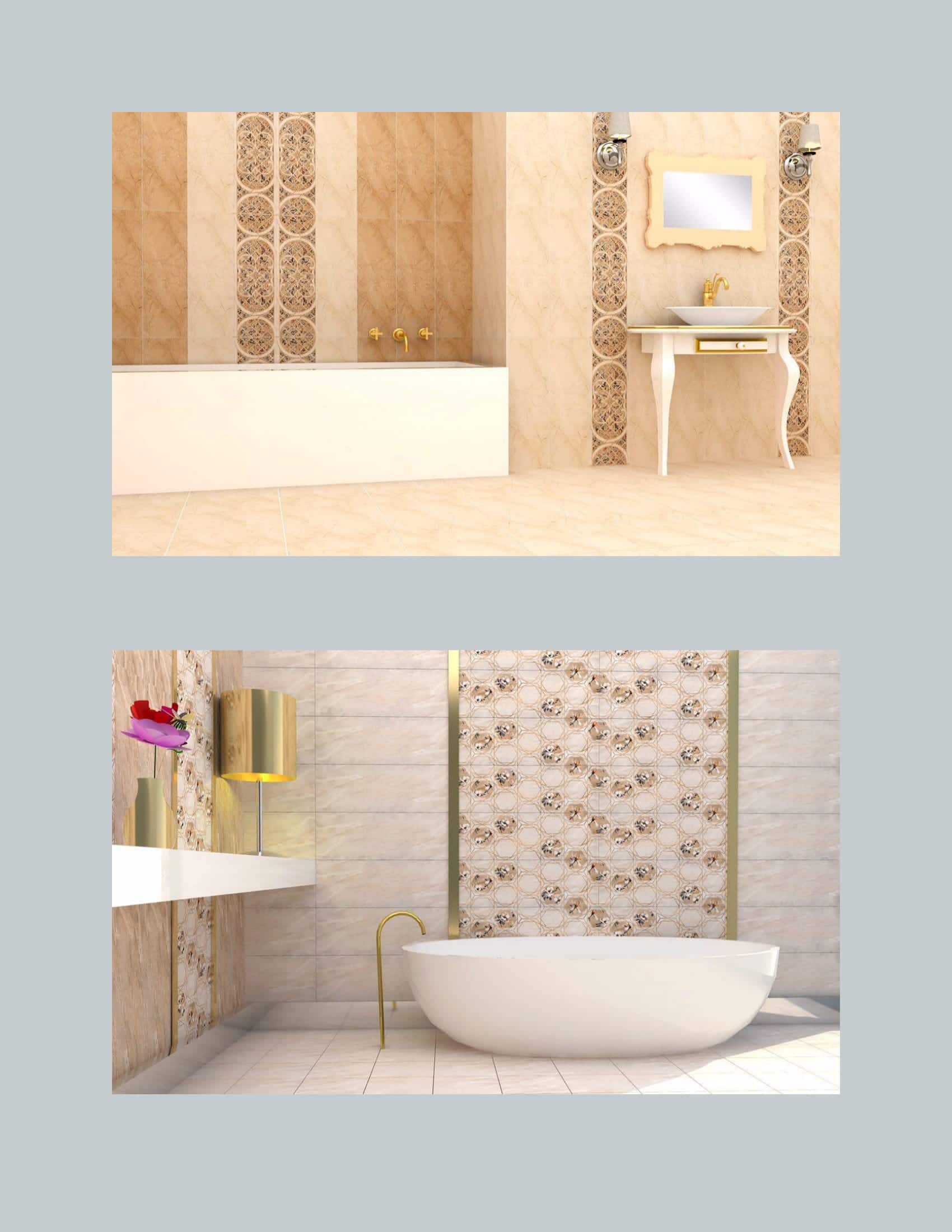
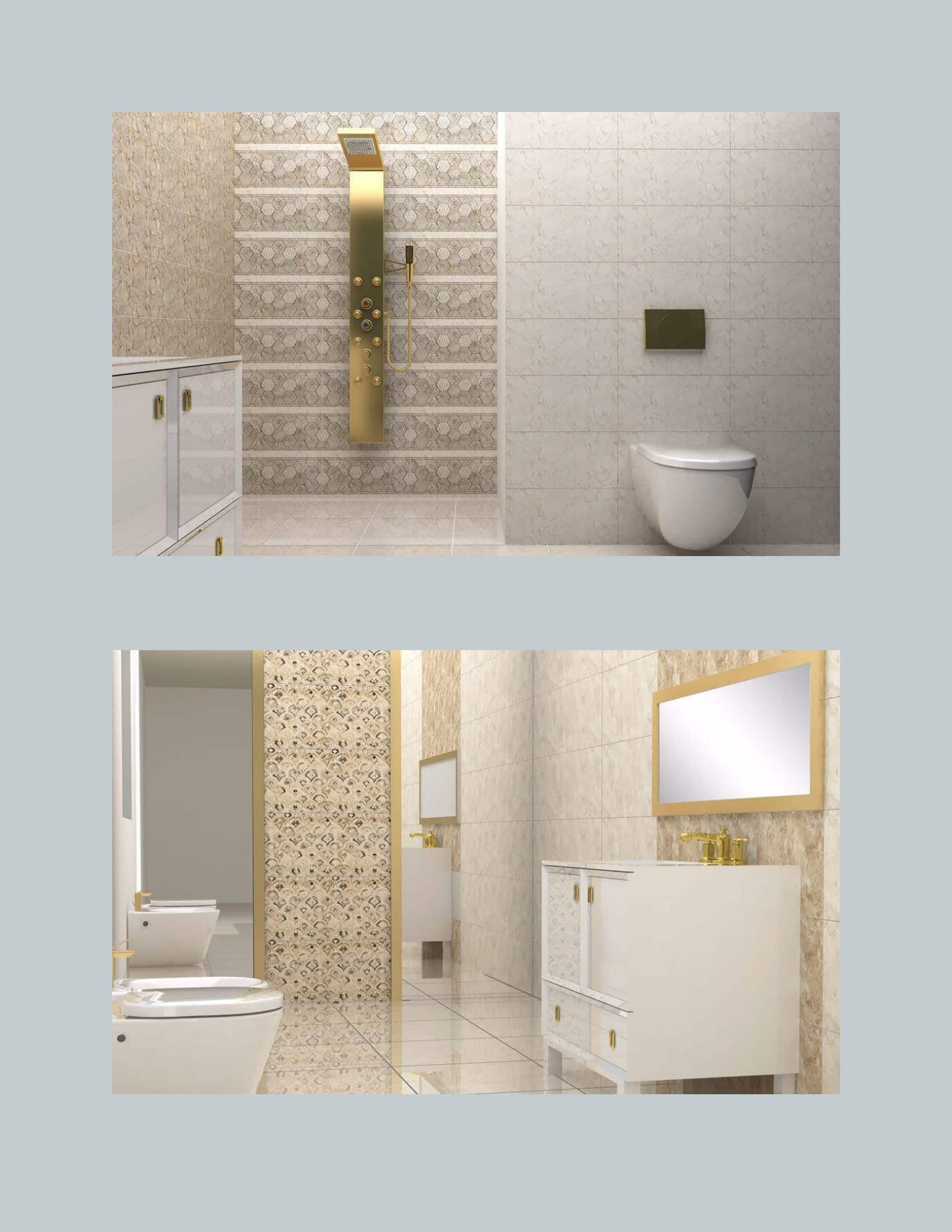
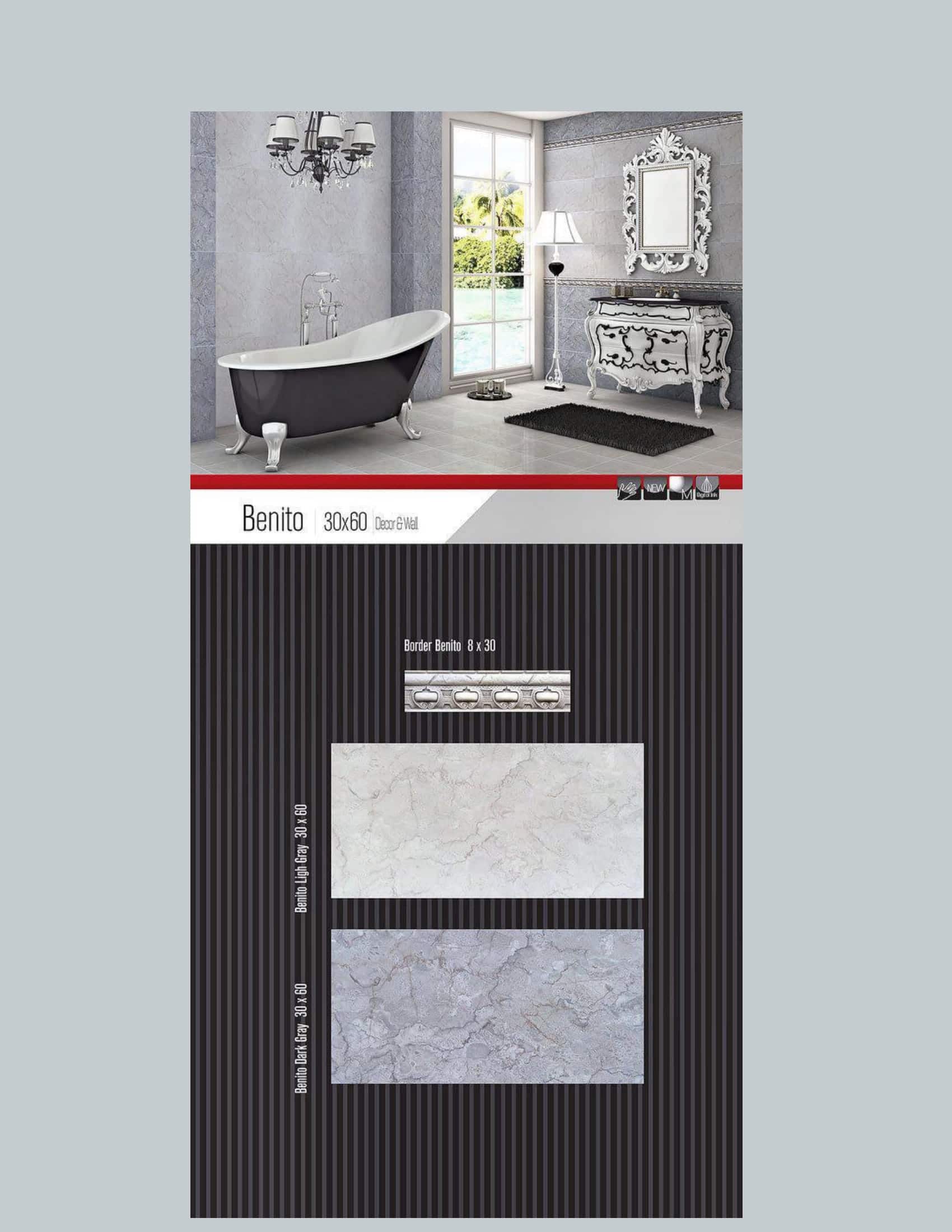
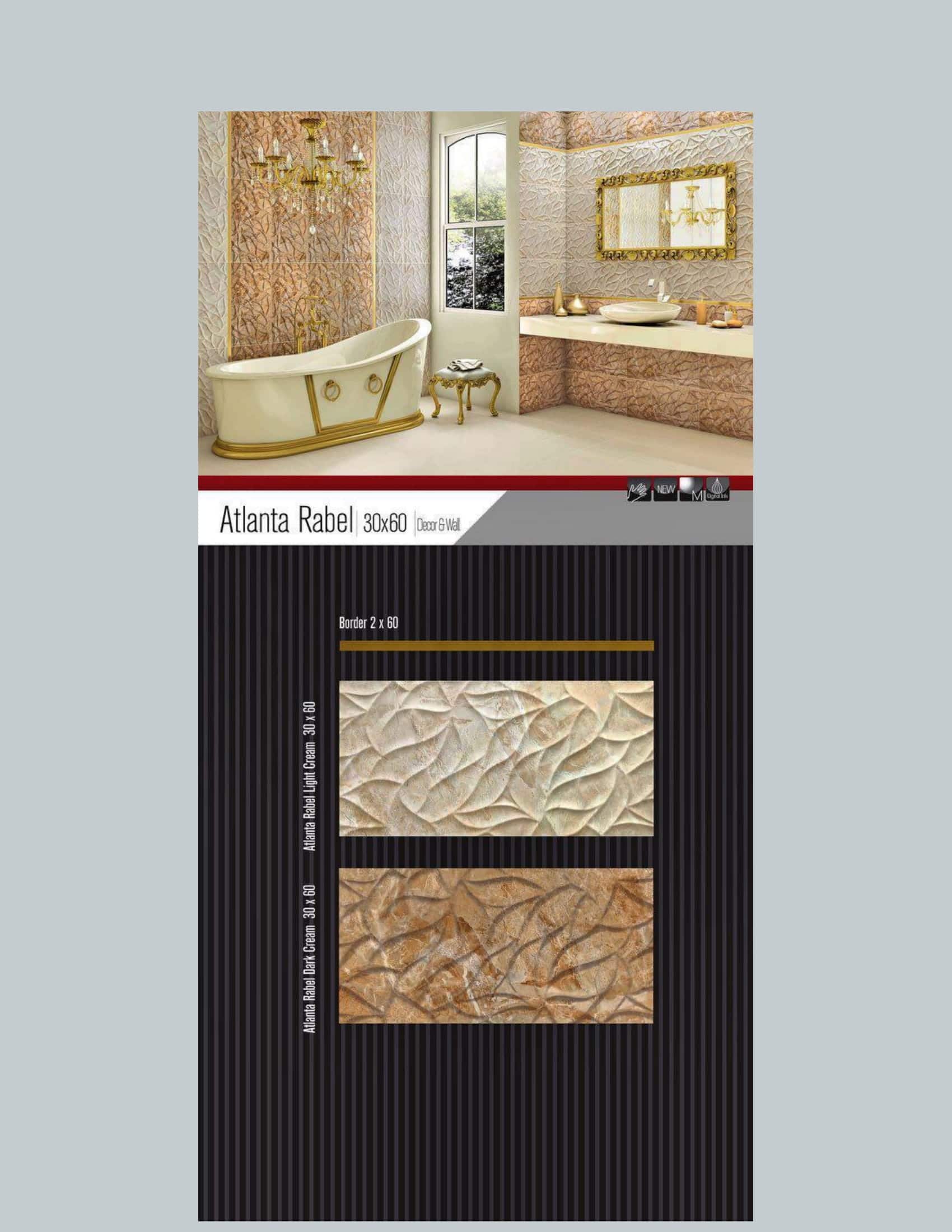
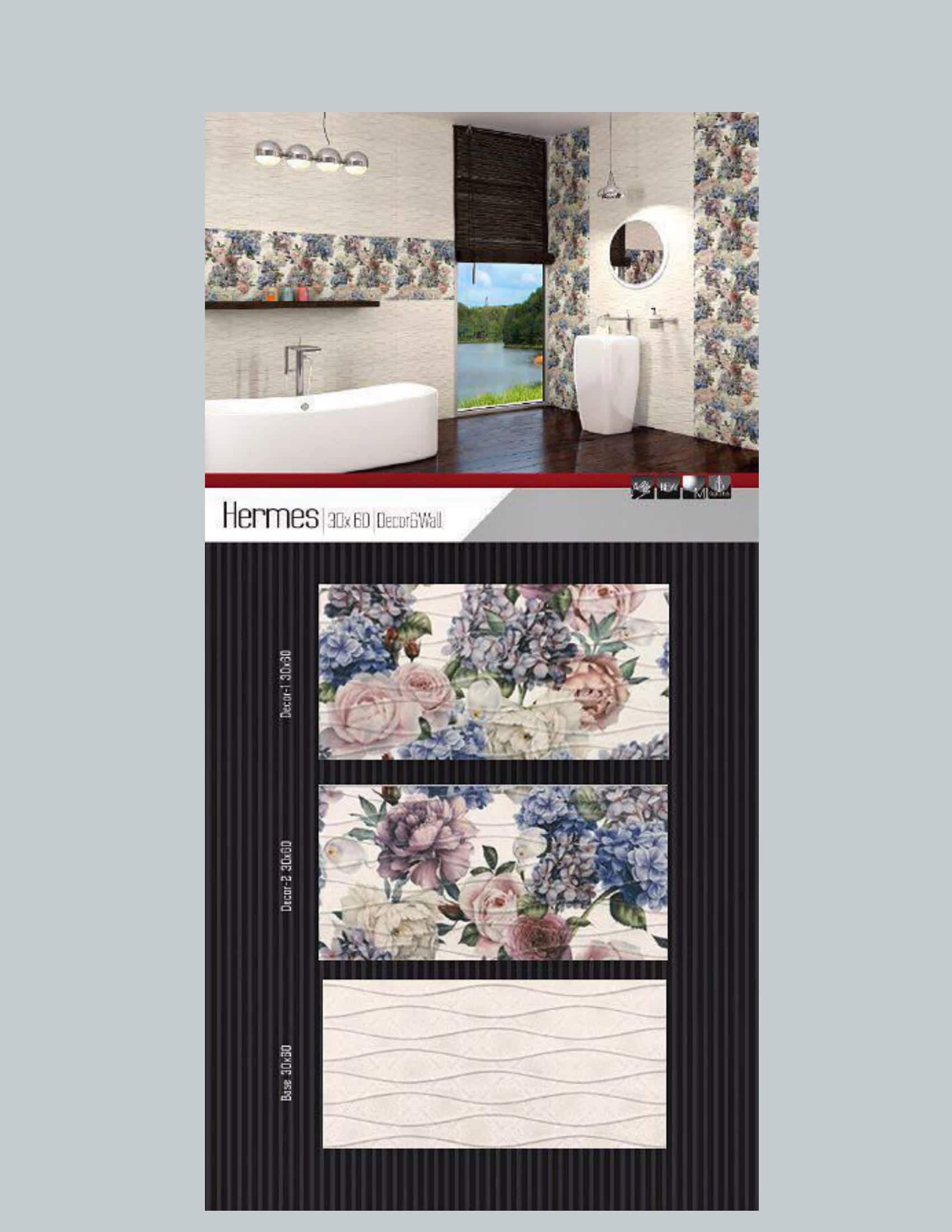
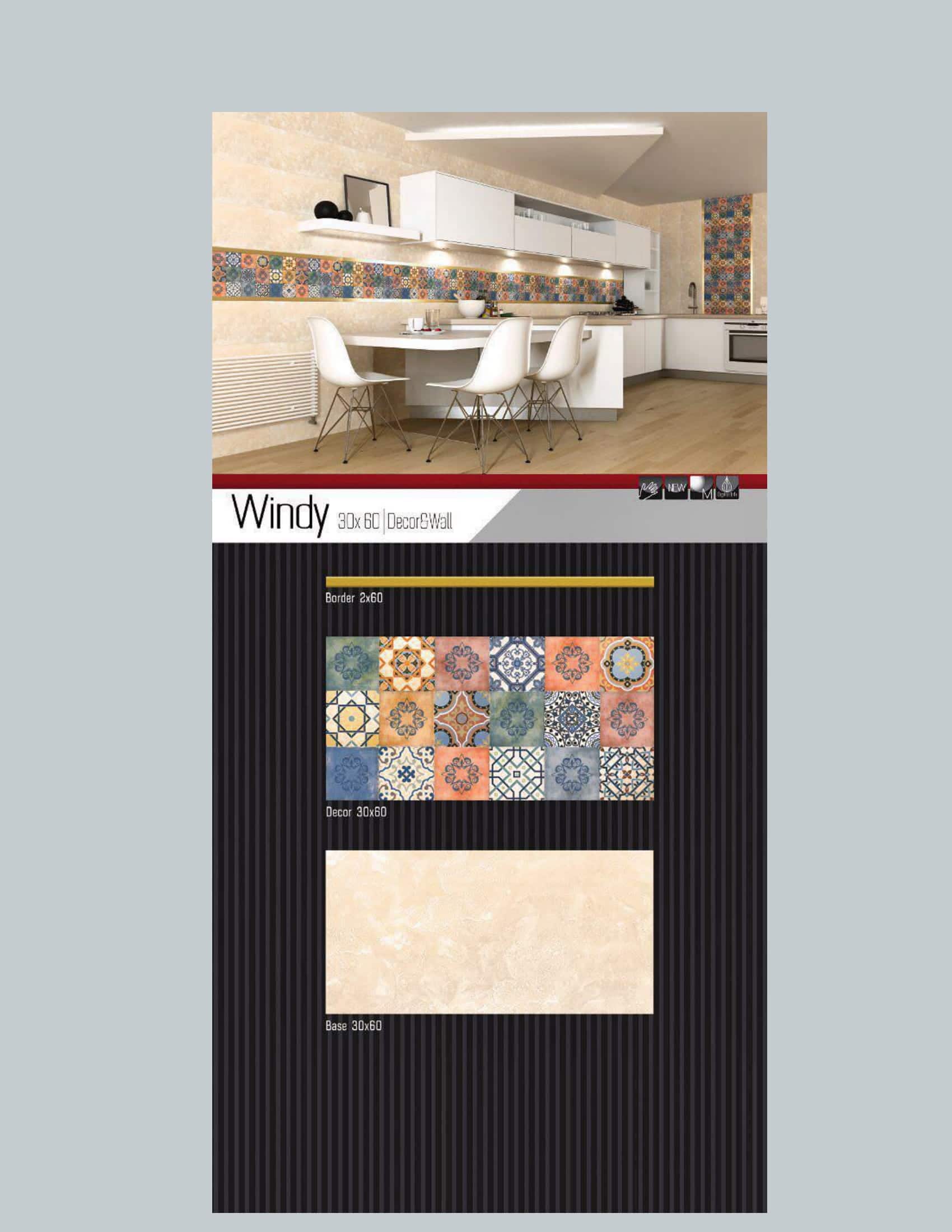
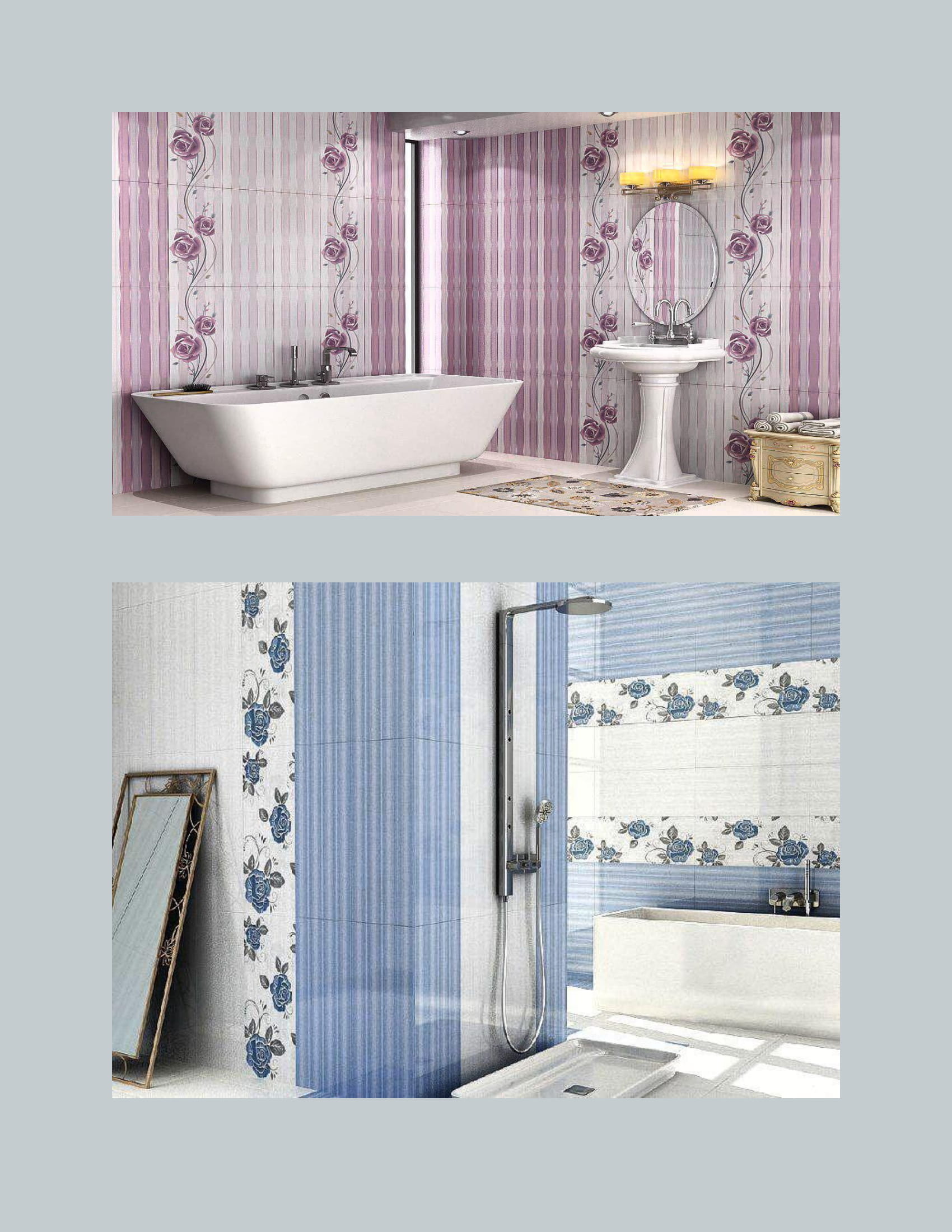
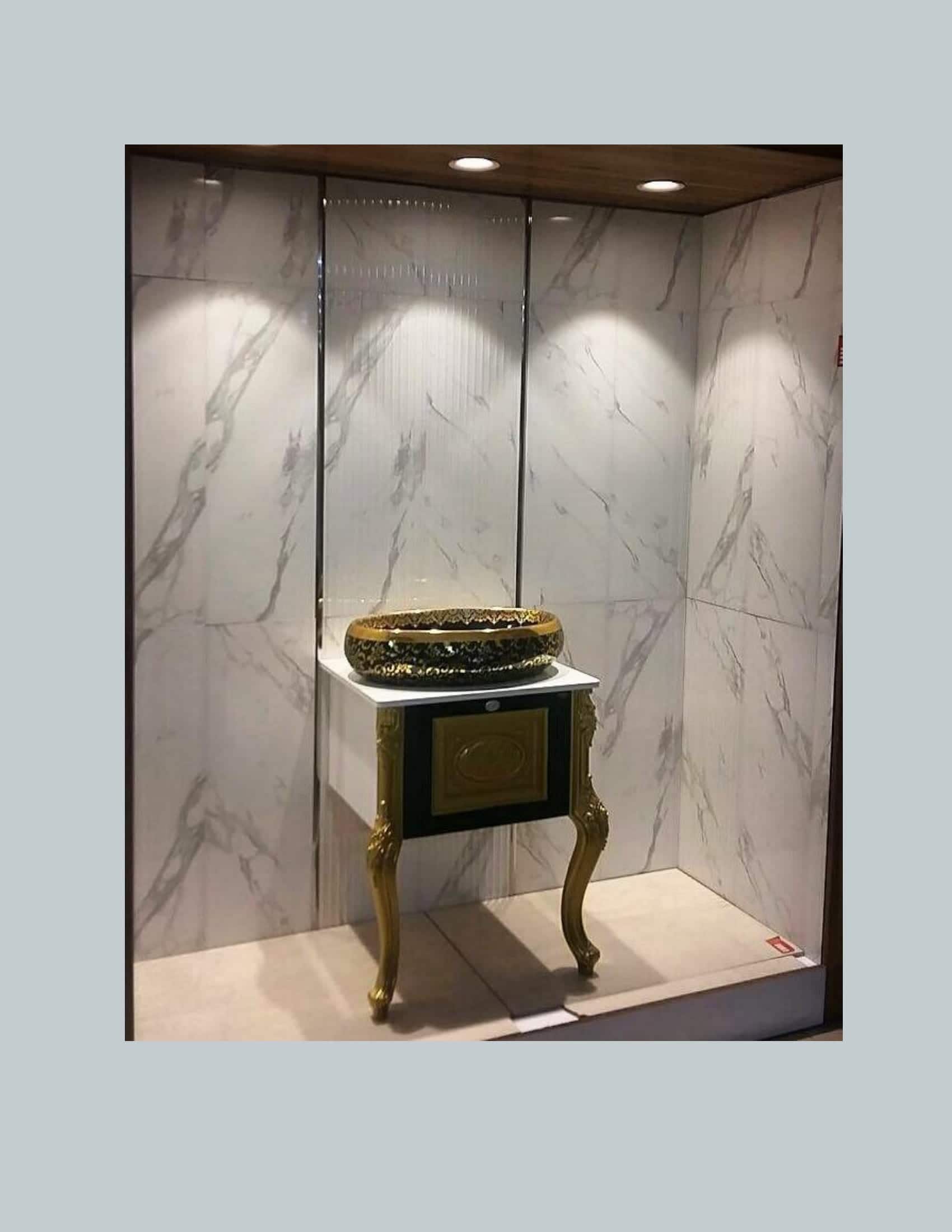
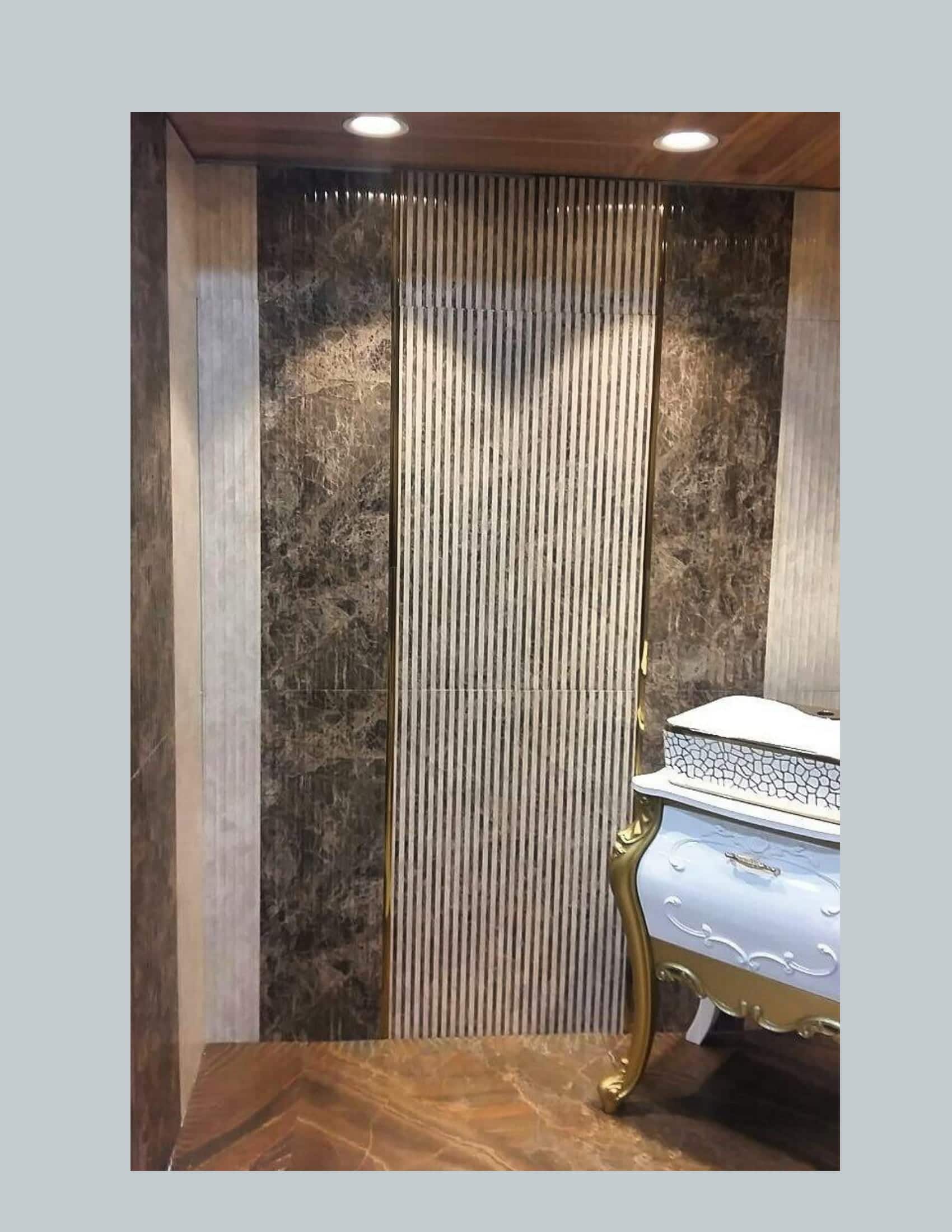
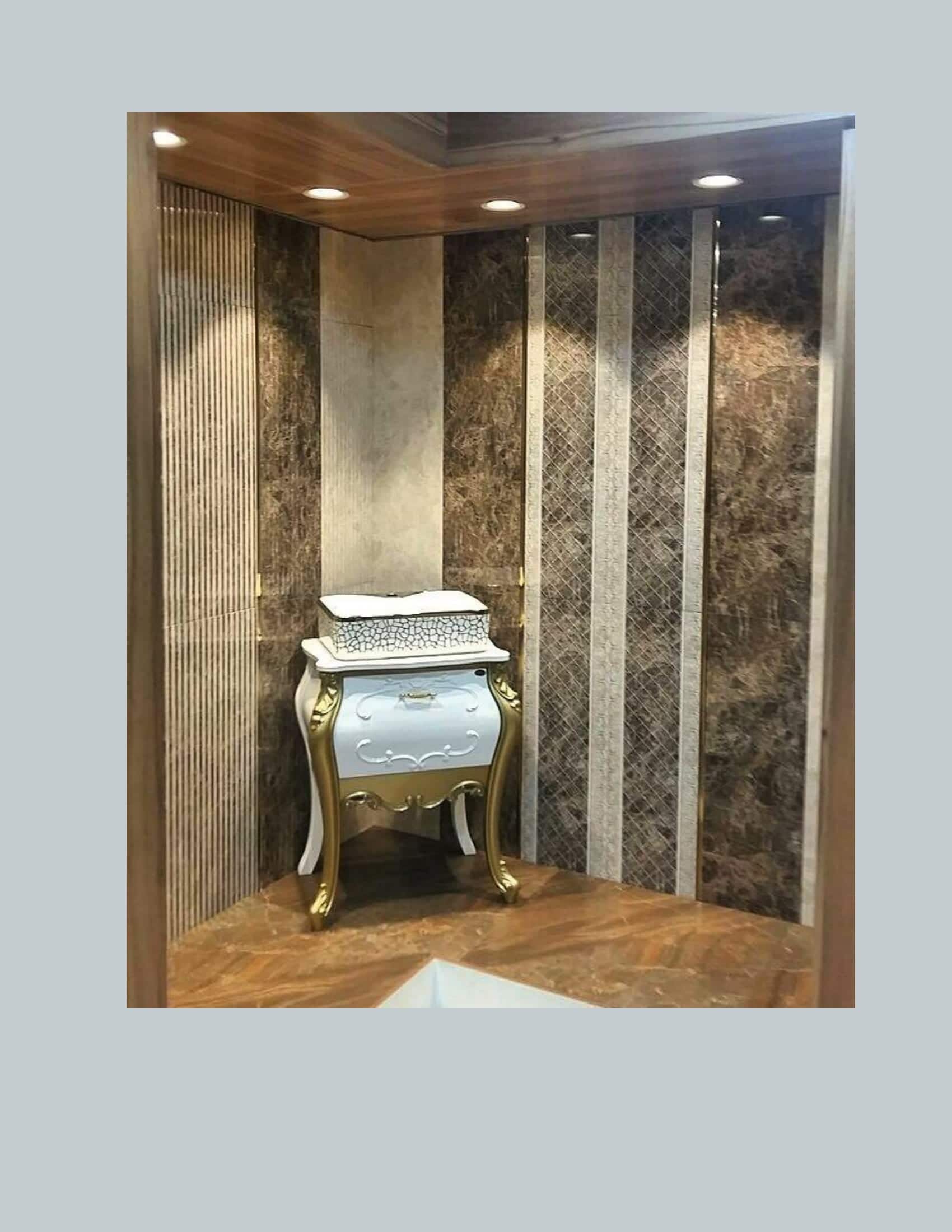
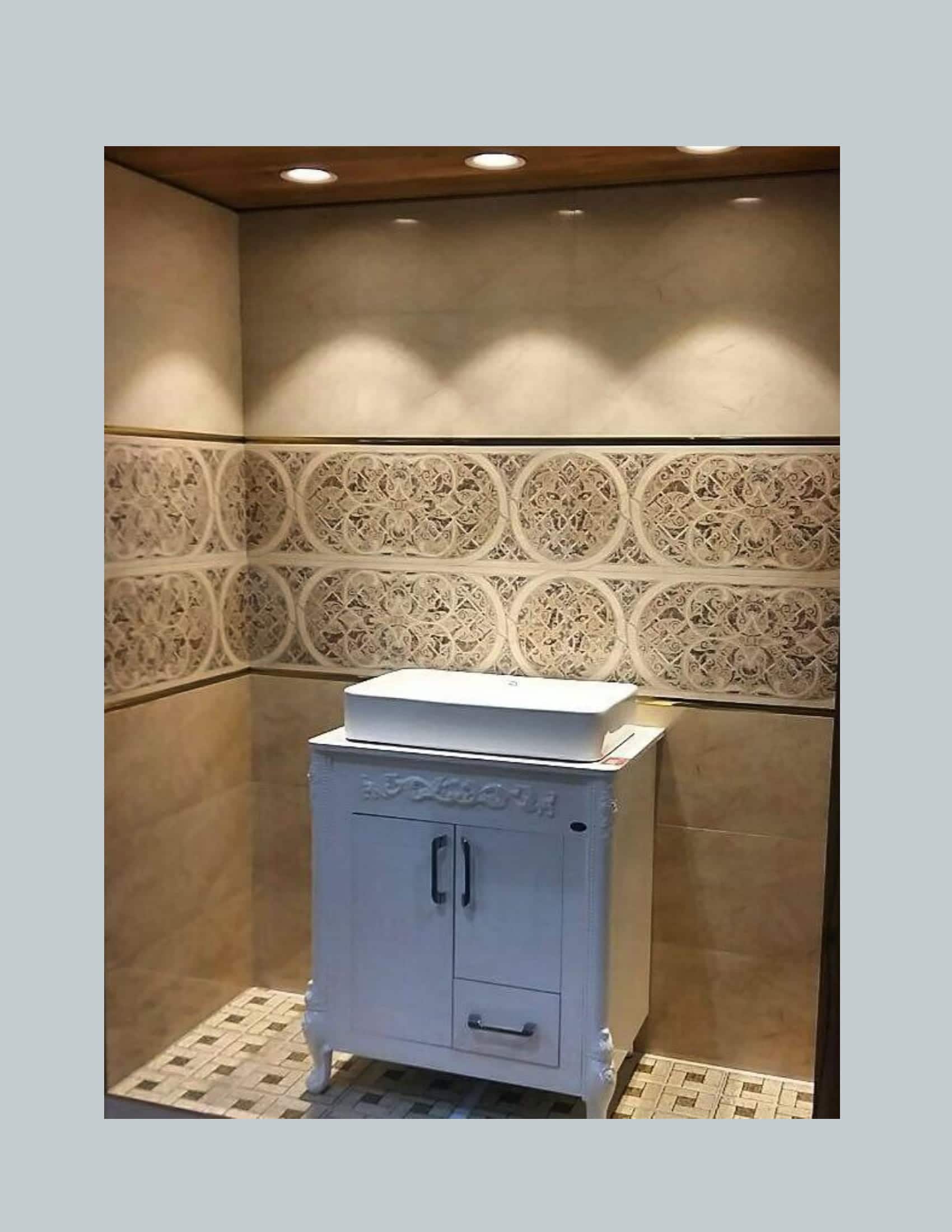
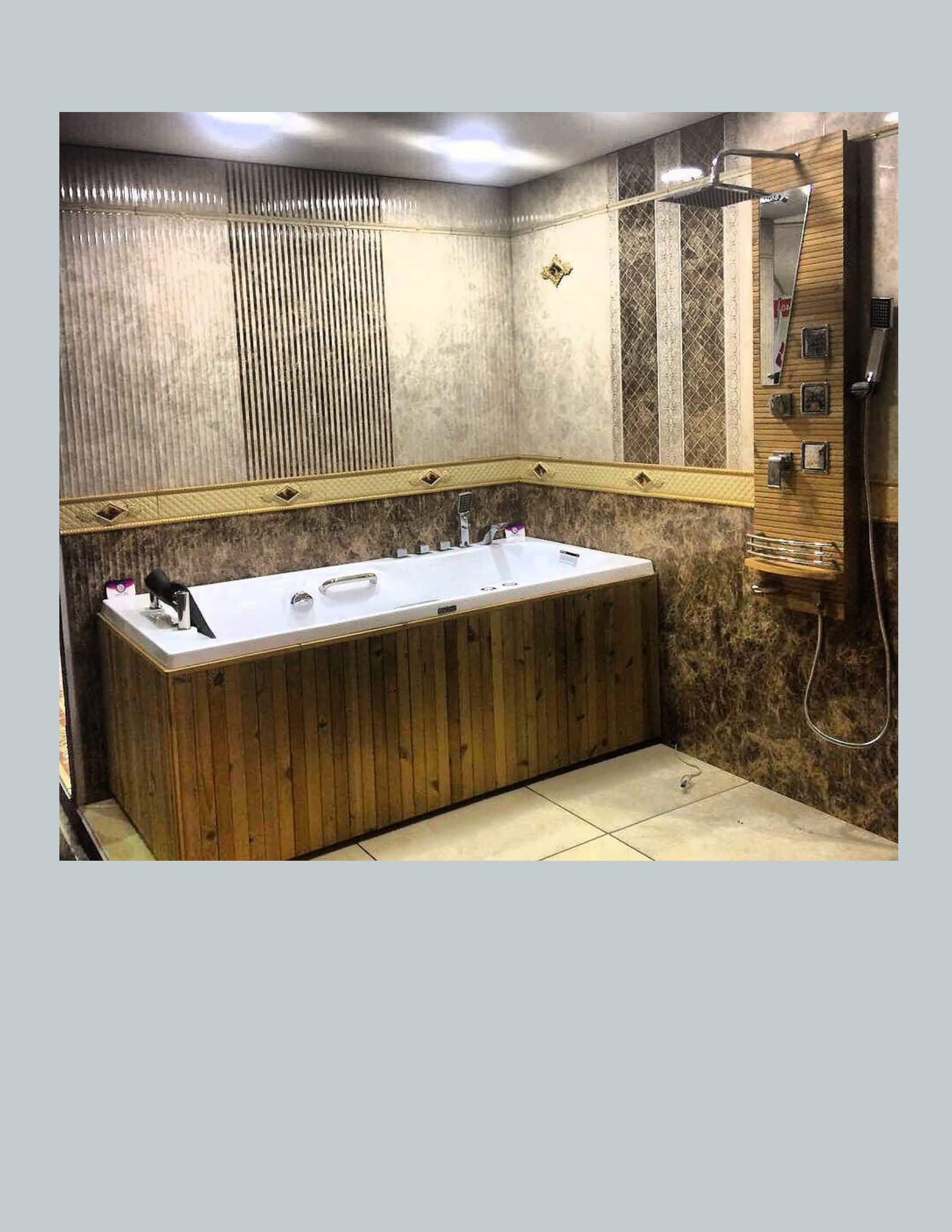
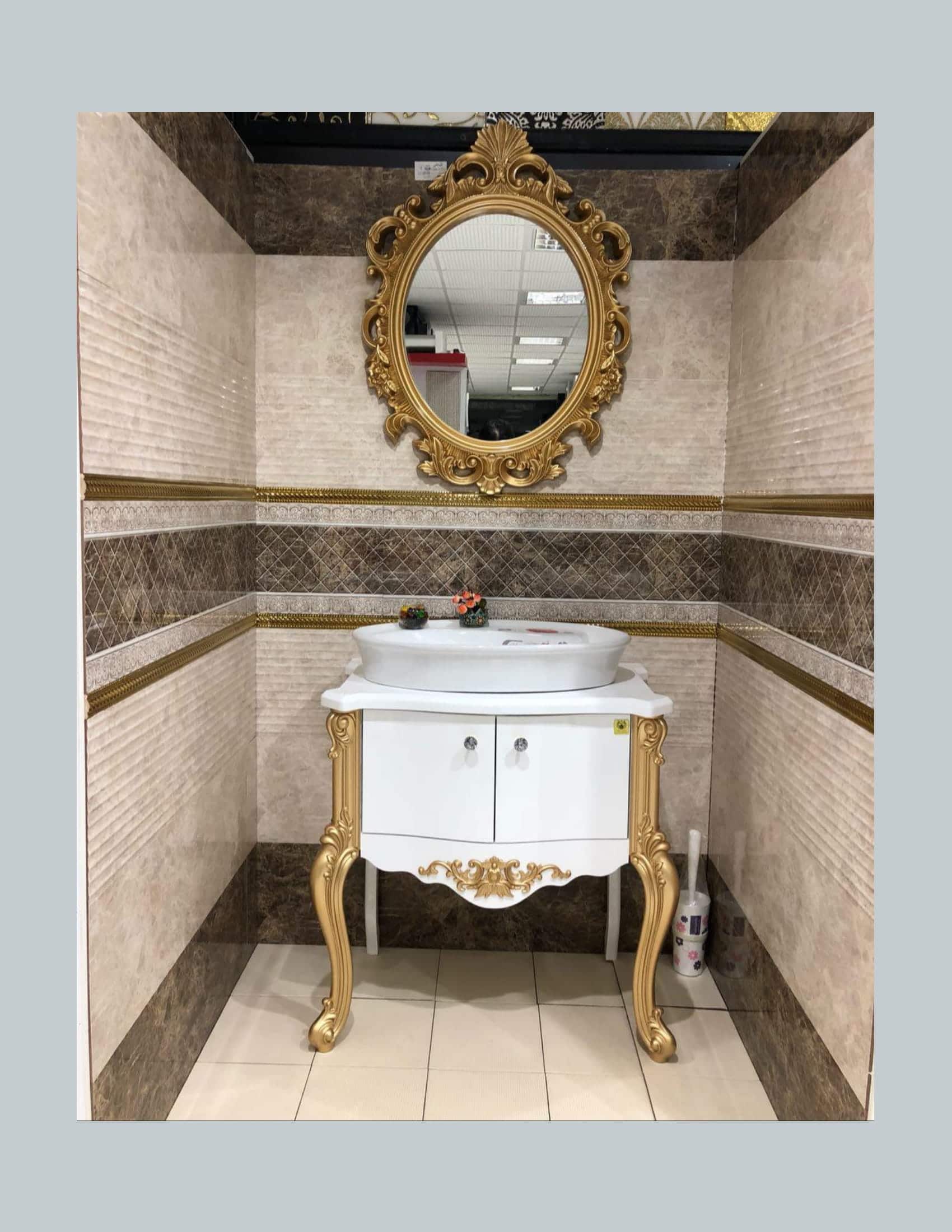
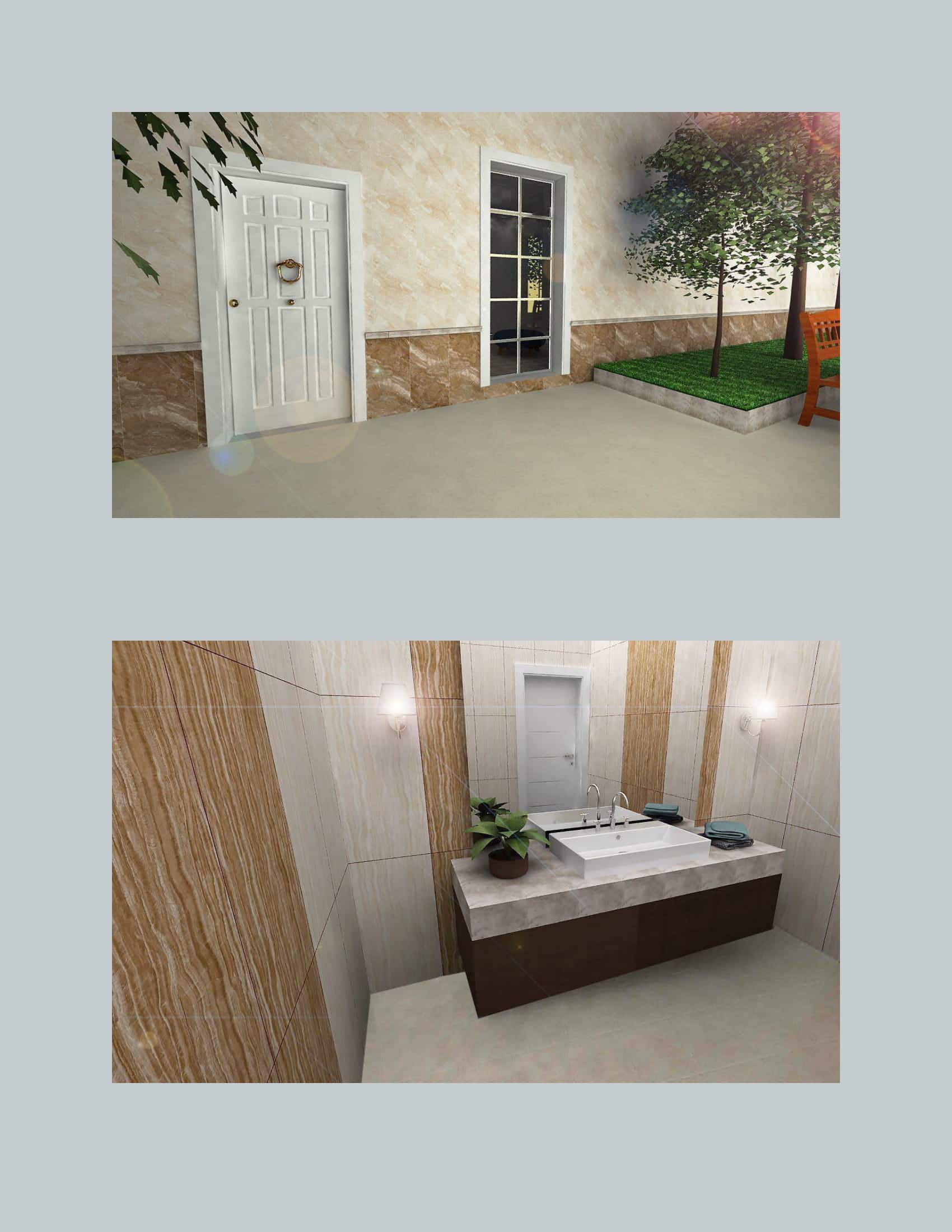
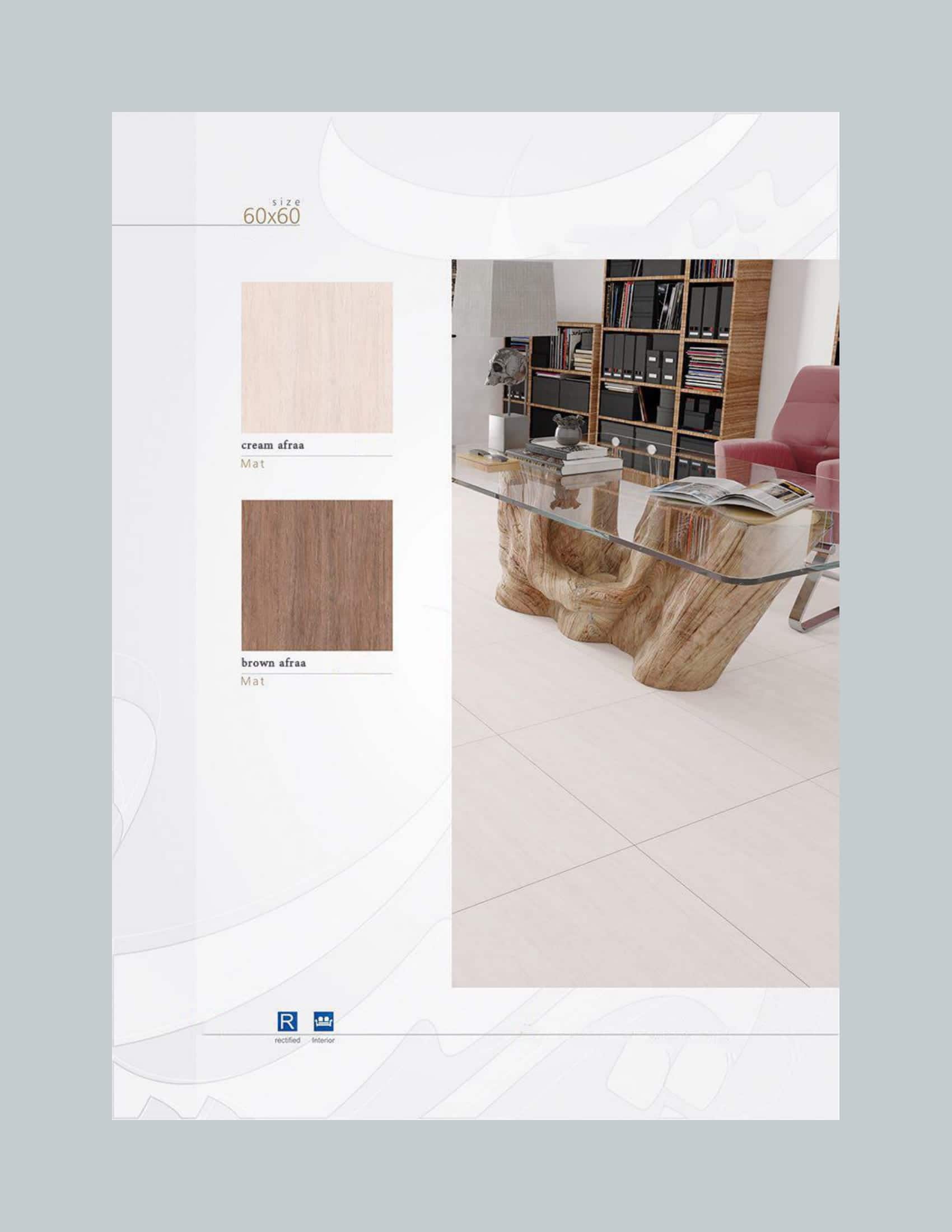
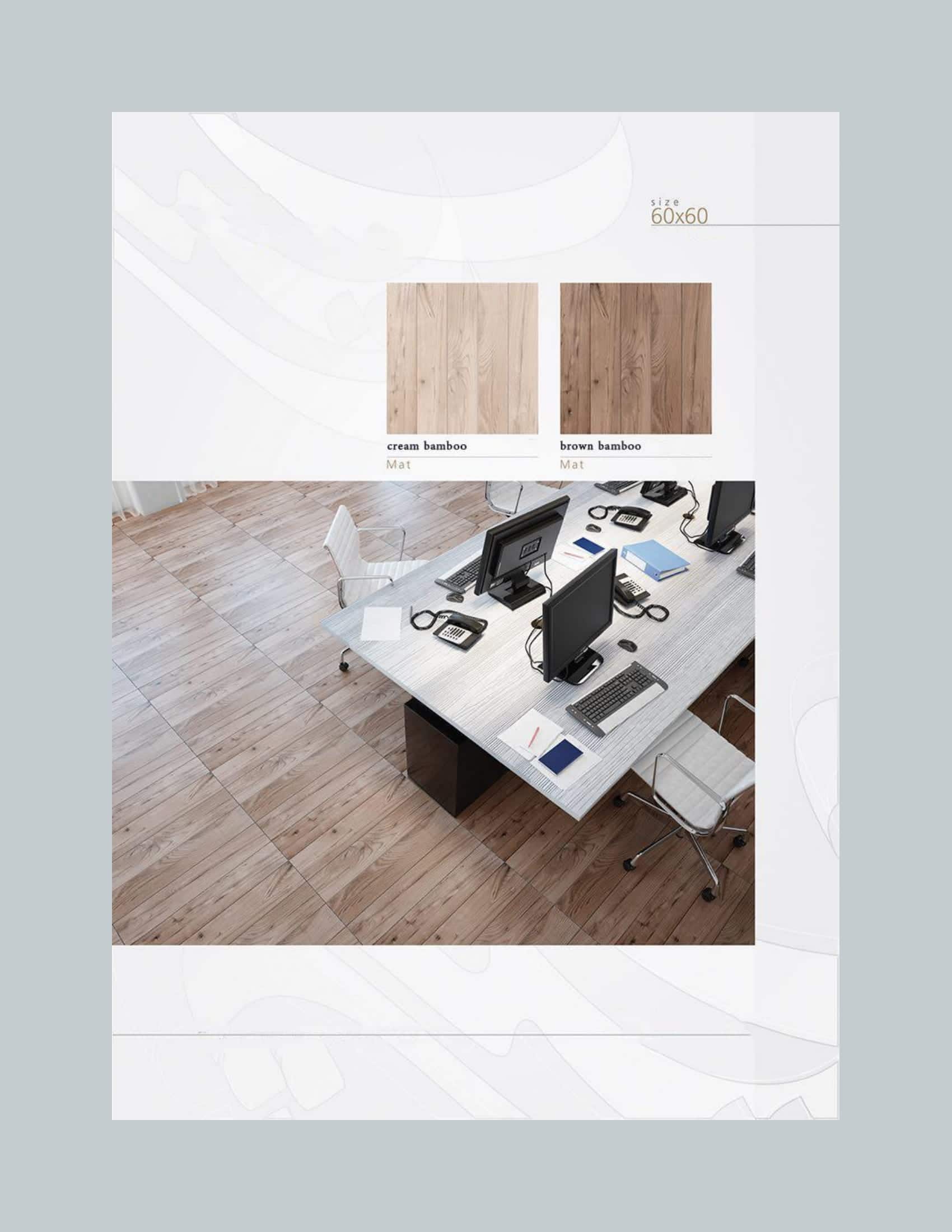
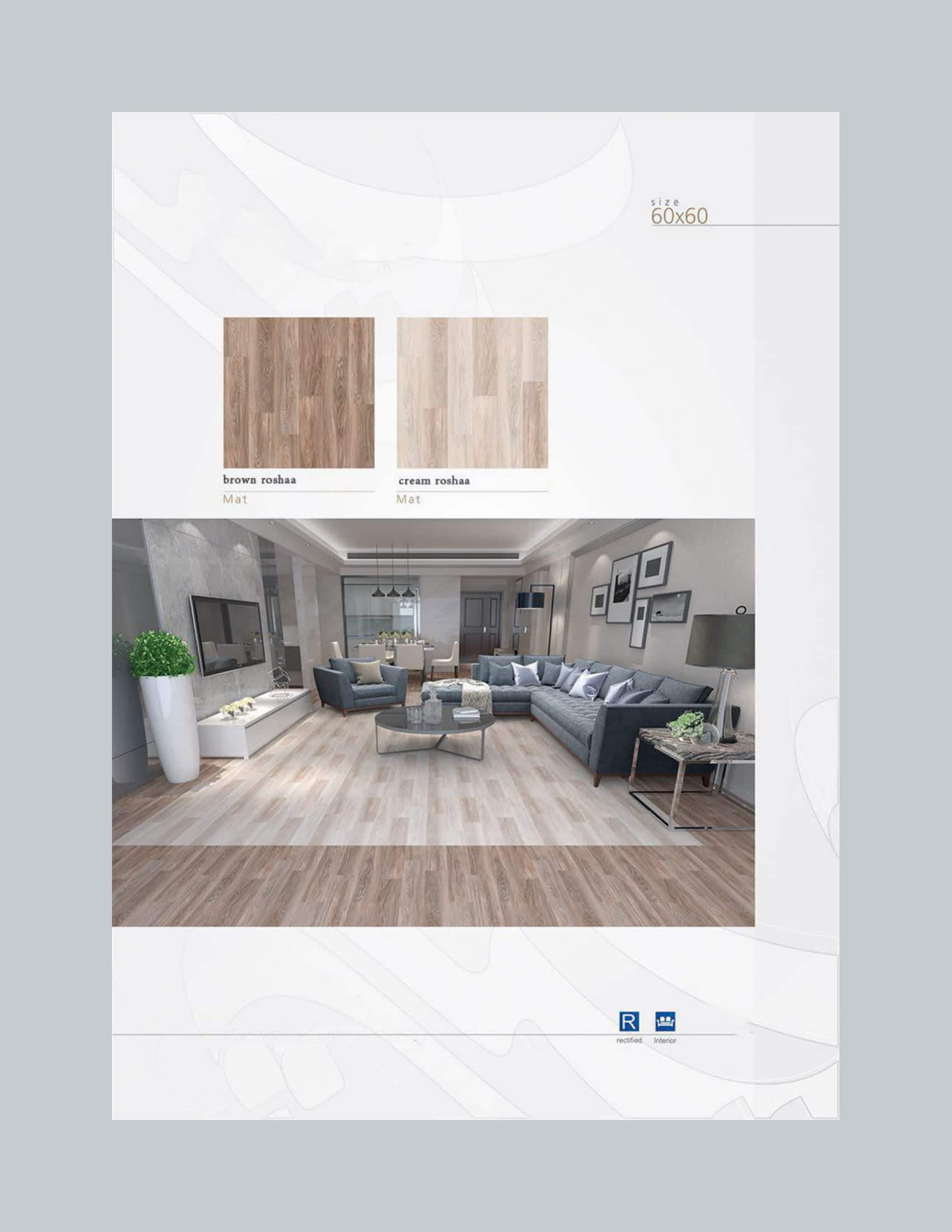
  • Bathroom Wall and Floor tiles design. Iranian made.

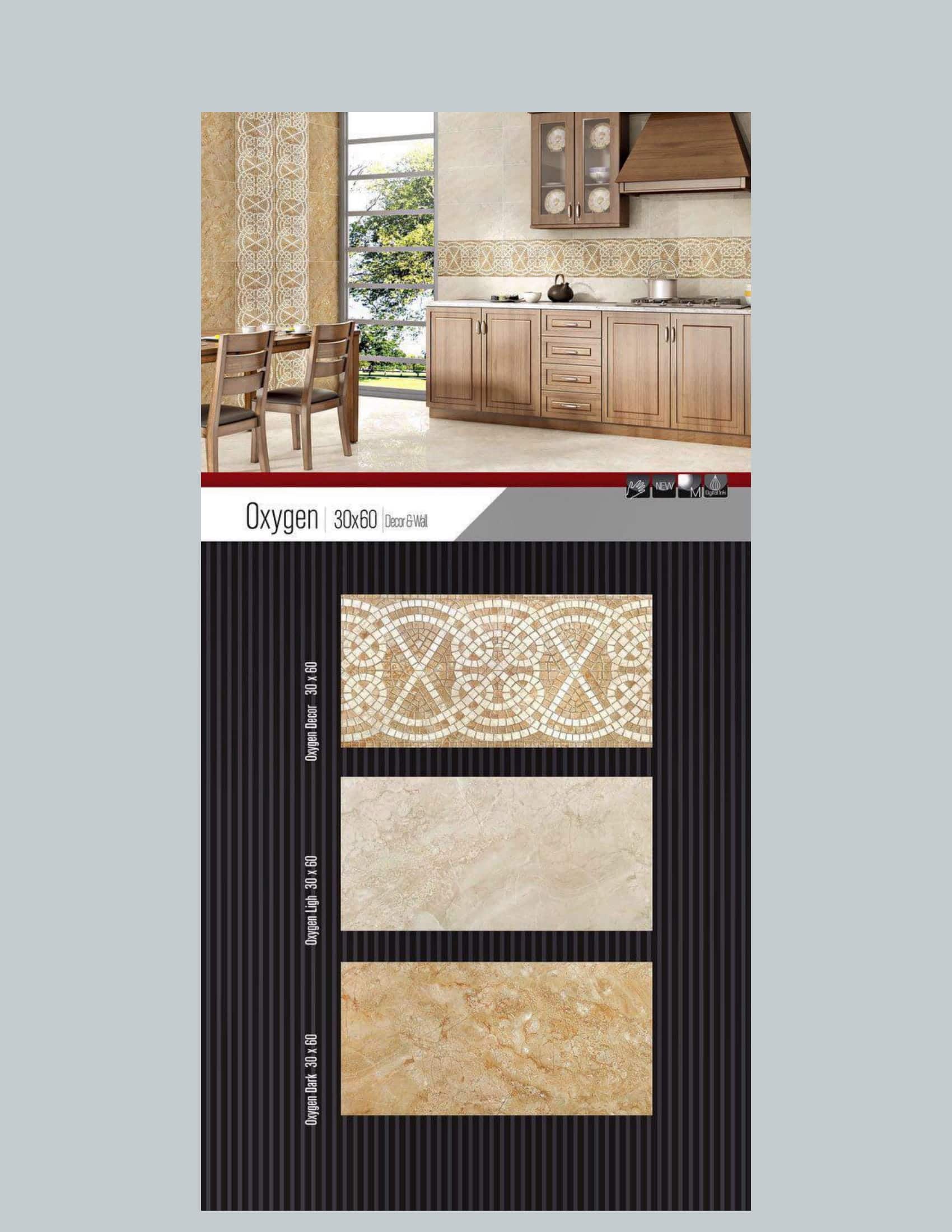
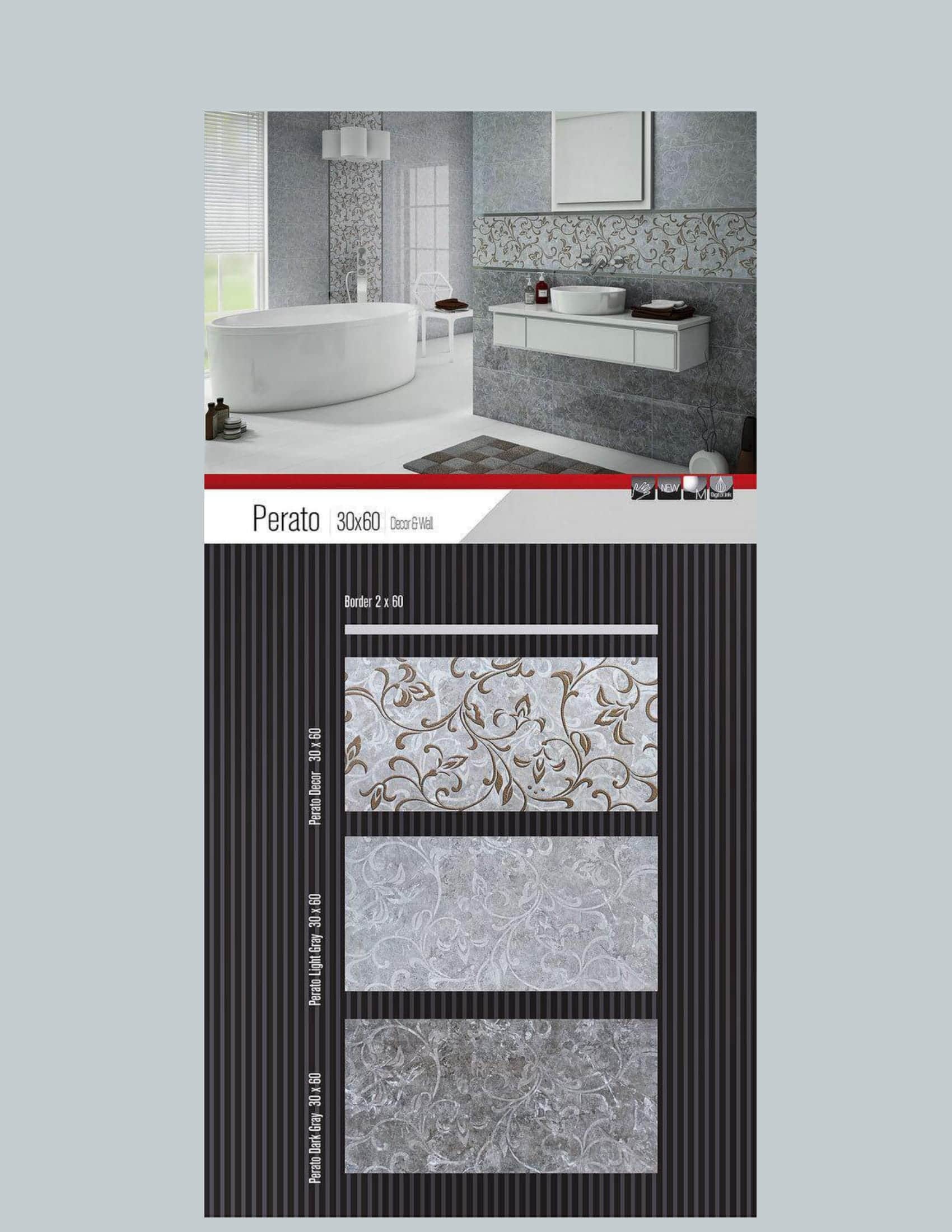
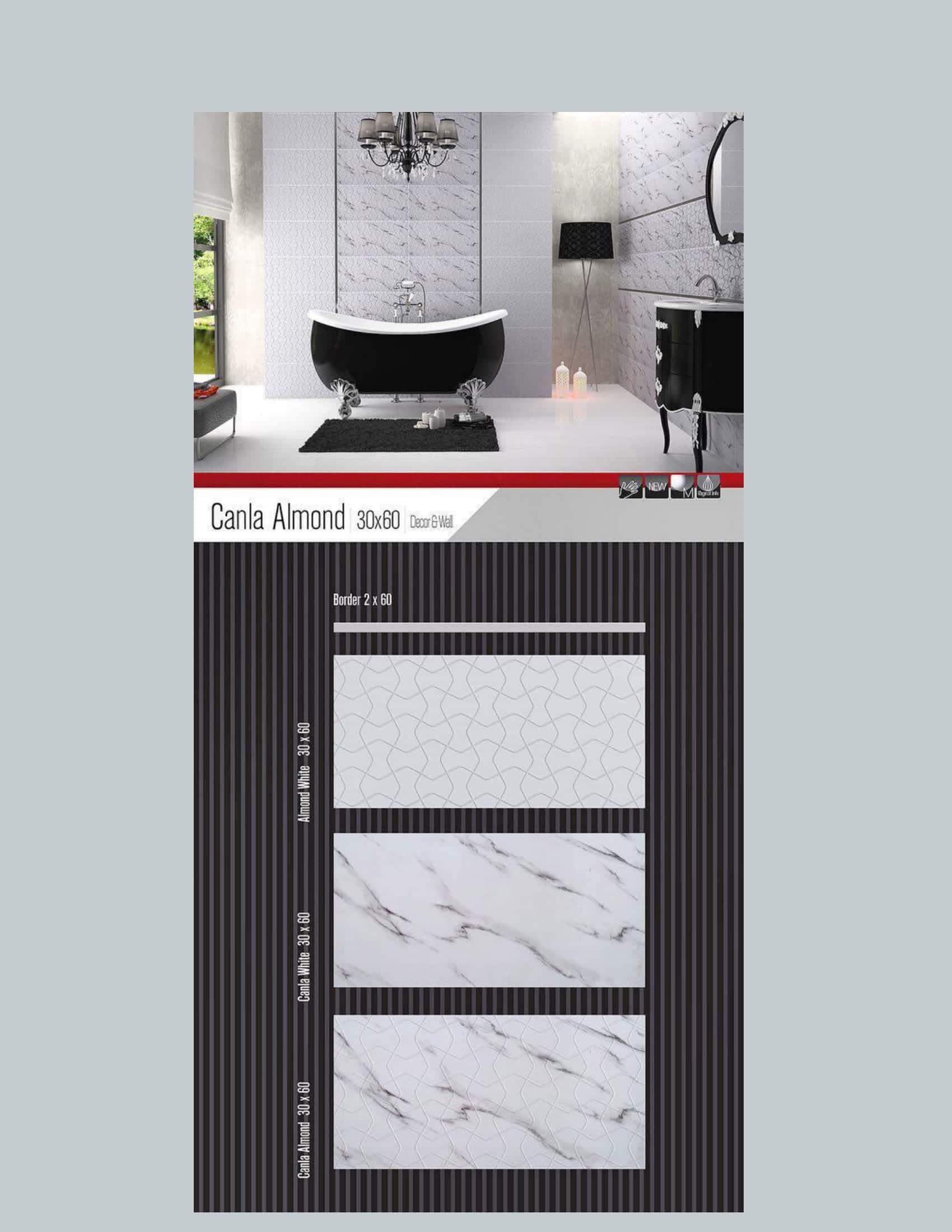
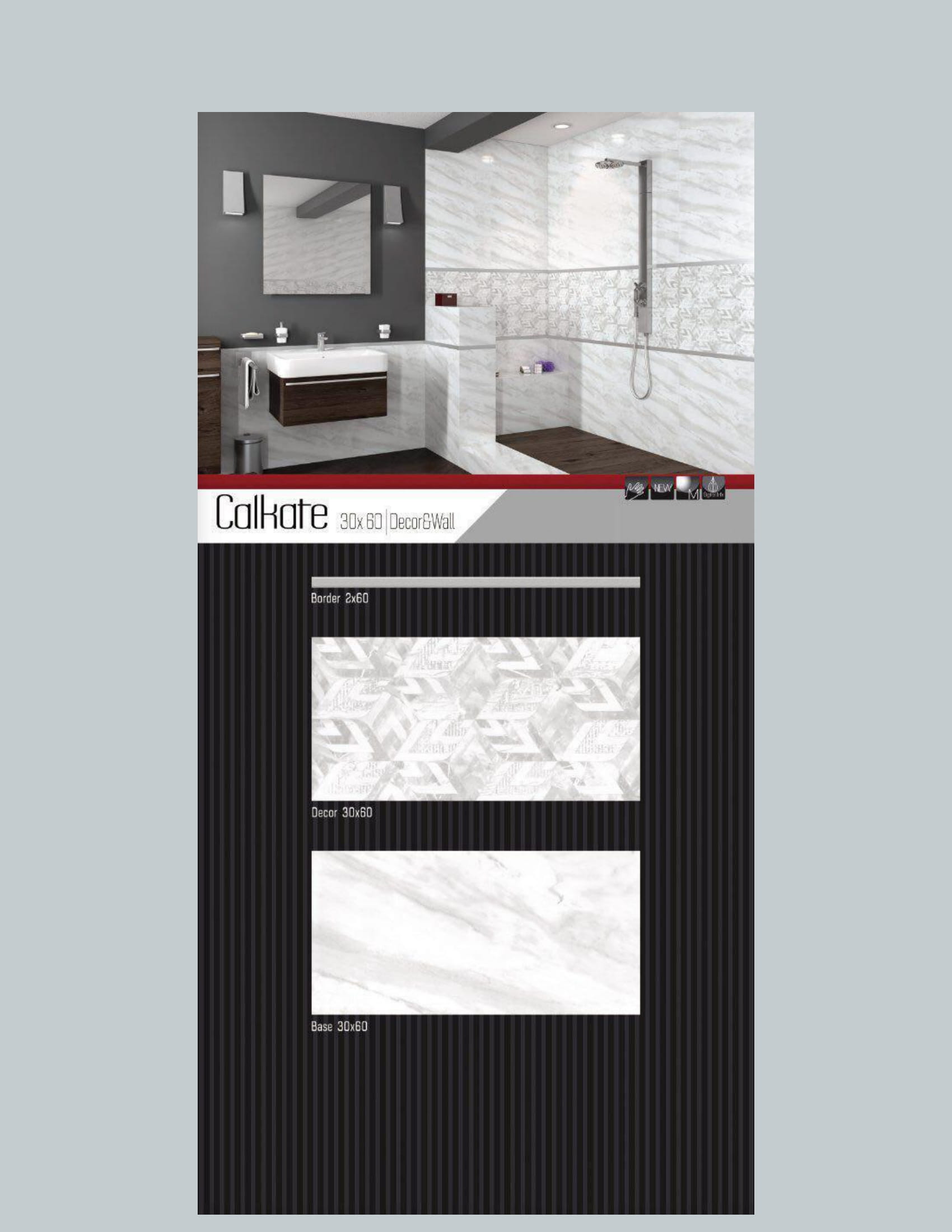
    Bathroom Wall and Floor tiles design. Iranian manufactured. Available for import into Nairobi.

    Email info@a4architect.com for inquiries.


  • How to keep buidlings shielded from the rain.

    The rainy season has set in. We just felt it wise to advise people on how to keep their homes shielded from the rain, and the adverse effects that could result.

    1. So to begin with what are the areas to pay special attention to?

    Shielding buildings from the rain is done using the roof, walls and foundation/ground floor slab. Rain can enter into a building through breaks in the roof, or through porous building stones that let in moisture from outside or through the foundation moisture trapped below the ground floor slab.
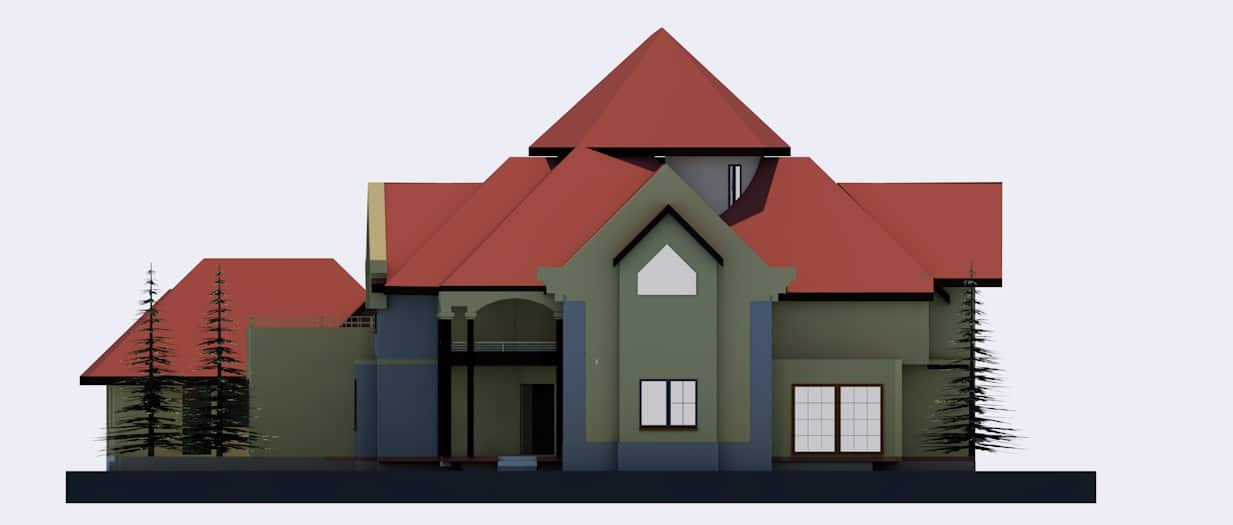
    For roofs, care should be taken to ensure the roof covering has adequate overlap, is set on the recommended pitch slope and there are very few valleys where rai water from 2 different slopes meet together to cause an over flood.
    For walls, a minimum of 200mm 9 inch thick stone wall should be used for the eternal walls to prevent moisture from percolating through the stone.
    For foundations, a damp proof membrane is put in  between the ground floor masonry stone and the floor slab to prevent moisture from being sucked upwards through capillary action. A plastic pvc 500 gauge membrane is also placed on top of the hardcore before laying of the slab so as to ensure no moisture is sucked from below onto the ground floor slab.
    A 1 foot thick hardcore base is also set up in the foundation so as to soak in water , ensuring no moisture gets sucked on to the ground floor slab.
    2. The first goal is to ensure rain water does not leak into the house, so, when it comes to the roof, what should one be on the look out for and how do you ensure the roofing system is effective?
    For roofs, the roof cover over lap should be sufficient to prevent rain water from seeping into the building. The roof pitch should be steep enough to ensure that the rain water is rapidly drained along the roof.
    The roof design should avoid roof planes that drain  into a valley  and where this has been done, the overlap should be made wider than normal.
    3. Why is it important to have gutters on your roofing system? what dangers does running water pose to the woodwork for houses that do not have gutters?
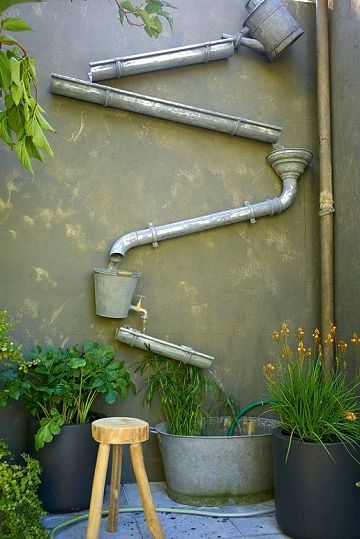
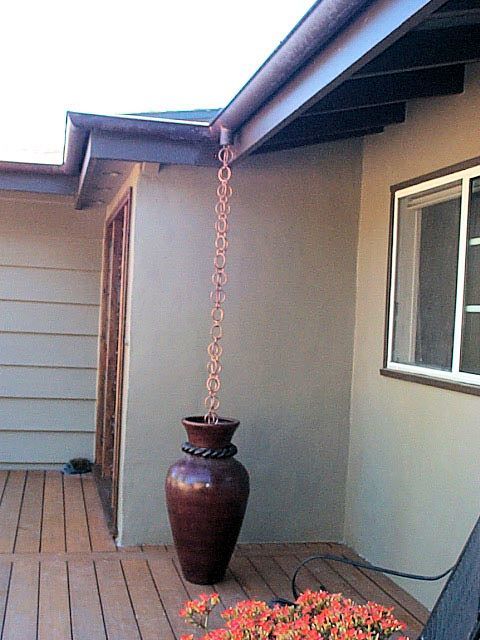
    Gutters ensure that the rain water is directed to specific channels either for storage or to be introduced into the storm water drainage network. For Nairobi, the storm water drainage network slopes towards Ruai area.
    Gutters can also be designed to enhance aesthetic appearance of the house.
    Buildings without gutters risk the wooden facial board being damaged by the water from the roof hence the need for the gutter to shield and protect the cypress facial board form damage.
    4. What maintenance should one conduct on a gutter?
    Gutters need occasional cleaning to ensure that there is no blockage from debris such as leaves etc. Gutters can be made of pvc or steel.
    Down pipes can be either pvc or steel.
     
    5. How does one protect the exterior walls from harsh weather? Considering the different types of walls, wooden or brick.
    Exterior walls are protected through covering with a materials such as paint, mazeras or stone tiles or cement plaster. For wood, exterior walls are protected using paints. For earthen structures, bituminous paints covered with cement plaster will go a long way in protecting the interiors from rain damage.
    6. Is it advisable to get the walls repainted with quality waterproof paint for the outside? And what is the benefit of this, if any?
    Yes its advisable. Benefits include longer life, prevention of rot and erosion.
    7. Internal protection: once the house is protected from the outside, the focus should now shift to the interior. So what areas should one scrutinize to ensure everything is okay?
    Ceilings. PVC ceilings are water proof, so whenever there is a roof leakage, the leakage does not affect the ceiling like it does on chip board types where a large circular leak mark is left .

    8. In respect to electrical wiring, ceiling and interior walls, windows and doors, and basement as well, what are some of the preventive measure to take to ensure your house is safe? 

    The placement of electrical ducts should be in areas  where in case of rain water leakage, the water will not be able to enter through the piping.


    Architect Francis Gichuhi Kamau.

    0721410684

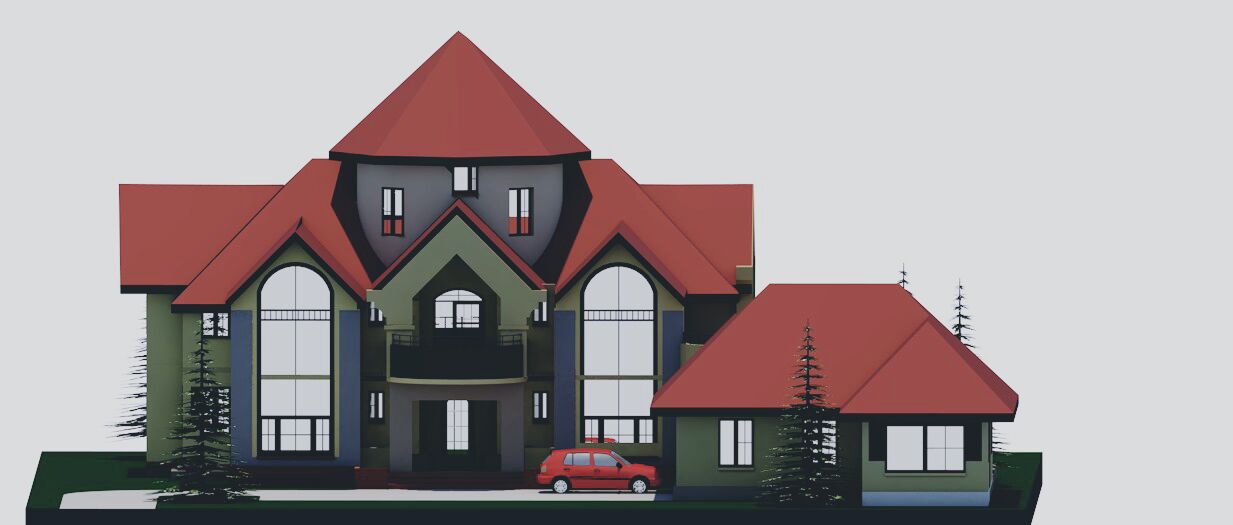
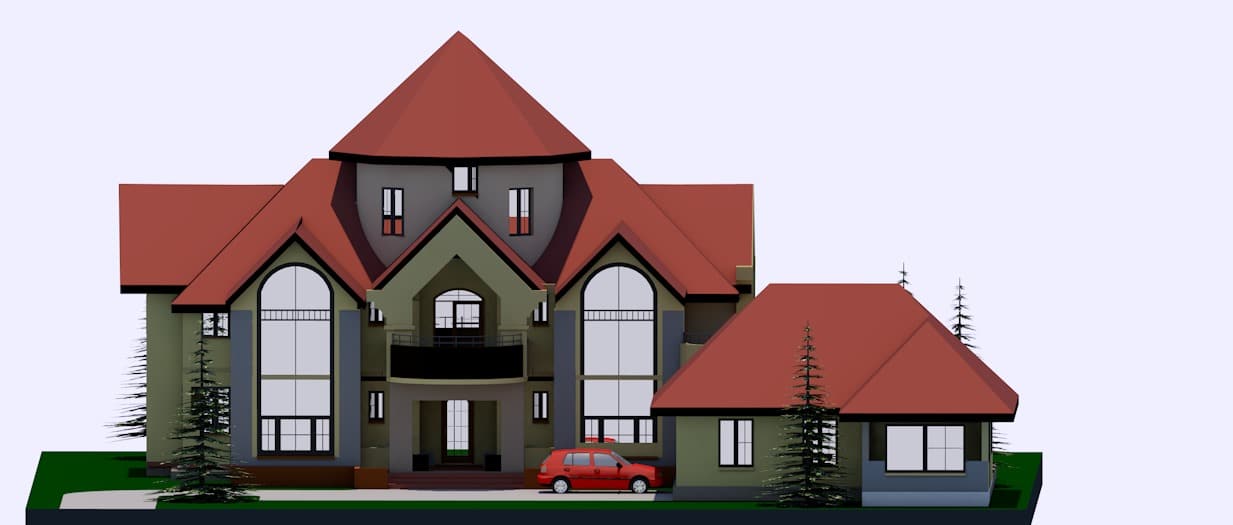
  • Maisonette House, Rimpa, Rongai

    Maisonette House, Rimpa, Rongai


  • Cost of Cement in 1 m2 of Masonry wall.

    Cost of Cement in 1 m2 of Masonry wall.

    1 m2 of machine cut stone, 200mm thick, 9 inches, has a total of 15 complete stones.

    Joining motar.

    The surface area of cement joining motar at a mix ratio of 1 to 3 is 1m2 for the 5 lines of horizontal cement for joining the top and bottom stones.

    The volume of cement mortar, assuming 3 cm thickness is 0.03m3 for the total cement sand motar needed to join 1m2 of machine cut stone.

    Cement density is 1400kg/m3.

    For 0,03m3 of cementsand motar, using a ratio of 1 to 3 for cement and sand, cement will be 1/4 of 0.03 cubic meters=0,0075 cubic meters.
    Using the 1400kg/m3 density of cement, 0,0075cubic meters of cement will weigh 10.5kg.


    Cement is sold in 50kg bags, at a cost of kes 600 per 50kg bag.

    1 kg of cement costs kes 12.

    10.5kg of cement used as joining motar  will cost kes 126.

    Plaster.

    The volume of cement sand motar in 1m2 of plaster, assuming 3 cm thickness, is 0.03 cumbic meters, same quantity as the one for joining motar.

    Using same formula ar joining motar, density of cement is 1400kg/m3, the quantity of cement and cost of cement usied in 1m2 of plaster will be the same as for joining motar at kes 126 per m2.

    Architect Francis Gichuhi Kamau.

    0721410684