Apartment Building for Sale, Kahawa Wendani, off Thika Road. Kes 100 million.
35 units. 31 are two bedroom and 4 are one bedroom
Rental income 818,000 per month when fully occupied
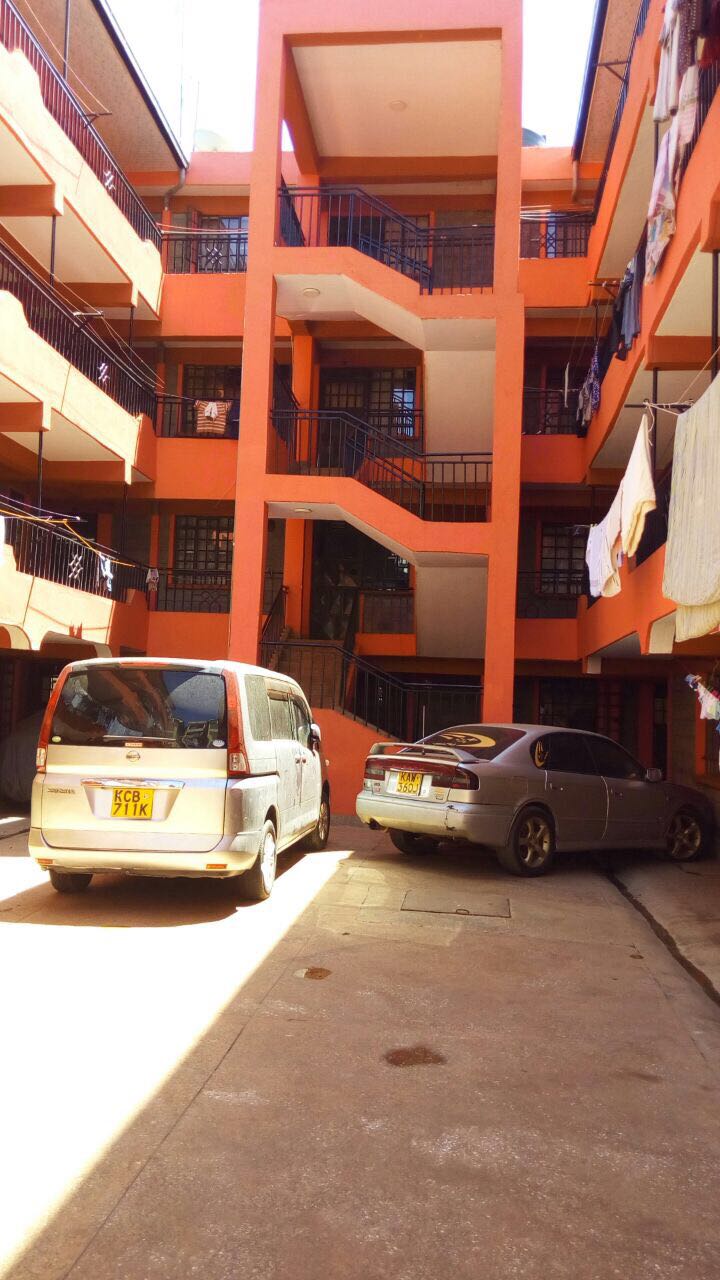
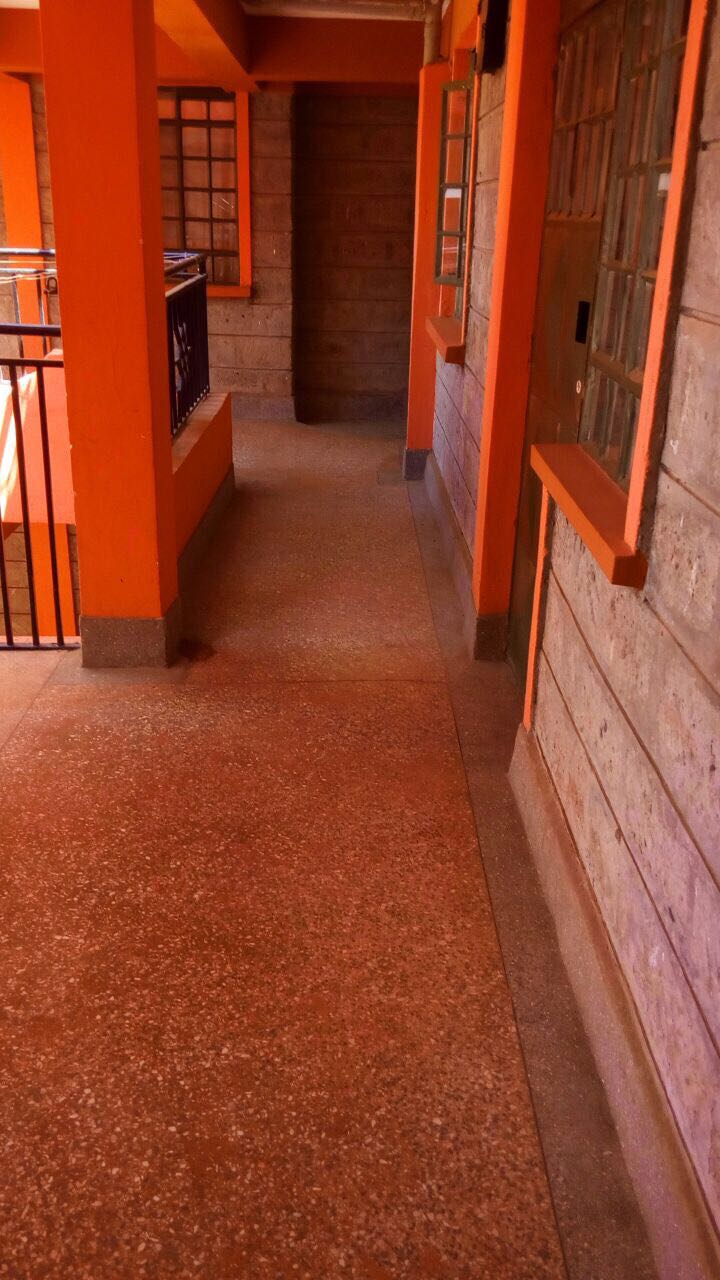
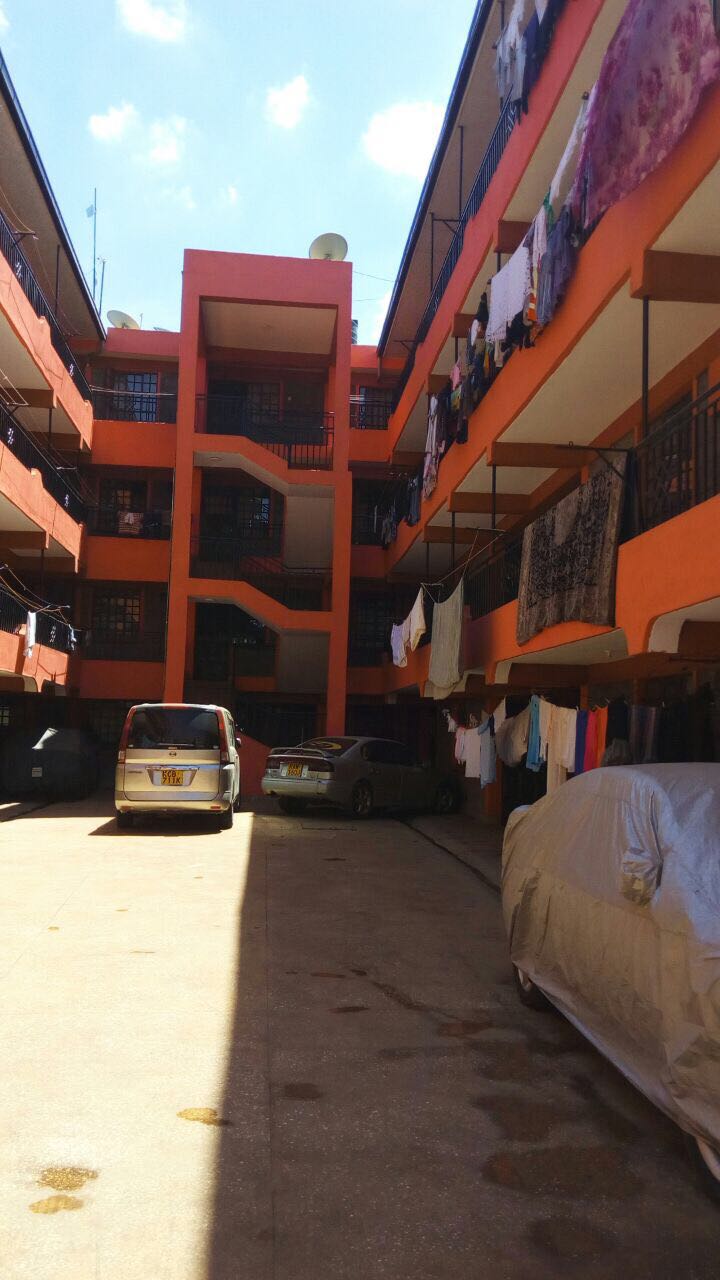
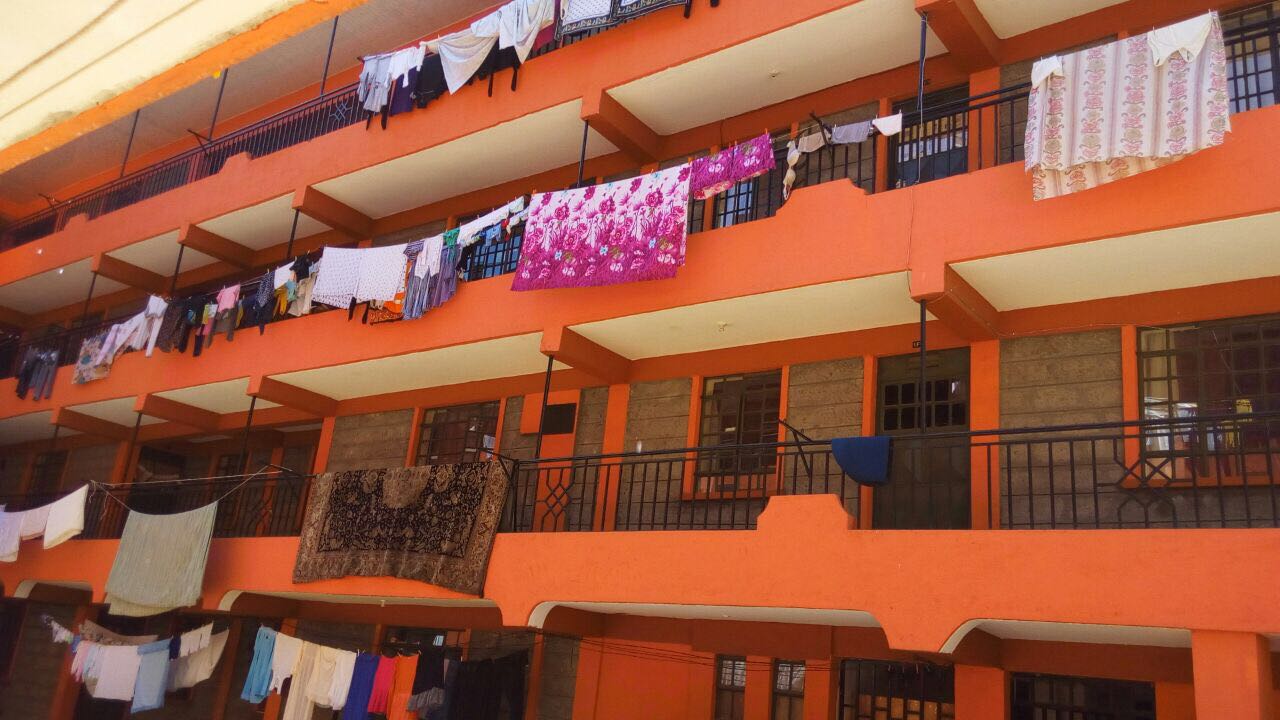
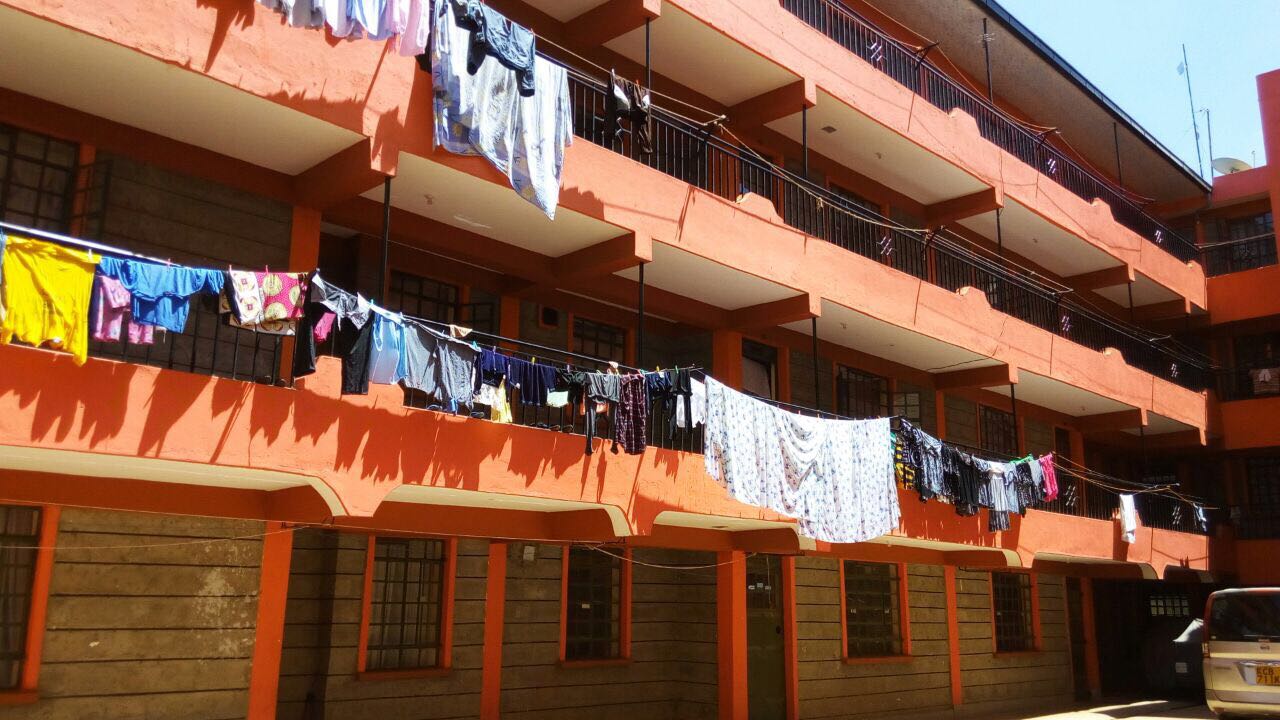
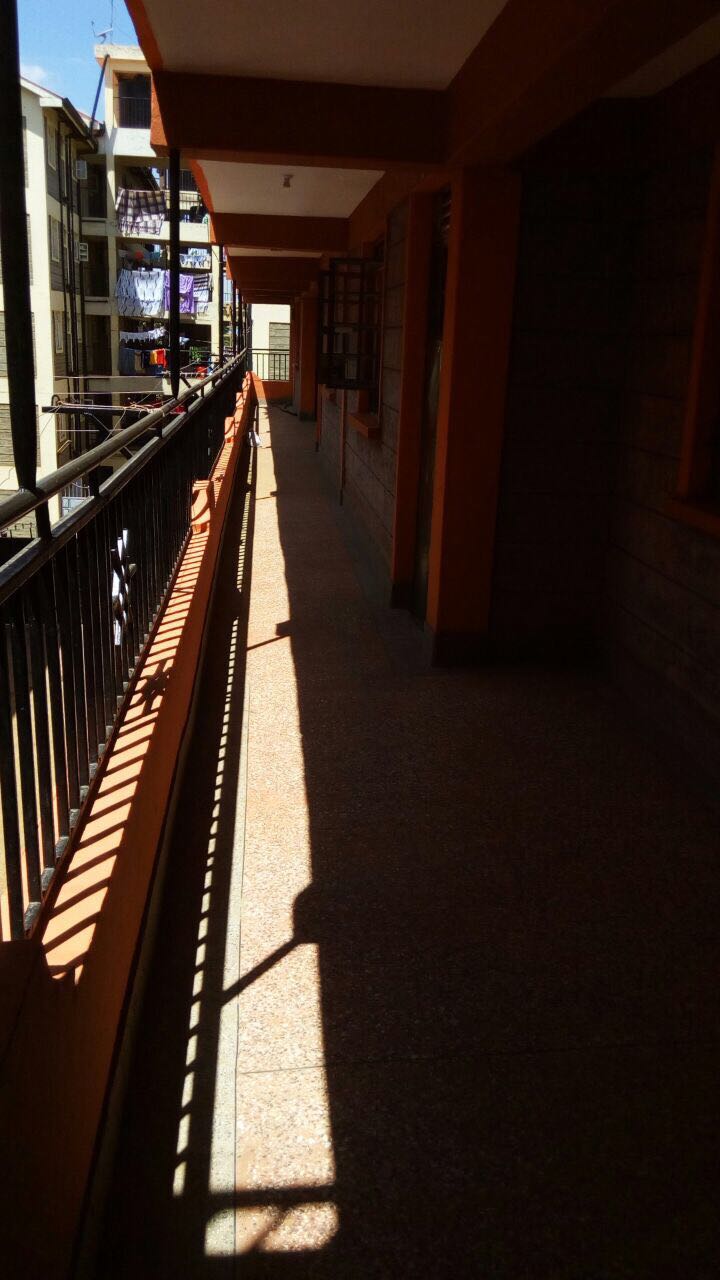
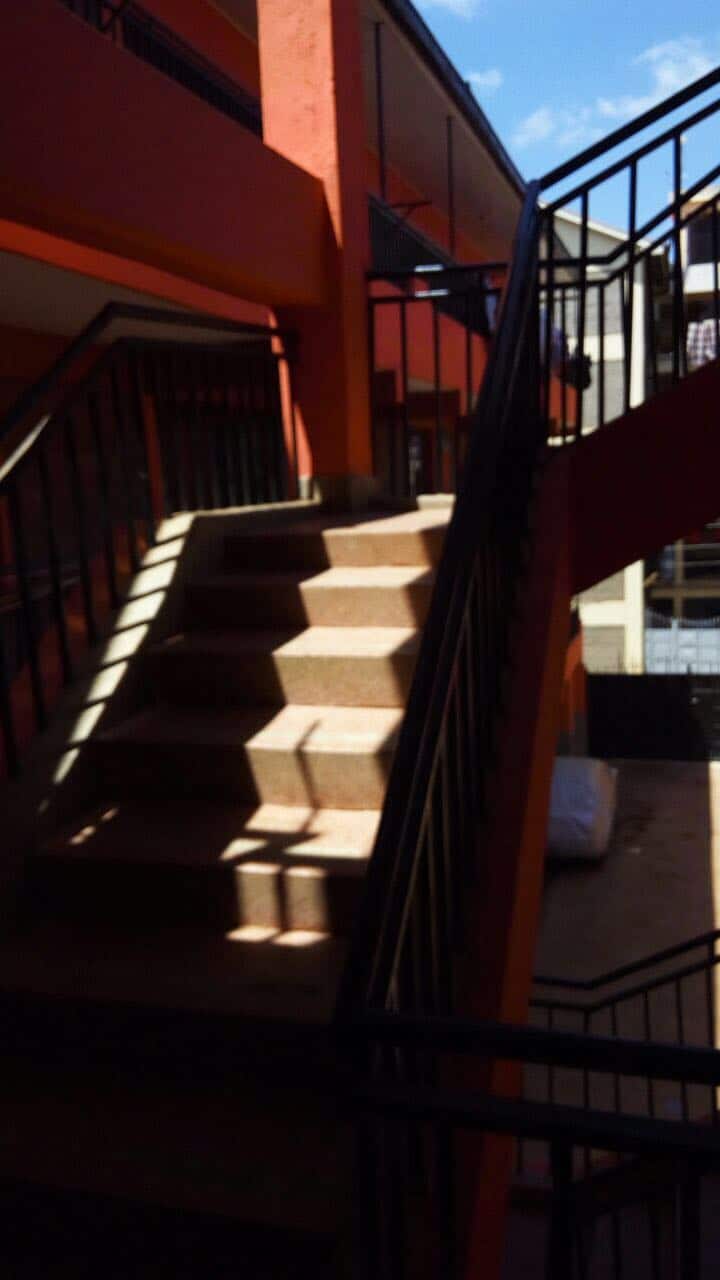
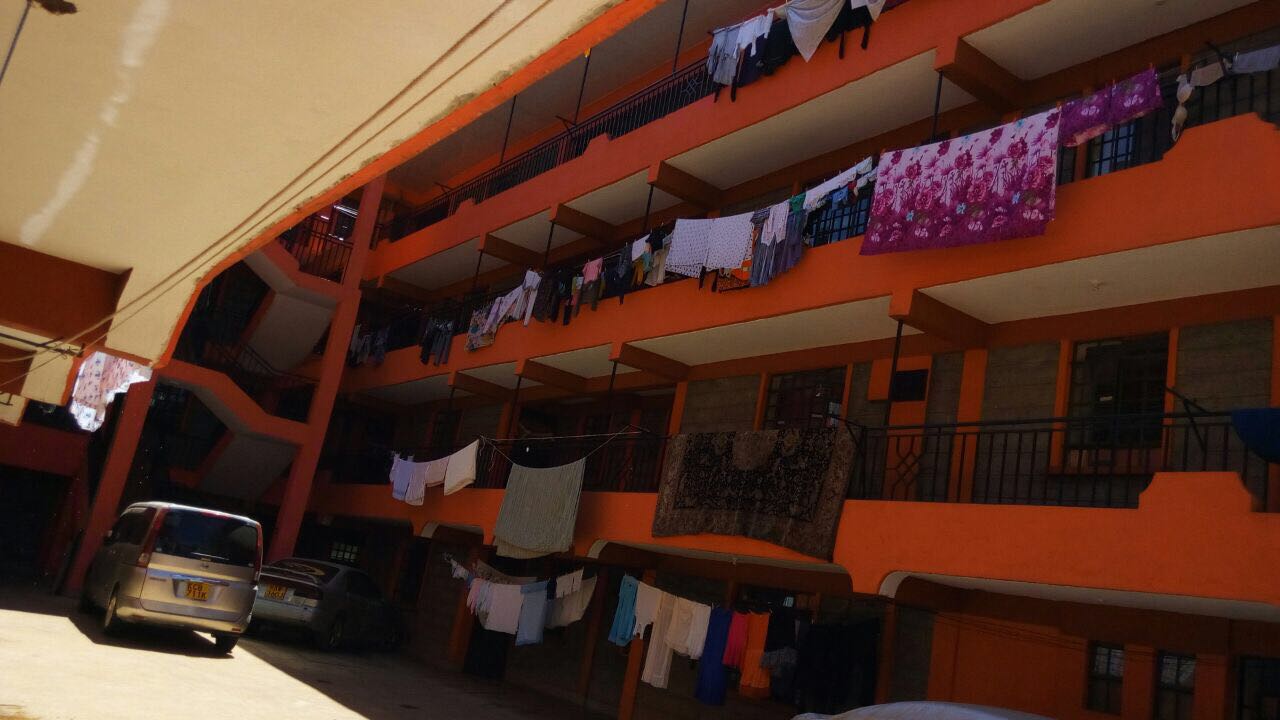
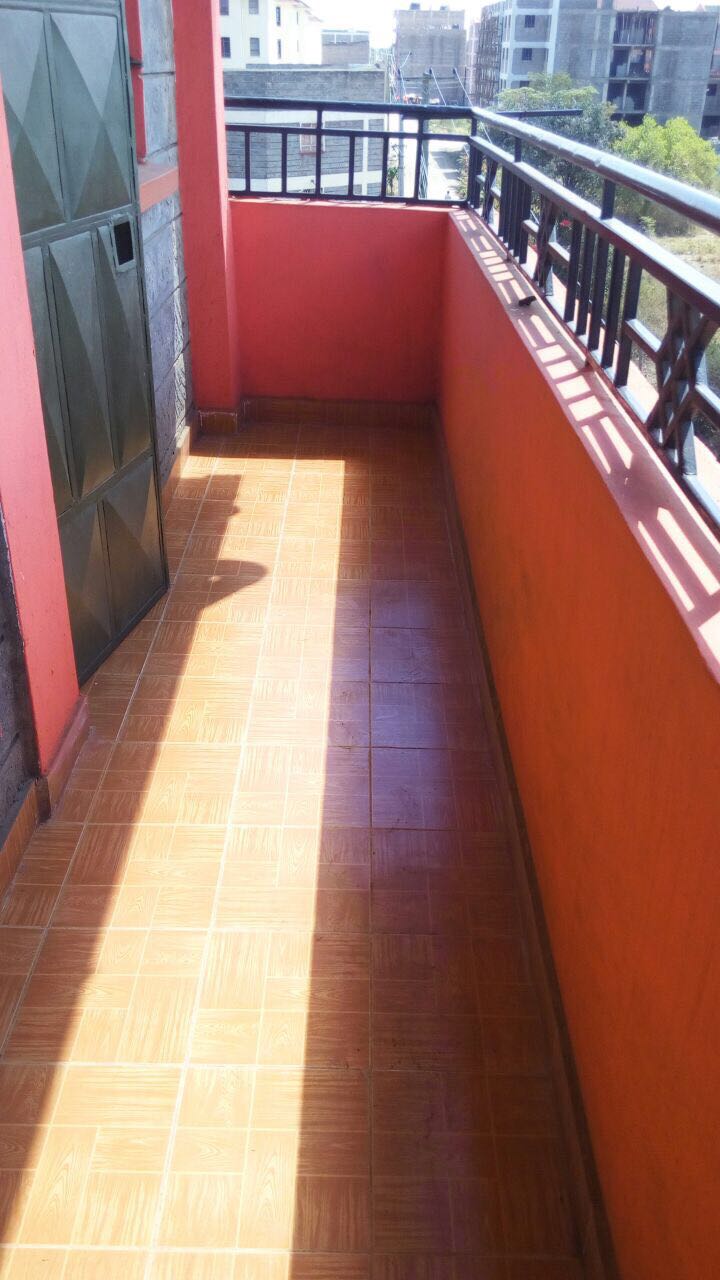
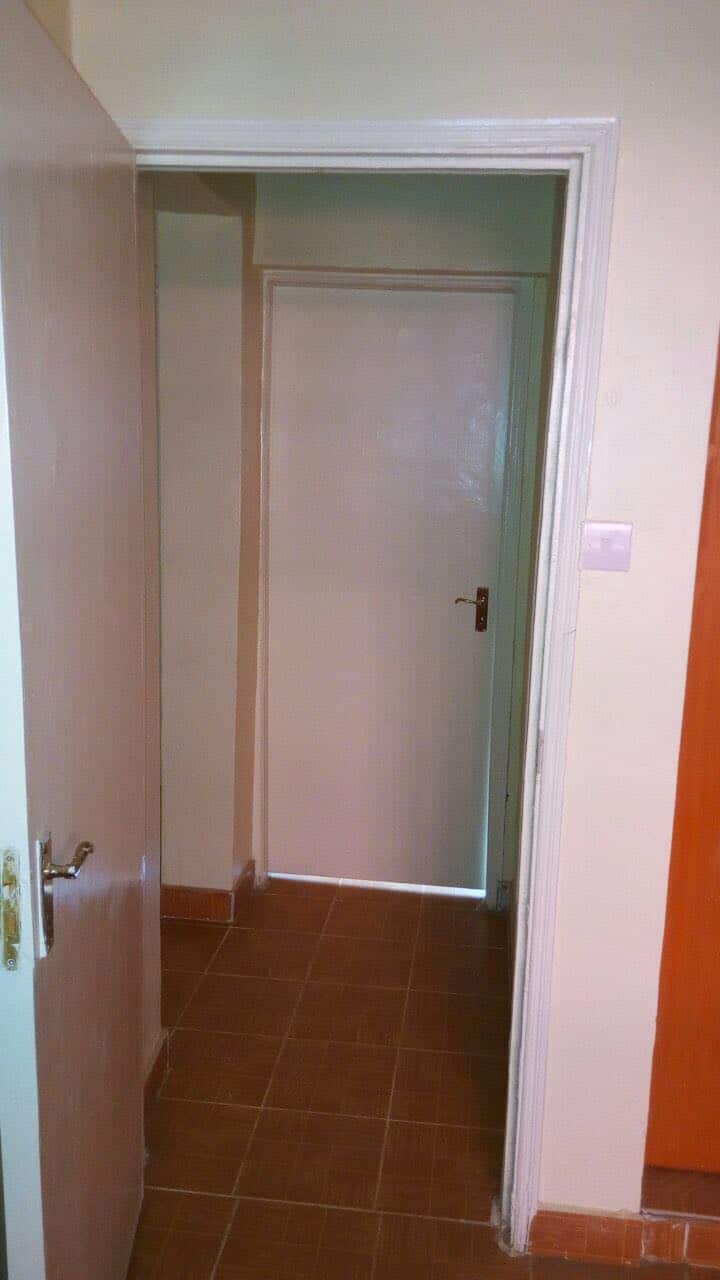


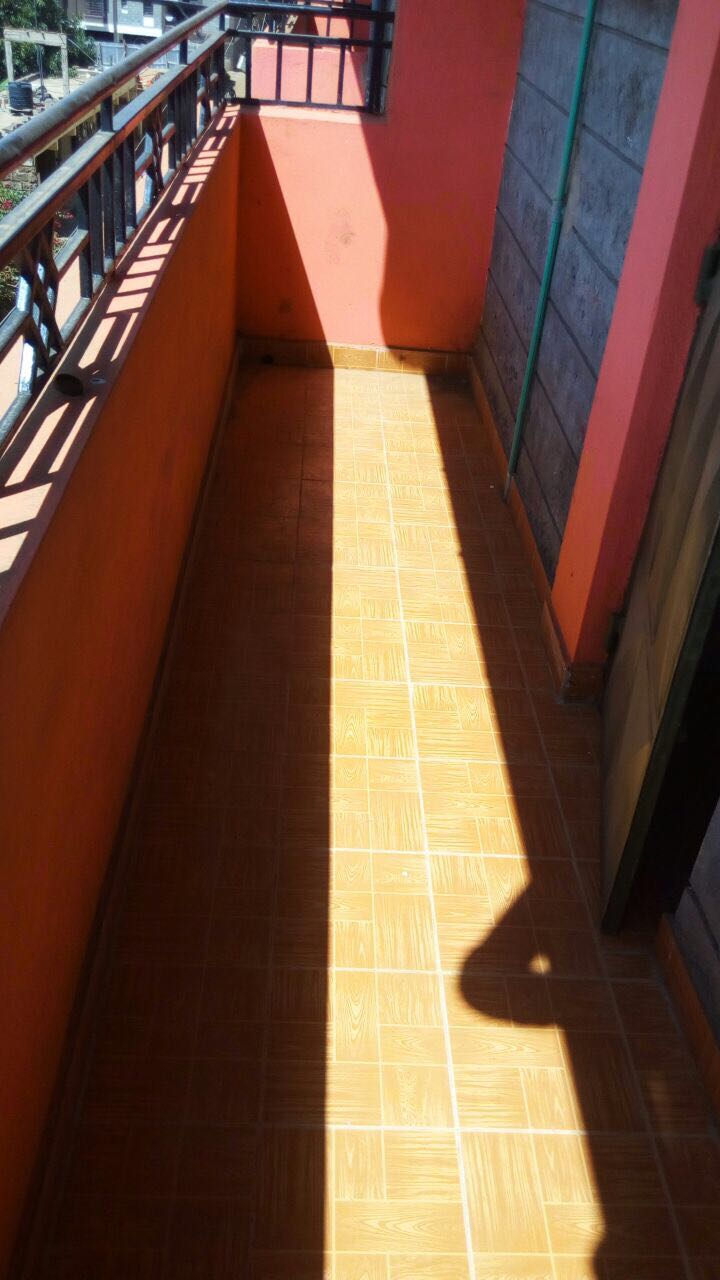

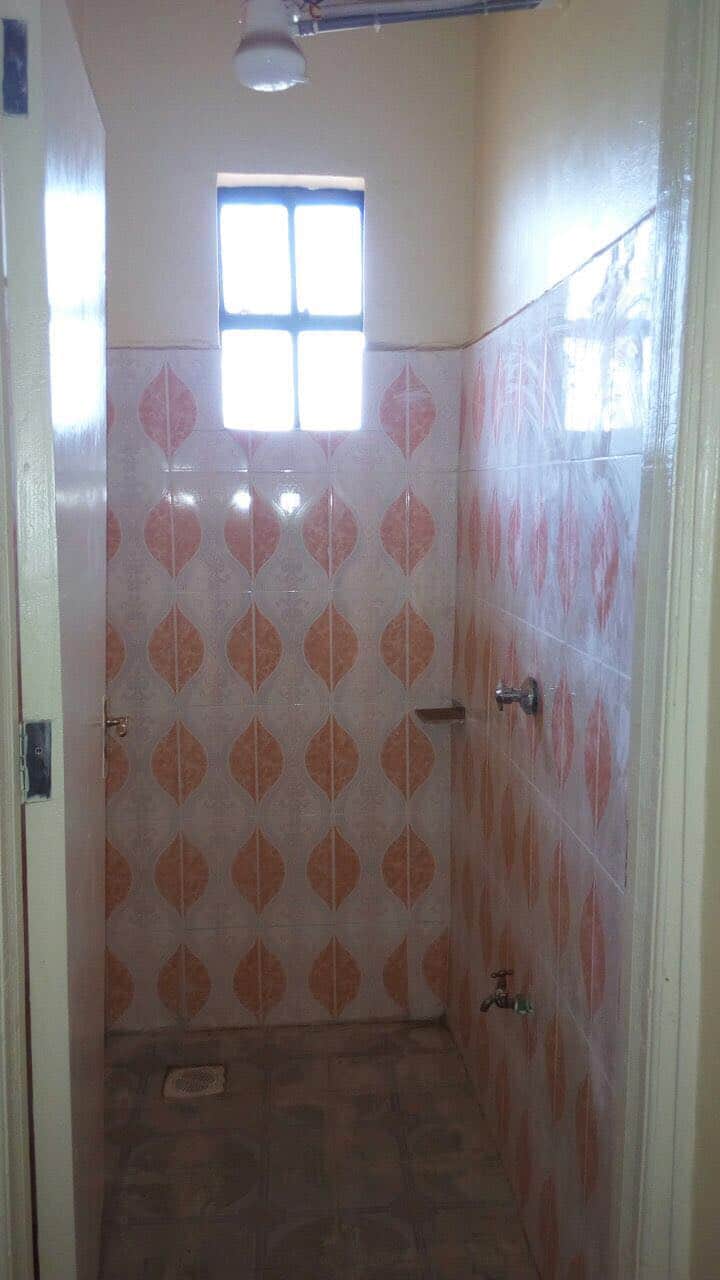
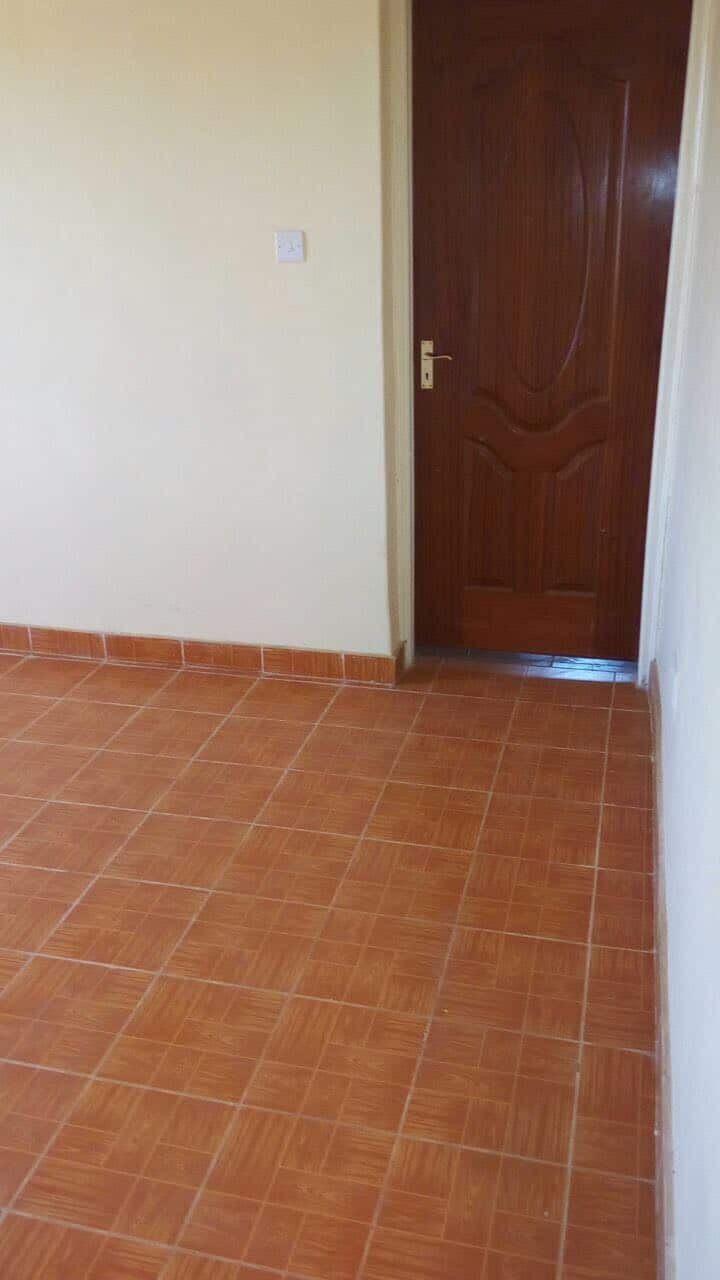
Apartment Building for Sale, Kahawa Wendani, off Thika Road. Kes 100 million.
35 units. 31 are two bedroom and 4 are one bedroom
Rental income 818,000 per month when fully occupied
Interior Office Partitioning at Karen.
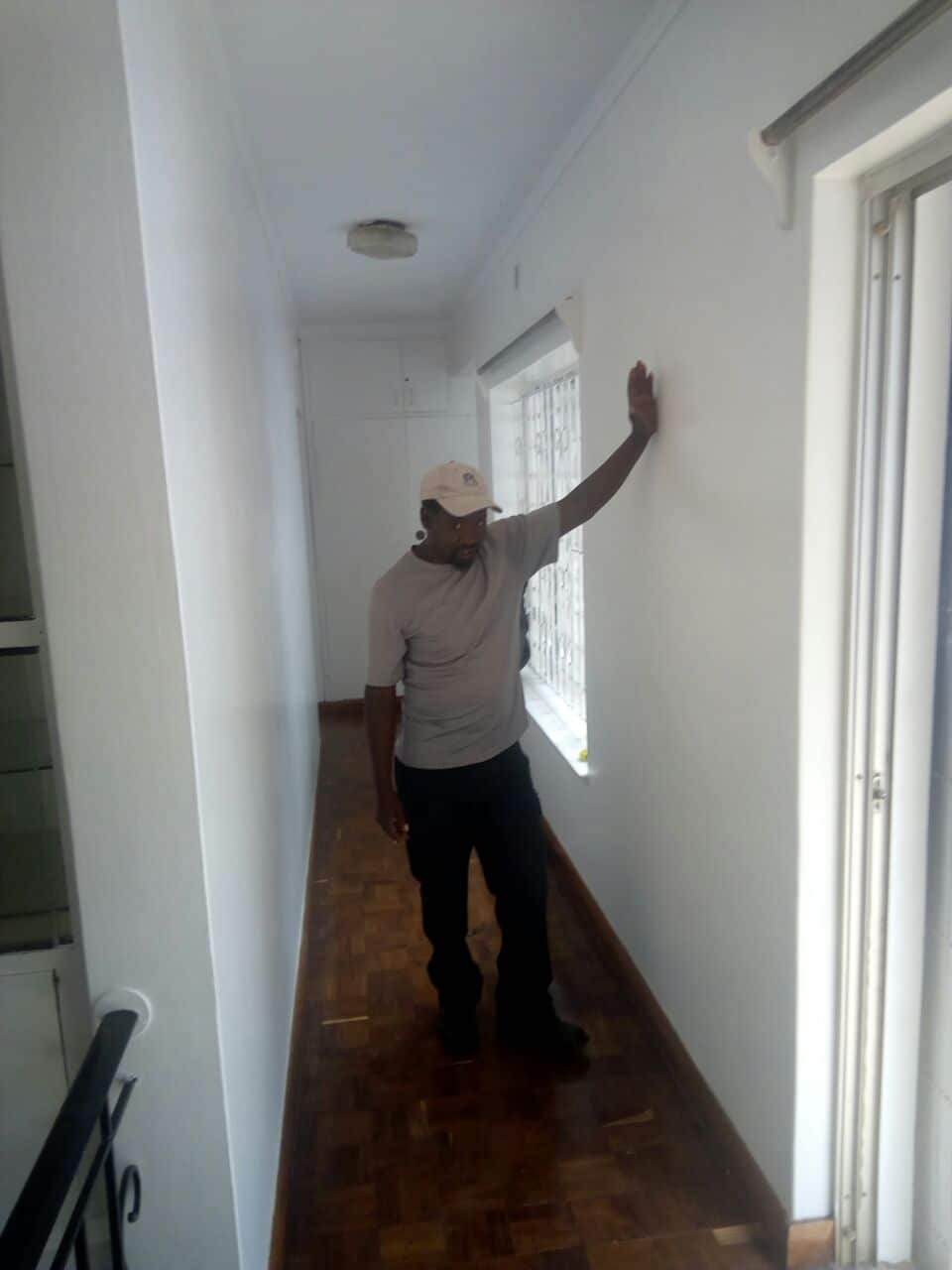
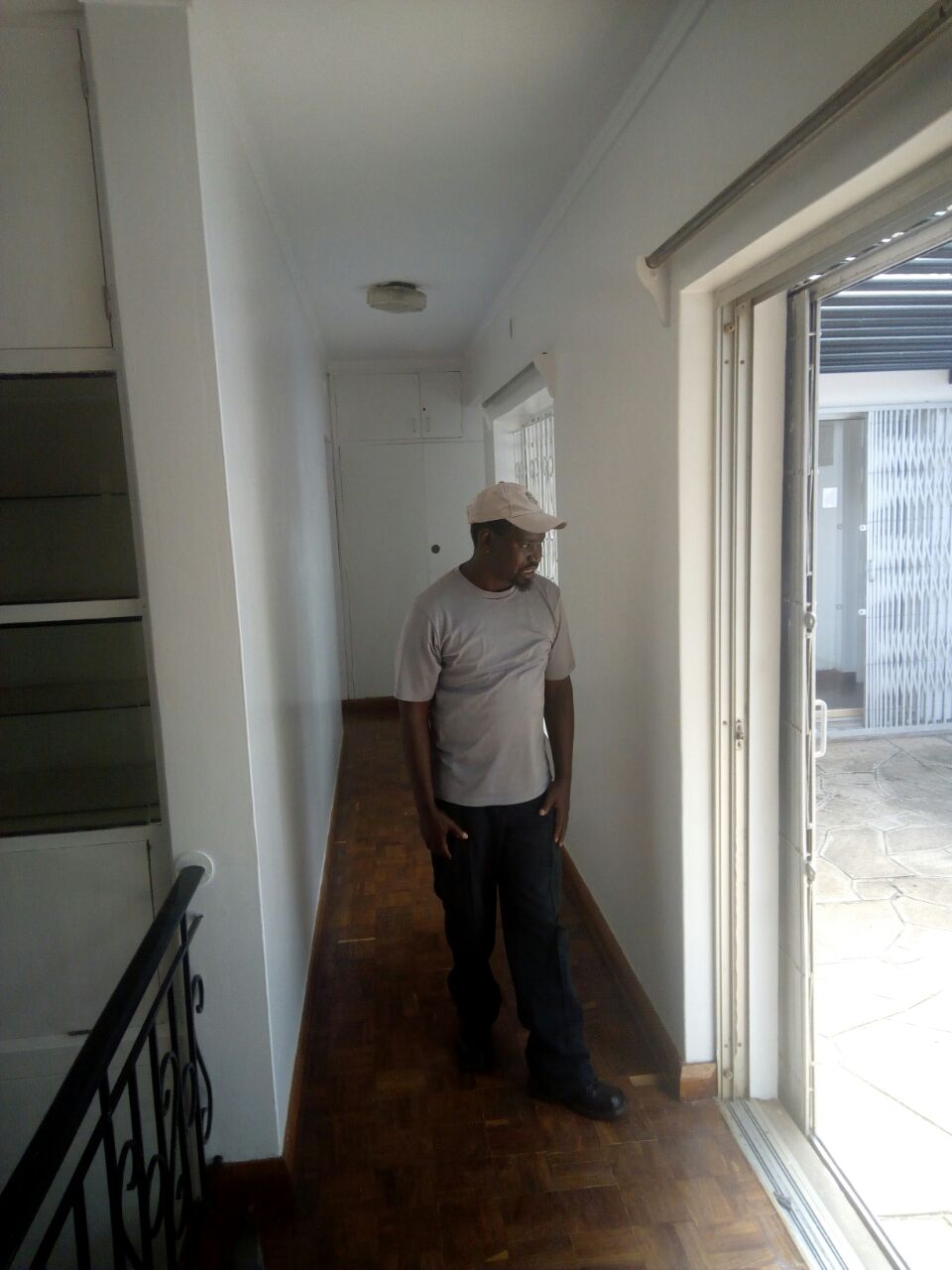
The office is located in a 4 bedroomed bungalow within a half acre land along Karen road next to Karen Country Golf club.
The aprea between the living room and dining room is being separated using aluminium sliding door with white vineer MDB Board infill. The aluminium is poweder coated white anodised.
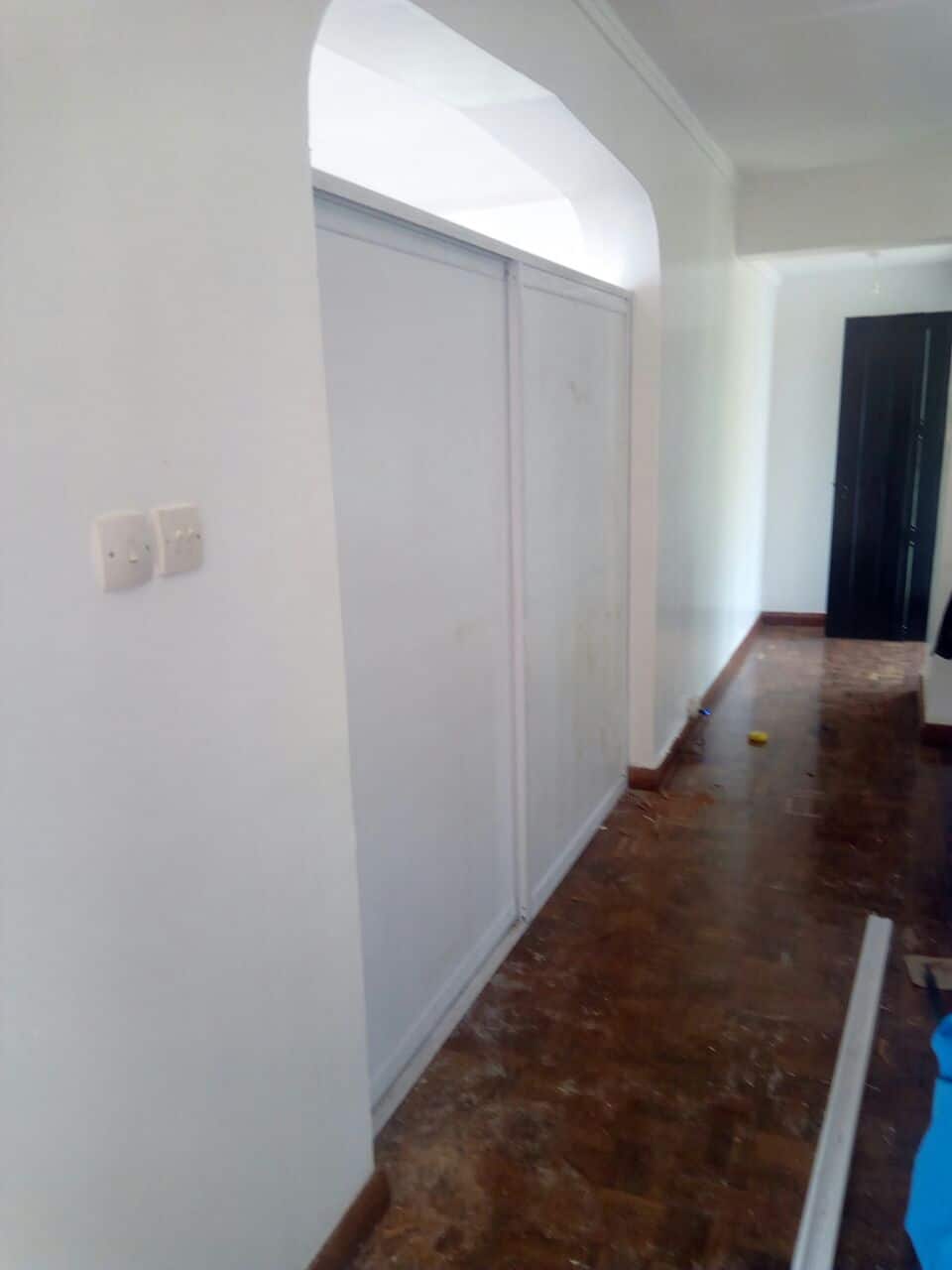
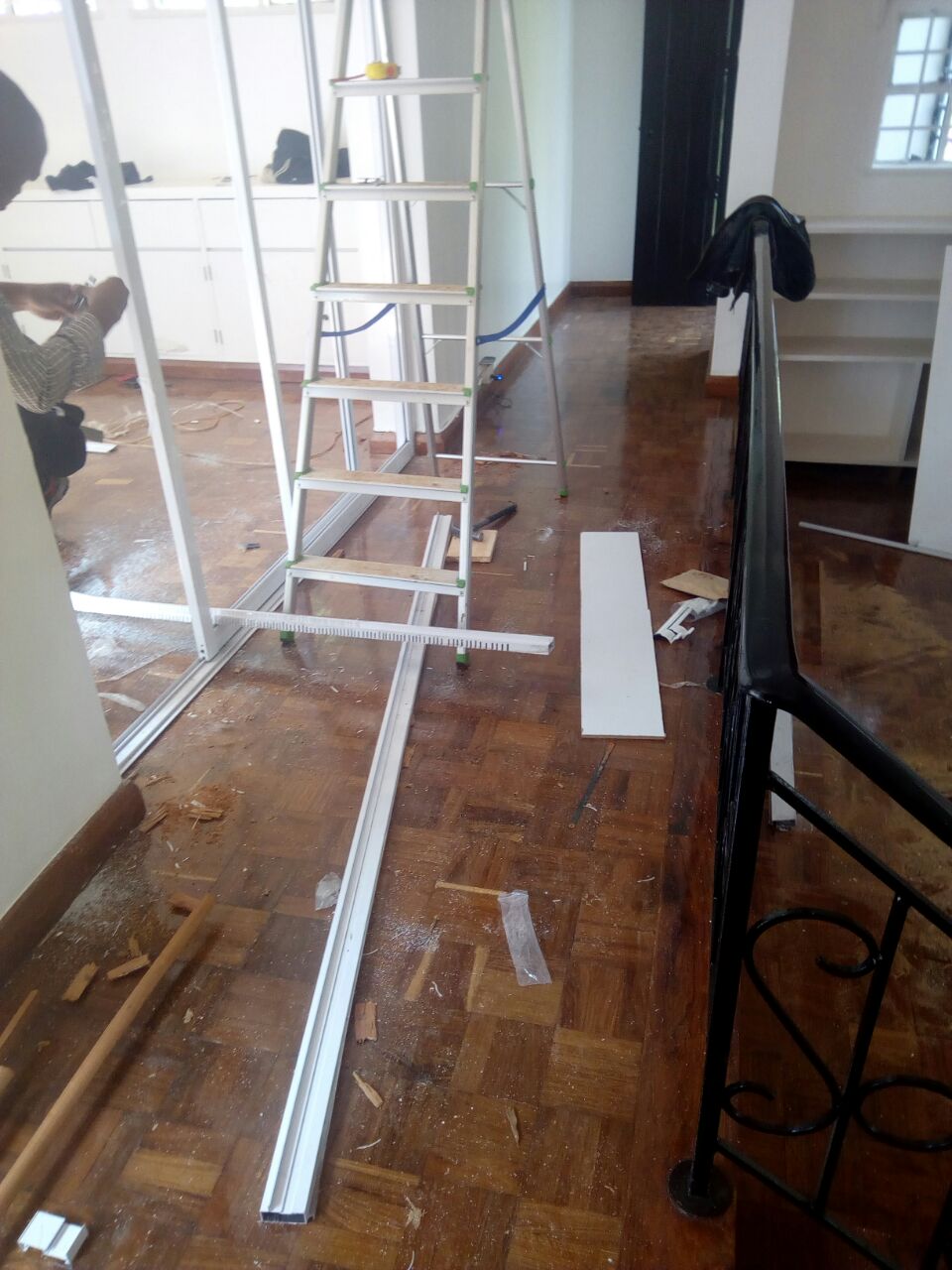
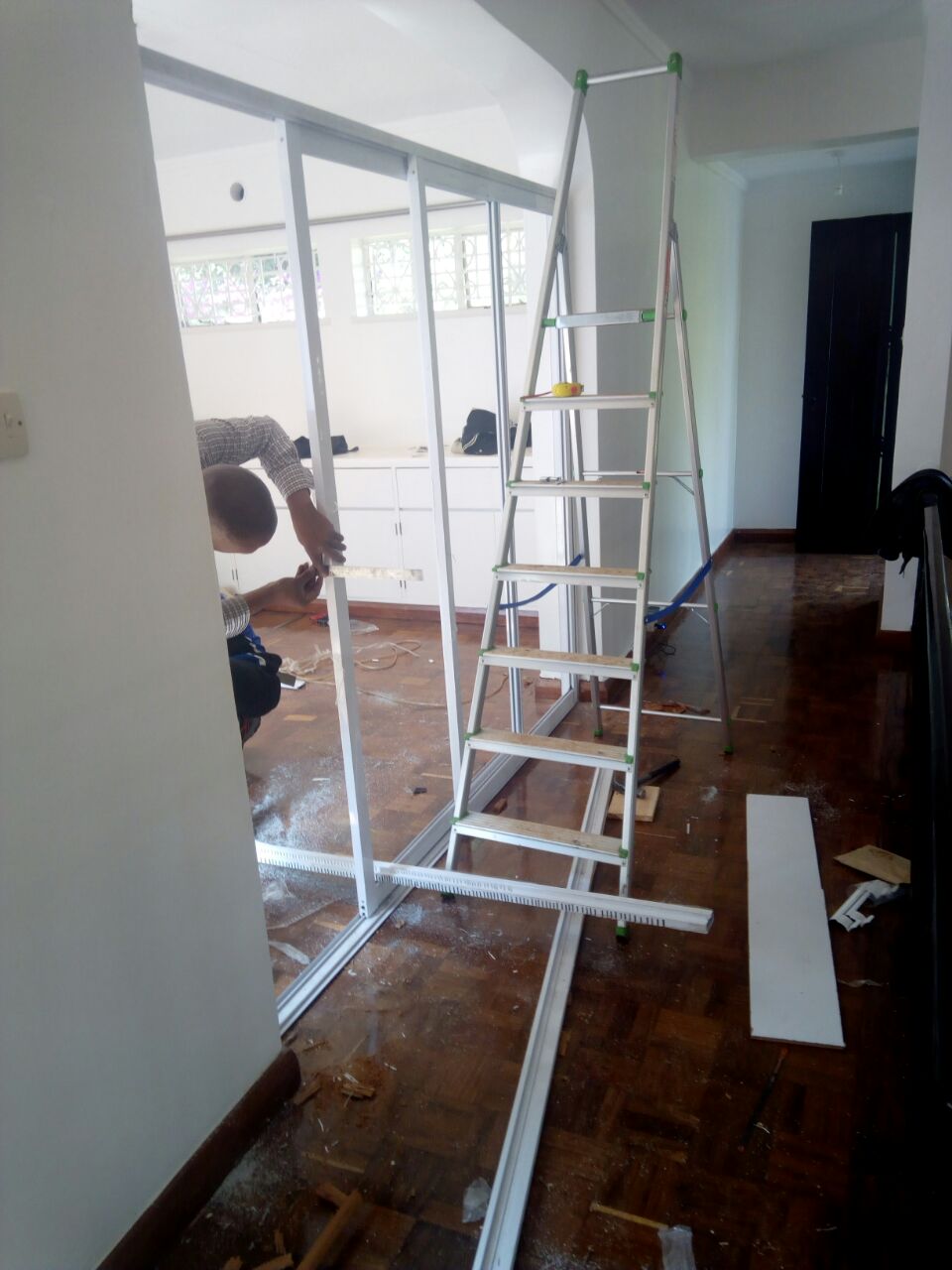
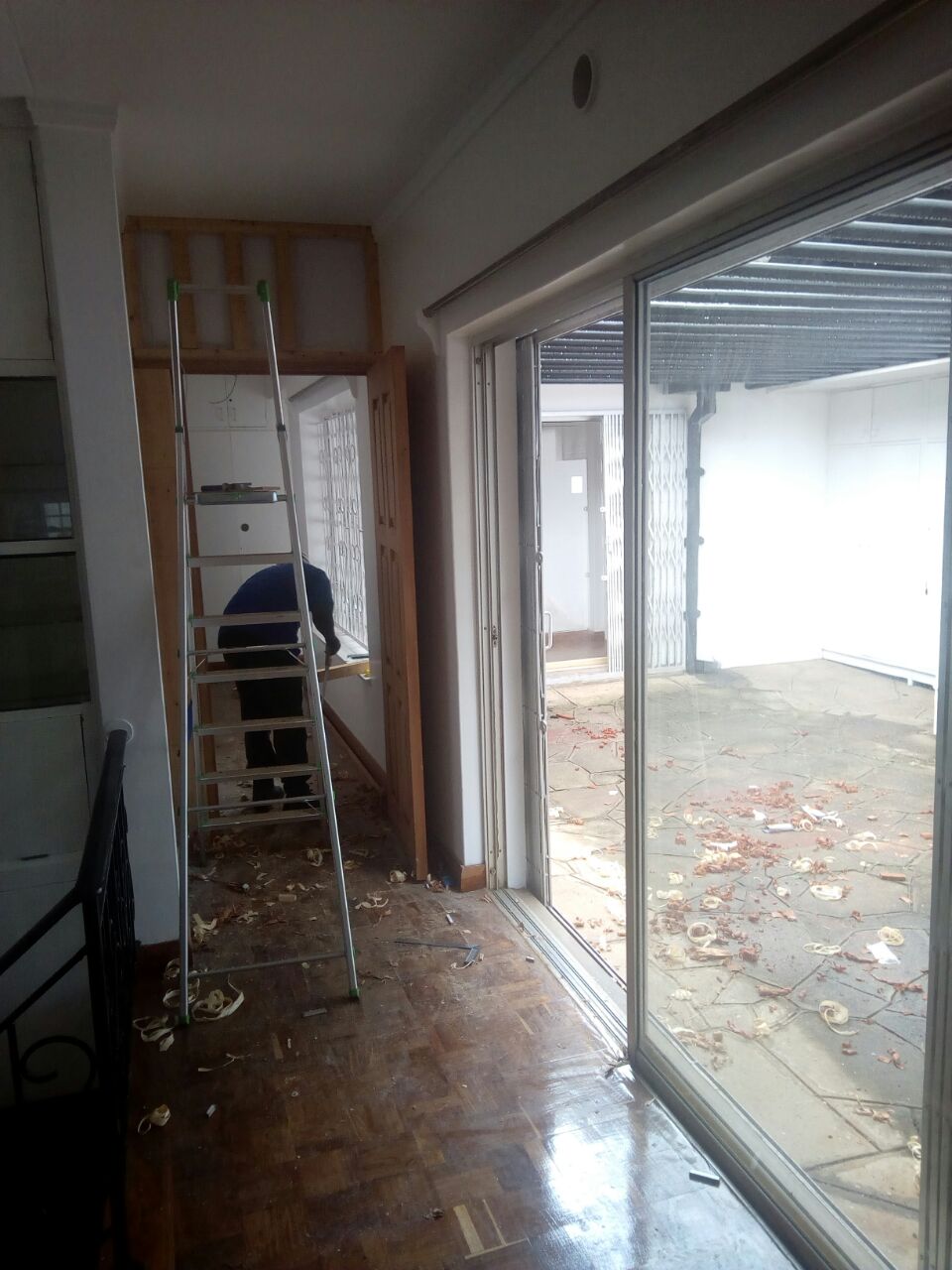
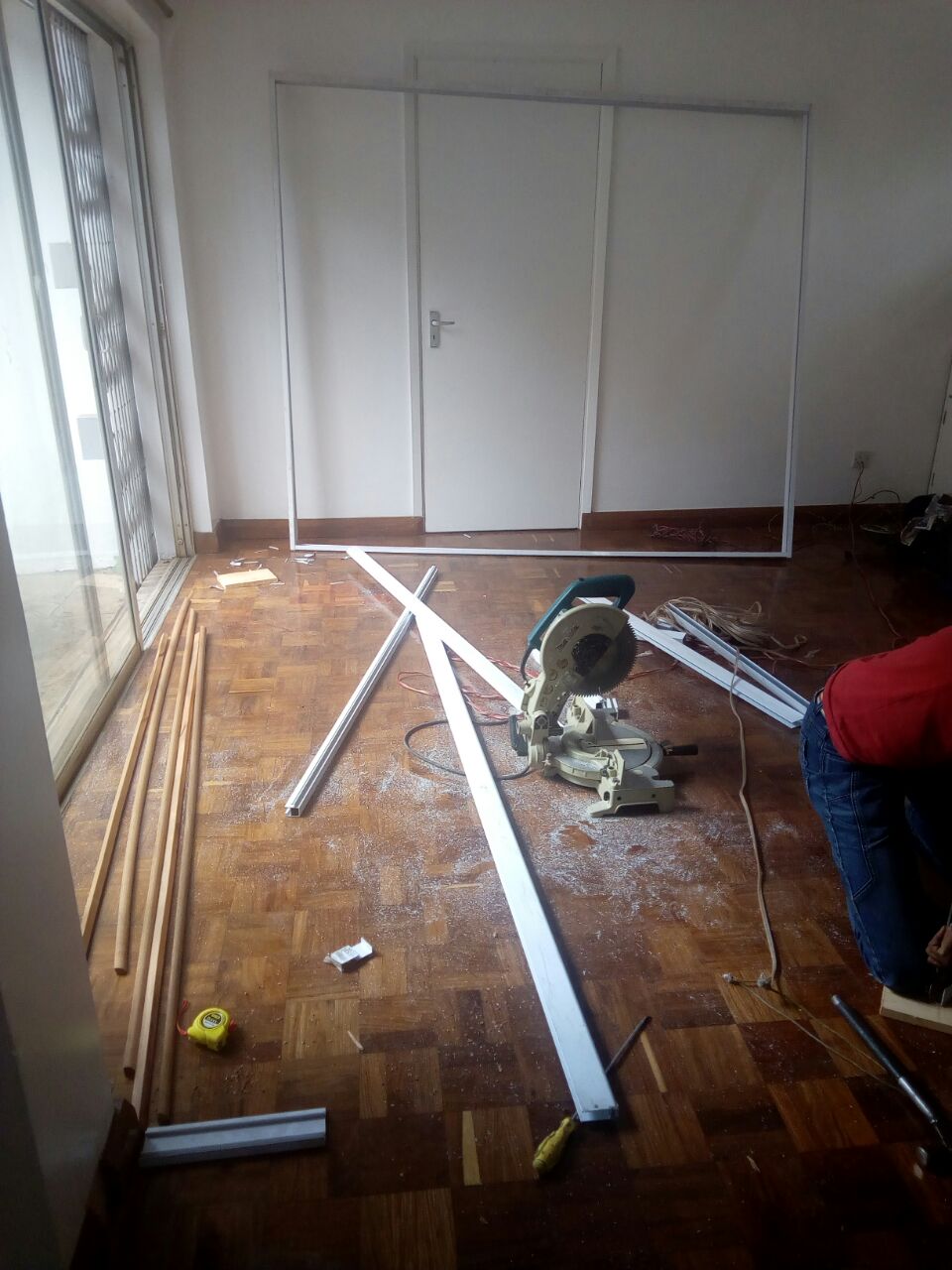
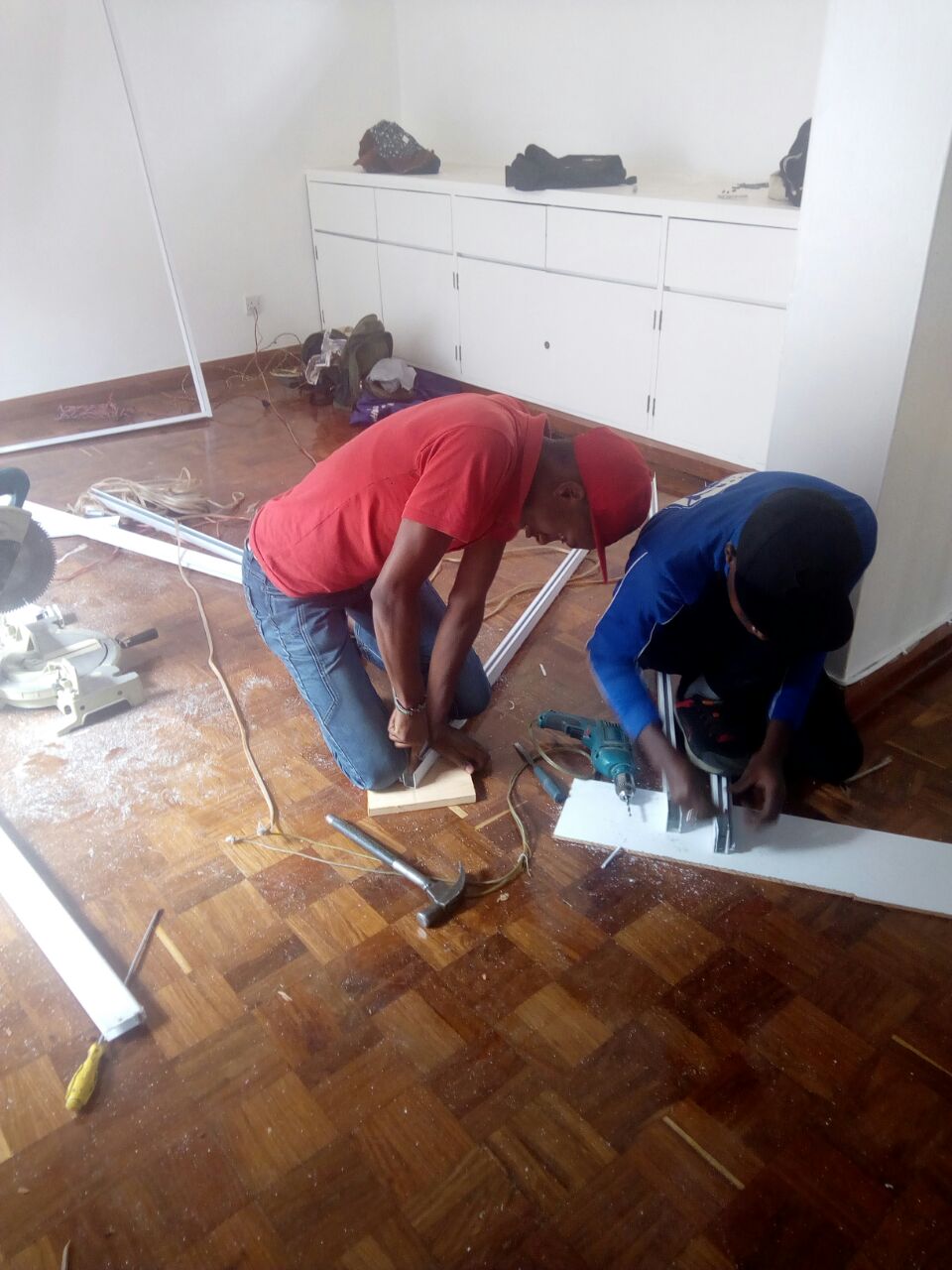
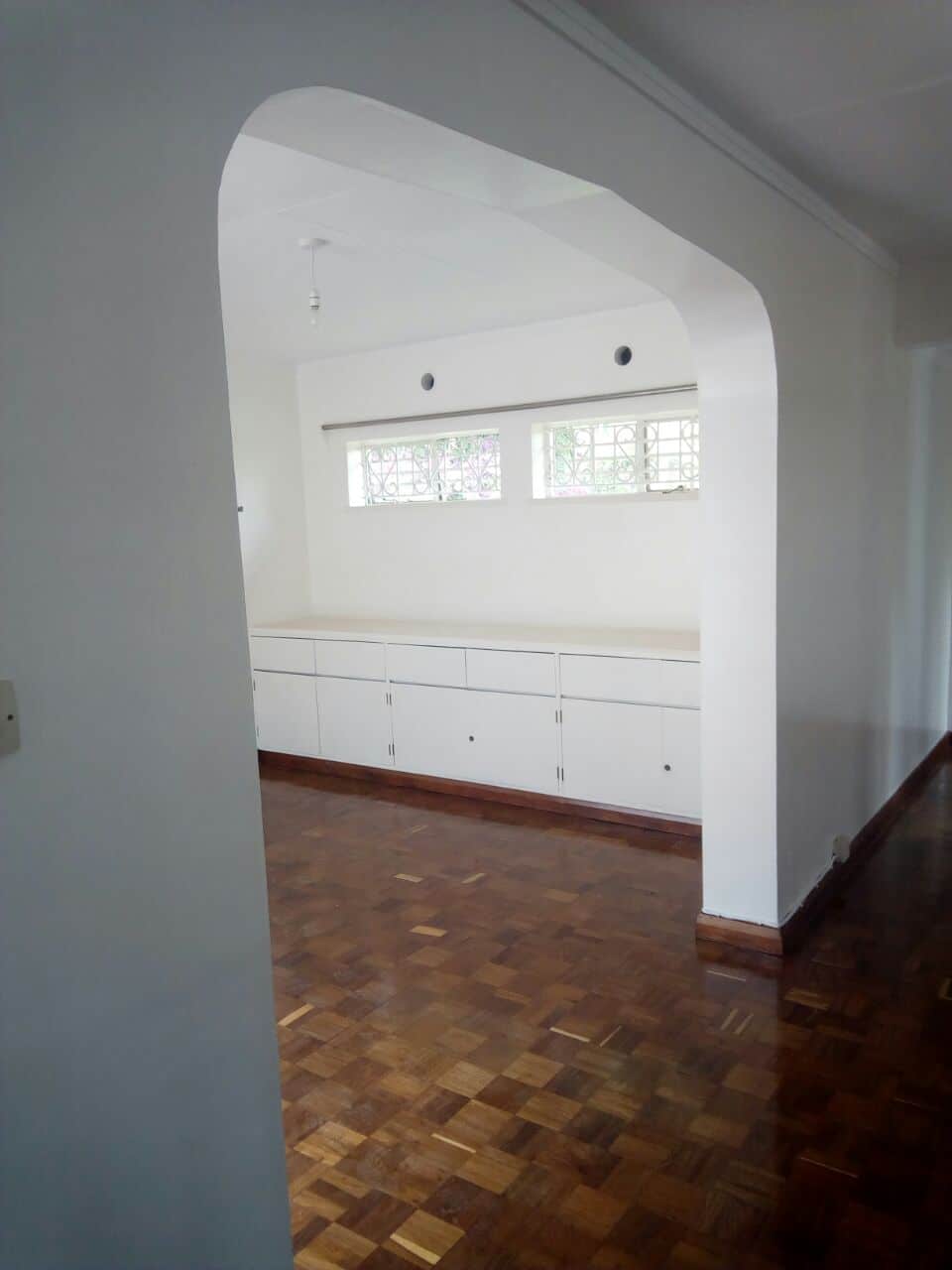
White framed aluminium merges well with white coloured veneered MDF board to bring out that official executive look.
Hardwood doors.
Restriction of pedestrian movement from one room to the other is done using Mahogany hardwood doors fitted with electronic smart card opening security systems.
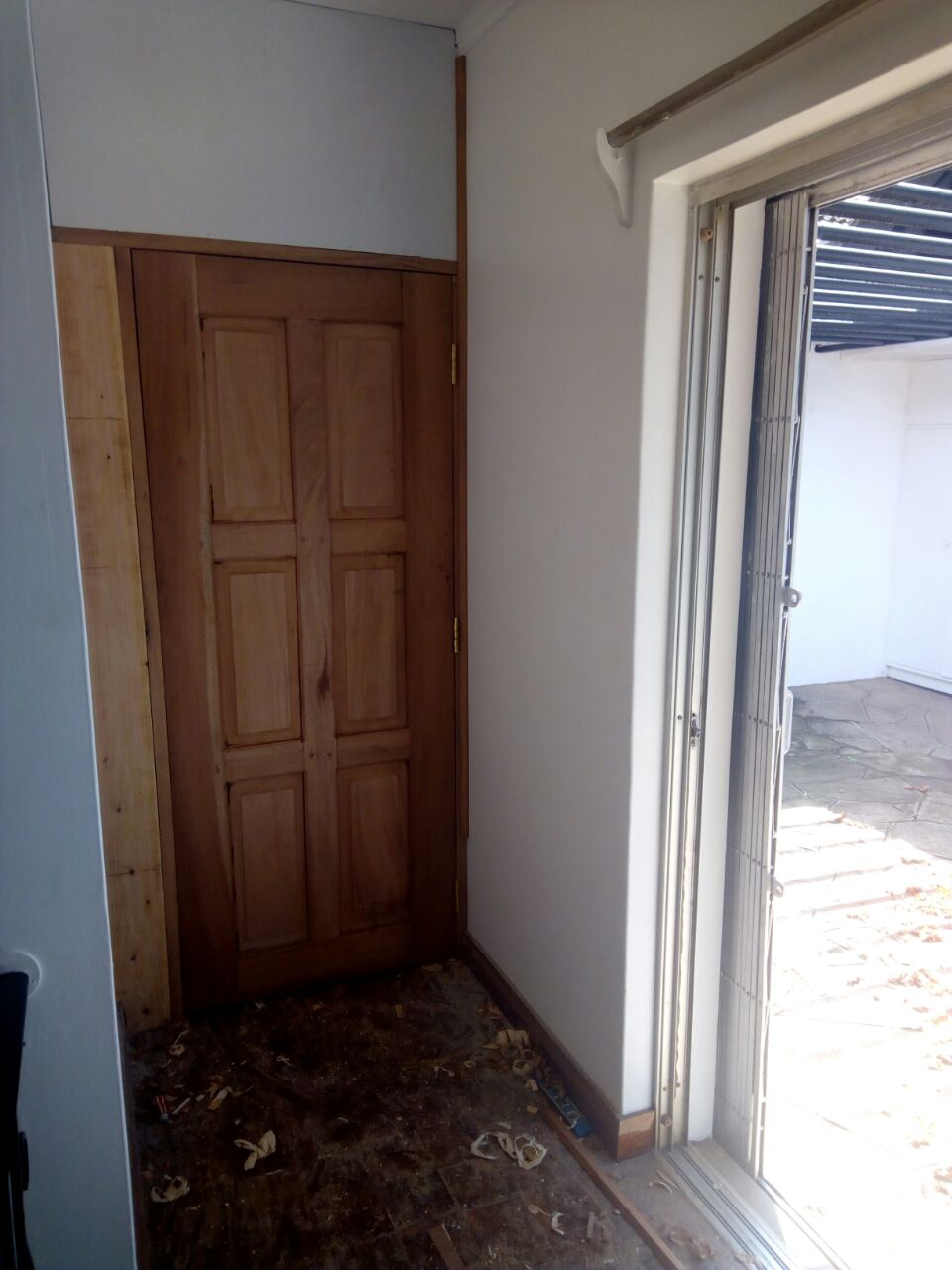

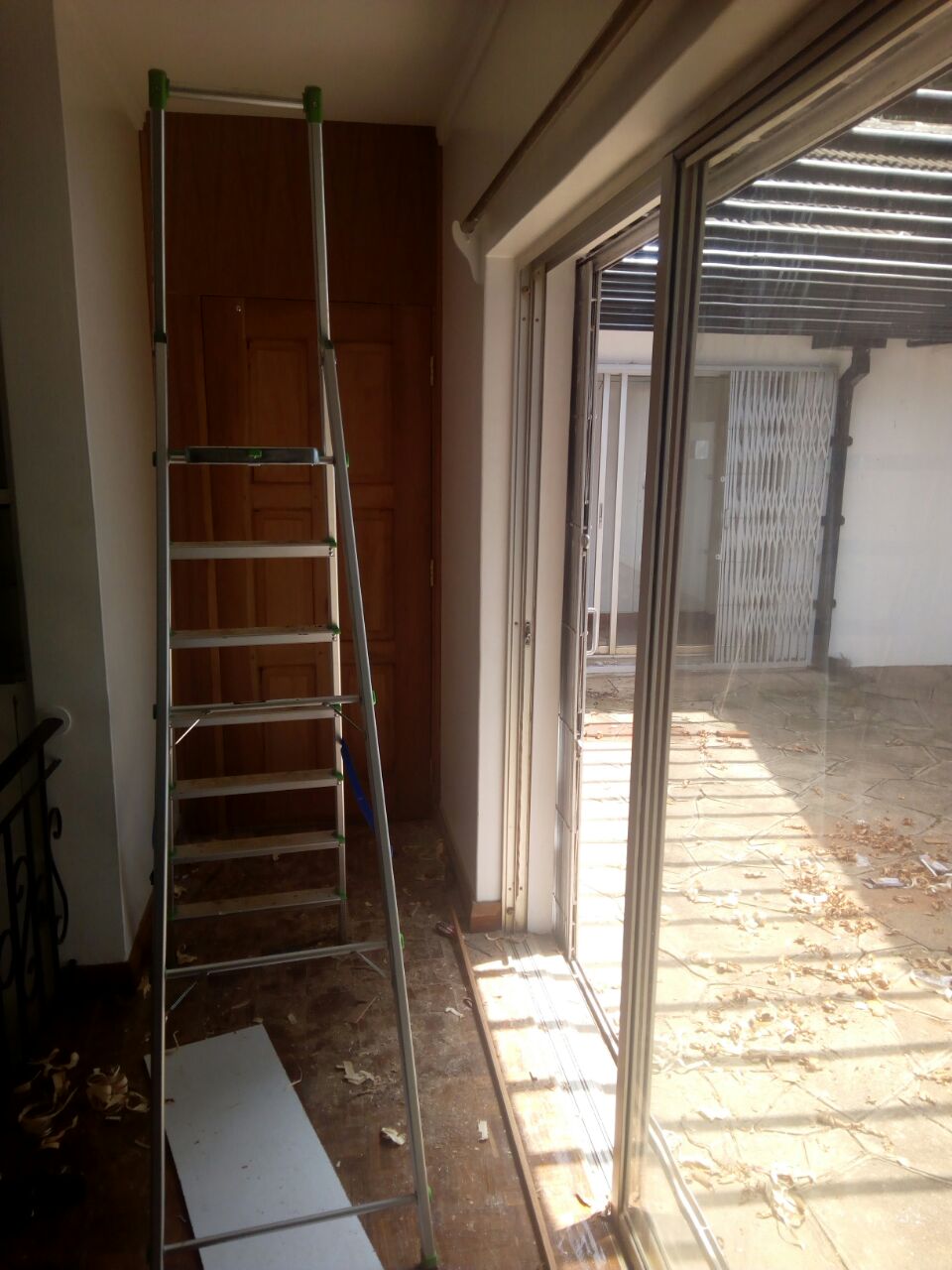

The hardwood door is painted using gloss clear varnish to give out a shiny look that matches with the mahogany floor wood blocks.
The new door frame is bolted into the masonry stone and anchored using 2 x2 cypress timber to ensure its safely and securely set in place.
The finishing at the space between the ceiling and door frame level is infilled with MDF board covered using mahogany veneer sheet stuck using Pattex adhesive.
Architect Francis Gichuhi Kamau.
0721410684
Earth Architecture in Kenya.
Questions and Answers.
1. Is it true that mud houses are good at conserving heat and probably that’s why older people prefer to live in them?
Yes, earthen buildings have superior thermal qualities compared to most other building materials. Earthen houses are warm during the night and cool during the day, giving a very conducive living environment in the inside.
On he lowest scale of heat conservation is mabati houses which tend to be too hot during the day and too cold during the night.
2. Also would a sudden change in environment for instance from a mud house to a stone house affect these senior citizens (could this be the reason well wishers in Western Kenya opted to build the granny a mud house?)
Yes, a sudden change from a mud house to a stone house for an octogenarian who has lived in a mud house all their life will affect them as they try to acclimatize to the new environment.
Modern stone houses have some chemicals emitted from the materials used eg the wardrobes and furniture off gas formaldehyde, a known carcinogen.
3. What are the pros and cons of mud houses?
Mud houses have advantages such as lower cost of construction, perfect thermal capabilities and have very few hazardous chemicals used in their construction if any.
Their disadvantage is that they tend to have a very high maintenance cost, need regular repairing since the materials used are not as strong to withstand day to day use.
4. What factors make mud housing more efficient and sustainable than the houses we now live in?
Mud houses have a lower construction cost, have zero hazardous chemicals used in their construction materials and overall help to reduce the carbon footprint into the environment.
The USA and South America have re energized the use of earth as an architectural building component through earth bag housing technology.
Architect Nader Khalili of Cal earth institute in California has dedicated alot of resources in re introducing earth-bag houses into the USA and the rest of the world.
Architect Fernando Pacheco of Brazil has also revolutionized the use of earth bag technology in South America with his hyper adobe type of construction, surpassing Nader Khalilis super adobe method of construction.
5. Does Kenya have an existing building code that focus on the use of earth as a building material and looking at the current skyrocketing home prices is this a good time to evaluate this issue and perhaps encourage earthen architecture and construction of houses using mud?
Kenya’s building code does not incorporate earthen architecture though if well designed by an architect, and supported by a structural engineer’s drawings and calculation, any County Government planning department will approve of this type of construction.
With the USA ans South America spearheading the reintroduction of earthen architecture through earth bag technology, Kenyans and Africans in general will slowly embrace this even though in Africa and rural Kenya, earthen architecture is symbolic to poverty and quite shunned upon.
6. Across the world there has been this talk on sustainable development, climate change and environmental conservation that has in a way renewed interest in earthen architecture, seen as responsive to these three factors, do you think this is something the government and other stakeholders should think about?
Yes, earthen architecture goes a long way to conserve the environment and reduce carbon footprint into the atmosphere. With the rising cost of construction, earthen architecture provides a very good solution to affordable and quality housing t Kenyans.
Architect Francis Gichuhi kamau.
0721410684
Boundary wall construction process.
1. Architectural design and drawings of the wall to be done by architect.
This takes 2 to 5 days.
2. Drawings to be quantified by Quantity Surveyor and estimate fo construction give.
This takes 2 to 5 days.
3. Drawings to be submitted to Nairobi County for approvals. This takes 2 to 3 week.
4. Building contractor is selected to start construction.
5. Construction process begins. This takes 30 to 60 days to complete construction.
Arch. Francis Gichuhi Kamau.
0721410684
Prefabricated houses have began taking their niche in the competitive Kenyan real estate market.In China, Europe and America, prefabricated houses are already center stage due to their ability to reduce cost of labour. In Kenya and most of Africa, cost of labour is still quite low hence keeping construction using other traditional methods such as masonry stone quite low too.
Available types.
In Kenya, we have wooden prefabs, concrete panel prefabs, steel sandwich panel prefabs and expanded polysteryne cement sandwich panel prefabs.
Wooden prefabs.


Those of us who have visited or studied at University of Nairobi Main Campus have seen the famous prefab hostels. Having spent my University 1st year at Prefab Hostels, i can remember the wooden prefab houses and the living conditions inside. They tend to have very high noise transmission through the walls, are prone to decay in the wet areas, bathrooms, toilets and have a high cost of maintenance. These are probably the reasons why we dont see many developers opting to go the wooden prefab way . Wooden prefab method is slowly on the decline as a construction methodology in Kenya.
Concrete Panel prefabs.
These are structurally very sound and good for warehouse type of building.

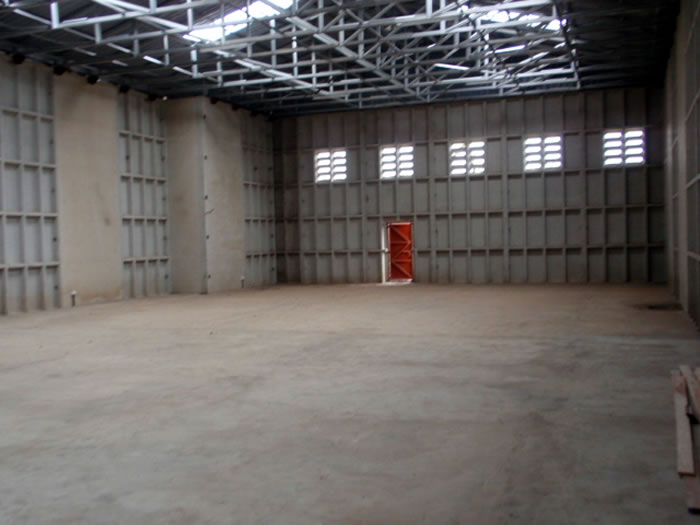
These warehouses located in Ruiru,Kenya , for Butterfly Developers LTD, designed by www.a4architect.com , are constructed using the concrete prefab panel method.
This method requires that the developer invests in a crane to be able to comfortably lift the concrete panels high up during construction.
The panels are bolted together using nuts and bolts for high rise structures. For low rise, bungalow types, the panels are held together using steel groove rails at the bottom and at the top.
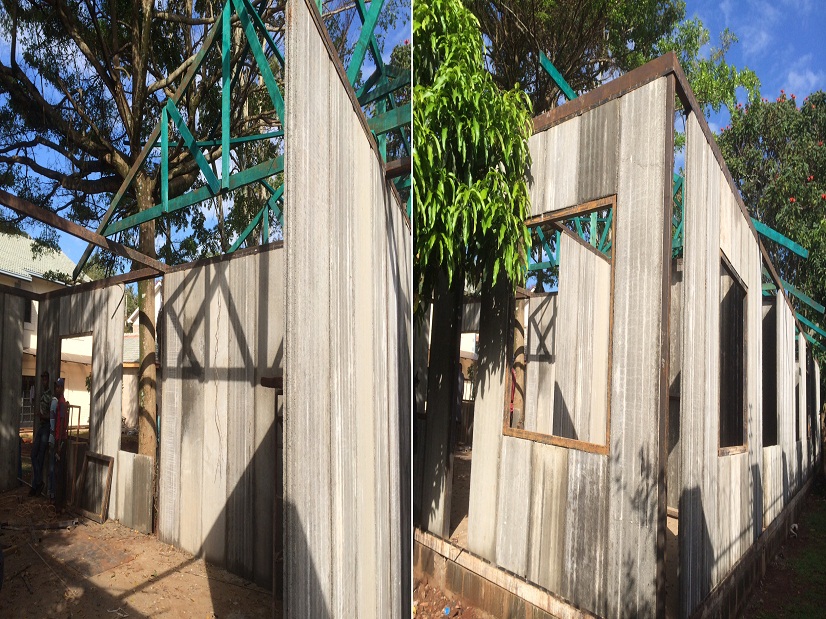
Expanded polystyrene panels.
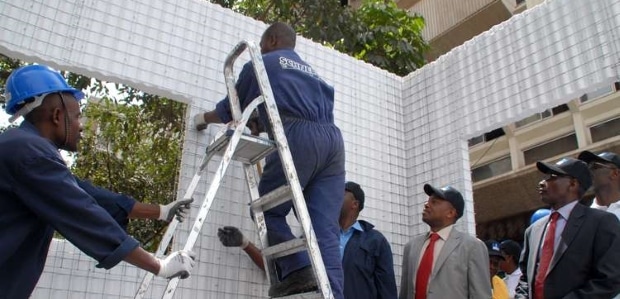
These are made using expanded polysteryne sandwiched between cement plaster. Expanded polystyrene is the material found in Electronic goods boxes to cushion from external forces.
Expanded polystyrene is lighter than concrete, hence reducing labour costs since no cranes are needed to lift the panels into place.
Steel sandwich panels.
These have expanded polystyrene sandwiched between steel panels.
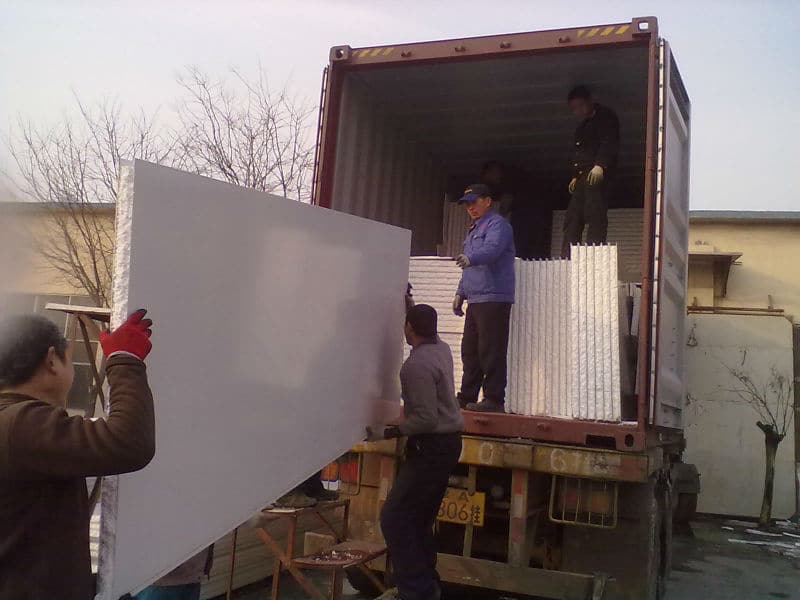

These are light, hence easily lifted by one person into place during construction, reducing overall construction cost. They come in various thickness sizes depending on the weather type of the area of the site so as to offer more insulation from the elements of weather.
Architect Francis Gichuhi Kamau.
0721410684
4 Bedroomed house plan types usually fall in the range of 150 to 200m2 in plinth built up floor area. With average sized bedrooms, the floor plan will be in the 150m2 area range.
Laundry room.
Once a design moves past the 3 bedroomed floor plan range, the owner/developer usually also requires for other auxiliary rooms such as laundry rooms , TV rooms, 2nd living rooms and self contained bedrooms. Sometimes only the master bedroom has a bathroom, while other times all bedrooms are self contained depending on the needs and budget of the house owner.
Room sizes.
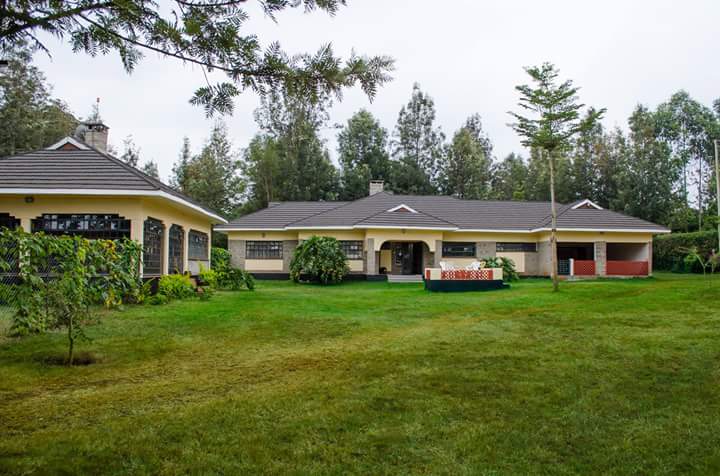
Once a house bedroom number increases past 3, this necessitates for larger room sizes since the house will most likely host many people inside. Thi living room size moves from the standard sizes to a minimum of 30m2 to accommodate. Same for kitchen and dining size. With the master bedroom en suite, this helps to offer use and assist the visitor toilet to ease the pressure in case several occupants want to use the toilet at the same time.
Roof.
The 4 bedroomed house plinth built up area of at least 200m2 for a bungalow is somehow wide. This makes the roof span quite wide, lifting the roof tip to ceiling height high enough to accommodate an attic space for extra room if need be. If there is no need for the attic room , the roof pitch can be designed to be less steep, say between 20 to 25 degrees, so that the roof tip to ceiling height is kept to at least 1.8meters high hence lower cost of roof trusses and roof surface cover.
Architect Francis Gichuhi Kamau.
0721410684
Karen 5 acres for sale, Kufuga Road
Flat roof House designs
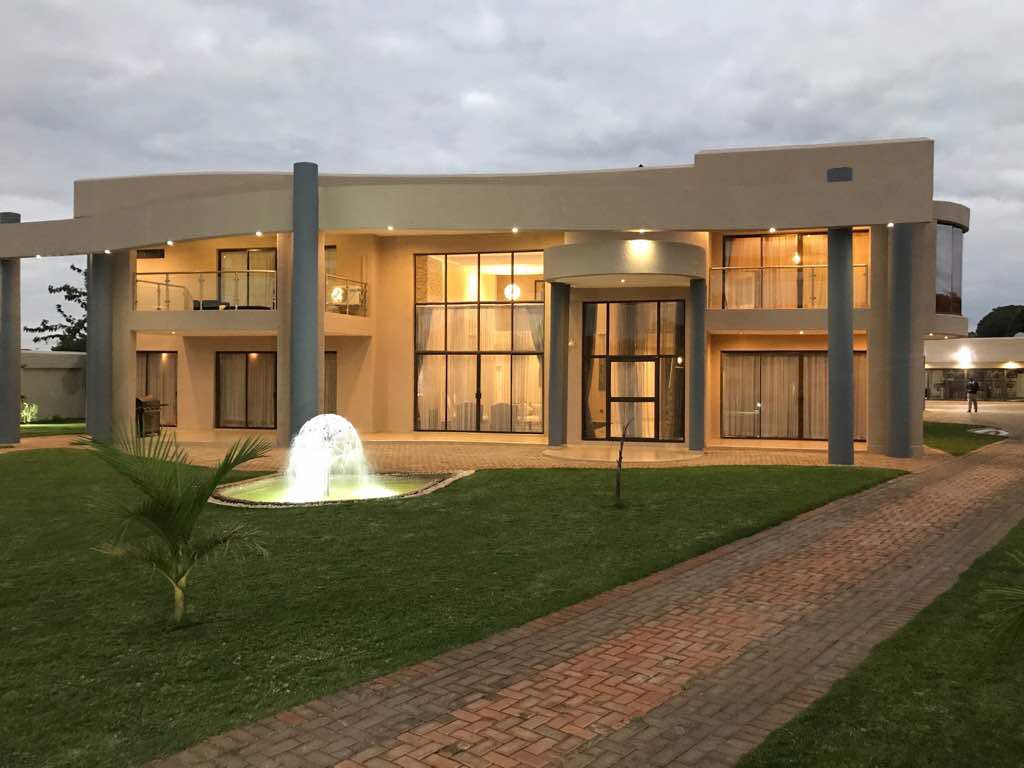
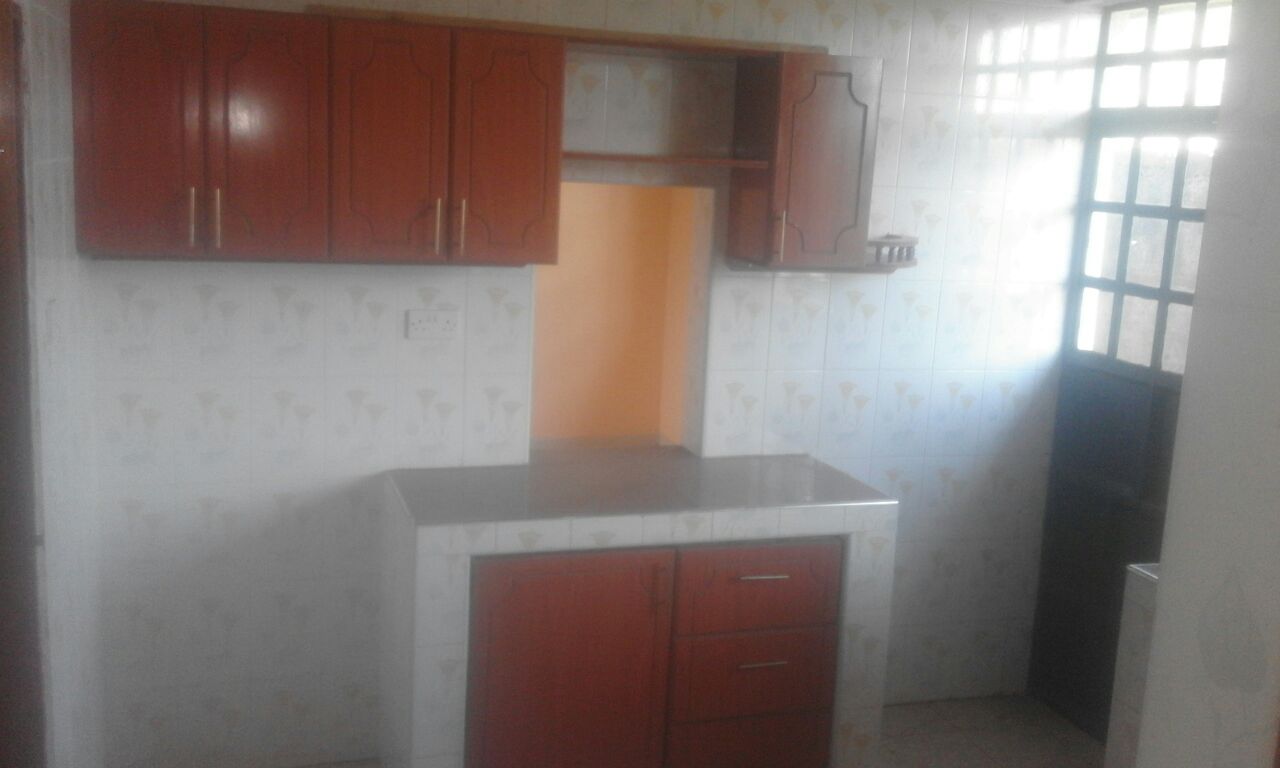
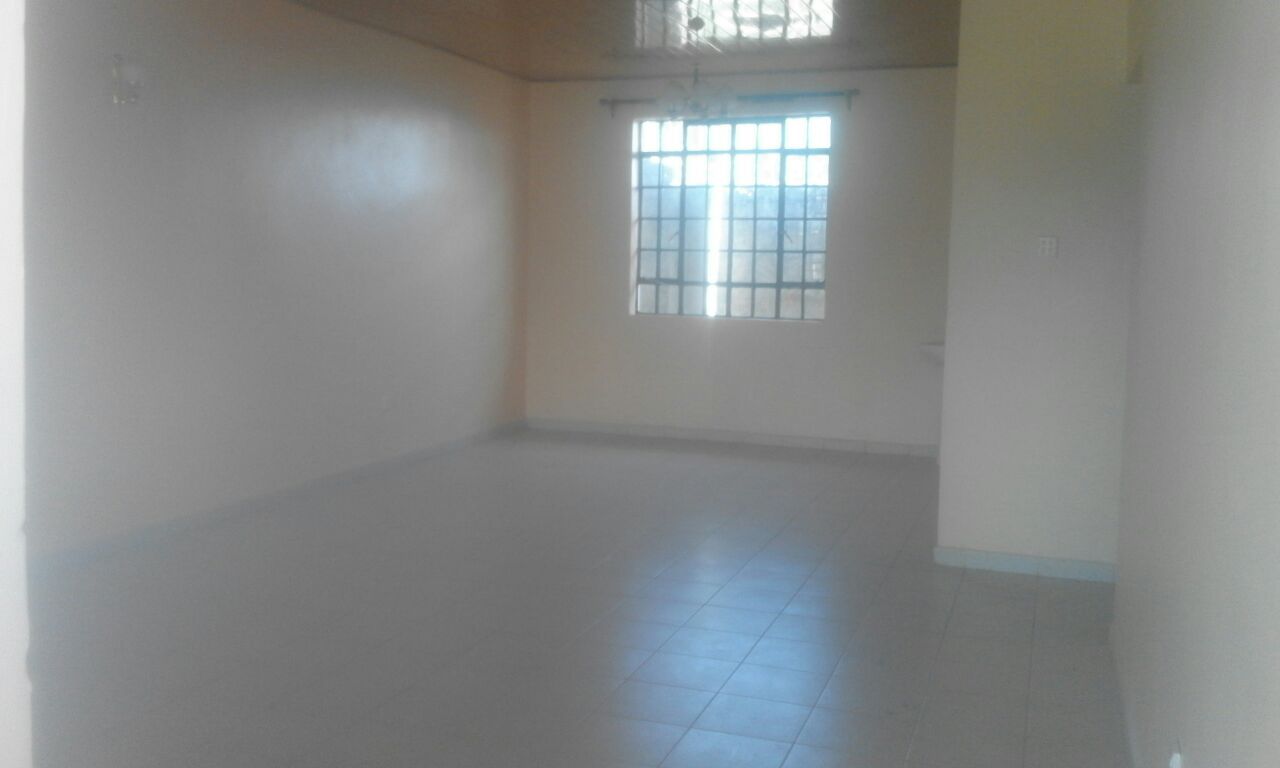
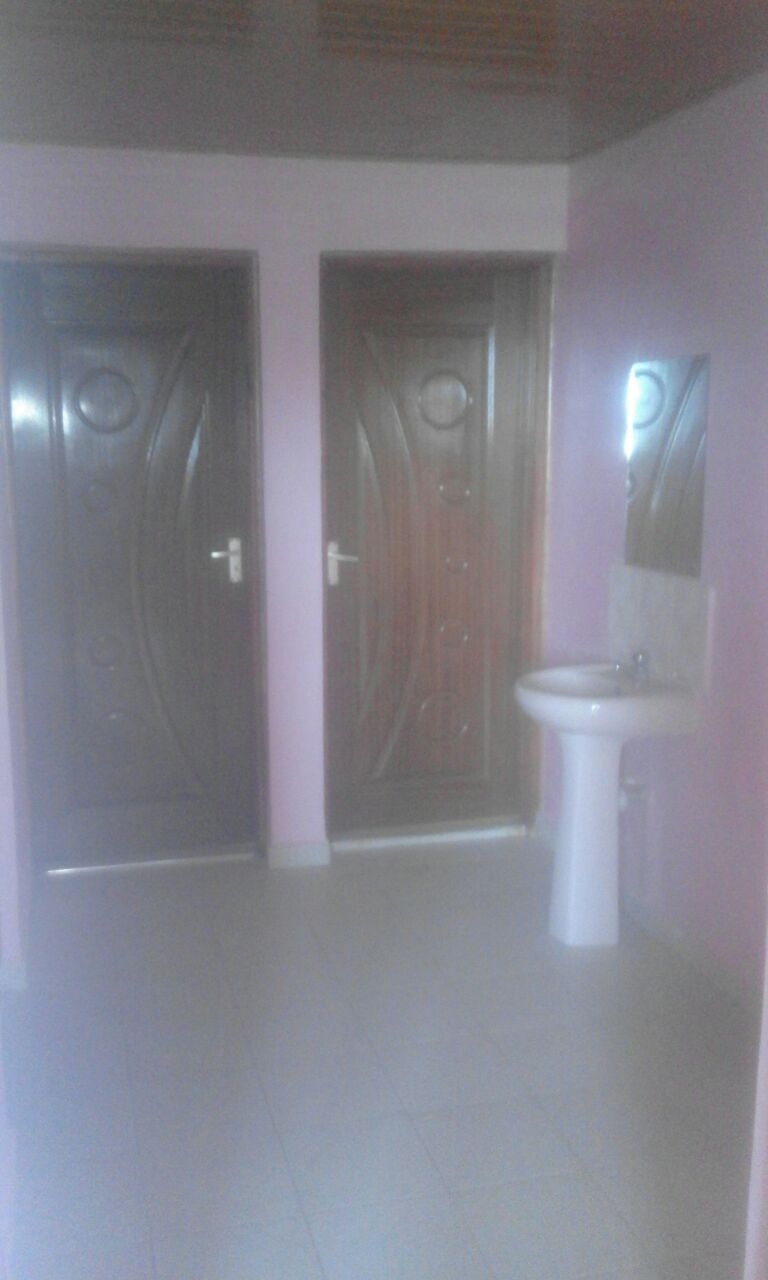
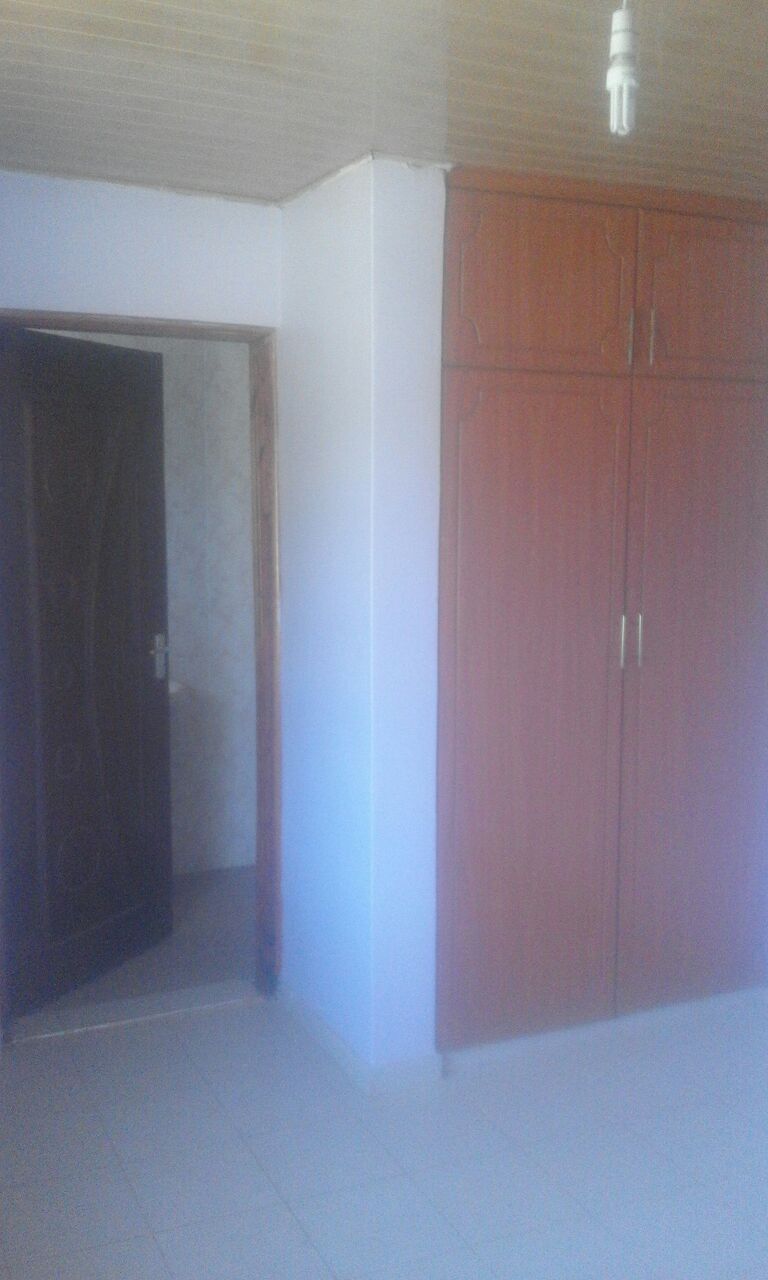
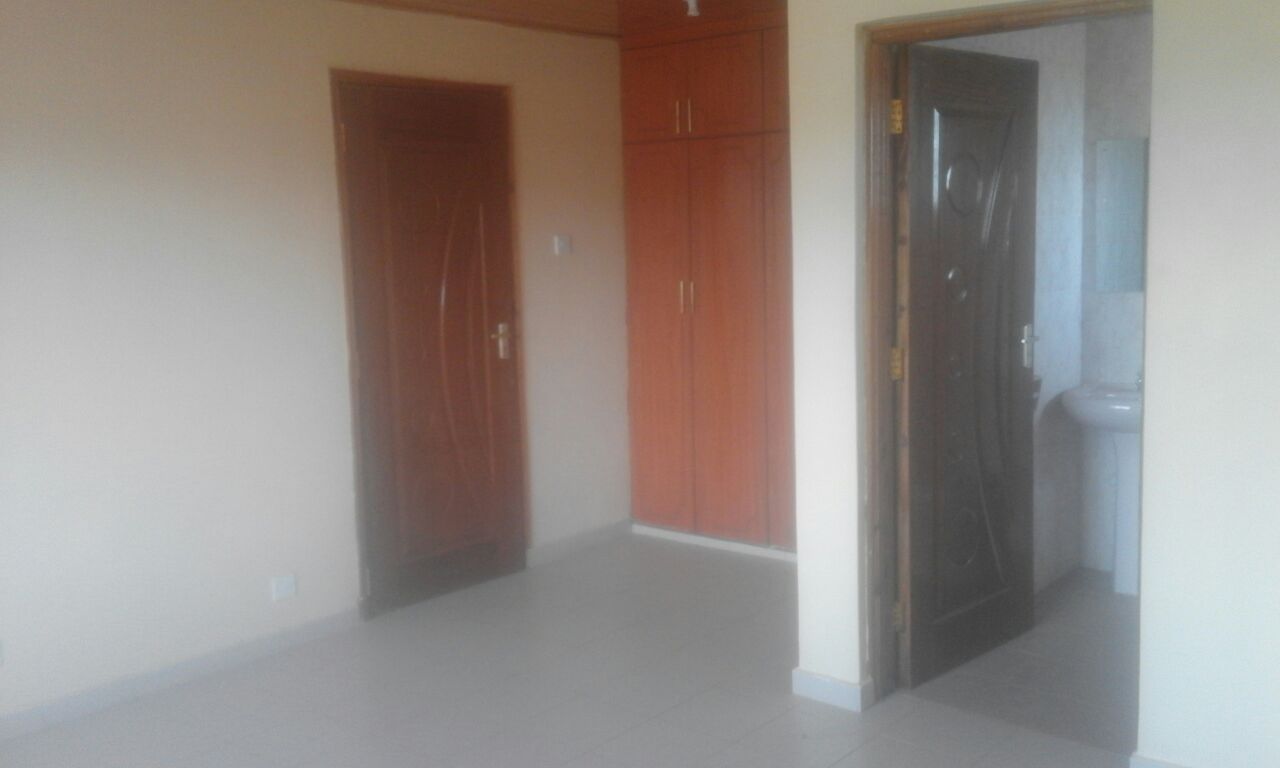
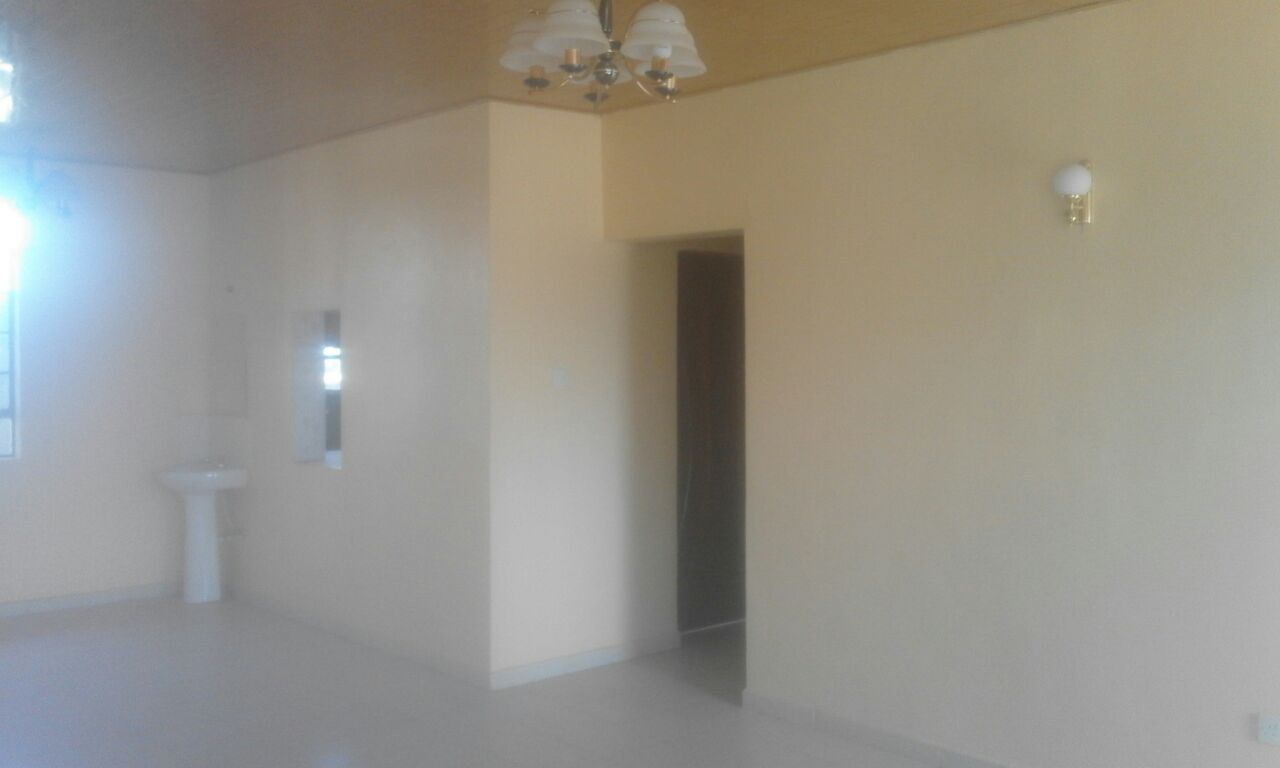
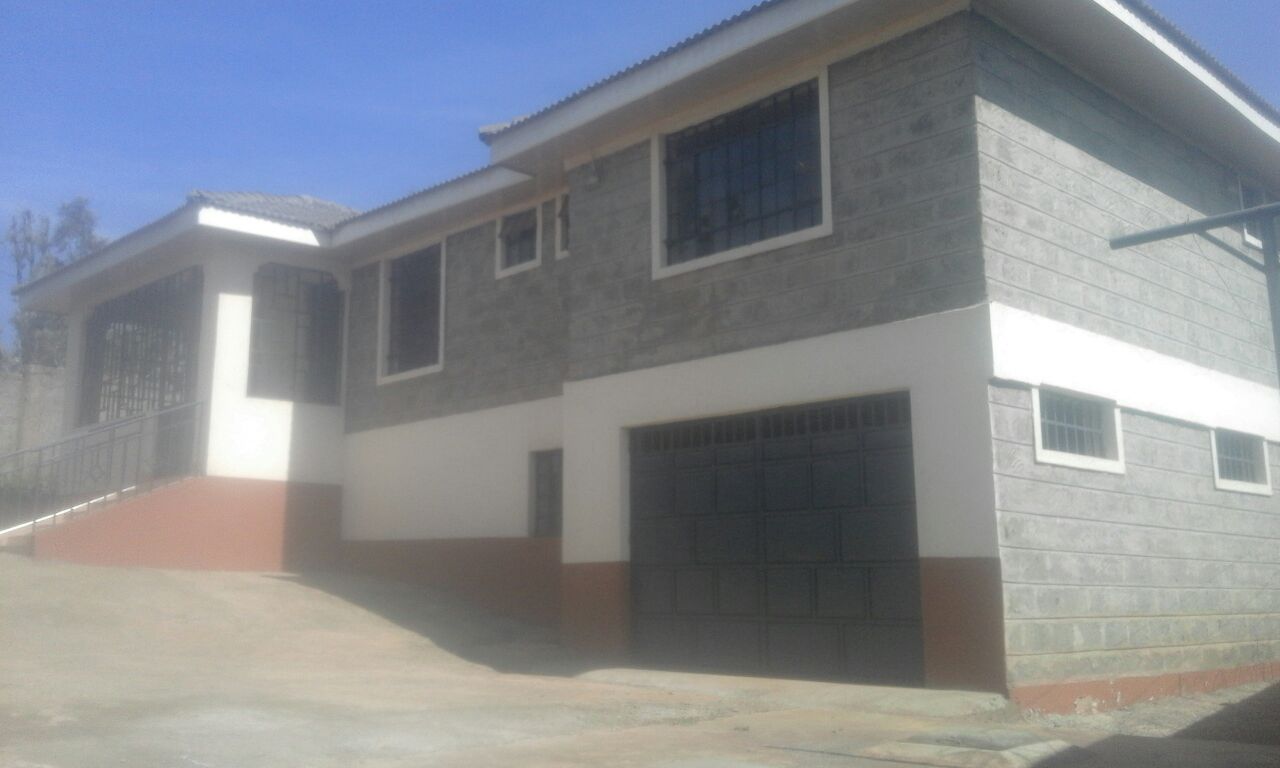
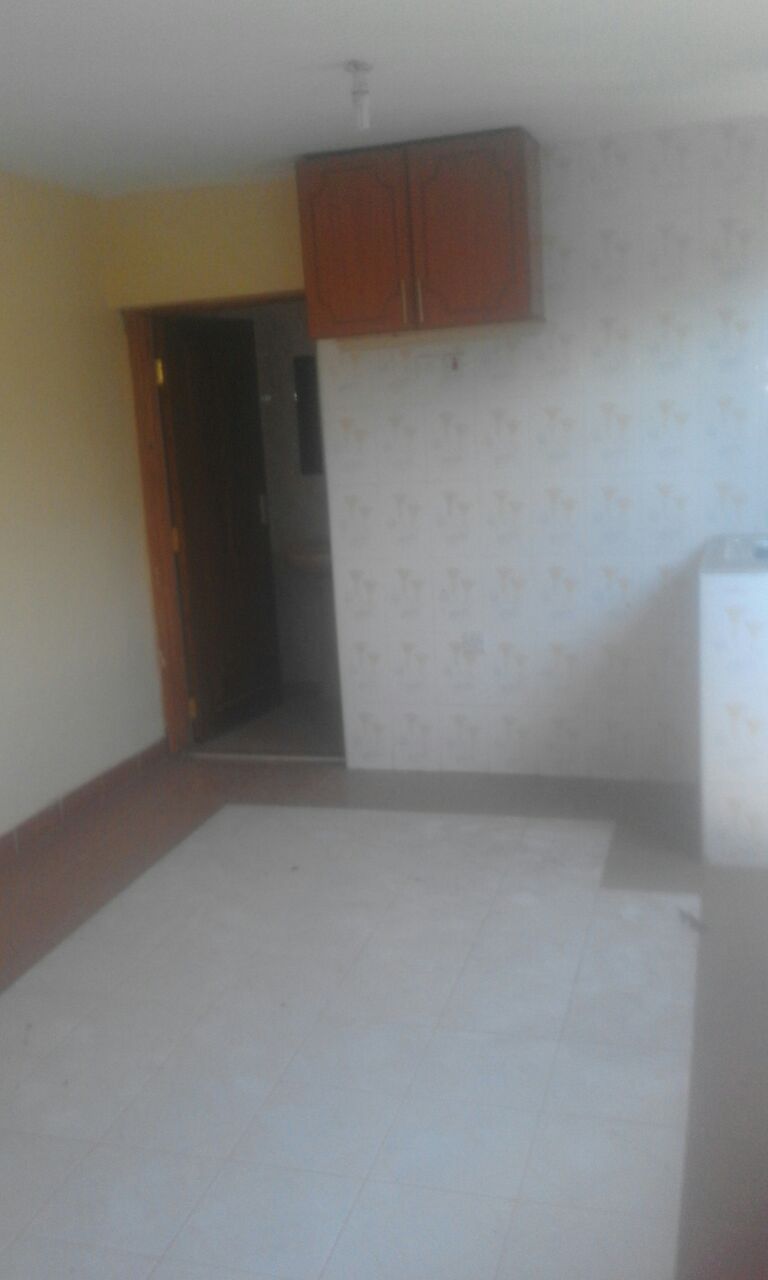
Ngong Kibiku Colonel Ngere Road House for sale.
3 bedrooms, all ensuite. Servant’s Quarters. Secure boundary wall.
Kes 14.5m
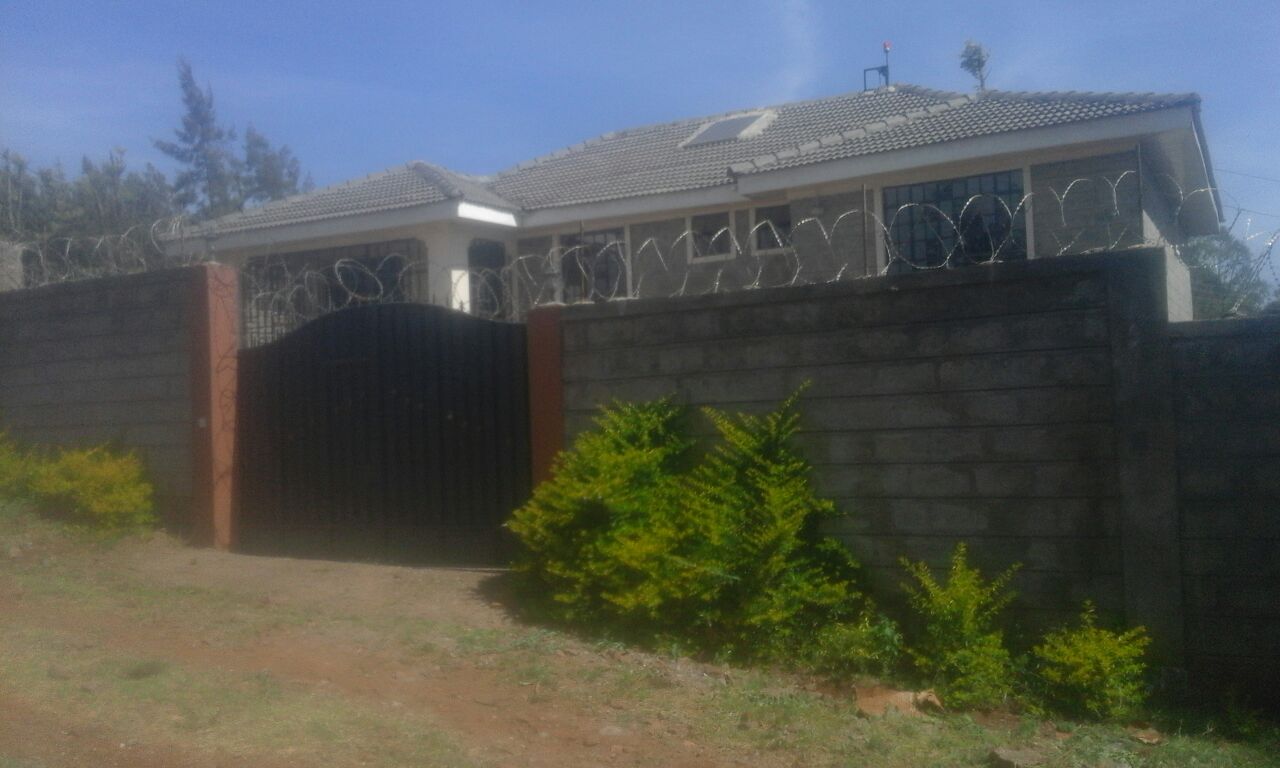
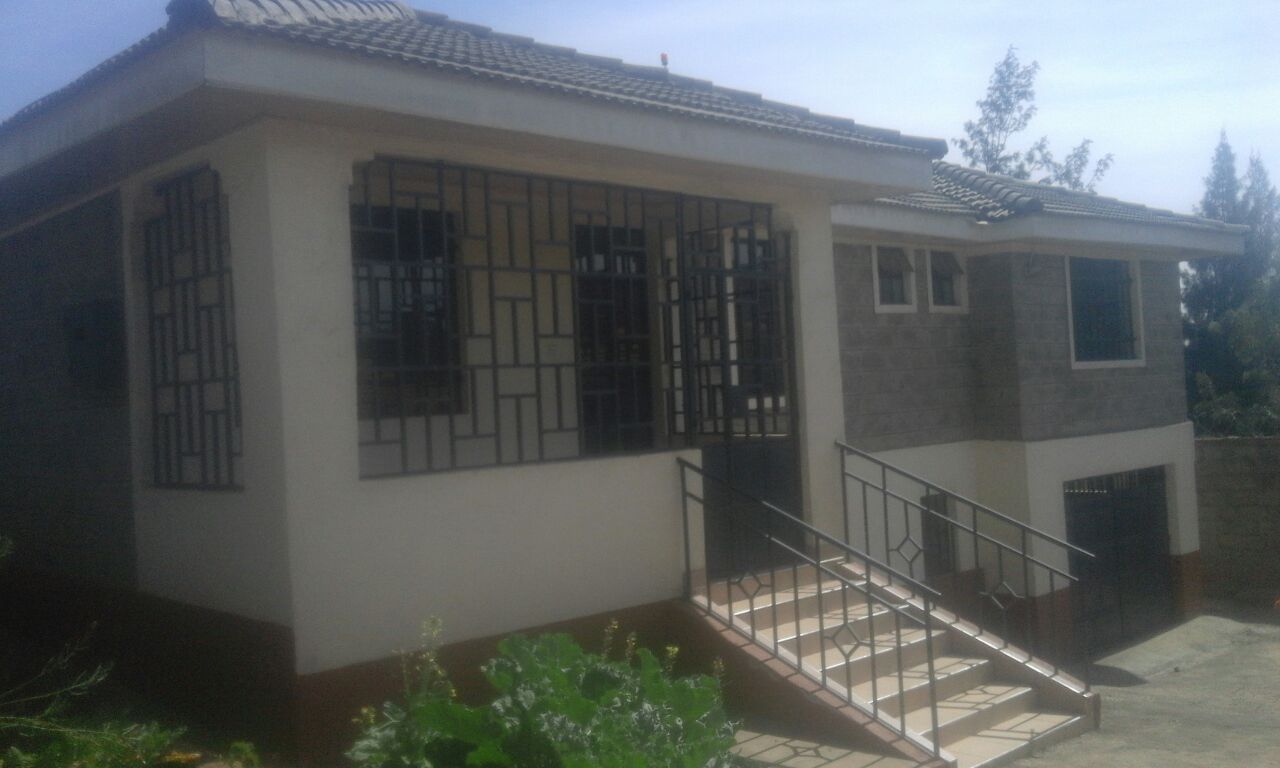
Contact 0721410684 for inquiries.
Karen, Mukoma road. 5 acre land for sale.
Call 0721410684