Month: December 2017

  • Review of 2017 Construction and Real Estate industry, Kenya. What to expect in 2018.

    Review of 2017 Construction and Real Estate industry, Kenya. What to expect in 2018.

    2017 Construction industry in Kenya has been characterized by increased cost of construction in several segments such as labour, timber products, imported fittings.

    Cement.

    Cement and steel prices have remained stable throughout the year with no significant change. This is due to competition, with many new cement companies coming into direct competition. Savannah Cement has remained the most promising new entrant, eating into the existing market dominated by Bamburi and East African portland cement due to its superior quality and low prices.

    Steel.
    The banning of twisted reinforcement steel bars to be replaced with ribbed bars has also opened up new players into the steel market, bringing in much needed competition, with the dominant import source od origin,India, facing stiff competition from China as a new entrant as supplier of the raw material needed for smelting into steel products in Kenya.

    New Building technology.

    The last 3 years , there has been alot of influx of new prefabricated buildings manufacturers into the Kenyan market. This product has been marketed as low cost, pulling in alot of customers who are trying to look for solutions towards high cost of living. The reality is that these cost more or less the same as traditional stone houses, and after the 3 years, we have seen customers realizing that the savings is negligible, and we have witnessed in 2017, most of the prefabricated housing suppliers have now resulted into selling the prefabricated wall panels as opposed to offering the complete house as a product. The market for this is available since there are many people needing the panels for rapid housing in areas where permanent building is not possible eg on leased lands or in remote parts of the country.

    New building material types are beginning to be more common place. pvc vinyl flooring , gypsum ceilings, aluminium windows and bituminous membrane roof covers are slowly begining to take their share of the market , edging out traditional building materials.

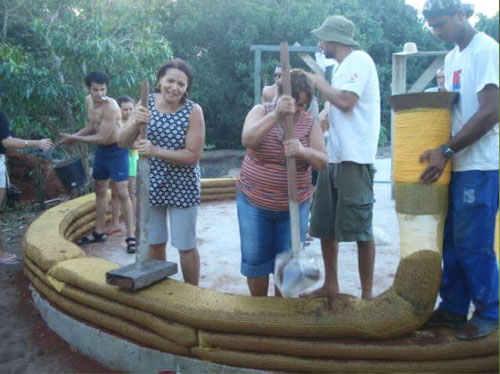
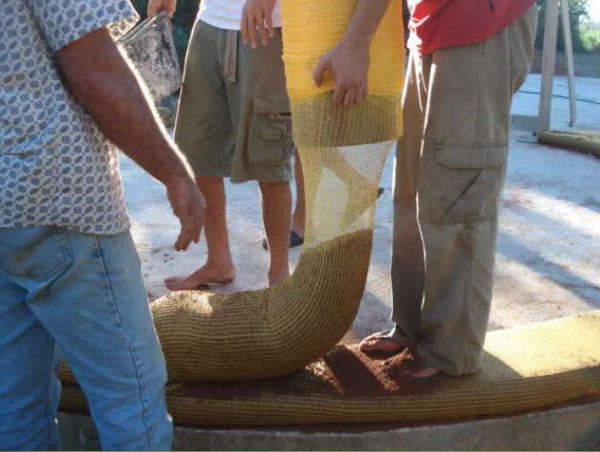
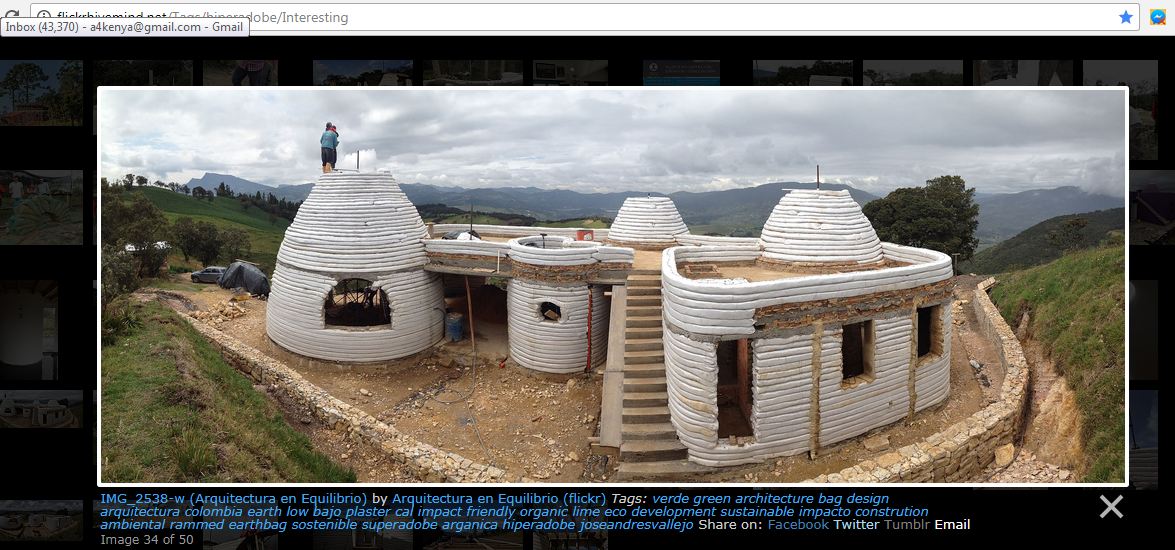
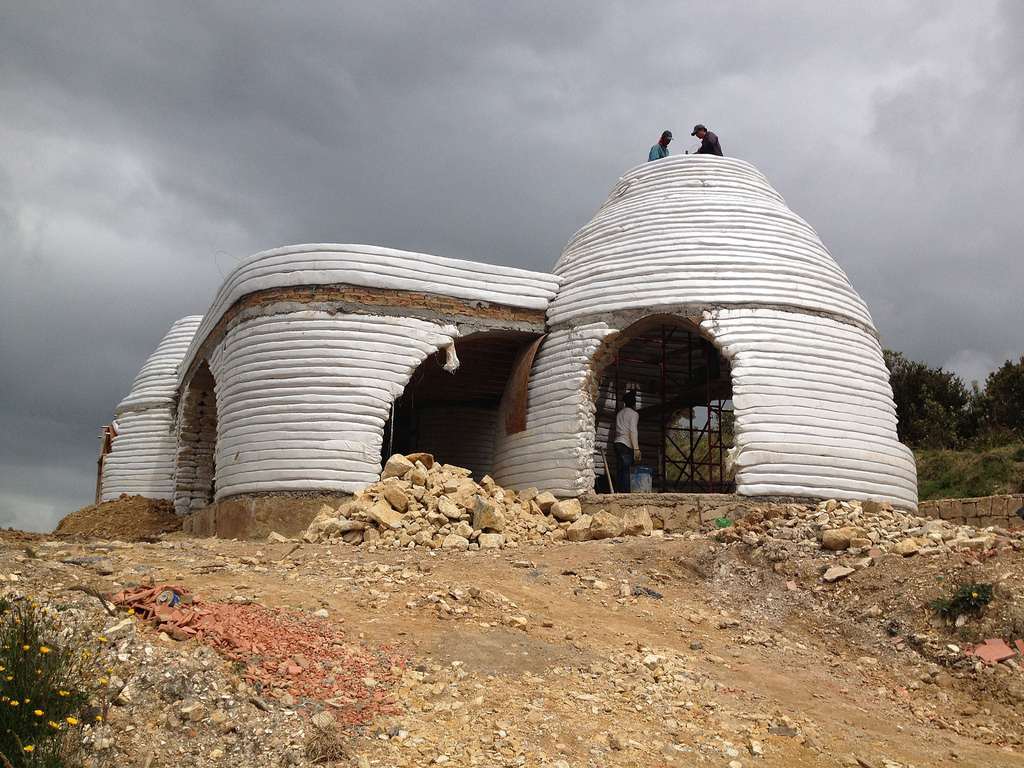
    Earthbag building technology has also entered the market, with a few projects in Athi river and Nakuru.

    https://orkidstudio.org/projects/nakuru-childrens-home/6/

    http://pri-kenya.org/?p=2317

    2018 Projections.

    The capping of the interest rate at 14% will most likely be removed, and thereafter , banks will resume lending for construction purposes. This will result in a vibrant busy construction environment throughout 2018, especially now that the elections are done and dusted until 2022.

    Demand for land round Nairobi city will continue to increase as foreign investors come in to buy land and construct. Joint Venture methods of financing will become mainstream ad the preferred mode of financing high rise real estate.

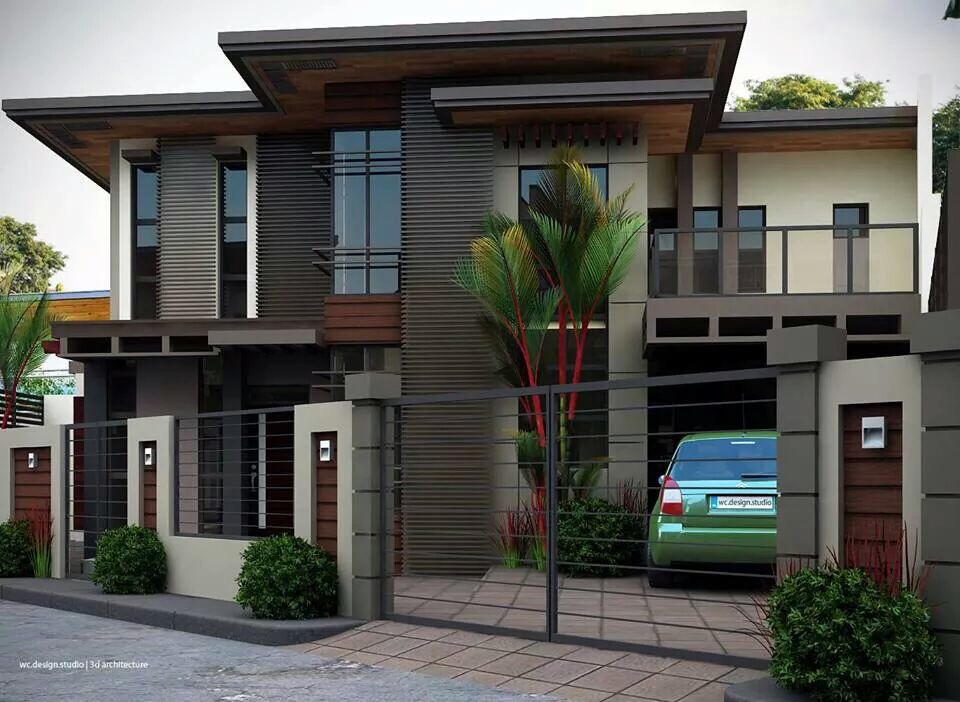
    In architectural designs, a more modern minimalistic style look is becoming more preferred by house owners.

    https://www.google.com/search?q=minimalistic+house+design&source=lnms&tbm=isch&sa=X&ved=0ahUKEwi_mf2TqLHYAhVLvxQKHdFrCr8Q_AUICigB&biw=1366&bih=623

    New materials such as manufactured marble slate stones will become more common place in the market. Stone art shops will also increase in number from the current less than 5 as developers realise they need to be competitive to attract clientele to their developments for rent or sale.

    Architect Francis Gichuhi Kamau.
    0721410684
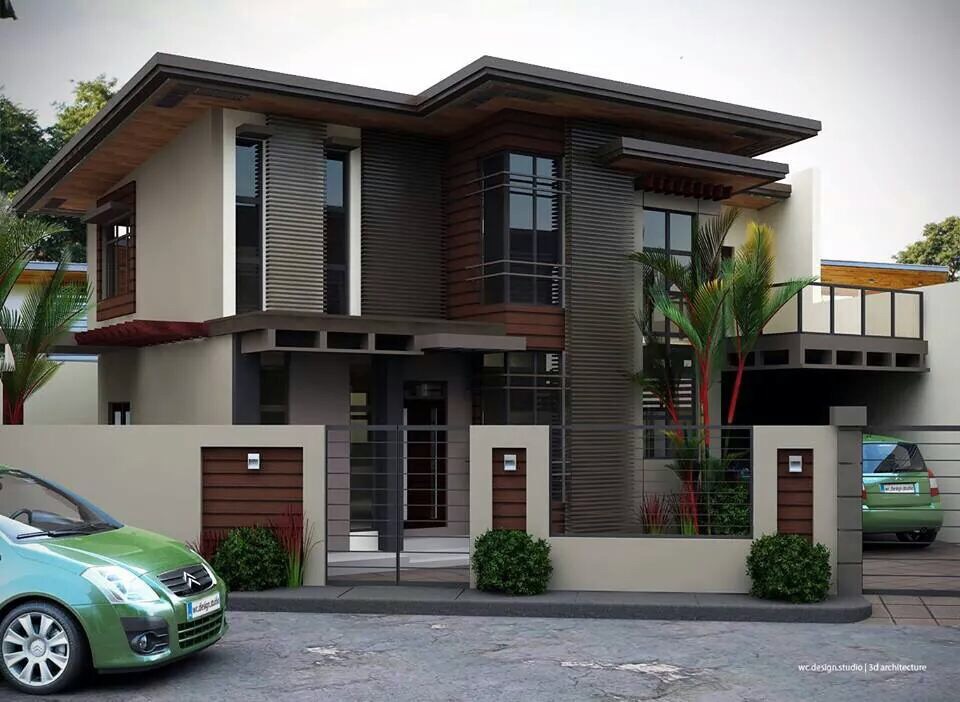
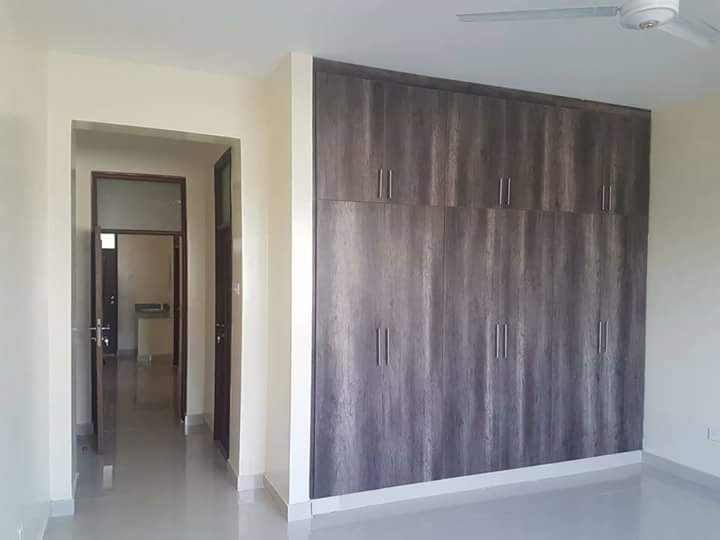
  • Maisonette House design

    Maisonette House design

  • 6 bedroomed Bungalow House

    6 bedroomed Bungalow House design

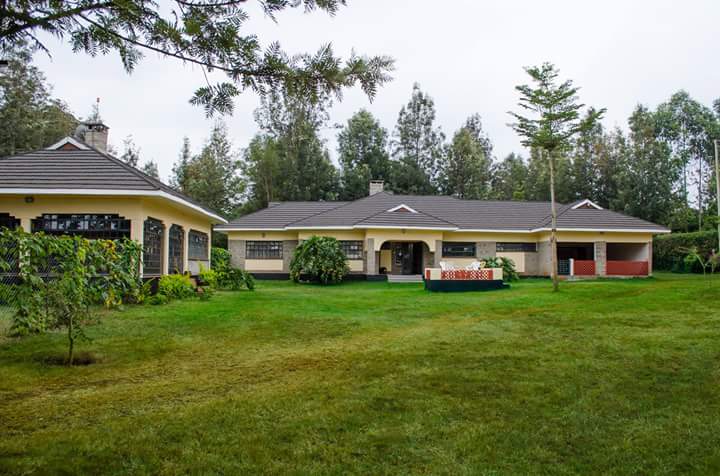
  • 5 bedroomed Farm House Bungalow

    5 bedroomed Farm House Bungalow

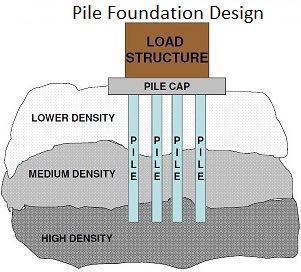
  • Pile Foundation Design

    Pile Foundation Design

  • 2 acres, Karen, Mukoma road, for sale.

    acres, Karen, Mukoma road, for sale.
    Kes 60 million per acre.

    View map here
    Dropped Pin

    https://goo.gl/maps/BGed6jESAt62

    Dropped Pin

    https://goo.gl/maps/FyZGgftNWtJ2

    Call 0721410684
  • Portrait. Self. December 2017.

     Dec 2017

    Art by S.N. Gichuhi.

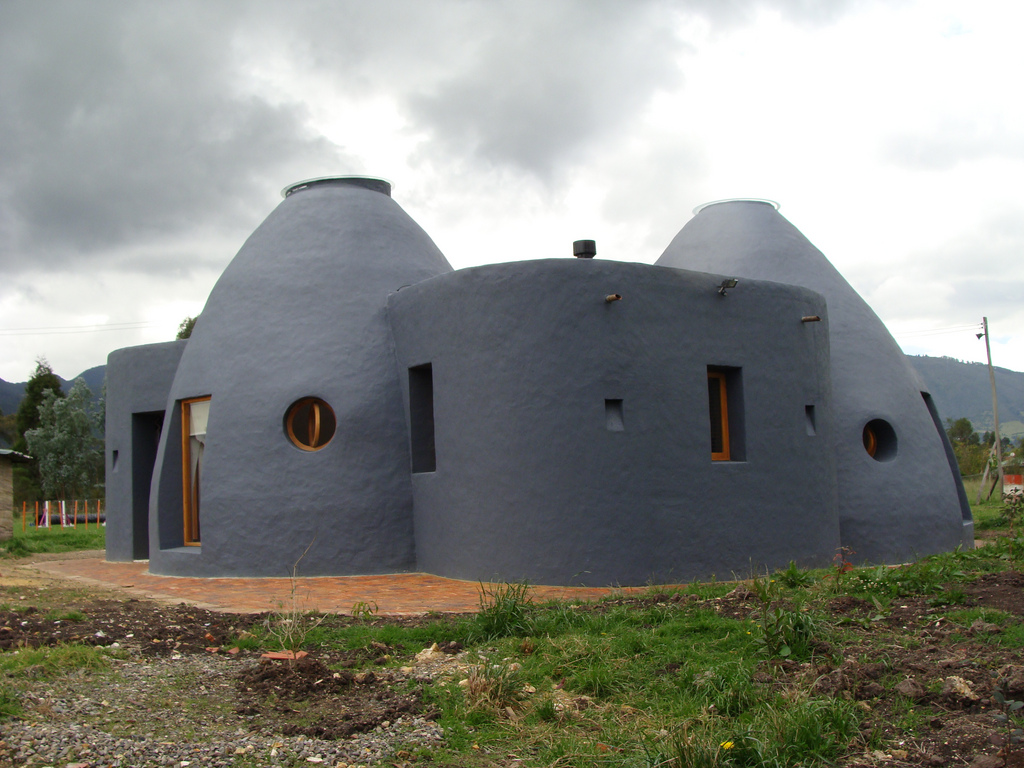
  • 2 bedroomed Earthbag House, Kenya.

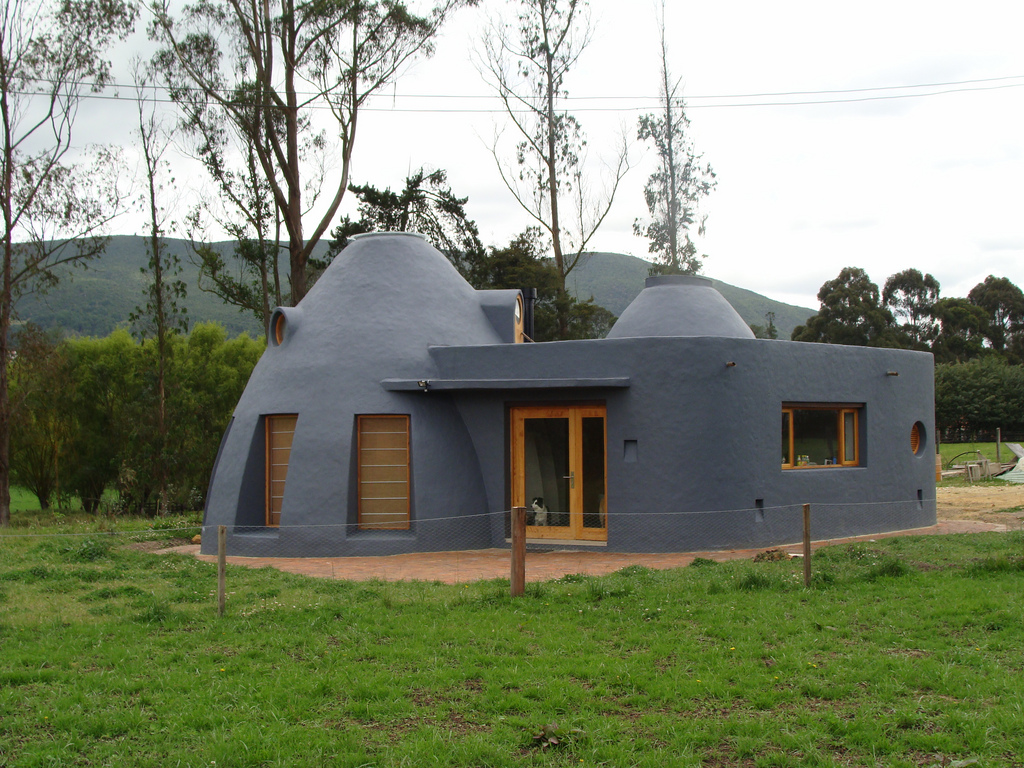
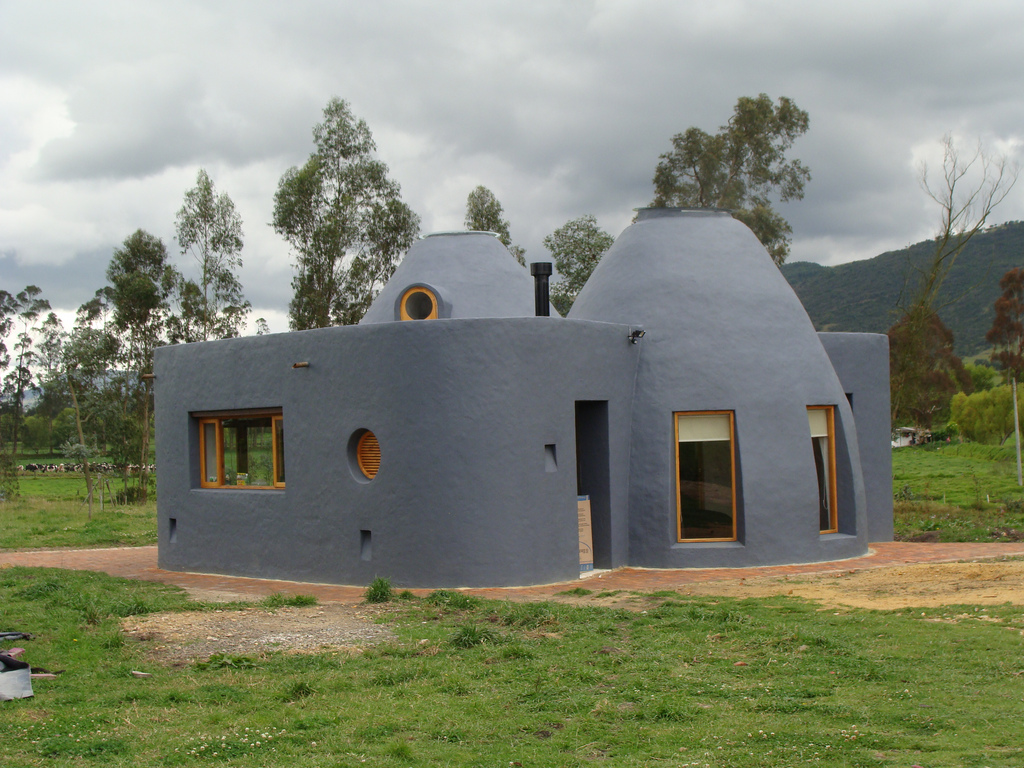
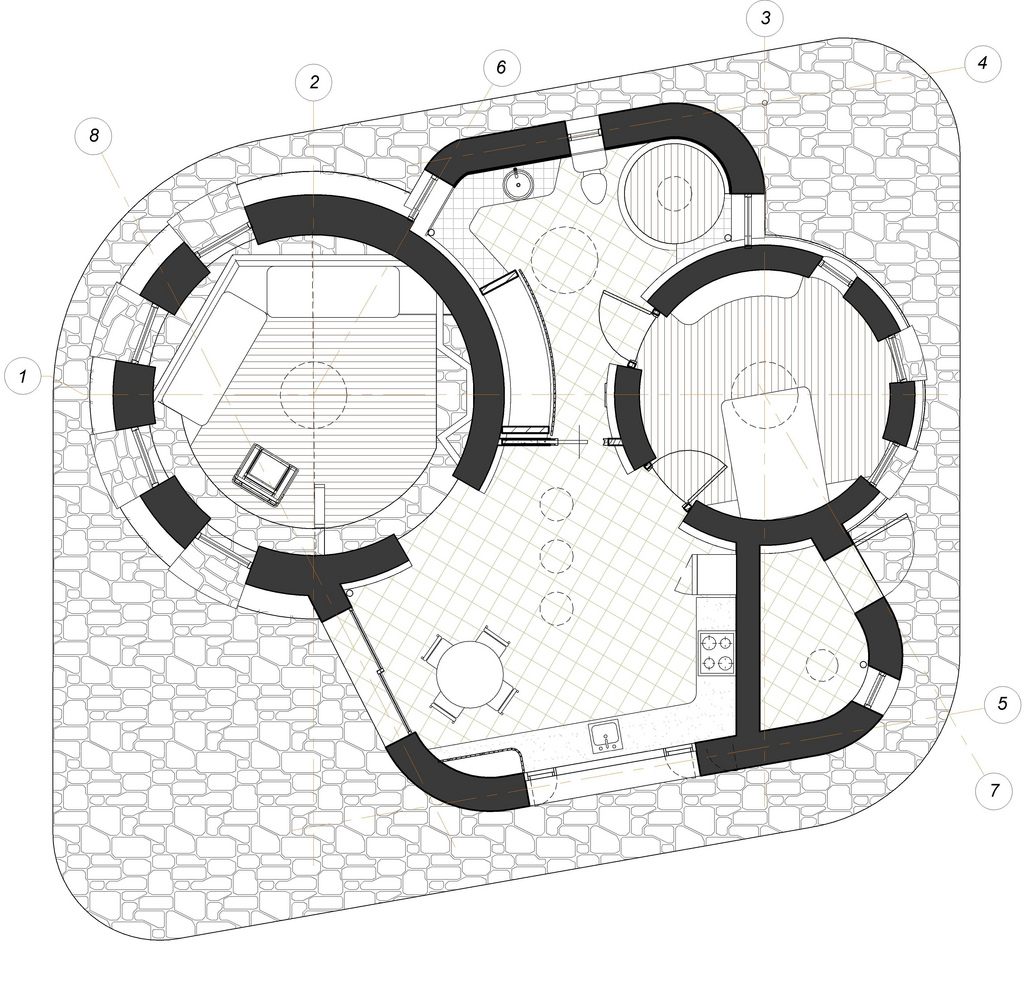
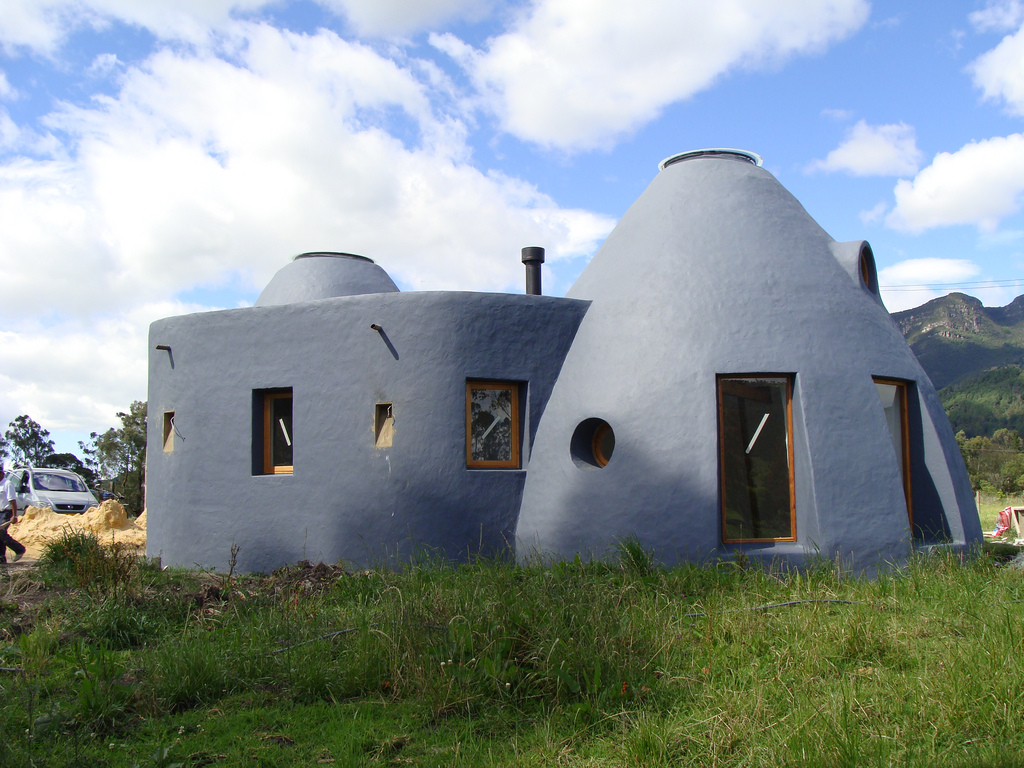
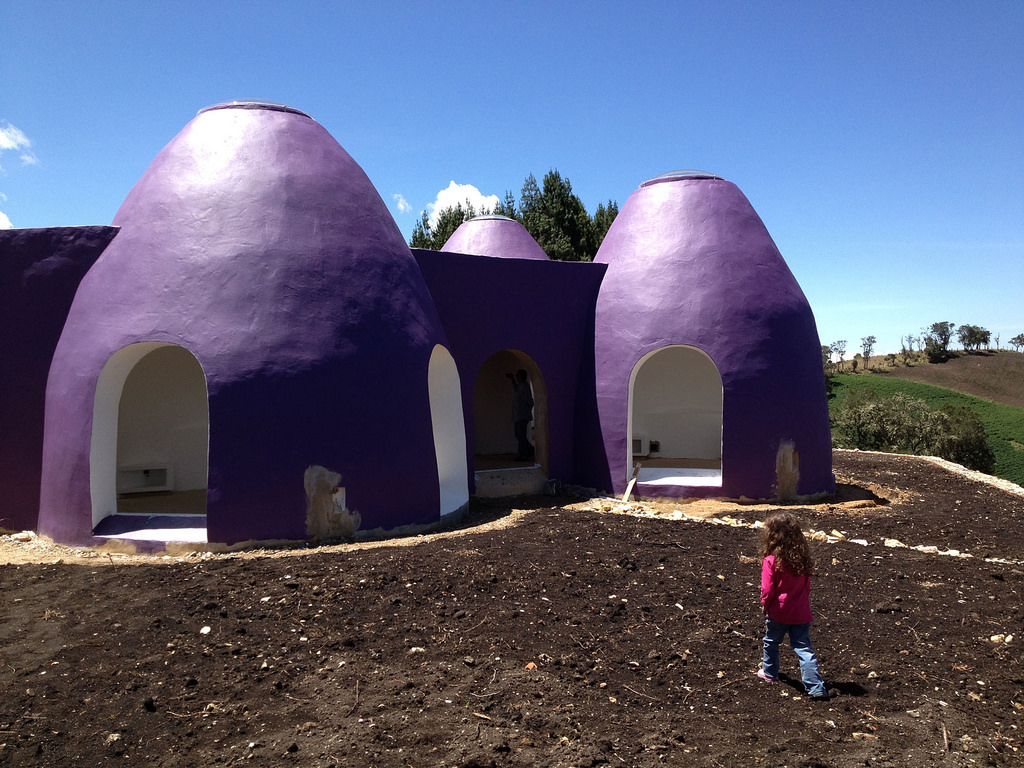
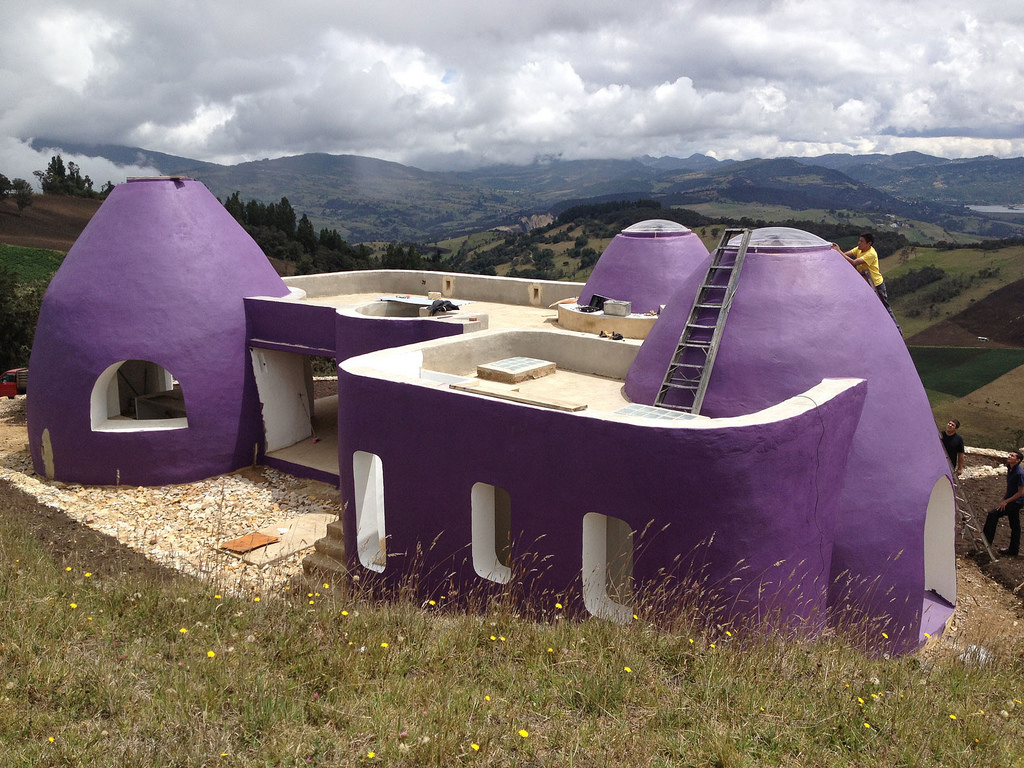
    Earthbag houses can be designed into 2 bedroom units whereby the curved domes are integrated with the rectangular spaces to link up in a balanced way.

    Cost.

    Earthbag cost kes 15,000 per m2, half the cost compared to using prefabricated methods or using stone at kes 30,000 per m2. They cost slightly more than mabati houses at kes 10,000 per m2 but ofer high quality interior temperature insulation due to their thick walls compared to mabati, which tends to be very cold at night and very hot during the day.

    Hyperadobe.

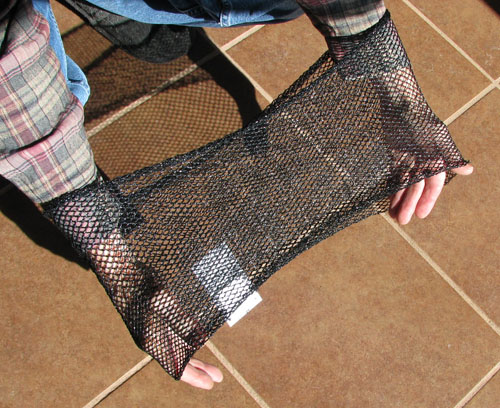
    Current advancements in the earthbag technology are at use of the hyper adobe netting raschel bag which tends to enable stronger bonding in the wall, hence removing the use of barbed wire that is used in the super adobe method to bring in friction between bag layers.

    Earthquake.

    The thick walls provide extra levels of structural strength compared to other methods of construction. In earthquake prone areas, earthbag houses have withstood strong quakes that have destroyed other types of building structures.

    https://www.treehugger.com/green-architecture/konbit-shelter-earthbag-homes-haiti.html

    http://www.calearth.org/blog/2016/6/23/for-immediate-release-may-5-2015-superadobeearthbag-orphanage-withstands-nepal-earthquake

    Unique designs.

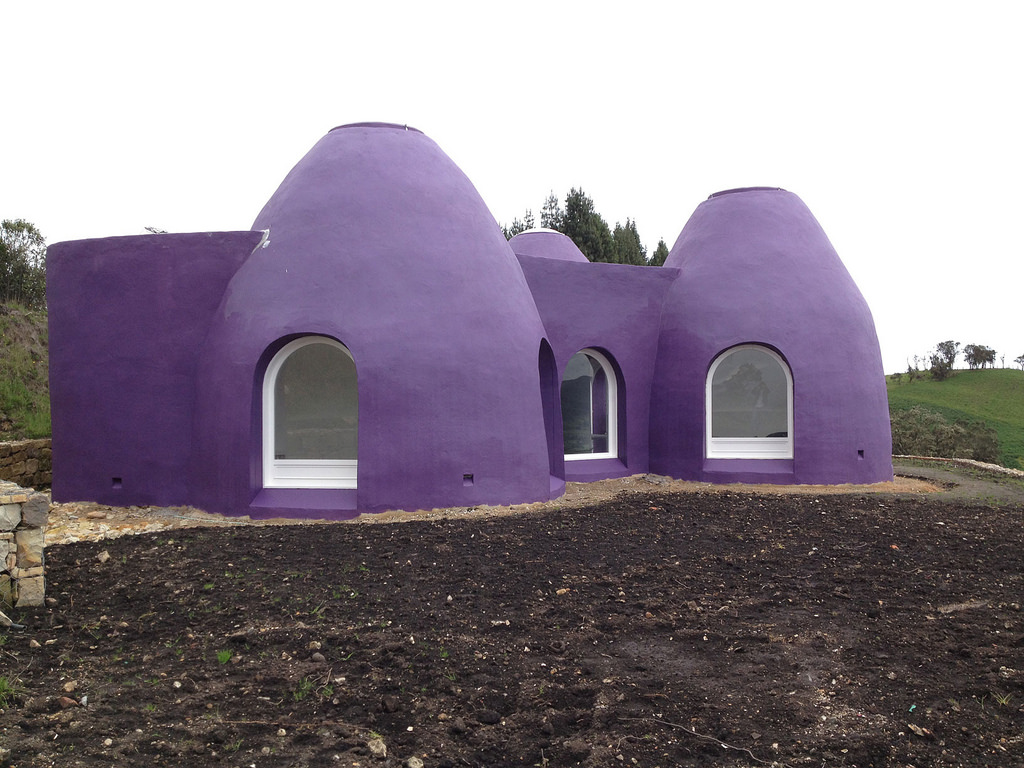
    Earthbags can be designed to various unique shapes depending on the creativity of the designer and developer. In South America, earthbag design is advanced to the levels where there are 3 and 4 storey earthbag houses constructed.
    http://www.monolithic.org/news-feed/spacious-dome-home-for-sale-in-australia

    https://www.taringa.net/posts/imagenes/15635643/Casas-de-super-adobe.html

    As more and more people embrace earth bag technology, the designs keep improving and more interesting shapes are currently coming up, compared to say 5 or 10 years ago where most earthbag buildings were simple single domes. Now we can see alot of flamboyance in the designs as more and more people get comfortable with the earthbag technology.

    Workshops.

    In Kenya, there are earthbag workshops held in Athi river area by the Permaculture Institute here below
    http://pri-kenya.org/?p=2317

    Also, a4a Gardens located in Kiserian offers similar workshops.
    https://www.facebook.com/a4agardens/

    Architect Francis Gichuhi Kamau
    info@a4architect.com

  • 3 bedroomed earthbag house, Kenya.

    Earthbag houses can be made into 2,3 or 4 bedrooms. This is achieved by having a mix of dome , round and rectangular shaped earthbag structures designed to link to each other using a balanced shape connector.

    These houses cost on average less than 50% compared to using other methods of construction such as prefab or building stones. There houses are slightly more expensive than mabati houses, hence making them very cost effective.
    The ability to be formed into various curvilinear shapes such as round and dome shapes makes them very suitable for building resorts and holiday home types where the design and shape of the building forms part of the attraction.

    Earthbag buildings are very much in use in USA and South America. The technology is rapidly spreading to other parts of the world including Kenya.
    Earthbag houses can easily be built into phases and extended later on as time goes by since the dome shape allows for easy integration with the rectangular connecting shapes.

    The roofs can be made of iron sheets or concreted to be used as lounge areas.

    Advantages of using earthbag technology is in terms of low cost, unique aesthetic designs, ease of extension of new spaces and conservation of the environment since they are easy on carbon footprint increase.

    Architect Francis Gichuhi Kamau.
    info@a4architect.com

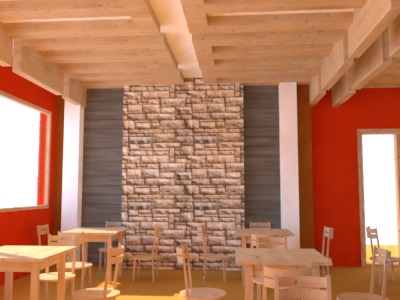
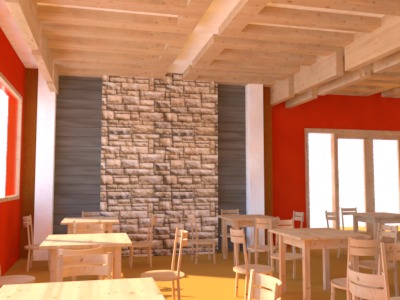
  • Restaurant Furniture and Fit Out, Mombasa road

    Restaurant Furniture and Fit Out, Mombasa road,Petrol station between Kusyombunguo/Maanzoni lodge and Chumvi/Machakos turn off area.

    Concept.

    Warm friendly colours to make customers feel comfortable.

    Ceiling make of hardwood veneer to enable recessing of lights to prevent glare and ensure a glowing effect type of internal ambiance.
    Hardwood furniture to give a feeling of relaxation mood.
    Wall element with provision for dispaly of artifacts and art in a focal point design.

    Cake and Pastries display area with background of Mazeras slate stone in cement plaster boundaries.

    Potted plants introduced inside and outside to break the monotony and bring in greenery and life into the restaurant. Palm types chosen since they dont take up alot of lateral space.

    The design plays a round with symmetry and balance to ensure the ceiling balances with the wall finishes and floor tiles. This helps the customer to feel relaxed and easy on the eye since it avoids the feeling of non-balance and clatter.

    Cost.
    This design is cost effective since the elements used are readily available i.e mazeras stone, plaster on paint, mahogany veneer ceiling and hard wood furniture.
    This cost effectiveness enables the construction cost to be lowered hence more profitability compared to designs that are heavy on glass, stainless steel, brass etc.

    Architect Francis Gichuhi Kamau
    info@a4architect.com
    0721410684