Month: February 2017

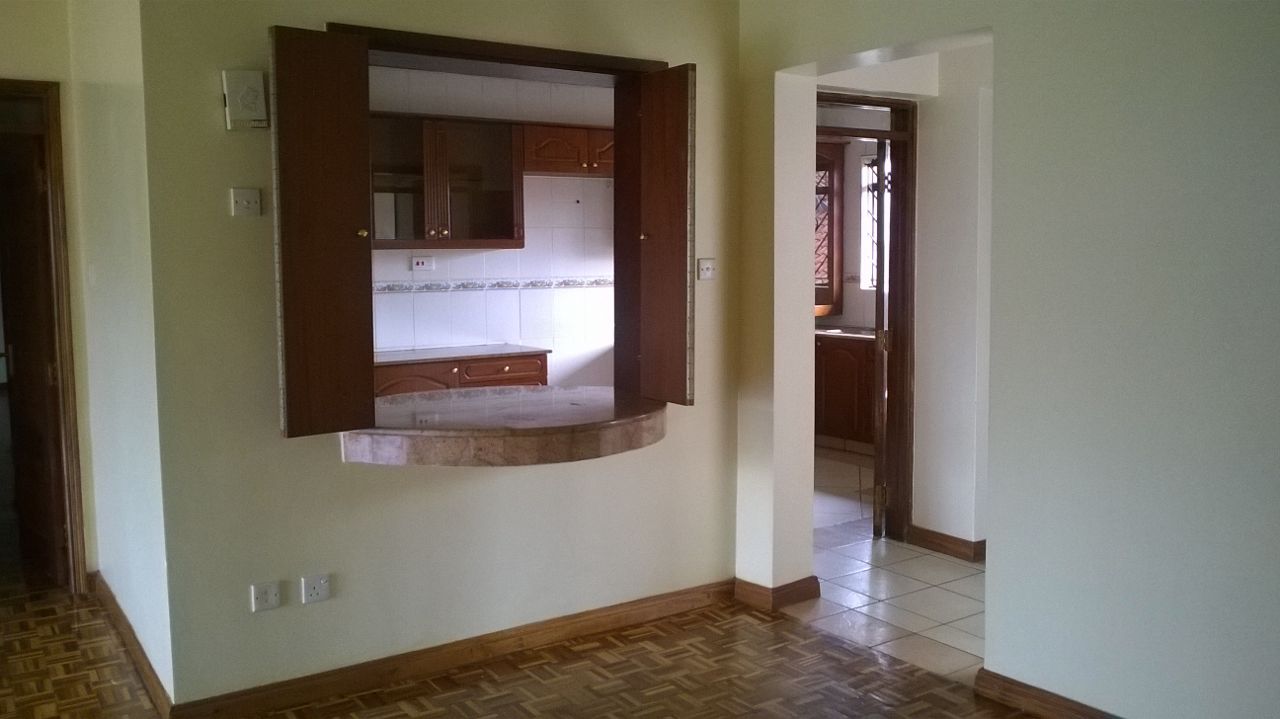
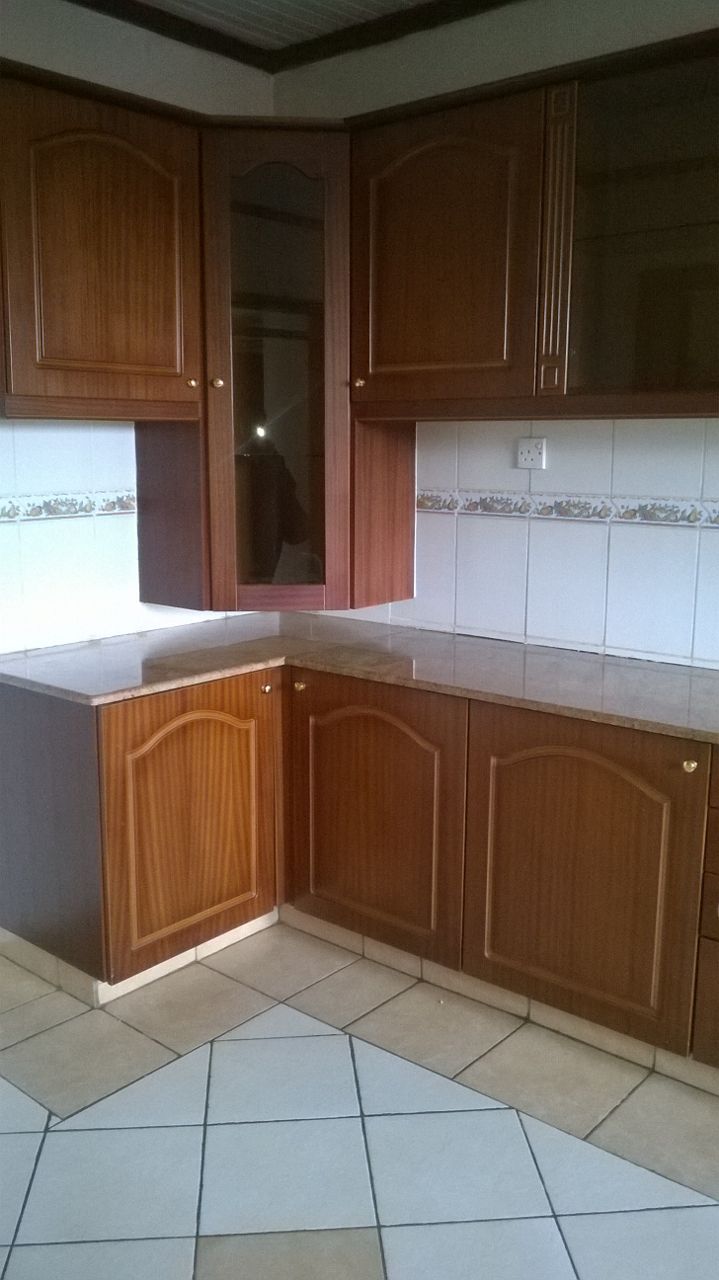
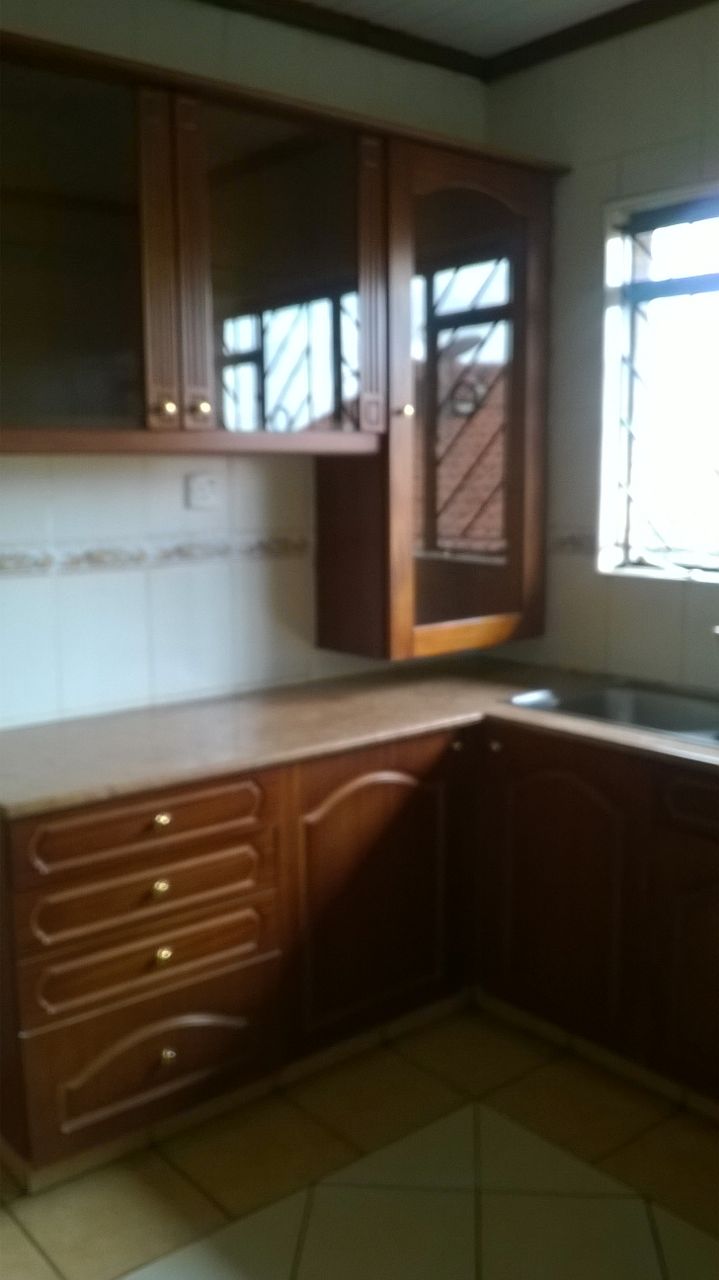
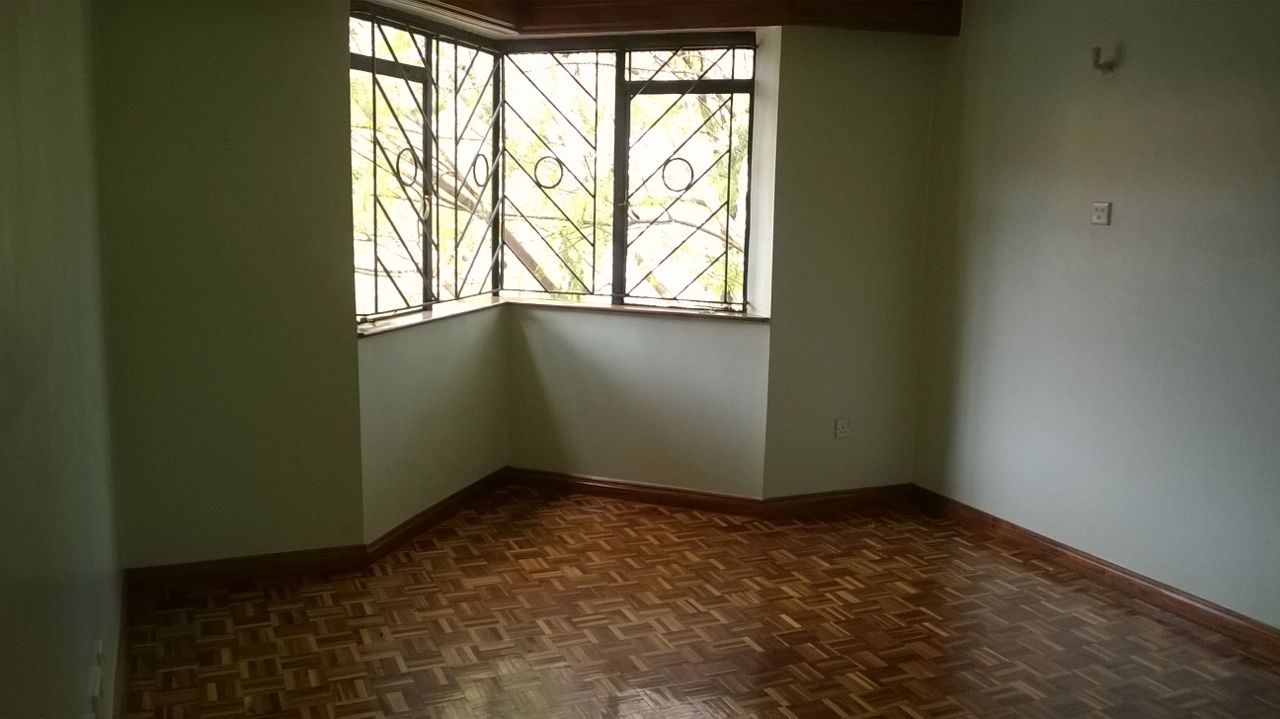
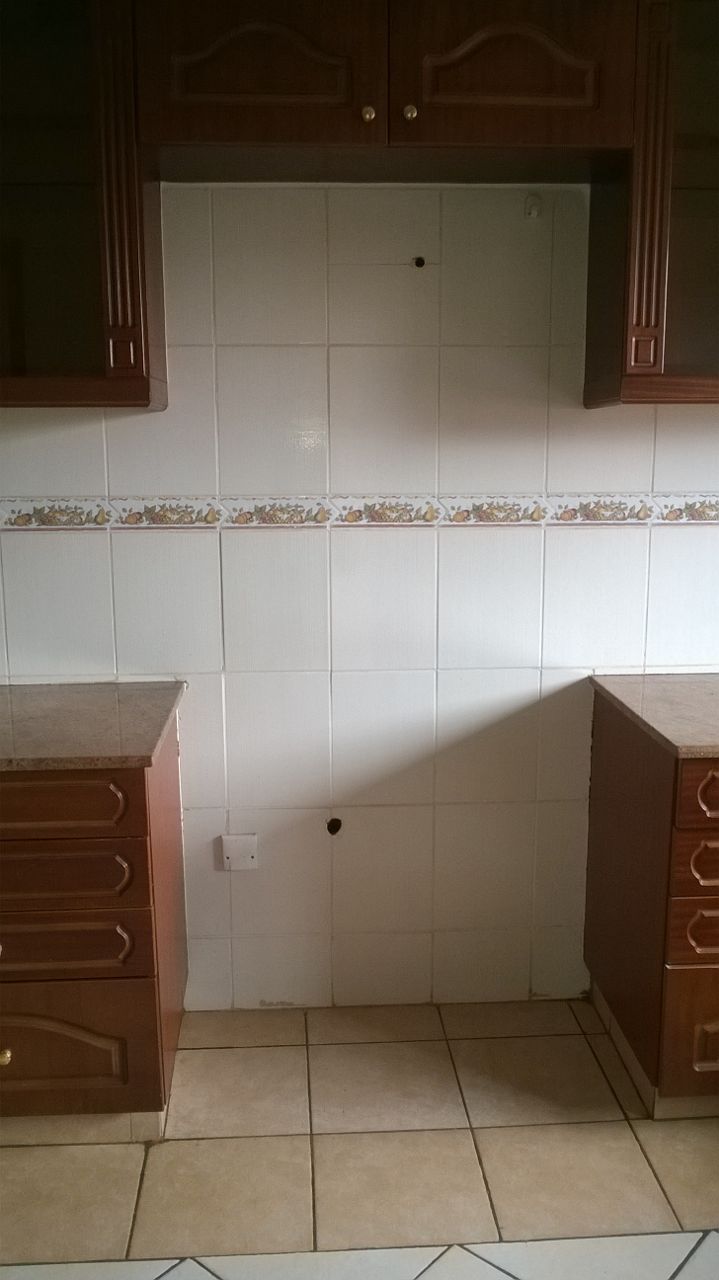
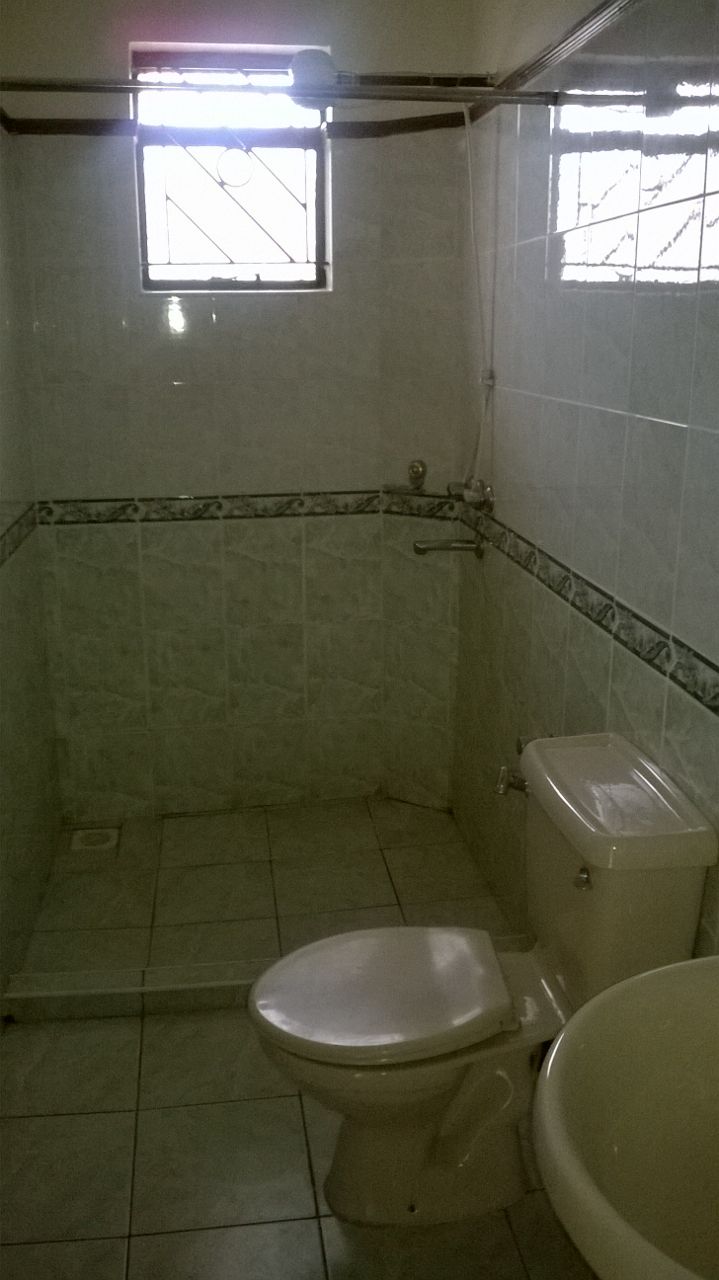
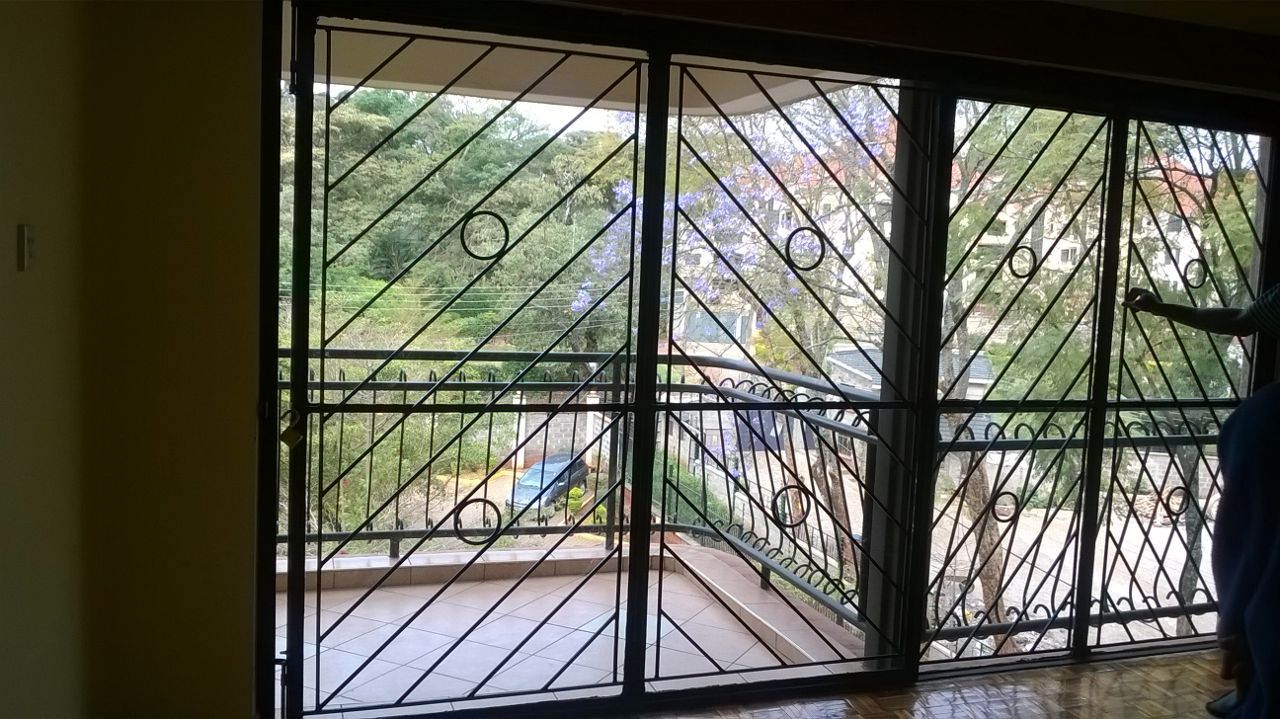
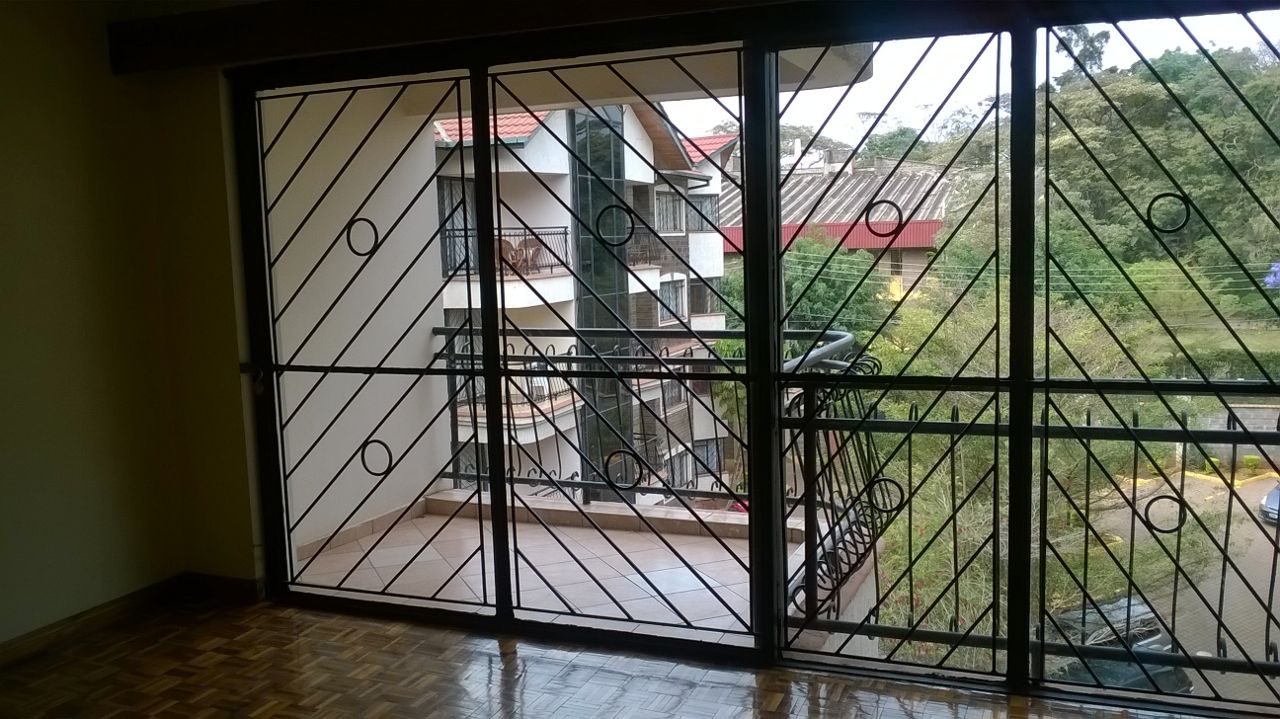
  • Kileleshwa, Apartment for Sale. KES 18.5m

    Kileleshwa, Apartment for Sale. KES 18.5m

    Durnham Road, Kileleshwa.

    1700 sq foot plinth area.

    Email info@a4architect.com
     

  • Push-Button vs. Handle Flush Toilet

    Push button toilets have several advantages over handle flush.
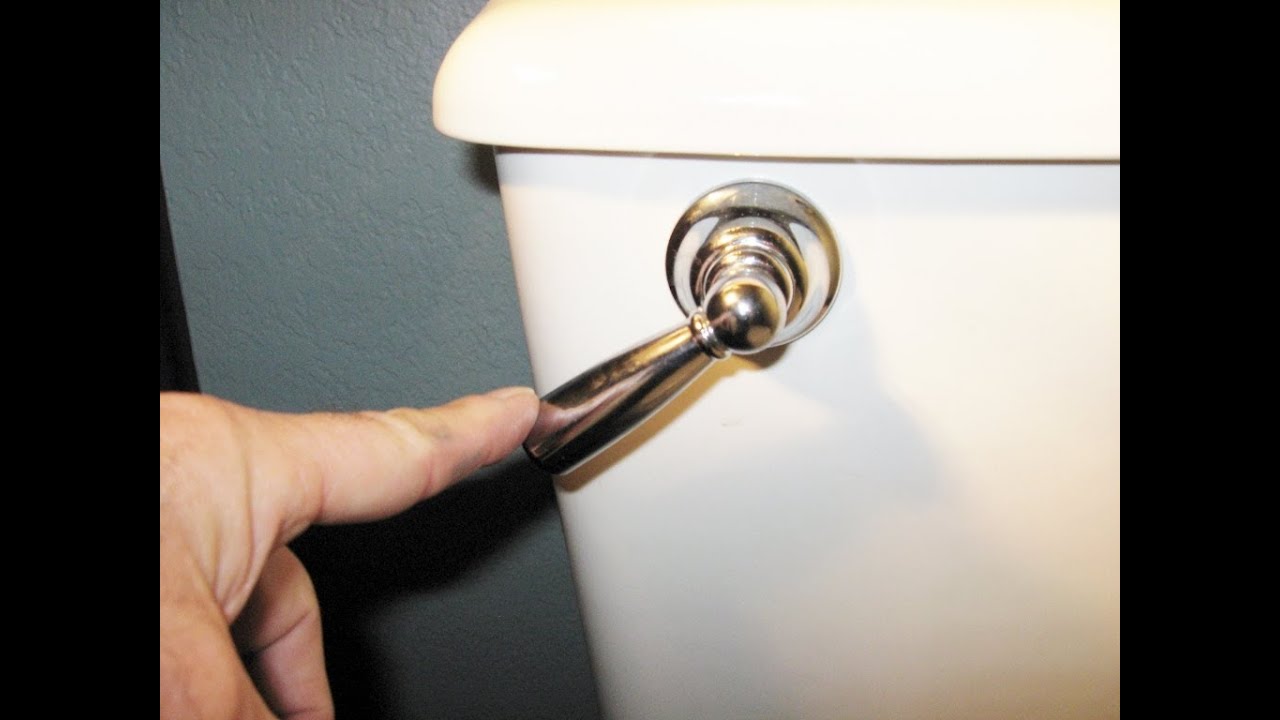
    1. Water saving. Push button toilets have a smaller button that can be used for light flushing, hence saving water.
    2. Push button toilets have lower maintenance since they have simple and fewer moving parts than the handle types.
    3. They have a sleek and modern design.


  • Process of setting out a Building.

    Process of setting out a Building.


    1.Students will first identify the site plan which shows the building footprint. Before the work begins, the students need to be able to identify that the architectural plans are stamped by the County Government for approval. This is because if the drawings are not approved, it’s the masons working on the site who are usually picked up and locked in police cells for working on a building that has not been approved as in the case of Kenyan building bye laws.


    2.After this identification, the students can then read out the building footprint in relation to the plot boundaries.


    In the drawing above, the left side of the building is at exactly the edge of the plot boundary. The top and bottom part are offset from the land plot boundary.


    The markings using nylon strings will mark out the foot print as shown in the picture above.


    1. Using a nylon string, students can measure out the dimensions as shown on the architectural drawing then direct the string on one side to mark the building extents, offsetting and starting to measure from one end of the boundary wall.


    1. The other perpendicular building footprint extents are then pulled out and measured from the initial long section string to mark the footprint extent.

    5.Using white lime powder, the building footprint is marked and is now ready for excavation.


    For small sized buildings, manual labour is used to excavate.

    For larger buildings, use of excavator machinery is more appropriate.


    Once the top soil is excavated until stable ground or rock, a more detailed setting out of the internal wall partitions of the buildings can commence.


    Once the top soil is excavated until stable ground or rock, a wooden formwork , made out of pine timber, is erected at the edges of the excavation. This forms the support of the nylon strings that are used to measure out the more detailed setting out for the interior walls.


    Procedure for setting out.


    1.Erection of Sawn timber formwork for foundation.

    Once the soil is excavated till stable ground or rock, a 2inch by 2 inch cypress or pine timber post of around 3 feet is driven into the ground on one end of the corner of foundation at ground level.


    2.Other pieces are driven into the ground in a spacing of approximately 4 feet apart until the extreme end of the foundation.


    1. A 4 inch by 1 inch cypress or pine timber plank is used to horizontally join all the 2inch by 2 inch posts till the farthest end.


    1. This is repeated for all extreme edges of the foundation.


    This 4inch by 1inch timber plank is what will be later used to support nylon strings that will be dimensioned as per the architectural drawing internal wall.


    1. Once the timber formwork is erected around the foundation edges at the ground floor on all sides, the actual setting out where drawings are read from the architectural plan and interpreted and marked using nylon strings on the timber formwork can begin.


    1. See internal walls in the picture above. In some buildings, there will also be columns such as in the picture above, which will also be marked in the same manner.


    1. After this marking, excavation of the internal walls and column footings is the next step.

    Francis Gichuhi kamau

  • Tools used in Pointing and jointing.

    Tools used in Pointing and jointing.


    1.Trowel.

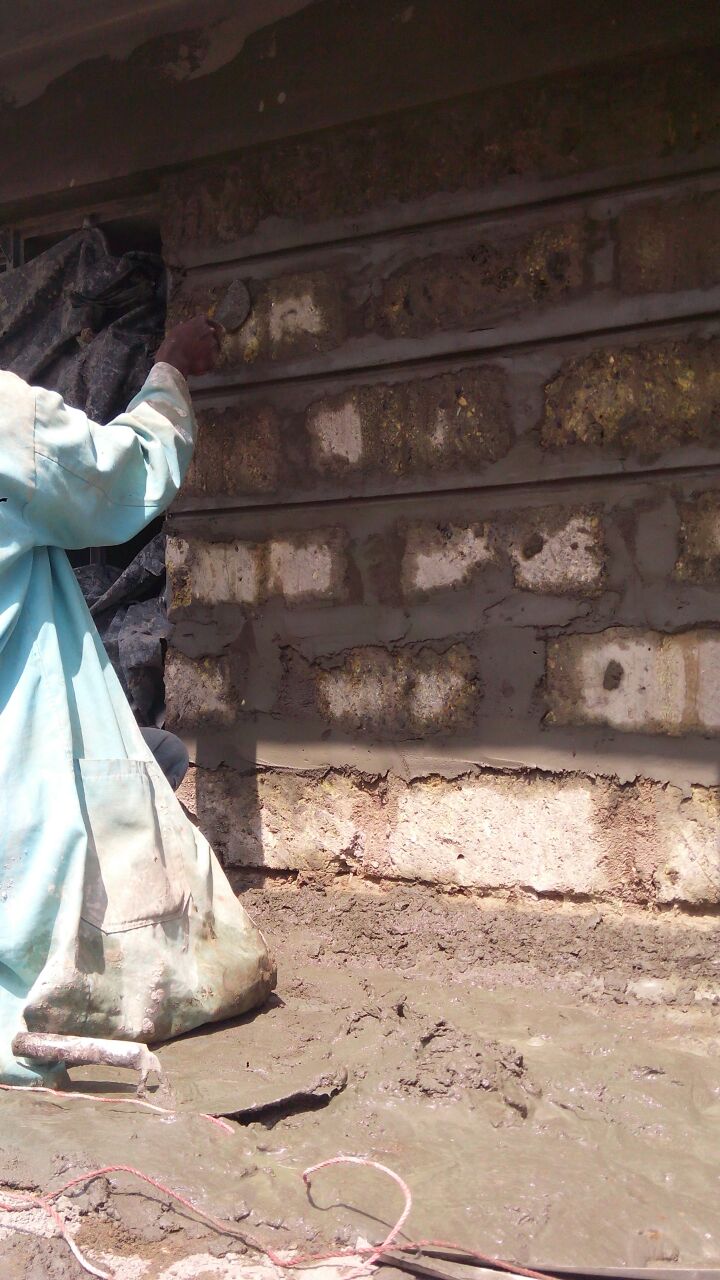
    See the picture below. The man is holding a trowel with his right hand.

    This tool is used to scoop put cement mortar and smear it on the masonry stone joints.


    1. Key jointing tool


    The mason below is holding the key jointing tool with the left hand.

    This tool is used to embed the key joint in between masonry blocks when the mortar is still wet and soft.


    1. Nylon string


    This string is used to enable a mason emboss and imprint the vertical and horizontal lines for working with the key jointing tool.

    1. Spirit level

    This tool is used to enable the mason establish perfect horizontal line on the nylon string for a smart key jointing exercise.


    Preparing a surface for pointing in masonry walls.

    1. Using a hammer and chisel, chisel out the joint between the masonry stone blocks to widen it.
    2. Prepare mortar mix and fill in bucket or shallow container.
    3. Use a brush to sprinkle water along the joints to enable smooth adhesive of the mortar into the stone.


    Preparing s surface for jointing of masonry blocks.


    1. Use the nylon string to mark the perfect horizontal height for the bottom cement screed.
    2. Use a brush to wipe out dust on the masonry stone if its machine cut.
    3. Lay the stone on top of the cement screed in alighnment with the nylon string.
    4. Lay the next few neighbouring stones, with a 1 inch joint in between them.
    5. Pour water on top of the stones to enable a more stronger adhesivity of mortar with the stone.
    6. Using the trowel, pour in mortar in between the joints .
    7. Using the trowel, poke into the mortar severally to enable the mortar enter into al corners and fill the joint completely.
    8. Using the trowel, smear the mortar to finish with a smooth smear that completely fills in the joint with mortar.

    Architect Francis Gichuhi Kamau

  • Making simple working drawings.

    Making simple working drawings.


    Steps.

    1. Identify and prepare all tools needed to make simple working drawings. Thes e tols include
    • Set square.
    • White cartridge paper
    • T square
    • Pencil
    • Ink Pen
    • Drawing table.
    • Task chair


    For complex drawings, Computer Aided Design software on computers is what is needed to fulfill the task.

    For simple drawings, the above tools will b effective.


    1. After preparation of the tools, using the pencil and paper, sketch out the plans of the intended buildings.
    2. Using the sketch above, use a clean paper to measure out the dimensions sketched out using the scale rule.
    3. Use the T square to draw horizontal lines and measure the distances using the scale rule.


    1. Use the set square supported by the T square to draw vertical lines. Use the scale rule to measure out the length of the vertical line.


    1. Using the sketch , recheck if all the walls in the sketch as dimensioned have been drawing in the clean piece of paper so success.


    Production of simple Isometric Drawings.


    1. Using the plan drawm above, lay the plan on the table and place a transparent tracing paper on top of it.
    2. Using the set square supprted bt the t square, use the 45 degrees edge to draw lines from all the floor plan corners at a 45 degree angle from all 4 courners.
    3. Using the scale rule, easure out the heights of the lines to the desired dimensions as indicated in the initial sketch
    4. Use the t square to join the wall heights.
    5. Use the set square to join the adjacent wall heings.
    6. Once the wall heights have been joined together, this marks a successful simple isometric drawing.


    Procedure of making above sketch.

    1. Sketch on a piece of white catridge paper the floor plan with dimensions.
    2. Using transparent tracing paper, place the tracing paper on top of the sketch .
    3. Using a T square, draw a horizontal line.
    4. Using the scale rule, measure out the exact measurement as described in the hand drawn initial sketch.
    5. Using the set square, draw a 30 degrees andle from all the four corners of the plan in the sketch.using a scale rule, measure out the cube height as described in the hand drawun sketch.
    6. Using the T square, join the vertical height points measured out with a horizontal line.
    7. Using the set square, join the 30 degrees slanted lines .

    The final outcome is an isometric cube as shown above.


    Interpreting a working drawing.

    1. Lay the drawing on a flat surface eg table.
    2. From the left side, extreme end, measure out the dimension given in mm.
    3. Check the dimension line below.


    The dimension line is marked by a thin line with the dimension writeen right above it. 4.Read the dimension and note it down then transfer it on the ground.

    5.Notice the crossed out mark on the dimension line. This marks the end of the individual measured distance.

    1. The thick cross hatched lines represent the wall thickness, in this case, the thickness is 0.15 meters or 150mm.

    Architect Francis Gichuhi Kamau

  • Setting out a Building.

    Setting out a Building.

    Procedures.

    1.Once the foundation is excavated, the formwork supporting the sides of foundation is marked as per the dimensions shown in the architectural foundation floor plan.


    2.Nails are nailed on the formwork, measured out exactly as shown in the drawing.


    1. Nylon strings are tied from one end to the extreme opposite for all sides of the foundation.


    The nails on the formwork should be in the same exact dimensions as in the drawings. The wall thickness dimensions should also be captured. This is a very critical dimensioning since the rest of the walls after the ground floor slab is done will be dimensioned the same way. Wall structural loading should be very accurate , where the top floor wallings sit exactly on top of the foundation wallings as marked in the seting out.


    1. In the drawings above, notice the wall thickness marked 0.150, meaning the wall is 150mm thick. This dimension should be captured in the setting out where the nails supporting the nylon strings on the timber formwork are located.


    Procedure for transferring measurements.


    1.Using the architectural drawing, starting from one end of the edge, note the wall thickness and mark it on the wooden support formwork erected at the edge of the foundation.


    1. Mark it using nails, from which later on the nylon strings will support from.


    3.Continue noting the dimensions from the drawings and marking them out progressively from one end towards the farthest end.


    1. Tie the nylon string to the nails and using a builders square to ensure the strings are at 90 degrees to the edge, pull the strings to the opposite side and after positioning it, nail to the timber formwork.


    5.Repeat this procedure for all the sides and countercheck again to ensure all dimensions are matching as in the drawings.


    6.Using the structural engineer’s drawings, use same procedure to set out for column foundation bases.

    See the structural engineering drawing above.


    1. Measure out form one end and take the dimensions in the drawings to position them in the timber formwork and mark them using mails and nylon rope as in the procedures described above.


    1. Using a builders square, strings are re adjusted to ensure they are 90 degrees to the formwork.


    Care should be taken to ensure that the strings attached to the wooden formwork are protruding at 90 degrees angle from the timber formwork towards the opposite end.


    1. The longer type of builders square , with the short end held on the wooden edge, and the long edge along the string, is best placed to ensure that the string protrudes at 90 degrees.


    3 4 5 method of triangulation.


    Check above images to see a demonstration of the 3 4 5 method used to recheck if the corners are at right angles together.


    1. Using one end of a corner where the 2 end walls meet, measure out 3 meters from one side and mark on the string.


    1. Measure out 4 meters on the other right angle side and mark on the string.


    1. The diagonal distance between the 2 points should be 5 meters.


    1. If the distance is not 5 meters, this means the corners are not at right angles and the strings will need to be adjusted to be 90 degrees protruding from one edge.


    Diagonals method for checking right angles.


    Procedure.


    1. Measure out the distance diagonally from one end of a corner to the other.
    2. Measurue out the diagonal distance of the opposite side.
    3. These 2 measurements should be the same.
    4. If the distances are not equal, this means there is a problem with the overall measurement and setting out so the procedures ofr setting out should be repeated again until the diagonal measurement s are all equal.


    On the foundation corners, the diagonal ends are measured to ensure that they are of the same size, meaning the foundation is rectangular or square, not hexagonal.


    Also, on the edge of the foundation, use of the 3 4 5 method can be done to quickly confirm that the corners are at 90 degrees.


    Marking the wall trenches.


    Using lime powder, mark the foundation walling trenches then start excavation as per structural engineer’s specifications.

    Screeding should then follow suit in readiness for foundation walling and beams.


    Architect Francis Gichuhi Kamau.

  • Importance of always wear protective gear and use protective equipment through out the site.

    Importance of always wear protective gear and use protective equipment through out the site.


    Setting out foundations are amongst the 1st tasks to be carried out in a building construction works. This marks a good start for masons to begin getting accustomed to any new protective gear.


    Types of protective gear.


    1. Reflective vest.

    The reflective yellow or orange vests increase visibility, hence enabling more safety.


    The gloves prevent masons from being burnt by cement mortar since its very reactive to bare skin.


    The boots prevent injury from nails and other tripping objects.


    The overalls prevent dirt and other loose clothing from getting entangled by machine moving parts.


    Helmets prevent injury from flying objects from the upper levels.


    County Government Health department  bye laws.


    The county government through its health department outlaws any worker/mason from working at a site without proper protective clothing.

    Any worker found without this gear by the county inspection team is liable to be arrested and fined in a court of law.


    Demonstration of actual setting out.


    Procedure.


    1. Timber formwork is installed at the foundation edges.
    2. One mason will read out the dimensions and mark them on one side of the edge.
    3. Mason will Tie a nylon string.
    4. Another mason will pull the sting all the way to the opposite side.
    5. The mason will use a long type builders square to position a right angles protrusion of the string from his end.
    6. The other mason on the opposite end will move and adjust the sting as per the instructions of the mason measuring the 90 degrees angle.
    7. When the mason measuring the 90 degrees angle is satisfied of the right angles, he will ask the other mason on the opposite side to tie the string on the timber formwork and then nail a nail on the timber formwork .
    8. Eventually mason will tie the string to the nail in a taut firm manner.


    1. This process is repeated for all the dimensions shown on the architectural drawings and structural drawings.

    Architect Francis Gichuhi Kamau

  • Tools and Equipment used in Setting out a Building.

    Tools and Equipment used in Setting out a Building.


    1.Theodolites.

    For large complex buildings, theodolites, survey equipment’s, are used to mark out building external wall extents.


    1. Measuring tape

    For small scale types of construction, use of long type builder’s square , steel measuring tape are sufficient to demarcate the building external wall extents and internal wall partitioning.


    For shorter distances, the steel tape is most appropriate, eg distances between two rooms, thickness of wall while setting out etc.

    For larger distances, eg perimeter wall measurement, hexagonal check, the flexible type is most appropriate.


    3.Spirit Level

    Spirit level is used to ensure that the nylon strings used in setting out are horizontal.


    4.Nylon String


    Nylon strings are used to demarcate the wall thickness and building extent.


    5.Lime Powder

    White lime powder is used to mark the foundation walling and column footing positions for further excavation till rock or stable ground.


    White lime used to measure out the extents of the building footprint in readiness for excavation.


    Notice the wooden formwork that will be used to support the nylon strings to enable setting out.


    Notice the effectiveness of white lime powder in effectively marking out foundation dimensions for setting out buildings.


    Architect Francis Gichuhi Kamau

  • How to commence pointing of masonry walls from start to finish.

    How to commence pointing of masonry walls from start to finish.


    1.The beginning involves use of masons hammer and chisel to shape out the stone joints to an even line.

    2.Water is poured on the stones to enable smooth binding between existing stone and new mortar.
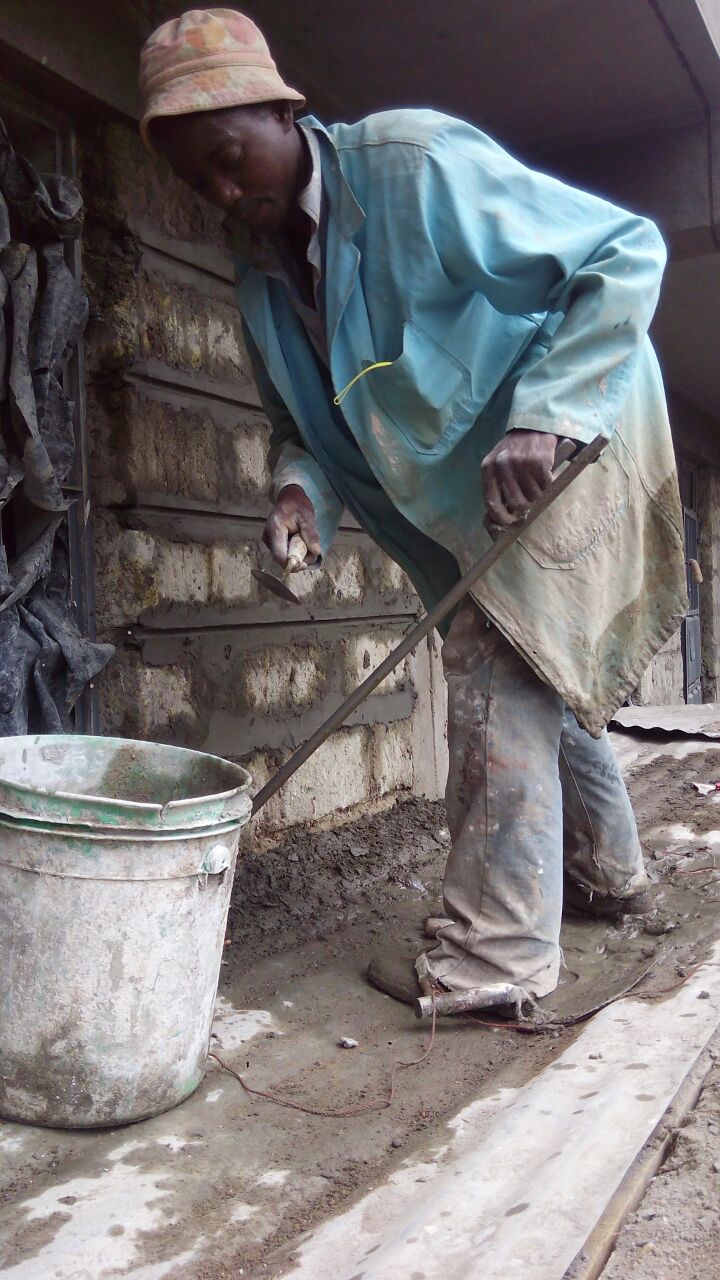
     

    1. The gaps in between are deepened and widened using a masons chisel.


    1. Cement sand mortar is mixed and plastered on the widened joints.

    1. Using a trowel, the mason then scoops the motar and pastes it in between the joint through out the line.
    2. A nylon string is then stuck from one end.
    3. The string is leveled out using spirit level to ensure its horizontal the nstuck on the other end.
    4. Using the trowel, the mason press the string onto the fresh motar to leave an indented marking line.


    1. The string is then removed and the mason now uses the pointing tool to press into the fresh mortar to make the pointing line.


    1. The mason does this repeatedly, following the embedded line, and using the trowel to remove excess mortar until a horizontal line is achieved.


    1. The same is done for vertical lines. For uneven lines eg when using mazeras or slate stone, a shorter pointing tool is used.

    For cobble stone pointing, use of shorter pointing tools is needed.


    For zero jointed masonry walls, a very thin pointing tool is used to achieve this.


    The end result for zero jointed style is a wall that looks smooth and jointless.


  • How to identify the difference between architectural and structural engineering drawings.

    How to identify the difference between architectural and structural engineering drawings.


    Structural drawing sample


    Architectural drawing sample


    Visual identification.


    Structural engineering drawings are easily identified from their mostly line work drawings. Architectural drawings have other features such as room furniture, bathroom and kitchen fixtures in them.


    Technical identification.


    Structural engineering drawings also have letterings describing the type of reinforcement steel eg y8, y10,y12, y16,y20.

    Architectural drawings have lettering describing the spaces eg living room, bedroom, kitchen etc.


    Dimensions


    Both architectural and structural drawings are dimensioned in mili meters. 1 meter is dimensioned as 1000.

    Masonry walls are mostly 6 or 9 inch wide, dimensioned as 150 or 200mm on the drawings.

    The walls are usually cross hatched to enable them be more visible. This is clearly seen in architectural drawings.


    Working drawings.


    These are both architectural and structural drawings that contain detailed dimensions to enable the mason read out and convey the dimensions on the ground to a construction project.

    These are different from presentation drawings which do not contain detailed dimensions and which are used for purposes of being consumed by lay people with little construction technology knowledge e.g. potential property buyers, land owners etc.

    Working drawings are meant to be used by technical personal such as masons so as to be read and interpreted onto the ground.


    Architect Francis Gichuhi kamau.