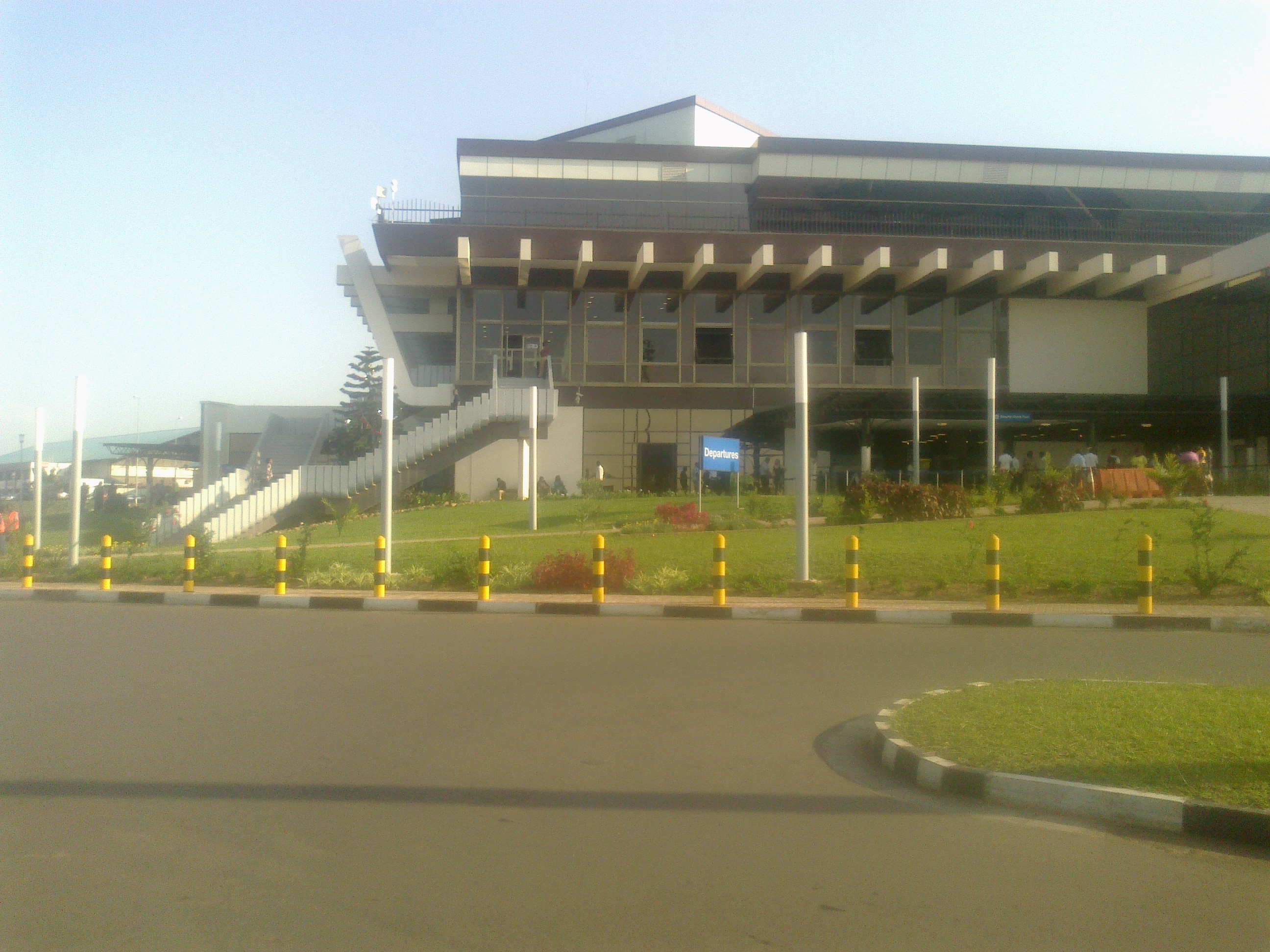
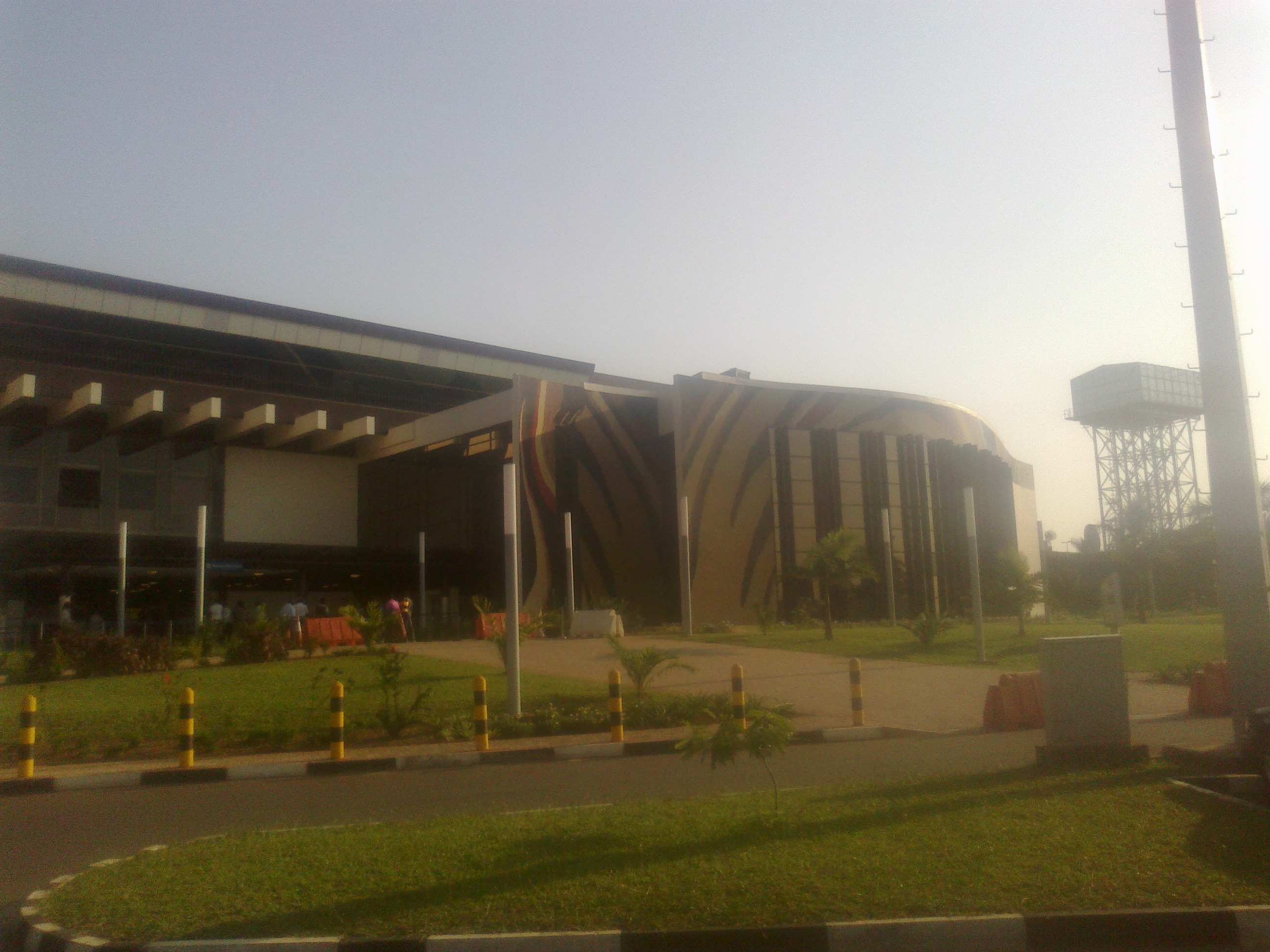
Month: January 2015
-
Nanyuki 5 star Hotel
Cost Item Kshs % Land 0.00 0 Preliminary 5,400,000.00 1.444043321 Construction 270,000,000.00 72.20216606 External Works 54,000,000.00 14.44043321 Contingency 13,500,000.00 3.610108303 Architectural fees 16,200,000.00 4.332129964 Quantity Surveying 2,700,000.00 0.722021661 Structural Engineering 5,400,000.00 1.444043321 Elec/Mech Engineering 2,700,000.00 0.722021661 Interior Design/Landscaping 1,350,000.00 0.36101083 Legal fees 0.00 0 Project Management fees 2,700,000.00 0.722021661 Marketing 0.00 0 Financial Charges 0.00 0 Total 373,950,000.00 100 -
Building Materials in Kenya. 2015 prices.
*Materials *
>
> 1. Cement (OPC) – 1 Bag. kes 700 to kes 800
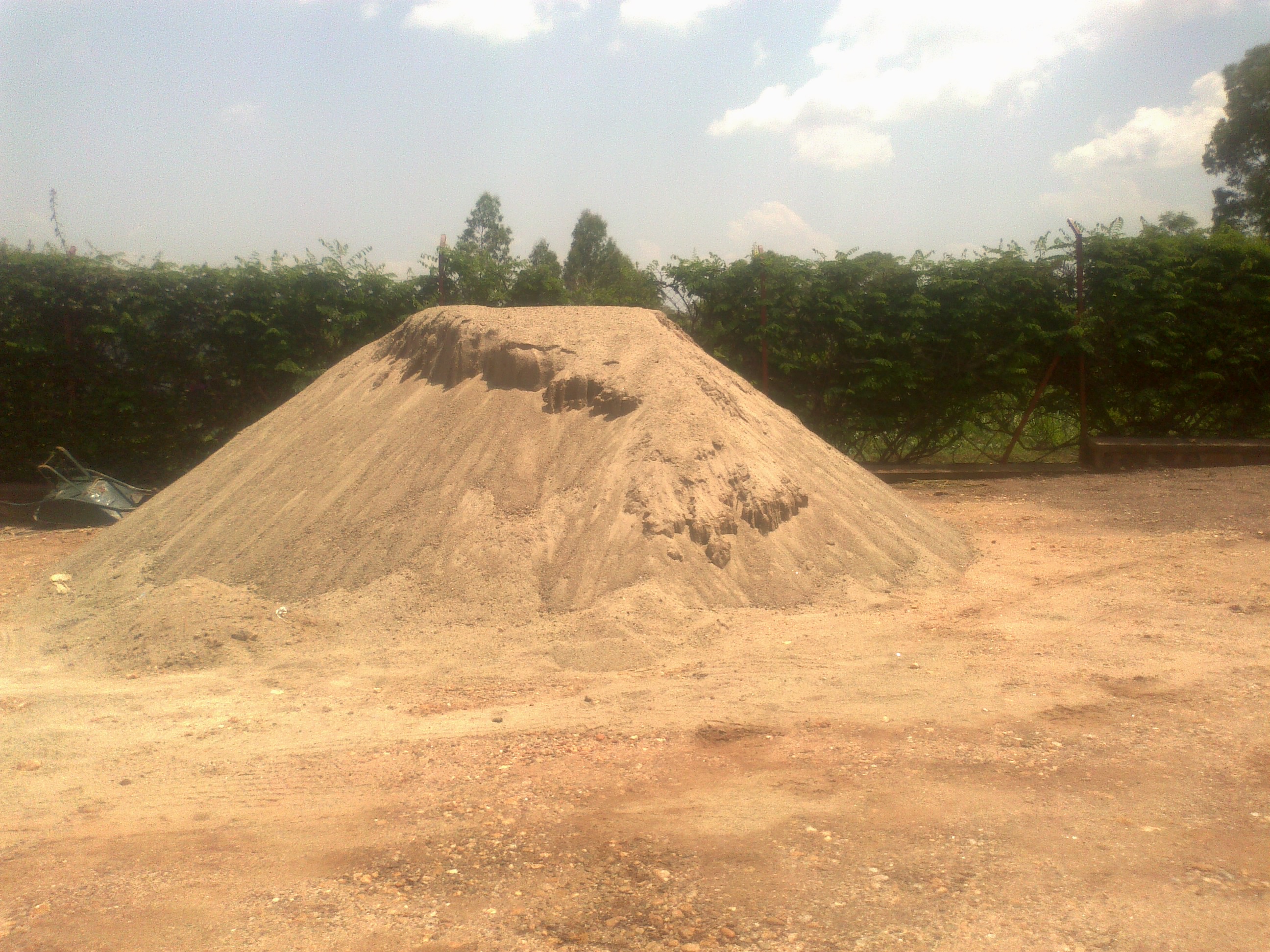
> 2. Sand – 1 Ton. kes 2000
> 3. Rebar (Reinforcement ) : 6 – 16 mm
check prices below
https://www.a4architect.com/2014/08/cement-steel-prices-nairobi-2014/> 4. Steel Tube : 4 x 8 & 10 x 10
> 5. Wire Mesh : 8mm & 10 mm
> 6. Corrugated Sandwich Panel (for roof) insulated (GI material
> pre-painted) kes 2000 per m2.
> 7. Corrugated Sheet for Roof (GI Prepainted / Aluminum) Kes 600 per m2.
> 8. ReadyMix Concrete : 15 N / 20 N / 30 N Kes 15000 to kes 20000 per cubic meter.> 9. White Wood : 4 x 4 / 3×3 (inch) Kes 1000 per m2
>
>
> *Labour Charges*
>
> 1. Mason kes 1000 per day
> 2. Carpenter kes 1000 per day
> 3. helper kes 500 per day
> 4. Plumber kes 2000 per day
> 5. Electrician kes 2000 per day
>
>
> *Contract Work (standard Rate)*
>
> 1. Electrical & Plumbing Works for a 2 Bed Room House (87 Square Meter) kes 150,000Francis Gichuhi Kamau, Architect.
-
Roofing in Kenya. 2015.
1.Looking at how the construction industry has evolved over the decades and seeing how people are now paying more detail to what is going to their structures, What, in your opinion would you say has been the evolution of roofing industries in the last decade or so? What has changed
New roofing materials such as stone coated steel roofing sheets, and asphalt shingles have come up into the Kenyan market in the last 10 years. Previously, iron sheet roofing, clay and concrete roofing tiles were the most dominant in Kenya. With liberalization of the Kenyan market, importation of these new roofing products has resulted in the roofing landscape changing to be dotted with these new types of roof products.
Also, people are becoming more sensitive to health issues, after reading alot of information on the internet, hence choosing healthier roofing products that can be used to harvest rain water for consumption.2. We are seeing more developers and home owners moving away from just corrugated iron sheets to paying a lot pf attention to the kind of roof they erect. Why is this?
Developers now have a wider array of choice of roof products than before. There are many roofing products, each for every financial category and specific aesthetic appeal. These new roofing products come in various textures, shapes and colours. There are even imitations of thatch and wooden roofs made of stone coated steel.3. Are there Pros and Cons when it comes to adopting this “new” roofing materials? If yes, what are they?
Yes. Cost comparison with other available roofing materials need to be checked. Also, whether the rain water can be harvested and consumed will also be a factor. Aesthetic appearance will also be an important determining factor, especially for developers who want their property to come out looking unique since the roof is a very visible element of a building.
4. What is the cost implication of style and individualism when it comes to roofs. Is it really worth the cost?
For developments that are in high income areas eg Karen , Runda and Muthaiga, it pays for the developer to use unique roofing systems. This way, the property value will be high, enabling the developer to unlock finance form banks based on the high value of their real estate development. Also, for hotels, malls, shops and other commercial enterprises that need to be attractive to impulse buyers/customers, a unique roof will go a long way to attract potential customers hence more business.
5.How should select a roofing material? What should they look out for?
Selecting a roofing material will depend on the intended use of the building. If its commercial, a more attractive, colorful roof will attract more customers. If the development is a residential house in an upmarket neighborhood, it will get higher value if a more attractive unique roof is constructed.
If the land is located in a low income area, a relatively low cost roof material can be used.6. Do they have any disadvantages?
Some roof materials can not be used to harvest rain water for human consumption.
Some roof materials do not have a long lifespan.
Some roof materials are too expensive if budget is a constraint.
Some roof materials are too heavy hence making the roof supporting structure too heavy.Francis Gichuhi Kamau, Architect.
info@a4architect.com -
Upper Hill, Nairobi. 0.75acre plot Joint Venture
Dear Olive Green Investments LTD,
Nairobi.
15th January 2015.
JOINT VENTURE AT UPPER HILL ¾ ACRE PLOT.
The above subject matter refers.
We hereby share with you our proposal on Joint Venture development for your perusal.
Initial scheme design proposals bring the cost of development to KES 2,546,753,125.00 and cost of sale to KES 3,341,250,000.00.
Profit is in the range of KES 794,496,875.00
Below is a summary of the same.
Cost Item Kshs % Land 400,000,000.00 15.70627306 Preliminary 28,957,500.00 1.137036005 Construction 1,447,875,000.00 56.85180027 External Works 72,393,750.00 2.842590014 Contingency 72,393,750.00 2.842590014 Architectural fees 86,872,500.00 3.411108016 Quantity Surveying 14,478,750.00 0.568518003 Structural Engineering 28,957,500.00 1.137036005 Elec/Mech Engineering 14,478,750.00 0.568518003 Interior Design/Landscaping 7,239,375.00 0.284259001 Legal fees 14,478,750.00 0.568518003 Project Management fees 14,478,750.00 0.568518003 Marketing 83,531,250.00 3.279911554 Financial Charges 260,617,500.00 10.23332405 Total 2,546,753,125.00 100 Financing Plan Kshs % Developer 1,019,245,000.00 40.02135071 Debt Finance 1,447,875,000.00 56.85180027 Presales 334,125,000.00 13.11964622 Total 2,546,753,125.00 109.9927972 PROFIT TOTAL SALES FOR 15 floors 3,341,250,000.00 TOTAL EXPENDITURE 2,546,753,125.00 NET PROFIT 794,496,875.00 % Profit Margin 31.19646216 Take home ammount. 1,194,496,875.00 397,248,437.50 797,248,437.50 Sale: 2 Bedroomed 15,000,000.00 3 Bedroomed 30,000,000.00 1 bedroomed 7,500,000.00 We look forward to your letter of offer .
Yours faithfully,
Francis Gichuhi Kamau, B.Arch. U.o.N. M.A.A.K[A]
-
Building Colapse in Kenya. Problems and Solutions.
1 Is the problem of sub standard building a very serious one in Kenya?
Yes. Most high-rise, storeyed buildings in Kenya have not been constructed using international structural safety standards. Nairobi CBD , Upper Hill, Westlands, Hurlingham areas have buildings constructed to international structural safety standards. Nairobi Eastlands area is the most affected by sub standard construction, in areas such as Huruma, Mathare North and Kayole. The Middle class area is usually 50-50, with half the developers opting to use architects, engineers and quantity surveyors to ensure standards are met while the other half cutting corners. In Low class areas of Kayole, Huruma, etc, its nearly 100% of sub standard construction.
2 What are the laws that govern how a building is put up and where do such developers (especially individual/small-scale/informal) go wrong?
Internationally, laws governing building safety are vested in the Local or County Governments. Naturally, any developer in a capitalist environment eg Kenya seeks to maximize his profits. They will therefore see architects, engineers and quantity surveyor design and supervision fees as an unnecessary added costs so they look for ways to avoid this. The Government, through the local/county government, has building approval and enforcement mechanisms of which if not working well either due to inefficiency, poor funding or corruption, will not be able to enforce developers to use these consultants.
Citizens are ensured of their safety while in or near buildings from the fact that the county government will somehow police and force the developer to hire and retain architects, engineers and quantity surveyors through out the construction process. The average developer is not aware of the importance of these architects and engineers hence its the role of the county government to police the developer into using these.3 What laws are there to punish quacks in the built industry?
The Board of Registration of Architects and Quantity Surveyors of Kenya is empowered by law to police the industry and weed off the quacks. The punishment for this needs to be highlighted and advertised to the public to deter the occurrence. The laws to punish quacks exist in paper but rarely enforced and used if ever. A few publicized judicial punishments in the media and an active role by BORAQS and Architectural Association of Kenya will go a long way to sensitize the public on existence of such laws.
4 Why do we have so many substandard buildings in Kenya, especially in Estates? Who is to blame for this lack of professionalism especially in this informal built sector?
The reason we have many substandard buildings in Kenya are as below.
a. Local/County Government planning departments not policing and enforcing supervision of buildings enough. County Governments can liaise with Architectural Association of Kenya to draft new bye laws on how to ensure buildings are supervised by architects and engineers to completion, eg by issuing partial interim stage by stage approvals that must be applied by the architects and engineers as the building progresses or any other in genuine method that they can brainstorm and come up with.5 What is the right procedure to follow in order to get a building that meets all the quality requirements?
The right procedure is simple. All a developer needs to do is identify a registered architect who will begin the process of design. The Architect will then guide the developer on how to hire an engineer and how to apply for building permits , how to hire a contractor and how to run the construction project smoothly.
Due to the influx of many quacks, the highest chances are that a developer will first meet a quack who will guide him wrongly through out the project. For example, the recent Huruma building that collapsed costed at least kes 20 million. A developer with the capacity to amass kes 20 million can easily afford a few hundred thousands to hire architects and engineers but unfortunately, he innocently was probably misguided by a quack for a token amount. The county government, which has the role to protect citizens form unsafe buildings, was probably equally sidestepped through corrupt practices, with the end result being the developer loosing the kes 20 million investment, and Kenya loosing its citizens in unnecessary deaths.I have personally tried my best to talk to developers to use the right channels even though they have the financial muscle to bribe through the county government approval channels. in some cases, i have been successful, but in some cases, i have helplessly watched a monied developer bribe his way through county government planning controls and continue to construct the building in the way he deems fit. Luckily, these buildings are still standing but if a small tremor could hit Nairobi, they will instantly become death traps.
6 What should tenants look out for in the exterior and interior structure of apartments/rentals they intend to rent into?
The best way to ensure you are in a safe building would be to ask the landlord to give you the contacts of the architect and engineer for the project then you interrogate them physically. This is important especially to people intending to buy office or residential space in high rise buildings or long term lease/rent. Its not easy to physically see the signs of a building that is about to collapse. Buildings usually collapse in a matter of seconds and minutes, mostly without any prior warning.
7 What avenues can people who think a building is substandard report to?
The people can report to the county government or Architectural Association of Kenya. These bodies can then organize for an independent structural integrity inspection. The entity legally mandated to carry out this task is the county government planning department. Architectural association of Kenya can only come in as an Amicus Curiae of the County Government.
The recently created National Construction Authority is also a good point of visit.8 What are the reasons some building becomes weak with time?
The main reason buildings become weak with time is poor design ab initio. When the developer hires a quack for the design then bribes the county government planning department to allow him construct with the same quacks, the building design will not be to international standards. For example, the recent Mlolongo building collapse was due to it being on a marshland area. If the developer had hired registered architects and engineers, they could have advised him on which measures to take to mitigate failure since buildings can even be built in the ocean and lakes and still become structurally safe.
https://www.a4architect.com/2012/06/why-the-mlolongo-building-collapsed/
The Kaloleni, jogooo roa building colapsed due to the same wetland reason.
https://www.a4architect.com/2014/12/reason-kaloleni-jogoo-rd-building-colapse-december-2014/
The Langata road opposite Carnivore building collapsed due to poor aggregate and design, different from the Huruma and Kaloleni where the foundation sank due to marshland.
https://www.a4architect.com/2011/06/why-the-langata-southern-bypass-building-collapsed/The Kasarani building that collapsed was also on a solid ground so the failure was similar to the Langata building, in the design of the superstructure and poor concrete mix.
https://www.a4architect.com/2012/02/why-the-mwikikasarani-building-collapsed-and-how-to-prevent-this/
The Ruaka building collapse was also on firm ground so the reason for failure was poor design from ground level going up.
https://www.a4architect.com/2014/11/ruaka-building-colapse-november-2014/I will visit the Huruma building site later on this week and document the reasons for its collapse, hoping that the information will help future generations build a safer Kenya.
I have researched and documented collapsing of buildings for the last 5 years and the solutions to this is the same-for county governments to take up their role as the safeguard of Kenyan citizens by ensuring that all developers comply with these requirements.Also, the Architectural Association of Kenya and Board of Registration of Architects and Quantity Surveyors of Kenya need to lobby for county governments to reform the buildings approval processes . They also need to sensitize the public on the importance of using the right channels to construct houses.
Architect Francis Gichuhi Kamau.
info@a4architect.com
0721410684