Month: December 2014

  • 2014 Kenya Construction and Real Estate industry review. Forecast for 2015.

    The year 2014 has been vibrant for Kenyan Real Estate and Construction industry. New buildings have consistently come up in low, middle and high class zones.

    Land.
    Nairobi CBD.
    Upper Hill and Westlands areas have seen any available land being immediately bought up by multi nationals. The price of 1 acre of land in these areas has shifted from kes 350 million to the kes 600 million zone. Even though these amounts seem too high for an acre of land in these areas, surprisingly, demand is more than supply and i can forecast that the price will still rise steadily as multi nationals anchor themselves in the country.

    International city concepts, mostly seen in South Africa, have also began to check in, with proposed cities along Thika road near Kenyatta University. These themed cities will definitely be popular due to excellent feasibility and return on investment, compared to other proposed cities such as Konza which did not have a well struck out feasibility and methodology on return on investment to investors.
    Gated communities are also on the increase and 2015 will definitely see more of such for housing projects.
    In General, Land costs will continue with the over 20% annula value increase as 2015 progresses.

    Building Materials.

    Pre Engineered buildings, made of steel structure frame, for high-rise structures, will also become popular. Currently, such a high-rise structure is in the final stages of completion at Hurlingham. Once this is complete, and developers can finally see for themselves that buildings can be 100 percent supported by steel instead of reinforced concrete, they will soon also invite this thought at concept stage , from which the seed will germinate into further steel structure developments in Nairobi.

    https://www.a4architect.com/2014/10/pre-engineered-steel-buildings-kenya/

    Prefab.

    Cement sandwich panels are also becoming more common. With the quarry stones form Juja becoming more scarce and expensive, cement sandwich panels will become a regular feature within the Kenyan construction industry.

    Plastics.
    uPVC windows and doors, pvc drainage pipes, pvc roofs will also find a sitting in Kenya in 2015. These have been coming in to serve a very small niche but as construction costs rise, so will the pvc products become popular due to their low pricing.

    Construction Machinery.

    Kenyan labour costs are steadily increasing, and at the same time , construction machinery importation becoming regular. Therefore, as 2015 comes in, it will be more economical to replace human labour with machinery for tasks such as excavations, wall plastering, painting, etc which have for a long time been the reserve for human labour. Simple house foundation excavation/constructions are now cheaper using small type JCB excavators than using human labour.
    There will be an increase in machinery importation to aid in such as 2015 progresses.

    Conclusion.

    As 2015 moves along, we expect higher land values,international real estate concepts such as theme cities and REITS, more use of new construction methods and materials and more use of construction machinery over human labour.

    Francis Gichuhi Kamau, Architect.
    info@a4architect.com
    0721410684

  • Wishing you all happy xmas holidays and a prosperous 2015

    Wishing you all happy xmas holidays and a prosperous 2015

  • Reason for Kaloleni, Jogoo rd building colapse. December 2014

    171220141270 171220141271

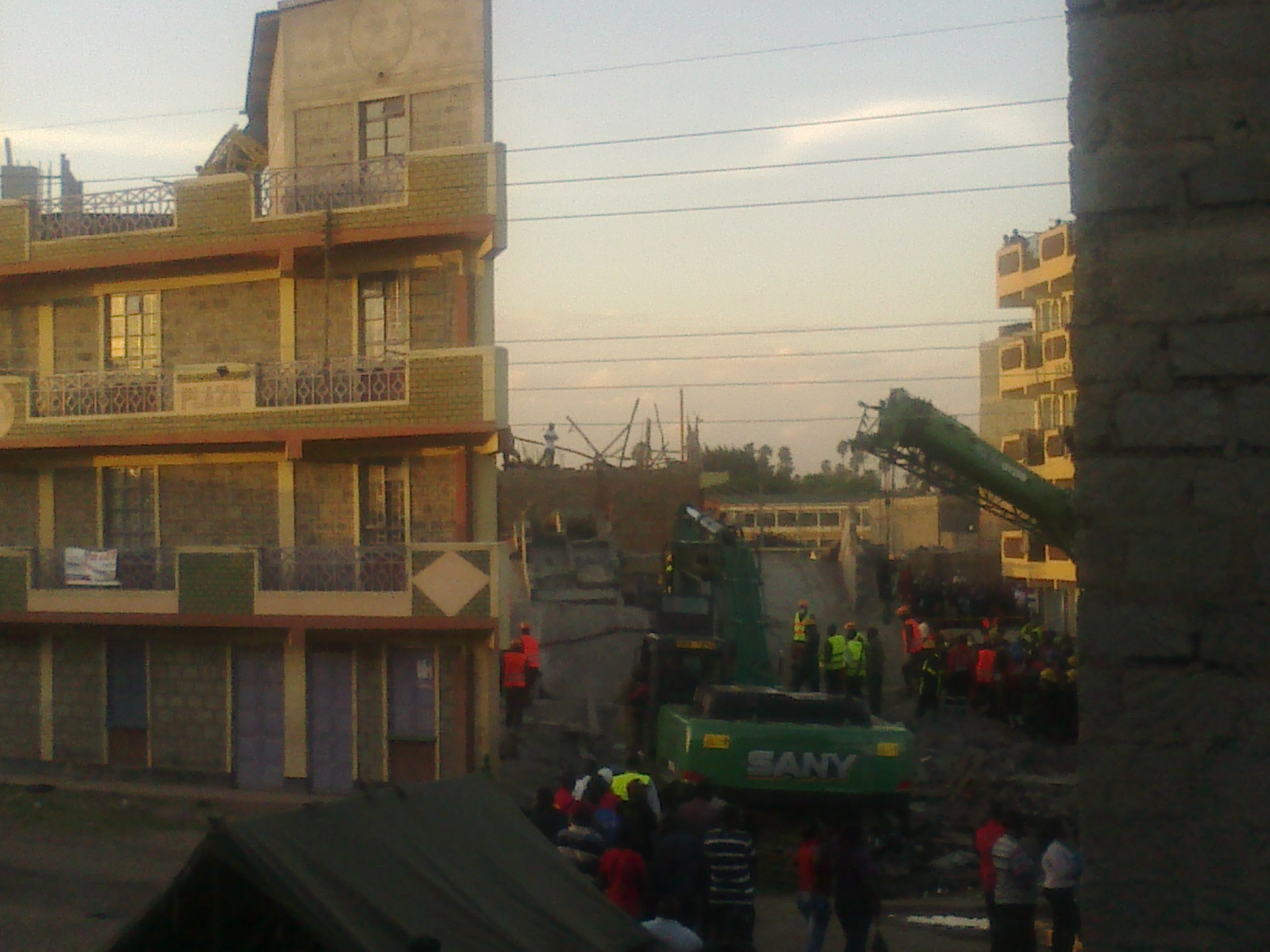
    The most likely reason for the building colapse is due to poor structural design. The columns are visibly small, with a cross section of around 150mm square. The ground is also visibly marshy. Such marshy grounds require raft type of foundation to be stable, compared to the usual strip type that is common around the colapsed building area.

    The weak columns plus the weak ground could have resulted in the building foundation shifting, hence pulling the whole building to the ground.
    This is one of the rare occurrences in Kenya where a building has collapsed when its not in the actual construction process. Most other buildings collapse in the construction process, especially when the floor slab is being cast.

    Rescue operation.

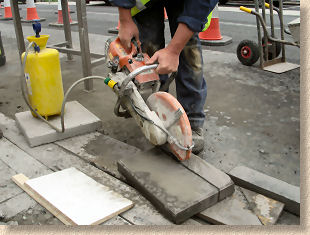
    The cranes trying to lift the slabs were finding it difficult due to the fact that slabs are hundreds of tonnes in weight. The most logical method is to use stone cutters to cut the slab into lighter pieces then lift away. If this method could have been used, more lives could be saved from the rubble.

    Also, chemicals that expand and crack concrete could have been used to reduce the slab sizes.

    Future prevention.

    Since 2011 when i began to document building failures in Nairobi, the main cause of the failure has remained the same. There is lax building construction process from the County Government, which is tasked with the responsibility to ensure safe building construction. The developer is not forced to use registered consultants/architects/engineers and contractors. The laws requiring the developer to use these personnel are there. The enforcement part where the County Government does the actual policing to ensure this is followed is what is lacking. Another method would be to create laws that heavily punish developers who construct without the necessary personnel on site.

    https://www.a4architect.com/2011/06/why-the-langata-southern-bypass-building-collapsed/

    https://www.a4architect.com/2012/06/why-the-mlolongo-building-collapsed/

    https://www.a4architect.com/2012/02/why-the-mwikikasarani-building-collapsed-and-how-to-prevent-this/

    Francis Gichuhi Kamau, Architect.

  • Solar power in Kenya

    Policy.

    The Kenya Government recently introduced policy that requires all new large constructions eg hotels, housing estates etc to install solar water heaters. This will go a long way to ensure solar energy is well utilized in the buildings sector of the Kenya Economy.

    2. What is the implication .
    This requirement will play a role in reducing reliance on fossil fuel/KPLC for water heating. This will also create new business ventures for the solar water heater re sellers. In addition, this will sensitize and create awareness to the public on the need and availability of solar energy as an energy option in Kenya.

    Response.

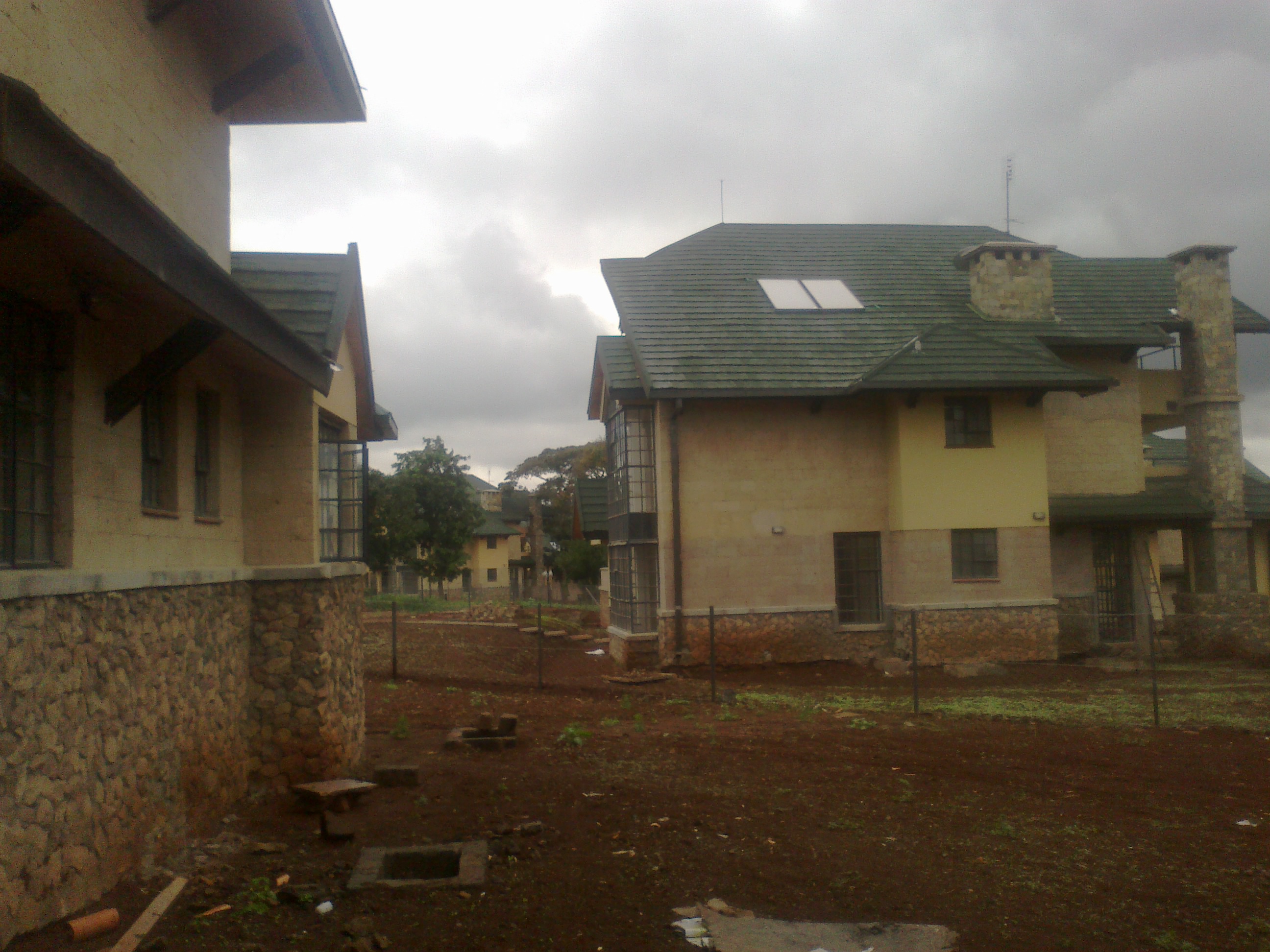
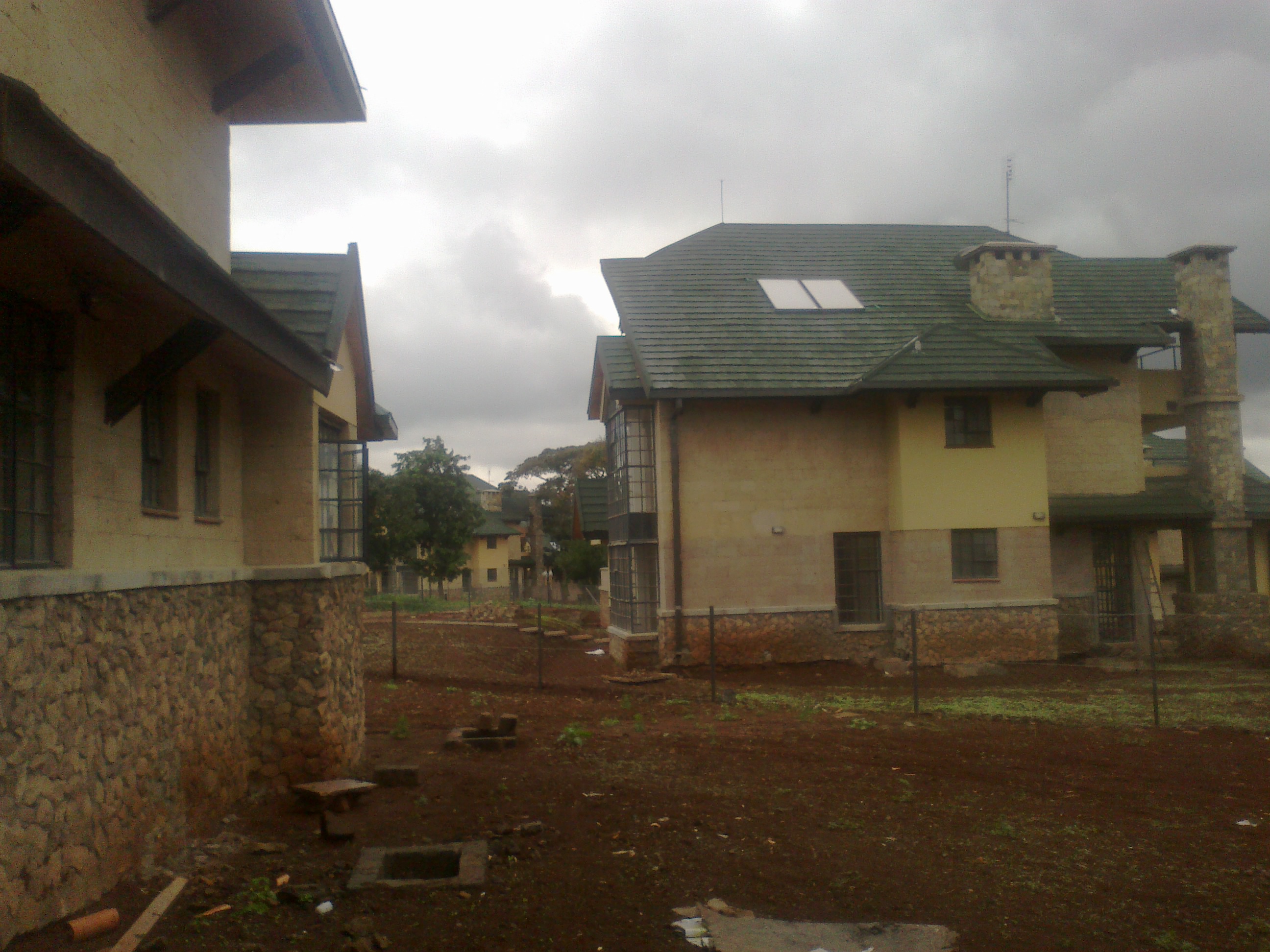
    It has now become a common feature to see solar water heaters atop new roofs. Developers have responded well by introducing this since it reduces their overall energy costs , makes the buildings competitive and attractive to tenants sine energy costs are low and also ensures that all Government regulations that ensure solar water heaters are installed are well met.

    Architect Francis Gichuhi Kamau.