https://www.youtube.com/watch?v=Rp8YyQqVTSI
Month: October 2014
-
Earthbag building. Green wall architecture benefits.
Earthbag buildings have walls made of soil fitted in earthbags. These walls can easily be modified to accomodate for plant life to grow vertically.
For low rise, single and double storey houses, the earth bags can be arranged vertically in a tappering shape which provides stability and stacked vertically to self support.
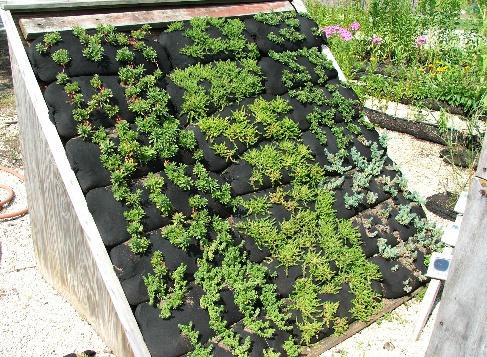
For high rise buildings, a metal trelis can be constructed to support the growing wall.


Billboards.
Green walls can also be used as city bill boards where they soften the harsh concrete feel of the city.

The use of vertical gardens in walls goes a long way in ensuring that the green ecosystem is maintained. The building foot print covered by the floor is replicated along the walls , giving more space for plants to grow. Wall surfaces of a building are usually more than the floor plinth area, hence ideal places to cater for the lost green areas.
Vertical wall gardens also ensure food security since crops such as tomatoes can be grown on the walls to supplement food sources.
Vertical walls ensure that carbon dioxide is cleaned and removed from the air, reducing the green house effect and cleaning the air for a healthier life.
At a4architect.com, we offer green building solutions advisory to home owners and property developers.


http://www.elmich.com/elmich.sg/projects/landscape/0/7/197/NANJING%20SOUTH%20RAILWAY%20STATION/
California Academy of Sciences by Renzo Piano
GrinGrin Building for Island City Central Park, Fukuoka pref, Japan. Architect: Toyo Ito
Nanyang Technological University in Singapore
Vulcano Buono Nola Mall, Naples, Italy by Renzo PianoFrancis Gichuhi Kamau, Architect.
0721410684. info@a4architect.com -
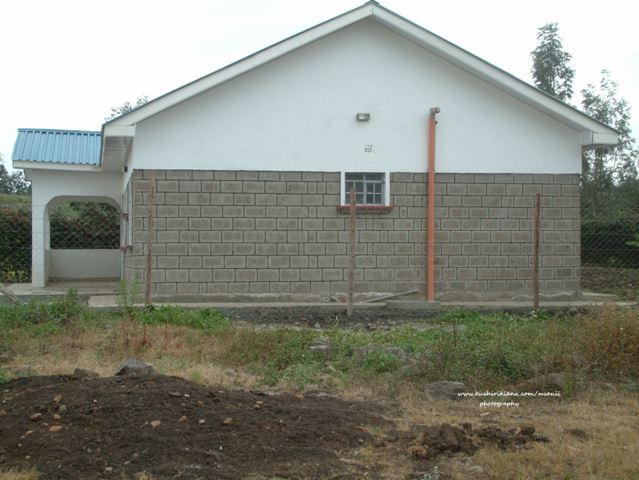
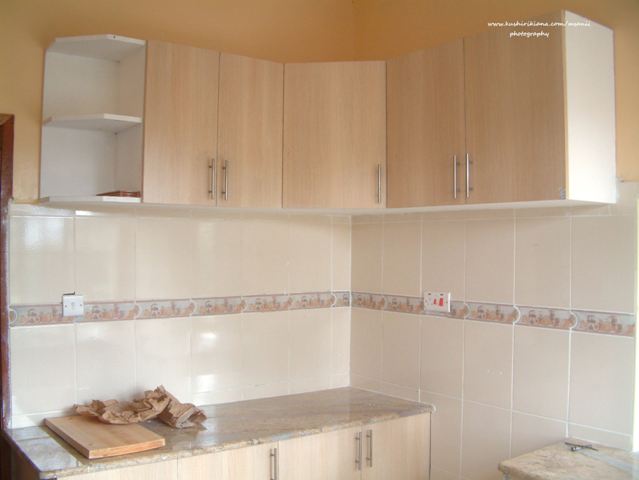
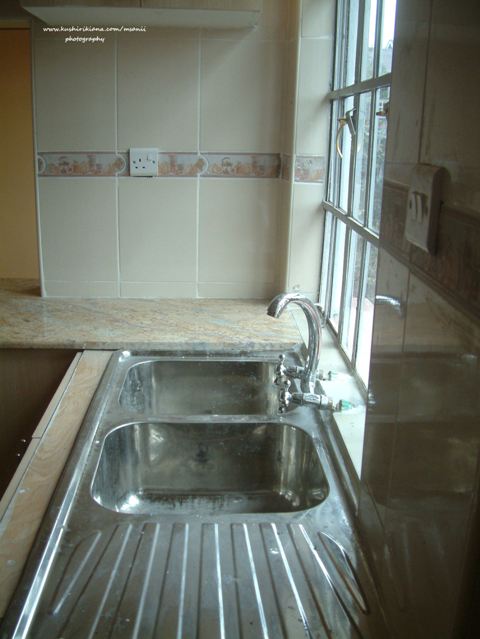
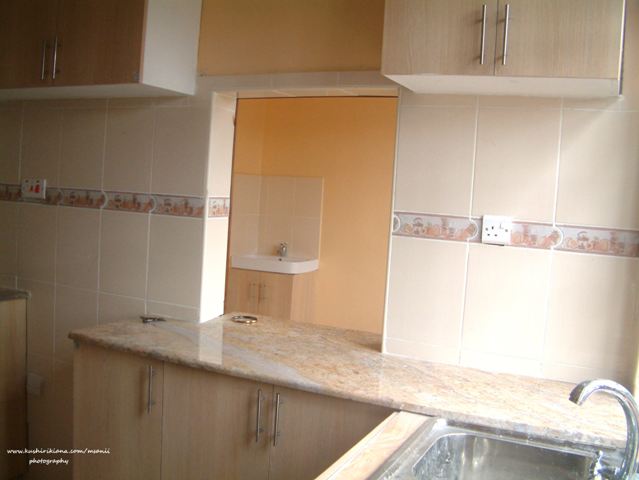
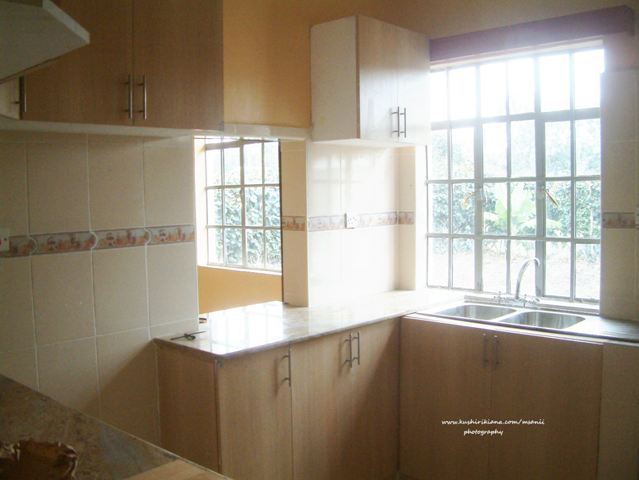
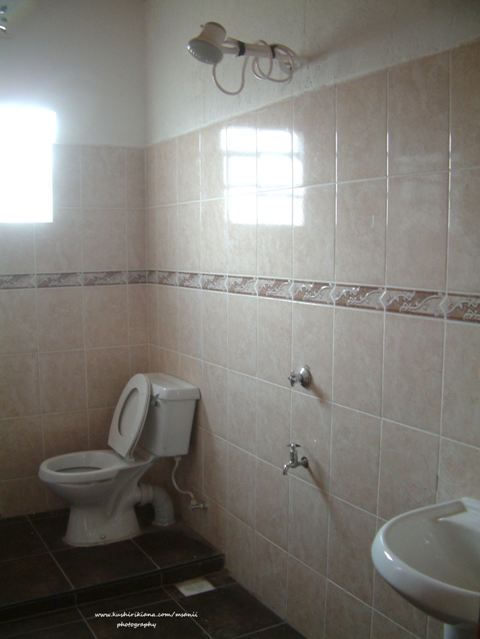
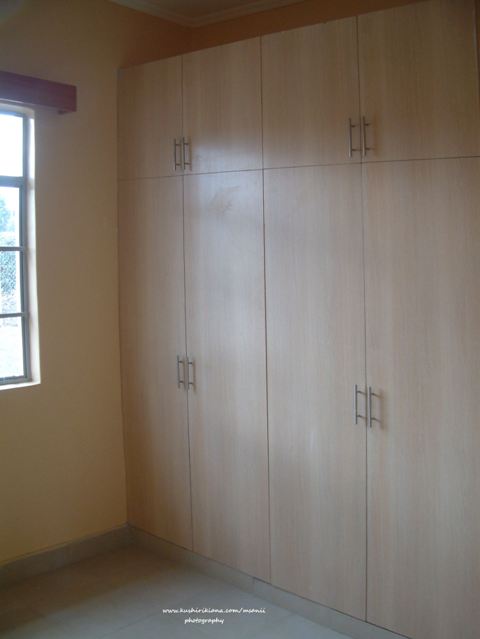
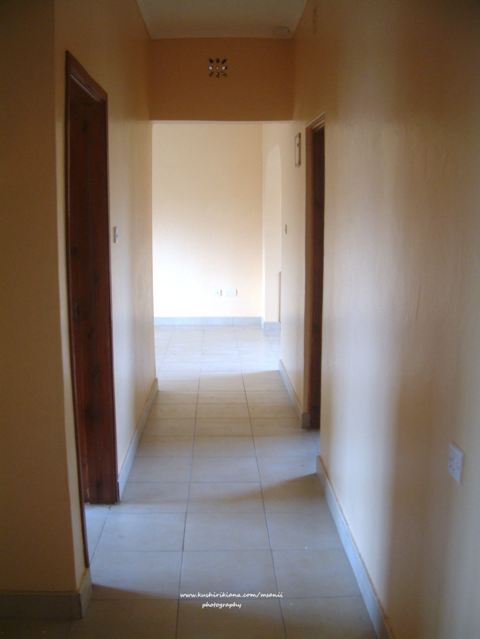
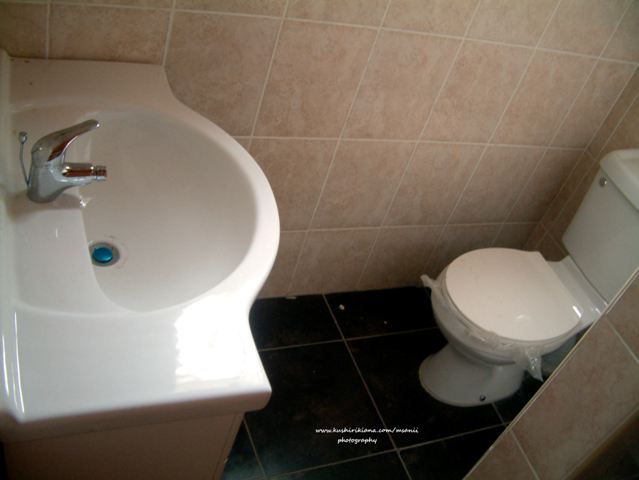
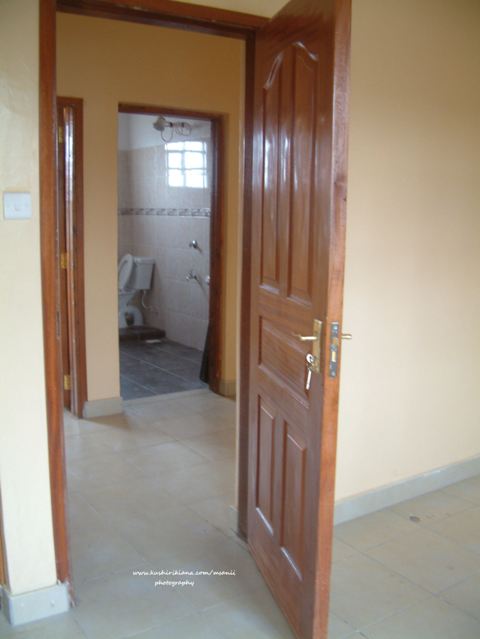
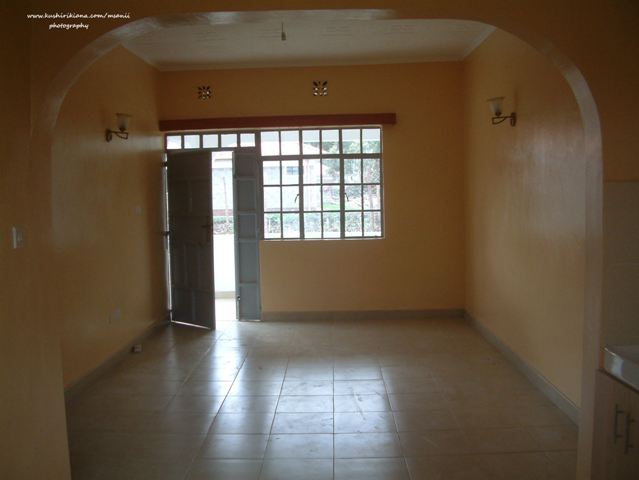
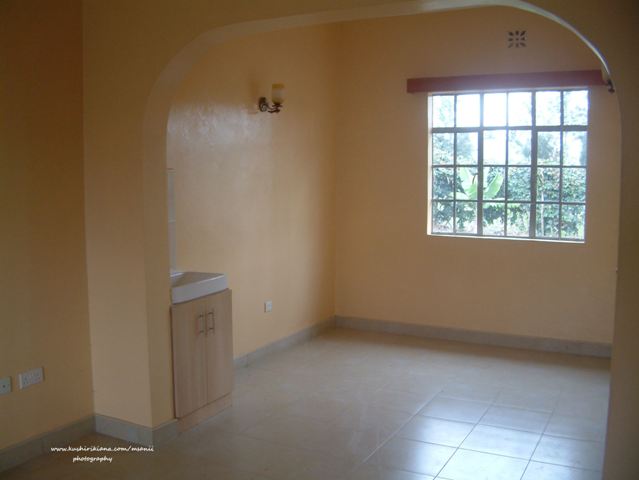
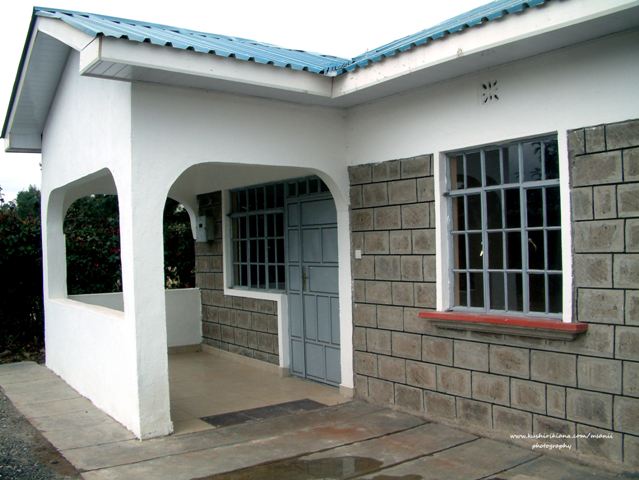
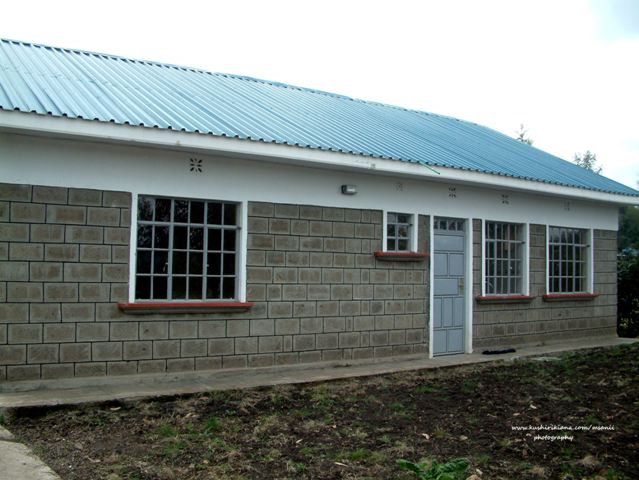
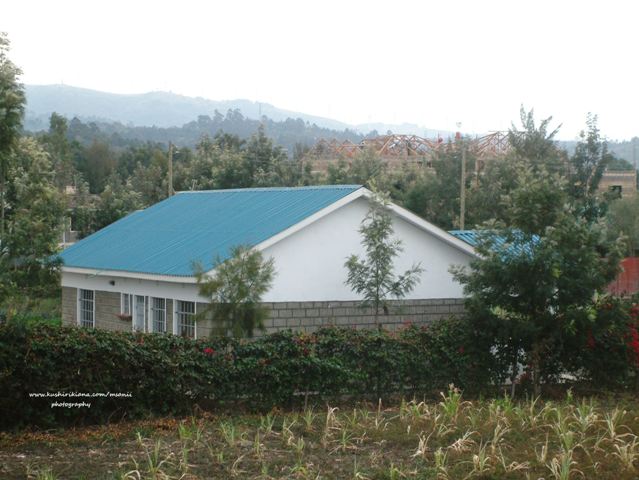
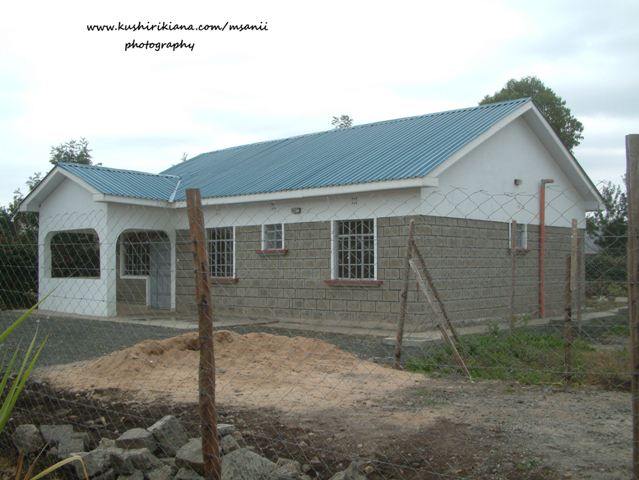
House for sale, Ngong, Matasia.
Price guide kes 8m. for more info call 0721410684 or email info@a4architect.com
[googlemaps https://maps.google.com/maps/ms?ll=-1.393879,36.687848&spn=0.001518,0.002642&t=h&z=19&msa=0&msid=205617053586273466800.0005049264db08e791e26&w=425&h=350]
-
Water features in homes. Architectural enhancement of real estate.
Water features are design elements involving water that are incorporated in the design of a building.
These elicit a feel of refreshment and relaxed environment, usually associated with water.

Careful design such that the water features are balanced will go a long way in assisting the Feng Shui positive energy elements into the building.
Use of symetry, balance and mimicry of nature comes in handy .
Water features can be flowing rivers, fountains or just still ponds.

For areas where there is alot of energy eg living rooms and entry points, flowing water will help symbolise bubbling life, all pun intended. For relaxed indoor areas, still waters will help to symbolise calmness and peace.

Depending on whichever location, whether indoor, outdoor, living room, private space etc within the building, water features that best reflect the mood can be designed to fit within the overall architecture of the building.
Some water features are both aesthetic and functional, eg swimming pools. Some swimming pools are internal while others are placed externally.

Curvilinear forms seem to match well with recreational swimming pools while increasing the aesthetic value of the property.

-
Investing in Leased land/property in Nairobi, Kenya.
Land cost around Nairobi is quite high and the appreciation rate is even higher, higher than developed nations eg South Africa and USA.
A good method to circumvent this is to lease the land for the usual 5 years and do business within this period then if the lease is not renewed, seek another piece of land to lease.
Current rates.
Land in prime areas of Nairobi eg Kileleshwa has a monthly lease of kes 500,000 per month for 0.5 acres.
A 0.5 acre plot can house around 50 offices/shops of 16m2 plinth area each.Each shop will cost kes 500,000 to construct.
50 shops will therefore cost kes 25 million.
Add kes 500,000 monthly lease rent.
Income.
Each shop can then be rented out at kes 1600 per m2 rate, to bring in kes 25,000 per month.
Each shop accrues kes 10,000 per month to the land lord/land owner. The balance of kes 6,000 per month becomes profit to the new lessee.Return on Investment.
With the initial kes 500,000 construction cost plus kes 10,000 per month land rent, this will attract kes 25,000 per month rental income , with a minimum profit of kes 15,000 per month. This investment will return in kes500,000/kes15,000=2.7 years. This means an investor will then enjoy the rest of the 2.3 years as profit. This income will be 28 months income x kes 15,000 monthly profit=kes 420,000.
The investor will get their kes 500,000 investment back and another kes 420,000 on top as profit.Current examples.
In Karen, next to the Deputy president’s official residence, there is the Karen Connection offices, single storey small sized offices mainly occupued by Europeans running various businesses.

Karen connection offices have a plinth area of 30m2 and charge kes 60,000 per month. Our a4architect proposal is around half this size, at 16m2, with rent also half the Karen connection rents, at kes 25,000 per month.
Currently, Karen Connection has 100% occupancy rates so this means the a4architect proposal has very high chances of success since current similar setups are thriving well.The Karen Connection office developers have opened another similar setup in Karen opposite Kenya School of Law, the Langata Link.

Here, the rents are kes 45,000 per month for a 20m2 office space.
http://xpatlink.info/ads/housing/92h2884-53-office-space-2-new-offices-at-langata-link-suitesdftoopsa17681Prefabrication.
Use of prefabricated panelised construction to enable ease of movement/relocation after the 5 year lease is not renewed, plus use of well manicured landscaping to give the serene ambience, same as used in the Karen connection offices settings, will go a long way in ensuring the success of this venture.
Non renewal of lease.
In case the lease is not renewed by the landlord, the investors will simply scout for another location within the area then relocate the building materials to the next site, with the new additional costs being only labour costs since most materials will be reused. Availability of land is not a big deal since there will always be new lands available for lease.
Having several other similar setups around prime areas in nairobi eg Gigiri, Karen, Kileleshwa, Upper hill etc will minimise risks in that if one lease expires and is not renewed, the investors will simply be relocated to other leased properties. Also, continuously updating a land data bank for land owners ready and willing to get into a4architect lease contracts will also minimise the risks of non renewal of lease.
Advantages.
This method allows an investor to tap into the lucrative Nairobi real estate business with a budget of kes 500,000 on average. The cost of such a half acre in a prime location eg the Karen connection offices is kes 50 million. If an investor buys the plot then builds the same offices, it will take him kes 75m/kes 15,000x 12 x 50= 8.3 years to return their investment. If the same investor leases the land instead of buying, it will take him 2.7 years to return the same investment. Its therefore wiser to lease than buy .
Francis Gichuhi Kamau, Architect.
