Month: October 2014
-
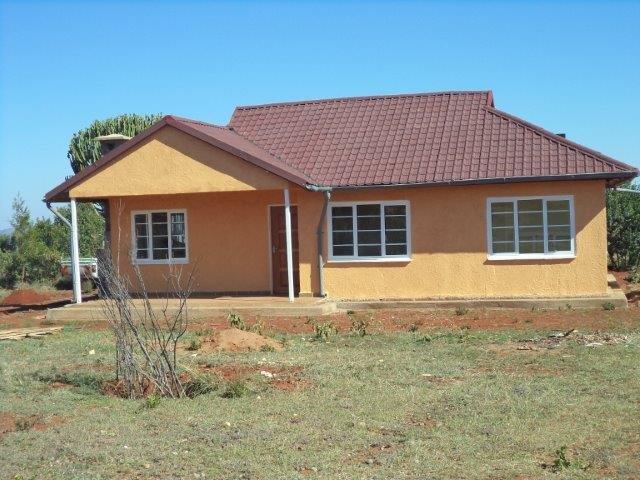
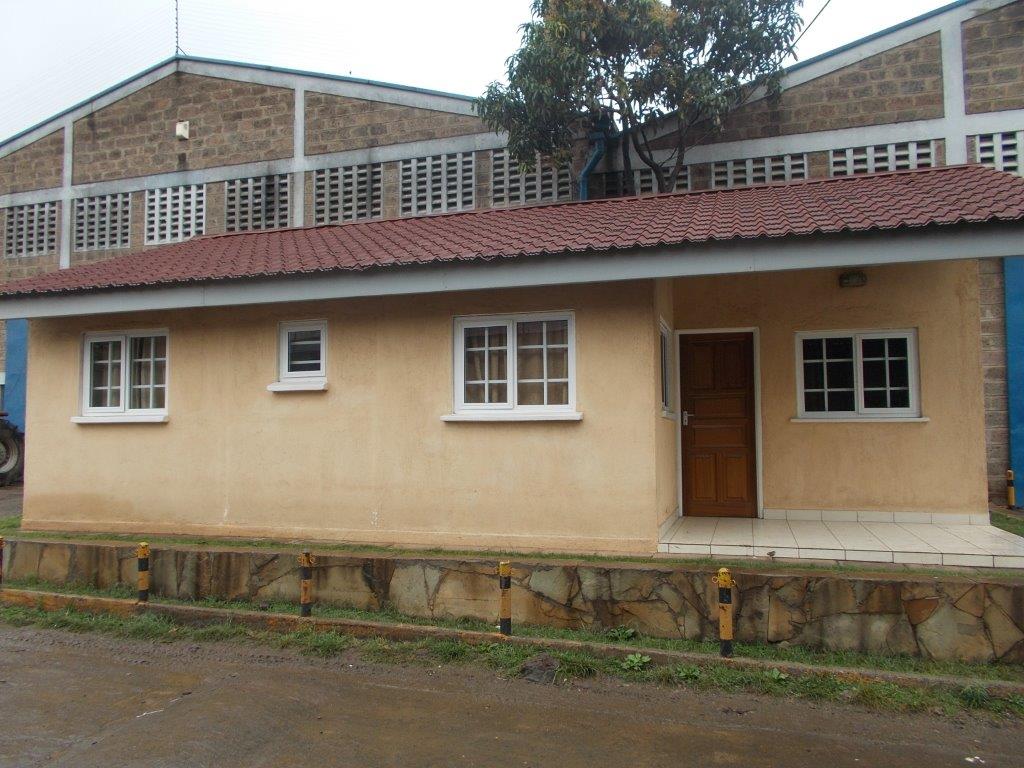
Low cost housing technologies in Kenya for single storey buildings.
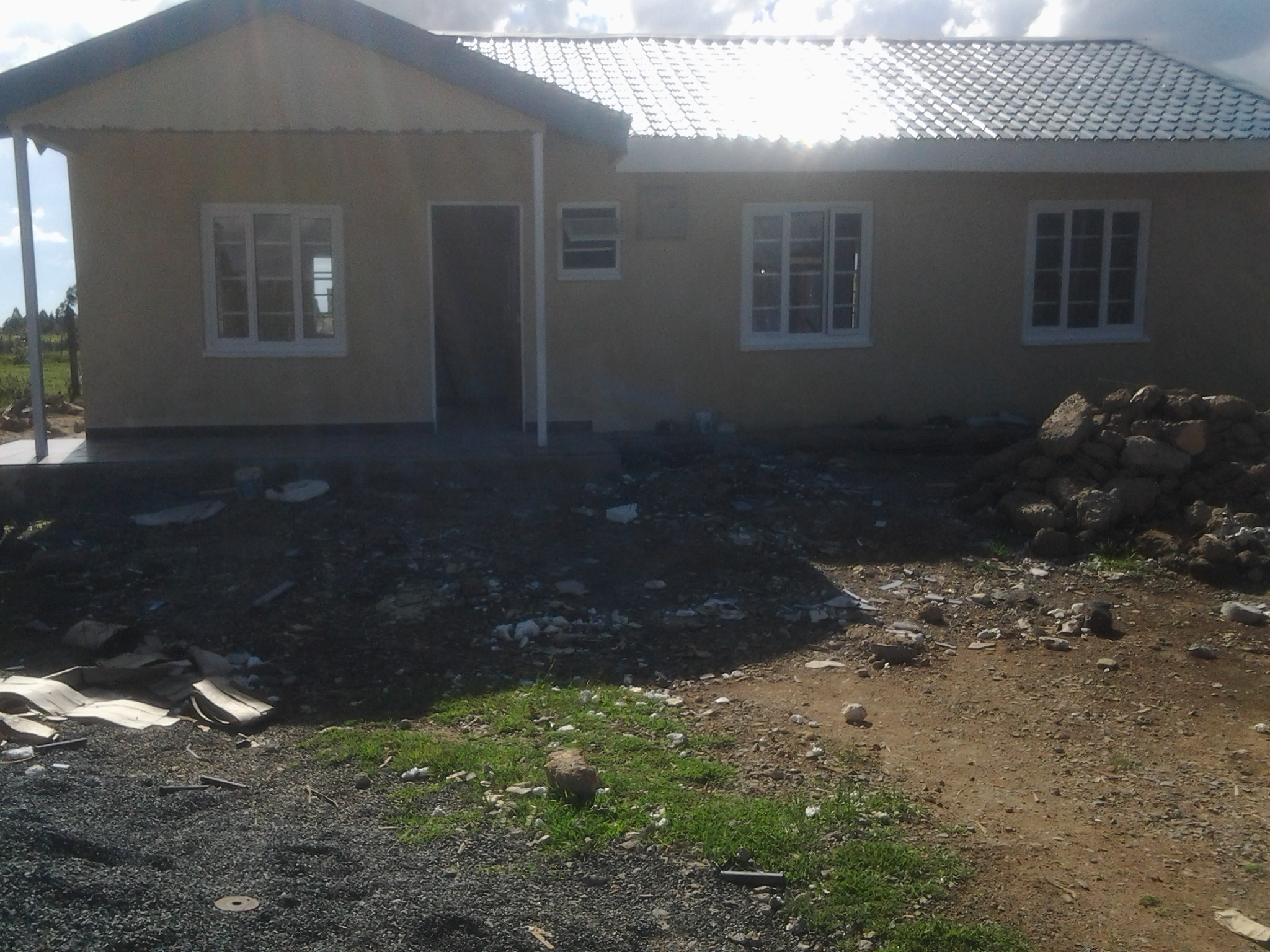
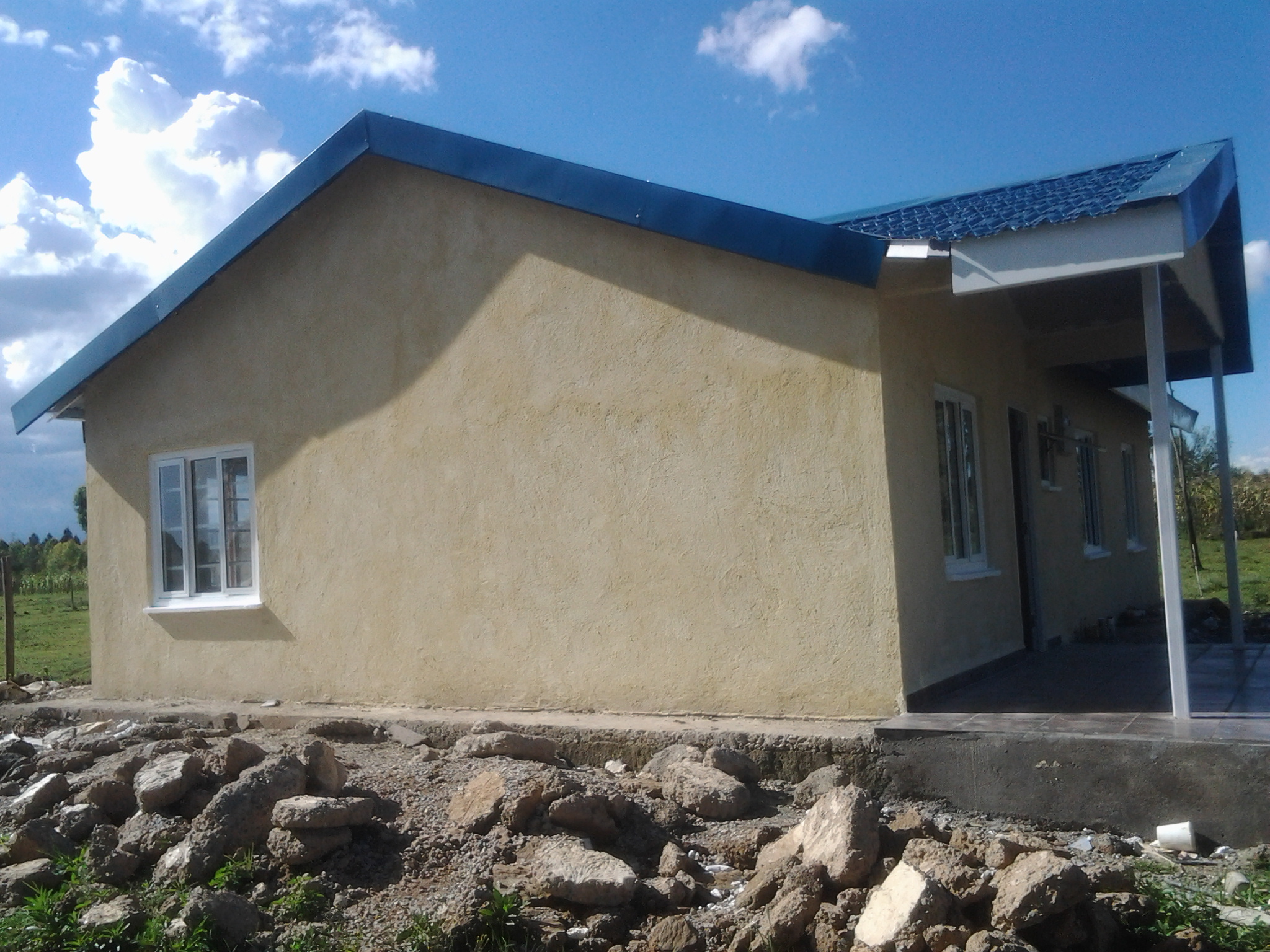
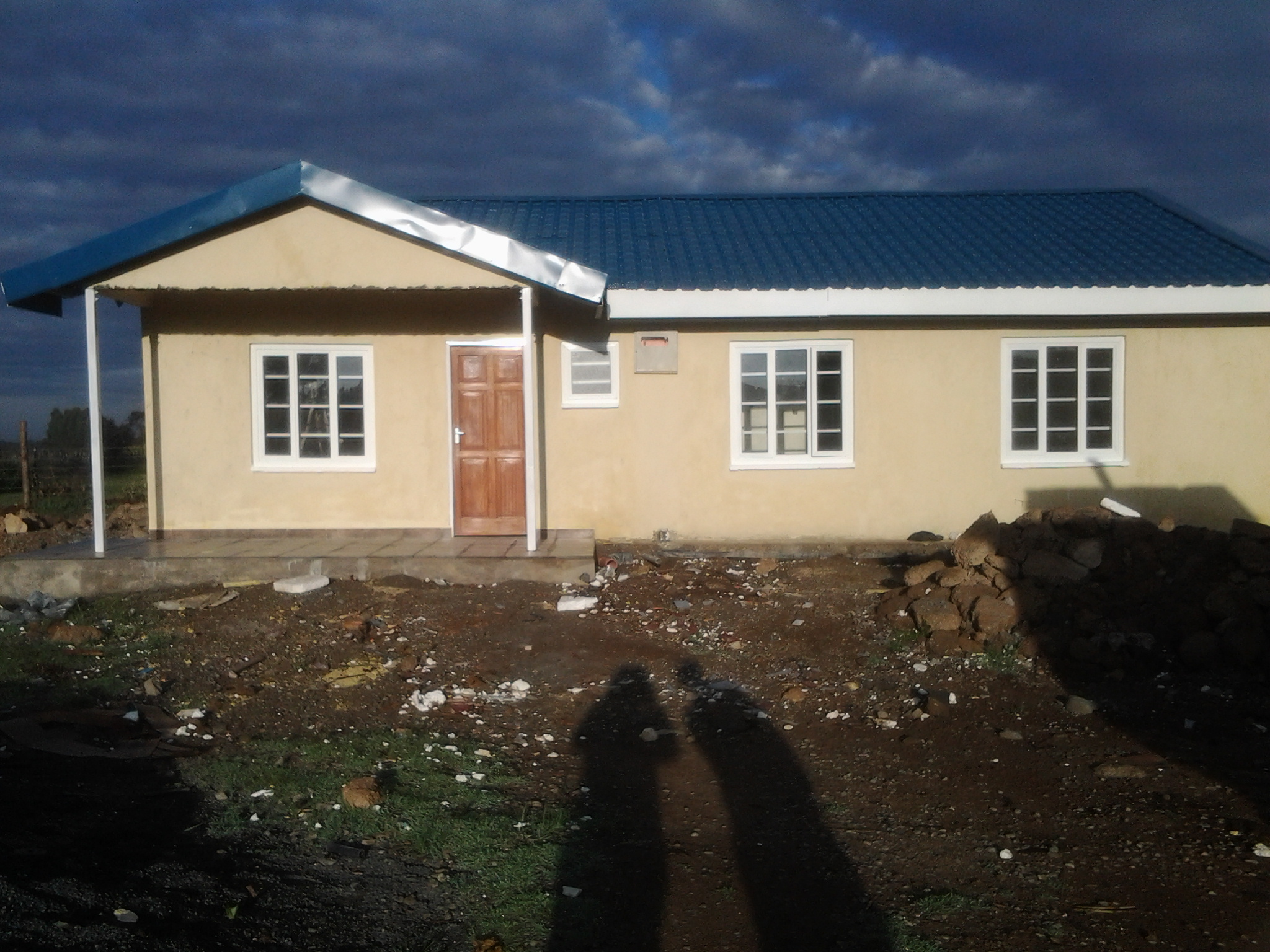
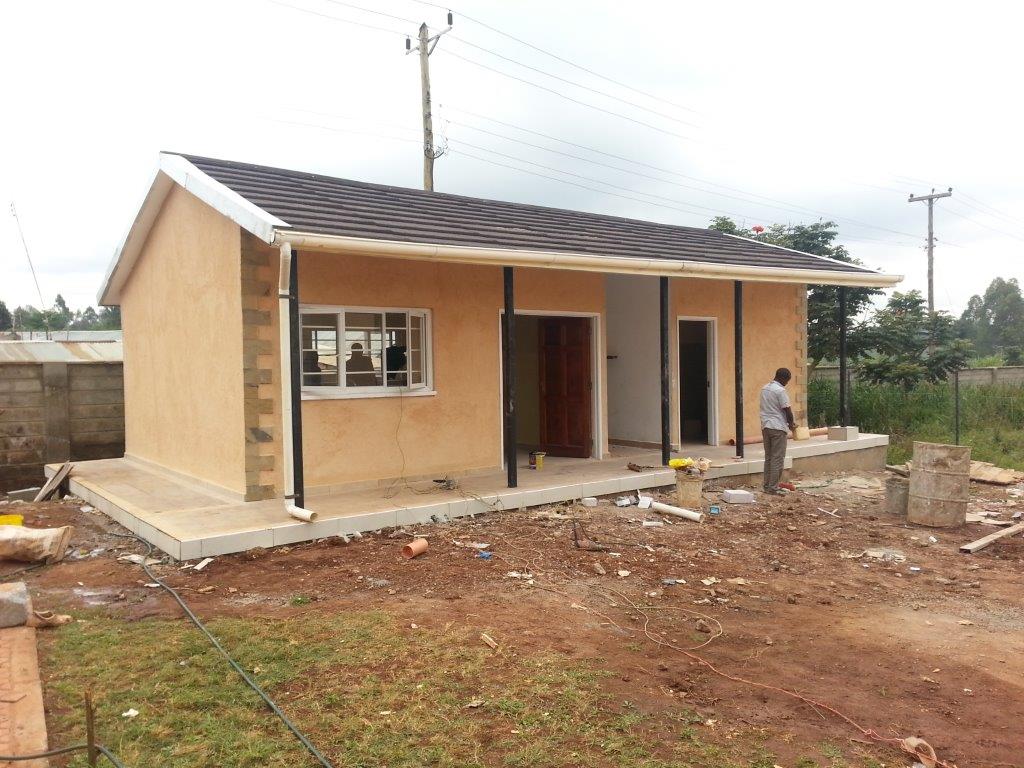
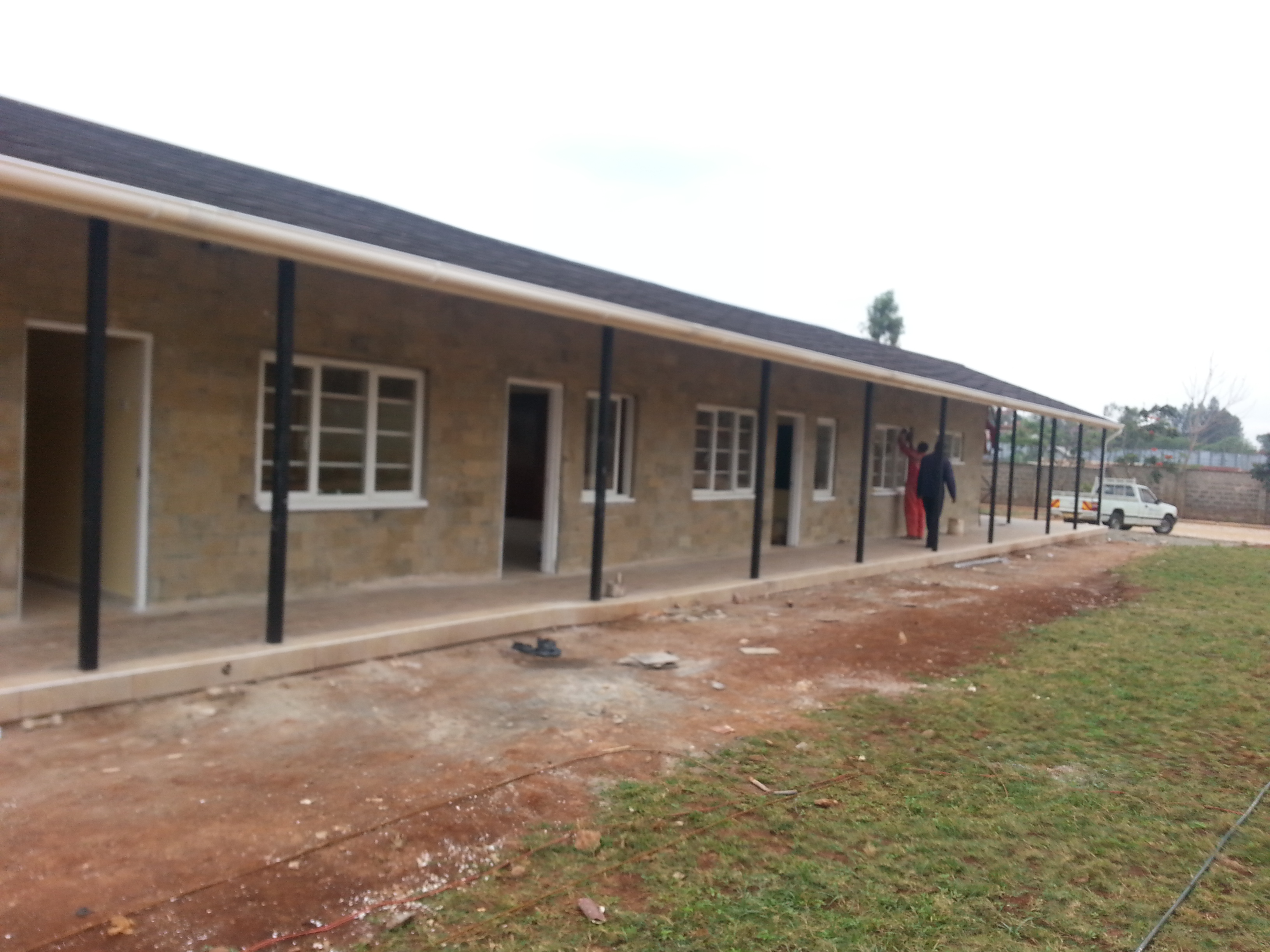
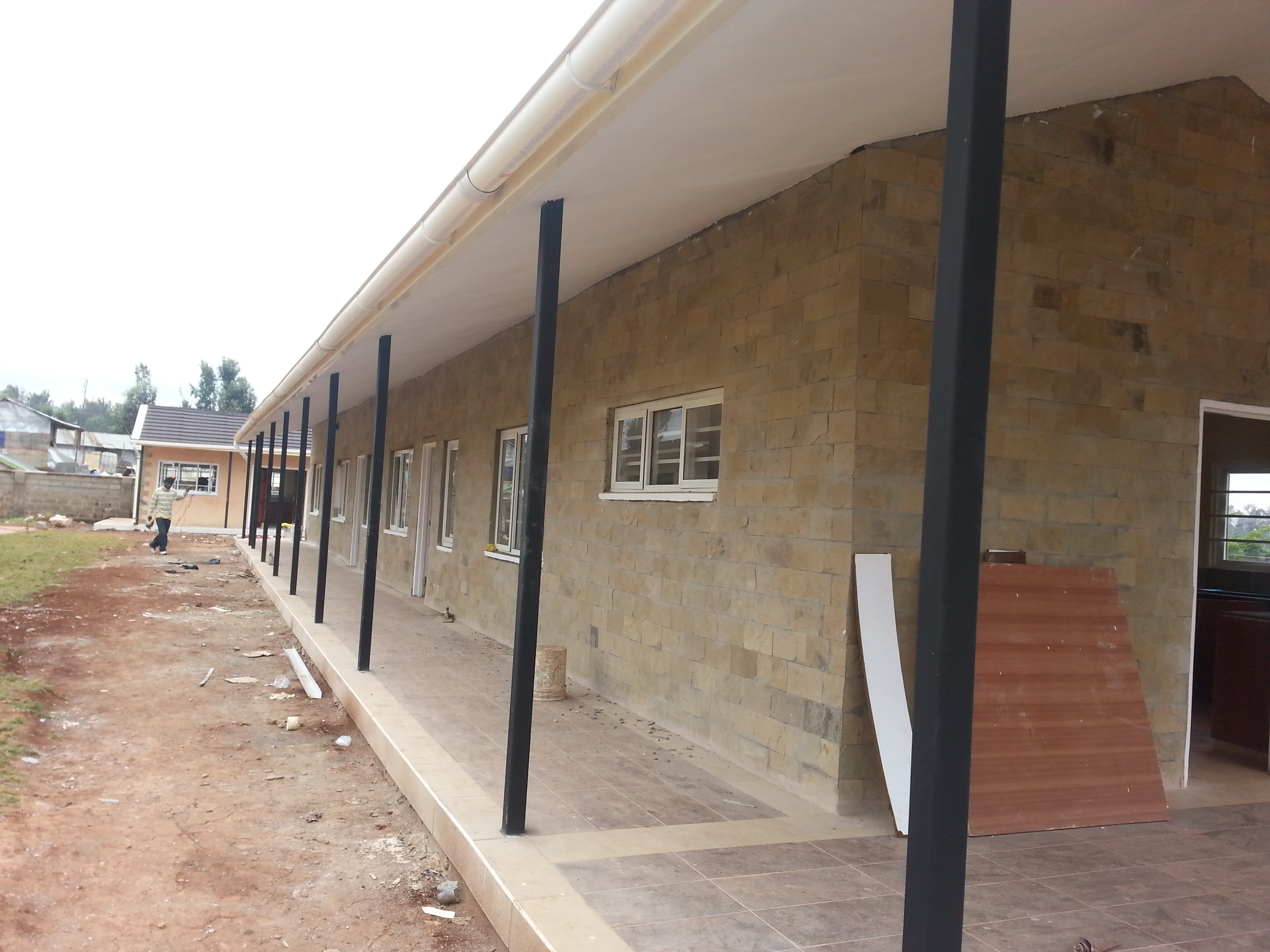
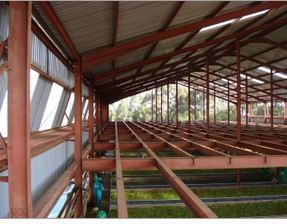
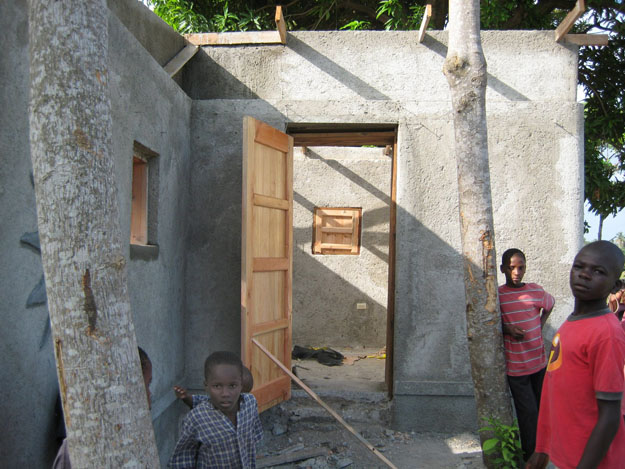
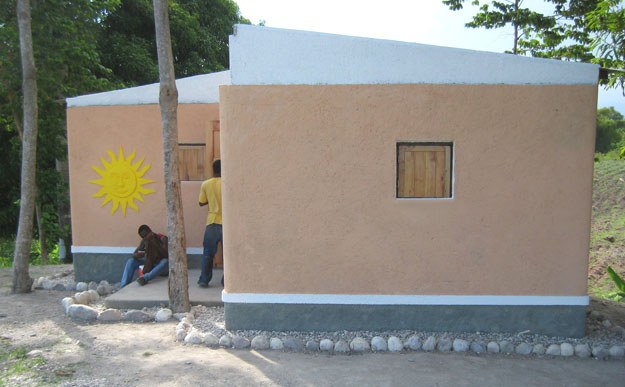
Single storey buildings in Kenya can be constructed using various technologies to reduce construction cost such as using stone, prefab panels or earthbags.
Cost of construction of asingle storey building can easily be reduced by having small reduction costs in all the building elements i.e foundation, walling, roofing, doors and windows and finishes.
Stone.
Stone is increasingly becoming expensive as quarries dry up in Juja. Cost of walling with cost per m2 of stone wll surface with one side plastered at around kes 1,400 per m2. This is slightly cheaper than prefab walling at kes 1,800 per m2 but more expensive than earthbag walling at kes 800 per m2 with both sides plastered.
Stone has advantages in that it does not require external plaster and is self supporting.Prefab panels.
Cementous prefab panels cost a minimum of kes 1800 per m2, higher than stone wall and earth bag walling. They also require light steel gauge structure to support .

Prefab panel advantages are that the panel is usually quite smart since the plaster is done in factory controlled confines, hence the accuracy.Earthbag walling.
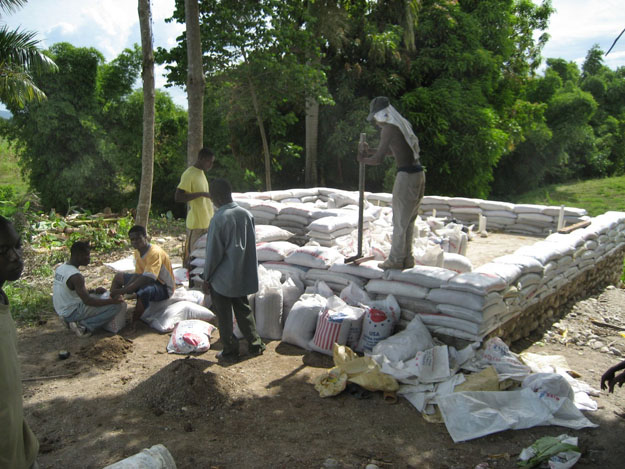
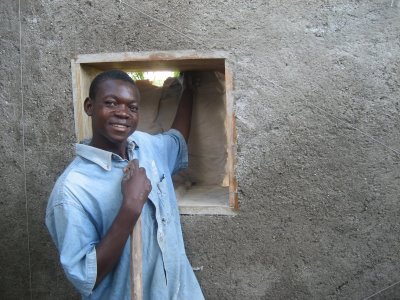
This is self supporting and provides the lowest cost ossible for single storey walling compared to stone, iron sheet and prefab panels.
The disadvantage is that the wall is 450mm thick, hence not suitable for small spaces since the wall takes up large floor area surface.
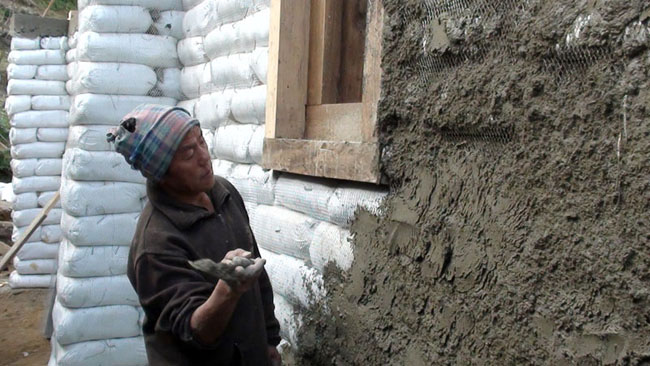


Bottles can be introduced to create interesting wall patterns.


Francis Gichuhi Kamau, Architect. -
Buying Property Off Plan in Kenya. Pros and Cons.
Buying off plan is whereby someone buys a property before the construction is complete. In most cases, the purchase is in form of a 10 to 30% deposit towards the total sale price.
1. What are the pros and cons of buying a house off the plan?
Advantages.
Off plan sale prices are usually set at the break even point, without huge profit markup by the developer. The developers usually set up initial low prices to attract initial buyers from which will attract the rest of the buyers,hence setting up the low sale price.
Off plan sales also reduce the risk to the buyer since the initial required amount of 10 to 30% enables the buyer to have more time to do due diligence for the remaining 70 to 90% of the sale price.
Some smart investors buy buildings off plan when they are still in construction then resell once construction is complete, making huge profits easily since they only use the initial 10 to 30% then resell to new buyers when the price is high after completion.
This is one of the easiest ways to make millions of shillings in Kenyan real estate.
After a building is complete, naturally, the property demand becomes higher hence higher prices.Disadvantages.
In rare cases, buyers can buy into a project whereby the developer does not intend to complete the building. Also, in rare cases, buyer can buy into a project then legal complications as towards the land ownership title deed can come into play eg at Tamarind Estate, Mlolongo whereby after buyers had completed paying and moved into the houses, the title deed developed issues of double allocation, resulting to long court cases.
http://www.businessdailyafrica.com/Corporate-News/Mwau-sucked-into-Tamarind-and-KCB-Mavoko-land-dispute-/-/539550/2477430/-/tohw2hz/-/index.html
In other cases, buyers do not get the quality of construction that was promised by the developer eg in the case of Greenpark estate, Athi river where buyers complained of sewer issues.
http://www.standardmedia.co.ke/m/story.php?articleID=2000106175&story_title=When-the-gated-lifestyle-dream-collapses
2. What are the things you’d advise a buyer to look out under this arrangement?
As an architect, i would mostly advise a buyer to look into the architectural, engineering and quantity surveying consultants hired. If the developer has retained the services of registered architects, engineers and quantity surveyors, for design all through till supervision to completions, chances of any technical failure is close to zero. In most of these failures as outlined above, the developers retain the services of architects, engineers and quantity surveyors for the design only so as to enable the county government to grant approvals. After approval to construct is granted, the developers then continue to construction phase without the architect, engineer and quantity surveyor input, hence the problems emanating from this. It would be prudent for the buyer to ask to see agreements between developer and consultants and go further and ask for proof of building supervision eg site meeting minutes and site attendance register.
Also, the buyer will need to make due diligence checks on the title deed to see if there are any caveats to the land and confirm the land ownership details.
3. How can a buyer ensure they are not ripped off in instances where the developer does not live up to the specifications?
If buyers insist on the architects, engineers and quantity surveyors involvement in supervision of construction, then chances of technical problems are reduced to zero. Consultants usually have strict code s of ethical conduct hence not easily moved towards shortcuts like developers hence ensuring quality. Buyers can also opt to hire independent architects, engineers and quantity surveyors to advice them throughout the building process as to whether the quality control mechanisms are being adhered to.4. Many say the problem comes mainly when developers refuse to retain professional/qualified consultants like architects and engineers? Do you agree and what would you advise?
Yes. In Kenya, building construction is largely unregulated and the buyers are usually at the mercy of developers with little or no quality control input mechanism to protect buyers. Since the Kenyan laws are not well crafted to force all developers to use registered consultants, buyers will have to set up their own personal mechanisms such as hiring independent professionals to counter check quality until such a time when such laws will be in place and enforced to ensure consumer protection.Francis Gichuhi Kamau, Architect.
-
Walling costs in Kenya. Various options.
Walling is mainly used to enclose a habitable space in the house or the property boundaries.
There are various materials that can be used, with each having its onw costs, advantages and disadvantages as shown below.1.
Masonry walling.
Masonry stones are rapidly becoming expensive as the quarries continue to dry up in Juja and Kilifi. A machine cut stone is currently going for kes 60 per piece, bringing the cost per m2 to kes 800 for stone only and kes 250 for joining cement motar, totaling kes 1050 per m2.
This requires an expensive reinforced concrete foundation that can withstand the heavy self weight of stone , at 10kn/mm2 per 3m length of walling.

2. Stabilised soil block walling.
This is made form compressed red soil mixed with cement. It requires careful quality control to check the mixes and curing. Simple mistakes will result in the stones crumbling from elements of weather such as rain.
Protection from elements of weather is necessary, through roof overhangs and copings.Cost per m2 is around kes 600.
Cement plaster covering is necessary to ensure the wall is weather proof from rain and sun. Assuming kes 400 to plaster both sides, this totals to kes 1000 per m2.
3. Earthbag walling.
This is made of soil filled in to polypropylene gunny bags.The cost per m2 is as below
Cost of labour per bag is kes 30. Cost of bag is kes 20. Total cost is kes 50 per bag. This brings out to kes 500 per m2 for walling.
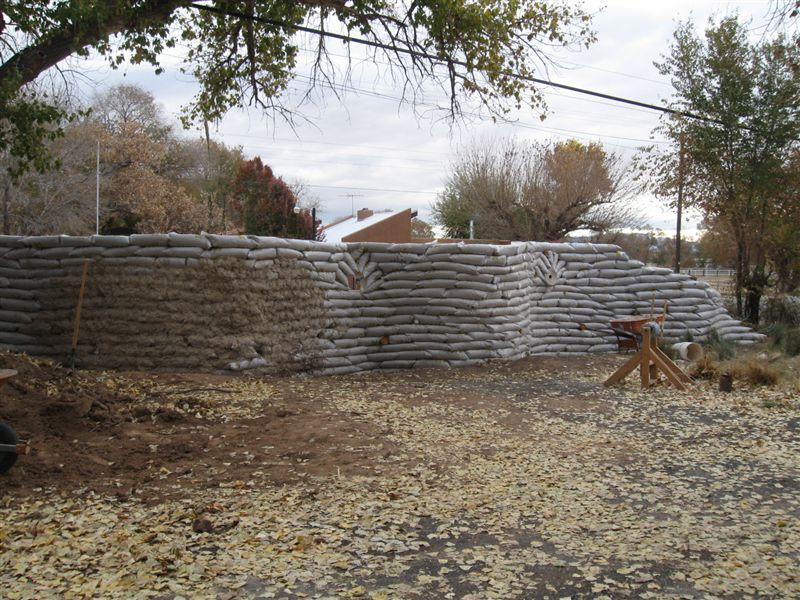


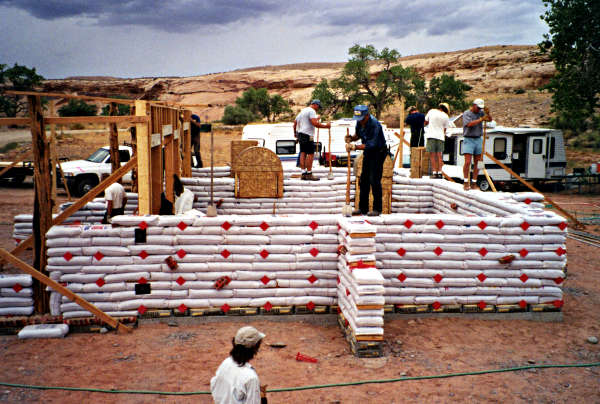
These will need plaster on both sides to protect the polypropylene bags from UV rays from the sun. Assuming kes 400 per m2 to plaster both sides, this totals to kes 900 per m2, which is lower than cost of stones and stabilised soil blocks.Francis Gichuhi Kamau, Architect.
0721410684.
info@a4architect.com -
1/8th acre plot for sale, Kahawa Wendani.
1/8th acre plot for sale, Kahawa Wendani.
Price guide kes 12.85m.
Call 0721410684 or email info@a4architect.com for more info.[googlemaps https://maps.google.com/maps?f=q&source=s_q&hl=en&geocode=&q=St.Joseph’s,+Kahawa+Sukari,+Kiambu,+Kenya&aq=0&oq=st+josephs+kahawa&sll=-1.196897,36.927892&sspn=0.006071,0.010568&t=h&ie=UTF8&hq=St.Joseph’s,&hnear=Kahawa+Sukari,+Kiambu+Province,+Kenya&ll=-1.195613,36.933259&spn=0.006295,0.034043&output=embed&w=425&h=350]
-
Residential and Commercial Property Investment Yield in Kenya.
Investment yield is the return on investment of a property.
Yield is calculated by getting the annual rental income divided by property value then multiply by 100. This gives the gross yield. Net yield is gotten after deductions to income such as taxes, maintenance costs, property management costs are removed from the annual income.
Internationally, most residential property yields are below 10%. Most commercial property yields are around 10%.
Factors affecting Yield.
Location.
Yield is affected by location of the property.Properties located at the front row of a major road have higher yields than properties further away. Properties located fronting major roads are convenient for tenants and are also easily visible by potential tenants looking to rent and potential buyers looking to buy from businesses in the property. Also, bill board advertisements can boost the yield.Low end properties.
In Kenya, there are many investors who buy lands far off the main roads, say 5 km from tarmac, where mabati structures can be built for rent. For example, if someone buys a 1/8th plot in Isinya, Kajiado or Kangundo, say for kes 500,000 and builds mabati houses, the yield will be as below.
Cost of construction of 10 mabati houses =10 x 8000 x 15=kes 1.2m. Cost of land =kes 500,000. Cost of property=kes 1.5m.
Annual rent =1000x 10 x12=kes 120,000.
Yield will be kes 120k/kes 1.7m x 100= 7%. This is within international rates .High end properties.
Other investors buy high end properties in Westlands to be used as offices. The yield for such properties is as below.
http://www.regent-mgt.com/index.php?option=com_content&view=article&id=86:office-suites-for-sale-westlands-lantana-road-arundale-heights&catid=83&Itemid=501
Price per sq meter is on average kes 130,000. Rental income per m2 is on average kes 1,000.
Yield will therefore be 1000 x 12/130,000×100= 9.2%, which is a good business deal with better profits.
http://classifieds.capitalfm.co.ke/property/commercial-property-for-sale/office-space-for-sale/africa/ke/nairobi/nairobi/valley-view-office-park-286300.html
Middle class properties.
These are mostly residential houses built in Rongai, Kitengela, Ruriu, Ruai for sale. The selling price is around kes 6m for a 3 bedroomed unit and the rent is around kes 25,000 monthly. The yield is as below
25000x 12/6000000x 100= 5 %. The yield is quite low compared to the low and high end profit margins.The a4architect motel along Southern bypass has a yield calcultated as below.
https://www.a4architect.com/buy-a-hotel-room-along-the-southern-bypass/

Monthly room charges. kes 1,400. Assumed occupancy rate =70%. Monthly room revenue = 1400 x 30 x 70%=kes 29,400. Annual income=kes 352,800.
Cost =kes 2m.
Yield =kes 352,800/kes 2m x100=17.64%. This gross yield is higher than the other investment options available.Francis Gichuhi Kamau, Architect.
info@a4architect.com
0721410684 -
Land for Sale, Kitengela, opposite Yukos.
1/8th acre plot for sale at Kitengela, opposite Yukos. Se Map below.
Price guide kes 7m.
Call 0721410684 or email info@a4architect.com[googlemaps https://maps.google.com/maps?f=q&source=s_q&hl=en&geocode=&q=yukos+oil+kenya+limited,+Nairobi+-+Namanga,+Athi+River,+Kajiado,+Kenya&aq=0&oq=yukos&sll=-1.491816,36.956871&sspn=0.00607,0.010568&t=h&ie=UTF8&hq=yukos+oil+kenya+limited,+Nairobi+-+Namanga,+Athi+River,&hnear=Kajiado,+Kajiado+Province,+Kenya&ll=-1.508847,36.955904&spn=0.733097,0.360897&output=embed&w=425&h=350]
-
Self Healing Wall Plaster.
Wall plasters are commonly made of a mortar mix of cement and sand, in a ratio of 1 to 3 or 1 to 4 This cement plaster is usually quite rigid and water proof. This does not allow moisture trapped within the wall to escape, leading to moulds on the walls later on.
Cement plaster.
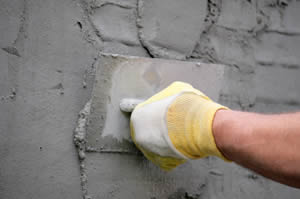
Also, due to the rigidity, cement plasters are prone to cracks when the wall support shifts during settling. The advantage of cement plaster is the ability to set and harden within a very short time.Solution.
Lime.
Lime plasters have been used for hundreds of years.Cement is a relatively new product, less than 100 years old.
Lime plaster is mixed in the same 1 to 3 and 1 to 4 ratio as cement. The advantage of lime plaster is the special effect of self healing, whereby cracks on the wall fill up with the calcium carbonate emanating form the rest of the lime plaster. Lime also allows the wall to breath, letting out any trapped moisture in the middle.Cement plus Lime.
Cement can also be mixed with lime and sand to add to the cement and lime advantages into plaster. A ratio of 1 to 2 to 9 for cement, lime and sand.
There is a church built in the 1940s in the United Kingdom with the same mix and is still standing to date.
http://ihbc.org.uk/context_archive/53/Limemortar_dir/Limemortar_2.htmThe initial layer that supports to the existing wall can be made abit stronger to help in bonding. The subsequent layers that stick on to the initial later can have a weaker mix.
Lime addition helps to improve the workability of the plaster, making it easier to spread with a trowel.
Francis Gichuhi Kamau, Architect.
info@a4architect.com
0721410684 -
Land 1 acre for sale at Syokimau.
Land 1 acre for sale at Syokimau.
Located 3.1 km from Mombasa road.
Price guide kes 20m. call 0721410684 or email info@a4architect.com for more info.[googlemaps https://maps.google.com/maps?f=d&source=s_d&saddr=Syokimau+-+Katani+Rd&daddr=Katani+Road&hl=en&geocode=FVP16v8d1XozAg%3BFb446_8dds8zAg&sll=-1.362284,36.95348&sspn=0.012142,0.021136&t=h&mra=dme&mrsp=1&sz=16&ie=UTF8&ll=-1.362284,36.95348&spn=0.012142,0.021136&output=embed&w=425&h=350]